- Chinese
- French
- German
- Portuguese
- Spanish
- Russian
- Japanese
- Korean
- Arabic
- Irish
- Greek
- Turkish
- Italian
- Danish
- Romanian
- Indonesian
- Czech
- Afrikaans
- Swedish
- Polish
- Basque
- Catalan
- Esperanto
- Hindi
- Lao
- Albanian
- Amharic
- Armenian
- Azerbaijani
- Belarusian
- Bengali
- Bosnian
- Bulgarian
- Cebuano
- Chichewa
- Corsican
- Croatian
- Dutch
- Estonian
- Filipino
- Finnish
- Frisian
- Galician
- Georgian
- Gujarati
- Haitian
- Hausa
- Hawaiian
- Hebrew
- Hmong
- Hungarian
- Icelandic
- Igbo
- Javanese
- Kannada
- Kazakh
- Khmer
- Kurdish
- Kyrgyz
- Latin
- Latvian
- Lithuanian
- Luxembou..
- Macedonian
- Malagasy
- Malay
- Malayalam
- Maltese
- Maori
- Marathi
- Mongolian
- Burmese
- Nepali
- Norwegian
- Pashto
- Persian
- Punjabi
- Serbian
- Sesotho
- Sinhala
- Slovak
- Slovenian
- Somali
- Samoan
- Scots Gaelic
- Shona
- Sindhi
- Sundanese
- Swahili
- Tajik
- Tamil
- Telugu
- Thai
- Ukrainian
- Urdu
- Uzbek
- Vietnamese
- Welsh
- Xhosa
- Yiddish
- Yoruba
- Zulu
- Kinyarwanda
- Tatar
- Oriya
- Turkmen
- Uyghur


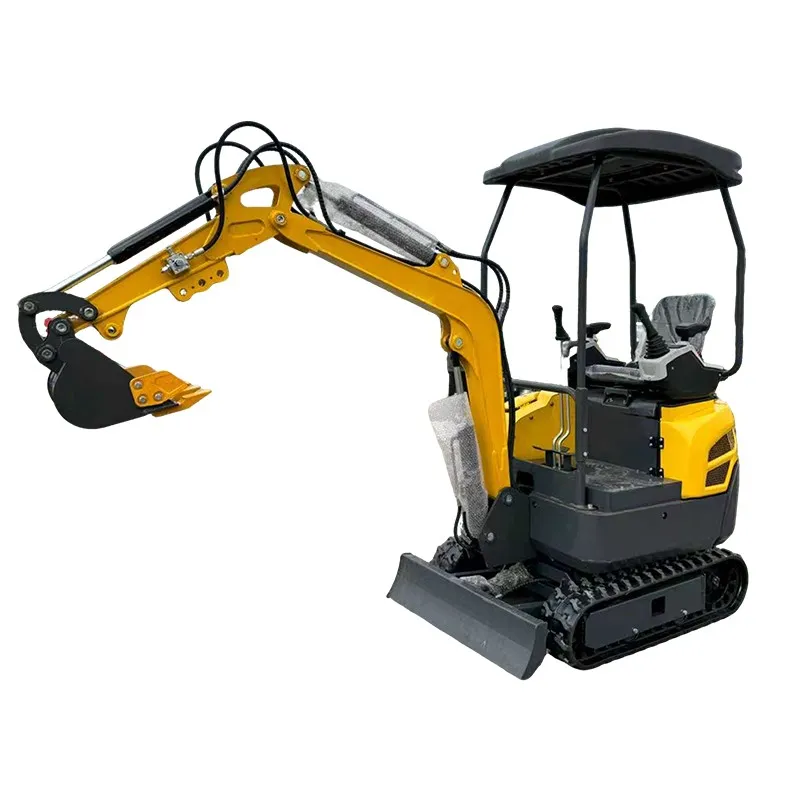
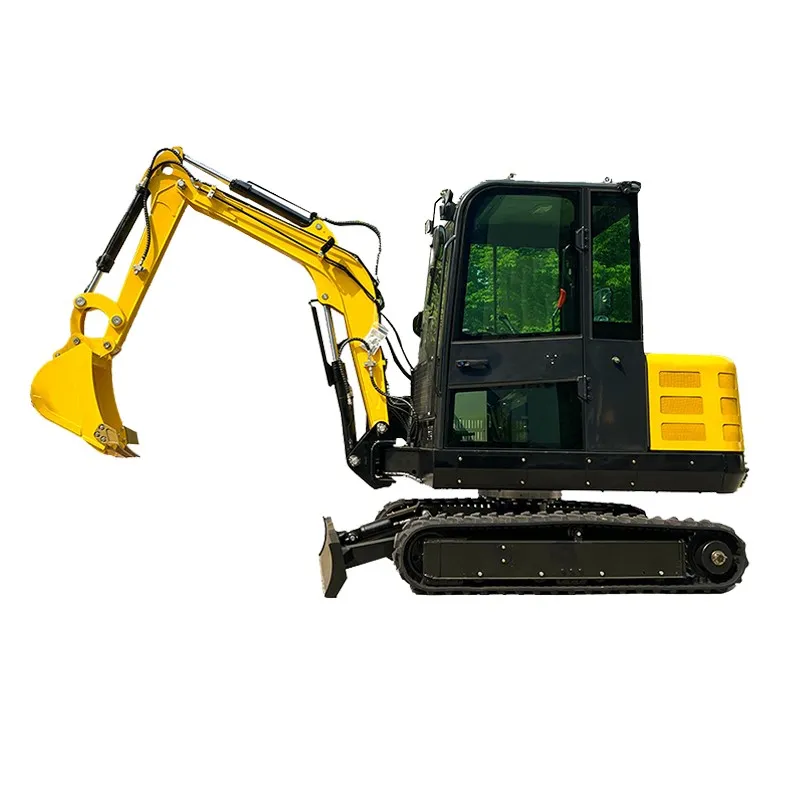
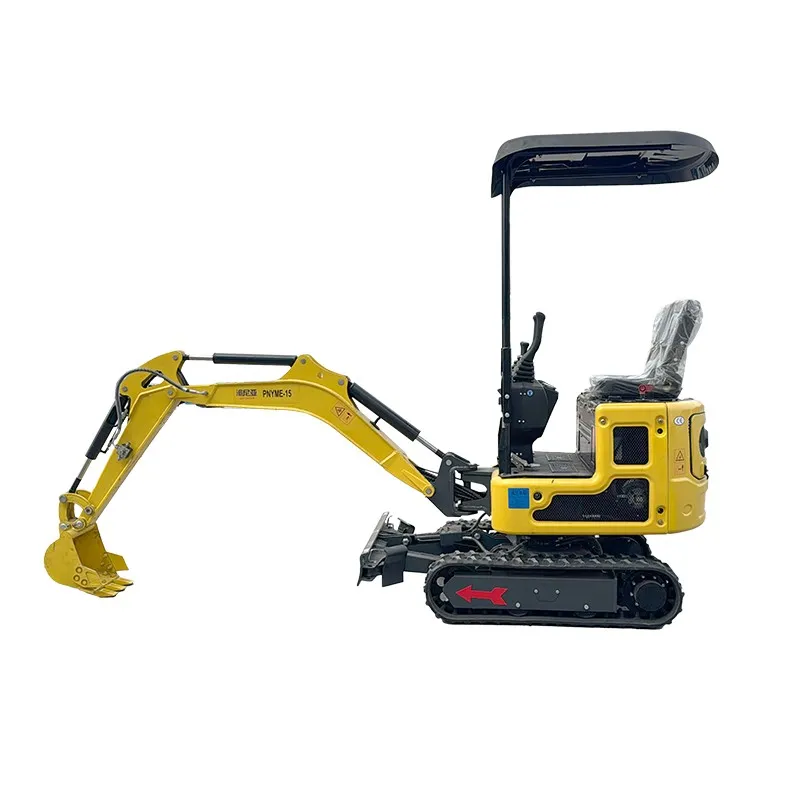
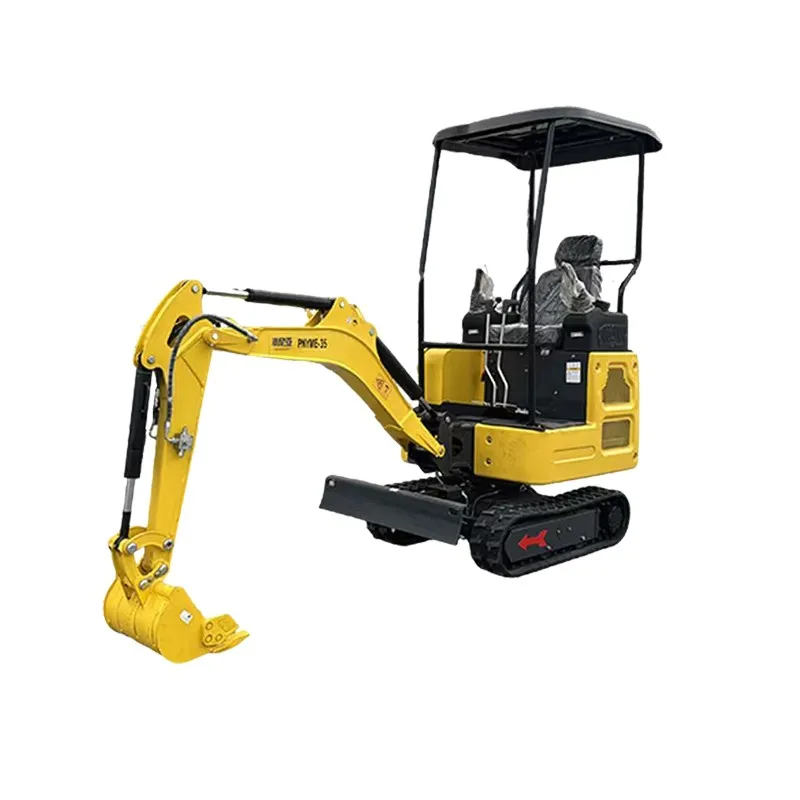
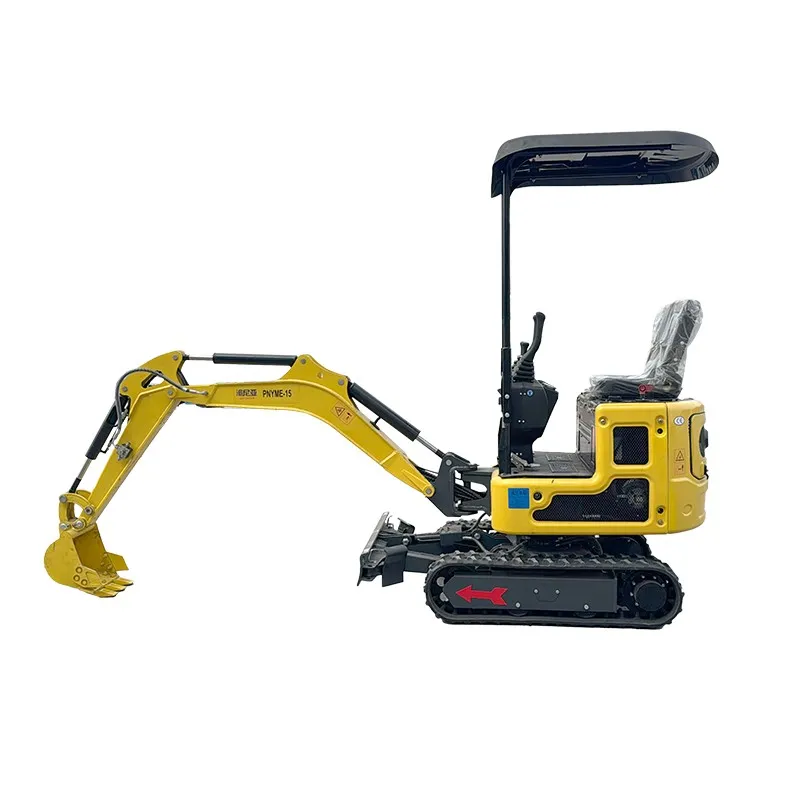
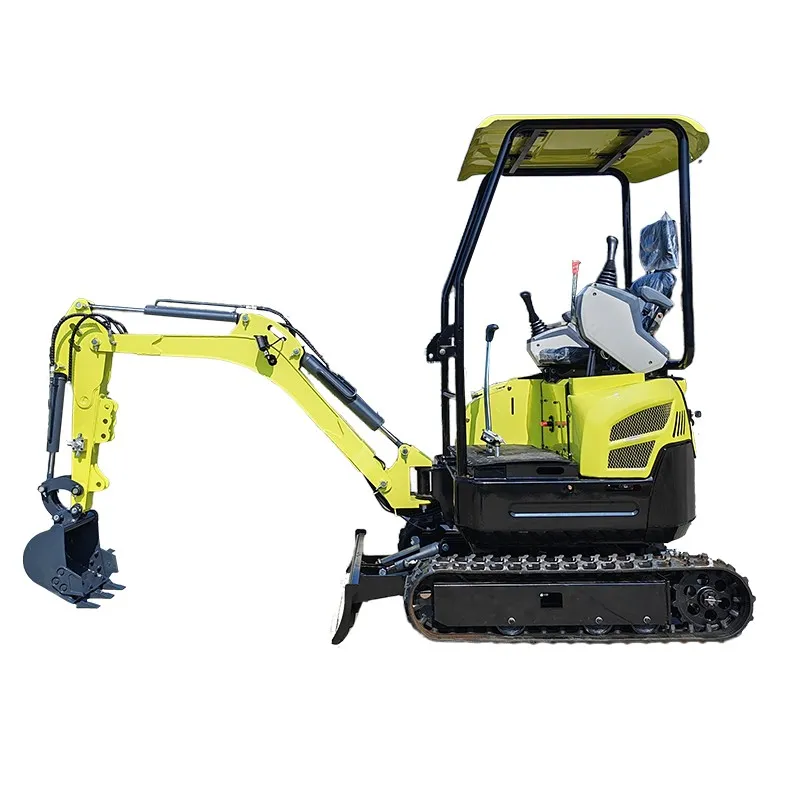
Farm excavator
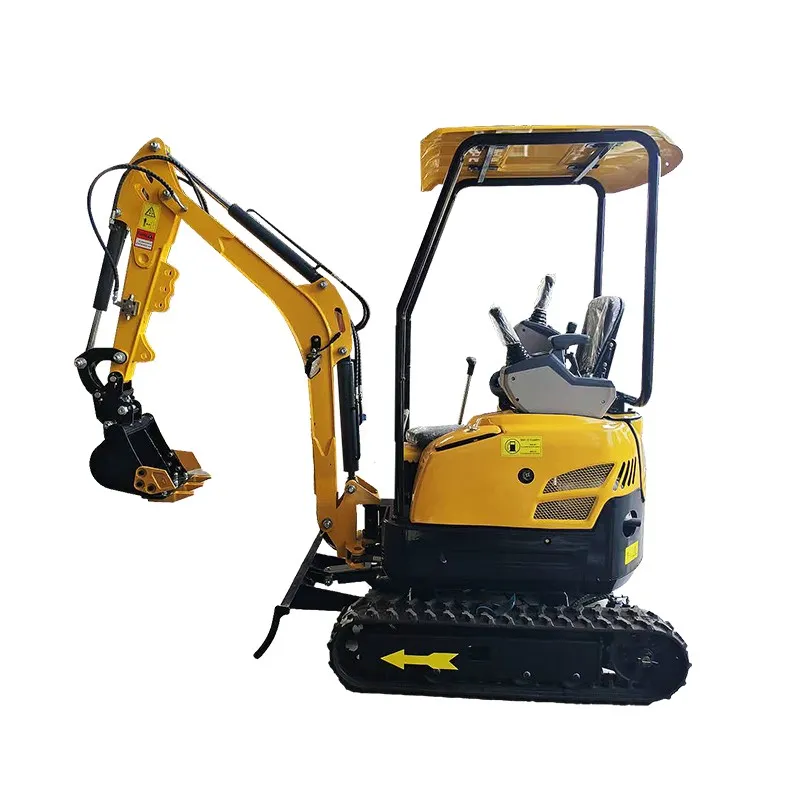
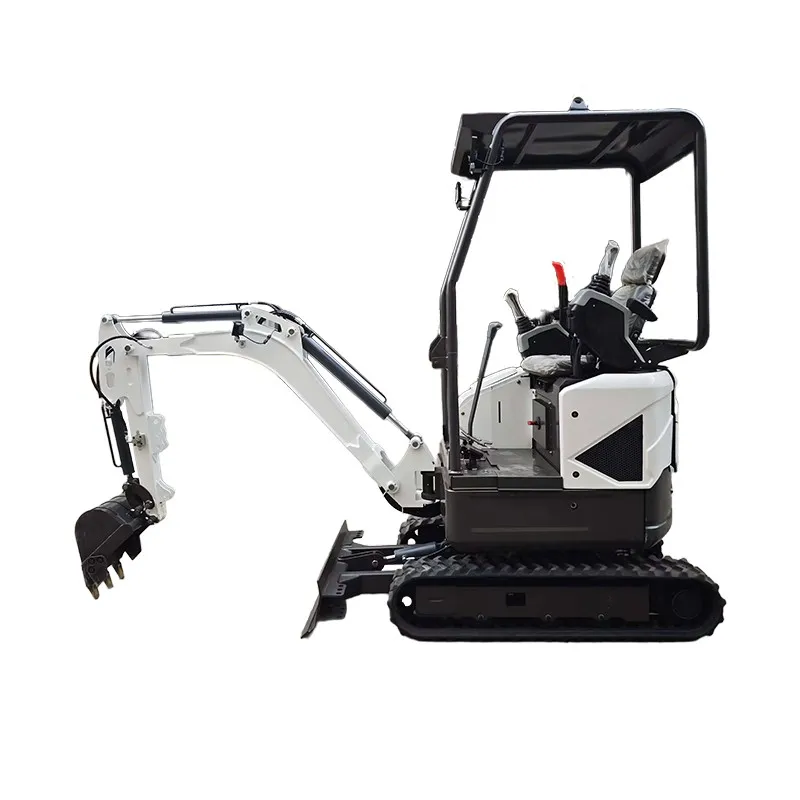
When most folks hear 'farm excavator,' they picture a yellow machine digging a pond. That's part of it, but it's a shallow view. In reality, a proper farm excavator is a Swiss Army knife for the modern agricultural operation. It's about precision, adaptability, and surviving conditions that would make a city-spec machine weep. The common mistake is thinking any small excavator will do. It won't. The difference is in the details—undercarriage, hydraulic response, attachment versatility—and whether it's built for the relentless, mud-and-manure reality of a working farm, not just a gentle landscaping project.
The Anatomy of a True Farm Machine
Let's break down what separates a dedicated farm excavator from its generic cousin. First, the undercarriage. You need a wider track gauge for stability on soft, uneven ground—think the side of a manure lagoon or a freshly plowed field. Standard machines tip too easily. Then, the hydraulics. They need to be responsive enough for delicate work like lifting a newborn calf (it happens) or carefully maneuvering around buried irrigation lines, yet powerful enough to rip through compacted root masses. It's a balance many brands miss.
Attachments are where the real magic happens. The quick coupler is non-negotiable. In a single afternoon, you might switch from a bucket to a grapple for clearing brush, then to a hydraulic auger for fence posts, and finish with a breaker to deal with an old concrete trough. I've seen operations try to cheap out and use a pin-on system. The lost time in changeovers kills productivity. Brands that get this, like some models from Shandong Pioneer Engineering Machinery Co., Ltd, build their auxiliary hydraulics with this rapid cycling in mind. You can check their approach on their site at https://www.sdpioneer.com—their focus on export models means they often configure for the multi-tool demands of overseas farms.
Durability is another silent spec. The cab seals need to be exceptional. Farm dust is finer and more abrasive than construction site dust; it finds every weakness. I learned this the hard way on a rental unit years ago. After a week of working near a grain dryer, the interior was coated in a fine silt, and the air filter was choked. A machine built for this environment has better filtration and often a pressurized cab. It's not a glamorous feature, but it's the kind of detail that shows a manufacturer understands the end-user's day-to-day grind.
Real-World Applications and Pitfalls
Beyond digging. One of the highest-value uses is drainage and irrigation trenching. Here, precision is everything. You're laying pipe with a specific grade. An excavator with a sluggish joystick or hydraulic drift will force constant, frustrating corrections. I prefer machines where you can almost feel the bucket's edge through the controls. We used a 7-tonner from a Chinese exporter, similar to what Pioneer offers, for a land reclamation project. Its fine control for grading shallow drainage channels was surprisingly good, though we had to retrofit a better laser-grade system ourselves.
Livestock operations present unique challenges. Digging out packed manure from winter pens requires massive breakout force. But then you're also working around fragile infrastructure—water lines, electric fences for rotational grazing. One wrong move is costly. I've seen a rookie operator snag a main water line because the machine's swing was too jumpy. A smooth, predictable swing circuit is a safety feature on a farm. It's also why I advise against buying older, worn-out industrial machines for farm use; their worn linkages make them unpredictable.
Then there's maintenance access. This is a huge, often overlooked point. On a farm, the mechanic might be the owner himself, working with basic tools. Can you easily check the hydraulic fluid? Grease all fittings without contorting? I recall a model where to check the radiator, you had to remove four bolts and a guard plate—a 15-minute job that became a major annoyance during busy harvest season. Simple, open engine bays win every time. The company profile of Shandong Pioneer mentions their manufacturing evolution since 2004; you can see this practical thinking in their newer models' service layouts, designed for easier field maintenance which is crucial for remote farms.
The Cost of Getting It Wrong
It's not just about purchase price. A mismatch in machine capability leads to hidden costs. An underpowered machine will burn excessive fuel straining against tasks it wasn't built for, wearing out components prematurely. We tried using a 5-ton compact for regular silage pit work—the constant high-effort digging wore out the track motors in under two years. The repair bill nearly matched the machine's residual value. That's a failure in selection, not engineering.
Another cost is downtime. During planting or harvest, a broken machine can have a cascading effect. Sourcing parts for an obscure or outdated model can take weeks. This is where dealing with a supplier with a solid export and parts network is critical. A company like Pioneer, which exports to places like Australia and Canada, understands the need for reliable parts supply chains. Their long-term development, as noted in their relocation and expansion to Ningyang in 2023, suggests a focus on scaling up support, not just sales.
There's also the cost of missed opportunity. A machine that can't efficiently handle multiple attachments limits what you can do in-house. Having to hire a contractor to clear land, then another to drill post holes, erodes profit margins. The right farm excavator consolidates those costs. Its value is measured in tasks accomplished per season, not just its horsepower rating.
Choosing for the Long Haul
So how do you choose? Don't start with brand first. Start with your three most demanding, frequent tasks. Match the machine's core specs to those. Then, look at the dealer or exporter's reputation for support. Can you get a service manual? Are common wear parts (pins, bushings, hoses) readily available? For an operation in the Americas or Europe sourcing from a Chinese manufacturer, this is paramount. The trust Shandong Pioneer mentions winning worldwide isn't just about the initial sale; it's built on keeping those machines running years later.
Consider the climate. Will it operate in extreme cold? You might need a block heater and different hydraulic fluid specifications. In intense heat, cooling system capacity becomes the limiting factor. I've seen machines in Texas farms shut down on summer afternoons because their cooling couldn't handle 110-degree heat combined with heavy hydraulic load. It's worth asking the manufacturer about the operating temperature range their machines are tested for.
Finally, operate it before you commit. Feel the controls. Cycle the attachments. How's the visibility to the tracks and bucket corners? This seat time reveals more than any spec sheet. A machine that feels intuitive and solid will be used more and abused less. It becomes a partner in the work, not just a tool. That's the ultimate goal for any piece of farm equipment, and the farm excavator, given its versatility and power, sits right at the heart of that equation.
The Evolving Role on the Modern Farm
The job isn't static. With more farms moving to regenerative practices, the excavator's role in building water retention landscapes, keyline plowing, and creating integrated systems is growing. It's moving from pure earthmoving to strategic land shaping. This requires an operator who understands hydrology and a machine capable of fine, graded work over large areas.
Technology integration is creeping in, too. While not yet standard, features like simple GPS grade control are moving from large construction units down to mid-size farm machines. For a farmer laying miles of drainage tile, this tech pays for itself in reduced material use and labor. Forward-thinking manufacturers are building wiring harnesses and valve banks that can accommodate these upgrades later. It's a sign of a platform built to last.
In the end, a farm excavator is a capital investment that should earn its keep for a decade or more. It's not a purchase to rush. It requires matching a machine's tangible specs—weight, horsepower, flow rate—with the intangible feel of its operation and the concrete reality of long-term support. Whether you're looking at established global brands or capable exporters from China's robust manufacturing sector, like those with the 20-year history of Shandong Pioneer, the principles remain the same: durability, serviceability, and adaptability to the unforgiving, varied life of a farm.
Related Products
Related Products