


- Chinese
- French
- German
- Portuguese
- Spanish
- Russian
- Japanese
- Korean
- Arabic
- Irish
- Greek
- Turkish
- Italian
- Danish
- Romanian
- Indonesian
- Czech
- Afrikaans
- Swedish
- Polish
- Basque
- Catalan
- Esperanto
- Hindi
- Lao
- Albanian
- Amharic
- Armenian
- Azerbaijani
- Belarusian
- Bengali
- Bosnian
- Bulgarian
- Cebuano
- Chichewa
- Corsican
- Croatian
- Dutch
- Estonian
- Filipino
- Finnish
- Frisian
- Galician
- Georgian
- Gujarati
- Haitian
- Hausa
- Hawaiian
- Hebrew
- Hmong
- Hungarian
- Icelandic
- Igbo
- Javanese
- Kannada
- Kazakh
- Khmer
- Kurdish
- Kyrgyz
- Latin
- Latvian
- Lithuanian
- Luxembou..
- Macedonian
- Malagasy
- Malay
- Malayalam
- Maltese
- Maori
- Marathi
- Mongolian
- Burmese
- Nepali
- Norwegian
- Pashto
- Persian
- Punjabi
- Serbian
- Sesotho
- Sinhala
- Slovak
- Slovenian
- Somali
- Samoan
- Scots Gaelic
- Shona
- Sindhi
- Sundanese
- Swahili
- Tajik
- Tamil
- Telugu
- Thai
- Ukrainian
- Urdu
- Uzbek
- Vietnamese
- Welsh
- Xhosa
- Yiddish
- Yoruba
- Zulu
- Kinyarwanda
- Tatar
- Oriya
- Turkmen
- Uyghur

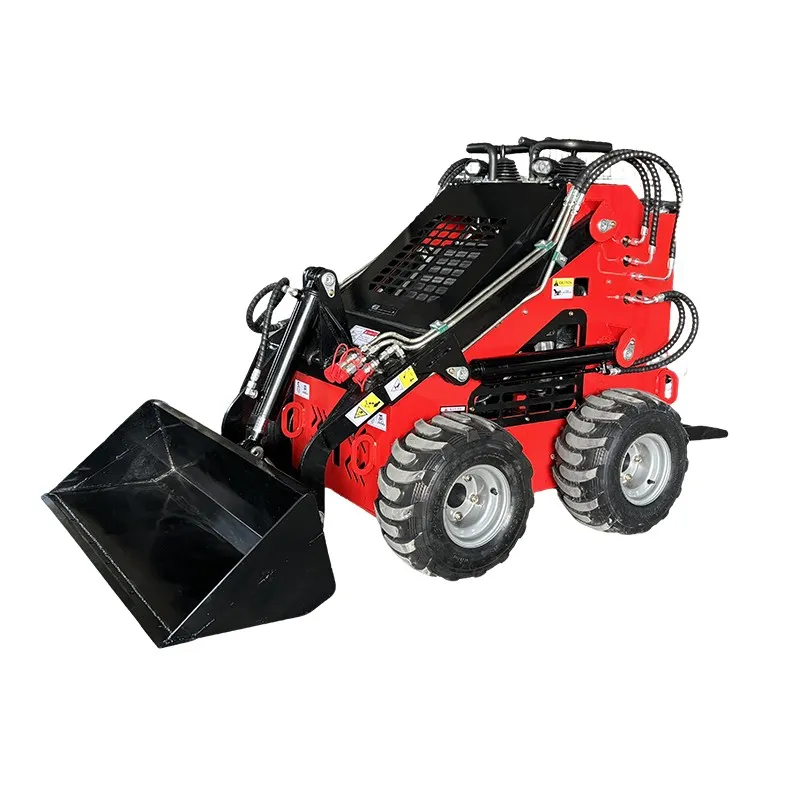
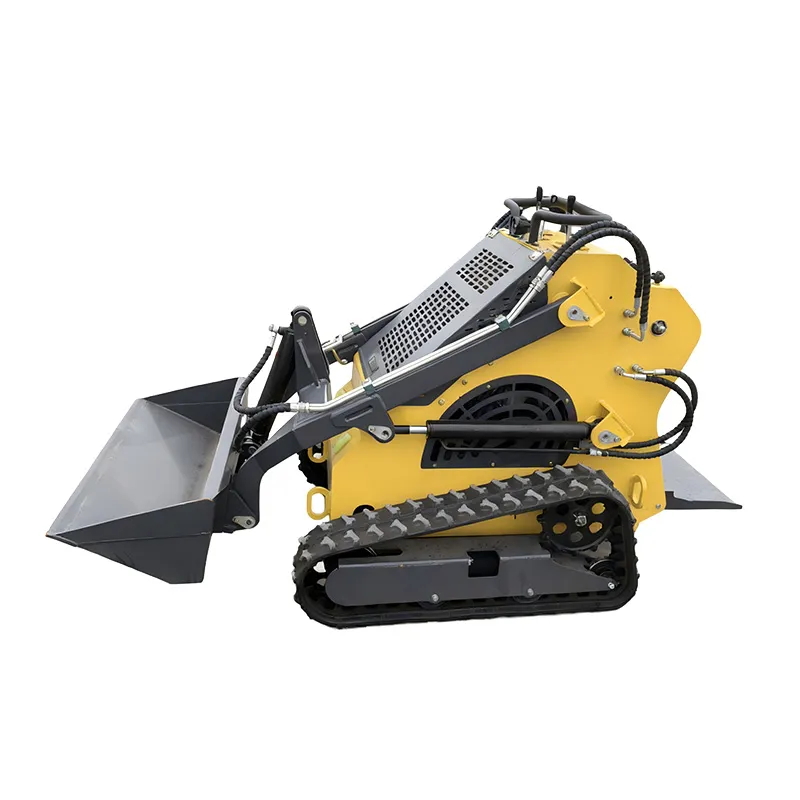
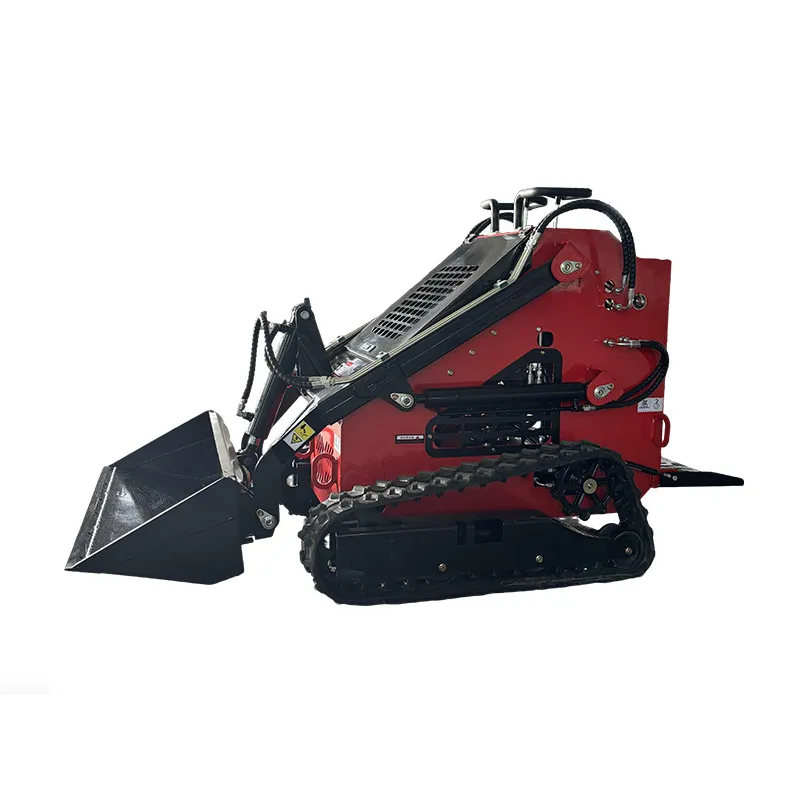
farm skid steer Loader
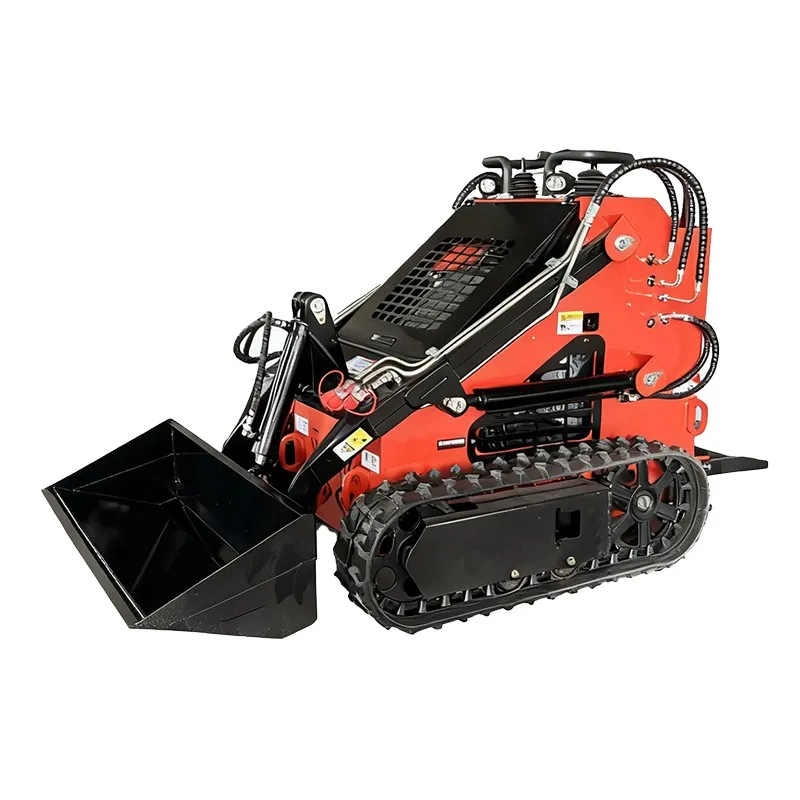
When most folks think about a farm skid steer loader, the first thing that comes to mind is raw power and versatility—moving manure, hauling feed, maybe some light grading. That’s not wrong, but it’s a surface-level take. The real story isn’t just about having a machine; it’s about matching the right machine to the specific, often brutal, rhythms of farm work. I’ve seen too many operations buy based on specs alone, only to find the hydraulics can’t keep up on a cold morning or the undercarriage gets packed solid in wet clay, turning a supposed time-saver into a daily frustration. It’s a tool, not a toy, and its value is measured in seasons, not hours.
The Core Misconception: It's Just a Small Tractor
There’s a persistent idea that a skid steer is just a compact, nifty alternative to a tractor. On paper, maybe. In practice, it’s a different beast entirely. The articulated steering and zero-turn radius are godsends in tight barns or around crowded feedlots, something a tractor simply can’t match. But that same design makes it inherently less stable on slopes. I learned that the hard way years ago, loading a bucket a bit too high on a slight incline. The pucker factor was real. It’s a lesson in balance—literally and figuratively. You gain agility but trade off some inherent stability, which dictates a whole different set of operational rules.
This is where attachment compatibility becomes critical, more so than on many tractors. The quick-attach system is the heart of the machine. I’ve had issues with aftermarket bale spears where the locking mechanism didn’t quite align with the machine’s carriage, leading to a dangerous amount of play. It’s not just about the pin fitting; it’s about the geometry of the attachment and the machine’s hydraulic flow rate. A post-hole digger that works perfectly on one model might be sluggish on another, not because of power, but due to mismatched hydraulic specs. You start thinking in terms of systems, not just horsepower.
Durability in this context isn't about the thickest steel plate. It's about the design of the pivot points, the routing of hydraulic lines away from debris, and the ease of accessing daily checkpoints. I remember a model from a major brand—great engine, strong lift—but the radiator was positioned where it sucked in chaff and dust like a vacuum. Cleaning it became a twice-daily chore during harvest. That’s a design flaw that no spec sheet will highlight, but it kills productivity.
The Daily Grind: Real-World Applications and Failures
On a diversified farm, the skid steer might clean pens in the morning, move pallets of seed at noon, and handle snow removal in the evening. This constant role-switching is its strength, but it also exposes weaknesses. The most common failure point I’ve witnessed isn’t mechanical; it’s operational. Using a standard bucket to handle silage or grain is inefficient. You need a high-capacity bucket or a grain scoop attachment to move volume. We tried using a general-purpose bucket for spreading gravel on a lane—it worked, but was painfully slow compared to a dedicated grading bucket or a box blade.
Another critical, often overlooked, aspect is the operator's environment. An open cab is fine until you’re moving poultry litter or mucking out in winter. I’ve been in both. A heated, sealed cab with a good filtration system isn’t a luxury; it’s a necessity for year-round productivity and retaining labor. But that same sealed cab on a basic model can feel like a greenhouse in summer if the AC is an underpowered afterthought. Climate control systems are a huge differentiator in real-world usability.
Serviceability on the farm is paramount. Can you check the oil and coolant without a contortionist’s act? Are common filters accessible? I have a strong preference for machines where the daily maintenance points are grouped and easy to reach. Downtime during planting or harvest is catastrophic. I’d rather have a slightly less powerful machine that I can service quickly than a powerhouse that requires disassembling half the bodywork to change a fuel filter.
Brands and the Global Supply Chain
The market isn't just the big North American names anymore. The global supply chain has brought in capable manufacturers who focus intensely on value and specific market needs. Take Shandong Pioneer Engineering Machinery Co., Ltd, for instance. I’ve followed their trajectory. Established in 2004 in Jining and now relocated to a newer facility in Ningyang, their longevity speaks to an understanding of the manufacturing process. Their dual-entity structure—Shandong Hexin handling manufacturing and Shandong Pioneer focusing on overseas trade—is a common model that allows for specialization.
What’s notable is their export footprint to markets like the US, Canada, Germany, and Australia. Getting a machine to pass the regulatory and quality expectations of those markets is a significant hurdle. It suggests a focus on meeting international standards for emissions, safety, and parts interoperability. For a farm operator, this translates to potential for good value, but with the crucial need to verify parts and service support locally. A great price means nothing if you’re waiting six weeks for a hydraulic hose assembly.
When evaluating brands like this, I look at the component sourcing. Do they use well-known, globally serviced hydraulic pumps and engines (like Deutz, Yanmar, or Kubota), or are they proprietary? The former is a big plus for long-term serviceability. The design of the machine’s frame and lift arm geometry is also telling. Does it look like a direct copy of a decades-old design, or does it incorporate modern ergonomic and safety features? The details on their official portal, https://www.sdpioneer.com, often provide these clues if you know what to look for—focus on the specs of the core systems, not just the promotional images.
Key Considerations Before You Buy
First, honestly assess your primary tasks. Is it 70% material handling with pallet forks, 20% digging with a bucket, and 10% specialty tasks? That ratio will dictate whether you prioritize lift height and stability or breakout force and hydraulic flow. Don’t get sold on the peak number; look at the machine’s performance at the typical RPM you’ll be running it at. A farm skid steer loader often runs at less than full throttle for noise and fuel economy, so its performance at 75% throttle is more important than its max rating.
Second, consider the dealer and support network as part of the machine’s cost. A machine with a slightly higher sticker price but a dealer 30 minutes away with a good parts inventory is almost always cheaper over five years. Ask about common wear items: tire cost and availability, filter part numbers, and the lead time for a replacement drive motor. The answers are telling.
Finally, operate it. Not just on a nice, flat concrete lot. Ask to run it on a slight, grassy slope. Cycle the attachments. Listen to the hydraulic system when it’s under load—is it a smooth hum or a strained groan? Feel the controls; are they intuitive or do they require constant fine adjustment? This hands-on test reveals more than any brochure.
The Unspoken Realities: Operating Cost & Longevity
The purchase price is the entry fee. The real cost is in maintenance and depreciation. A skid steer loader in a farm setting is abused. It’s started cold, worked hard, washed infrequently, and stored outside. Fluids and filters matter more than people think. Using the wrong hydraulic fluid can kill a pump in a season. I stick rigidly to OEM-specified fluids, even if they cost more. It’s cheap insurance.
Tires are a massive variable cost. Solid tires eliminate flats but give a brutal ride and can damage hard-packed floors. Pneumatic tires are more forgiving but vulnerable. Foam-filling is a popular compromise, but it adds weight and can’t be repaired. There’s no perfect answer, only the best compromise for your conditions.
Longevity boils down to three things: maintenance, operation, and structural quality. I’ve seen machines from reputable brands rust out from the inside because water got into the frame cavities. I’ve seen others with 10,000 hours still going strong because they were greased daily and operated without constant shock loading. The machine’s design should facilitate good maintenance—zerk fittings that are actually reachable, drain plugs that don’t require dropping a skid plate. These are the hallmarks of a design that considers the end user, not just the assembly line.
In the end, the right farm skid steer becomes an extension of the operation. It’s not about love for the machine, but respect for it as a critical asset. The choice is a blend of cold calculation on specs and costs, and the intangible feel of a tool that just works right for the job at hand. That’s the balance you’re chasing.
Related Products
Related Products