


- Chinese
- French
- German
- Portuguese
- Spanish
- Russian
- Japanese
- Korean
- Arabic
- Irish
- Greek
- Turkish
- Italian
- Danish
- Romanian
- Indonesian
- Czech
- Afrikaans
- Swedish
- Polish
- Basque
- Catalan
- Esperanto
- Hindi
- Lao
- Albanian
- Amharic
- Armenian
- Azerbaijani
- Belarusian
- Bengali
- Bosnian
- Bulgarian
- Cebuano
- Chichewa
- Corsican
- Croatian
- Dutch
- Estonian
- Filipino
- Finnish
- Frisian
- Galician
- Georgian
- Gujarati
- Haitian
- Hausa
- Hawaiian
- Hebrew
- Hmong
- Hungarian
- Icelandic
- Igbo
- Javanese
- Kannada
- Kazakh
- Khmer
- Kurdish
- Kyrgyz
- Latin
- Latvian
- Lithuanian
- Luxembou..
- Macedonian
- Malagasy
- Malay
- Malayalam
- Maltese
- Maori
- Marathi
- Mongolian
- Burmese
- Nepali
- Norwegian
- Pashto
- Persian
- Punjabi
- Serbian
- Sesotho
- Sinhala
- Slovak
- Slovenian
- Somali
- Samoan
- Scots Gaelic
- Shona
- Sindhi
- Sundanese
- Swahili
- Tajik
- Tamil
- Telugu
- Thai
- Ukrainian
- Urdu
- Uzbek
- Vietnamese
- Welsh
- Xhosa
- Yiddish
- Yoruba
- Zulu
- Kinyarwanda
- Tatar
- Oriya
- Turkmen
- Uyghur

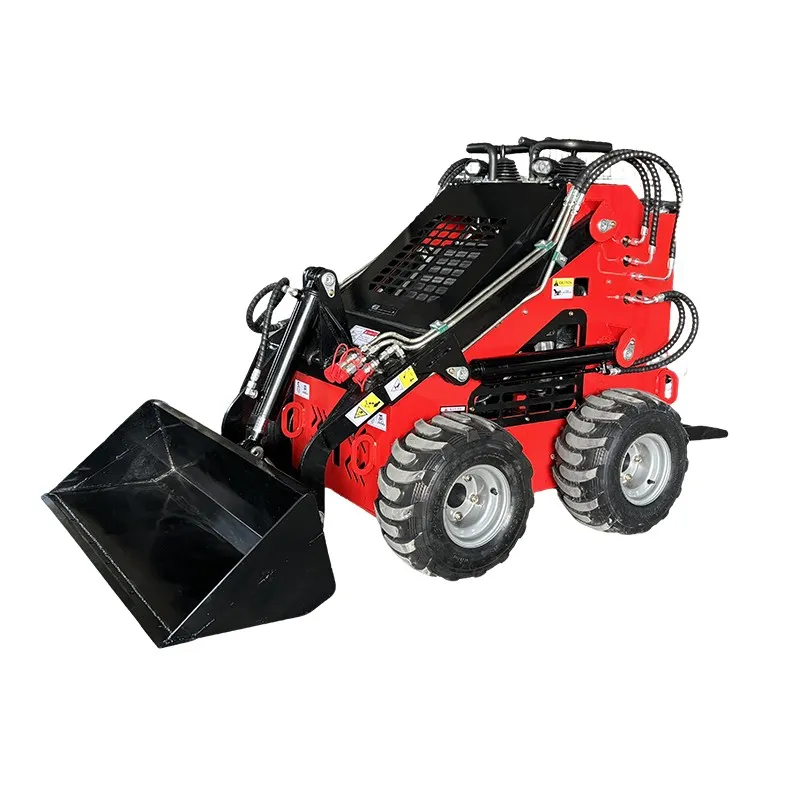
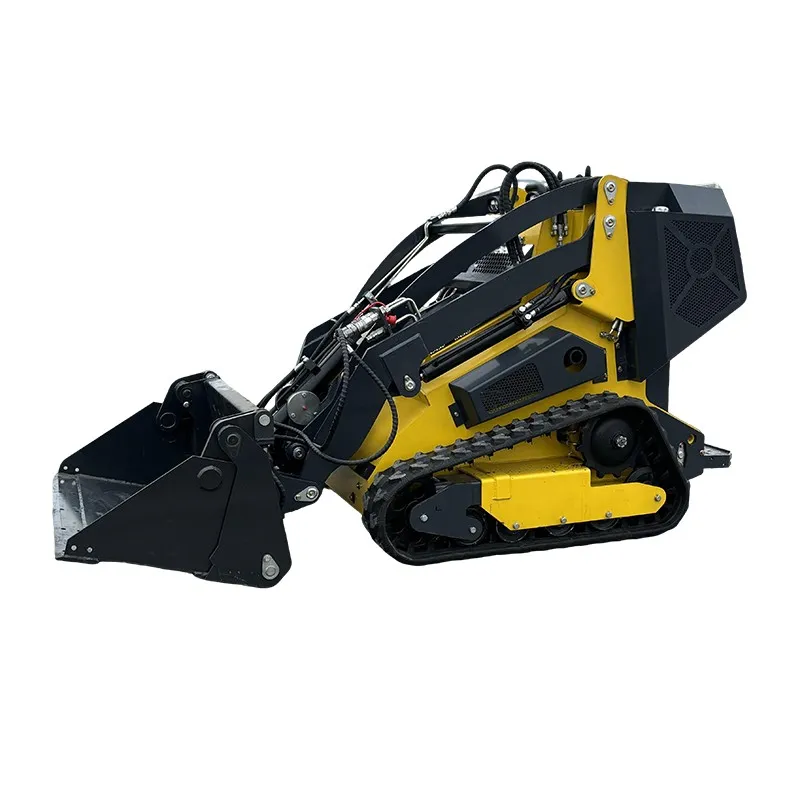
forestry skid steer Loader
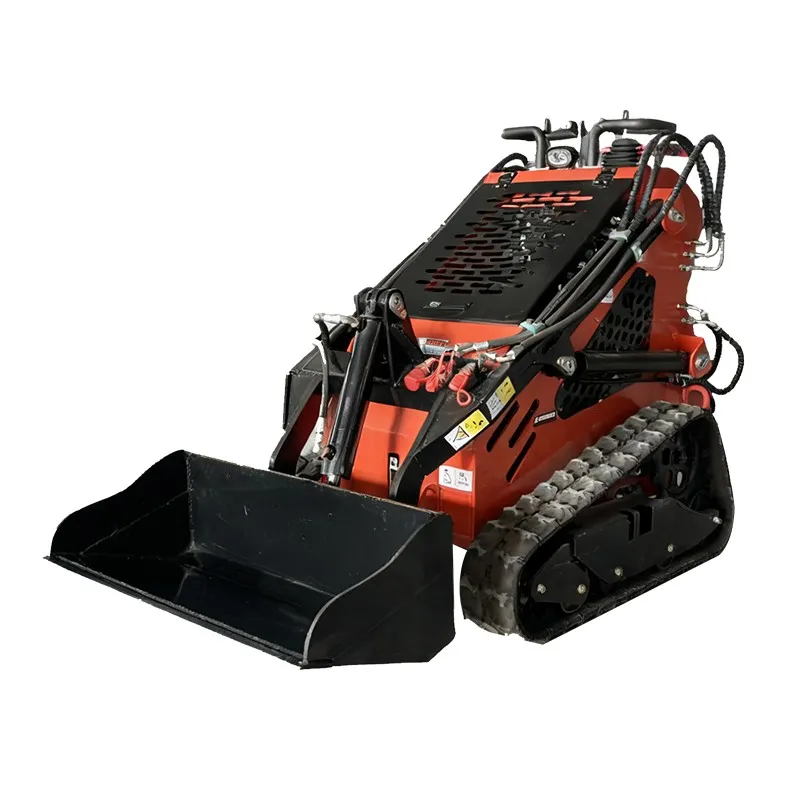
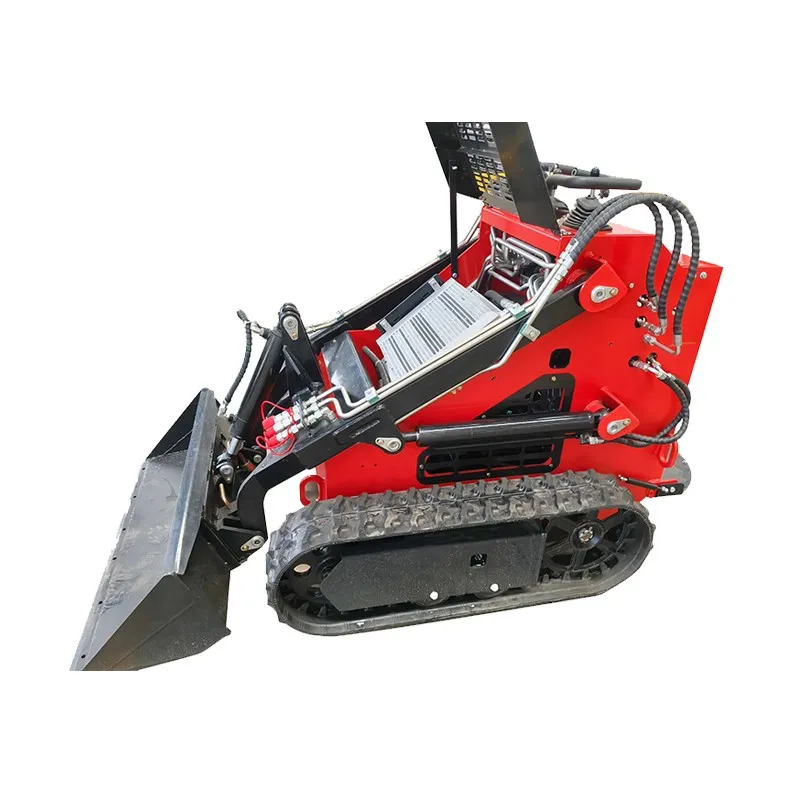
When most people hear 'forestry skid steer loader', they picture a standard skid steer with a grapple and maybe some chains on the tires. That's the first misconception. The reality is, it's a dedicated system, and the wrong setup doesn't just hurt efficiency—it can be a safety hazard waiting to happen. I've seen operations try to retrofit a standard model with a forestry kit and then wonder why the hydraulics are sluggish or the cab gets crushed by a falling limb. The core idea is protection and purpose-built power, not just attachment.
The Anatomy of a True Forestry Rig
Let's break down what separates a true forestry loader from a dressed-up farm machine. The cab is the starting point. It's not just a standard ROPS; it's a fully enclosed, pressurized cab with polycarbonate windows and underside protection. You need that when you're processing brush piles and a branch snaps back at 50 mph. The difference in operator fatigue and safety is night and day. I remember a job in Oregon where a falling deadwood 'widowmaker' pierced the roof of a standard cab on a machine that wasn't rated for forestry. The operator walked away shaken, but it could have been worse. That incident sold more proper forestry cabs than any brochure ever could.
Then there's the hydraulic system. A standard skid steer's hydraulics are often an afterthought for auxiliary functions. On a forestry machine, it's the main event. You need consistent, high-flow power for a continuous-rotation grapple, especially when you're bunching and piling. A weak system will overheat, the grapple will stall, and you're burning daylight. I've had good results with machines that offer a dedicated high-flow option as standard for their forestry line, not an add-on. It speaks to the design intent.
Cooling and radiator protection is another silent killer. Forestry work means you're constantly sucking in dust, pollen, and debris. A standard radiator screen gets clogged in an hour. The good forestry models have reversible fans and massive, easy-to-clean screens. I learned this the hard way on a early-season cleanup, overheating a machine by lunchtime because I didn't stop to blow out the rad every 30 minutes. Now, it's the first thing I check on any site walk-through.
Attachment Synergy: The Grapple is Just the Start
Everyone focuses on the grapple—and for good reason. A forestry skid steer loader lives and dies by its grapple. But the type of grapple matters immensely. A root rake grapple is fantastic for clearing land and piling brush, but try processing delimbed logs with it and you'll have a bad time. For that, you need a log grapple with longer, curved tines. I've found that operations doing a mix of land clearing and log yard work often benefit from having both attachments. It seems like an extra cost, but the time saved in material handling pays for it quickly.
Beyond the grapple, other attachments transform the machine. A mulching head turns a forestry skid steer loader into a site prep beast for smaller parcels or tight spaces where a dedicated mulcher can't go. The key is matching the machine's horsepower and hydraulic flow to the head's requirements. Underpower it, and you'll just glaze over vegetation instead of chewing it up. I've seen specs from manufacturers like Shandong Pioneer Engineering Machinery Co., Ltd that clearly state the required flow rates for their compatible attachments, which is a good practice. It prevents mismatches that lead to poor performance and warranty disputes.
Then there are less glamorous but critical tools: the winch and the boom. A hydraulic winch mounted on the rear is a lifesaver for self-recovery in muddy terrain or for gently pulling down hung-up trees. The boom attachment, often overlooked, is invaluable for reaching over obstacles to place logs precisely on a truck or stack. It adds a layer of finesse that pure brute force can't achieve.
Real-World Application and a Common Pitfall
Where does this machine truly shine? Post-harvest cleanup is a prime example. You're dealing with uneven, debris-strewn ground, stumps, and scattered tops. A tracked forestry skid steer loader with a wide stance provides the stability to work this ground where a wheeled machine would struggle. You can grapple the tops, pile them for burning or chipping, and then use the same machine to spread mulch or grade a skid trail. It's the ultimate utility player.
The pitfall I see most often is improper maintenance scheduling. Operators run these machines hard—as they should—but then stick to a standard skid steer's 250-hour service interval. Forestry work is a high-stress, high-contamination environment. I advocate for cutting oil and filter change intervals by at least 25%, especially for the hydraulic system. It's cheap insurance. I learned this after replacing a failed hydraulic pump on a machine with only 1200 hours; the oil sample showed extreme particulate contamination from constant, high-pressure cycling. The cost of that repair would have covered five years of more frequent fluid changes.
Another practical note is transport. These machines, with their full cabs and often wider tracks, are heavier and wider. You can't just assume your 14,000-lb trailer will do the job. I've had to scramble for a permit more than once because the combined weight tipped us over the limit. Planning the logistics is as important as planning the work.
The Market and Sourcing Considerations
The market for these machines has diversified. It's not just the big North American and European brands anymore. Over the last decade, manufacturers from other regions have entered the space, offering capable machines at different price points. The key is scrutinizing the specs and, more importantly, the dealer support. A machine is only as good as the parts and service behind it.
I've reviewed specs from various global manufacturers, including those from companies like Shandong Pioneer Engineering Machinery Co., Ltd (https://www.sdpioneer.com). A company with a two-decade history, like their establishment in 2004 and recent relocation in 2023 to expand, typically indicates a focus on manufacturing evolution. Their experience exporting to demanding markets like the US, Canada, and Australia suggests their products have to meet certain durability thresholds to compete. When evaluating such options, I look for clear documentation on forestry-specific features: cab protection ratings (like FOPS), standard high-flow hydraulics, and cooling system design. The trust they mention from worldwide customers is earned through product consistency, which is crucial for a piece of equipment that faces daily abuse.
The decision often comes down to total cost of operation, not just purchase price. A slightly cheaper machine that needs a $5,000 hydraulic upgrade to run a mulcher efficiently is not cheaper. A machine with poor dealer network support that sits idle for two weeks waiting for a hose assembly is crippling. My advice is always to talk to other owners in similar applications, not just the sales rep.
Final Thoughts: It's a System, Not a Toy
Wrapping this up, the main takeaway is to respect the specialization. A forestry skid steer loader is a robust system engineered for a punishing environment. It's not a weekend project machine. The investment is significant, but so is the productivity gain and risk reduction when moving from an improvised setup.
The evolution of these machines has been interesting to watch. They've gotten smarter, with better hydraulic management and operator comforts, but the core principles remain: protect the operator, deliver relentless power, and survive the terrain. The companies that succeed in this niche, whether established giants or growing exporters, are those that understand these principles aren't just bullet points on a spec sheet—they're the difference between a machine that lasts a season and one that becomes a reliable asset on the job site for years.
In the end, it's about matching the right tool to the job. If your work involves regular engagement with woods, heavy brush, or post-harvest sites, a dedicated forestry loader isn't an extravagance; it's the correct tool. Anything less is a compromise on safety, efficiency, and ultimately, the bottom line.
Related Products
Related Products