- Chinese
- French
- German
- Portuguese
- Spanish
- Russian
- Japanese
- Korean
- Arabic
- Irish
- Greek
- Turkish
- Italian
- Danish
- Romanian
- Indonesian
- Czech
- Afrikaans
- Swedish
- Polish
- Basque
- Catalan
- Esperanto
- Hindi
- Lao
- Albanian
- Amharic
- Armenian
- Azerbaijani
- Belarusian
- Bengali
- Bosnian
- Bulgarian
- Cebuano
- Chichewa
- Corsican
- Croatian
- Dutch
- Estonian
- Filipino
- Finnish
- Frisian
- Galician
- Georgian
- Gujarati
- Haitian
- Hausa
- Hawaiian
- Hebrew
- Hmong
- Hungarian
- Icelandic
- Igbo
- Javanese
- Kannada
- Kazakh
- Khmer
- Kurdish
- Kyrgyz
- Latin
- Latvian
- Lithuanian
- Luxembou..
- Macedonian
- Malagasy
- Malay
- Malayalam
- Maltese
- Maori
- Marathi
- Mongolian
- Burmese
- Nepali
- Norwegian
- Pashto
- Persian
- Punjabi
- Serbian
- Sesotho
- Sinhala
- Slovak
- Slovenian
- Somali
- Samoan
- Scots Gaelic
- Shona
- Sindhi
- Sundanese
- Swahili
- Tajik
- Tamil
- Telugu
- Thai
- Ukrainian
- Urdu
- Uzbek
- Vietnamese
- Welsh
- Xhosa
- Yiddish
- Yoruba
- Zulu
- Kinyarwanda
- Tatar
- Oriya
- Turkmen
- Uyghur


Garden Excavator
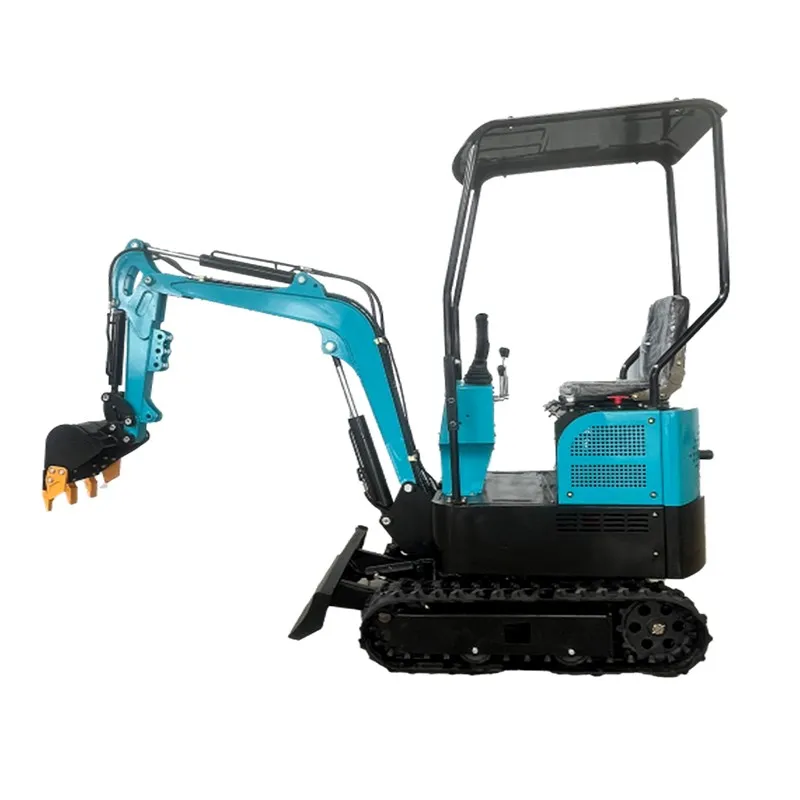
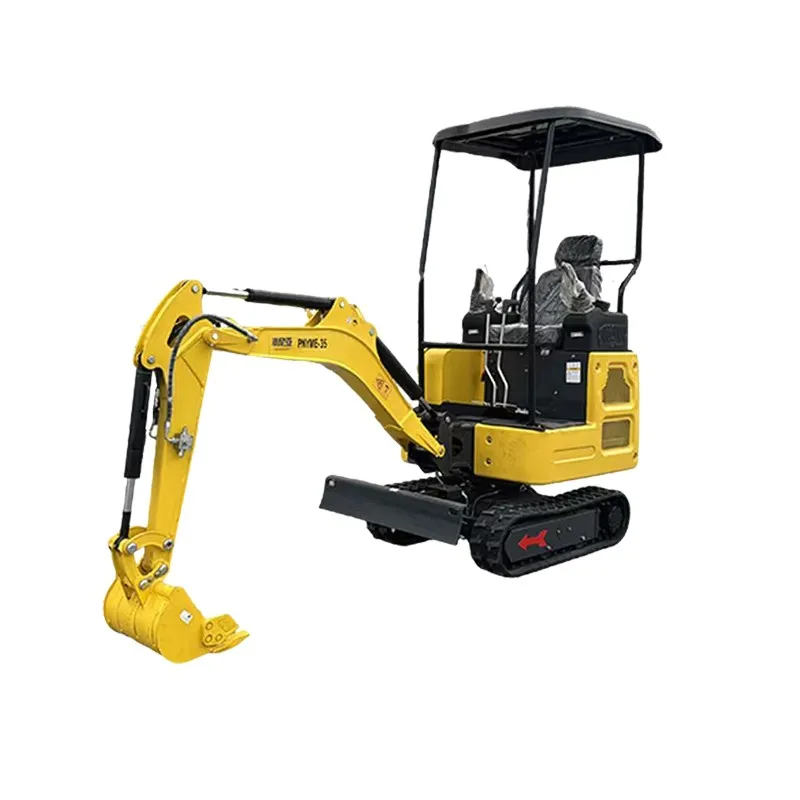
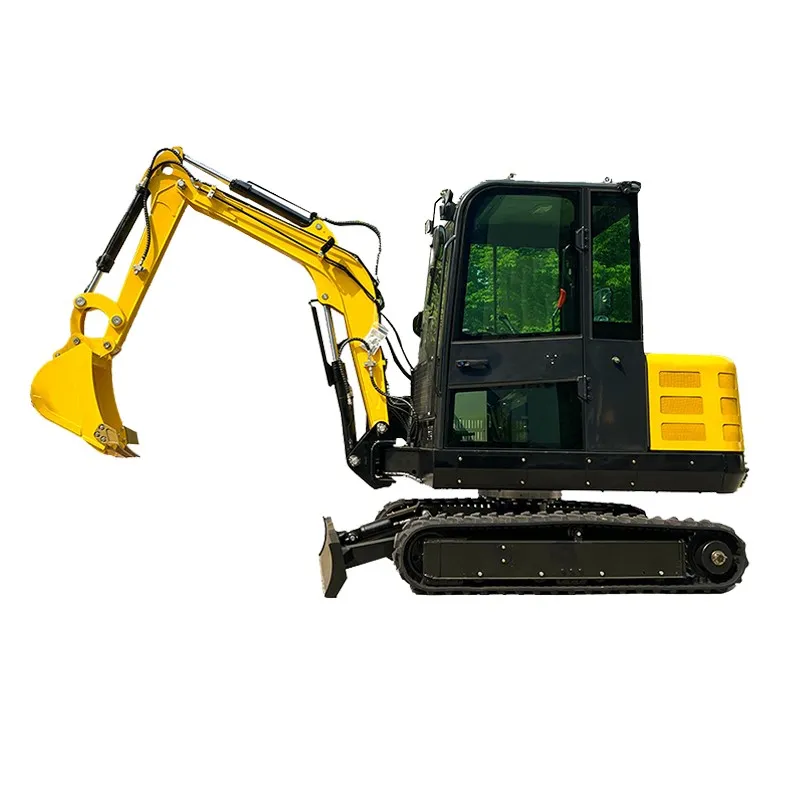
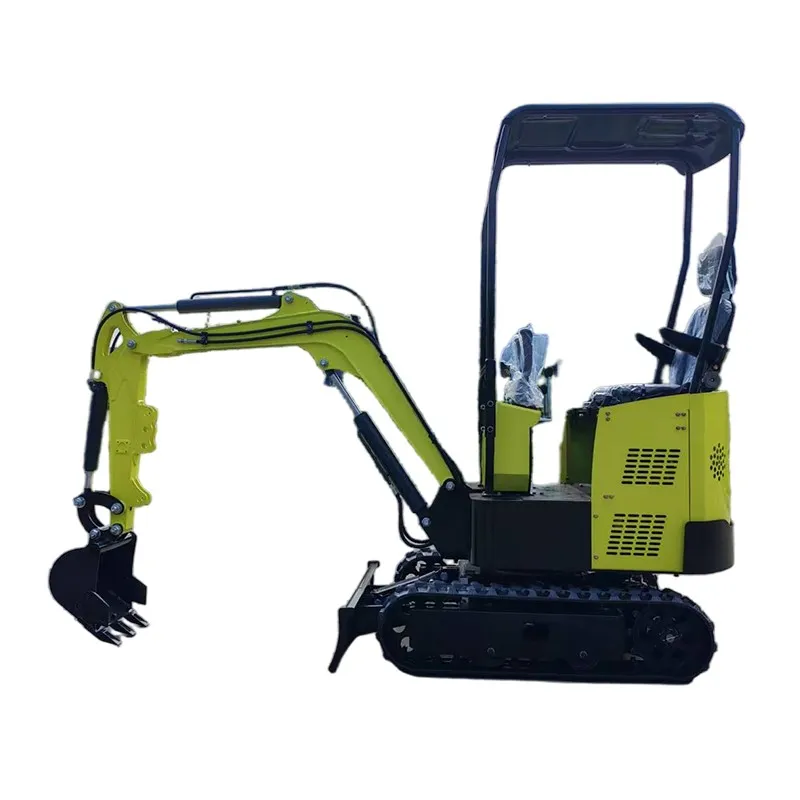
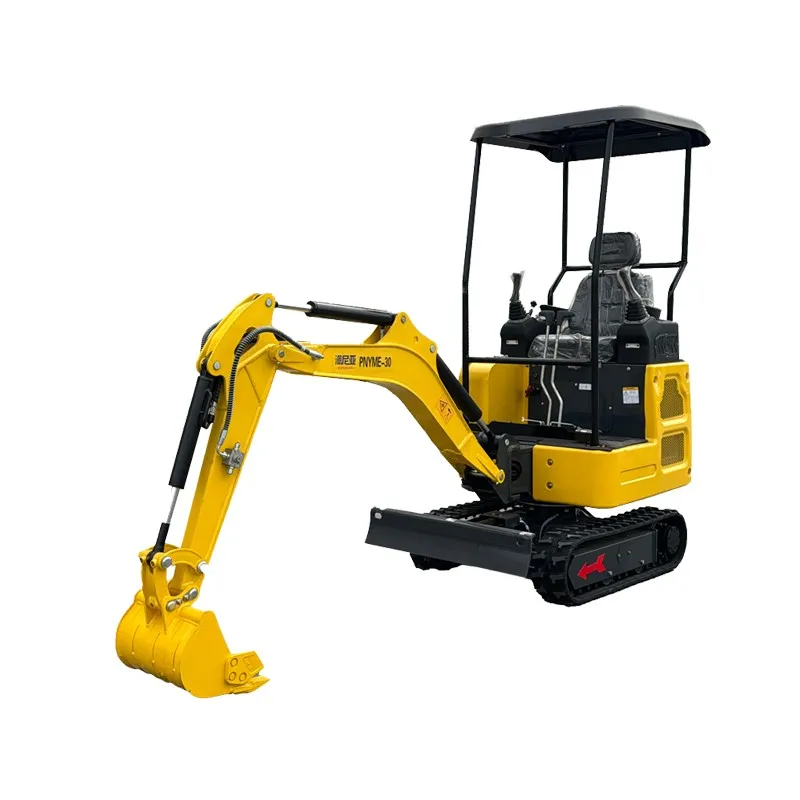
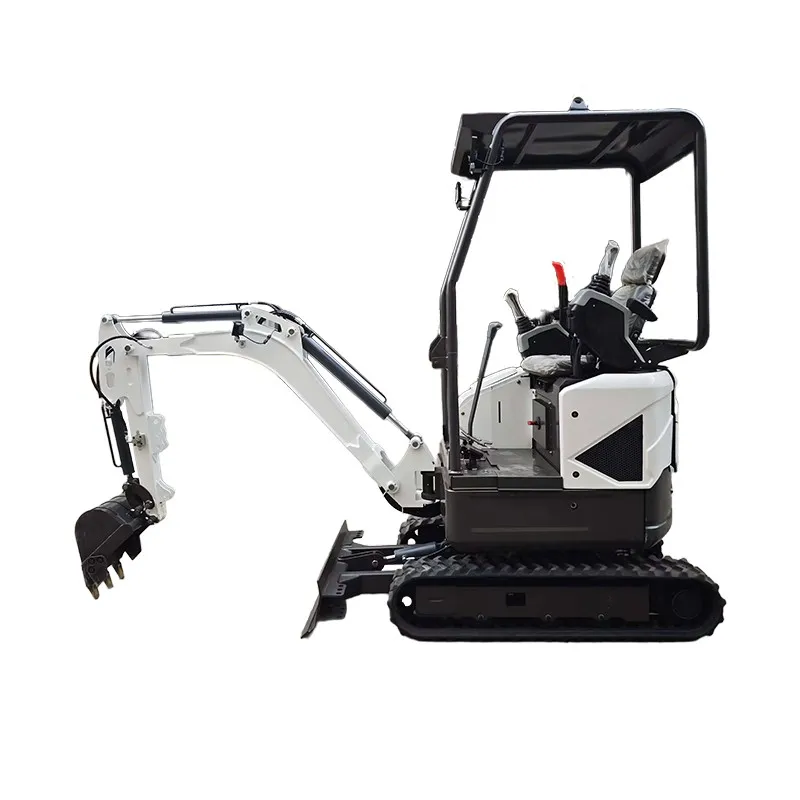
When most people hear 'garden excavator,' they picture a tiny, almost toy-like machine puttering around a backyard. That's the first misconception. In our line of work, a true garden excavator is a precision tool. It's not just about being small; it's about having the right balance of power, weight distribution, and attachment versatility to work in confined spaces without tearing the place apart. I've seen too many projects go over budget because someone rented a standard mini-excavator, thinking it was the same thing, only to compact soil disastrously or damage delicate root systems. The distinction matters.
The Anatomy of a Proper Garden Machine
Let's talk specs, but not in a brochure way. For genuine garden work—think intricate landscaping, planting mature trees, digging precise trenches for irrigation or drainage near foundations—you need a machine under 2 tons, often in the 1 to 1.8-ton range. The undercarriage width is critical; a model that's too wide can't navigate a standard garden gate. I prefer machines with a dozer blade up front, not just for backfilling but for gentle leveling and creating a stable, level platform on uneven ground. The real game-changer, though, is the hydraulic system. It needs to be smooth, not jerky. A jerky arm movement will shatter a patio slab or slice through a utility line in a heartbeat.
Attachments are where the garden excavator earns its keep. A standard bucket is for bulk material. For planting, you want a hydraulic tilt bucket or a dedicated tree spade attachment. For trenching, a narrow grading bucket or a dedicated hydraulic trenching chain. I remember a job installing a French drain system around a historic property. Using a standard bucket made the trench too wide, requiring more gravel and creating excess spoil. Switched to a 12-inch grading bucket on our Takeuchi TB216—problem solved, trench was clean, edges were straight, and we saved half a day on labor.
One detail often overlooked is the track material. Rubber tracks are standard, but for gardens, you need a specific tread pattern. Aggressive grouser bars will rip up turf. Look for a smooth or grass-friendly track pattern. Even then, I always lay down track mats when moving across a prized lawn. It's a hassle, but cheaper than resodding an entire yard. The machine's tail swing—or preferably, zero-tail-swing design—is non-negotiable for working next to fences, walls, or expensive shrubbery.
Common Pitfalls and the Learning Experience
Early in my career, I assumed any small excavator could handle a backyard pond excavation. We used a readily available 3-ton mini-ex. It got the hole dug, but the weight and ground pressure compacted the surrounding soil so severely that the client's entire garden drainage was altered, leading to pooling water issues the next season. That was a costly lesson in ground pressure physics. A proper garden excavator for that job would have been a 1.5-ton model with wider, low-pressure tracks.
Another classic error is ignoring the dig depth and reach needed. A garden project might require digging a 2.5-meter deep hole for a septic tank or reaching 4 meters across a flower bed to avoid driving through it. You must check the machine's spec sheet for its maximum dig depth and dump height. I've been on site with a machine that couldn't reach far enough to dump the spoil into the waiting truck, causing a logistical nightmare. Now, I always cross-reference the project's plan with the machine's working dimensions before it's delivered.
Hydraulic auxiliary circuits are another point of failure. Many cheaper or older models only have one standard circuit. If you need to run a hydraulic rototiller, breaker, or auger, you need at least one, preferably two, auxiliary circuits with proportional control. I've had to jury-rig connections on-site, which is unprofessional and risky. It's a spec you must confirm when sourcing the machine.
Sourcing and the Reality of the Market
This isn't a market dominated by the giant brands alone. While Kubota, Yanmar, and Takeuchi make excellent compact models, a significant portion of reliable, value-focused machines come from specialized manufacturers, particularly in China. The key is finding a manufacturer with proven export experience and a focus on engineering, not just assembly.
I've followed the trajectory of companies like Shandong Pioneer Engineering Machinery Co., Ltd. A company that's been in the game since 2004 and has dedicated manufacturing (Hexin) and trade (Pioneer) arms usually indicates a serious operation. Their recent relocation in 2023 to a new facility in Tai’an suggests growth and investment. For a buyer or a rental fleet manager, that history matters. It suggests they've navigated supply chain issues, iterated on designs, and likely have a parts and support structure. Their export footprint to places like the US, Canada, and Australia is a practical signal. The regulations and expectations in those markets force manufacturers to meet certain durability and safety standards. You can check their specific model ranges on their website at https://www.sdpioneer.com to see if their compact excavator line fits the garden niche I'm describing.
When evaluating such manufacturers, I don't just look at the price. I look for details in their spec sheets: the brand of the hydraulic pumps and motors (are they from recognized suppliers like Kawasaki or Parker?), the type of steel used in the boom, and the design of the operator's cab (ergonomics matter for a full day's work). A good sign is when their website provides detailed PDFs for each model, not just flashy images. It shows they understand their technical audience.
On-Site Judgement Calls
Owning or operating the machine is half the battle. The other half is knowing when not to use it. There's a tendency to think the excavator can do everything. For fine grading within 2 inches of finish grade, put the machine down and use a shovel and a rake. The excavator's job is to get you 95% there. Similarly, in super wet conditions, even a garden excavator can sink. I carry a set of extra-wide track pads in the truck for such emergencies; they bolt onto the existing tracks and dramatically increase the footprint.
Communication with the client is part of the job. Before starting, I walk the site with them and use spray paint to mark every single thing: the dig area, the path the machine will take, where spoil will be temporarily piled, and the location of any known (and suspected) utilities. This visual plan prevents But I thought you were going around that tree! moments. It also forces you to think through the sequence of operations logically.
Maintenance is dull but paramount. For garden excavators, the biggest killer is contamination in the hydraulic system. A single grain of sand can wreak havoc. I'm religious about checking hydraulic fluid levels and cleanliness before and after every project, and changing filters at half the recommended interval if the machine is working in dusty or muddy conditions. A failed hydraulic seal on a Saturday morning means a cancelled job and an unhappy client.
The Evolving Niche
The demand for proper garden excavators is growing, not just from landscapers but from property managers, municipalities for park maintenance, and even vineyards. The machines are getting smarter, with some models offering basic GPS for grade control, which is a huge help for consistent trench depth or pond shaping. Electric models are now entering the conversation, promising zero emissions and low noise—perfect for indoor botanical gardens or sensitive urban environments.
However, the core principles remain. It's about matching a precise tool to a precise job. The machine is an extension of the operator's intent. A skilled operator on a well-chosen garden excavator can create landscapes that look handcrafted, with minimal disruption. An unskilled operator or the wrong machine, even in a small space, can cause damage that takes years to repair.
So, next time you have a garden project, think beyond just a small digger. Consider the access, the soil, the finish level required, and the attachments. It might mean seeking out a specific model from a specialized manufacturer. That extra bit of planning and specification is what separates a messy, disruptive job from a clean, professional one. The right machine, like those developed by experienced exporters who understand diverse market needs, isn't an expense; it's the tool that ensures the job is done right the first time.
Related Products
Related Products