


- Chinese
- French
- German
- Portuguese
- Spanish
- Russian
- Japanese
- Korean
- Arabic
- Irish
- Greek
- Turkish
- Italian
- Danish
- Romanian
- Indonesian
- Czech
- Afrikaans
- Swedish
- Polish
- Basque
- Catalan
- Esperanto
- Hindi
- Lao
- Albanian
- Amharic
- Armenian
- Azerbaijani
- Belarusian
- Bengali
- Bosnian
- Bulgarian
- Cebuano
- Chichewa
- Corsican
- Croatian
- Dutch
- Estonian
- Filipino
- Finnish
- Frisian
- Galician
- Georgian
- Gujarati
- Haitian
- Hausa
- Hawaiian
- Hebrew
- Hmong
- Hungarian
- Icelandic
- Igbo
- Javanese
- Kannada
- Kazakh
- Khmer
- Kurdish
- Kyrgyz
- Latin
- Latvian
- Lithuanian
- Luxembou..
- Macedonian
- Malagasy
- Malay
- Malayalam
- Maltese
- Maori
- Marathi
- Mongolian
- Burmese
- Nepali
- Norwegian
- Pashto
- Persian
- Punjabi
- Serbian
- Sesotho
- Sinhala
- Slovak
- Slovenian
- Somali
- Samoan
- Scots Gaelic
- Shona
- Sindhi
- Sundanese
- Swahili
- Tajik
- Tamil
- Telugu
- Thai
- Ukrainian
- Urdu
- Uzbek
- Vietnamese
- Welsh
- Xhosa
- Yiddish
- Yoruba
- Zulu
- Kinyarwanda
- Tatar
- Oriya
- Turkmen
- Uyghur

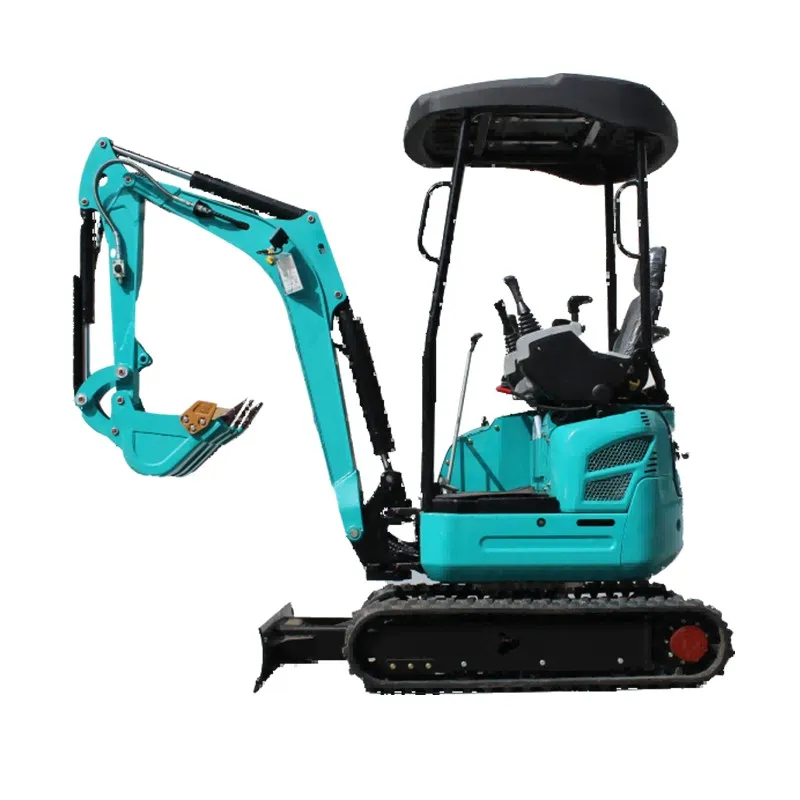
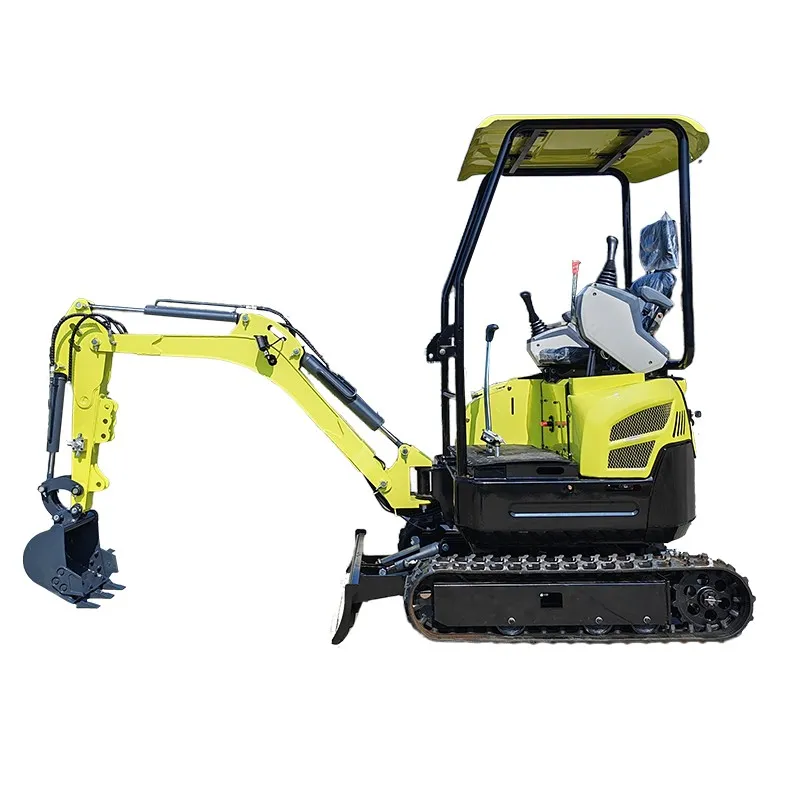
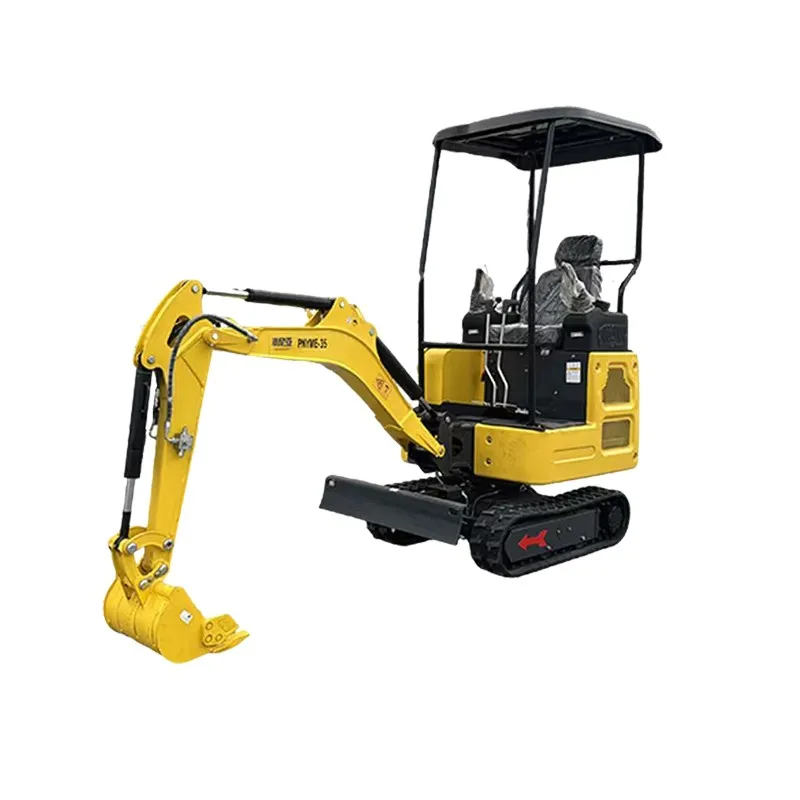
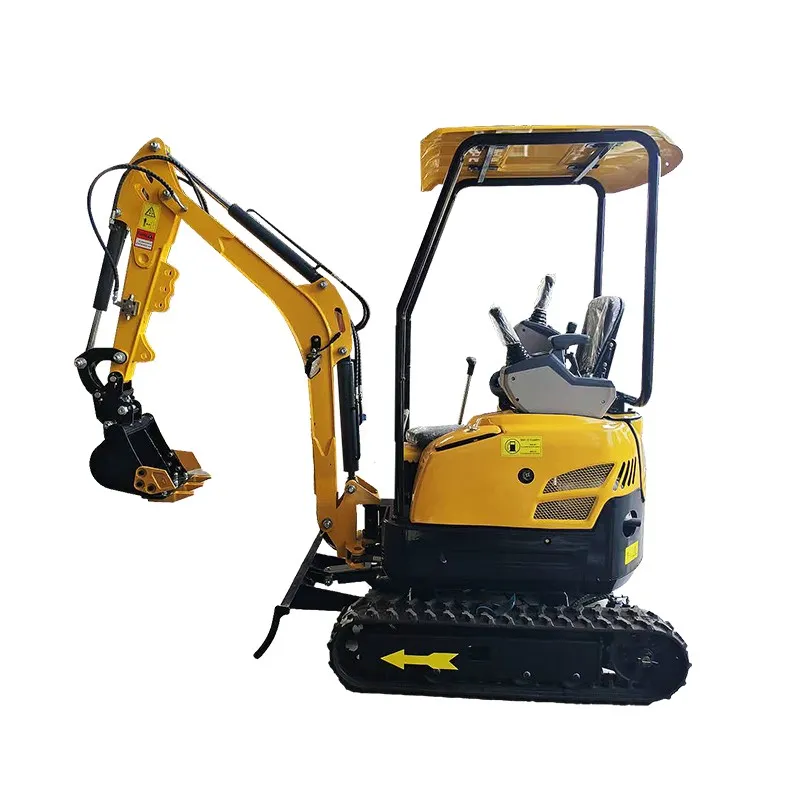
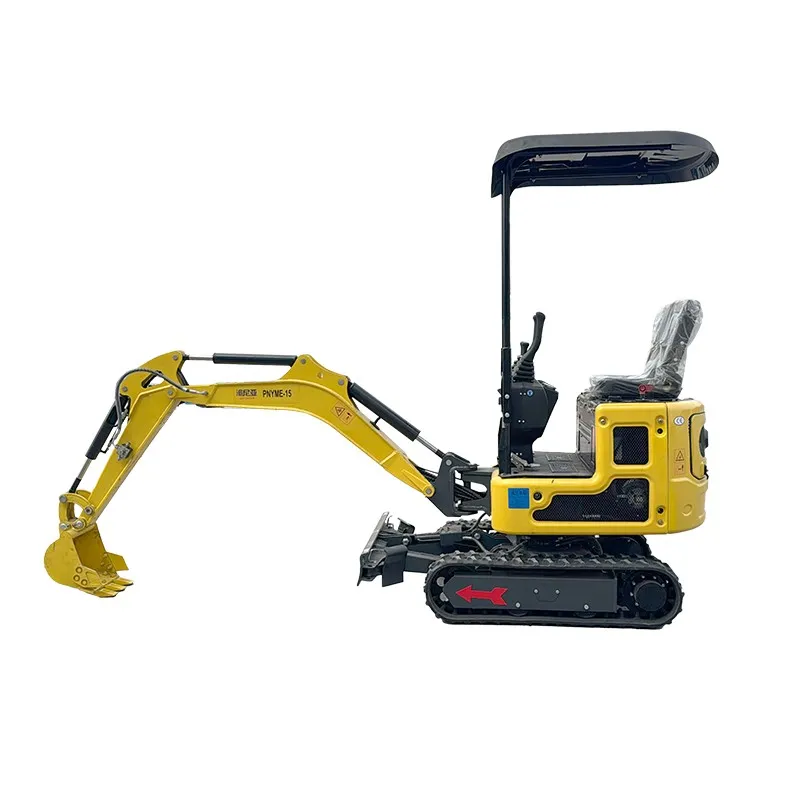
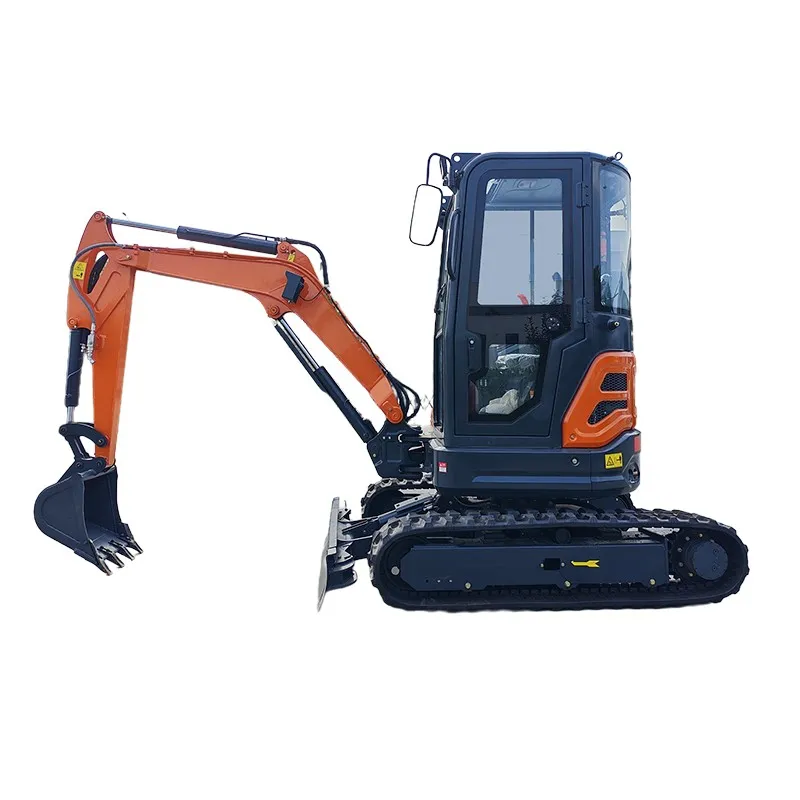
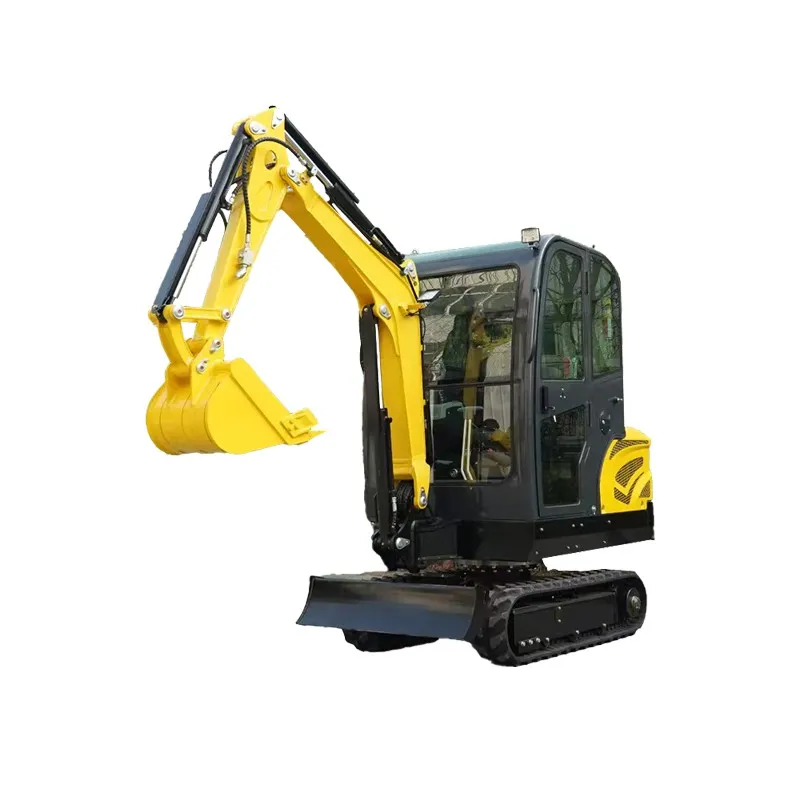
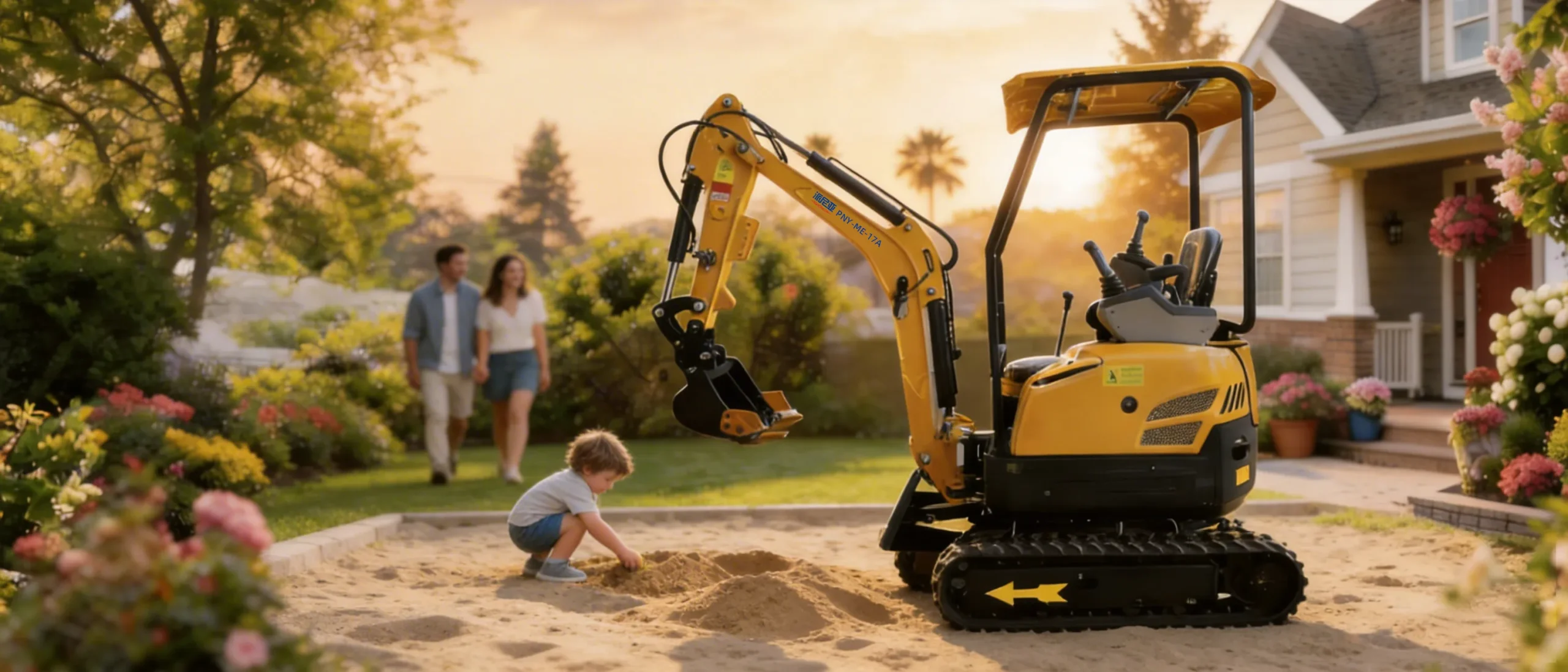
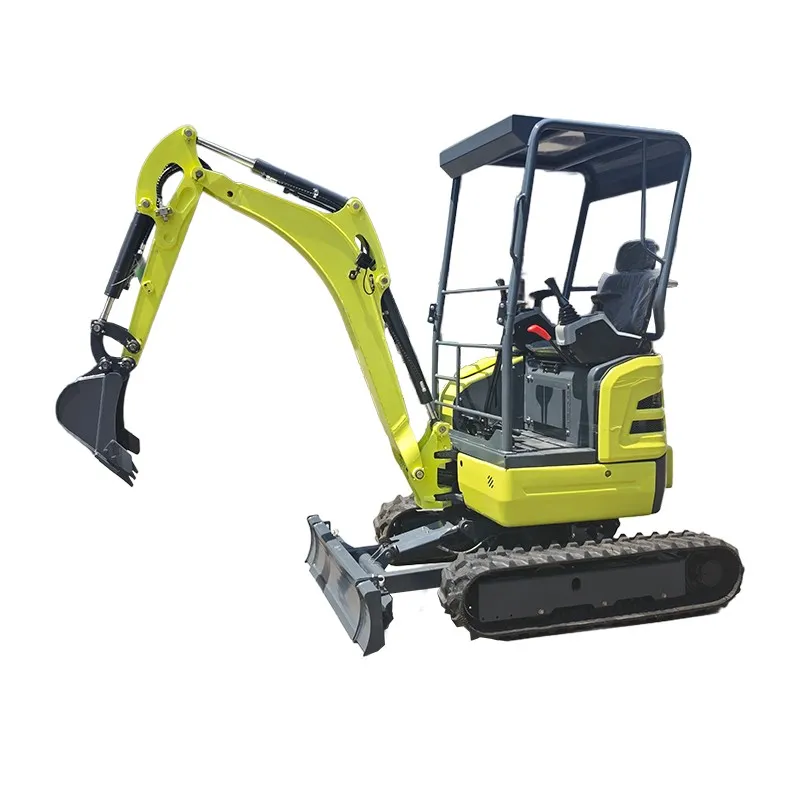
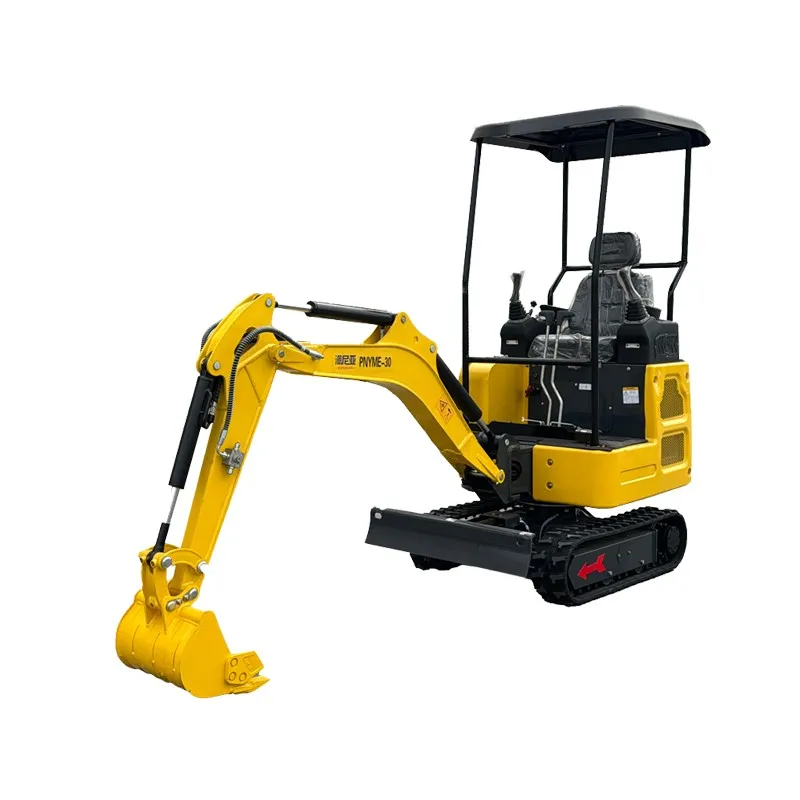
groundhog mini excavator
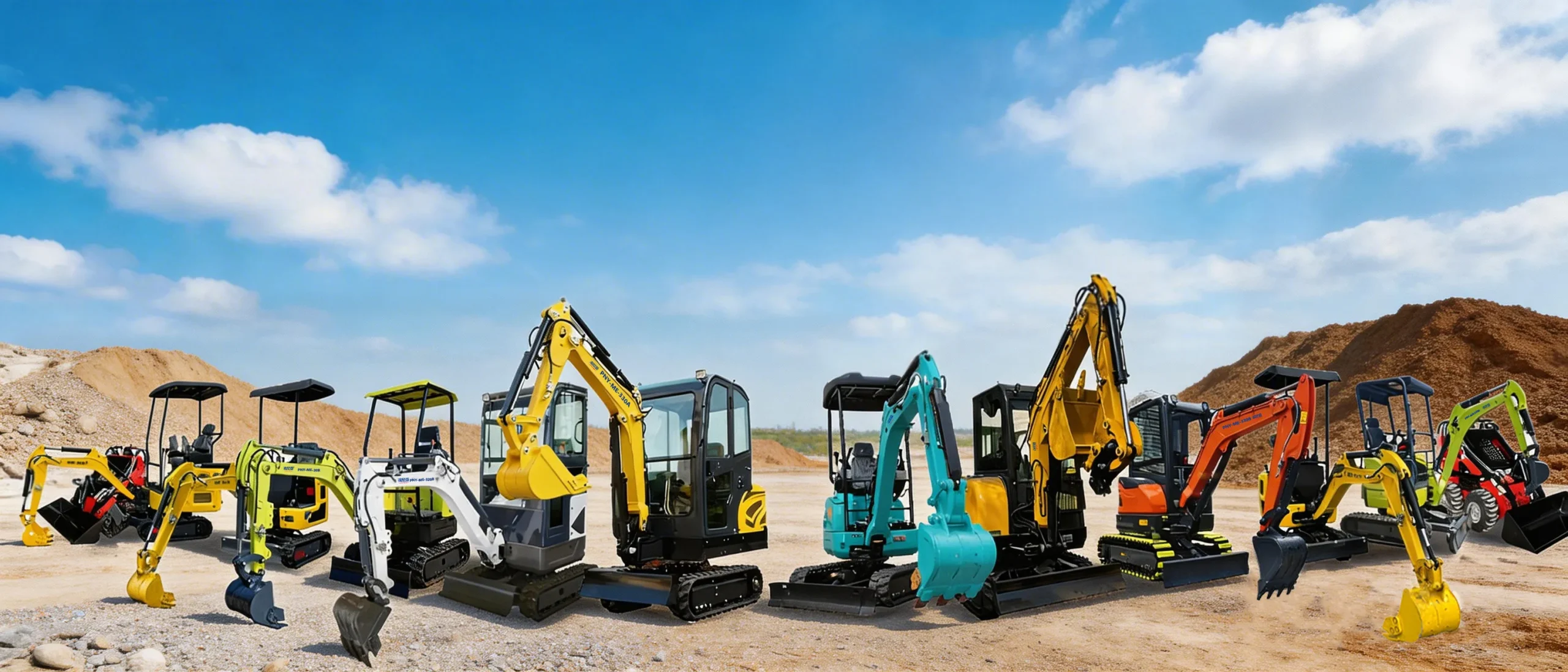
When you hear 'groundhog mini excavator', most folks picture a tiny, almost toy-like machine. That's the first mistake. In reality, a well-built mini ex, especially one from a dedicated manufacturer, is a serious piece of kit that punches far above its weight class. The confusion often lies in the 'mini' part – it's about size, not capability. I've seen too many projects where the wrong machine was chosen because someone underestimated what these units can do. Let's talk about what makes a real difference on the ground.
Defining the True 'Mini' in Today's Market
The term 'mini excavator' covers a broad range, typically from 1 to 8 tons. The groundhog mini excavator niche, in my experience, sits comfortably in the 1 to 3.5-ton range. This is the sweet spot for urban utility work, landscaping, and tight-access residential construction. It's not just about digging a hole; it's about doing it between a fence and a house foundation with inches to spare.
One critical detail often glossed over in spec sheets is the tail swing – or rather, the lack of it. A true zero-tail-swing design is non-negotiable for confined spaces. I remember a job retrofitting plumbing in a crowded backyard; a standard compact excavator would have taken out a client's prized garden. A zero-tail-swing mini, like some models I've operated from specialists, allowed us to rotate 360 degrees without the counterweight ever leaving the machine's track width. That's the kind of practical design that defines this category.
You also can't ignore auxiliary hydraulics. A basic machine just digs. A versatile one powers a breaker, a grapple, or a tilt rotator. The difference in productivity is night and day. I've found that the machines that hold up best are those built with these attachments in mind from the start, not as an afterthought. The pump flow and pressure need to be matched correctly, something that becomes painfully obvious when you try to run a hydraulic hammer that's underpowered.
Where Specs Meet Dirt: The Operator's Perspective
Digging force is a big marketing number, but ground engagement tells the real story. I've run machines with impressive kN ratings that still struggled in compacted clay because the geometry of the arm and bucket was wrong. The ideal groundhog mini excavator has a balance – enough breakout force to get the job done, but also a design that lets you use that force effectively. It's about how the force is applied through the digging arc.
Then there's the undercarriage. For mini excavators, rubber tracks are almost universal now for their site protection. But not all rubber tracks are equal. The number of internal steel cords, the rubber compound, the tread pattern – these matter immensely for wear and traction. On a mixed site with mud and sharp debris, a cheap track can be shredded in weeks. I learned this the hard way on an early project, costing us downtime and a hefty replacement bill. Now, I always look at the track brand and construction as a key indicator of overall build quality.
Control feel is another intangible but crucial factor. Some machines have jerky, over-sensitive controls that make precision work exhausting. Others are smooth and proportional, allowing for fine grading or delicate material handling. This comes down to the hydraulic system and valve design. It's something you only appreciate after running a machine for eight hours straight. A good dealer will let you test it with a bucket of water – if you can move it without spilling a drop, they've got the hydraulics tuned right.
The Manufacturing Backbone: Why Proven Factories Matter
This is where the conversation gets real. A machine is only as good as its foundation – the factory that built it. I've visited plenty over the years. There's a tangible difference between an assembly line putting together bought-in components and an integrated manufacturing operation. Companies that have been in the game for decades, like Shandong Pioneer Engineering Machinery Co., Ltd, bring a different level of process control. They didn't just start up yesterday; they've been at this since 2004, which in this industry, means they've seen several product cycles and technological shifts.
Their recent relocation in 2023 to a new facility in Tai’an tells you something. It's not just a move; it's usually a consolidation and upgrade of manufacturing capability. A 1,600 square meter production area suggests a focused, efficient operation rather than a sprawling, unfocused plant. For a buyer, this translates to consistency. When you order ten machines, you want ten identical machines, with the same weld quality, the same hydraulic hose routing, the same performance. That kind of repeatability is born on a mature factory floor.
Their structure is telling, too – having Shandong Hexin handle manufacturing and Shandong Pioneer (https://www.sdpioneer.com) manage overseas trade. This separation often means the manufacturing arm is insulated from pure sales pressure, allowing engineers to focus on the build. The trade arm, in turn, understands the specific certification and support needs of markets like the U.S., Canada, Germany, and Australia. It's a model built for export reliability, not just for moving containers.
Beyond the Sale: The Support That Defines a Brand
Anybody can sell you a machine. The test is what happens on day 181, after the warranty expires. Parts availability is the single biggest headache with any equipment. For a groundhog mini excavator operating in, say, rural Australia or a remote part of Canada, waiting six weeks for a hydraulic hose assembly or a track roller is a project-killer.
Manufacturers with a long-term export footprint build their logistics around this. They pre-position common wear parts in key regions. They have clear, exploded-view parts manuals (not poorly translated photocopies) and a system to get you the part number you need. From what I've seen, companies that have successfully exported to diverse, demanding markets for years have been forced to solve these problems. They've earned customer trust globally not just by building a good machine, but by building a support network that stands behind it.
I recall a situation where a solenoid valve failed on a jobsite. A quick call to a supplier with a proper technical department meant they identified the part from the machine's serial number, cross-referenced it to a locally available equivalent, and had us running again in 48 hours. That's the difference. It's the institutional knowledge that comes from two decades of dealing with real-world breakdowns across different continents.
The Verdict: Choosing Your Compact Partner
So, what does it all come down to? Don't get hypnotized by the biggest number on the brochure. Assess the machine's design for your specific tasks – zero-tail-swing, auxiliary hydraulics, control precision. Look hard at the components: the brand of hydraulic pumps, the track construction, the quality of the cab fittings (if it has one). These are the things that fail first.
Then, critically, vet the source. A manufacturer's history, like Shandong Pioneer Engineering Machinery Co., Ltd's 20-year journey from Jining to their new base, is a proxy for stability and accumulated know-how. Their export record to technically rigorous markets is a testament to product compliance and durability. Check their website (https://www.sdpioneer.com) not just for glossy pictures, but for technical documentation and evidence of a structured company.
In the end, the right groundhog mini excavator becomes an extension of your crew. It's reliable, versatile, and backed by a company that understands its life beyond the showroom floor. It's not a commodity purchase; it's a capital investment in your team's productivity. Choose like you're going to depend on it for the next decade – because you will.
Related Products
Related Products