


- Chinese
- French
- German
- Portuguese
- Spanish
- Russian
- Japanese
- Korean
- Arabic
- Irish
- Greek
- Turkish
- Italian
- Danish
- Romanian
- Indonesian
- Czech
- Afrikaans
- Swedish
- Polish
- Basque
- Catalan
- Esperanto
- Hindi
- Lao
- Albanian
- Amharic
- Armenian
- Azerbaijani
- Belarusian
- Bengali
- Bosnian
- Bulgarian
- Cebuano
- Chichewa
- Corsican
- Croatian
- Dutch
- Estonian
- Filipino
- Finnish
- Frisian
- Galician
- Georgian
- Gujarati
- Haitian
- Hausa
- Hawaiian
- Hebrew
- Hmong
- Hungarian
- Icelandic
- Igbo
- Javanese
- Kannada
- Kazakh
- Khmer
- Kurdish
- Kyrgyz
- Latin
- Latvian
- Lithuanian
- Luxembou..
- Macedonian
- Malagasy
- Malay
- Malayalam
- Maltese
- Maori
- Marathi
- Mongolian
- Burmese
- Nepali
- Norwegian
- Pashto
- Persian
- Punjabi
- Serbian
- Sesotho
- Sinhala
- Slovak
- Slovenian
- Somali
- Samoan
- Scots Gaelic
- Shona
- Sindhi
- Sundanese
- Swahili
- Tajik
- Tamil
- Telugu
- Thai
- Ukrainian
- Urdu
- Uzbek
- Vietnamese
- Welsh
- Xhosa
- Yiddish
- Yoruba
- Zulu
- Kinyarwanda
- Tatar
- Oriya
- Turkmen
- Uyghur

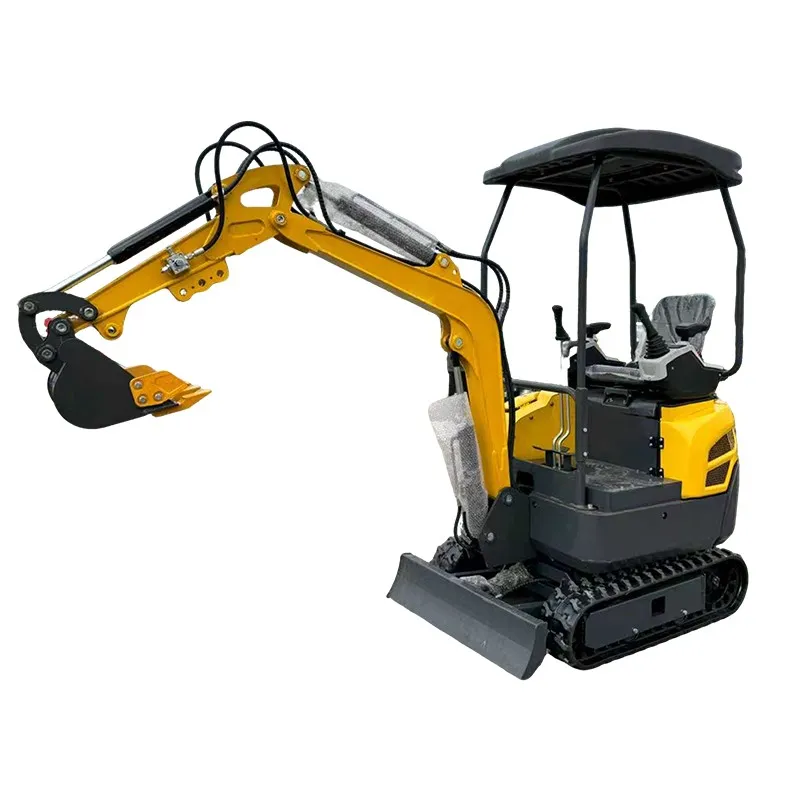
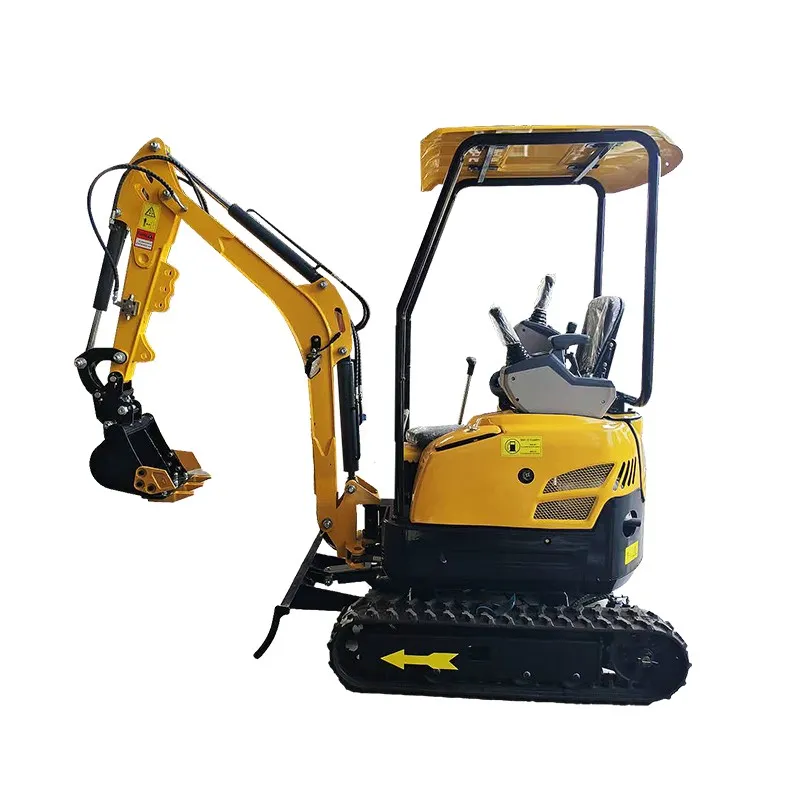
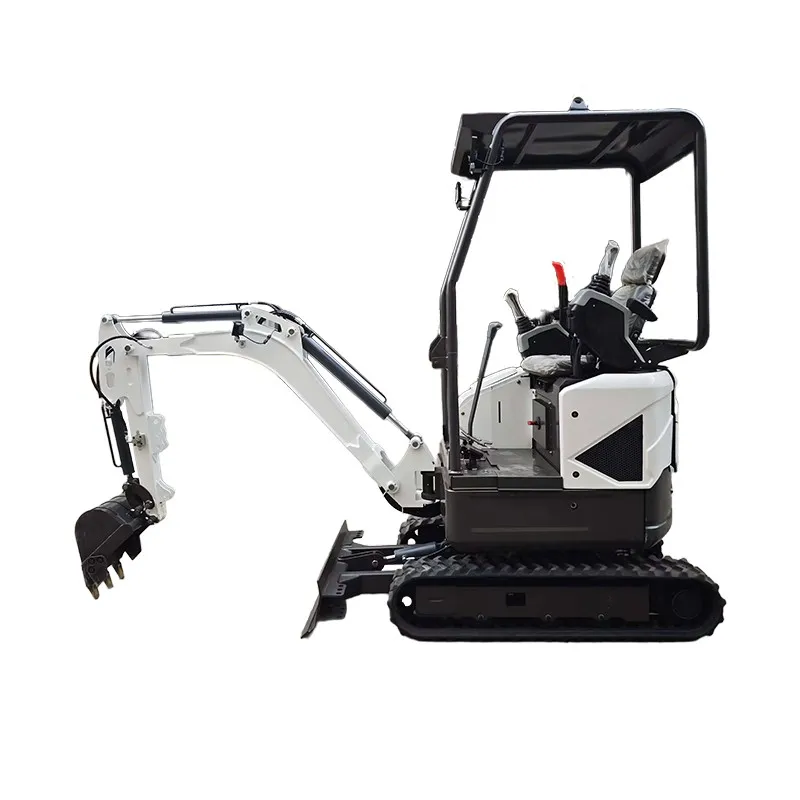
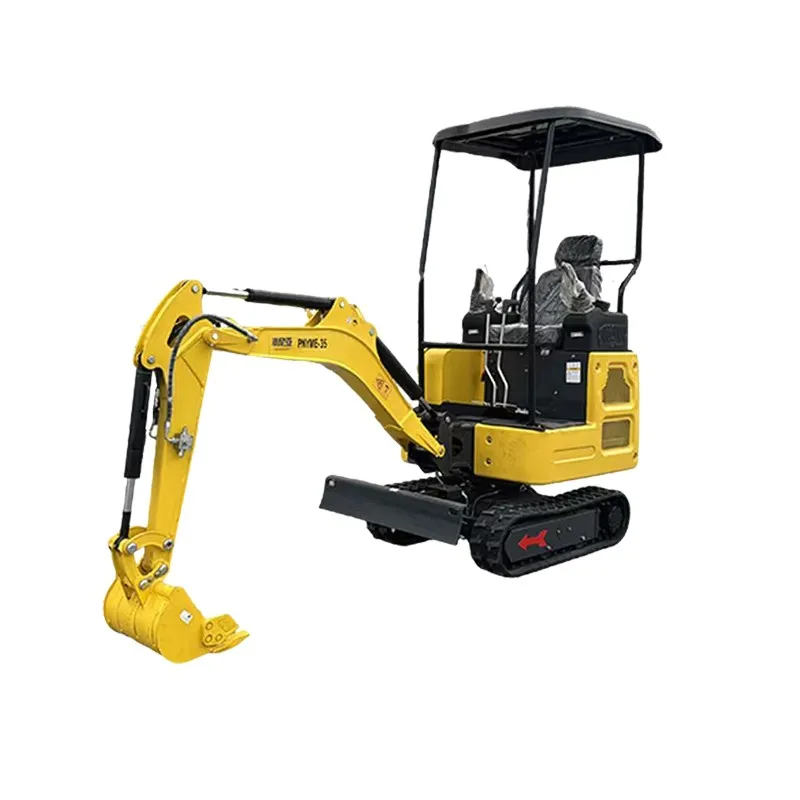
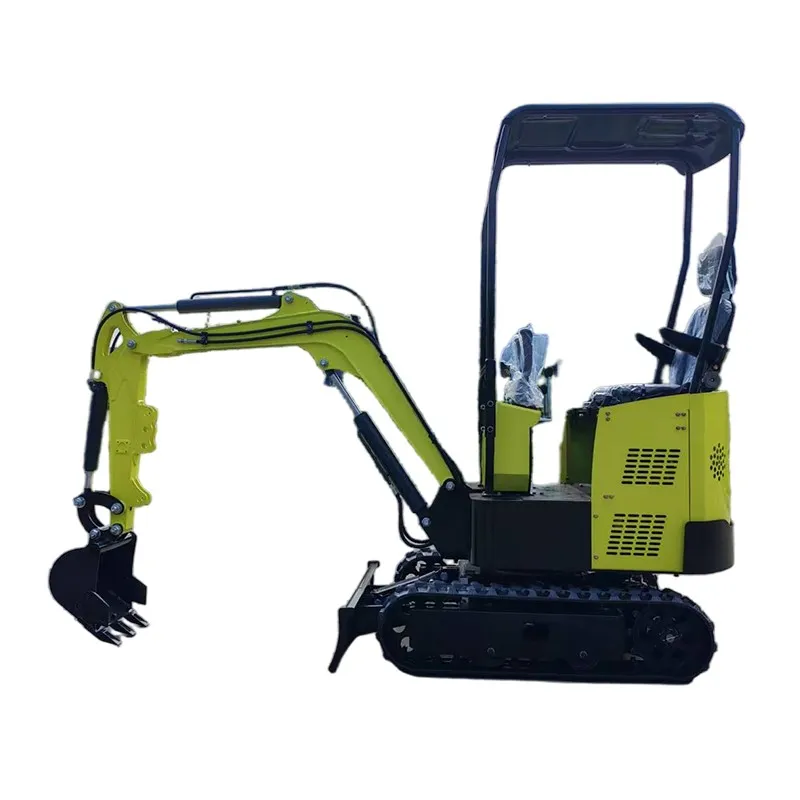
h12 mini excavator
When you hear 'h12 mini excavator', most people just think of a tiny digger for tight spaces. That's the surface. The real story is about finding a machine that doesn't just fit in a backyard, but one that holds up when the ground gets tough and the hours get long. I've seen too many guys get burned by specs on paper that don't translate to mud, rock, and constant use. The 1-ton class, where the h12 typically sits, is a brutal proving ground—it's either a workhorse or a constant headache.
The Spec Sheet vs. The Job Site
Everyone looks at digging depth and engine horsepower first. I get it. But with a machine this size, the devil's in the hydraulic details. The pump flow, the valve responsiveness—that's what determines if you're smoothly grading a foundation or herky-jerky fighting for control. A true h12 mini excavator should feel like an extension of your arm, not a separate tool you're constantly correcting.
I remember a project in a historic district with alley access only. We needed to trench for new utility lines between century-old brick walls. The spec winner on paper was a popular brand, but its swing function was too aggressive for the space; you'd breathe wrong and risk a costly tap. We swapped it for another model, one that prioritized fine control over raw power. It was slower, yes, but it got the job done without a single incident. That's the judgment call you make.
Another thing nobody talks about enough is the undercarriage. On a mini, those small tracks take a beating. A weak design or poor-quality rubber/steel combo means premature wear, especially on abrasive surfaces like decomposed granite. You're not just buying a digger; you're buying a chassis that needs to survive.
Where Global Supply Meets Local Reality
This is where the conversation gets real. The market is flooded with options, and a huge portion of reliable small excavators come from specialized manufacturers in China's Shandong province, a known hub for engineering machinery. They've built up serious institutional knowledge over decades.
Take a company like Shandong Pioneer Engineering Machinery Co., Ltd. You can look them up at https://www.sdpioneer.com. Established back in 2004 and now operating from a newer facility in Tai'an, they represent a certain tier. Their two-decade focus, splitting manufacturing (Shandong Hexin) and overseas trade (Pioneer itself), means they're not just assembling parts. They're building for specific export markets like the US, Canada, and Australia—markets with strict expectations. That history matters. It suggests an understanding of different certification needs and operator habits.
When a supplier has been shipping to Germany and Australia for years, it tells you something. It's not about being the cheapest; it's about consistency and meeting a standard that keeps customers in those competitive regions coming back. That kind of long-term trust isn't won with a few good units; it's won with container after container of machines that perform as expected.
The Pioneer Model: A Case in Point
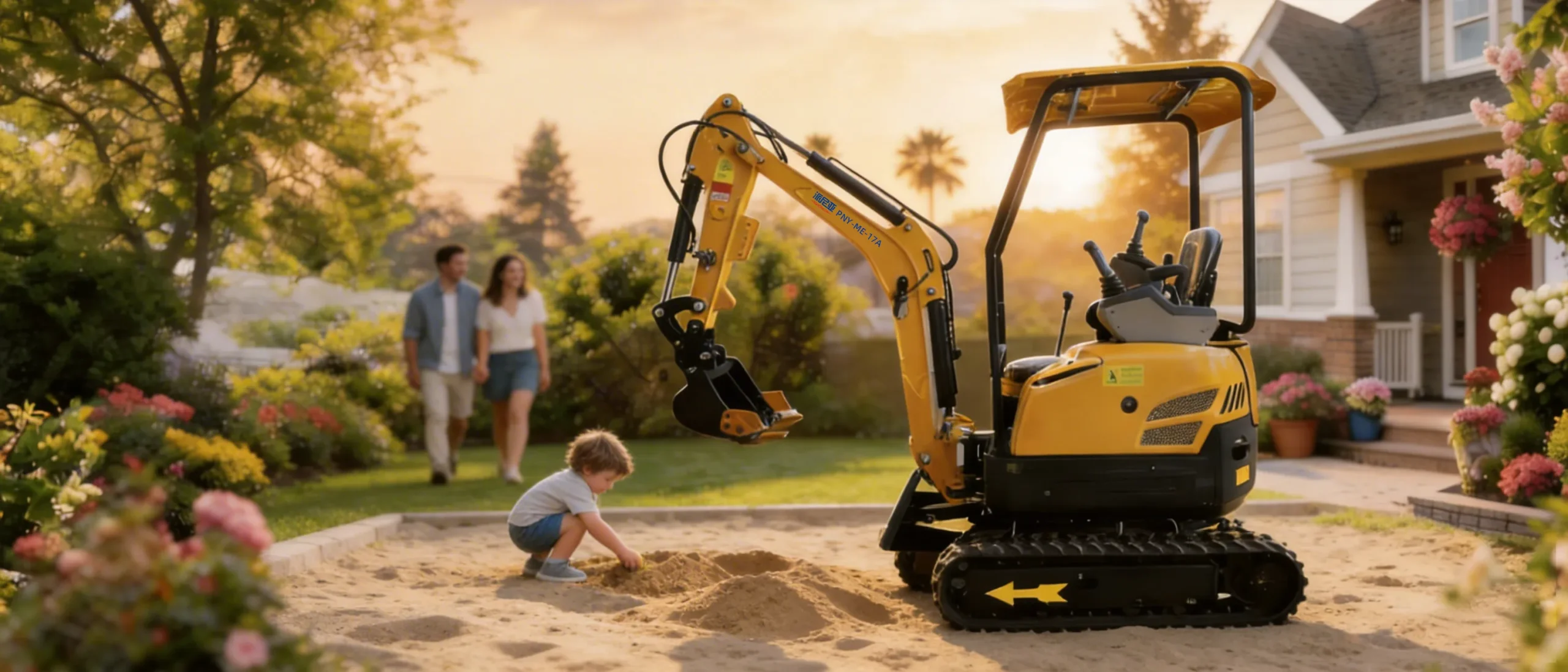
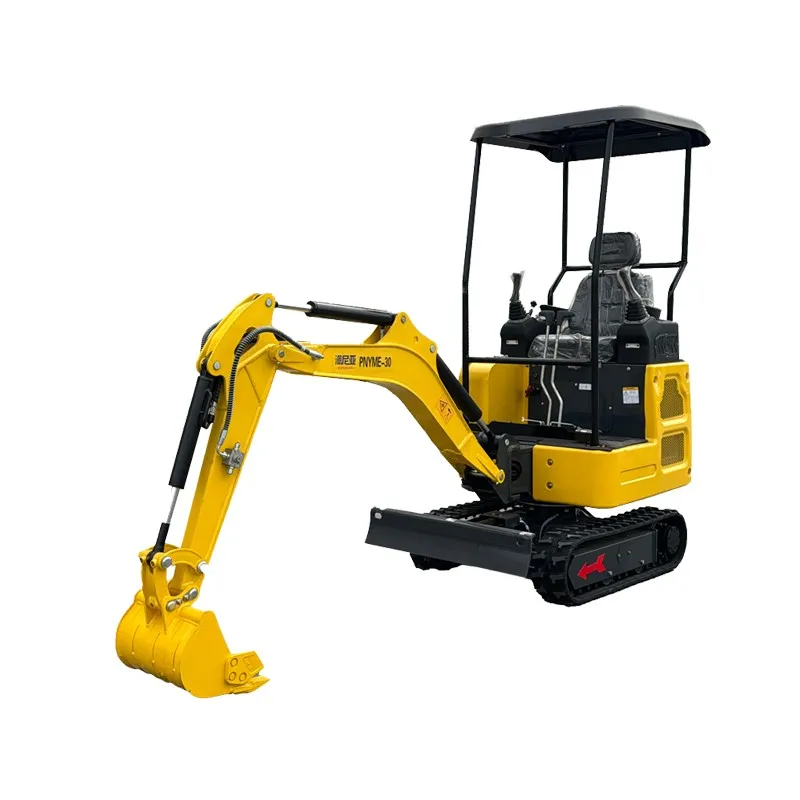
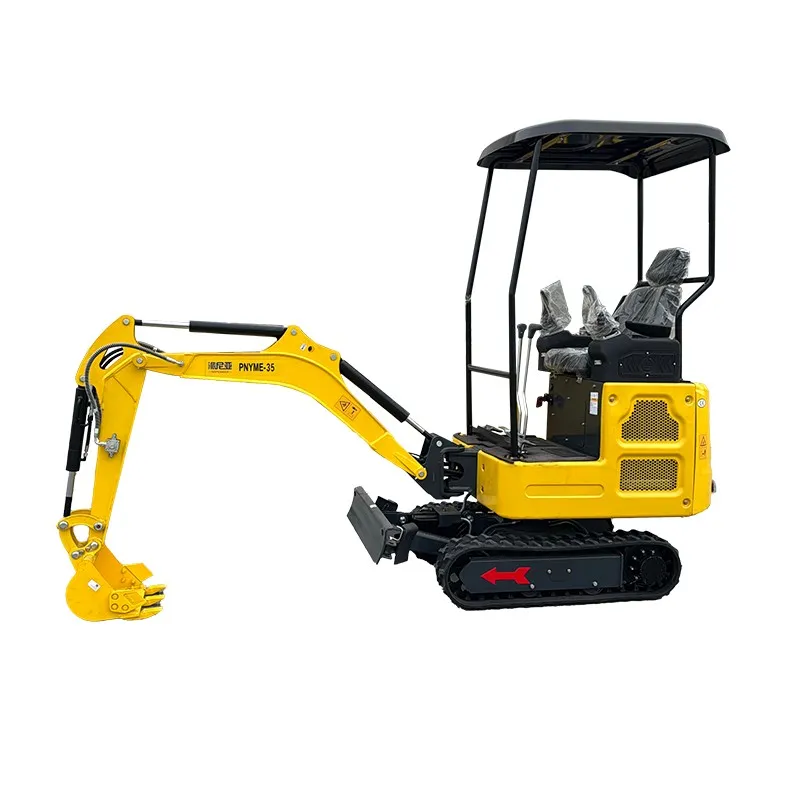
Let's get specific. I've had hands-on time with a Pioneer-branded 1-tonner, their h12 mini excavator model. First impression? They got the counterweight right. So many minis in this class are tippy, especially when you're swinging with a full bucket of wet clay. This one felt planted. It allowed for a more confident dig cycle without constantly micro-adjusting the stabilizers.
The auxiliary hydraulic circuit was a pleasant surprise—standard and well-plumbed. That's a sign they're thinking about attachments from the get-go: breakers, augers, compactors. It's not an afterthought. The plumbing was routed cleanly, less prone to snagging on rebar or brush. Small detail, big impact on uptime.
Now, it wasn't perfect. The stock seat was basic, and the grease points for the boom, while accessible, needed a more frequent schedule than the manual suggested in high-dust conditions. That's the real-world feedback you'd give them. But the core structure—the mainframe, the swing motor mount—felt robust. It didn't have that hollow, tinny sound some price-leader models have when you work them hard.
Common Pitfalls and Operator Habits
One major failure point I've seen, even on good machines, is the cooling system. On a mini excavator, the radiator and oil cooler are crammed in a tight compartment. If you're working in leaf litter or mowing down weeds, they clog fast. A model with an easy-to-remove debris screen or a reversible fan (not common on minis, but a luxury if you find it) can save hours of downtime and prevent overheating on a Friday afternoon.
Operator habit is huge. These machines are often run by laborers, not career operators. They'll drag the machine using the boom, which stresses the hydraulic cylinders and the frame. They'll swing with the bucket too high, killing stability. A well-designed machine tries to mitigate this—with protected hydraulic lines on the boom and clear sight lines to the bucket. The Pioneer h12's cab layout, with its low sill, actually gave a decent view of the trench edge, which naturally encourages better positioning.
Another pitfall is ignoring the break-in period. These aren't lawnmowers. That first 50 hours is critical for setting the wear pattern on the hydraulic components. I advise owners to vary the workload, avoid constant max RPM, and change all filters at that first service, no matter what the book says. It's cheap insurance.
The Verdict: What Makes a Mini Earn Its Keep
So, what are you really looking for? It's not about a list of features. It's about a machine whose design acknowledges reality. A reliable h12 mini excavator from a seasoned maker like those in the Shandong ecosystem offers a specific value: it's a tool refined through feedback from global job sites.
It means standardized parts where it counts (like hydraulic fittings), a dealer network that can actually get you a swing motor seal kit in a week, and a build philosophy that values durability over flashy specs. The fact that a company like Pioneer has focused on export for so long, as their site states, winning the trust and appreciation of customers worldwide, is a data point. In this business, longevity and repeat customers are the only marketing that truly matters.
In the end, the right mini doesn't just dig. It disappears into the workday. You stop thinking about its quirks and just get the job done. That's the benchmark. From my experience, that's achieved by manufacturers who have been in the trenches themselves, building, shipping, and iterating for 20 years, not just jumping on a market trend. The machine becomes a predictable partner, and on a cramped, complicated site, predictability is everything.
Related Products
Related Products