


- Chinese
- French
- German
- Portuguese
- Spanish
- Russian
- Japanese
- Korean
- Arabic
- Irish
- Greek
- Turkish
- Italian
- Danish
- Romanian
- Indonesian
- Czech
- Afrikaans
- Swedish
- Polish
- Basque
- Catalan
- Esperanto
- Hindi
- Lao
- Albanian
- Amharic
- Armenian
- Azerbaijani
- Belarusian
- Bengali
- Bosnian
- Bulgarian
- Cebuano
- Chichewa
- Corsican
- Croatian
- Dutch
- Estonian
- Filipino
- Finnish
- Frisian
- Galician
- Georgian
- Gujarati
- Haitian
- Hausa
- Hawaiian
- Hebrew
- Hmong
- Hungarian
- Icelandic
- Igbo
- Javanese
- Kannada
- Kazakh
- Khmer
- Kurdish
- Kyrgyz
- Latin
- Latvian
- Lithuanian
- Luxembou..
- Macedonian
- Malagasy
- Malay
- Malayalam
- Maltese
- Maori
- Marathi
- Mongolian
- Burmese
- Nepali
- Norwegian
- Pashto
- Persian
- Punjabi
- Serbian
- Sesotho
- Sinhala
- Slovak
- Slovenian
- Somali
- Samoan
- Scots Gaelic
- Shona
- Sindhi
- Sundanese
- Swahili
- Tajik
- Tamil
- Telugu
- Thai
- Ukrainian
- Urdu
- Uzbek
- Vietnamese
- Welsh
- Xhosa
- Yiddish
- Yoruba
- Zulu
- Kinyarwanda
- Tatar
- Oriya
- Turkmen
- Uyghur

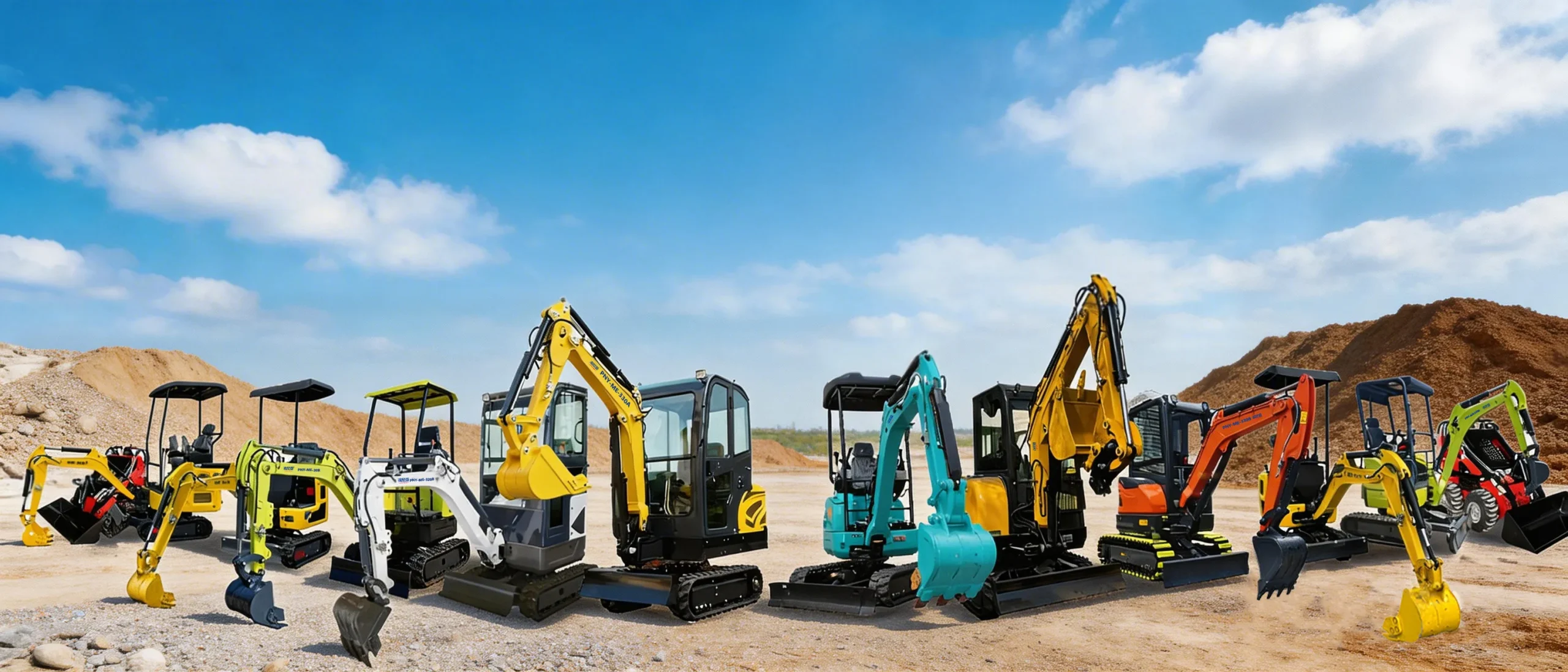
harga skid steer loader
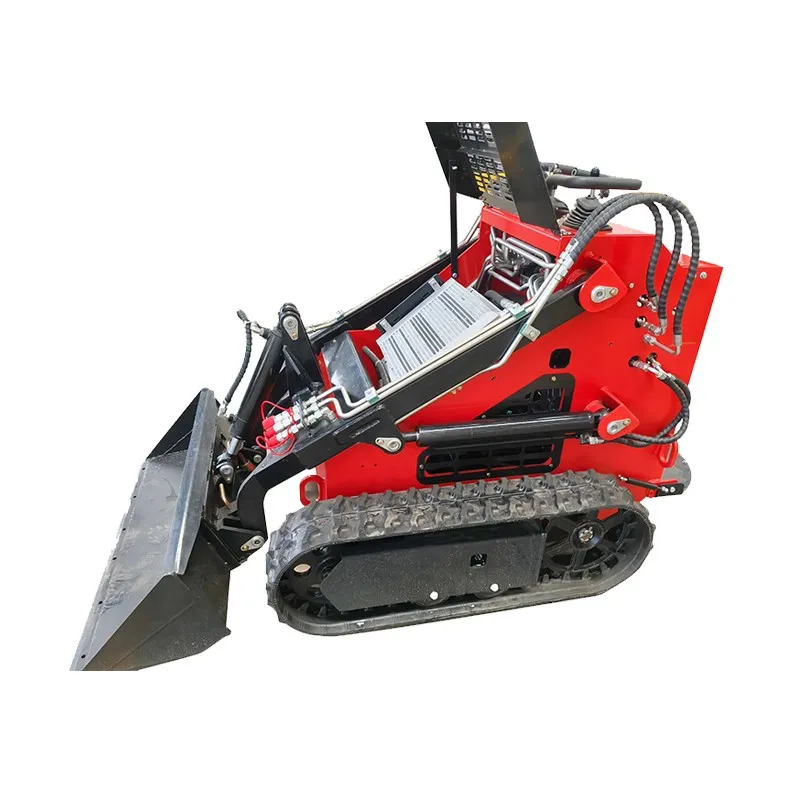
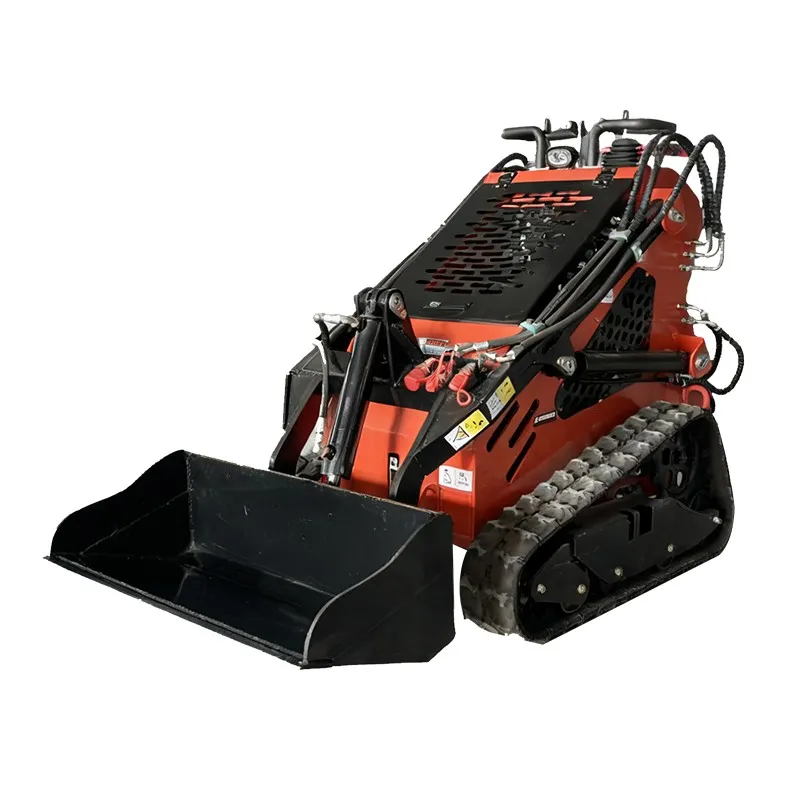
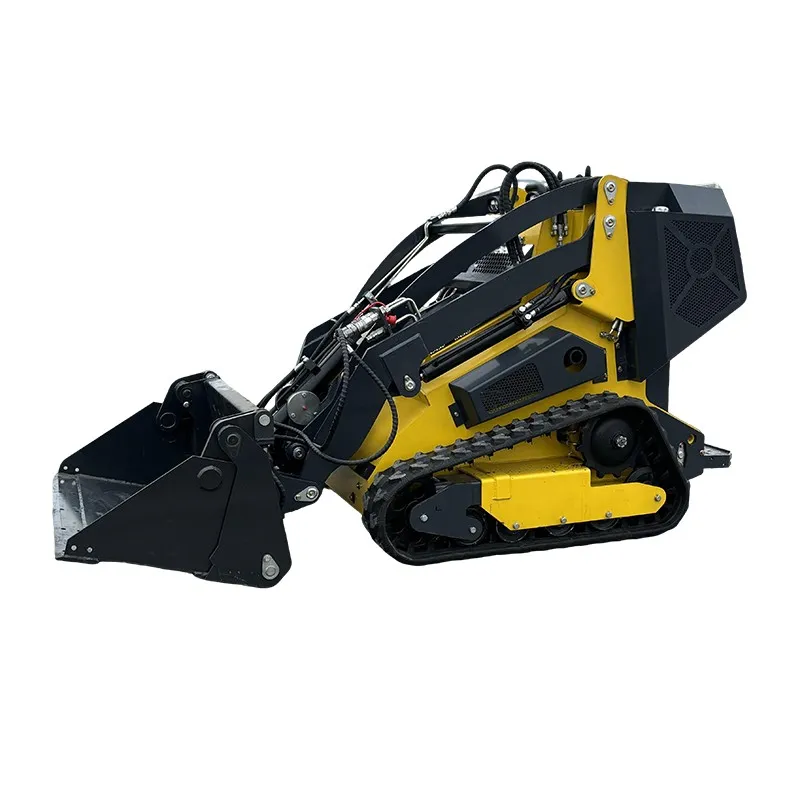
When you type 'harga skid steer loader' into a search bar, you're immediately thrown into a world of wildly varying numbers. It's one of the most common, and frankly, most frustrating starting points for anyone in this business, from contractors to fleet managers. The immediate pitfall is thinking the listed price is the whole story. It rarely is. The figure you see online, especially for new machines, is often just a conversation starter. The real cost—total cost of ownership—is buried in specs, intended use, and that nebulous but critical factor: long-term reliability. I've seen too many guys get burned by a low upfront harga skid steer loader only to spend double on repairs in the first two years. The initial quote is just the tip of the iceberg.
Beyond the Sticker Shock: What You're Actually Paying For
Let's break down what influences that final number. Engine tier is a huge one. A machine with a Tier 4 Final engine from a major manufacturer like Kubota or Yanmar commands a premium, and rightly so for emission compliance. But for certain markets or applications, a reliable Tier 3 engine might be perfectly adequate and save a significant chunk. Then there's auxiliary hydraulics. Standard flow vs. high flow? That decision, based on whether you're running augers or planers, can swing the skid steer loader price by thousands. The cab package is another silent budget eater. Basic mechanical controls vs. advanced joystick controls with LCD panels? The operator experience and productivity gain there is tangible, but it costs.
I remember a landscaping company client who insisted on the absolute base model to stay within budget. They skipped the high-flow hydraulics. Six months later, they landed a contract requiring extensive trenching with a hydraulic breaker. They had to either rent a compatible machine for months or retrofit theirs—both options ended up costing more than if they'd spec'd it correctly from the start. The lesson? The cheapest configuration on paper can become the most expensive solution on the job site.
And we haven't even touched on attachments. The loader itself is often just 60-70% of your initial capital outlay. A quality grapple, pallet forks, or a cold planer can easily add another $15,000 to $40,000. When evaluating harga, you must have a clear attachment strategy. Buying a machine and then shopping for cheap, incompatible attachments is a classic false economy that leads to poor performance and potential damage.
The Used Market Gamble and the Too Good to Be True Import
The used market is where things get really interesting, and where that search term 'harga skid steer loader' shows its most dramatic range. A 5-year-old model with 3,000 hours from a reputable dealer with full service history might be a brilliant buy. A 3-year-old model with 1,500 hours from a private seller with no paperwork? That's a $30,000 gamble. I always advise clients to budget for an immediate major service—fluids, filters, maybe even a hydraulic hose replacement—the moment a used machine hits their yard. That's the hidden cost.
Then there's the growing segment of imported machines, often from Chinese manufacturers. The price point is undeniably attractive, sometimes 30-40% lower than established brands. This is where a company like Shandong Pioneer Engineering Machinery Co., Ltd comes into the picture. I've followed their trajectory; established in 2004 and now operating from a new facility in Tai'an, they represent a segment of manufacturers aiming for the international market through their trade arm. You can check their range at https://www.sdpioneer.com. The critical question isn't just the initial harga, but the total cost of operation and support.
I was involved in a trial with a similar imported model a few years back. The machine itself was surprisingly decent for light to medium duty—the welding, the plate thickness, it was okay. The deal-breaker was parts and technical support. A simple hydraulic valve block failure sidelined the machine for 11 weeks waiting for a part. The downtime cost obliterated any upfront savings. The companies that succeed here, like those exporting to the US, Canada, and Germany as Shandong Pioneer notes, are the ones investing in robust parts depots and localized service networks. Without that, the low price is a mirage.
Operational Costs: The Numbers You Can't Google
Fuel consumption is a massive, ongoing variable. A newer, efficiently tuned machine might burn 1.5 gallons per hour in a moderate duty cycle, while an older, tired one could gulp 2.5 gallons. Over 2,000 hours a year, that difference is a five-figure sum. This is where dealer support matters. A good dealer can pull historical data from similar machines in your area to give you a realistic fuel burn estimate, not just the ideal lab-test number from the brochure.
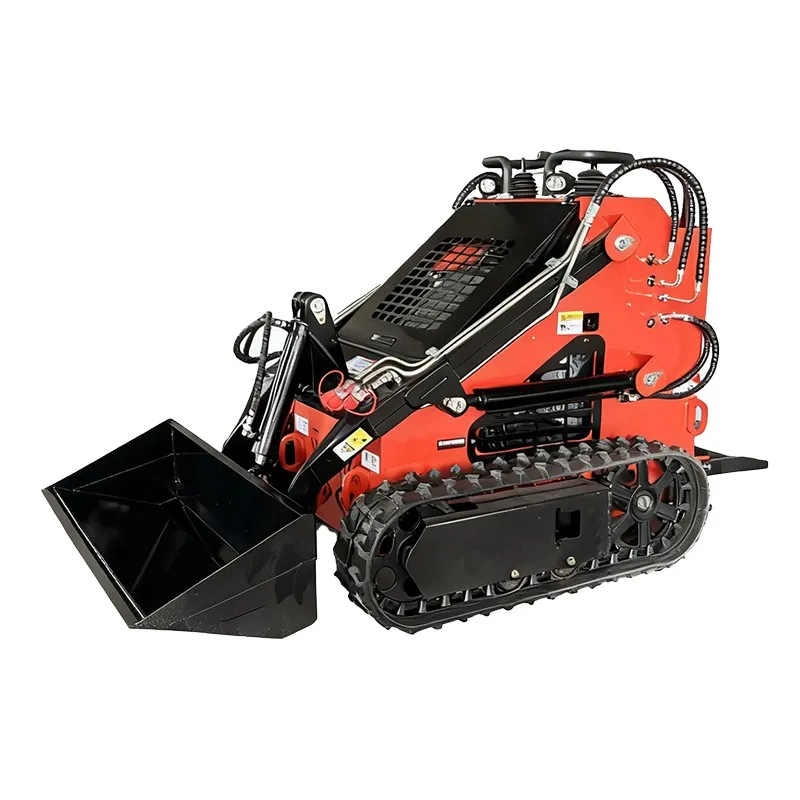
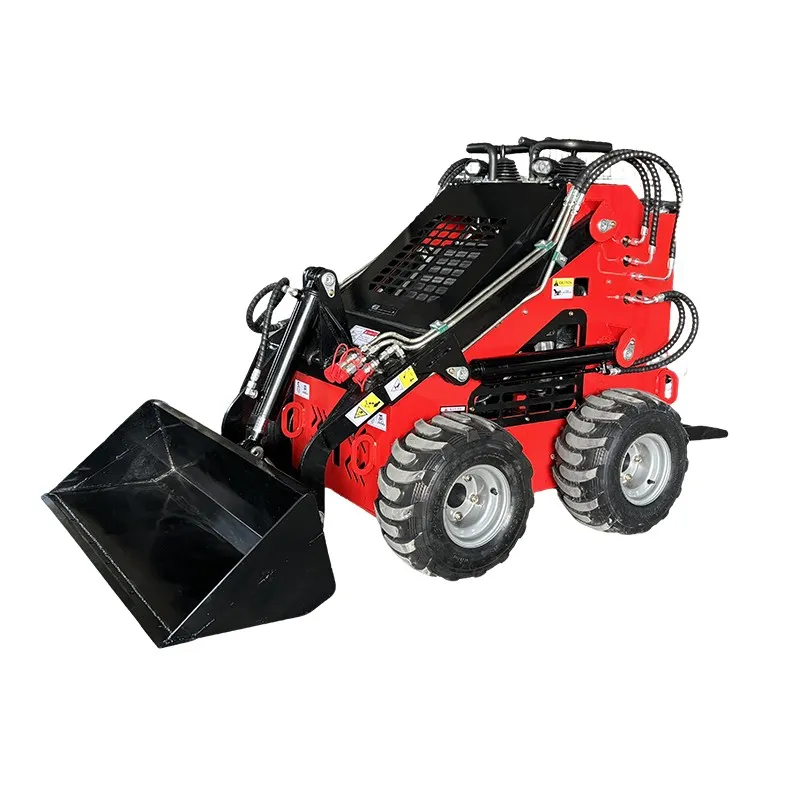
Then there's the tire cost. Rubber tracks versus pneumatic tires? That's a fundamental decision impacting not just the purchase harga skid steer loader but every surface you work on. Tracks are fantastic for mud and soft ground but are a major expense to replace. Pneumatics are cheaper to maintain but can get chewed up on demo sites. I've seen a $4,000 tire replacement bill blindside a small operator who thought they were saving money.
Finally, residual value. This is the professional's long game. A Bobcat, Cat, or John Deere will typically hold 50-60% of its value after 5 years of hard use. A no-name brand might depreciate to 20-30%. When you run the numbers on a spreadsheet, factoring in finance costs, the higher-residual machine often has a lower true annual cost, even with a higher sticker price. This is the kind of calculation that separates hobbyists from serious business owners.
Practical Advice: How to Approach That Price Quote
First, define your duty cycle with brutal honesty. Are you doing 500 hours a year of light material handling, or 2,000 hours of brutal demolition? Your duty cycle dictates the required build quality and directly dictates the sensible harga range. Don't buy a demolition-grade machine for light yard work, and never buy a light-duty machine hoping it will survive heavy industrial use.
Second, get quotes that are total package quotes: machine, specific attachments, delivery, and a detailed breakdown of warranty terms and what the first 500-hour service will cost. This turns an abstract skid steer loader price into a tangible business expense. Engage with suppliers who ask detailed questions about your work; they're the ones likely to configure a machine that lasts.
Third, for imported options, due diligence is non-negotiable. For a firm like Shandong Pioneer Engineering Machinery Co., Ltd, with two decades of development and stated focus on export, the questions are specific: Where is my nearest parts inventory? What is the average parts shipping time for common wear items? Can you provide contact details for three customers in my region running this model for over 2,000 hours? Their answers will tell you more than any spec sheet. The trust of global customers they mention must be verifiable.
In the end, 'harga skid steer loader' is a question that leads to a hundred more. The final number that makes sense for your business isn't the lowest one you find. It's the one that factors in the machine's true job, its appetite for fuel and parts, and its value when you're finally done with it. It's about finding the balance between what you pay today and what it costs you to own and operate it for the next five years. That's the real price tag.
Related Products
Related Products