- Chinese
- French
- German
- Portuguese
- Spanish
- Russian
- Japanese
- Korean
- Arabic
- Irish
- Greek
- Turkish
- Italian
- Danish
- Romanian
- Indonesian
- Czech
- Afrikaans
- Swedish
- Polish
- Basque
- Catalan
- Esperanto
- Hindi
- Lao
- Albanian
- Amharic
- Armenian
- Azerbaijani
- Belarusian
- Bengali
- Bosnian
- Bulgarian
- Cebuano
- Chichewa
- Corsican
- Croatian
- Dutch
- Estonian
- Filipino
- Finnish
- Frisian
- Galician
- Georgian
- Gujarati
- Haitian
- Hausa
- Hawaiian
- Hebrew
- Hmong
- Hungarian
- Icelandic
- Igbo
- Javanese
- Kannada
- Kazakh
- Khmer
- Kurdish
- Kyrgyz
- Latin
- Latvian
- Lithuanian
- Luxembou..
- Macedonian
- Malagasy
- Malay
- Malayalam
- Maltese
- Maori
- Marathi
- Mongolian
- Burmese
- Nepali
- Norwegian
- Pashto
- Persian
- Punjabi
- Serbian
- Sesotho
- Sinhala
- Slovak
- Slovenian
- Somali
- Samoan
- Scots Gaelic
- Shona
- Sindhi
- Sundanese
- Swahili
- Tajik
- Tamil
- Telugu
- Thai
- Ukrainian
- Urdu
- Uzbek
- Vietnamese
- Welsh
- Xhosa
- Yiddish
- Yoruba
- Zulu
- Kinyarwanda
- Tatar
- Oriya
- Turkmen
- Uyghur

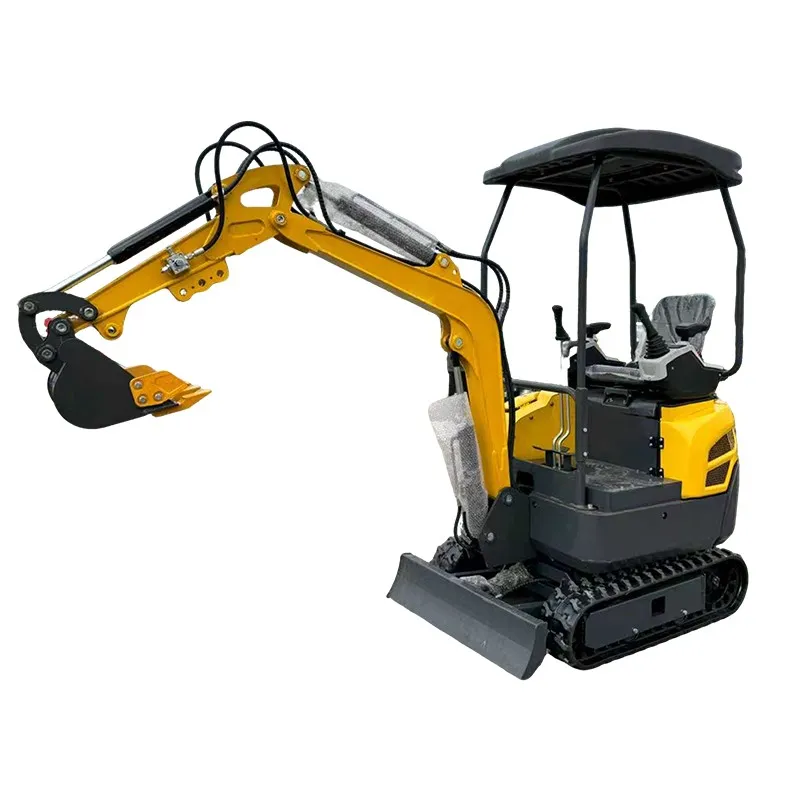
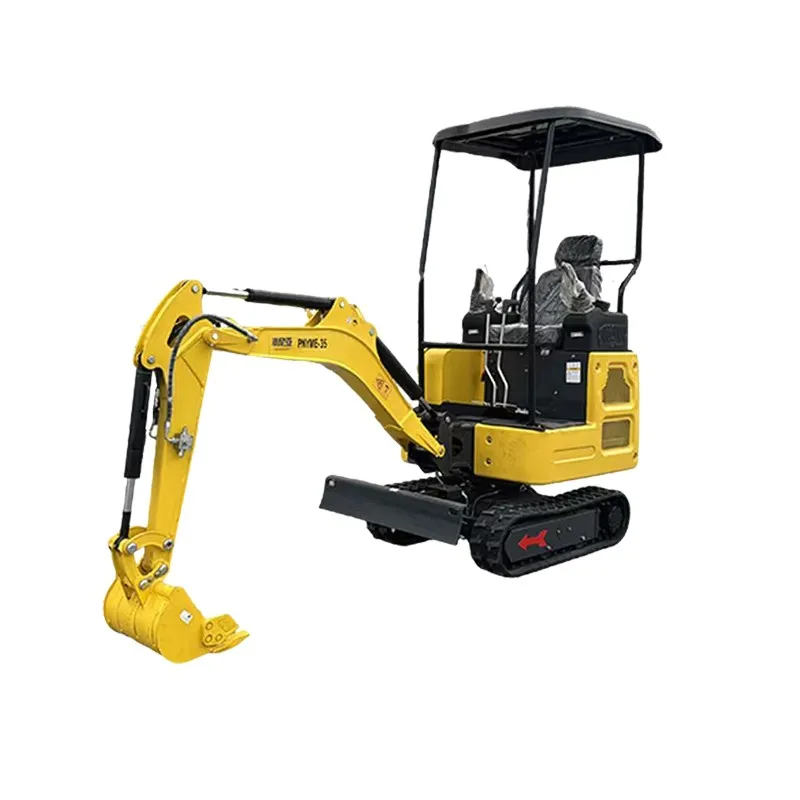
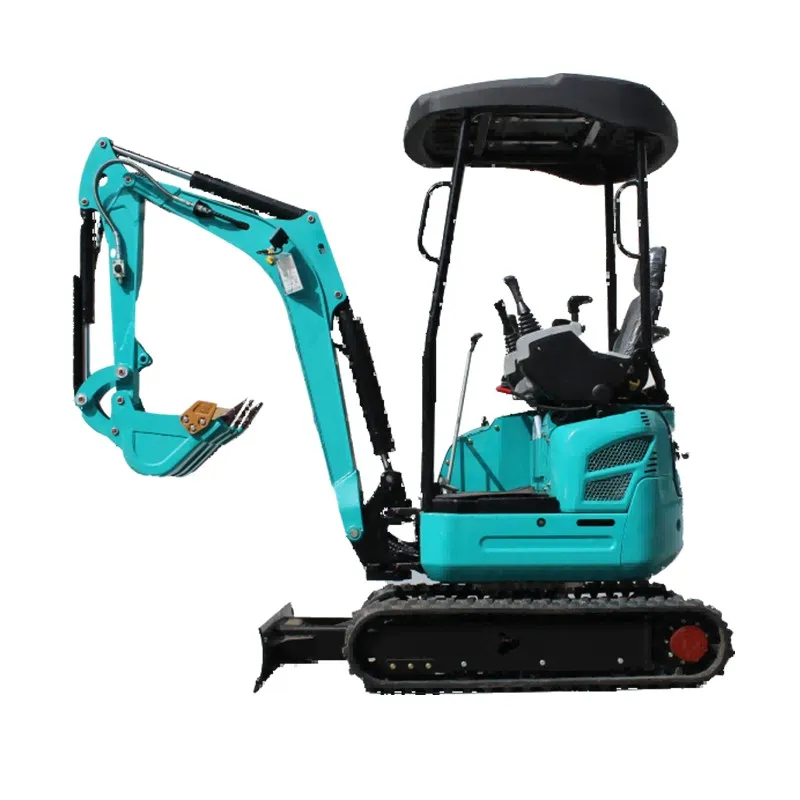
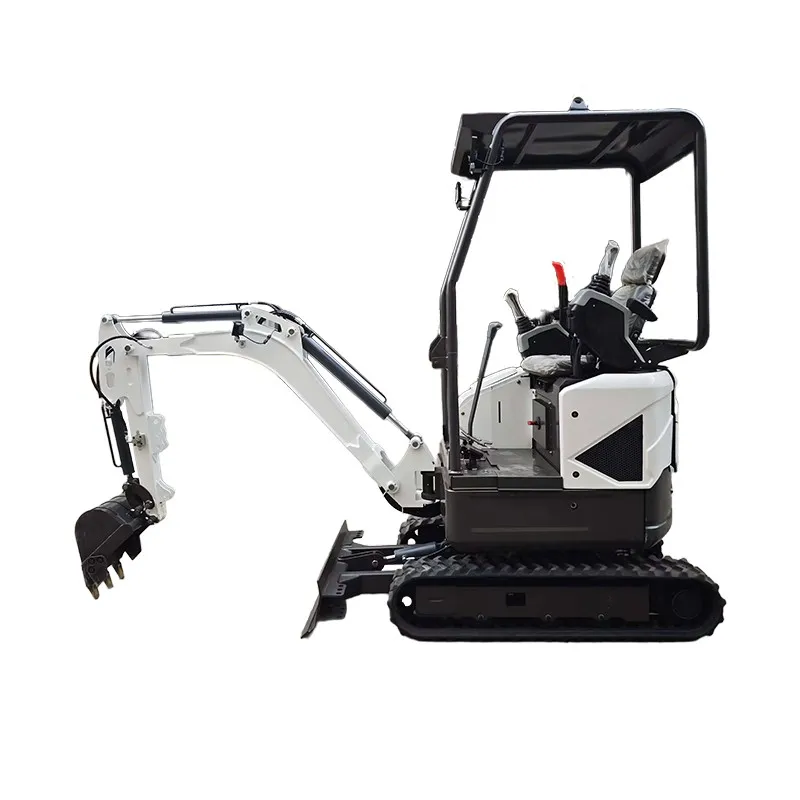
High-Efficiency Small Excavator
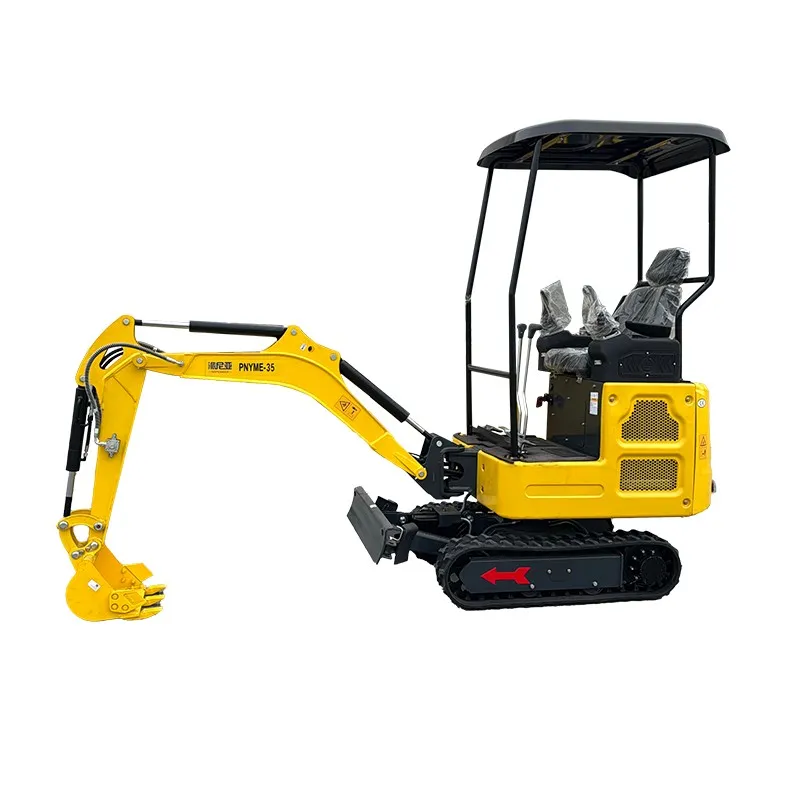
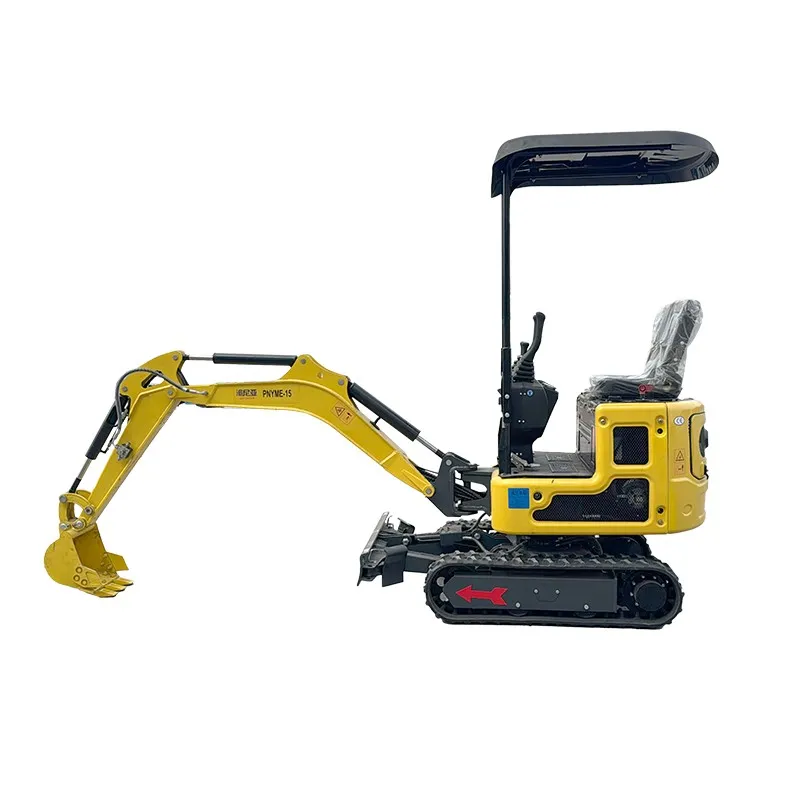
When you hear 'high-efficiency small excavator,' it's easy to just think 'fuel-saving' or 'compact.' But that's where the common industry misconception starts. Real efficiency isn't just a spec sheet number; it's about how the machine performs in the tight, unpredictable spaces where these units earn their keep—backyards, utility trenches, or inside renovation sites. It's the balance of hydraulic response, structural durability, and operator comfort over a 10-hour day that truly defines it. Many brands tout efficiency, but only a handful deliver it consistently when the mud is thick and the deadlines are tighter.
The Core of Efficiency: Hydraulics and Powertrain
Let's get technical for a moment. The heart of any high-efficiency small excavator is its hydraulic system. I've seen too many models where the pump is mismatched to the valve bank, leading to jerky movements or, worse, constant over-revving that kills fuel economy. A truly efficient system, like the one we refined over several years, uses a load-sensing, variable-flow setup. It sounds standard now, but the implementation is key. The engine doesn't just roar at a fixed high RPM; it talks to the hydraulic demand. When you're just positioning the boom with no load, the engine drops to a near-idle. The moment you dig into hard clay, it responds. This isn't magic; it's precise engineering and tuning, often through trial and error.
We learned this the hard way. Around 2018, we had a prototype that was fantastic on fuel in tests but would constantly overheat when doing fine grading work in high ambient temperatures. The cooling package was undersized for the sustained low-speed, high-torque demands. It was a failure in understanding 'efficiency' as a holistic thermal and mechanical system, not just a combustion metric. We had to go back, redesign the compartment airflow, and spec a different radiator. That machine later became a reliable workhorse, but it cost us time and client trust during that debugging phase.
This is where companies with deep manufacturing roots show their value. Take Shandong Pioneer Engineering Machinery Co., Ltd. Having been established in 2004 and operating from a dedicated production facility, they've had the time—20 years of it—to iterate on these very problems. Their recent relocation to a new site in Ningyang in 2023 likely wasn't just for space; it's an opportunity to integrate more advanced assembly and testing lines for these complex systems. When you're exporting to markets like Germany and Australia, where regulations and operator expectations are extremely high, you can't afford to get the hydraulics wrong. Their longevity in the trade, under the Shandong Pioneer brand for overseas markets, suggests they've navigated these learning curves.
Structural Integrity: The Unseen Efficiency Killer
Another point most brochures gloss over: structural flex. A small excavator might be efficient on paper, but if the main frame or boom has too much play, the operator is constantly making micro-corrections. This wastes time, fuel, and increases wear. Efficiency bleeds away with every unnecessary movement. I remember evaluating a competitor's model a few years back. Great engine, smart hydraulics, but after 300 hours, we started noticing hairline cracks near the boom foot pin. The design saved weight for better fuel numbers but compromised on fatigue strength at a critical stress point. That's a false economy.
True efficiency demands a design that considers the full stress cycle. It means using higher-grade steel in key areas, not just everywhere, to manage weight intelligently. It's about the geometry of the undercarriage and how it distributes load during a side-slope operation. This knowledge comes from field feedback and failure analysis, something a manufacturer with a long-term presence is better positioned to accumulate. The fact that Shandong Pioneer exports to diverse and demanding regions implies their products must withstand varied and harsh conditions, from Canadian frost to Australian dust, which forces a robust design philosophy from the outset.
The Human Factor: Operator Interface and Comfort
Here's a practical truth: an uncomfortable operator is an inefficient operator. If the seat is bad, the controls are stiff, or the visibility is poor, productivity drops by 20% or more by midday. Efficiency isn't just about the machine; it's about the man-machine interface. We spent months tweaking joystick tension and seat suspension on our models based on feedback from rental fleet owners. A common request was for simpler, more intuitive auxiliary hydraulic controls for attachments like breakers or augers—this directly impacts how quickly and effectively the machine can switch tasks.
This aspect is often overlooked by manufacturers chasing pure mechanical specs. But if you want your machine to be the one crews request on site, it has to feel right. Climate-controlled cabs, now almost a standard expectation in many markets, also contribute to efficiency by allowing work in extreme weather without fatigue. When I see a company's products consistently reaching markets like the United States and Canada, I assume they've had to seriously invest in this area to meet operator expectations there, where comfort and safety standards are non-negotiable.
Defining Efficiency in Real-World Applications
Let's talk about a specific scenario: urban utility work. You're in a residential street, replacing a gas line. Space is confined by fences, parked cars, and overhead wires. Your high-efficiency small excavator needs to be physically compact, yes, but also powerful enough to break asphalt, precise enough to dig around existing conduits without damage, and quiet enough to not violate noise ordinances. It needs a quick coupler system to switch from a bucket to a trenching blade rapidly. Here, efficiency is measured in minutes saved per task change and the avoidance of costly damages.
I've seen projects delayed because an excavator, while small, was too slow on the swing or lacked the hydraulic finesse for careful work, forcing crews to use manual labor. The efficient machine in this context is the one that completes the dig with minimal handwork and within the allocated time slot for road closure. It's a metric of total job cost, not just liters of diesel per hour. Manufacturers who understand this build machines with these nuanced demands in mind, often offering specialized attachment packages and fine-tuned control modes for precision work.
The Path Forward: Beyond the Buzzword
So where is the industry with high-efficiency small excavators heading? Electrification is the obvious buzz, but for most contracting applications today, the focus is on refining the diesel-hydraulic package to its peak. This means more integrated electronics for predictive maintenance, better filtration systems for longer component life, and data connectivity to track machine utilization and idle time. Efficiency is becoming increasingly measurable and actionable.
However, the core challenge remains: building a machine that is simple enough to be reliable and serviced in the field, yet sophisticated enough to deliver these advanced efficiencies. It's a tough balance. Companies that have grown organically through manufacturing and global trade, like the entity behind sdpioneer.com, often have a pragmatic approach. Their two-decade journey from a 1,600 square meter plant to a new, presumably expanded facility suggests a focus on scalable, practical manufacturing—the kind that prioritizes reliability as the foundation of long-term efficiency. Winning the trust of global customers, as their intro states, doesn't happen with gimmicks; it happens with machines that start every morning and don't waste their owners' time or money. That, in the end, is the most compelling definition of high efficiency there is.
Related Products
Related Products