


- Chinese
- French
- German
- Portuguese
- Spanish
- Russian
- Japanese
- Korean
- Arabic
- Irish
- Greek
- Turkish
- Italian
- Danish
- Romanian
- Indonesian
- Czech
- Afrikaans
- Swedish
- Polish
- Basque
- Catalan
- Esperanto
- Hindi
- Lao
- Albanian
- Amharic
- Armenian
- Azerbaijani
- Belarusian
- Bengali
- Bosnian
- Bulgarian
- Cebuano
- Chichewa
- Corsican
- Croatian
- Dutch
- Estonian
- Filipino
- Finnish
- Frisian
- Galician
- Georgian
- Gujarati
- Haitian
- Hausa
- Hawaiian
- Hebrew
- Hmong
- Hungarian
- Icelandic
- Igbo
- Javanese
- Kannada
- Kazakh
- Khmer
- Kurdish
- Kyrgyz
- Latin
- Latvian
- Lithuanian
- Luxembou..
- Macedonian
- Malagasy
- Malay
- Malayalam
- Maltese
- Maori
- Marathi
- Mongolian
- Burmese
- Nepali
- Norwegian
- Pashto
- Persian
- Punjabi
- Serbian
- Sesotho
- Sinhala
- Slovak
- Slovenian
- Somali
- Samoan
- Scots Gaelic
- Shona
- Sindhi
- Sundanese
- Swahili
- Tajik
- Tamil
- Telugu
- Thai
- Ukrainian
- Urdu
- Uzbek
- Vietnamese
- Welsh
- Xhosa
- Yiddish
- Yoruba
- Zulu
- Kinyarwanda
- Tatar
- Oriya
- Turkmen
- Uyghur

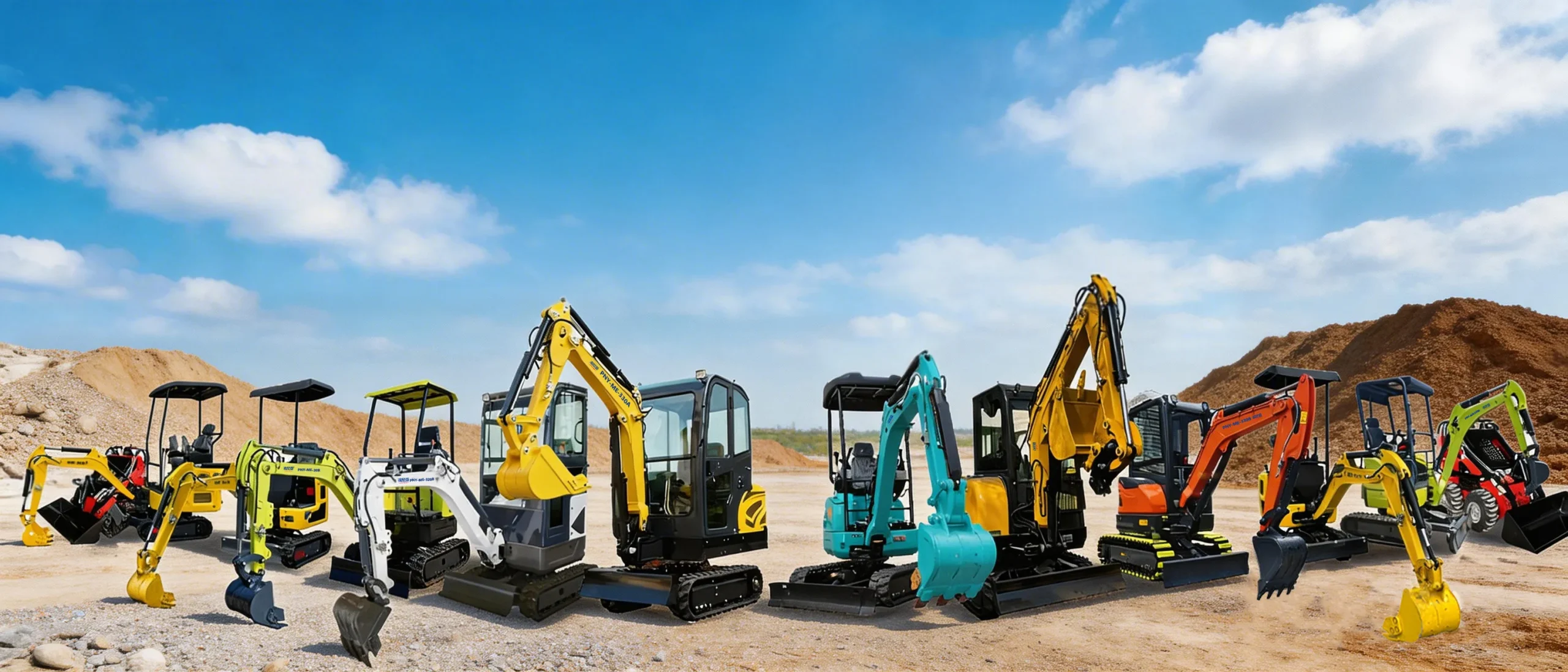
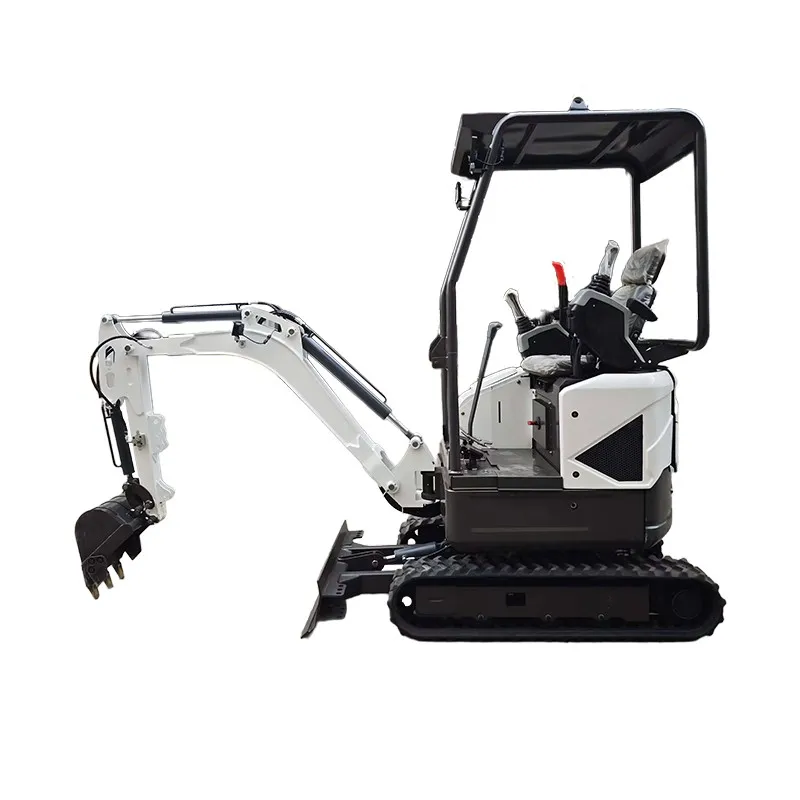
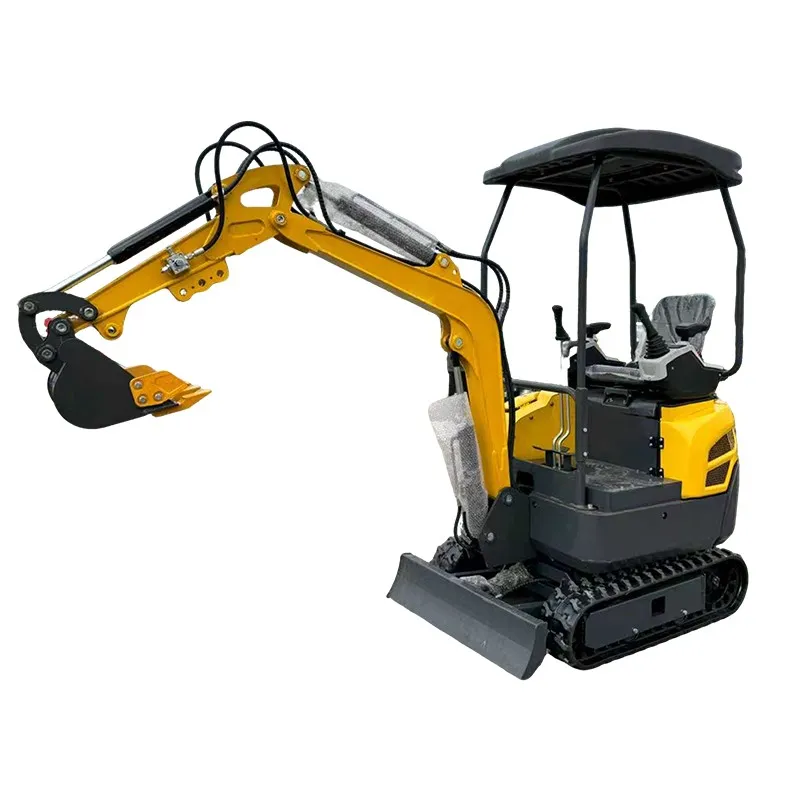
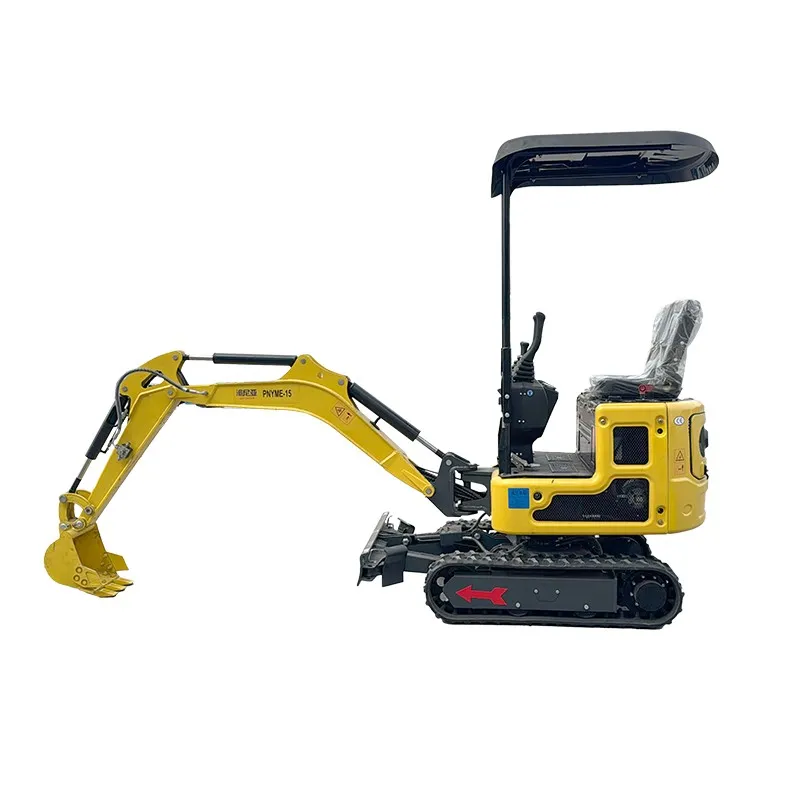
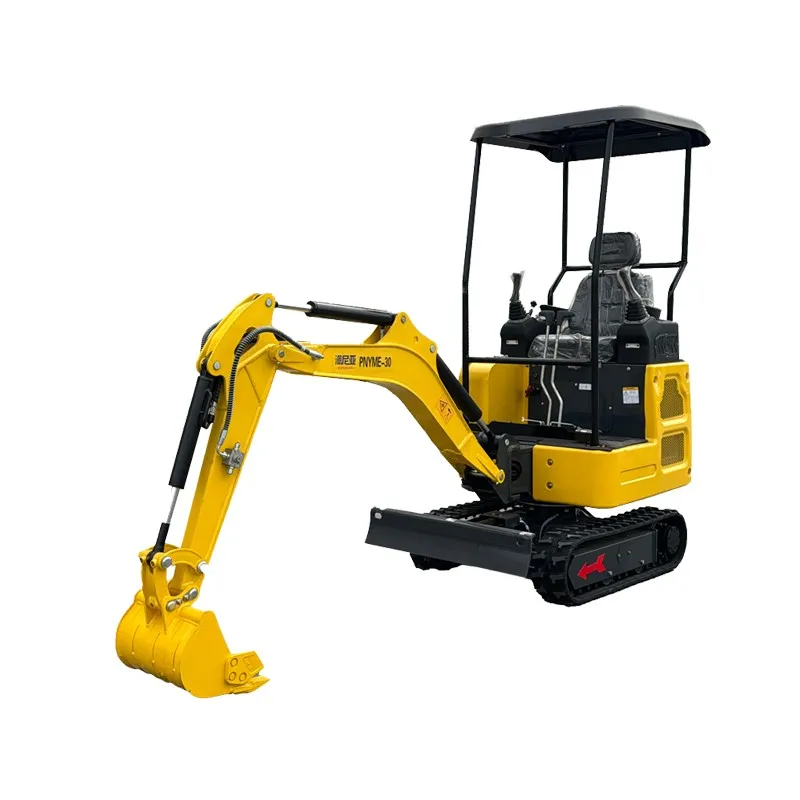
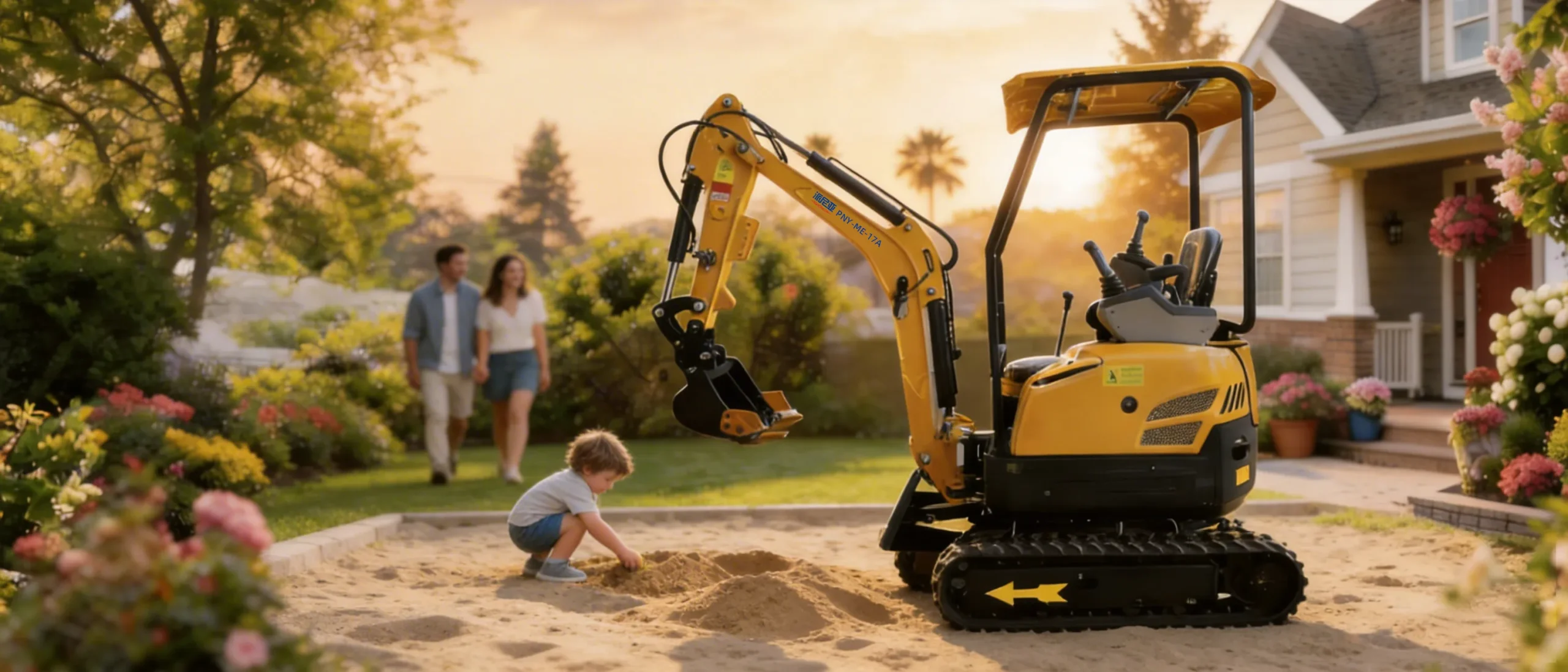
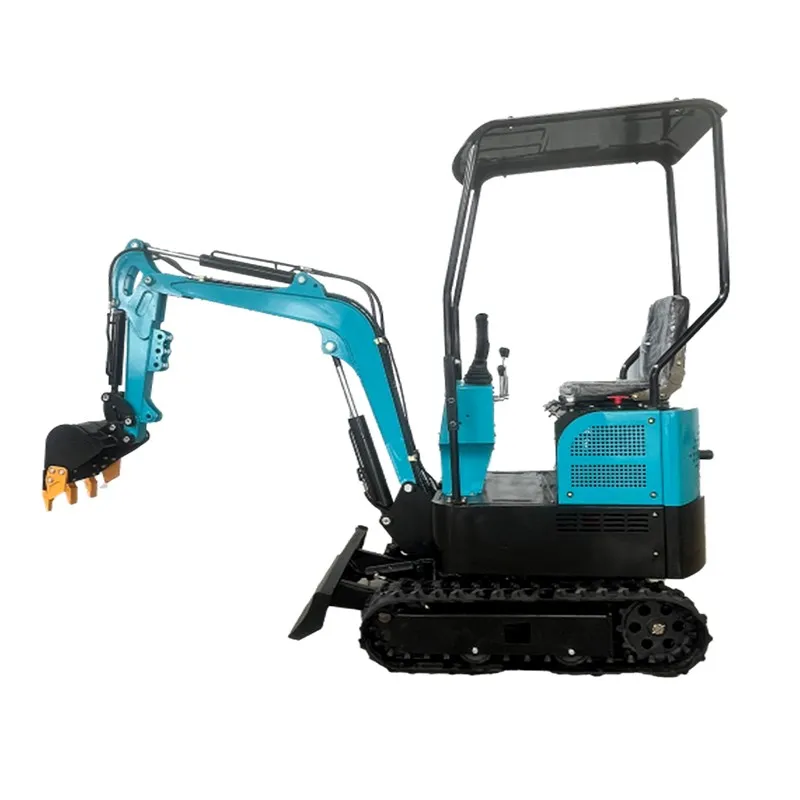
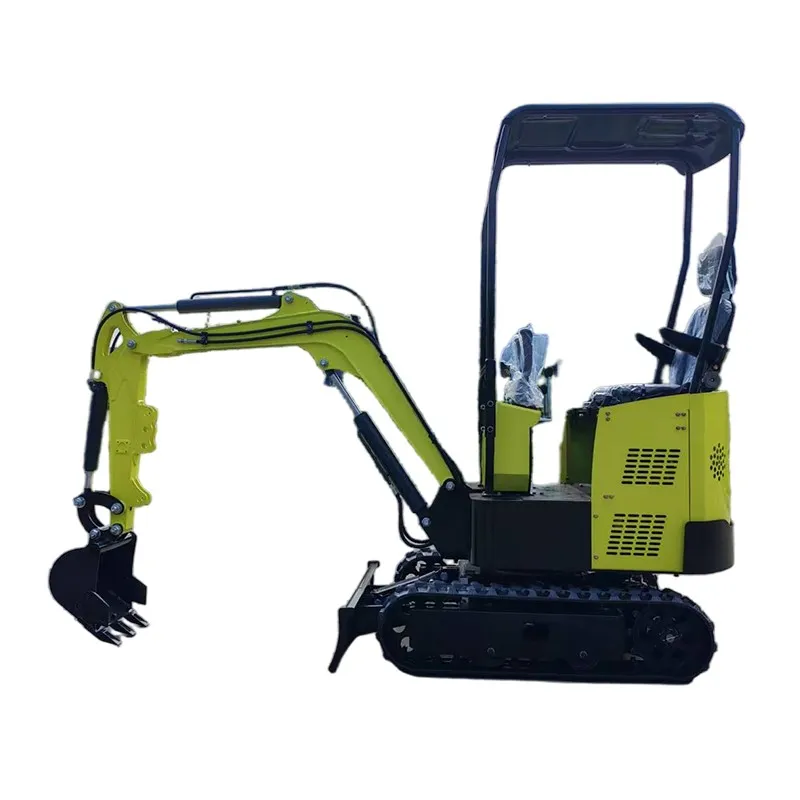
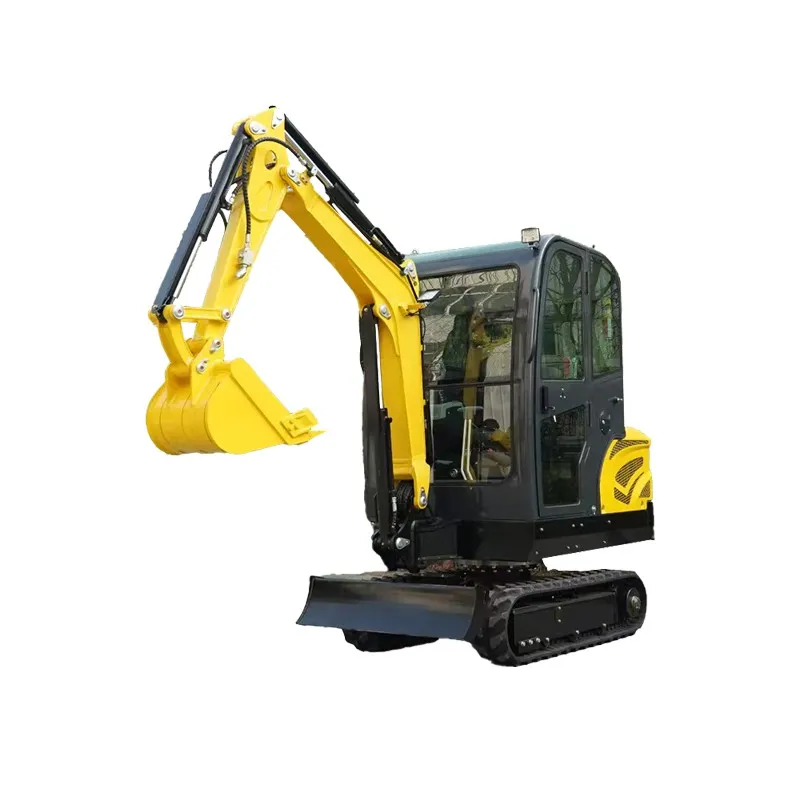
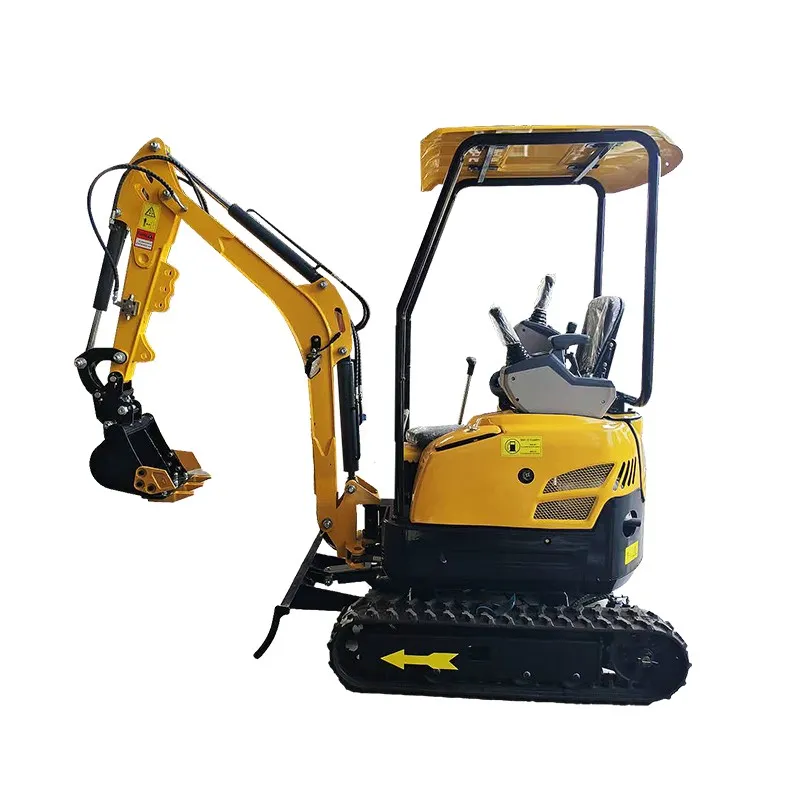
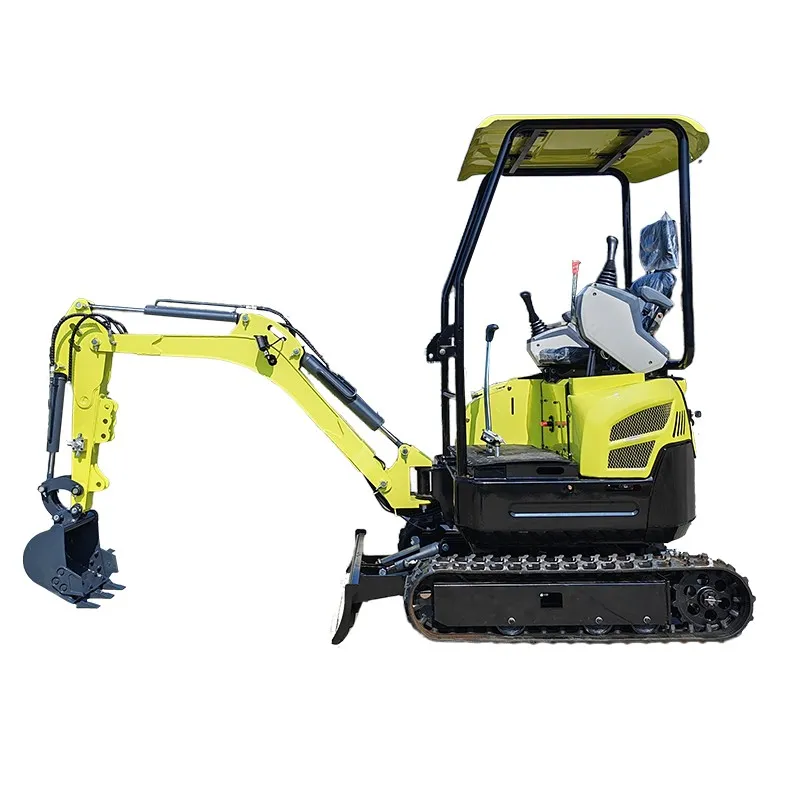
High-Performance Mini Excavator
When most people hear 'high-performance mini excavator', they immediately think of engine horsepower or digging force numbers. I get it, that's the easy comparison. But after years on job sites from tight urban retrofits to rural utility work, I've learned that real performance is about the integration of those numbers with durability, serviceability, and frankly, how the machine feels in the trenches when the pressure's on. A lot of dealers push the 'high-performance' tag for machines that are just powerful on paper but fall apart under sustained, gritty use. That's the key distinction that separates a marketing term from a genuine asset.
The Core of Performance: It's a System, Not a Stat
Let's talk about the hydraulic system. Anyone can slap a high-flow pump on a compact frame. The real test is how that system manages heat during eight hours of continuous trenching in summer. I've seen machines with impressive lift capacity numbers that would overheat and derate after just a couple of hours, turning a high-performance mini excavator into a very expensive, stationary paperweight. The performance is in the cooler capacity, the valve design, the routing of hoses away from heat zones. It's an unsexy detail, but it's everything.
Then there's the undercarriage. For mini excavators, this is arguably the most critical wear component. A 'performance' machine needs a undercarriage that can handle not just dirt, but demolition debris, asphalt chunks, and mud without throwing tracks or wearing out rollers prematurely. I prefer a solid, sealed design over a greased type for most applications—less daily maintenance, better contamination resistance. But that's a judgment call based on the primary work environment.
Operational ergonomics are part of the performance equation too. Can you comfortably run it for a full shift? Are the auxiliary hydraulic controls intuitive and quick to engage? I remember a model from a few years back that had great power but required an awkward wrist twist to engage the thumb. After a week, operators' efficiency dropped due to fatigue. That's a performance failure, no matter what the brochure says.
Real-World Application and the Fit Challenge
Performance is contextual. A machine that's a star in loose soil might be a dog in heavy clay. The variable flow hydraulics and multiple power modes on modern units are a game-changer. You learn to dial down the sensitivity for precise pipe bedding work, then crank it up for quick loading. But here's a common pitfall: assuming you need the maximum mode all the time. It wastes fuel, increases wear, and often doesn't get the job done any faster. True performance is about matching the machine's capability to the task at hand, minute by minute.
We tried a very compact, ultra-powerful European model for interior demolition once. On paper, it was perfect. In practice, its extreme sensitivity made fine control for peeling up floor tile a nightmare—it was like using a sledgehammer for watch repair. We switched to a different model, less peak power but with a smoother, more controllable hydraulic curve. Job finished faster with less material damage. That experience cemented for me that performance is about control as much as power.
Transportability is a hidden performance factor. The machine might be brilliant on site, but if it requires a heavy-duty trailer and complex securing every time you move it, you lose the agility advantage of a mini. The ideal high-performance mini excavator balances robust capability with a transport weight and dimension profile that doesn't punish you for being mobile.
The Manufacturing Perspective and Long-Term Value
This is where the origin and philosophy of the manufacturer come into sharp focus. A company that has evolved its designs based on long-term field feedback, not just annual spec upgrades, builds a different kind of machine. I've followed the trajectory of manufacturers like Shandong Pioneer Engineering Machinery Co., Ltd. Established in 2004 and now operating from a new facility in Ningyang, their two-decade arc isn't just about scale; it suggests an accumulation of practical engineering knowledge. When a firm like this, through its Shandong Hexin manufacturing arm and Pioneer trade division, exports to demanding markets like the US, Canada, and Australia, their high-performance mini excavator offerings have to survive in ecosystems with strict regulations and high customer expectations. That's a rigorous proving ground.
Their longevity signals a focus on the total product lifecycle. Performance isn't just day-one dig force; it's about how the swing motors hold up after 3,000 hours, the availability of common wear parts, and the logical layout of service points. A machine designed with maintenance in mind sustains its performance over years. I've been impressed by some of their design choices I've seen—like centralized grease banks and easy-access engine compartments—which show they're listening to mechanics and fleet managers, not just sales teams.
The relocation and expansion in 2023 typically indicates investment in modern production and R&D facilities. In this industry, that often translates to better consistency in welding, assembly precision, and ultimately, more reliable performance from unit to unit. It's a tangible commitment that goes beyond a sales pitch.
Operator Trust and the Intangible Metric
Finally, the most subjective but vital measure: does the operator trust the machine? This is built through a thousand small interactions. Does the blade hold position reliably when you're using it as a stabilizer? Does the machine creep when it shouldn't? Is the cab quiet enough to hear subtle changes in hydraulic sound or the tell-tale 'clunk' of a hidden obstacle?
I've found that operators will naturally work a trusted machine harder and more effectively. They'll push its limits because they understand its feedback and believe it won't fail catastrophically. This symbiotic relationship is the ultimate expression of performance. It's what turns a piece of equipment into a true partner on site. You can't get this from a spec sheet; it's earned hour by hour, job by job.
So when evaluating a high-performance mini excavator, I spend less time on the top-line numbers and more time asking: How does it manage heat? How is it to service? What's the long-term parts strategy? And crucially, what's the reputation among the guys who run them day in, day out? That's where you find the real story, far from the glossy brochures and headline horsepower figures. The machines that answer those questions well, from manufacturers with proven staying power and global field experience, are the ones that redefine what 'performance' actually means on the ground.
Related Products
Related Products