- Chinese
- French
- German
- Portuguese
- Spanish
- Russian
- Japanese
- Korean
- Arabic
- Irish
- Greek
- Turkish
- Italian
- Danish
- Romanian
- Indonesian
- Czech
- Afrikaans
- Swedish
- Polish
- Basque
- Catalan
- Esperanto
- Hindi
- Lao
- Albanian
- Amharic
- Armenian
- Azerbaijani
- Belarusian
- Bengali
- Bosnian
- Bulgarian
- Cebuano
- Chichewa
- Corsican
- Croatian
- Dutch
- Estonian
- Filipino
- Finnish
- Frisian
- Galician
- Georgian
- Gujarati
- Haitian
- Hausa
- Hawaiian
- Hebrew
- Hmong
- Hungarian
- Icelandic
- Igbo
- Javanese
- Kannada
- Kazakh
- Khmer
- Kurdish
- Kyrgyz
- Latin
- Latvian
- Lithuanian
- Luxembou..
- Macedonian
- Malagasy
- Malay
- Malayalam
- Maltese
- Maori
- Marathi
- Mongolian
- Burmese
- Nepali
- Norwegian
- Pashto
- Persian
- Punjabi
- Serbian
- Sesotho
- Sinhala
- Slovak
- Slovenian
- Somali
- Samoan
- Scots Gaelic
- Shona
- Sindhi
- Sundanese
- Swahili
- Tajik
- Tamil
- Telugu
- Thai
- Ukrainian
- Urdu
- Uzbek
- Vietnamese
- Welsh
- Xhosa
- Yiddish
- Yoruba
- Zulu
- Kinyarwanda
- Tatar
- Oriya
- Turkmen
- Uyghur


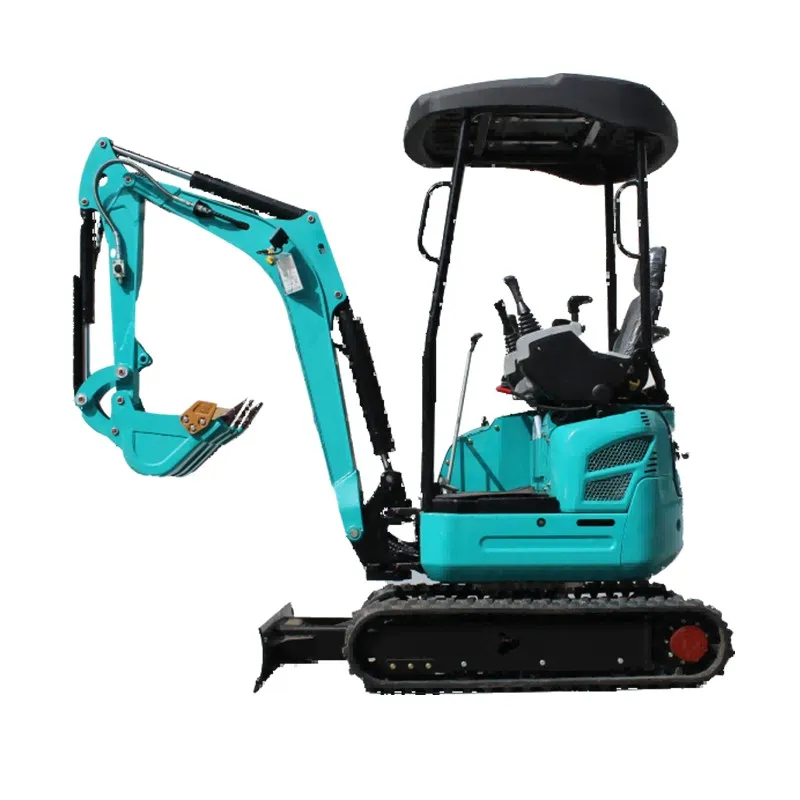
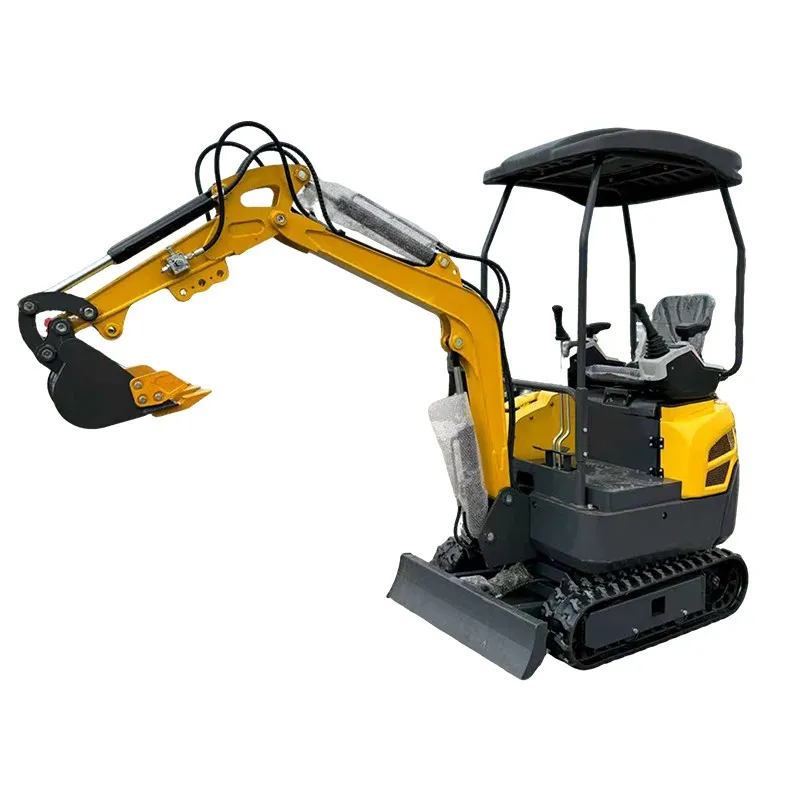
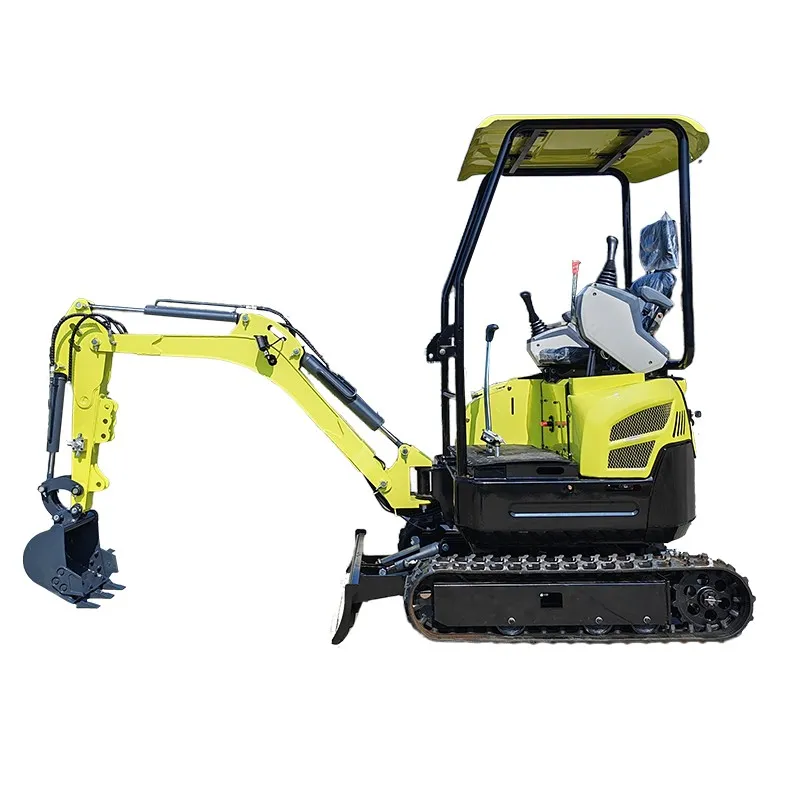
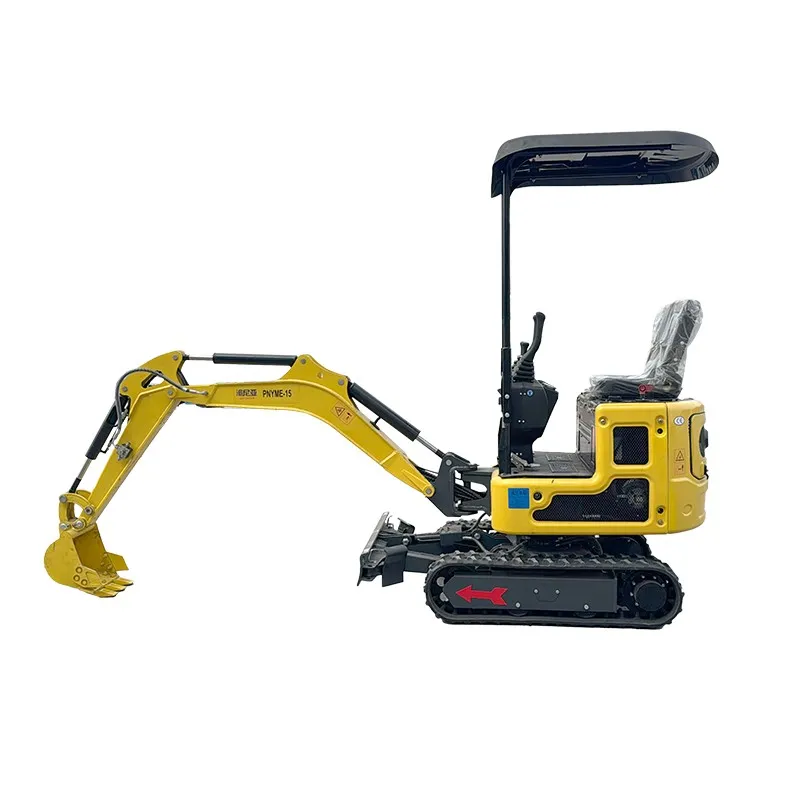
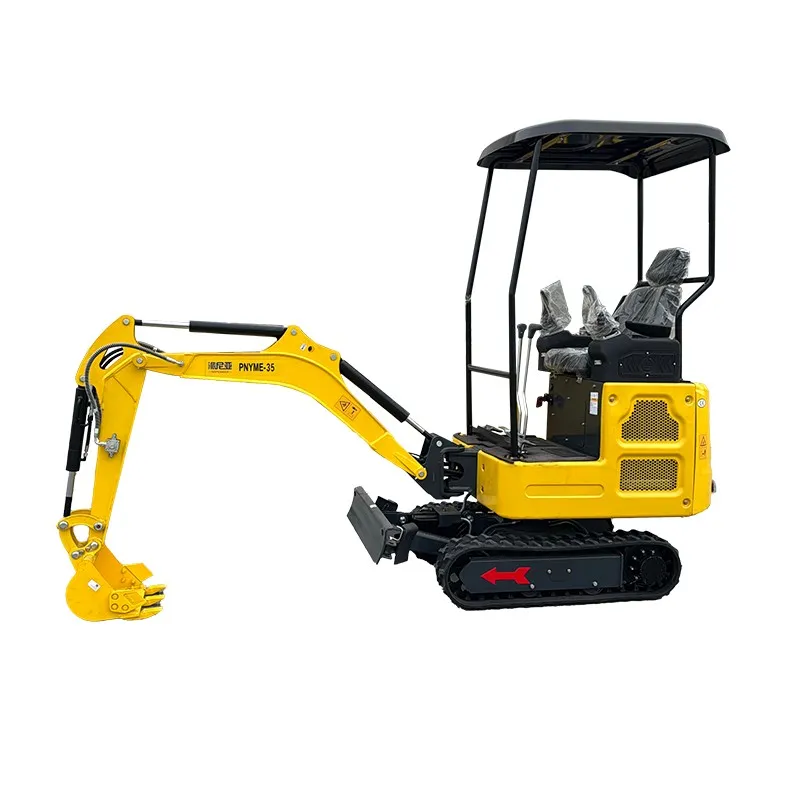
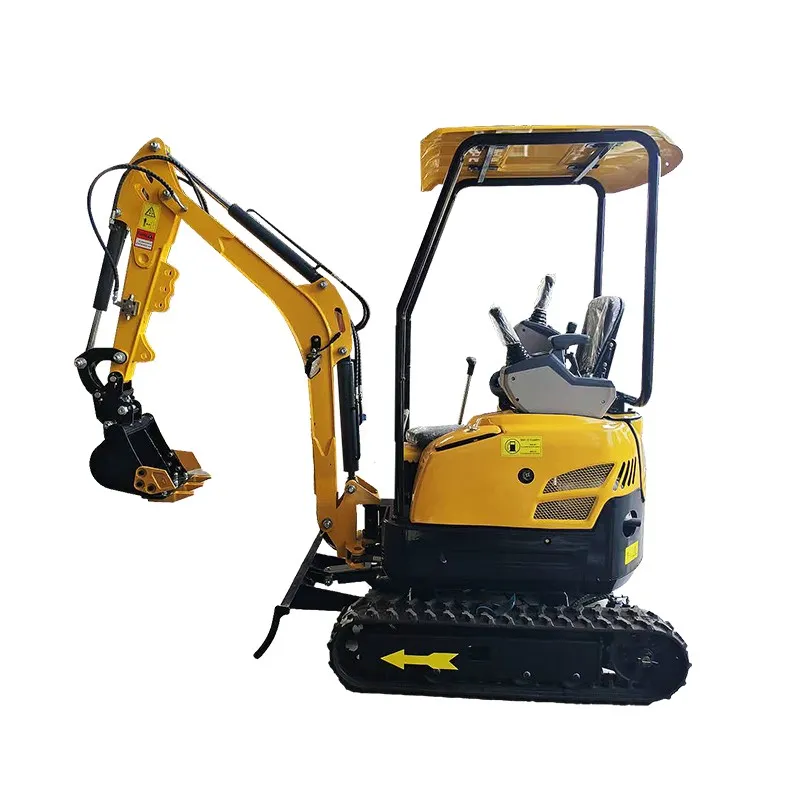
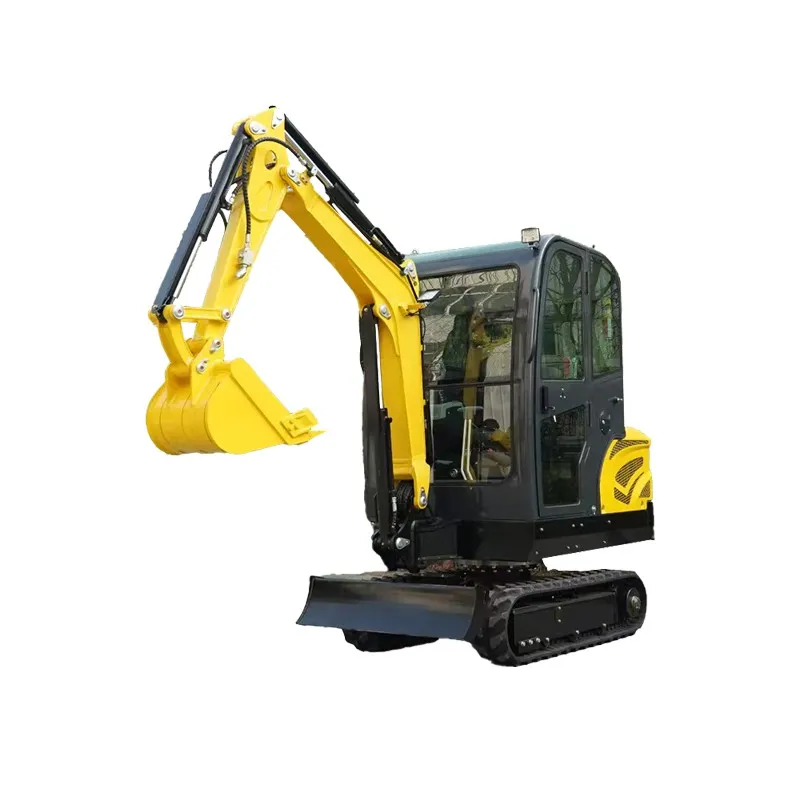
hightop mini excavator
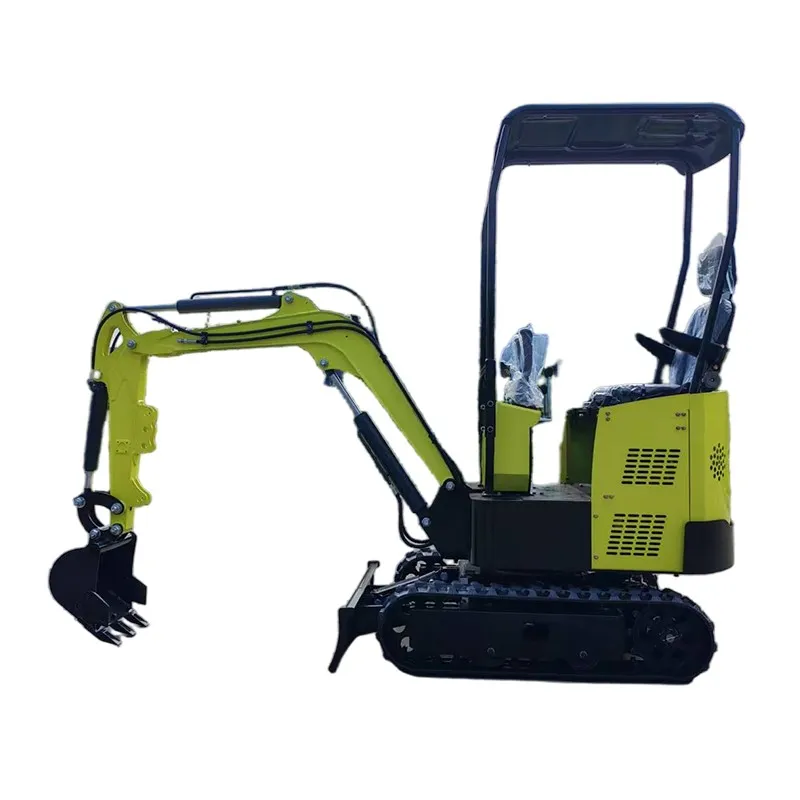
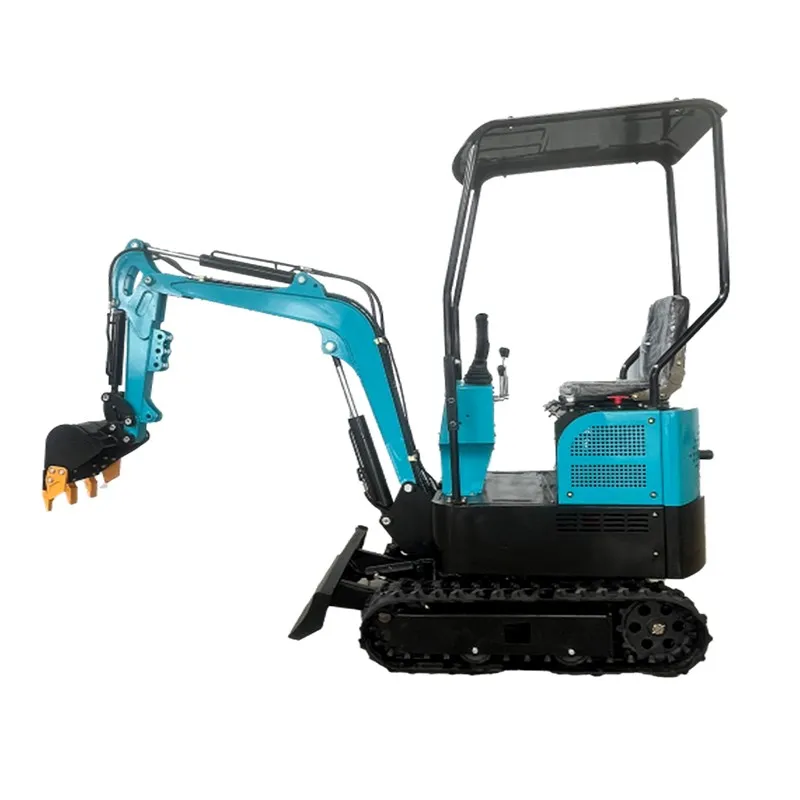
When most people hear 'hightop mini excavator', they picture a generic compact digger. That's the first mistake. In our line of work, the 'hightop' designation isn't just about a slightly taller cab—it's a signal for a specific class of machine built for operators who spend full days in tight spaces, where that extra headroom and the resulting posture make the difference between a productive job and a painful one. I've seen too many buyers go for the standard low-profile cab to save a few thousand, only to have their crews complain about back strain within a week on a utility trenching project. The machine isn't just working in a confined area; the operator is living in it.
The Hightop Reality: Specs vs. Site Feel
On paper, a hightop mini excavator like the 1.8-ton model we often run might share an engine and pump with its low-top sibling. The spec sheets from manufacturers love to highlight that. But the real-world divergence is immediate. The added height usually means a redesigned counterweight profile to maintain stability without widening the undercarriage—a critical detail for working inside residential basements or retrofitting old plumbing lines where every inch of swing radius counts. I remember a job in an urban alleyway: we had exactly the width of the machine's tracks plus about four inches clearance on either side. A standard cab would have fit, but the hightop version's slightly different weight distribution let us trench right along the foundation without the tail end feeling tippy when we swung to dump.
This gets into a nuance most catalogs ignore: operator efficiency isn't just about visibility. It's about comfort leading to precision. A cramped operator is a hurried operator. They'll take bigger, less controlled bites with the bucket, they'll swing faster to get the cycle over with, and that's when you start nicking existing conduit or leaving an uneven trench floor. The hightop mini excavator, by giving that psychological and physical space, often results in cleaner, more careful work. It's a subtle ROI that doesn't show up in the purchase price but is glaringly obvious in the quality of the finished dig and the lack of re-work.
We learned this the hard way early on. Purchased a couple of standard mini excavators for a series of landscaping jobs. They were fine for digging holes for trees, but when we landed a contract for detailed drainage work around existing patios and pools, the limitations screamed at us. Operators were cutting shifts short, complaining of stiffness. The productivity dip was measurable. That experience directly led us to spec hightop cabs as the default for any machine intended for detailed, prolonged confined-space work. It shifted from an option to a core requirement.
Global Sourcing and the Pioneer Experience
This brings me to the supply side. Finding a manufacturer that understands these on-ground nuances, not just assembly, is key. Many factories can weld a taller canopy onto a chassis. Far fewer engineer the machine holistically around it. We've been sourcing through Shandong Pioneer Engineering Machinery Co., Ltd for several years now. Their evolution mirrors the industry's learning curve. They started in 2004, and like many in Jining, were initially focused on getting reliable machines out the door. But over two decades, their feedback loop from markets like the US, Canada, and Germany—where operators are vocal and regulations strict—has visibly refined their product.
Their relocation in 2023 to a new facility in Ningyang wasn't just about more space (1,600 square meters is a solid footprint). Talking to their engineering team, it was about integrating modern fabrication and quality control lines specifically for these more nuanced models. For instance, the hydraulic line routing on their newer hightop units is different. They've rerouted some of the auxiliary hydraulic feeds to run internally through the cab structure rather than externally, protecting them when working in brush or demolition debris. It's a small thing you only appreciate when you don't have to replace a shredded hose two hours into a remote job.
Their model, with Hexin handling manufacturing and Pioneer (https://www.sdpioneer.com) focusing on overseas trade, creates a direct channel. You're not getting a distributor's gloss. You get practical specs. When we inquired about a machine for frost-prone regions, their suggestion wasn't just a standard cold-start package. They pointed to a specific valve block material on their hightop mini excavator range that was less prone to micro-fractures in extreme freeze-thaw cycles, a detail born from feedback in places like Canada. That's the kind of practical, problem-solving detail that builds trust.
Application Pitfalls and Power Management
Even with the right machine, misapplication is easy. The biggest trap is overestimating what a mini, even a robust hightop mini excavator, can do in tough ground. We tried using one to break through a shallow layer of old, compacted asphalt for a small utility cut. The machine had the hydraulic flow for a breaker, sure. But the limited weight and traction meant it spent more time bouncing and losing position than effectively breaking. We burned half a day. The solution was to bring in a larger machine for the initial break-up, then use the hightop for the precise, clean excavation around the utilities beneath. Knowing when not to use your tool is as important as knowing when to use it.
Another critical aspect is auxiliary hydraulic management. Many of these hightop models come with standard and optional high-flow circuits. Running a hydraulic rotary brush cutter or a powerful demolition hammer requires planning. You can't just max out the flow without considering sustained heat buildup in a confined engine bay. We learned to spec additional cooling if we knew a machine would be primarily running high-flow attachments. It's an extra cost, but it prevents downtime. I recall a contractor who fried his pump running a trencher attachment non-stop on a hot day; the machine was rated for it, but the ambient conditions and lack of extra cooling capacity created a failure point the factory specs didn't account for.
Maintenance access is another hightop-specific point. That taller cab can sometimes make accessing daily checkpoints like the radiator cap or the dipstick a bit more of a contortionist act. Some manufacturers simply extend the cab height. Better ones, and this is where design maturity shows, reposition these service points to remain accessible, or provide easy-remove panels. It's a checklist item during a pre-purchase inspection: can my mechanic easily get to the routine stuff without needing special tools or disassembly?
The Verdict: A Niche, But a Critical One
So, is a hightop mini excavator for everyone? Absolutely not. For open-field digging or general material handling where the operator is in and out of the cab constantly, it's an unnecessary expense. But for the core niches—utility work in developed areas, interior demolition, detailed landscaping around hardscape, any scenario where the cab is a workplace for hours on end—it transitions from a luxury to essential equipment. It directly impacts worker well-being, precision, and ultimately, project quality and profitability.
The market has matured. It's no longer about just bolting on a taller roof. It's about integrated design from the undercarriage up, informed by global field experience. Companies that have grown through that feedback, like Shandong Pioneer, offer machines that feel considered. You can see the iteration in the details: the protected hydraulics, the serviceable layout, the balanced weight distribution. They've earned customer trust worldwide not by being the cheapest, but by demonstrating they understand the job site.
In the end, choosing equipment is about matching the machine's reality to your site's reality. The hightop variant solves a very specific set of human and spatial problems. If your work involves those constraints, specifying it is one of the smartest decisions you can make. Ignore the upfront cost difference; the payback is in daily productivity and avoiding the hidden cost of operator fatigue and error. It's a tool for professionals, designed by people who seem to have listened to professionals.
Related Products
Related Products