- Chinese
- French
- German
- Portuguese
- Spanish
- Russian
- Japanese
- Korean
- Arabic
- Irish
- Greek
- Turkish
- Italian
- Danish
- Romanian
- Indonesian
- Czech
- Afrikaans
- Swedish
- Polish
- Basque
- Catalan
- Esperanto
- Hindi
- Lao
- Albanian
- Amharic
- Armenian
- Azerbaijani
- Belarusian
- Bengali
- Bosnian
- Bulgarian
- Cebuano
- Chichewa
- Corsican
- Croatian
- Dutch
- Estonian
- Filipino
- Finnish
- Frisian
- Galician
- Georgian
- Gujarati
- Haitian
- Hausa
- Hawaiian
- Hebrew
- Hmong
- Hungarian
- Icelandic
- Igbo
- Javanese
- Kannada
- Kazakh
- Khmer
- Kurdish
- Kyrgyz
- Latin
- Latvian
- Lithuanian
- Luxembou..
- Macedonian
- Malagasy
- Malay
- Malayalam
- Maltese
- Maori
- Marathi
- Mongolian
- Burmese
- Nepali
- Norwegian
- Pashto
- Persian
- Punjabi
- Serbian
- Sesotho
- Sinhala
- Slovak
- Slovenian
- Somali
- Samoan
- Scots Gaelic
- Shona
- Sindhi
- Sundanese
- Swahili
- Tajik
- Tamil
- Telugu
- Thai
- Ukrainian
- Urdu
- Uzbek
- Vietnamese
- Welsh
- Xhosa
- Yiddish
- Yoruba
- Zulu
- Kinyarwanda
- Tatar
- Oriya
- Turkmen
- Uyghur


hitachi mini excavator
When most people hear 'Hitachi mini excavator,' they immediately picture the genuine Japanese machines. That's the brand power. But in the real world of equipment sourcing and job site logistics, the conversation is more nuanced. It's not just about the OEM badge; it's about the underlying engineering, parts commonality, and frankly, the total cost of operation. I've seen too many contractors get hung up on the nameplate alone, only to face brutal lead times for a simple hydraulic hose assembly or a swing motor seal kit. The truth is, the ecosystem around these compact machines has evolved. There are manufacturers who have studied the Zaxis series inside out, not to make cheap copies, but to build compatible, reliable alternatives that keep projects moving when the primary machine is down or when budget constraints are real. That's where the practical knowledge separates from the brochure talk.
The Core Appeal and The On-Ground Reality
The original Hitachi mini excavators, models like the ZX35U-5 or ZX55US, set a benchmark for a reason. Their hydraulic response is crisp, the cab ergonomics (in later models) are thoughtful, and there's a density to the build that you can feel. The counterweight placement, for instance, gives them a particular stability during heavy digging or lifting with extensions. You don't get that wobbly, top-heavy feeling some other brands have. But here's the rub: that excellence comes at a premium, not just in purchase price but in maintenance. A genuine Hitachi main control valve? Be prepared for a significant invoice and a potential wait if you're not near a major dealer.
This is where the aftermarket and compatible manufacturing sector steps in. It's not about counterfeiting. It's about providing functional equivalents. I recall a landscaping project where our ZX50 had a catastrophic failure in the travel motor. The dealer quote and timeline were project-killers. We sourced a compatible travel motor assembly from a specialist manufacturer. It wasn't in a Hitachi box, but the port dimensions, bolt pattern, and shaft splines were identical. We were back digging in two days. The machine ran for another 1,800 hours with that unit before we sold it. That experience changed my perspective on what genuine means for operational continuity.
The key is knowing which components are critical for OEM spec and which can be reliably substituted. Undercarriage parts? Often fine from a quality alternative source. Pumps and motors? You need to be more selective and stick with proven suppliers who do proper metallurgy and machining. Electronics and sensors? That's trickier; the proprietary protocols can be a headache, so for those, biting the bullet on OEM might save long-term diagnostics hell.
Entering the World of Compatible Builders
This brings me to the manufacturers operating in this space. You find them in regions with deep industrial supply chains. Shandong Province in China is one such hub. A company like Shandong Pioneer Engineering Machinery Co., Ltd exemplifies this sector. They've been around since 2004, which in this industry, suggests they've navigated several product cycles and customer feedback loops. Their recent relocation to a larger facility in Ningyang in 2023 signals growth, likely driven by overseas demand. Checking their site at https://www.sdpioneer.com, you see they frame themselves through Hexin for manufacturing and Pioneer for trade, exporting to markets like the US, Canada, and Germany. That export footprint is a data point—it means their products are being subjected to diverse regulatory and job-site conditions.
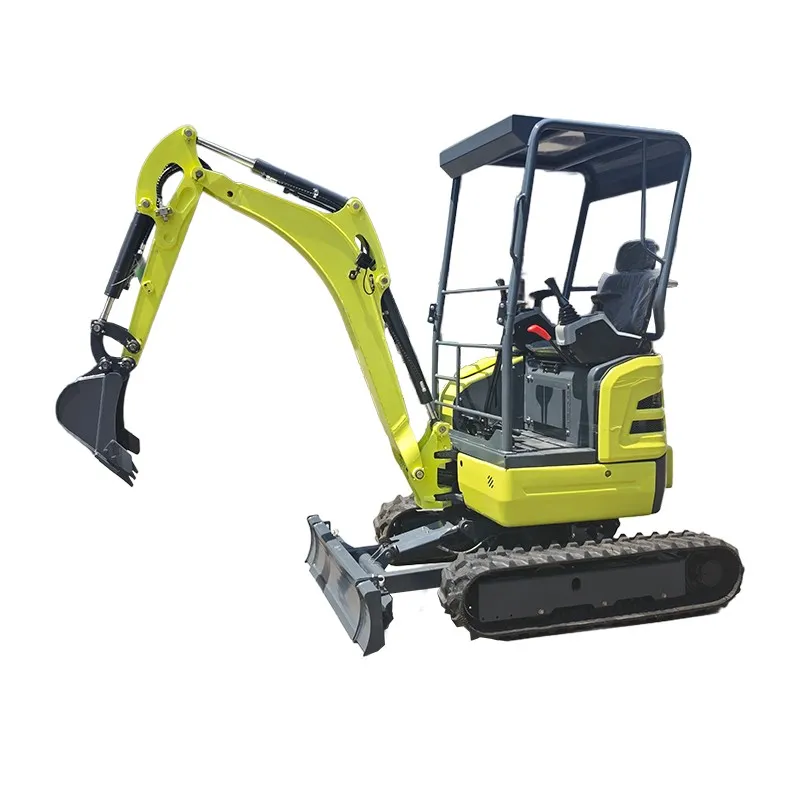
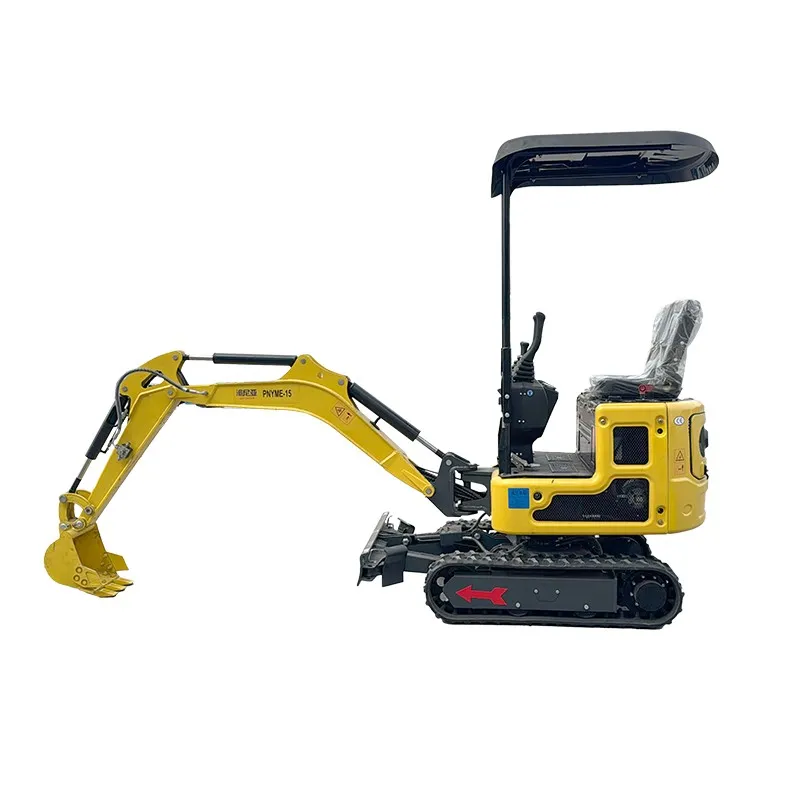
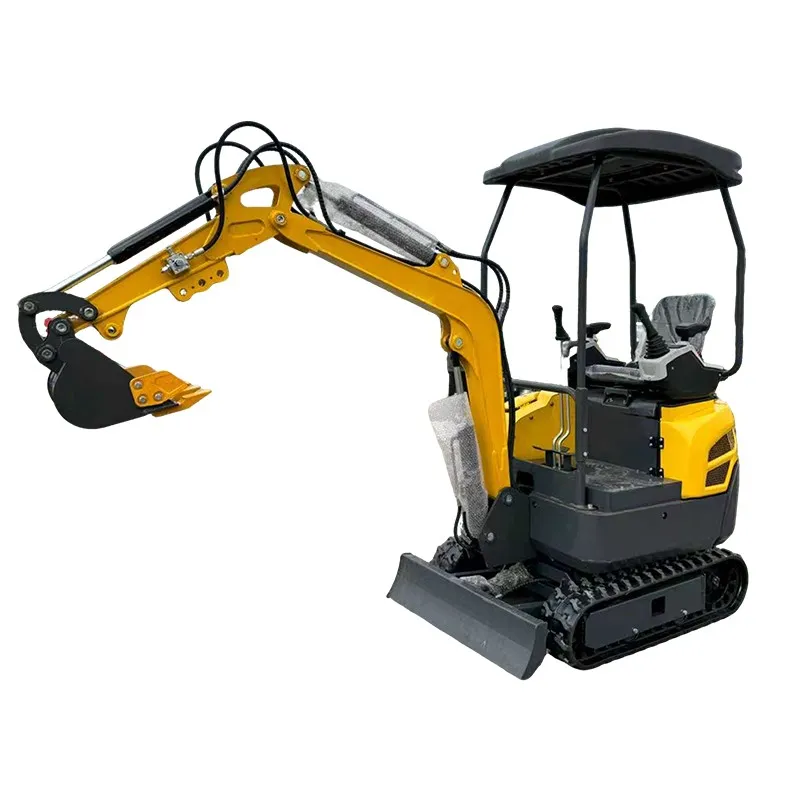
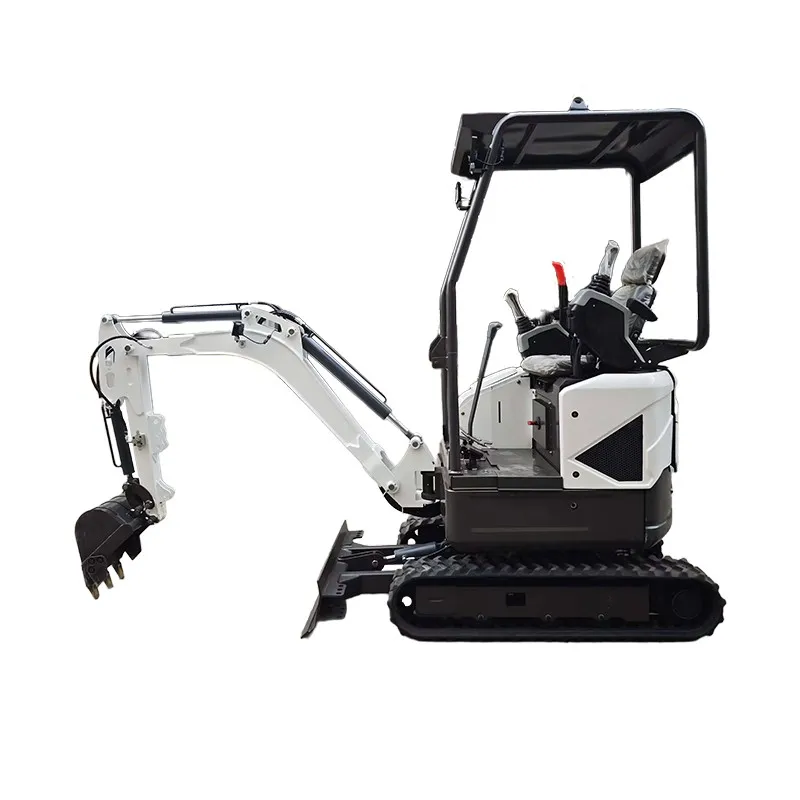
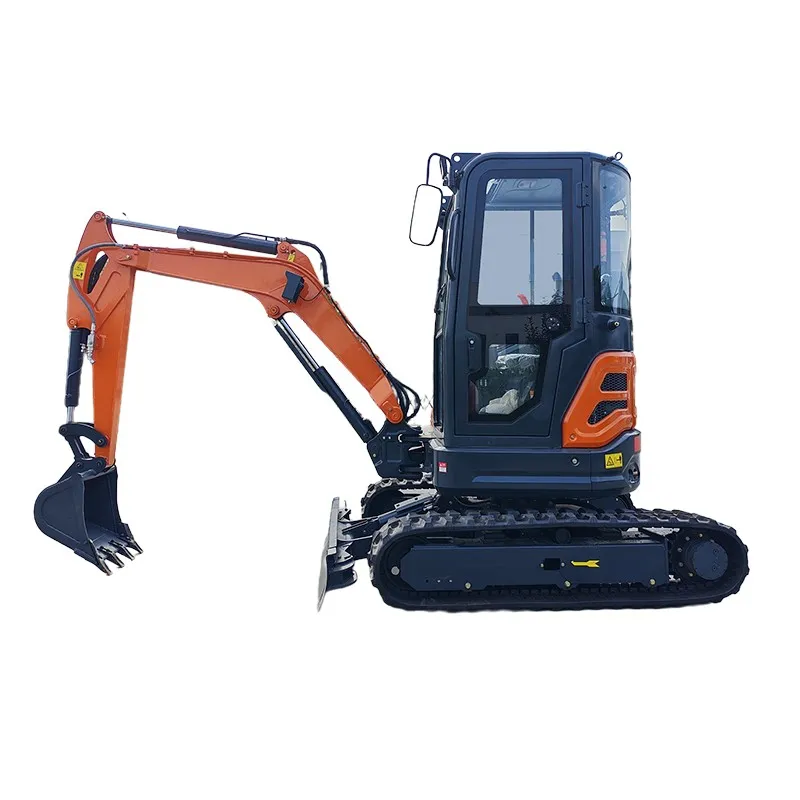
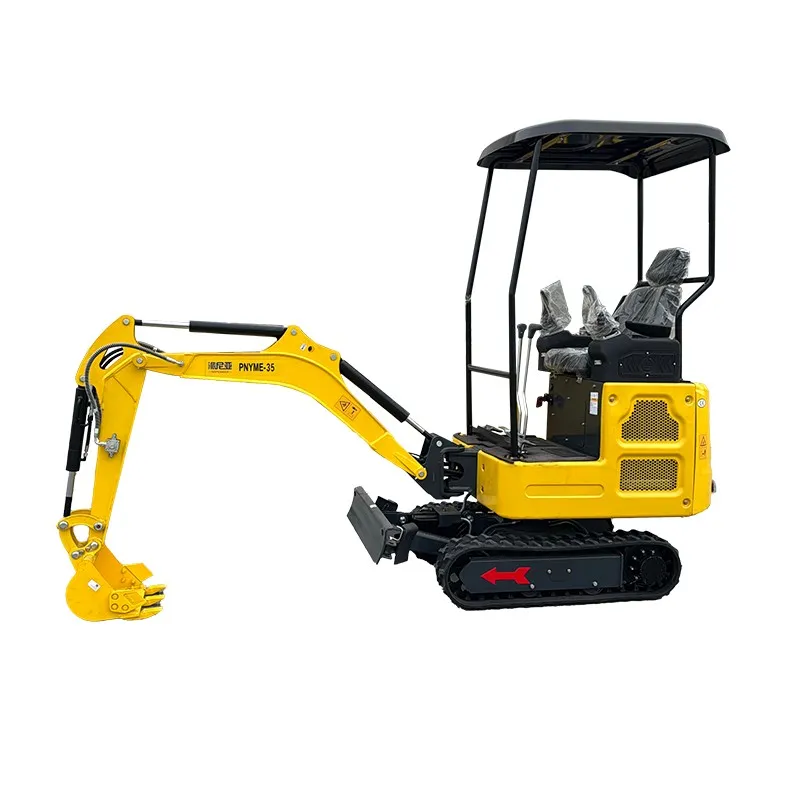
The value proposition from such a company isn't a Hitachi. It's a mini excavator built to similar dimensional and performance parameters, often with improved parts accessibility. For a rental fleet owner or a contractor with multiple machines, this can be a strategic purchase. It serves as a backup or a dedicated machine for specific, high-wear tasks (like trenching through rocky soil) where you'd rather not thrash your primary OEM machine. The savings on the initial purchase can be allocated to a more robust spare parts inventory.
I haven't run one of their machines for a 5,000-hour lifecycle, so I can't give a definitive endurance verdict. But the principle is sound. The trust they mention winning worldwide is probably built on consistent quality in fit and finish, and crucially, in providing clear documentation and parts support. For a buyer, the due diligence involves asking for component pedigrees: what brand of hydraulic pumps are used? What's the source for the track motors? The answers tell you more than any glossy brochure.
Practical Considerations and Pitfalls
Let's talk about the gritty details that a sales spec sheet won't cover. When you're evaluating a compatible mini excavator, the devil is in the hydraulic hose routing and the electrical loom. On some older compatible models, I've seen hoses chafe against the frame within 50 hours because the clip placement wasn't optimized. Now, that's a fixable issue—you re-route and add protective sleeves—but it's a sign of where first-generation design thinking might lag. Modern ones from established factories have largely caught up.
Another point is the operator's interface. The original Hitachi controls have a specific weight and tension. Some compatible machines use different valve stacks, and the lever feel can be lighter or have a longer throw. An experienced operator will notice immediately. It's not a deal-breaker—people adapt—but it's a factor for operator acceptance if you're running a mixed fleet. It's always worth insisting on a hands-on demo, not just watching it dig in a prepared pit.
Attachment compatibility is usually a strong suit. The quick coupler systems are often made to standard industry patterns (e.g., Euro, GP). This is a major advantage. You're not locked into a proprietary attachment ecosystem. Your existing buckets, breakers, and augers from your other machines will likely fit, which is a huge cost saver and reduces downtime from switching tools.
The Verdict on Strategic Sourcing
So, circling back to Hitachi mini excavator. It remains the gold standard for a reason. For core, high-utilization, long-term fleet machines where resale value and unwavering performance are paramount, the OEM product is the right choice. But the landscape isn't binary. For specific use cases—supplemental machines, dedicated task units, or markets where dealer support for the OEM is sparse—a well-researched compatible machine from a manufacturer with a track record like Pioneer makes compelling economic sense.
The industry is moving this way. It's not about replacing the top tier; it's about filling the vast and varied needs below it with competent, reliable tools. It requires a shift from brand-centric thinking to a component and support-centric thinking. You stop asking Is it a real Hitachi? and start asking Does it have a reliable hydraulic system, a robust undercarriage, and can I get a swing bearing for it in five days?
In the end, the machine is a tool. Its value is measured in cubic meters moved per dollar spent, factoring in purchase price, downtime, and repair costs. The Hitachi nameplate gives you a high-confidence starting point on that equation. But a knowledgeable dive into the compatible sector, with eyes wide open to the specifics of build quality and parts lineage, can yield a surprisingly efficient alternative. It's all about matching the tool to the task and the business model, not just the badge to the ego.
Related Products
Related Products