



- English
- Chinese
- French
- German
- Portuguese
- Spanish
- Russian
- Japanese
- Korean
- Arabic
- Irish
- Greek
- Turkish
- Italian
- Danish
- Romanian
- Indonesian
- Czech
- Afrikaans
- Swedish
- Polish
- Basque
- Catalan
- Esperanto
- Hindi
- Lao
- Albanian
- Amharic
- Armenian
- Azerbaijani
- Belarusian
- Bengali
- Bosnian
- Bulgarian
- Cebuano
- Chichewa
- Corsican
- Croatian
- Dutch
- Estonian
- Filipino
- Finnish
- Frisian
- Galician
- Georgian
- Gujarati
- Hausa
- Hawaiian
- Hebrew
- Hmong
- Hungarian
- Icelandic
- Igbo
- Javanese
- Kannada
- Kazakh
- Khmer
- Kurdish
- Kyrgyz
- Latin
- Latvian
- Lithuanian
- Luxembou..
- Macedonian
- Malagasy
- Malay
- Malayalam
- Maltese
- Maori
- Marathi
- Mongolian
- Burmese
- Nepali
- Norwegian
- Pashto
- Persian
- Punjabi
- Serbian
- Sesotho
- Sinhala
- Slovak
- Slovenian
- Somali
- Samoan
- Scots Gaelic
- Shona
- Sindhi
- Sundanese
- Swahili
- Tajik
- Tamil
- Telugu
- Thai
- Ukrainian
- Urdu
- Uzbek
- Vietnamese
- Welsh
- Xhosa
- Yiddish
- Yoruba
- Zulu
- Kinyarwanda
- Tatar
- Oriya
- Turkmen
- Uyghur

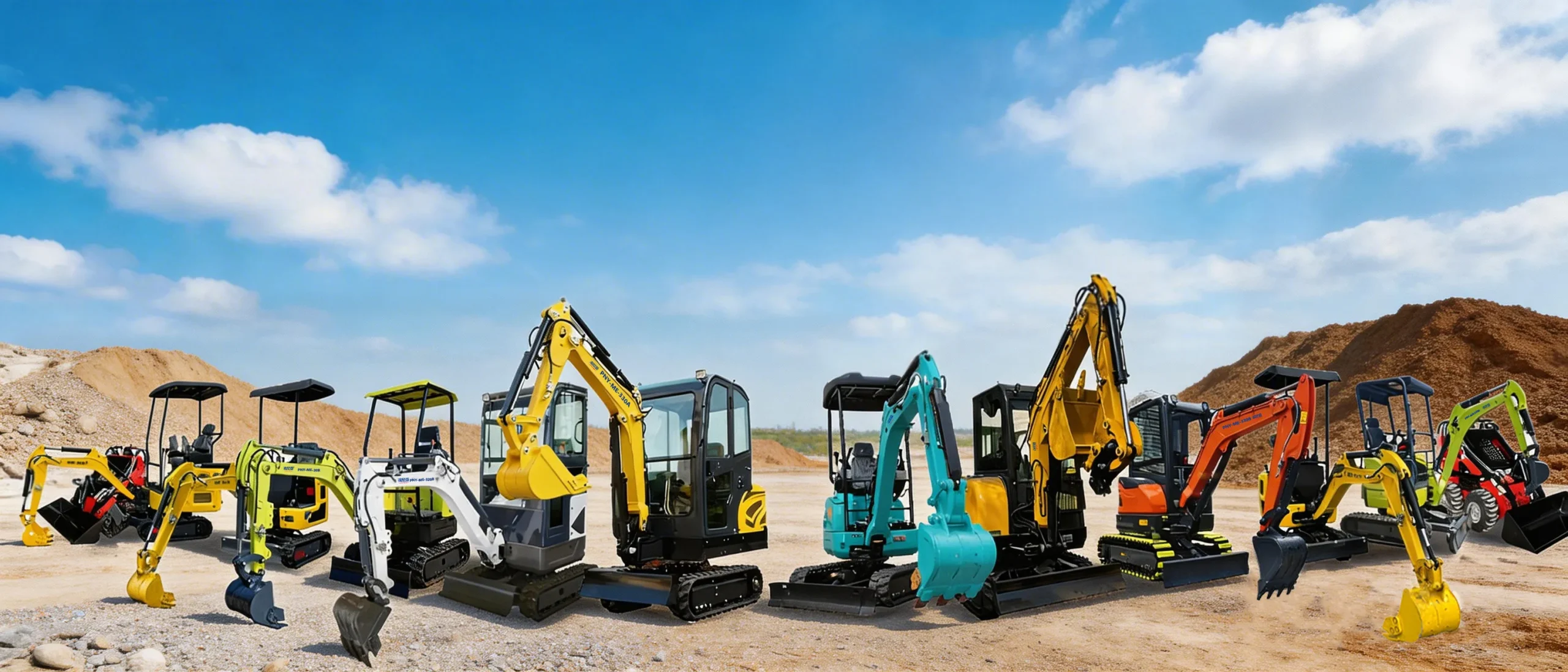
Best CAT Mini Excavator for Sale: Factory Direct Price 2026
2026-06-30
- What Defines a High-Performance Mini Excavator in 2026?
- Why Choose Factory Direct Pricing for Your Next Purchase?
- Key Features of Modern Compact Excavators
- Operational Applications and Industry Use Cases
- Step-by-Step Guide to Selecting the Right Model
- Maintenance Best Practices for Longevity
- Comparing Engine Technologies: Diesel vs. Electric Trends
- Common Challenges and Solutions in Mini Excavation
- Frequently Asked Questions (FAQ)
- Maximizing ROI with Strategic Equipment Selection
- Conclusion: Making the Smart Choice in 2026
Looking for a cat mini excavator for sale at factory direct prices in 2026? This guide details the specifications, operational advantages, and cost-efficiency of compact track loaders designed for precision digging. We analyze current industry standards to help contractors and property owners identify the ideal machine for urban construction, landscaping, and utility work without compromising on power or reliability.
What Defines a High-Performance Mini Excavator in 2026?
The definition of a high-performance compact excavator has evolved significantly. In 2026, the market prioritizes machines that balance hydraulic efficiency with minimal environmental impact. A top-tier unit is no longer just about digging depth; it is about versatility, fuel economy, and operator comfort during extended shifts.
Modern engineering focuses on reducing the machine’s footprint while maximizing breakout force. This allows operations in confined spaces where larger machinery cannot access. The integration of advanced hydraulic systems ensures smooth movement, reducing wear on components and extending the overall lifecycle of the equipment.
Industry experts agree that the shift towards Tier 4 Final and Stage V emission standards has driven innovation in engine design. These engines deliver consistent power output while adhering to strict regulatory requirements. For buyers seeking a cat mini excavator for sale, understanding these technical benchmarks is crucial for long-term value retention.
Core Technical Specifications to Evaluate
When assessing potential purchases, specific technical metrics serve as the primary indicators of capability. These figures determine whether a machine can handle heavy-duty trenching or delicate landscaping tasks.
- Operating Weight: Determines stability and transport requirements. Most mini units range between 1 to 6 tons.
- Bucket Digging Force: Measures the power available at the bucket teeth for breaking hard soil or rock.
- Maximum Digging Depth: Defines the vertical reach, essential for utility line installation.
- Tail Swing Radius: Critical for working near walls or fences; zero-tail swing models are increasingly popular.
- Hydraulic Flow Rate: Dictates the speed and power of attachments like breakers or augers.
Evaluating these specifications against your specific project needs ensures you do not overpay for unnecessary capacity or underestimate the power required for tough jobs. Factory-direct models often provide detailed spec sheets that align with these industry norms.
Why Choose Factory Direct Pricing for Your Next Purchase?
The traditional dealership model often includes multiple layers of markup, logistics fees, and administrative costs. By sourcing directly from the manufacturer, buyers can secure a cat mini excavator for sale at a significantly reduced total cost of ownership. This approach eliminates the middleman, passing savings directly to the end-user.
Factory direct purchasing also offers greater transparency regarding the machine’s history and configuration. Buyers can often customize features before production, ensuring the unit meets exact operational requirements. This level of customization is rarely available through standard inventory lots.
Furthermore, direct relationships with manufacturers facilitate better after-sales support channels. Spare parts availability and technical guidance become more streamlined when dealing directly with the source. In an era where downtime equals lost revenue, this direct line of communication is a strategic advantage.
Consider the credibility that comes with established manufacturing heritage. Take, for instance, a premier manufacturer rooted in Shandong Province, China. Originally established in Jining in July 2004 with a 1,600-square-meter facility, this entity spent two decades refining its craft before relocating to a expanded hub in Ningyang County, Tai’an City, in August 2023. Operating under the banners of Shandong Hexin for manufacturing and Shandong Pioneer for overseas trade, the company has built a reputation that spans the globe, exporting to major markets including the United States, Canada, Germany, and Australia.
What sets such a manufacturer apart is not just longevity, but deep industry integration. Specializing in over 300 types of key excavator components—such as arms, booms, and buckets—they cover everything from small- and medium-sized excavators to complete equipment assembly and intelligent energy storage systems. Their commitment to quality has earned them the trust of Fortune Global 500 giants, including Komatsu, Shantui, Sumitomo, XCMG, Caterpillar, and Sinotruk. When you buy factory direct from a supplier with this caliber of technical expertise and a client list featuring the very brands you admire, you are securing a machine built to global standards at a fraction of the cost.
Cost-Benefit Analysis of Direct Sourcing
Understanding the financial implications of direct purchasing requires looking beyond the sticker price. Long-term savings accumulate through reduced initial capital expenditure and optimized maintenance schedules.
| Cost Factor | Dealership Model | Factory Direct Model |
|---|---|---|
| Initial Purchase Price | Includes dealer markup and overhead | Base manufacturing cost + logistics |
| Customization Options | Limited to existing stock | High flexibility pre-production |
| Warranty Administration | Handled via third-party dealer | Direct manufacturer support |
| Parts Availability | Dependent on local inventory | Direct shipment from factory hub |
| Resale Value Perception | Standard market rate | Potentially higher due to verified origin |
This table illustrates how the factory direct model optimizes financial resources. For businesses operating on tight margins, the reduction in upfront costs can be reinvested into additional attachments or operator training programs.
Key Features of Modern Compact Excavators
The technological landscape of 2026 has introduced several key features that distinguish modern mini excavators from their predecessors. These innovations focus on enhancing productivity, safety, and ease of use for operators of all skill levels.
Advanced Hydraulic Systems are now standard in premium units. These systems utilize load-sensing technology to deliver hydraulic power only when needed. This not only improves fuel efficiency but also reduces heat generation, prolonging the life of hoses and seals.
Ergonomic cabin designs have also seen significant improvements. Reduced noise levels, enhanced visibility, and intuitive control layouts minimize operator fatigue. A comfortable operator is a productive operator, capable of maintaining precision throughout long workdays.
The Advantage of Zero Tail Swing Designs
One of the most sought-after features in the current market is the zero tail swing (ZTS) configuration. This design allows the upper structure of the excavator to rotate fully within the width of the tracks.
- Urban Safety: Prevents the counterweight from striking pedestrians, vehicles, or structures in tight city streets.
- Confined Access: Enables operation in alleyways, backyards, and inside buildings where space is extremely limited.
- Versatility: Allows the machine to work close to walls without needing to reposition constantly.
For contractors specializing in residential renovation or utility repair, a ZTS model is often indispensable. When searching for a cat mini excavator for sale, verifying the tail swing radius should be a priority to ensure site compatibility.
Operational Applications and Industry Use Cases
The versatility of mini excavators makes them suitable for a wide array of industries. From large-scale infrastructure projects to small residential gardens, these machines adapt to various challenges with the right attachments.
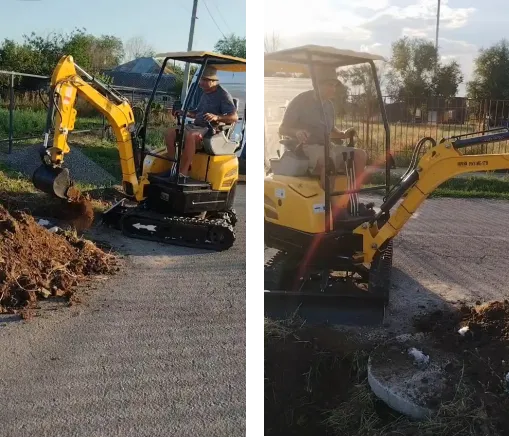
In the construction sector, they are primarily used for foundation digging, trenching for utilities, and site preparation. Their ability to navigate rough terrain while maintaining stability makes them ideal for early-stage development work.
The landscaping industry relies heavily on these units for planting trees, creating ponds, and grading land. The precision offered by mini excavators allows landscapers to execute complex designs without damaging existing vegetation or hardscapes.
Municipal and Utility Maintenance
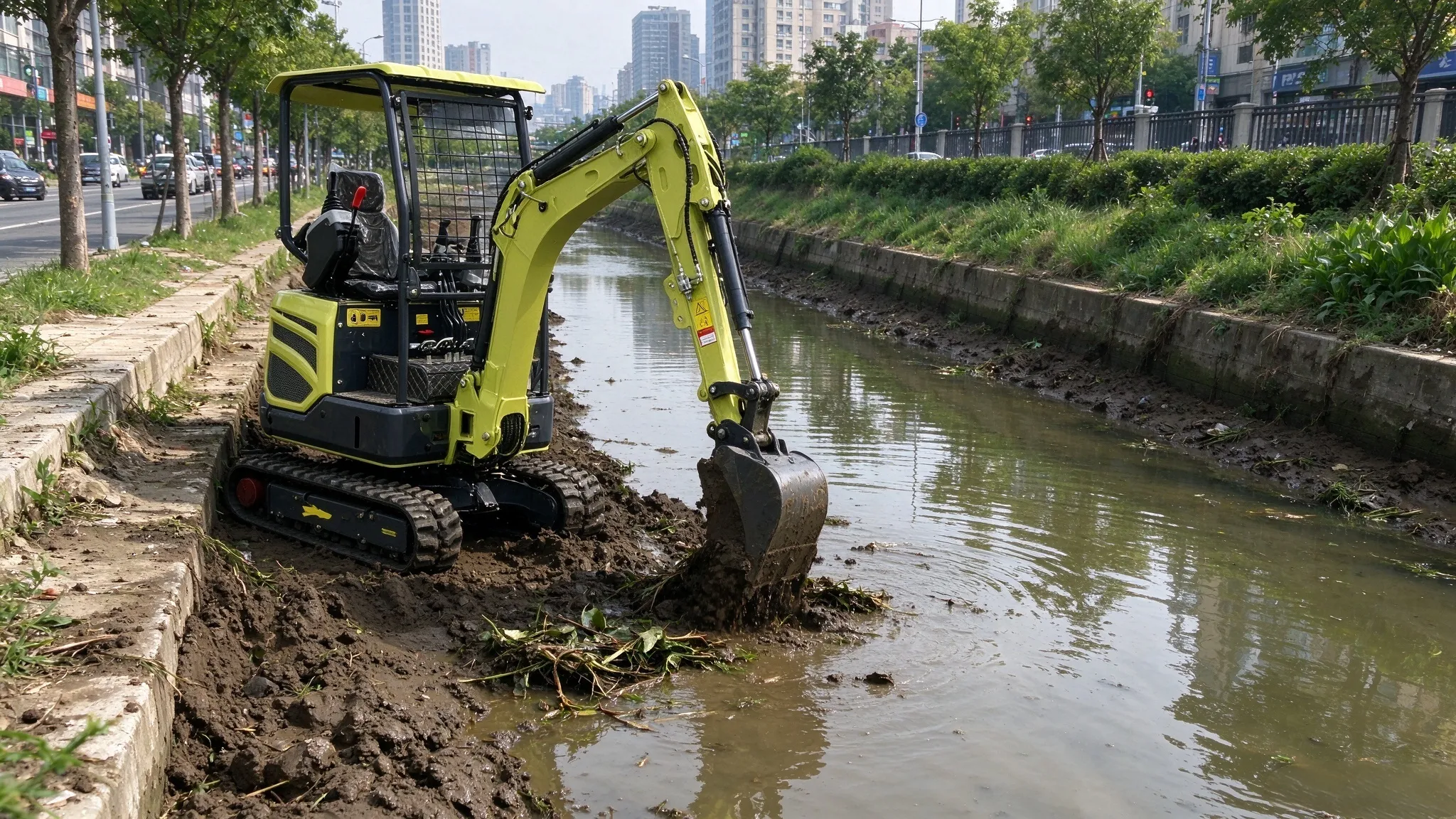
Cities and utility companies utilize mini excavators for ongoing maintenance tasks. These include repairing water lines, clearing drainage ditches, and installing fiber optic cables.
The compact size allows these machines to work on sidewalks and road shoulders without completely blocking traffic. This minimizes disruption to the public and accelerates project completion times. Efficiency in municipal work is critical, and the right equipment plays a pivotal role.
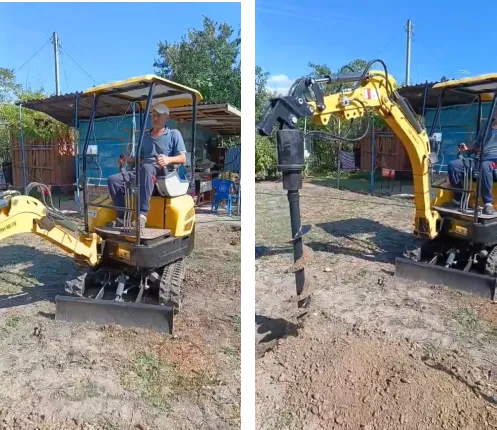
Agricultural applications are also growing. Farmers use mini excavators for fence post installation, irrigation ditch cleaning, and barn cleanup. The ability to switch between buckets, augers, and grapples quickly enhances their utility on diverse farm operations.
Step-by-Step Guide to Selecting the Right Model
Choosing the correct mini excavator involves a systematic evaluation of your project requirements and operational constraints. Following a structured approach ensures you invest in a machine that delivers optimal returns.
First, assess the typical job site conditions. Will you be working on soft soil, rocky terrain, or paved surfaces? This determines the necessary undercarriage type and track width. Rubber tracks are preferred for finished surfaces, while steel tracks offer better traction in mud.
Next, calculate the required digging depth and lift capacity. Review your project blueprints or historical data to identify the maximum demands placed on the machine. Oversizing leads to unnecessary fuel costs, while undersizing causes delays and potential damage.
Evaluation Checklist for Buyers
To streamline the decision-making process, utilize this comprehensive checklist when reviewing potential options for a cat mini excavator for sale.
- Define Primary Tasks: List the top three activities the machine will perform daily.
- Measure Site Constraints: Document gate widths, ceiling heights, and obstacle proximity.
- Determine Attachment Needs: Identify if you need hydraulic breakers, thumbs, or tilt rotators.
- Check Transport Logistics: Ensure your trailer and towing vehicle can handle the machine’s weight.
- Verify Service Support: Confirm the availability of technicians and parts in your region.
- Review Operator Feedback: If possible, arrange a demo to gauge comfort and control responsiveness.
This methodical approach reduces the risk of buyer’s remorse. It ensures that every feature paid for serves a practical purpose in your daily operations, maximizing the return on investment.
Maintenance Best Practices for Longevity
Owning a mini excavator is a long-term commitment that requires diligent maintenance. Proper care not only extends the machine’s lifespan but also maintains its resale value and operational safety.
Daily inspections are the first line of defense against mechanical failures. Operators should check fluid levels, inspect tracks for tension and damage, and look for hydraulic leaks before starting the engine. Catching small issues early prevents costly repairs later.
Regular lubrication of pivot points is essential. Greasing the boom, arm, and bucket joints reduces friction and wear. Manufacturers typically recommend greasing every 8 to 10 hours of operation, depending on the intensity of the work environment.
Scheduled Service Intervals
Adhering to the manufacturer’s scheduled service intervals is critical for warranty compliance and engine health. These intervals usually cover oil changes, filter replacements, and system flushes.
- 50 Hours: Check wheel nut torque and clean air pre-cleaners.
- 250 Hours: Replace engine oil and oil filters; inspect fuel filters.
- 500 Hours: Change hydraulic oil filters and inspect swing gear oil.
- 1000 Hours: Comprehensive system check, including valve clearance and coolant analysis.
Keeping detailed records of all maintenance activities provides proof of care, which is valuable during resale negotiations. A well-documented service history signals to buyers that the machine has been treated with professionalism.
Comparing Engine Technologies: Diesel vs. Electric Trends
As we move through 2026, the debate between traditional diesel engines and emerging electric powertrains continues. While diesel remains the dominant force due to its power density and refueling convenience, electric options are gaining traction in specific niches.
Diesel engines offer unmatched runtime and torque for heavy-duty applications. They are ideal for remote job sites where charging infrastructure is unavailable. Modern diesel units are cleaner and more efficient than ever, thanks to advanced emission control systems.
Conversely, electric mini excavators provide zero emissions and significantly lower noise levels. These are perfect for indoor demolition, hospital zones, or residential areas with strict noise ordinances. However, battery limitations currently restrict their continuous operation time.
Choosing the Right Power Source
The choice between diesel and electric depends largely on your operational environment and regulatory landscape. If your work involves long shifts in varied locations, diesel is likely the pragmatic choice.
If your projects are concentrated in urban centers with strict environmental regulations, an electric model might justify the higher initial cost through lower operating expenses and regulatory compliance. Evaluating the total cost of ownership over five years helps clarify which path is financially superior for your specific business model.
Common Challenges and Solutions in Mini Excavation
Even with advanced technology, operators face challenges in the field. Understanding these common pitfalls and their solutions enhances operational efficiency and safety.
Stability Issues: Working on uneven ground can compromise stability. Always ensure the machine is level before digging. Use outriggers effectively and avoid overreaching with the boom, which can tip the machine.
Hydraulic Overheating: Continuous high-load operations can cause hydraulic fluids to overheat. Monitor temperature gauges regularly and allow the system to cool if necessary. Keeping radiators clean from debris is a simple yet effective preventative measure.
Troubleshooting Operational Hiccups
Minor operational issues can often be resolved on-site with basic knowledge. Being prepared reduces downtime and keeps projects on schedule.
- Slow Cycle Times: Often caused by low hydraulic fluid or clogged filters. Check levels and replace filters as needed.
- Track Slippage: May indicate improper track tension. Adjust tension according to the manufacturer’s specifications.
- Engine Hard Starting: Could be due to old fuel or weak batteries. Use fresh fuel and test battery voltage regularly.
- Unusual Noises: Immediate investigation is required. Stop operation and inspect for loose components or internal wear.
Proactive troubleshooting empowers operators to maintain momentum. It transforms potential stoppages into minor adjustments, ensuring consistent productivity throughout the workday.
Frequently Asked Questions (FAQ)
Addressing common queries helps clarify doubts for potential buyers seeking a cat mini excavator for sale. Below are answers to frequently asked questions based on industry insights.
What is the average lifespan of a mini excavator?
With proper maintenance, a modern mini excavator can last between 10,000 to 15,000 operating hours. This translates to roughly 10 to 15 years of standard usage. Factors such as operating conditions and adherence to service schedules significantly influence longevity.
Can I finance a factory-direct purchase?
Many manufacturers now offer direct financing options or partner with financial institutions to facilitate purchases. This allows buyers to spread the cost over time while still enjoying factory-direct pricing benefits. It is advisable to inquire about current rates and terms during the negotiation phase.
Are mini excavators difficult to transport?
Most mini excavators fall within the weight limits of standard trailers towable by heavy-duty pickup trucks. Units under 3 tons can often be transported with a standard driver’s license, depending on local regulations. Always verify weight limits and licensing requirements in your jurisdiction.
What attachments are compatible with these machines?
Mini excavators are highly versatile and support a wide range of attachments. Common options include hydraulic breakers, augers, tilting buckets, grapples, and compaction wheels. Ensure the machine has the necessary auxiliary hydraulic circuits to power these tools effectively.
How does the resale value hold up?
Reputable brands with strong support networks tend to hold their value well. Machines with documented service histories and low hour counts command higher prices in the secondary market. Investing in a quality unit initially pays dividends when it comes time to upgrade or sell.
Maximizing ROI with Strategic Equipment Selection
Investing in heavy machinery is a strategic decision that impacts the bottom line of any contracting business. The goal is to maximize Return on Investment (ROI) by selecting equipment that aligns perfectly with operational goals.
A cat mini excavator for sale represents more than just a tool; it is an asset that drives revenue generation. By choosing a model with the right balance of power, efficiency, and durability, businesses can reduce per-job costs and increase bidding competitiveness.
Consider the indirect benefits as well. Reliable equipment enhances your reputation for meeting deadlines and delivering quality work. This reputational capital often leads to repeat business and referrals, further amplifying the ROI beyond mere mechanical performance.
Future-Proofing Your Fleet
As regulations tighten and technology advances, future-proofing your fleet becomes essential. Selecting machines that comply with upcoming emission standards ensures you won’t face premature obsolescence.
Additionally, opting for models with modular designs allows for easier upgrades and repairs. This adaptability ensures your equipment remains relevant and functional even as industry standards evolve. Strategic foresight in purchasing protects your capital investment for the long haul.
Conclusion: Making the Smart Choice in 2026
Navigating the market for a cat mini excavator for sale in 2026 requires a blend of technical knowledge and strategic planning. The ideal machine balances robust performance with operational efficiency, tailored specifically to your project demands.
Factory direct pricing offers a compelling avenue for acquiring high-quality equipment without the inflated costs associated with traditional dealerships. Whether partnering with established global suppliers who serve Fortune 500 clients or exploring new manufacturing hubs with decades of accumulated expertise, this approach provides transparency, customization, and direct support.
Who is this for? This solution is best suited for contractors, landscapers, municipal agencies, and agricultural operators who demand reliability and cost-effectiveness. Whether you are expanding your fleet or replacing aging units, prioritizing specifications and total cost of ownership is key.
Next Steps: Begin by auditing your current project pipeline to define exact capacity needs. Reach out to authorized manufacturers to request detailed spec sheets and discuss customization options. Taking these proactive steps ensures you secure a machine that drives growth and efficiency for years to come.

Please leave us a message