



- English
- Chinese
- French
- German
- Portuguese
- Spanish
- Russian
- Japanese
- Korean
- Arabic
- Irish
- Greek
- Turkish
- Italian
- Danish
- Romanian
- Indonesian
- Czech
- Afrikaans
- Swedish
- Polish
- Basque
- Catalan
- Esperanto
- Hindi
- Lao
- Albanian
- Amharic
- Armenian
- Azerbaijani
- Belarusian
- Bengali
- Bosnian
- Bulgarian
- Cebuano
- Chichewa
- Corsican
- Croatian
- Dutch
- Estonian
- Filipino
- Finnish
- Frisian
- Galician
- Georgian
- Gujarati
- Hausa
- Hawaiian
- Hebrew
- Hmong
- Hungarian
- Icelandic
- Igbo
- Javanese
- Kannada
- Kazakh
- Khmer
- Kurdish
- Kyrgyz
- Latin
- Latvian
- Lithuanian
- Luxembou..
- Macedonian
- Malagasy
- Malay
- Malayalam
- Maltese
- Maori
- Marathi
- Mongolian
- Burmese
- Nepali
- Norwegian
- Pashto
- Persian
- Punjabi
- Serbian
- Sesotho
- Sinhala
- Slovak
- Slovenian
- Somali
- Samoan
- Scots Gaelic
- Shona
- Sindhi
- Sundanese
- Swahili
- Tajik
- Tamil
- Telugu
- Thai
- Ukrainian
- Urdu
- Uzbek
- Vietnamese
- Welsh
- Xhosa
- Yiddish
- Yoruba
- Zulu
- Kinyarwanda
- Tatar
- Oriya
- Turkmen
- Uyghur

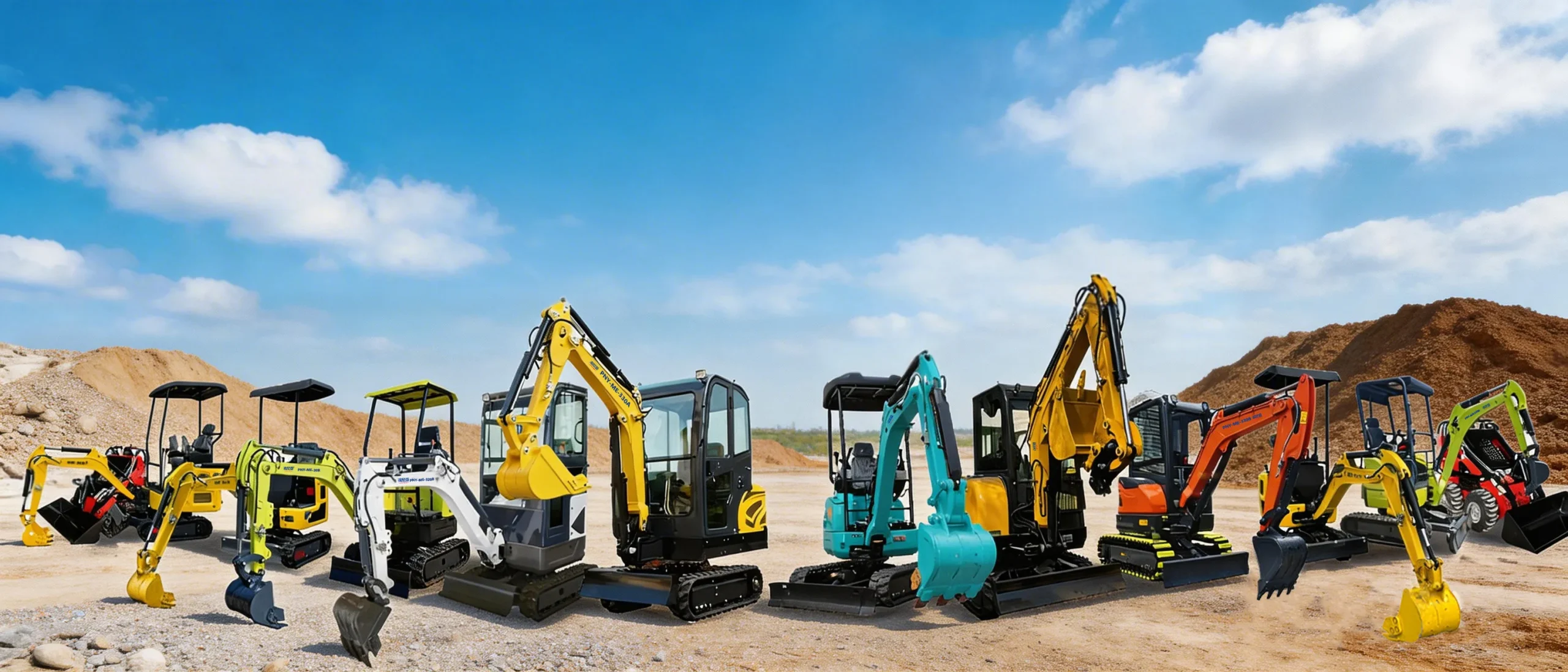
Buy Groundhog Mini Excavator: 2026 Factory Price & Specs
2026-10-14
- Why Choose a Groundhog Mini Excavator in 2026?
- Key Technical Specifications and Performance Metrics
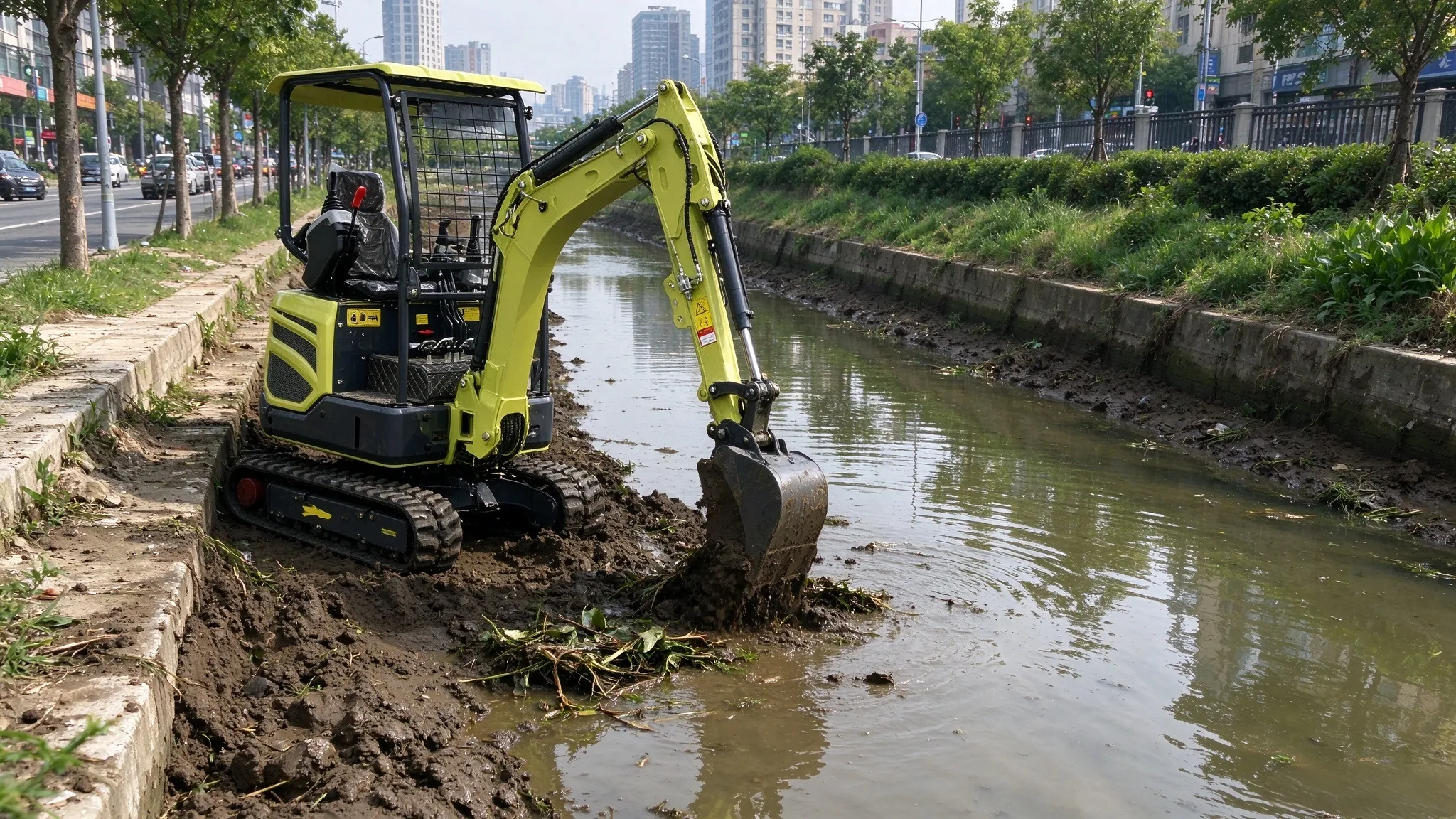
- Core Applications for Groundhog Mini Excavators
- Comparative Analysis: Groundhog vs. Generic Imports
- How to Choose the Right Model for Your Needs
- Procurement Guide: Buying Direct from the Factory
- Frequently Asked Questions (FAQ)
- Maintenance Best Practices for Long-Term Reliability
- Conclusion: Invest in Quality and Efficiency
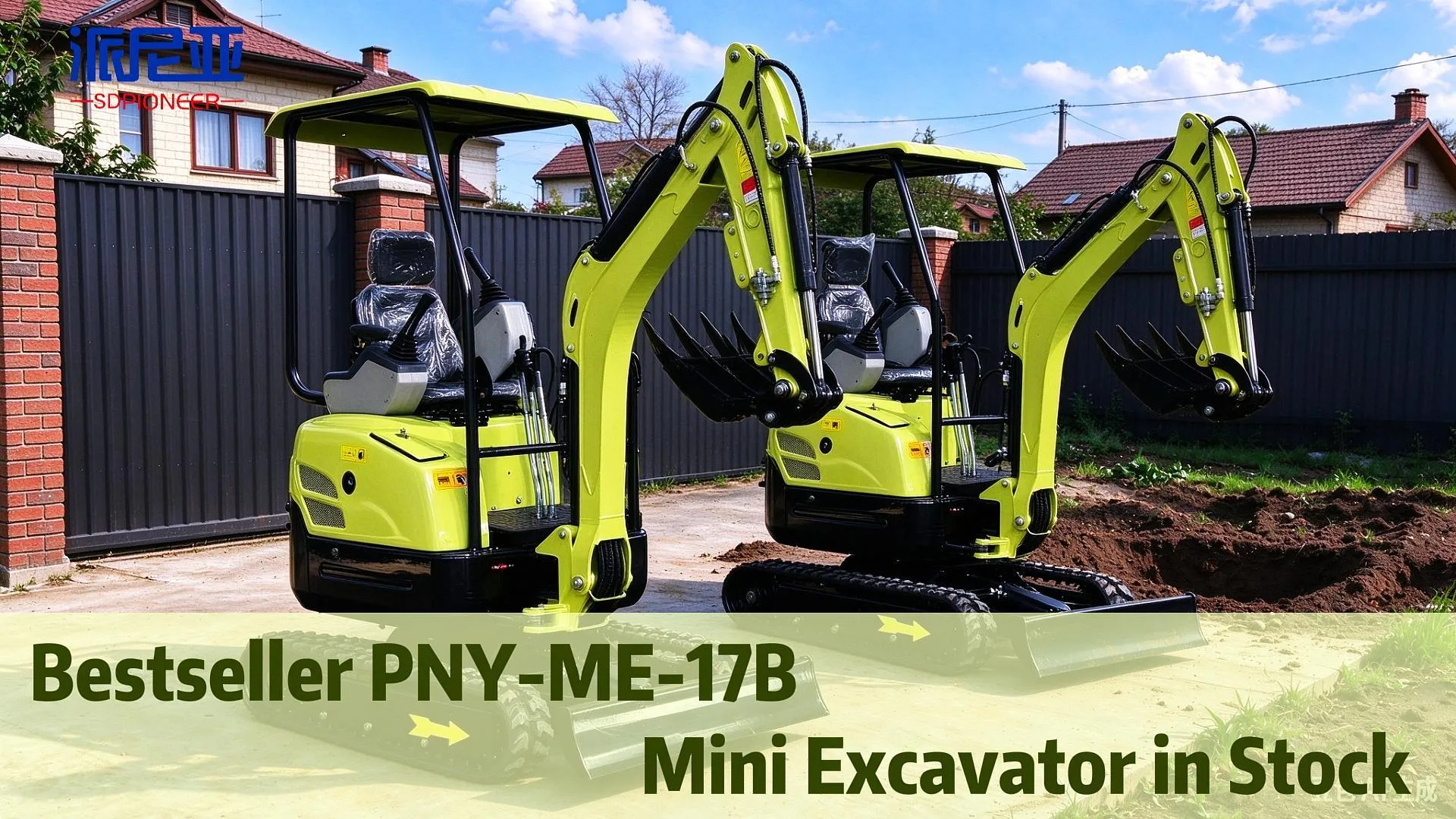
Buy Groundhog Mini Excavator in 2026 to access direct factory pricing, robust hydraulic performance, and versatile attachments for landscaping, utility work, and confined-space construction. Sourced from a manufacturer with over two decades of engineering expertise and Fortune 500 supply chain experience, these compact machines offer exceptional durability and cost-efficiency. This guide details technical specifications, application scenarios, and procurement strategies to help contractors and equipment dealers make informed purchasing decisions.
Why Choose a Groundhog Mini Excavator in 2026?
The demand for compact construction equipment has surged as urban development projects require machinery capable of operating in tight spaces without sacrificing power. The Groundhog mini excavator line addresses this need by combining high-torque hydraulic systems with a compact footprint. Unlike generic imports, these units are built on a foundation of rigorous component manufacturing and assembly standards.
In 2026, buyers prioritize total cost of ownership (TCO) over initial sticker price. Groundhog excavators deliver value through:
- Direct Factory Pricing: Eliminating middlemen reduces acquisition costs by 15-20% compared to branded retail equivalents.
- Proven Reliability: Built using components supplied to major global brands, ensuring compatibility and longevity.
- Versatile Attachment Compatibility: Standard auxiliary hydraulics allow for quick switching between buckets, augers, breakers, and grapples.
- Low Maintenance Design: Easy-access service points reduce downtime and labor costs during routine upkeep.
The Manufacturing Backbone: Experience and Expertise
Understanding the origin of your equipment is critical for assessing long-term reliability. The manufacturing facility behind the Groundhog mini excavator series was established in July 2004 in Jining, Shandong Province. For twenty years, the company focused on mastering the production of over 300 types of key excavator components, including arms, booms, and buckets.
This deep specialization in core components means that every Groundhog excavator benefits from precision-engineered structural parts. In August 2023, the company relocated to a expanded facility in Ningyang County, Tai’an City, Shandong Province, enhancing its assembly capabilities and quality control processes. This move was not just a change of address but a strategic upgrade to support international export standards.
The entity operates through two primary arms: Shandong Hexin for manufacturing and Shandong Pioneer for overseas trade. This dual structure ensures that production quality is tightly controlled while export logistics and customer support are streamlined for global clients in the United States, Canada, Germany, and Australia.
Key Technical Specifications and Performance Metrics
When evaluating a mini excavator, technical parameters dictate suitability for specific jobs. Groundhog models are engineered to balance weight, digging force, and engine efficiency. Below is a breakdown of the typical specifications found across the 2026 product range.
| Specification Category | Typical Range (Mini Series) | Operational Impact |
|---|---|---|
| Operating Weight | 1.0 Ton – 3.5 Ton | Determines transport requirements and ground pressure. Lighter models suit residential lawns; heavier models handle rocky soil. |
| Engine Power | 10 kW – 25 kW | Provides hydraulic flow and travel speed. Modern engines meet strict emission standards for urban use. |
| Max Digging Depth | 1.8 m – 3.2 m | Critical for utility trenching and foundation work. Deeper reach reduces the need for manual labor. |
| Bucket Capacity | 0.02 m³ – 0.12 m³ | Affects cycle time and material movement efficiency. Larger buckets move more soil per pass. |
| Track Width | 230 mm – 300 mm | Wider tracks provide stability on uneven terrain; narrower tracks fit through standard garden gates. |
Hydraulic System Efficiency
The heart of any excavator is its hydraulic system. Groundhog mini excavators utilize high-pressure piston pumps that deliver consistent flow under load. This ensures smooth operation of the boom, arm, and bucket, even when performing heavy-duty tasks like breaking concrete or lifting heavy loads.
The system is designed with load-sensing technology, which adjusts hydraulic output based on resistance. This feature not only improves control precision but also reduces fuel consumption by preventing unnecessary engine strain. For operators, this translates to less fatigue and more accurate digging.
Undercarriage and Stability
Stability is paramount for safe operation. The undercarriage features reinforced steel tracks and durable rollers designed to withstand abrasive environments. The retractable track frame allows the machine to narrow its width for transport or tight access points, then expand for maximum stability during digging operations. This mechanical simplicity reduces the risk of hydraulic failure associated with more complex leveling systems.
Core Applications for Groundhog Mini Excavators
Versatility is the primary selling point of compact excavators. The Groundhog series is designed to adapt to various industries through interchangeable attachments. Here are the most common applications where these machines excel.
Residential Landscaping and Garden Work
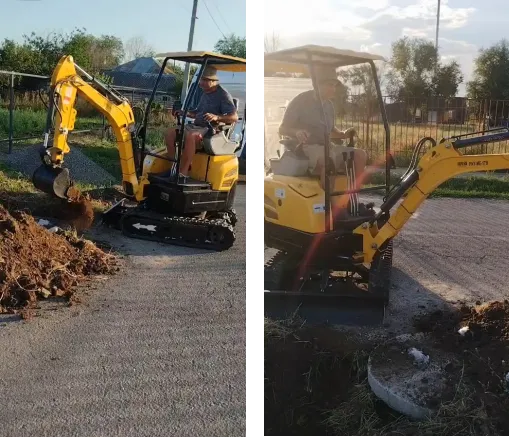
Homeowners and landscaping contractors favor mini excavators for their minimal ground disturbance. The low ground pressure of rubber or steel tracks prevents damage to existing lawns. Tasks include:
- Trenching for Irrigation: Precise digging for water lines and electrical conduits.
- Tree Removal: Using grapple attachments to remove stumps and roots efficiently.
- Pond Construction: Shaping earthworks for small water features with fine control.
Utility Installation and Maintenance
Municipalities and utility companies rely on compact excavators for underground infrastructure work. The ability to operate in narrow trenches alongside existing pipes is crucial. Groundhog excavators can be equipped with:
- Hydraulic Breakers: For breaking asphalt, concrete, or frozen ground.
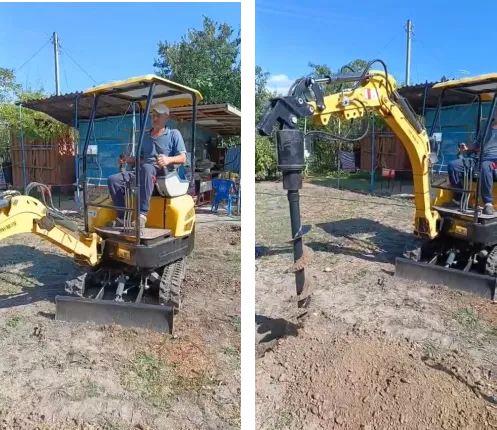
- Augers: For drilling post holes for fencing, signage, or foundation piles.
- Narrow Buckets: For digging precise trenches for fiber optic or gas lines.
Interior Demolition and Renovation
With zero tail swing or compact tail swing designs, certain Groundhog models can operate inside buildings or within fenced areas without hitting walls. This makes them ideal for:
- Floor Removal: Breaking up concrete slabs in basements or warehouses.
- Wall Demolition: Carefully removing interior structures while preserving the building envelope.
- Debris Cleanup: Using grading buckets to clear rubble efficiently.
Comparative Analysis: Groundhog vs. Generic Imports
Not all mini excavators are created equal. While many low-cost options exist in the market, they often compromise on component quality. The following table highlights the differences between Groundhog excavators and typical generic imports.
| Feature | Groundhog Mini Excavator | Generic Low-Cost Import |
|---|---|---|
| Component Source | Supplied to Fortune 500 brands (Komatsu, Caterpillar, etc.) | Unknown or non-certified suppliers |
| Manufacturing History | 20+ years of specialized component production | Often new entrants with limited R&D |
| Quality Control | Rigorous testing aligned with international standards | Minimal testing, higher defect rates |
| After-Sales Support | Dedicated export team (Shandong Pioneer) with global reach | Limited or non-existent support |
| Resale Value | Higher due to brand reputation and build quality | Rapid depreciation due to reliability concerns |
The connection to major industry players like Komatsu, Shantui, Sumitomo, XCMG, Caterpillar, and Sinotruk is not merely a marketing claim. It reflects a supply chain integration where the same manufacturing rigor applied to global giants is embedded in the Groundhog product line. This ensures that welds, hydraulic seals, and structural steel meet high-performance benchmarks.
How to Choose the Right Model for Your Needs
Selecting the correct mini excavator involves matching machine capabilities to job requirements. Consider the following factors before making a purchase decision.
1. Assess Job Site Constraints
Measure the width of gates, fences, and pathways where the machine must pass. If access is limited to under 1 meter, a 1-ton model with retractable tracks is essential. For open sites, a 3-ton model offers greater digging force and stability.
2. Determine Primary Tasks
If the primary task is heavy breaking, prioritize a model with a high-flow hydraulic pump capable of powering a large breaker. For landscaping, a model with a thumb attachment and a grading bucket is more suitable. Ensure the chosen model supports the necessary auxiliary hydraulic circuits.
3. Evaluate Transport Logistics
Consider how you will transport the excavator. A 1.5-ton machine can be towed behind a heavy-duty pickup truck, while larger models may require a trailer and a commercial vehicle. Factor in the cost of transportation equipment when calculating the total investment.
4. Check Local Emission Regulations
In regions like Europe, North America, and Australia, emission standards are strict. Verify that the engine model installed in the Groundhog excavator complies with local regulations (e.g., EPA Tier 4 or Euro Stage V). The manufacturer’s experience in exporting to Germany and the US suggests familiarity with these compliance requirements, but confirmation is necessary for each specific unit.
Procurement Guide: Buying Direct from the Factory
Purchasing directly from the manufacturer offers significant advantages in terms of price and customization. However, it requires a structured approach to ensure a smooth transaction.
Step 1: Request Detailed Quotations
Contact the sales team via Shandong Pioneer’s export channel. Specify the model, required attachments, and destination port. Ask for a breakdown of costs, including FOB (Free on Board) or CIF (Cost, Insurance, and Freight) prices.
Step 2: Verify Customization Options
Factory-direct buyers can often request specific modifications. Common customizations include:
- Track Type: Switching between steel and rubber tracks.
- Cab Configuration: Adding a canopy or enclosed cab with HVAC.
- Control Pattern: Selecting ISO or SAE joystick controls based on operator preference.
- Color Branding: Custom paint schemes for fleet identification.
Step 3: Review Warranty and Spare Parts Policy
Clarify the warranty terms for the engine, hydraulic pump, and structural components. Establish a plan for sourcing spare parts. Given the company’s production of over 300 component types, availability of parts like buckets, arms, and hydraulic seals is typically high. Ask for a recommended spare parts kit to accompany the initial purchase.
Step 4: Arrange Inspection and Shipping
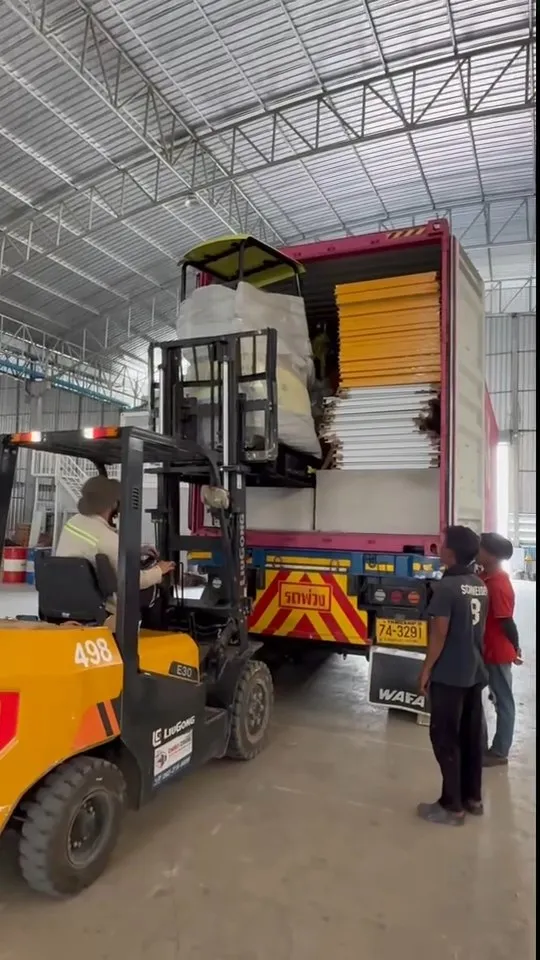
If possible, arrange a third-party inspection before shipment. Alternatively, request video verification of the machine’s operation. Once approved, coordinate with the logistics provider to handle customs clearance and inland transportation at the destination.
Frequently Asked Questions (FAQ)
What is the expected lifespan of a Groundhog mini excavator?
With proper maintenance and regular servicing, a Groundhog mini excavator can operate effectively for 5,000 to 8,000 hours. The use of high-quality components, similar to those supplied to major brands, contributes to this longevity. Regular hydraulic fluid changes and track tension adjustments are key to maximizing service life.
Can I operate a Groundhog excavator in cold climates?
Yes, but precautions are necessary. Ensure the hydraulic oil viscosity is suitable for low temperatures. Pre-heating the engine and hydraulic system before heavy operation is recommended. The manufacturer’s experience in exporting to Canada and Northern Europe indicates that the machines can withstand harsh conditions when properly configured.
Are Groundhog excavators compatible with attachments from other brands?
Most Groundhog models use standard quick-coupler interfaces and universal hydraulic connections. This means they are generally compatible with attachments from major brands like Bobcat, Kubota, or Caterpillar, provided the pin sizes and hydraulic flow rates match. Always verify dimensions with the sales team before purchasing third-party attachments.
How does the factory support after-sales service internationally?
Shandong Pioneer, the overseas trade arm, provides technical support via digital channels, including video calls and detailed manuals. For critical issues, they can guide local technicians through repairs. The company’s long-standing export history to the US, Germany, and Australia has helped them develop a responsive support framework for international clients.
What is the lead time for production and shipping?
Standard models are often available for immediate shipment or within 2-4 weeks. Customized orders may take 4-6 weeks for production. Shipping times vary by destination, typically ranging from 2 to 5 weeks depending on the port and logistics conditions. Planning ahead is advisable to align with project schedules.
Maintenance Best Practices for Long-Term Reliability
To ensure your Groundhog mini excavator remains a productive asset, adhere to a strict maintenance schedule. Neglect is the primary cause of premature failure in compact equipment.
- Daily Checks: Inspect hydraulic hoses for leaks, check track tension, and verify fluid levels (engine oil, hydraulic oil, coolant).
- 50-Hour Service: Grease all pivot points on the boom, arm, and bucket. Clean air filters if operating in dusty conditions.
- 250-Hour Service: Change engine oil and filters. Inspect the hydraulic return filter and replace if necessary.
- 1000-Hour Service: Replace hydraulic oil and filters. Check valve clearances and inspect the undercarriage for wear.
Using genuine or high-quality equivalent parts is crucial. Since the manufacturer produces over 300 types of components, sourcing original parts for arms, booms, and buckets is straightforward and ensures fitment accuracy.
Conclusion: Invest in Quality and Efficiency
The decision to buy a Groundhog mini excavator in 2026 is an investment in operational efficiency and cost-effectiveness. By leveraging the manufacturing expertise of a company with 20 years of experience and a supply chain linked to Fortune 500 giants, buyers gain access to industrial-grade reliability at factory-direct prices.
Whether you are a landscaping contractor, a utility service provider, or an equipment dealer, the Groundhog series offers the versatility, power, and durability needed to tackle diverse challenges. The combination of Shandong Hexin’s manufacturing precision and Shandong Pioneer’s global trade infrastructure ensures that you receive not just a machine, but a reliable partner in your construction endeavors.
For detailed specifications, custom quotes, or to discuss your specific project requirements, contact our sales team today. Explore our full range of micro construction machinery and intelligent solutions to find the perfect fit for your business.

Please leave us a message