



- English
- Chinese
- French
- German
- Portuguese
- Spanish
- Russian
- Japanese
- Korean
- Arabic
- Irish
- Greek
- Turkish
- Italian
- Danish
- Romanian
- Indonesian
- Czech
- Afrikaans
- Swedish
- Polish
- Basque
- Catalan
- Esperanto
- Hindi
- Lao
- Albanian
- Amharic
- Armenian
- Azerbaijani
- Belarusian
- Bengali
- Bosnian
- Bulgarian
- Cebuano
- Chichewa
- Corsican
- Croatian
- Dutch
- Estonian
- Filipino
- Finnish
- Frisian
- Galician
- Georgian
- Gujarati
- Hausa
- Hawaiian
- Hebrew
- Hmong
- Hungarian
- Icelandic
- Igbo
- Javanese
- Kannada
- Kazakh
- Khmer
- Kurdish
- Kyrgyz
- Latin
- Latvian
- Lithuanian
- Luxembou..
- Macedonian
- Malagasy
- Malay
- Malayalam
- Maltese
- Maori
- Marathi
- Mongolian
- Burmese
- Nepali
- Norwegian
- Pashto
- Persian
- Punjabi
- Serbian
- Sesotho
- Sinhala
- Slovak
- Slovenian
- Somali
- Samoan
- Scots Gaelic
- Shona
- Sindhi
- Sundanese
- Swahili
- Tajik
- Tamil
- Telugu
- Thai
- Ukrainian
- Urdu
- Uzbek
- Vietnamese
- Welsh
- Xhosa
- Yiddish
- Yoruba
- Zulu
- Kinyarwanda
- Tatar
- Oriya
- Turkmen
- Uyghur

John Deere Mini Excavator for Sale: 2026 Pricing & Inventory
2026-10-12
- Understanding the 2026 Market for John Deere Mini Excavators
- Technical Specifications and Performance Metrics
- Strategic Sourcing and Manufacturing Expertise
- Application Scenarios for Mini Excavators
- Common Mistakes When Buying Used Mini Excavators
- FAQ: Frequently Asked Questions About John Deere Mini Excavators
- Maintenance Best Practices for Longevity
- Conclusion: Making the Right Investment Decision
Looking for a John Deere mini excavator for sale in 2026 requires understanding current market dynamics, inventory availability, and precise pricing structures. Whether you need a compact model for residential landscaping or a robust unit for utility work, securing the right equipment involves evaluating hydraulic performance, attachment compatibility, and total cost of ownership. This guide provides detailed insights into 2026 pricing trends, key specifications, and strategic procurement advice to help contractors and business owners make informed decisions. By focusing on technical reliability and operational efficiency, buyers can identify machines that deliver long-term value in demanding construction environments.
Understanding the 2026 Market for John Deere Mini Excavators
The demand for compact excavation equipment has evolved significantly heading into 2026. Contractors increasingly prioritize versatility and fuel efficiency without sacrificing power. A John Deere mini excavator represents a critical asset in this segment, known for its durable engineering and intuitive operator controls. When searching for units for sale, it is essential to distinguish between new inventory, certified pre-owned models, and specialized component replacements that extend machine life.
Market trends indicate a shift towards smarter hydraulics and enhanced connectivity features. Buyers are no longer just purchasing a digging tool; they are investing in a integrated workflow solution. The availability of these machines varies by region, with supply chains stabilizing after previous global disruptions. Understanding these nuances helps buyers negotiate better terms and secure inventory that matches their specific project timelines.
Key Factors Influencing Pricing and Availability
Pricing for mini excavators is not static. It fluctuates based on several core variables. In 2026, the following factors play a decisive role in determining the final cost:
- Model Series and Size Class: Smaller zero-tail-swing models typically command different price points compared to larger conventional tail-swing units due to their specialized urban applications.
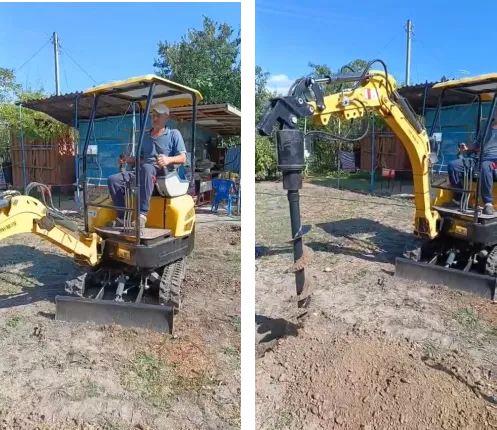
- Attachment Packages: Machines sold with additional hydraulic circuits for thumbs, augers, or breakers often have higher initial costs but offer greater immediate utility.
- Technology Integration: Units equipped with advanced GPS grading systems or telematics for fleet management may carry a premium over base models.
- Condition and Hours: For pre-owned equipment, engine hours, maintenance history, and undercarriage wear percentage are primary drivers of valuation.
Buyers should also consider the total cost of ownership, including fuel consumption, routine maintenance intervals, and potential downtime costs. A lower upfront price may result in higher operational expenses if the machine lacks modern efficiency features.
Technical Specifications and Performance Metrics
Evaluating a John Deere mini excavator for sale requires a deep dive into technical specifications. Performance is not just about digging depth; it encompasses lift capacity, swing speed, and hydraulic flow rates. These metrics determine whether a machine can handle specific tasks such as trenching for utilities, lifting heavy materials, or working in confined spaces.
Modern mini excavators utilize variable displacement pumps that adjust hydraulic flow based on demand. This technology improves fuel efficiency and reduces heat generation during prolonged operation. When reviewing spec sheets, pay close attention to the auxiliary hydraulic flow, as this dictates the performance of attached tools like hydraulic hammers or grapples.
Comparing Model Capabilities
Different models serve distinct operational needs. The following table outlines typical performance characteristics across common size classes found in the 2026 market. Note that specific values may vary by exact model year and configuration.
| Model Class | Operating Weight (lbs) | Max Digging Depth (ft) | Bucket Breakout Force (lbs) | Ideal Application |
|---|---|---|---|---|
| Micro (1-2 Ton) | 2,200 – 4,400 | 5.5 – 7.5 | 1,800 – 2,500 | Indoor demolition, backyard landscaping |
| Compact (3-5 Ton) | 6,600 – 11,000 | 9.0 – 12.0 | 3,500 – 5,000 | Utility installation, residential foundation |
| Mid-Size (6-8 Ton) | 13,000 – 17,000 | 13.0 – 15.5 | 6,000 – 8,000 | Commercial site prep, heavy trenching |
This comparison highlights the importance of matching machine size to job requirements. Over-specifying leads to unnecessary capital expenditure, while under-specifying results in inefficiency and potential equipment strain.
Strategic Sourcing and Manufacturing Expertise
While OEM dealerships are the primary source for new units, the global supply chain for construction machinery components has become increasingly vital for maintaining fleet readiness. High-quality aftermarket parts and complete equipment assembly services play a crucial role in extending the lifecycle of mini excavators. This is where established manufacturing partners add significant value to the industry ecosystem.
For over two decades, specialized manufacturers have supported the global construction equipment market by producing high-precision components. Shandong Hexin, established in July 2004 in Jining, Shandong Province, has built a reputation for engineering excellence. With a production area of 1,600 square meters and a recent relocation in August 2023 to Ningyang County, Tai’an City, the company has expanded its capabilities to meet rising international demand.
Through its overseas trade arm, Shandong Pioneer, the organization exports products to major markets including the United States, Canada, Germany, and Australia. Their expertise covers over 300 types of key excavator components, such as arms, booms, and buckets. These parts are critical for both small and medium-sized excavators, ensuring that machines maintain their structural integrity and operational precision.
Quality Assurance and Global Trust
The reliability of excavation equipment depends heavily on the quality of its structural components. Shandong Hexin’s manufacturing processes are designed to meet rigorous international standards. Their client portfolio includes industry giants such as Komatsu, Shantui, Sumitomo, XCMG, Caterpillar, and Sinotruk. Serving several Fortune Global 500 companies demonstrates a commitment to quality that aligns with the expectations of professional contractors using brands like John Deere.
By integrating high-quality components from trusted manufacturers, equipment owners can ensure their mini excavators perform consistently. Whether sourcing a complete micro construction machinery unit or replacing a worn boom, partnering with experienced suppliers enhances the overall value proposition of your fleet. This approach supports the long-term sustainability of construction operations, reducing downtime and maintenance costs.
Application Scenarios for Mini Excavators
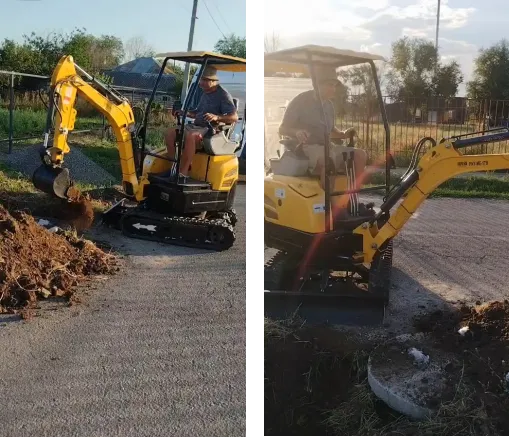
Understanding where a John Deere mini excavator excels helps justify the investment. These machines are versatile tools adapted for various environments. Their compact footprint and powerful hydraulics make them indispensable in scenarios where larger equipment cannot operate.
- Urban Construction and Renovation: Zero-tail-swing models allow operators to work close to walls and fences without risking damage. This is crucial for city center projects with limited space.
- Landscaping and Groundskeeping: Precise control enables delicate tasks such as planting trees, creating ponds, or grading terrain for drainage systems.
- Utility Installation and Repair: Trenching for water, gas, or electrical lines requires narrow buckets and accurate depth control. Mini excavators provide the agility needed for these linear tasks.
- Agricultural Maintenance: Farmers use these machines for clearing ditches, moving feed, and maintaining farm infrastructure. The ability to switch attachments quickly adds to their utility in agricultural settings.
Each application demands specific features. For instance, landscaping may require a thumb attachment for handling rocks and logs, while utility work might necessitate a laser-ready bucket for precise grading. Evaluating your primary use cases will guide your selection process.
Common Mistakes When Buying Used Mini Excavators
Purchasing a used John Deere mini excavator for sale can offer significant cost savings, but it carries risks. Many buyers overlook critical inspection points, leading to expensive repairs shortly after purchase. Avoiding these common pitfalls is essential for protecting your investment.
Neglecting Undercarriage Inspection
The undercarriage accounts for a substantial portion of a mini excavator’s value. Worn tracks, rollers, or idlers can severely impact performance and safety. Buyers should check for excessive slack in the tracks and look for signs of uneven wear. Replacing undercarriage components is costly, so factoring this into the purchase price is necessary.
Ignoring Hydraulic System Health
Hydraulic leaks or sluggish response times indicate underlying issues. Inspect all hoses, cylinders, and connections for signs of wear or leakage. Test the machine’s auxiliary hydraulics to ensure they provide consistent pressure. Weak hydraulic performance can render attachments ineffective, limiting the machine’s versatility.
Overlooking Maintenance Records
A complete service history provides insight into how well the machine was cared for. Regular oil changes, filter replacements, and grease schedules are indicators of responsible ownership. Lack of documentation should raise red flags, as it may suggest deferred maintenance that could lead to premature engine or hydraulic failure.
FAQ: Frequently Asked Questions About John Deere Mini Excavators
Addressing common queries helps clarify the buying process and operational expectations. Below are answers to frequently asked questions regarding John Deere mini excavators in the 2026 market.
What is the average lifespan of a John Deere mini excavator?
With proper maintenance and regular servicing, a John Deere mini excavator can operate effectively for 10,000 to 15,000 hours. Key factors influencing lifespan include operating conditions, frequency of heavy loads, and adherence to manufacturer-recommended service intervals. Regular inspection of hydraulic systems and undercarriage components extends operational life.
How do I choose the right attachment for my mini excavator?
Selecting the right attachment depends on your specific task. For digging and trenching, standard buckets with varying widths are essential. For material handling, a hydraulic thumb increases versatility. Consider the auxiliary hydraulic flow rate of your machine to ensure it can power specialized attachments like augers or breakers efficiently.
Are John Deere mini excavators fuel-efficient?
Yes, modern John Deere mini excavators are designed with fuel efficiency in mind. Features such as auto-idle systems and variable displacement pumps reduce fuel consumption during low-demand operations. Comparing fuel usage across models can help identify the most cost-effective option for your workload.
What should I check before finalizing a purchase?
Before finalizing a purchase, conduct a thorough physical inspection. Check for structural cracks, hydraulic leaks, and undercarriage wear. Start the engine and listen for unusual noises. Test all functions, including swing, boom, arm, and bucket movements. Verify that all safety features and lights are operational. If possible, request a demo to assess performance under load.
Maintenance Best Practices for Longevity
Maximizing the return on investment for your John Deere mini excavator requires a proactive maintenance strategy. Regular care prevents unexpected breakdowns and ensures consistent performance. Implementing a structured maintenance schedule is crucial for any construction business.
- Daily Inspections: Check fluid levels, inspect tracks for tension, and look for visible leaks. Grease all pivot points to reduce friction and wear.
- Regular Filter Changes: Replace engine oil, hydraulic, and fuel filters according to the manufacturer’s schedule. Clean filters ensure optimal engine performance and hydraulic efficiency.
- Undercarriage Care: Keep tracks clean and properly tensioned. Remove debris that can cause premature wear on rollers and sprockets.
- Hydraulic System Monitoring: Monitor hydraulic oil temperature and condition. Contaminated oil can damage pumps and cylinders, leading to costly repairs.
Adhering to these practices not only extends the machine’s life but also maintains its resale value. Well-maintained equipment commands higher prices in the secondary market, providing a better return when it is time to upgrade.
Conclusion: Making the Right Investment Decision
Choosing a John Deere mini excavator for sale in 2026 is a strategic decision that impacts your operational efficiency and profitability. By understanding market pricing, technical specifications, and maintenance requirements, you can select a machine that meets your specific needs. Whether you opt for a new model with the latest technology or a certified pre-owned unit, prioritizing quality and reliability is paramount.
Remember that the longevity of your equipment also depends on the quality of its components and the support network behind it. Partnering with reputable manufacturers and suppliers, such as Shandong Hexin and Shandong Pioneer, ensures access to high-quality parts and expert guidance. Their experience serving global industry leaders underscores the importance of precision engineering in construction machinery.
For contractors and business owners, the goal is to minimize downtime and maximize productivity. A well-chosen mini excavator, supported by robust maintenance and quality components, delivers exactly that. Evaluate your project requirements carefully, inspect potential purchases thoroughly, and plan for long-term care.
To explore more about high-quality excavator components and complete equipment solutions that support your fleet’s performance, visit our product page for detailed specifications and inquiry options. Ensuring your machinery is backed by reliable parts and expert manufacturing support is the key to sustained success in the construction industry.

Please leave us a message