



- English
- Chinese
- French
- German
- Portuguese
- Spanish
- Russian
- Japanese
- Korean
- Arabic
- Irish
- Greek
- Turkish
- Italian
- Danish
- Romanian
- Indonesian
- Czech
- Afrikaans
- Swedish
- Polish
- Basque
- Catalan
- Esperanto
- Hindi
- Lao
- Albanian
- Amharic
- Armenian
- Azerbaijani
- Belarusian
- Bengali
- Bosnian
- Bulgarian
- Cebuano
- Chichewa
- Corsican
- Croatian
- Dutch
- Estonian
- Filipino
- Finnish
- Frisian
- Galician
- Georgian
- Gujarati
- Hausa
- Hawaiian
- Hebrew
- Hmong
- Hungarian
- Icelandic
- Igbo
- Javanese
- Kannada
- Kazakh
- Khmer
- Kurdish
- Kyrgyz
- Latin
- Latvian
- Lithuanian
- Luxembou..
- Macedonian
- Malagasy
- Malay
- Malayalam
- Maltese
- Maori
- Marathi
- Mongolian
- Burmese
- Nepali
- Norwegian
- Pashto
- Persian
- Punjabi
- Serbian
- Sesotho
- Sinhala
- Slovak
- Slovenian
- Somali
- Samoan
- Scots Gaelic
- Shona
- Sindhi
- Sundanese
- Swahili
- Tajik
- Tamil
- Telugu
- Thai
- Ukrainian
- Urdu
- Uzbek
- Vietnamese
- Welsh
- Xhosa
- Yiddish
- Yoruba
- Zulu
- Kinyarwanda
- Tatar
- Oriya
- Turkmen
- Uyghur

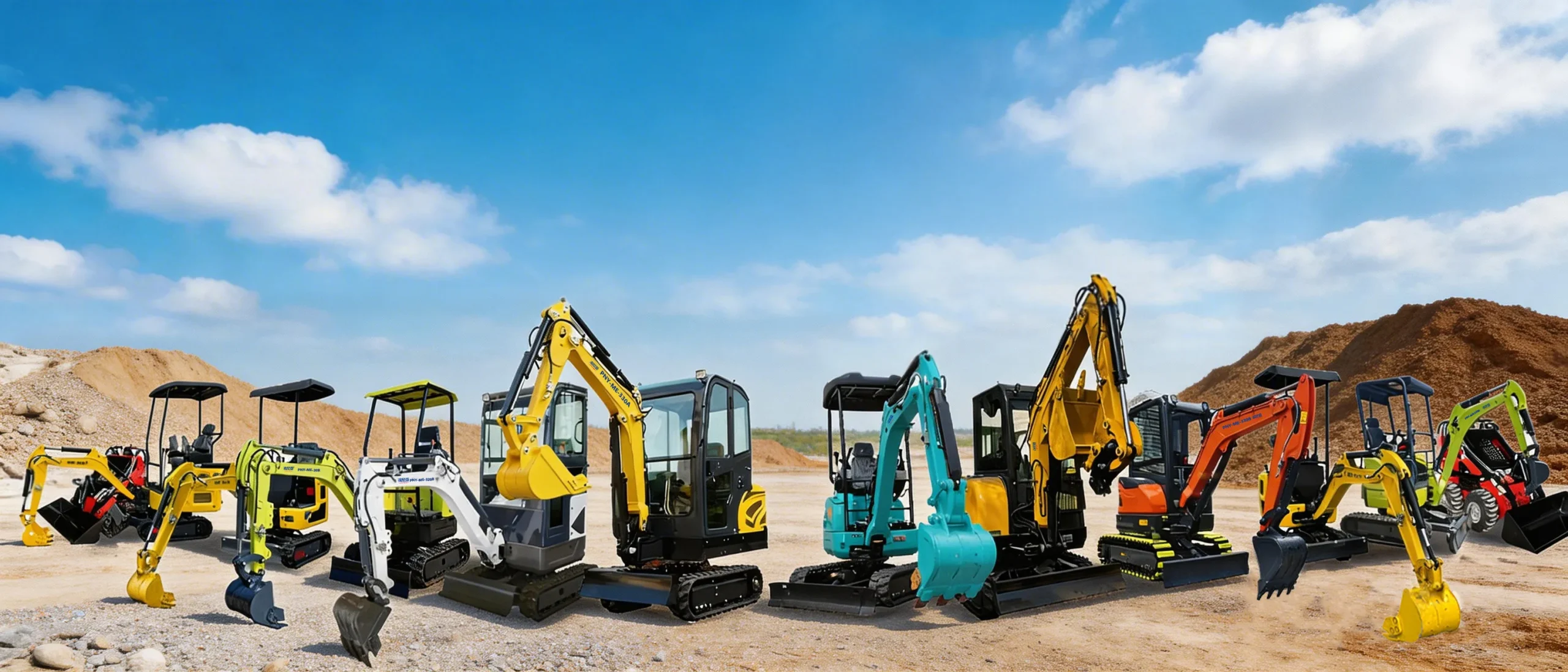
Mini Excavator Cost Guide 2026: Prices & Buying Tips
2026-10-17
- Mini Excavator Cost Breakdown by Size Class (2026 Estimates)
- New vs. Used Mini Excavator: Cost-Benefit Analysis
- Hidden Costs of Ownership Beyond the Purchase Price
- Key Factors Influencing Mini Excavator Pricing
- How to Choose the Right Mini Excavator for Your Business
- Common Mistakes to Avoid When Buying a Mini Excavator
- FAQ: Frequently Asked Questions About Mini Excavator Costs
- Conclusion: Maximizing Value in Your Mini Excavator Investment
The mini excavator cost in 2026 typically ranges from $15,000 to $50,000 for new units, depending on weight class, hydraulic configuration, and attachment compatibility. Used models generally fall between $8,000 and $30,000. Key price drivers include engine emission standards (Tier 4 Final/Euro V), brand reputation, and included features like auxiliary hydraulics. This guide breaks down pricing by size, analyzes hidden ownership costs, and provides expert buying tips to maximize ROI for construction and landscaping projects.
Mini Excavator Cost Breakdown by Size Class (2026 Estimates)
Understanding the price stratification based on operating weight is the first step in budgeting. Mini excavators are categorized by tonnage, which directly correlates with digging depth, lift capacity, and overall stability. In 2026, market prices have stabilized following supply chain adjustments, but technological upgrades in fuel efficiency and operator comfort have slightly elevated base prices for premium models.
Micro Excavators (Under 1 Ton)
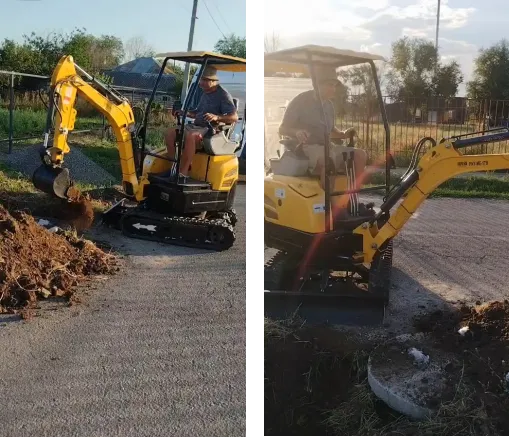
Micro excavators, often referred to as “micro diggers,” are designed for ultra-tight spaces such as residential backyards, indoor demolition, and utility work in confined areas. Due to their compact size, they are the most affordable entry point into mechanized excavation.
- Price Range: $15,000 – $25,000 (New)
- Typical Use Cases: Landscaping, pool installation, interior demolition.
- Key Features: Zero tail swing, retractable undercarriage, lightweight transportability.
These machines prioritize maneuverability over raw power. While the initial mini excavator cost is low, buyers should verify if the price includes a standard bucket and thumb attachment, as these are often sold separately in the micro category.
Standard Mini Excavators (1 to 3 Tons)
This is the most popular segment for general contractors and rental fleets. Machines in this class offer a balanced combination of power and portability, capable of handling deeper trenches and heavier lifting tasks than micro models.
- Price Range: $25,000 – $40,000 (New)
- Typical Use Cases: Utility line installation, foundation digging, site preparation.
- Key Features: Enhanced hydraulic flow for attachments, enclosed cabs (optional), higher breakout force.
The 1-3 ton class represents the sweet spot for versatility. Prices here vary significantly based on whether the unit features a diesel engine compliant with strict emission regulations in North America and Europe. Compliance engineering adds to the manufacturing cost but ensures long-term usability in regulated markets.
Large Mini Excavators (3 to 6 Tons)
Bridging the gap between mini and midi excavators, these units provide near-midi performance with the transport ease of a mini. They are ideal for heavier commercial projects where speed and digging depth are critical.
- Price Range: $40,000 – $60,000+ (New)
- Typical Use Cases: Commercial grading, heavy trenching, rock breaking.
- Key Features: High-flow auxiliary hydraulics, air-conditioned cabs, advanced monitoring systems.
At this weight class, the mini excavator cost begins to overlap with entry-level midi excavators. Buyers should compare lift charts and hydraulic pump capacities carefully. The added investment often yields higher productivity rates, justifying the expense for high-volume operations.
New vs. Used Mini Excavator: Cost-Benefit Analysis
Deciding between new and used equipment is a critical financial decision. While used machines offer lower upfront costs, they carry risks regarding maintenance and residual value. Below is a comparative analysis to aid in decision-making.
| Factor | New Mini Excavator | Used Mini Excavator |
|---|---|---|
| Upfront Cost | Higher ($15k – $60k+) | Lower ($8k – $35k) |
| Warranty | Full manufacturer warranty (1-3 years) | Limited or none (“As-is”) |
| Maintenance | Minimal for first 1,000 hours | Potential immediate repairs needed |
| Technology | Latest fuel efficiency & safety features | Older tech, potentially higher fuel use |
| Resale Value | Predictable depreciation curve | Stabilized value, slower depreciation |
For businesses with consistent workflow, new equipment offers predictability and tax advantages through Section 179 deductions (in the US). For occasional users or startups with tight cash flow, a well-inspected used unit can provide immediate ROI. However, always factor in the potential for hydraulic pump replacements or engine overhauls when calculating the true cost of used machinery.
Hidden Costs of Ownership Beyond the Purchase Price
The sticker price is only part of the equation. To accurately forecast your budget, you must account for the Total Cost of Ownership (TCO). Ignoring these ongoing expenses can erode profit margins significantly.
Transportation and Logistics
Mini excavators are trailer-friendly, but transport costs add up. You will need a suitable truck and trailer. If you do not own these, renting a trailer or hiring a hauler can cost $100–$300 per trip depending on distance. Ensure your towing vehicle has the adequate payload capacity for the machine’s operating weight plus fuel and attachments.
Attachments and Quick Couplers
A bare machine has limited utility. Most projects require specialized attachments. Budget for:
- Hydraulic Thumb: $1,500 – $3,000
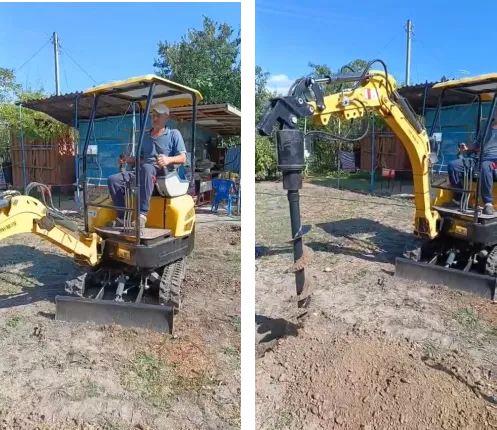
- Auger Drive: $2,000 – $5,000
- Breaker/Hammer: $2,500 – $6,000
- Quick Coupler: $1,000 – $2,500 (Essential for rapid tool changes)
Without a quick coupler, changing tools becomes a labor-intensive process, reducing billable hours. Therefore, investing in a compatible coupler system is highly recommended despite the additional initial outlay.
Maintenance and Fluids
Regular maintenance is non-negotiable for longevity. Annual costs for filters, hydraulic oil, engine oil, and grease can range from $500 to $1,500 depending on usage intensity. Track undercarriage wear is also a significant expense; replacing rubber tracks can cost $1,000–$2,500 per set after 1,500–2,000 hours of operation.
Insurance and Storage
Equipment insurance typically costs 1%–3% of the machine’s value annually. Secure storage is also essential to prevent theft and weather-related degradation, which may involve facility rental fees if on-site secure storage is unavailable.
Key Factors Influencing Mini Excavator Pricing
Why do two excavators of the same weight class have different price tags? Several technical and market factors drive these variations. Understanding these helps you evaluate whether a higher-priced model offers genuine value.
Emission Standards and Engine Technology
In 2026, strict emission regulations in North America (EPA Tier 4 Final) and Europe (Stage V) require complex exhaust after-treatment systems, including Diesel Particulate Filters (DPF) and Selective Catalytic Reduction (SCR). These systems increase manufacturing complexity and cost. Machines equipped with compliant engines are more expensive but are legally required for work in many jurisdictions. Non-compliant engines may be cheaper but risk fines and operational bans.
Hydraulic System Configuration
The sophistication of the hydraulic system dictates performance. Standard systems offer basic digging functions. Premium models feature variable displacement pumps and load-sensing hydraulics that adjust flow and pressure based on demand. This results in smoother operation, better fuel efficiency, and higher precision. Additionally, the availability of high-flow auxiliary circuits allows for powerful attachments like mulchers or planers, increasing the machine’s versatility and value.
Brand Reputation and Support Network
Established brands command higher prices due to perceived reliability and extensive dealer networks. However, direct-from-manufacturer options are gaining traction. For instance, companies with strong OEM backgrounds, such as Shandong Hexin, leverage decades of manufacturing expertise to produce high-quality components and complete machines. With a history dating back to 2004 and partnerships with Fortune 500 giants like Caterpillar and Komatsu, such manufacturers offer competitive pricing without compromising on the structural integrity of booms, arms, and buckets. Their relocation to a larger facility in Tai’an City in 2023 further enhanced production capacity, allowing for better economies of scale that can be passed on to buyers.
Cab Comfort and Operator Controls
Operator fatigue impacts productivity. Models with enclosed, heated, and air-conditioned cabs cost more but extend working seasons and improve operator retention. Ergonomic joystick controls, adjustable seats, and intuitive digital displays also contribute to higher price points but reduce error rates and enhance safety.
How to Choose the Right Mini Excavator for Your Business
Selecting the right machine involves matching specifications to your specific job requirements. Avoid over-buying or under-specifying by following this strategic approach.
Assess Your Primary Applications
List your top three most common tasks. If you primarily dig trenches for plumbing, prioritize digging depth and bucket width. If you handle landscaping materials, focus on lift capacity and thumb compatibility. For demolition, look for high breakout force and protective guards for the cab and hoses.
Evaluate Site Constraints
Measure gate widths, fence heights, and indoor clearances. A zero-tail-swing design is crucial for working near walls or fences. If you need to navigate through narrow garden gates, check the retracted width of the undercarriage. Some micro excavators can retract to less than 30 inches, enabling access where larger units cannot go.
Check Attachment Compatibility
Ensure the excavator has the necessary hydraulic plumbing for your intended attachments. Not all mini excavators come with standard auxiliary lines. Adding them later can be costly and technically challenging. Verify the flow rate (GPM/LPM) and pressure (PSI/Bar) requirements of your attachments against the machine’s specifications.
Consider Resale and Parts Availability
Even if you plan to keep the machine long-term, parts availability is critical for minimizing downtime. Investigate the supply chain for filters, seals, and wearable parts. Manufacturers with a robust global export network, such as Shandong Pioneer, ensure that spare parts reach international markets like the US, Canada, Germany, and Australia efficiently. This logistical reliability is a key component of trustworthiness and long-term operational continuity.
Common Mistakes to Avoid When Buying a Mini Excavator
Buyers often make costly errors during the procurement process. Being aware of these pitfalls can save thousands of dollars.
- Ignoring Weight Ratings: Overlooking the transport weight can lead to illegal towing setups. Always calculate the total weight including fuel, bucket, and operator.
- Underestimating Hydraulic Needs: Buying a machine without high-flow options limits future attachment versatility. It is cheaper to buy high-flow capabilities upfront than to retrofit later.
- Neglecting After-Sales Support: Purchasing from a seller with no technical support or parts inventory can leave you stranded. Verify the supplier’s export experience and customer service infrastructure.
- Focusing Only on Price: The cheapest option often lacks critical safety features or uses substandard hydraulic components. Prioritize build quality and component sourcing, such as using reputable hydraulic brands and steel grades.
FAQ: Frequently Asked Questions About Mini Excavator Costs
What is the average hourly operating cost of a mini excavator?
The hourly operating cost typically ranges from $15 to $30, covering fuel, maintenance, and depreciation. Fuel consumption varies by engine size and workload, averaging 0.5 to 1.5 gallons per hour. Regular maintenance reduces unexpected repair costs, keeping hourly rates predictable.
Can I finance a mini excavator?
Yes, most dealers and manufacturers offer financing options. Terms usually range from 24 to 60 months. Interest rates depend on creditworthiness and market conditions. Some manufacturers also provide leasing options for businesses preferring to keep capital free for other investments.
How much does it cost to ship a mini excavator internationally?
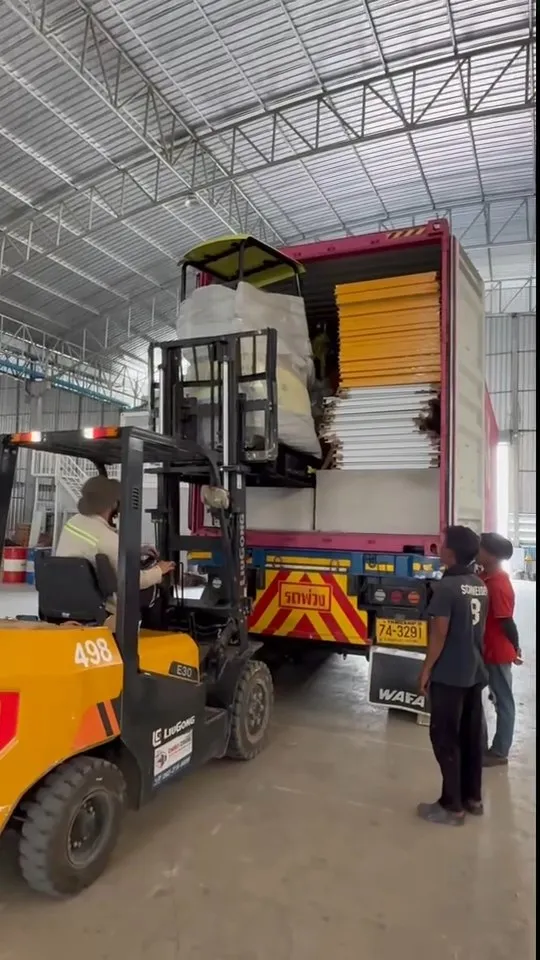
International shipping costs vary by destination and volume. A single mini excavator shipped via container or RORO (Roll-on/Roll-off) can cost between $1,500 and $4,000. Consolidating shipments or working with manufacturers experienced in export logistics, like those with established trade entities such as Shandong Pioneer, can optimize these costs.
Do mini excavators hold their value?
Yes, mini excavators generally hold value well, especially popular brands and models in the 1-3 ton range. Well-maintained machines can retain 50-60% of their value after five years. Documentation of regular service and low hour counts significantly boosts resale potential.
Is it better to buy from a local dealer or import directly?
Local dealers offer immediate support and easier warranty claims but often have higher markups. Importing directly from reputable manufacturers can reduce upfront costs by 20-30%. However, buyers must handle customs, shipping, and potentially self-manage warranty services. For experienced buyers or those with technical teams, direct import offers significant savings, provided the manufacturer has a proven track record of quality and export compliance.
Conclusion: Maximizing Value in Your Mini Excavator Investment
Navigating the mini excavator cost landscape in 2026 requires a balance between upfront budget and long-term operational efficiency. While prices vary by size and features, the core value lies in reliability, versatility, and support. Whether you opt for a micro unit for residential landscaping or a 5-ton model for commercial utility work, ensuring the machine meets emission standards and has the necessary hydraulic capabilities is paramount.
For buyers seeking high-quality equipment with competitive pricing, considering manufacturers with deep industry roots is advisable. Companies like Shandong Hexin, with two decades of manufacturing excellence and a portfolio serving global giants, demonstrate that cost-efficiency does not require compromising on quality. Their transition to expanded facilities in Tai’an City underscores a commitment to scaling production while maintaining the rigorous standards expected by international markets.
To make the best decision, assess your specific project needs, calculate total ownership costs, and verify the supplier’s ability to support you post-purchase. Investing in the right machine today ensures productivity and profitability for years to come.
Ready to explore tailored solutions for your construction needs? Contact our team for detailed specifications, customization options, and a personalized quote to find the perfect mini excavator for your business.

Please leave us a message