



- English
- Chinese
- French
- German
- Portuguese
- Spanish
- Russian
- Japanese
- Korean
- Arabic
- Irish
- Greek
- Turkish
- Italian
- Danish
- Romanian
- Indonesian
- Czech
- Afrikaans
- Swedish
- Polish
- Basque
- Catalan
- Esperanto
- Hindi
- Lao
- Albanian
- Amharic
- Armenian
- Azerbaijani
- Belarusian
- Bengali
- Bosnian
- Bulgarian
- Cebuano
- Chichewa
- Corsican
- Croatian
- Dutch
- Estonian
- Filipino
- Finnish
- Frisian
- Galician
- Georgian
- Gujarati
- Hausa
- Hawaiian
- Hebrew
- Hmong
- Hungarian
- Icelandic
- Igbo
- Javanese
- Kannada
- Kazakh
- Khmer
- Kurdish
- Kyrgyz
- Latin
- Latvian
- Lithuanian
- Luxembou..
- Macedonian
- Malagasy
- Malay
- Malayalam
- Maltese
- Maori
- Marathi
- Mongolian
- Burmese
- Nepali
- Norwegian
- Pashto
- Persian
- Punjabi
- Serbian
- Sesotho
- Sinhala
- Slovak
- Slovenian
- Somali
- Samoan
- Scots Gaelic
- Shona
- Sindhi
- Sundanese
- Swahili
- Tajik
- Tamil
- Telugu
- Thai
- Ukrainian
- Urdu
- Uzbek
- Vietnamese
- Welsh
- Xhosa
- Yiddish
- Yoruba
- Zulu
- Kinyarwanda
- Tatar
- Oriya
- Turkmen
- Uyghur

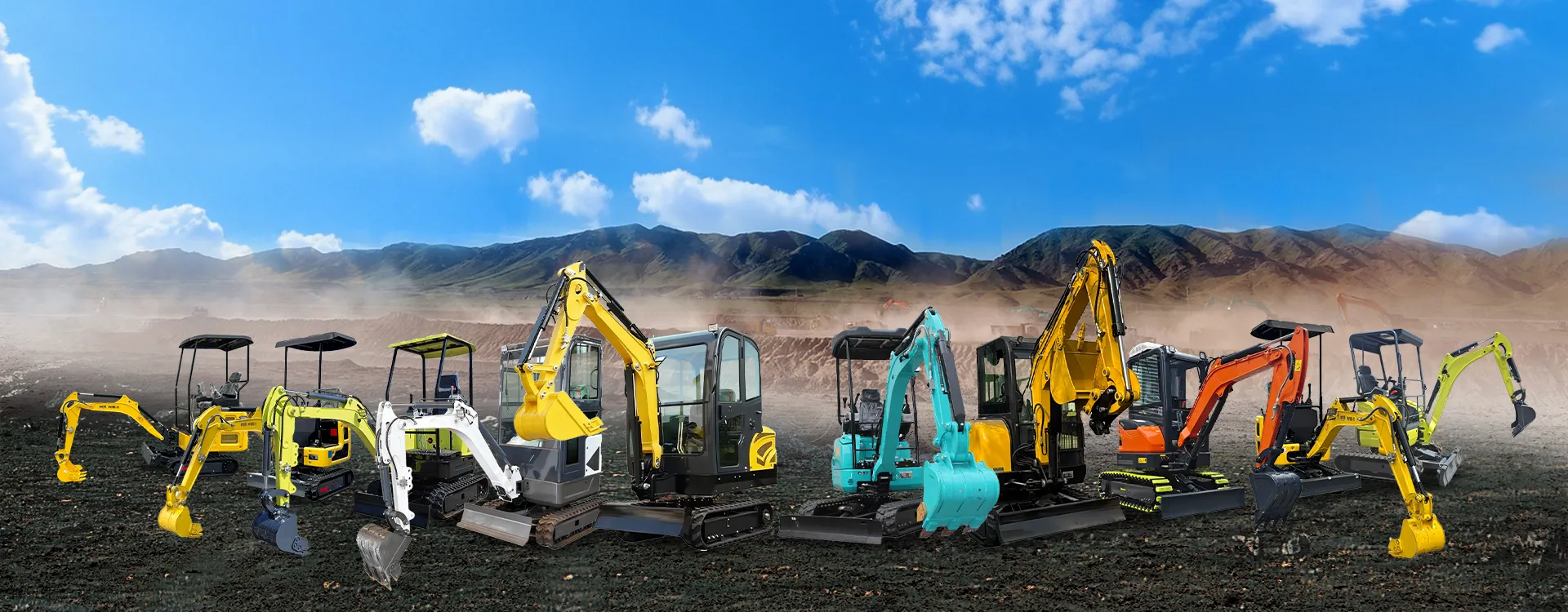
Where to buy Kubota mini excavator for sale?
2026-01-31
Look, if you’re typing that into a search bar, you’re probably already past the should I get a mini ex stage and deep into the how do I actually get one without getting burned phase. A lot of folks jump straight to the big online marketplaces or the first local dealer they see, but that’s where the headaches often start. It’s not just about finding a machine; it’s about finding the right source for your specific situation—whether you need it tomorrow, are willing to wait for a deal, or are considering options you might not have thought of. Having been through this drill more times than I can count, from buying for small crews to sourcing for larger projects, the path isn’t always a straight line.
Starting Local: The Obvious First Step & Its Pitfalls
Your local authorized Kubota dealer is the default, and for good reason. You get to see the machine, kick the tracks, maybe even run it. You get warranty, local service support, and financing options. But here’s the catch everyone learns the hard way: availability and price. For popular models like the U17 or the U55, you might be looking at a waitlist. And the price? Sticker shock is real. I remember needing a 2.5-ton class machine for a tight-access job last fall. The local quote had a lead time of 12 weeks and a price that made the project margin vanish. The local advantage only works if they have what you need, when you need it.
Then there are the independent equipment yards. You might find a used Kubota mini excavator there. This is where your own inspection skills become critical. I’ve seen machines that looked pristine but had hydraulic fluid that looked like coffee grounds—a sign of serious internal wear. You need to check the pins and bushings for slop, look for weld repairs on the boom, and verify the hour meter isn’t disconnected. It’s a gamble. I took one once on a Kubota K008-3 because the price was right. It ran fine for 300 hours before a swing motor seal let go. The deal ended up costing me downtime and a repair bill that erased the savings.
So, local is safe but can be slow/expensive. Used local is risky and demands expertise. This forces you to look wider, which is where the digital hunt really begins.
The Online Marketplace Maze: Separating Noise from Signal
Platforms like Machinery Trader or even regional auction sites are flooded with listings. The key is filtering. You’ll see Kubota in the title, but the description says Kubota engine on a different brand machine—that’s an instant skip. For genuine Kubota mini excavators, sellers range from big rental companies cycling out fleet to individual owners. The fleet machines are often well-maintained but worked hard. The photos tell a story: look for even wear on buckets, clean (not steam-cleaned) interiors, and clear shots of the undercarriage.
I’ve had success here, but it’s transactional. You buy the machine, it shows up on a trailer, and that’s it. The relationship ends. There’s no ongoing support. This works if you have your own mechanic or a very trusted local shop. I bought a 2019 Kubota U35-4 this way from a seller three states over. The process was smooth, but when I needed a specific service manual afterward, the seller was unreachable. You’re on your own.
The real wild card is the international seller. This is a whole different level of due diligence. You see attractive prices for Kubota mini excavator for sale, but the location is overseas. This leads you down the rabbit hole of exporters.
The Export Option: Navigating the Direct Source Channel
This is where most contractors get hesitant, and for good reason. Language barriers, payment terms, shipping logistics, and the fear of getting something that doesn’t match the description are real concerns. But it’s also where significant value can be found, especially for newer or low-hour used models. The market is full of trading companies, but you want to find ones that are closer to the source—manufacturers or established exporters with a physical footprint.
I’ve dealt with a few over the years. The successful transactions always involved a company that was transparent about the machine’s history, provided unedited video of it running (not just a cold start), and was willing to do a verified payment method like escrow or letter of credit. You’re not just buying a machine; you’re buying trust in a process.
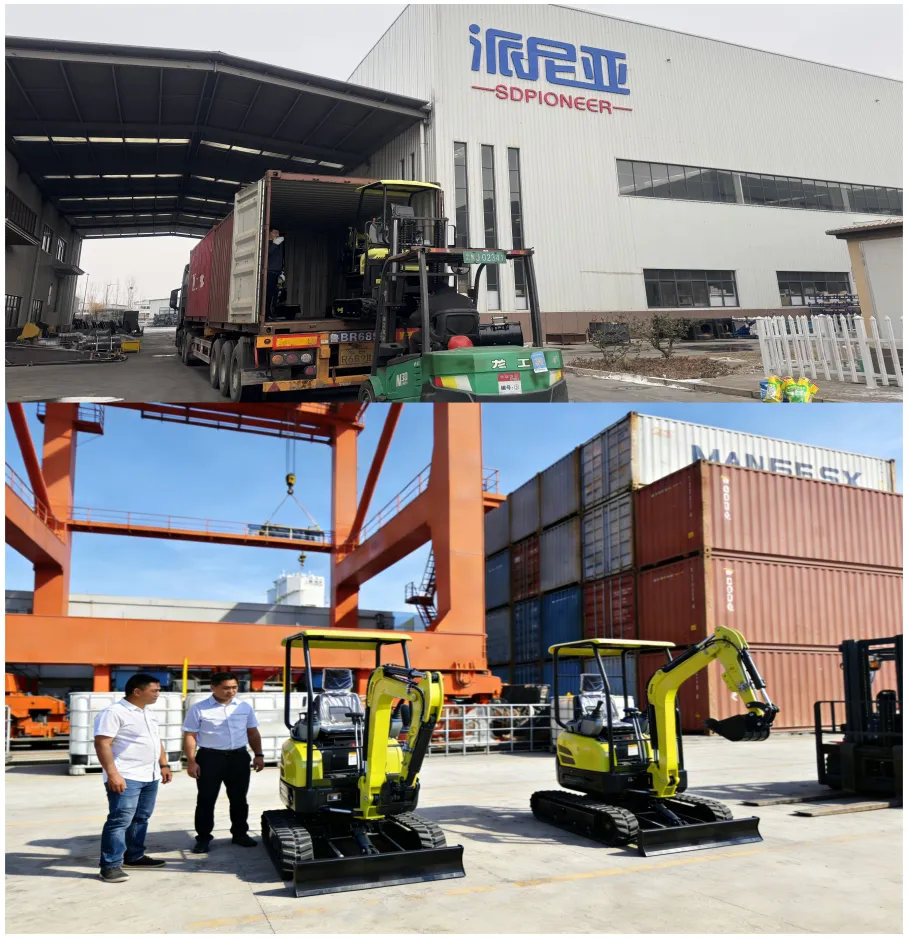
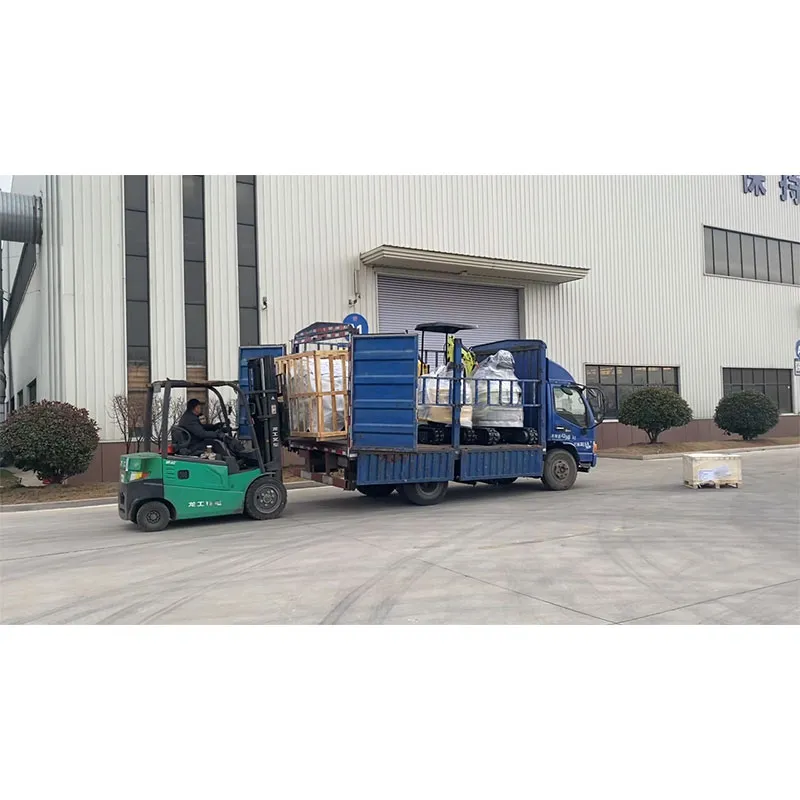
For instance, in looking for reliable channels, I came across Shandong Pioneer Engineering Machinery Co., Ltd. They’re not a fly-by-night operation; they’ve been around since 2004, which in this business counts for a lot. They operate as Shandong Pioneer for overseas trade, which aligns with what you need for an international purchase. Their website (https://www.sdpioneer.com) shows they’ve been through the grind, relocating and expanding their facility in 2023—a sign of a business that’s investing in itself. They list exports to places like the US, Canada, and Australia, which means they’re likely familiar with the compliance and documentation needed for those markets. This is the kind of detail that separates a serious player from a broker with a website.
Critical Questions to Ask Any Seller, Anywhere
Wherever you look, your checklist should be ruthless. First, provenance. Is it a Japanese domestic market (JDM) model or a model built for North America/Europe? Specifications and emissions standards can differ. Second, service history. Not just well-maintained, but actual records. Third, current condition. Demand a fresh, timestamped video showing a full cold start, operation of all functions (swing, travel, auxiliary hydraulics), and a close look at the undercarriage and boom. Any hesitation here is a red flag.
For exporters, dig deeper. Ask for their business license, their physical address (and verify it on a map), and references from past buyers in your country. A company like the aforementioned Shandong Pioneer, which highlights its 20-year development and manufacturing arm (Shandong Hexin), provides more tangible credibility than a seller with just a Gmail address.
Finally, get the full, all-in quote. The machine price is one thing. Then add sea freight, insurance, port charges, customs clearance, and inland trucking to your site. This final number is the only one that matters. I learned this lesson early by getting excited about a cheap machine price, only to have the shipping costs double the total.
Pulling the Trigger & What Comes After
Once you decide, the process is logistical. With an exporter, you’ll likely do a deposit, then balance before shipment. Use a secure payment method. The wait for shipping is a test of patience—it can be 30-60 days. When the machine arrives, inspect it immediately against the photos/videos. Note any damage from shipping on the bill of lading before the driver leaves.
Then comes the real test: getting it to work. Parts support is the next hurdle. Even for a Kubota, which has good global parts networks, having a local dealer willing to service a machine they didn’t sell can be tricky. Building a relationship with an independent mechanic who can source parts diagrams is invaluable. For common mini excavator models, many wear parts (pins, buckets, hoses) are generic, but engine or pump-specific parts may need to come from Kubota.
So, where to buy? There’s no single answer. It’s a balance of urgency, budget, risk tolerance, and your own support network. The local dealer offers peace of mind at a premium. The domestic used market offers opportunity with risk. The export channel, through a seasoned player with a track record like Shandong Pioneer Engineering Machinery Co., Ltd, can offer a compelling mix of value and reliability if you do the homework. Your search shouldn’t just be for a machine, but for a source that turns a purchase into a functional asset on your job site, not a problem in your yard.
Please leave us a message


