



- English
- Chinese
- French
- German
- Portuguese
- Spanish
- Russian
- Japanese
- Korean
- Arabic
- Irish
- Greek
- Turkish
- Italian
- Danish
- Romanian
- Indonesian
- Czech
- Afrikaans
- Swedish
- Polish
- Basque
- Catalan
- Esperanto
- Hindi
- Lao
- Albanian
- Amharic
- Armenian
- Azerbaijani
- Belarusian
- Bengali
- Bosnian
- Bulgarian
- Cebuano
- Chichewa
- Corsican
- Croatian
- Dutch
- Estonian
- Filipino
- Finnish
- Frisian
- Galician
- Georgian
- Gujarati
- Hausa
- Hawaiian
- Hebrew
- Hmong
- Hungarian
- Icelandic
- Igbo
- Javanese
- Kannada
- Kazakh
- Khmer
- Kurdish
- Kyrgyz
- Latin
- Latvian
- Lithuanian
- Luxembou..
- Macedonian
- Malagasy
- Malay
- Malayalam
- Maltese
- Maori
- Marathi
- Mongolian
- Burmese
- Nepali
- Norwegian
- Pashto
- Persian
- Punjabi
- Serbian
- Sesotho
- Sinhala
- Slovak
- Slovenian
- Somali
- Samoan
- Scots Gaelic
- Shona
- Sindhi
- Sundanese
- Swahili
- Tajik
- Tamil
- Telugu
- Thai
- Ukrainian
- Urdu
- Uzbek
- Vietnamese
- Welsh
- Xhosa
- Yiddish
- Yoruba
- Zulu
- Kinyarwanda
- Tatar
- Oriya
- Turkmen
- Uyghur

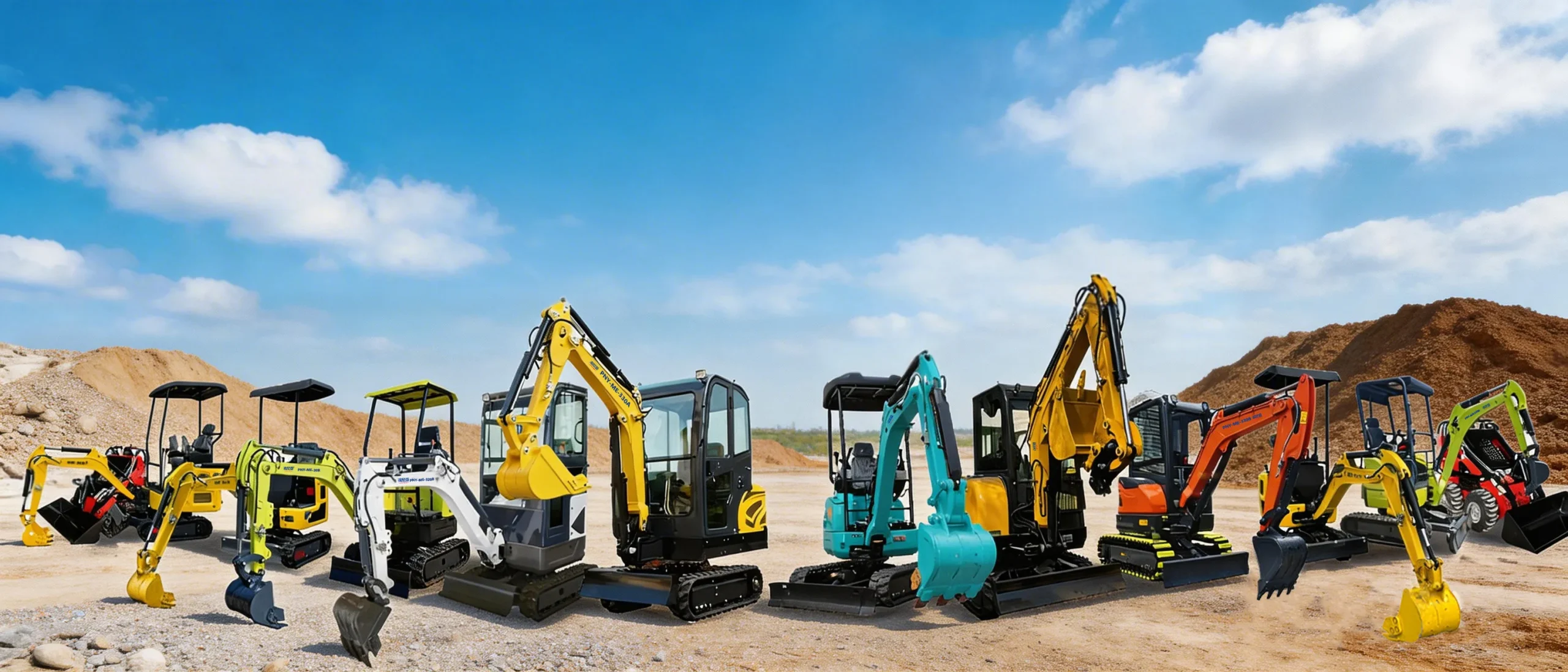
Yanmar Mini Excavator Price: 2026 Dealer Quote & Specs
2026-10-18
- Yanmar Mini Excavator Price Overview: 2026 Market Analysis
- Detailed Breakdown by Model Class
- Technical Specifications and Performance Metrics
- Sourcing Strategies: Dealer Quotes vs. Direct Manufacturing
- Operational Costs and Total Cost of Ownership (TCO)
- Common Mistakes When Buying a Mini Excavator
- FAQ: Frequently Asked Questions About Mini Excavator Pricing
- Application Scenarios for Mini Excavators
- Conclusion: Making the Right Investment in 2026
Understanding the Yanmar mini excavator price in 2026 requires analyzing model specifications, attachment configurations, and regional dealer networks. While Yanmar is a premium Japanese brand known for durability, buyers often seek competitive alternatives that offer similar performance at optimized costs. Current market trends indicate that compact excavators between 1 to 6 tons are in high demand for urban construction and landscaping. This guide breaks down pricing factors, technical specifications, and sourcing strategies to help you make an informed procurement decision.
Yanmar Mini Excavator Price Overview: 2026 Market Analysis
The cost of a mini excavator varies significantly based on operating weight, engine power, and hydraulic complexity. In 2026, the global construction machinery market has stabilized, with supply chains recovering from previous disruptions. For buyers evaluating a Yanmar mini excavator price, it is essential to distinguish between base unit costs and fully equipped operational packages.
Premium brands like Yanmar typically command higher prices due to their established reputation for reliability and resale value. However, many international buyers are now exploring high-quality manufacturing partners that produce compatible components and complete units. These alternatives often provide a better return on investment (ROI) for small to medium-sized enterprises (SMEs) without compromising on structural integrity or hydraulic efficiency.
Key Factors Influencing Excavator Pricing
- Operating Weight: Machines ranging from 1 ton to 6 tons have different material and engineering costs. Heavier models require more robust steel structures and larger hydraulic pumps.
- Engine Specifications: Compliance with emission standards such as EPA Tier 4 Final or Euro Stage V increases manufacturing costs but ensures legality in markets like the US, Canada, and Germany.
- Hydraulic System: Standard two-pump systems are common, but advanced variable displacement pumps add to the price while improving fuel efficiency and control precision.
- Attachments: The base price rarely includes buckets, thumbs, or breakers. Customizing these tools affects the final quote significantly.
Detailed Breakdown by Model Class
To understand where your budget fits, it is helpful to categorize mini excavators by size class. While specific Yanmar models like the ViO series are well-known, the industry standard classification applies across all manufacturers.
1-Ton to 2-Ton Class (Micro Excavators)
These compact machines are ideal for indoor demolition, backyard landscaping, and tight-space utility work. They feature narrow tracks, often retractable, to pass through standard doorways. In 2026, the demand for this class remains high due to urban renovation projects.
Buyers looking for this size class prioritize maneuverability over raw digging force. The price point is generally lower, making it an accessible entry point for new contractors. When evaluating quotes, ensure the model includes a canopy or cab option, as operator comfort is crucial even in micro machines.
3-Ton to 5-Ton Class (Standard Mini Excavators)
This is the most versatile segment in the mini excavator market. Machines in this range offer a balance between transportability and digging power. They are commonly used for trenching, foundation digging, and general site preparation.
The Yanmar mini excavator price in this category reflects advanced hydraulic features such as auxiliary hydraulic lines for powering attachments like augers or grapples. Buyers should verify if the quote includes a quick coupler system, which significantly enhances productivity by allowing rapid tool changes.
6-Ton and Above (Large Mini/Midi Excavators)
Approaching the midi excavator range, these machines offer greater lift capacity and reach. They are suitable for heavier civil engineering tasks and larger agricultural projects. The structural components, such as booms and arms, are thicker and designed for higher stress loads.
Pricing in this segment is heavily influenced by the cabin configuration. Enclosed cabs with air conditioning and heating are standard expectations in developed markets. Ensure that any supplier you consider can provide certified ROPS/FOPS cabins to meet safety regulations in countries like Australia and Germany.
Technical Specifications and Performance Metrics
When comparing prices, it is critical to look beyond the sticker price and evaluate the technical specifications that drive long-term value. High-quality manufacturing ensures that the machine performs consistently under load.
| Specification Category | Impact on Price & Performance | What to Look For |
|---|---|---|
| Engine Power | Higher horsepower increases cost but improves digging force and hydraulic flow. | EPA/Euro compliant diesel engines with low fuel consumption rates. |
| Hydraulic Pump | Variable displacement pumps are more expensive but offer better energy efficiency. | Brands with proven reliability; check for leak-free seals and smooth operation. |
| Undercarriage | Steel tracks are standard; rubber tracks may be an extra cost option. | High-tensile steel tracks with sealed rollers for longer lifespan in abrasive conditions. |
| Boom & Arm | Reinforced structures cost more but resist bending and cracking. | Welded box-section designs with stress-relief treatments. |
The Importance of Component Quality
The longevity of a mini excavator depends largely on the quality of its key components. Arms, booms, and buckets are subject to extreme stress. Manufacturers with extensive experience in producing these parts for major global brands often deliver superior durability.
For instance, companies that supply components to Fortune Global 500 companies like Komatsu, Caterpillar, or XCMG have rigorous quality control processes. When you purchase a machine from a manufacturer with this level of pedigree, you are indirectly benefiting from the same engineering standards applied to top-tier brands. This reduces downtime and maintenance costs over the machine’s lifecycle.
Sourcing Strategies: Dealer Quotes vs. Direct Manufacturing
In 2026, buyers have two primary pathways for acquiring mini excavators: purchasing through local authorized dealers or sourcing directly from specialized manufacturers. Each approach has distinct advantages regarding price and support.
Authorized Dealer Networks
Buying from a local dealer provides immediate access to after-sales support, warranty services, and spare parts. However, the Yanmar mini excavator price through dealers includes markups for distribution, marketing, and local overheads. For single-unit purchases, this convenience may justify the higher cost.
Direct Sourcing from Specialized Manufacturers
For businesses looking to optimize costs, especially for fleet purchases or resale, direct sourcing from reputable manufacturers in China offers significant savings. Shandong Hexin and Shandong Pioneer represent a prime example of this model. Established in 2004 and relocated to a larger facility in Tai’an City in 2023, these entities combine manufacturing expertise with overseas trade capabilities.
With a production area of 1,600 square meters and a portfolio of over 300 key excavator components, such manufacturers offer complete equipment assembly. Their experience exporting to the United States, Canada, Germany, and Australia demonstrates their ability to meet international quality and compliance standards. By eliminating middlemen, buyers can secure competitive pricing while maintaining access to high-quality machinery.
Trust and Verification in Direct Sourcing
Trustworthiness is paramount when sourcing internationally. Look for manufacturers with a proven track record. Companies that have supplied major clients like Shantui, Sumitomo, and Sinotruk have demonstrated their capacity for large-scale, high-quality production. This background serves as a strong indicator of reliability for independent buyers.
- Verify Certifications: Ensure the manufacturer holds relevant ISO certifications and that their machines meet CE or EPA standards as required by your region.
- Request Factory Audits: Many reputable manufacturers allow virtual or physical tours of their production lines.
- Check Export History: A history of successful exports to strict markets like Germany and Australia indicates adherence to high quality controls.
Operational Costs and Total Cost of Ownership (TCO)
The initial purchase price is only one part of the equation. To make a smart financial decision, you must calculate the Total Cost of Ownership (TCO). This includes fuel, maintenance, repairs, and resale value.
Fuel Efficiency
Modern mini excavators are designed for fuel efficiency. Engines that integrate electronic fuel injection systems consume less diesel per hour of operation. Over a year of regular use, even a small difference in fuel consumption can result in substantial savings.
Maintenance and Spare Parts Availability
Easy access to spare parts is crucial for minimizing downtime. Manufacturers that produce their own components, such as arms, booms, and buckets, can often provide faster and cheaper replacement parts compared to brands that outsource these components. Additionally, standardized parts that are compatible with multiple models simplify inventory management for fleet owners.
Resale Value Considerations
While premium brands may hold their value slightly better, the gap is narrowing as alternative manufacturers improve their build quality. A well-maintained machine from a reputable manufacturer with a solid service history can still command a respectable resale price in the secondary market.
Common Mistakes When Buying a Mini Excavator
Avoiding common pitfalls can save you time and money. Here are frequent errors buyers make when evaluating excavator quotes.
- Ignoring Hydraulic Flow Requirements: Buying an attachment without verifying the machine’s hydraulic flow and pressure ratings can lead to poor performance or damage.
- Underestimating Transport Costs: Ensure the machine’s width and weight fit your existing trailer and towing vehicle. Wider tracks may require special permits.
- Overlooking Operator Comfort: Poor ergonomics lead to operator fatigue and reduced productivity. Test the seat adjustment, control layout, and visibility before purchasing.
- Neglecting After-Sales Support: Confirm the availability of technical support and spare parts in your region. A low price is not a bargain if you cannot fix the machine quickly.
FAQ: Frequently Asked Questions About Mini Excavator Pricing
What is the average lifespan of a mini excavator?
With proper maintenance, a high-quality mini excavator can last between 10,000 to 15,000 operating hours. Regular servicing of hydraulic fluids, filters, and undercarriage components is essential to reaching this milestone.
Are Chinese-manufactured excavators reliable?
Yes, particularly those from manufacturers with established export histories and partnerships with major global brands. Companies like Shandong Hexin, which supply components to Fortune 500 companies, adhere to strict quality control measures, ensuring reliability comparable to traditional premium brands.
How do I determine the right size excavator for my project?
Consider the maximum digging depth, reach, and lift capacity required for your tasks. For residential landscaping, a 1-3 ton machine is usually sufficient. For heavier trenching or foundation work, a 5-6 ton model provides the necessary power and stability.
Can I customize attachments for my mini excavator?
Most modern mini excavators come with auxiliary hydraulic lines that allow for various attachments such as augers, breakers, grapples, and thumbs. Confirm with the manufacturer that the machine is equipped with the necessary hydraulic circuits and quick couplers.
What warranty should I expect?
Standard warranties typically cover major components like the engine and hydraulic pump for 1 to 2 years or a specific number of operating hours. Always read the warranty terms carefully to understand what is covered and what requires regular maintenance to remain valid.
Application Scenarios for Mini Excavators
Understanding where these machines excel helps justify the investment. Mini excavators are versatile tools used across various industries.
Urban Construction and Renovation
Their compact size allows them to operate in confined spaces where larger machinery cannot fit. They are ideal for sidewalk repair, utility line installation, and basement excavation in densely populated areas.
Landscaping and Agriculture
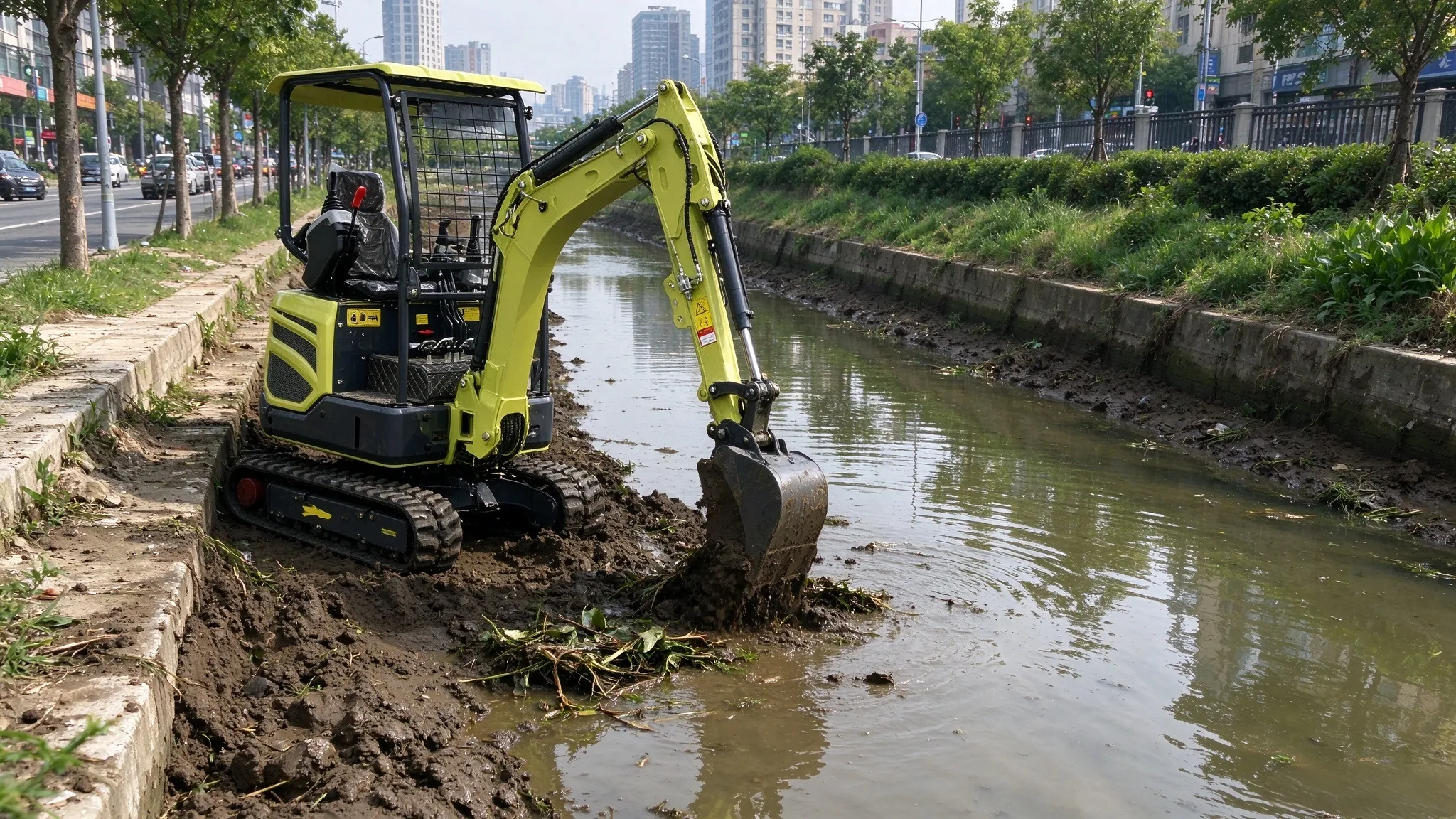
From planting trees to digging irrigation trenches, mini excavators enhance efficiency in landscaping projects. In agriculture, they are used for pond cleaning, fence post digging, and barn maintenance.
Utility and Infrastructure Maintenance
Gas, water, and electrical companies use mini excavators for precise trenching. The ability to use rubber tracks minimizes damage to paved surfaces, making them suitable for work in completed neighborhoods.
Conclusion: Making the Right Investment in 2026
Navigating the Yanmar mini excavator price landscape in 2026 involves balancing brand prestige with practical value. While established Japanese brands offer reliability, the market has evolved to include high-quality alternatives that provide exceptional performance at competitive price points. Manufacturers with deep industry roots, such as those with 20 years of development and partnerships with global giants like Caterpillar and Komatsu, offer a compelling value proposition.
For buyers in the United States, Canada, Germany, and Australia, focusing on total cost of ownership, component quality, and supplier reliability is key. By choosing a manufacturer with proven expertise in producing key components like arms, booms, and buckets, you ensure durability and long-term operational success.
Whether you are a contractor expanding your fleet or a business owner seeking efficient earthmoving solutions, prioritizing quality and support over the lowest initial price will yield better results. Evaluate your specific project needs, consider the technical specifications carefully, and partner with a supplier who demonstrates transparency and engineering excellence.
Ready to explore high-performance mini excavators and components? Contact our team for a detailed quote and technical consultation tailored to your project requirements.

Please leave us a message