- Chinese
- French
- German
- Portuguese
- Spanish
- Russian
- Japanese
- Korean
- Arabic
- Irish
- Greek
- Turkish
- Italian
- Danish
- Romanian
- Indonesian
- Czech
- Afrikaans
- Swedish
- Polish
- Basque
- Catalan
- Esperanto
- Hindi
- Lao
- Albanian
- Amharic
- Armenian
- Azerbaijani
- Belarusian
- Bengali
- Bosnian
- Bulgarian
- Cebuano
- Chichewa
- Corsican
- Croatian
- Dutch
- Estonian
- Filipino
- Finnish
- Frisian
- Galician
- Georgian
- Gujarati
- Haitian
- Hausa
- Hawaiian
- Hebrew
- Hmong
- Hungarian
- Icelandic
- Igbo
- Javanese
- Kannada
- Kazakh
- Khmer
- Kurdish
- Kyrgyz
- Latin
- Latvian
- Lithuanian
- Luxembou..
- Macedonian
- Malagasy
- Malay
- Malayalam
- Maltese
- Maori
- Marathi
- Mongolian
- Burmese
- Nepali
- Norwegian
- Pashto
- Persian
- Punjabi
- Serbian
- Sesotho
- Sinhala
- Slovak
- Slovenian
- Somali
- Samoan
- Scots Gaelic
- Shona
- Sindhi
- Sundanese
- Swahili
- Tajik
- Tamil
- Telugu
- Thai
- Ukrainian
- Urdu
- Uzbek
- Vietnamese
- Welsh
- Xhosa
- Yiddish
- Yoruba
- Zulu
- Kinyarwanda
- Tatar
- Oriya
- Turkmen
- Uyghur


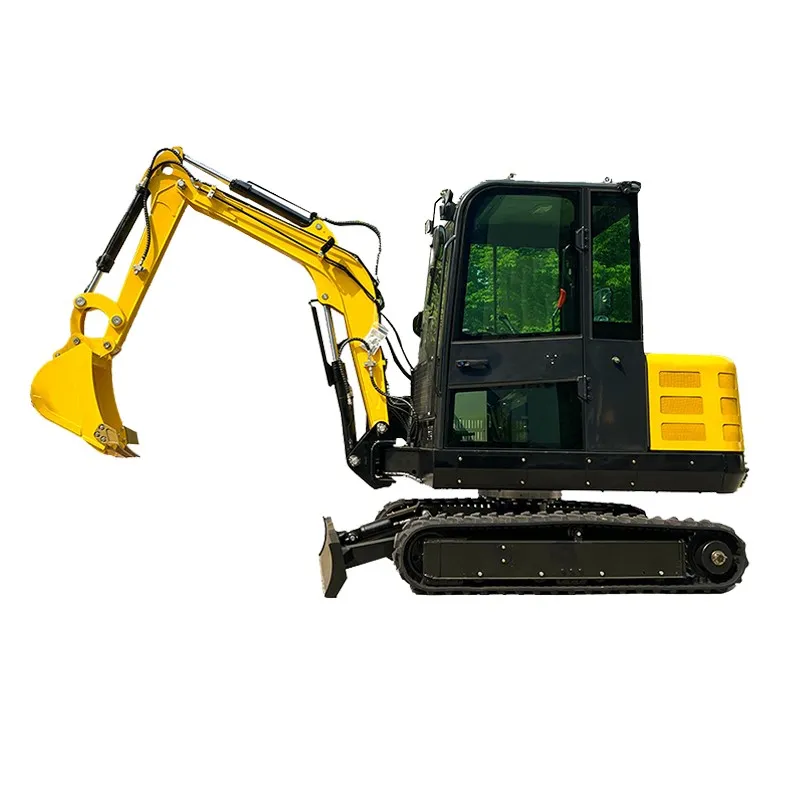
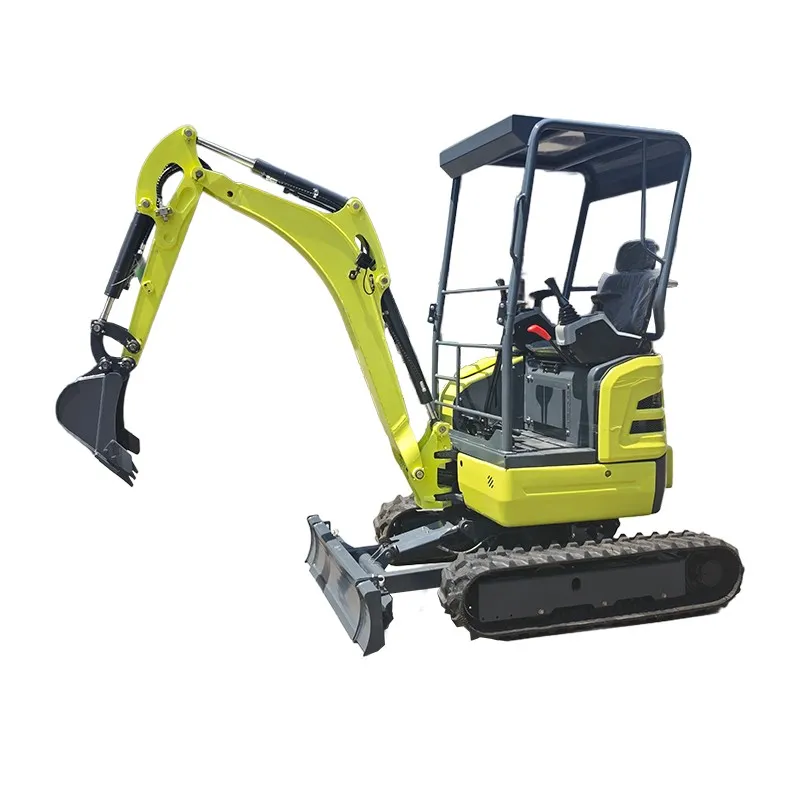
ht10 mini excavator
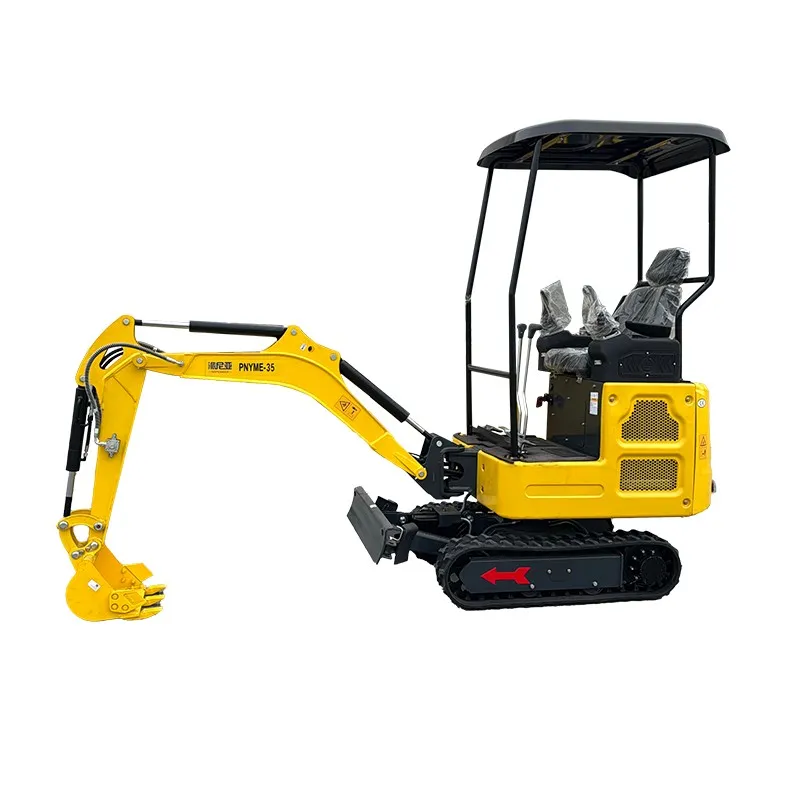
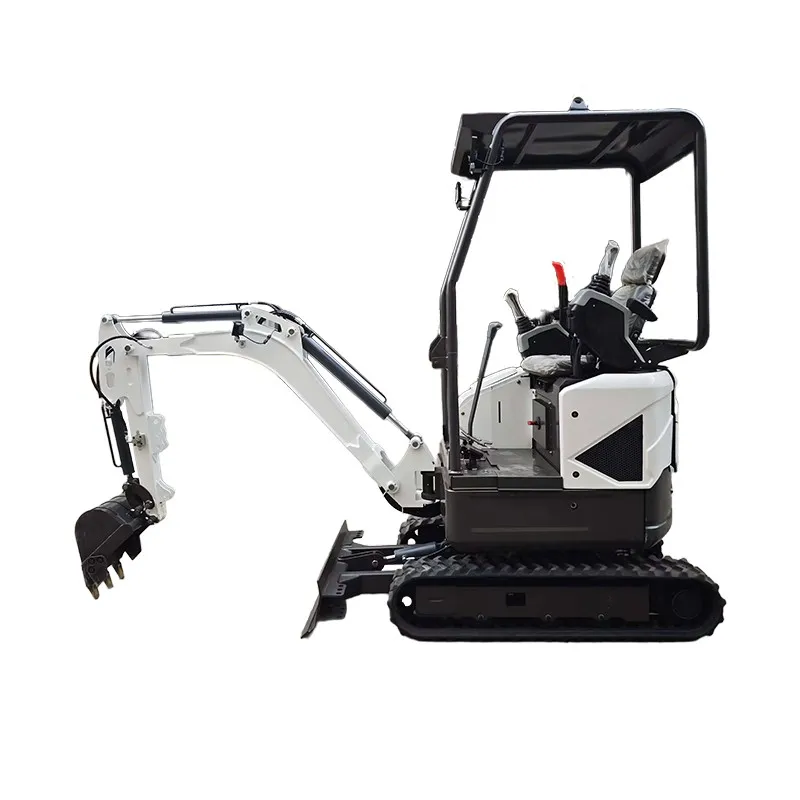
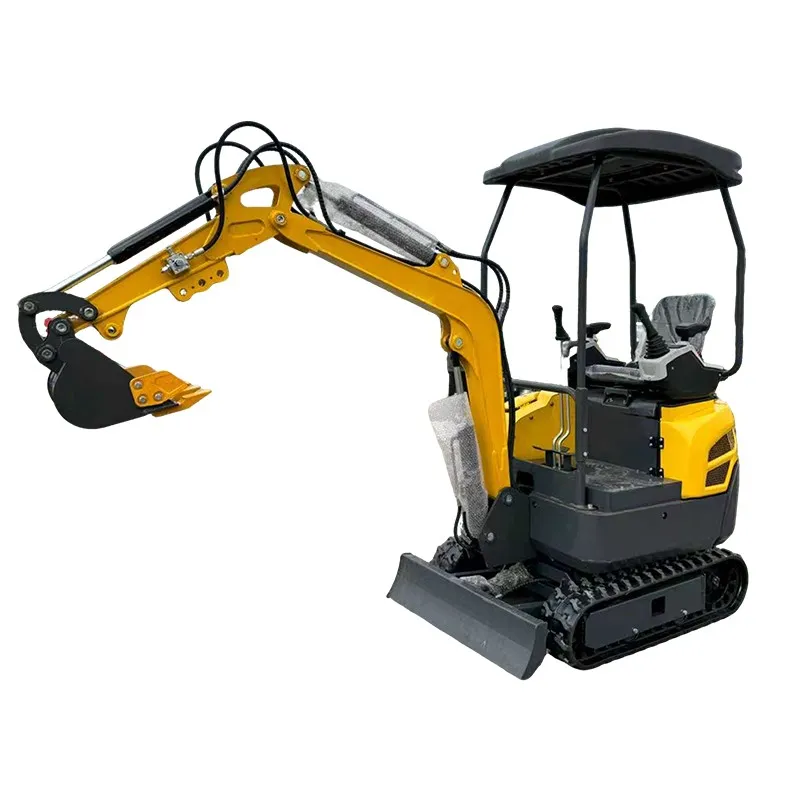
You hear 'HT10 mini excavator' and immediately think 'toy', right? That's the first mistake a lot of folks make, even some seasoned guys who are used to bigger iron. I've seen it. They look at the 1-ton class and dismiss it as not a real machine. But that's missing the point entirely. The real question isn't about raw power; it's about access, precision, and the economics of a job where a 20-ton machine would be more of a liability than an asset. The HT10, and machines like it, occupy a specific, crucial niche. It's not about digging foundations for skyscrapers; it's about getting into a backyard where the gate is 36 inches wide, or working inside a finished basement, or doing delicate trenching around existing utilities without needing a massive setup. The industry's shift towards these compact, versatile units has been significant, but the understanding of their application hasn't always kept pace.
The Niche is Everything
Where the HT10 shines is in urban infill, landscaping, and interior demolition. I recall a job renovating a row of townhouses in a tight city block. The alleys were narrow, overhead lines were everywhere, and the client needed a 30-foot trench for new sewer lines to each unit. Bringing in even a small conventional excavator meant closing the alley, dealing with permits, and potentially damaging the pavement. We used a machine in this class – not necessarily the HT10 that time, but one very similar from a Chinese manufacturer. It fit through the garden gate, was transported on a lightweight trailer behind a pickup, and one operator handled the entire dig with minimal disruption. The cost savings on logistics alone justified the rental. That's the value proposition.
But here's the catch with these ultra-compacts: you trade stability for size. The ht10 mini excavator and its peers have a very light tail swing, which is great for tight spaces, but it changes how you operate. You can't just take a full bucket swing at full reach without thinking. You have to be more deliberate, use the outriggers religiously, and understand the machine's balance point. It's a different skillset. I've seen inexperienced operators get a little too confident, take a heavy load at a bad angle, and tip a machine. It's rarely catastrophic because they're light, but it's embarrassing and wastes time.
This is where manufacturer experience matters. A company that's been in the trenches (pun intended) with this specific size class understands these dynamics. They build in stability features, operator-friendly controls, and safety lockouts that a newcomer might not think of. I've been following the output from several factories in Shandong, China, which has become a real hub for this kind of specialized machinery. One that comes to mind is Shandong Pioneer Engineering Machinery Co., Ltd. They've been at this since 2004, and that two-decade stretch means they've likely iterated through countless design tweaks based on real-world feedback. Moving to a new, larger facility in Ningyang in 2023 suggests they're scaling up to meet demand, which is a good sign of market validation. You can find their full range at their website, https://www.sdpioneer.com.
Specs vs. Reality: The Devil's in the Details
Everyone looks at the spec sheet: operating weight, engine horsepower, digging depth. For the HT10, you're looking at roughly a 1-ton machine. But the numbers only tell half the story. The real test is in the hydraulic system's responsiveness and the auxiliary circuit's capability. Can you run a hydraulic breaker efficiently without stalling the engine? How smooth is the proportional control on the thumb attachment? This is where cheaper, no-name models fall apart. The controls are jerky, the hydraulics are weak, and the machine feels sluggish.
A competent mini excavator in this range should feel like an extension of your arm. I remember demoing a unit where the joystick control was so precise I could gently scrape moss off a brick wall without damaging the mortar. That level of finesse comes from well-matched pumps, valves, and cylinders. It's not an accident. It's engineering. Companies that export widely, like Shandong Pioneer and their manufacturing partner Shandong Hexin, have to meet varied international standards (think US, Canada, Germany, Australia), which forces a higher baseline of quality and reliability. They can't just ship a subpar product; it would get rejected immediately. Their global footprint, as noted in their company intro, isn't just marketing—it's a proxy for product resilience.
Another often-overlooked detail is serviceability. On a cramped job site, how easy is it to check the hydraulic fluid? Can you access the grease points for the boom without contorting yourself? The best designs have these access panels and points logically laid out. I've cursed at machines where the daily maintenance routine felt like solving a puzzle. Good design anticipates the mechanic working in the mud and rain.
Attachments: Multiplying Utility
The base machine is just that—a base. Its true potential is unlocked with attachments. For the ht10, common ones include a hydraulic thumb (essential for picking up irregular objects like rocks or debris), a breaker, an auger for fence posts, and various bucket widths. The quick coupler system is critical. Is it a manual pin system or a true hydraulic quick coupler? The latter is a game-changer for one-person operations, allowing attachment swaps in under a minute.
But you have to match the attachment to the machine's flow rate and pressure. Putting too large a breaker on the HT10 will just lead to poor performance and potential damage. Reputable manufacturers will provide a compatibility chart. This is another area where established suppliers have an advantage. They've tested their machines with specific attachments and can give you reliable performance data. From what I've seen browsing through catalogs on sites like sdpioneer.com, the serious players offer these machines as part of a full system, not just a standalone digger.
I learned this the hard way early on. We tried to save money by buying a generic auger attachment for a similar-sized machine. The fit was sloppy on the coupler, and the hydraulic hoses weren't quite the right length, causing strain. It worked, but poorly, and we lost more time fiddling with it than we saved on the purchase. Lesson learned: stick with recommended or OEM-certified attachments for core functions.
The Cost Equation and Long-Term View
The initial price tag of a machine like the HT10 is attractive, especially coming from manufacturers focused on export value. But the total cost of ownership is what matters. Fuel efficiency is generally excellent with these small diesel engines. The bigger variables are part availability and dealer support. If you're in rural Ohio and your machine needs a new hydraulic pump seal, can you get it in two days or two weeks?
This is the trust factor that companies earn over time. Shandong Pioneer Engineering Machinery Co., Ltd mentions winning the trust and appreciation of customers worldwide. That phrase, in this business, translates directly to having a reliable parts pipeline and responsive technical support. It doesn't happen overnight. Their 20-year history suggests they've built those networks. For a buyer, that means less downtime. A machine that's cheap but sits idle waiting for parts is the most expensive machine on your lot.
Resale value is also tied to brand reputation. A well-known model from an established exporter will hold its value better than an obscure badge. It's a signal to the next buyer that the machine has a known track record and support behind it.
Final Impressions: A Tool, Not a Toy
Circling back, the ht10 mini excavator represents a mature product category. It's a specialized tool for specific problems. Its worth isn't judged against a 10-ton machine, but against the cost and feasibility of alternative methods—manual labor, larger machines with more overhead, or not doing the job at all.
The market for these compact excavators is crowded, but discernment is key. Look beyond the glossy brochure. Look for the manufacturer's tenure, their export history to stringent markets, and the thoughtful design details in the machine's layout and controls. Companies that have evolved over decades, like the one noted here that started in Jining and now operates from a larger base in Ningyang, often have the embedded knowledge to build a product that works day in, day out on real job sites.
In the end, success with a mini ex comes down to matching the right machine to the right task and having the support to keep it running. It's a precision instrument for confined spaces, and when used as intended, it's incredibly productive. Just don't call it a toy.
Related Products
Related Products