


- Chinese
- French
- German
- Portuguese
- Spanish
- Russian
- Japanese
- Korean
- Arabic
- Irish
- Greek
- Turkish
- Italian
- Danish
- Romanian
- Indonesian
- Czech
- Afrikaans
- Swedish
- Polish
- Basque
- Catalan
- Esperanto
- Hindi
- Lao
- Albanian
- Amharic
- Armenian
- Azerbaijani
- Belarusian
- Bengali
- Bosnian
- Bulgarian
- Cebuano
- Chichewa
- Corsican
- Croatian
- Dutch
- Estonian
- Filipino
- Finnish
- Frisian
- Galician
- Georgian
- Gujarati
- Haitian
- Hausa
- Hawaiian
- Hebrew
- Hmong
- Hungarian
- Icelandic
- Igbo
- Javanese
- Kannada
- Kazakh
- Khmer
- Kurdish
- Kyrgyz
- Latin
- Latvian
- Lithuanian
- Luxembou..
- Macedonian
- Malagasy
- Malay
- Malayalam
- Maltese
- Maori
- Marathi
- Mongolian
- Burmese
- Nepali
- Norwegian
- Pashto
- Persian
- Punjabi
- Serbian
- Sesotho
- Sinhala
- Slovak
- Slovenian
- Somali
- Samoan
- Scots Gaelic
- Shona
- Sindhi
- Sundanese
- Swahili
- Tajik
- Tamil
- Telugu
- Thai
- Ukrainian
- Urdu
- Uzbek
- Vietnamese
- Welsh
- Xhosa
- Yiddish
- Yoruba
- Zulu
- Kinyarwanda
- Tatar
- Oriya
- Turkmen
- Uyghur

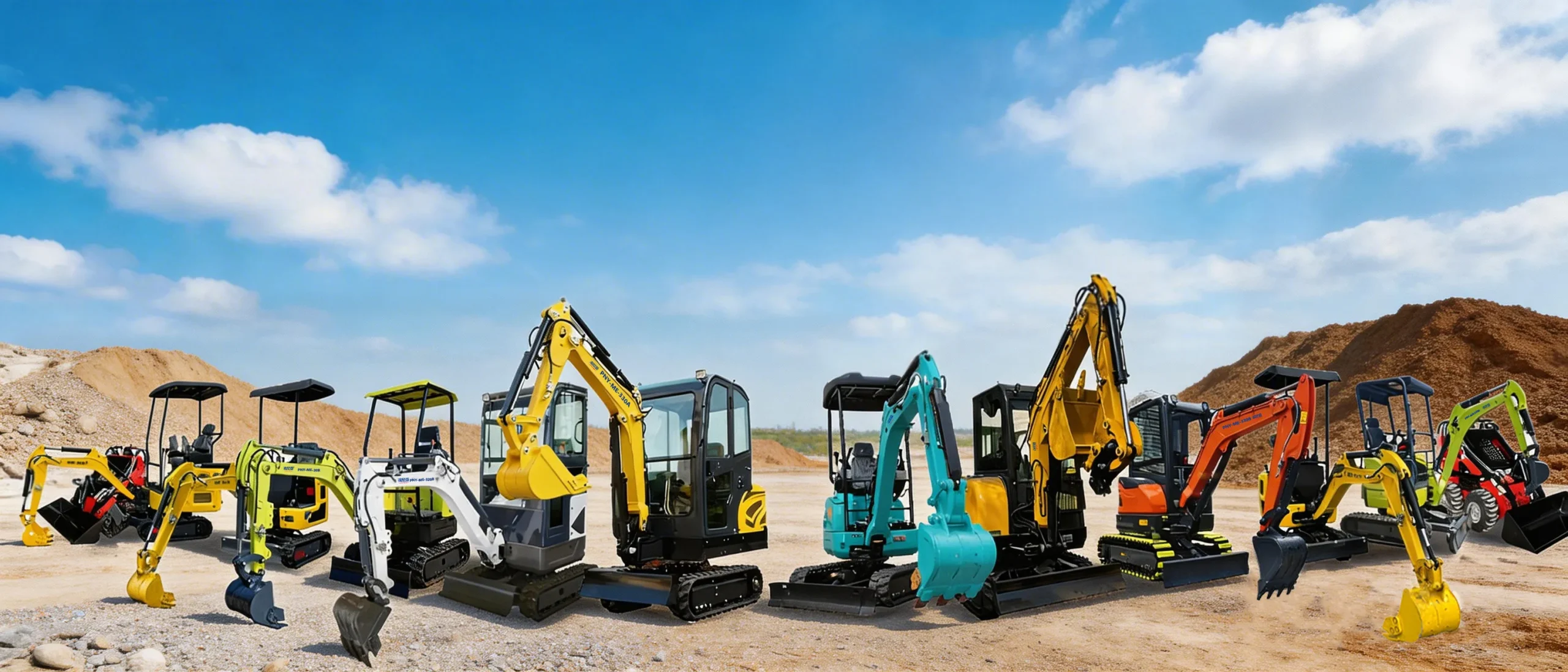
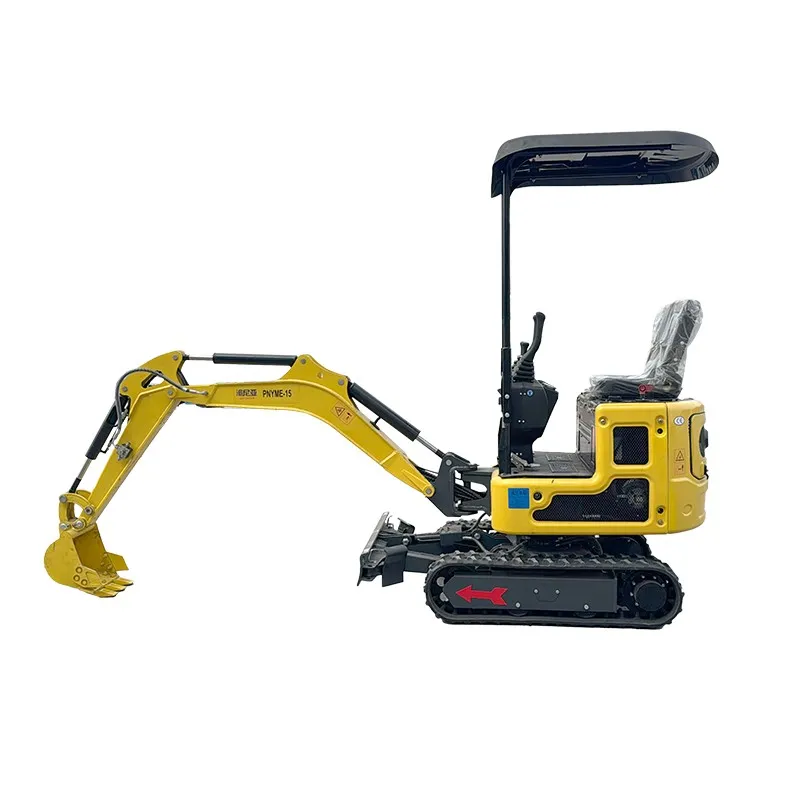
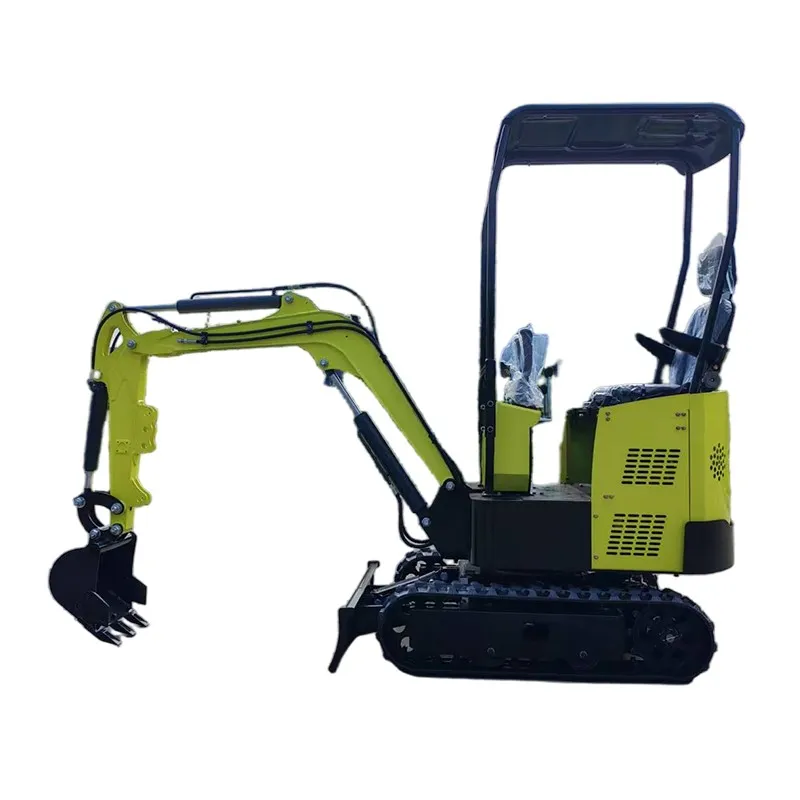
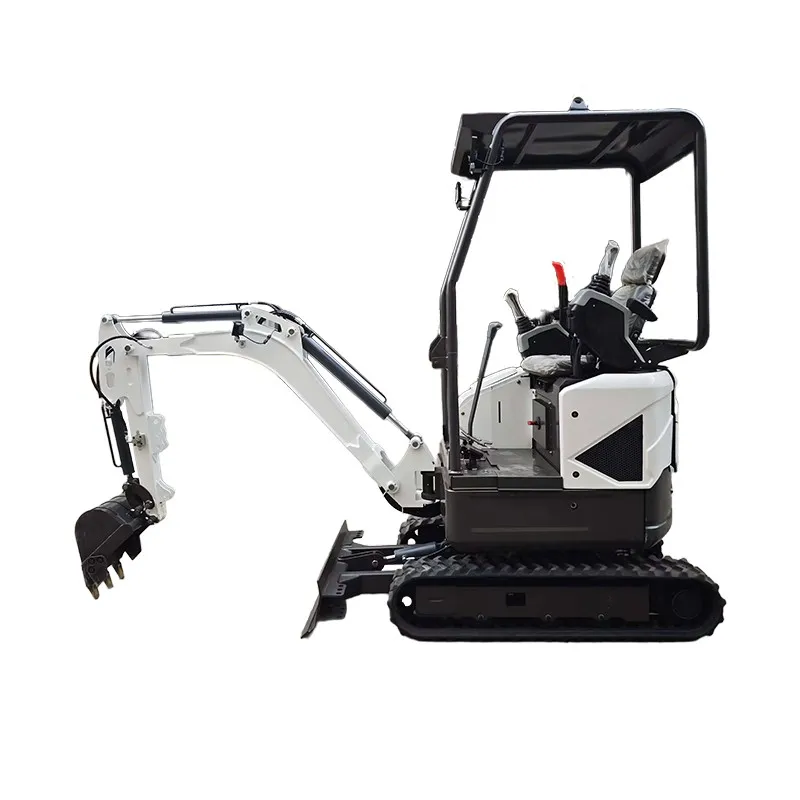
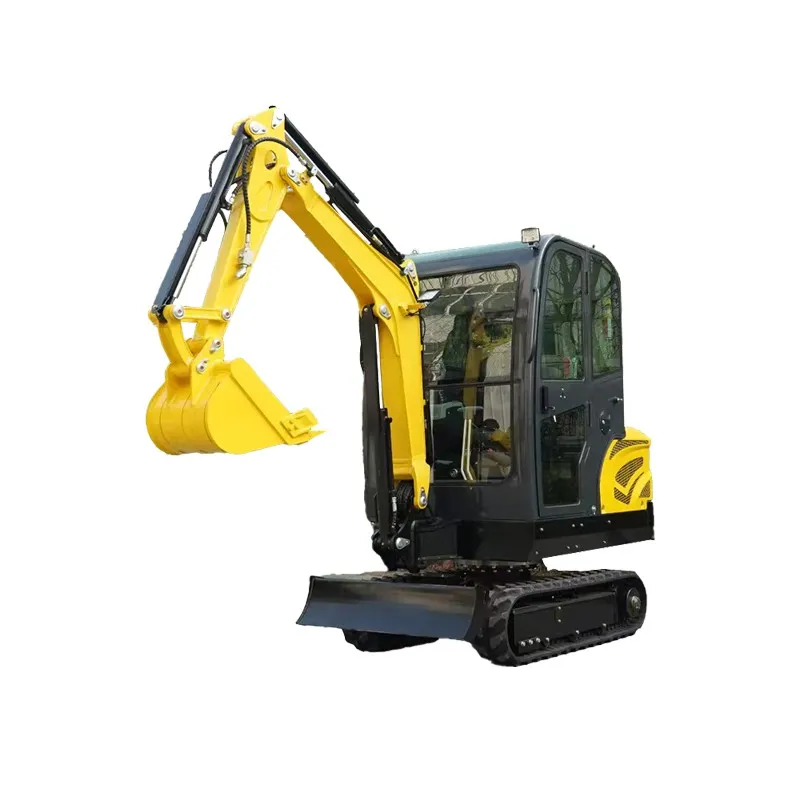
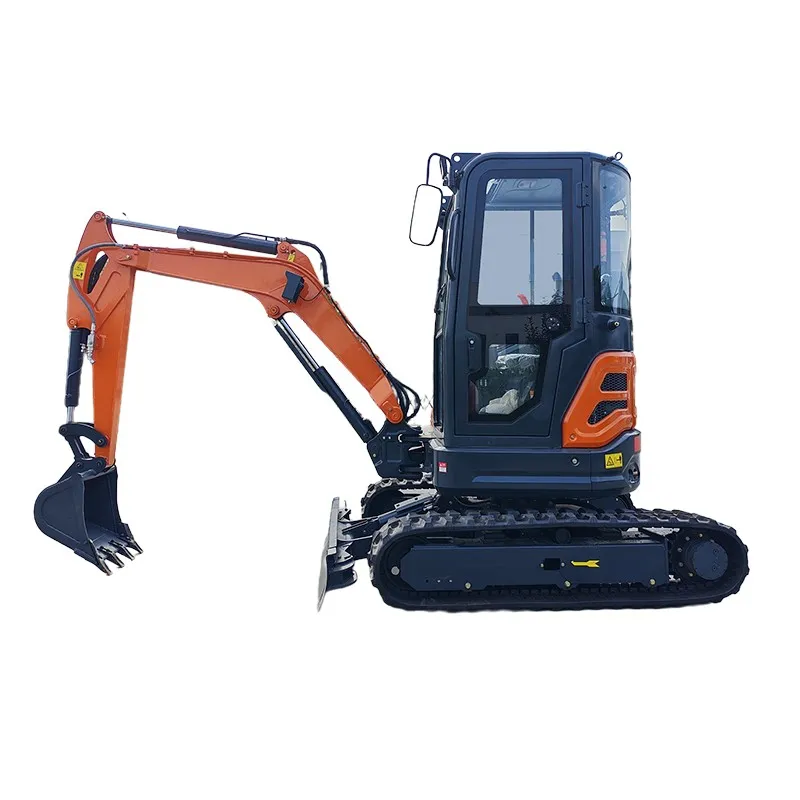
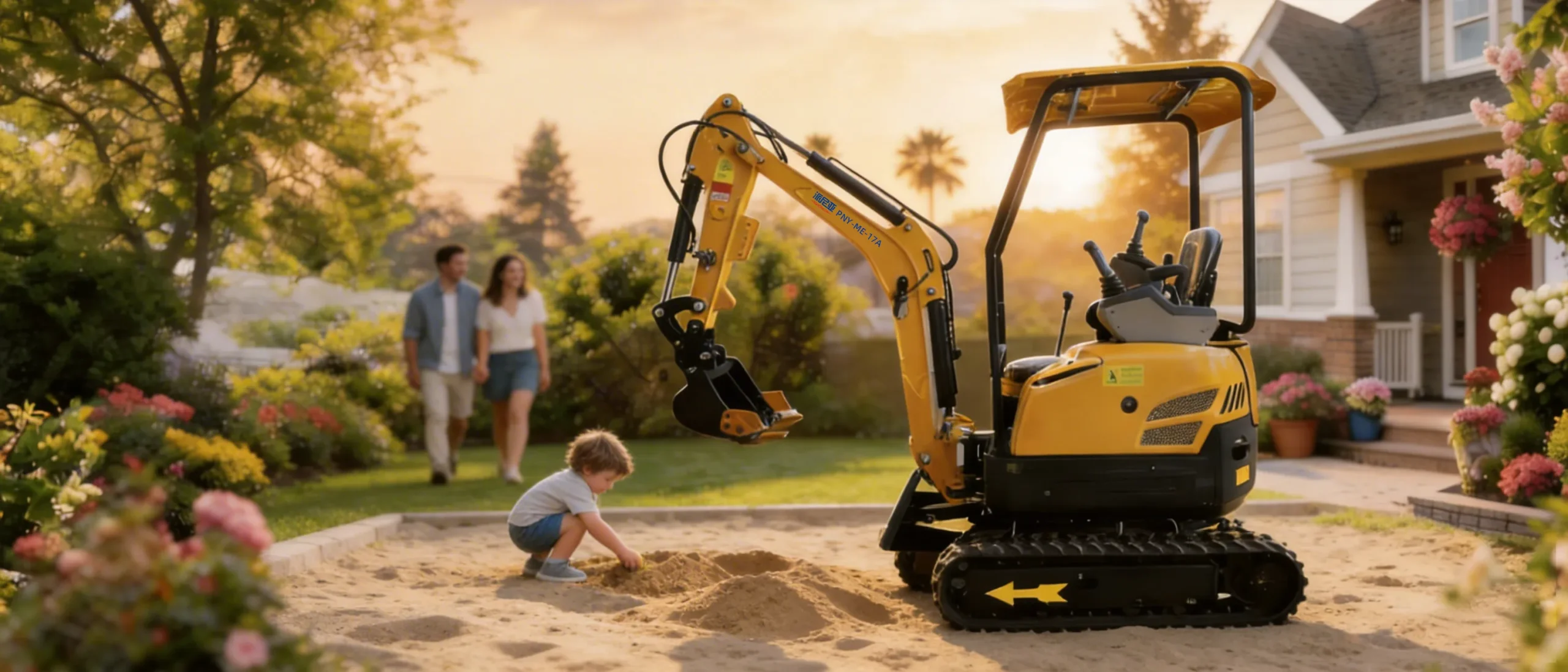
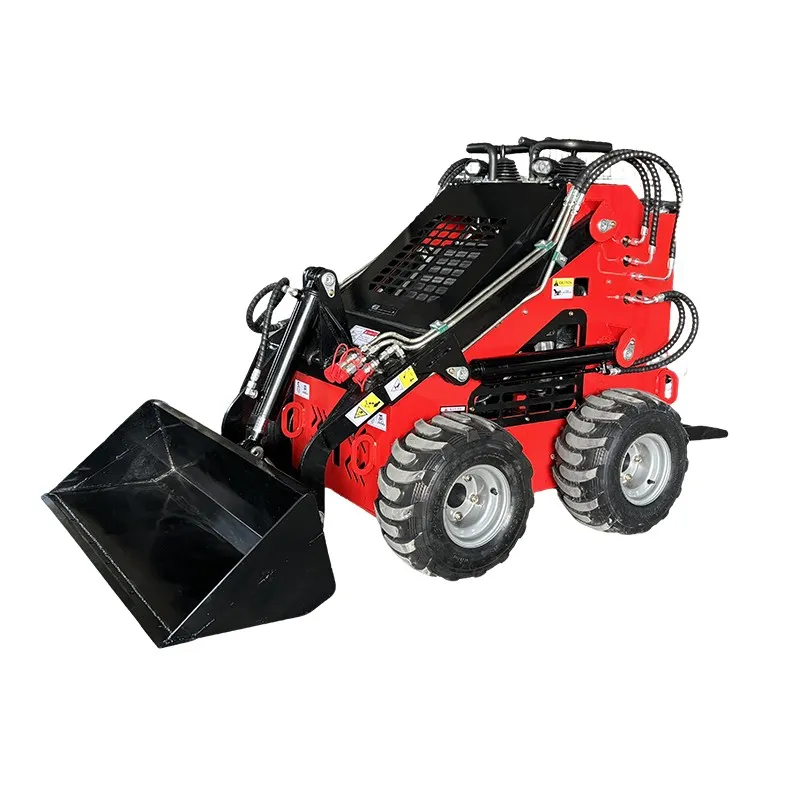
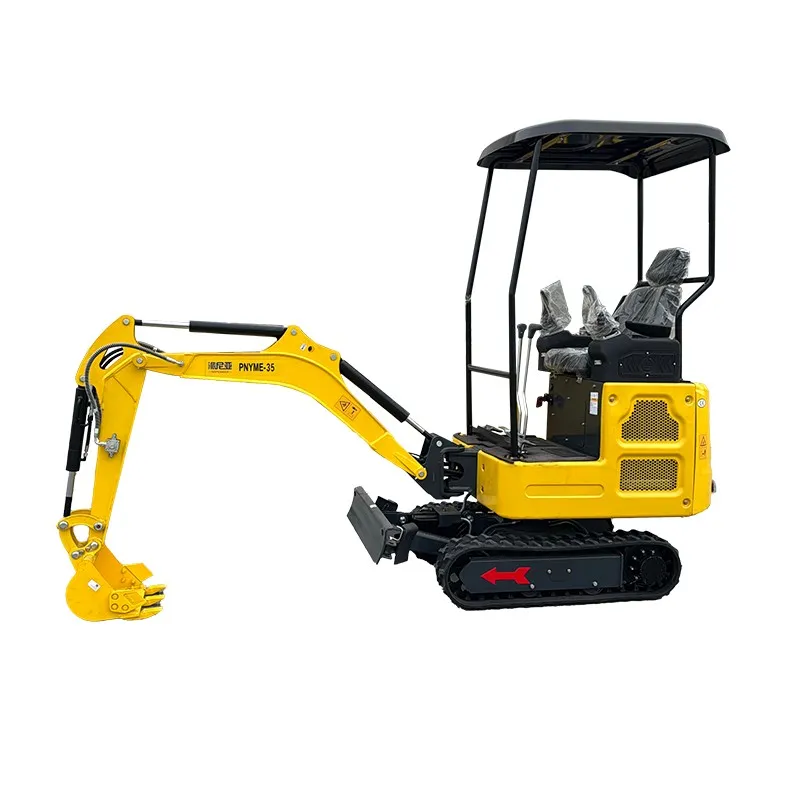
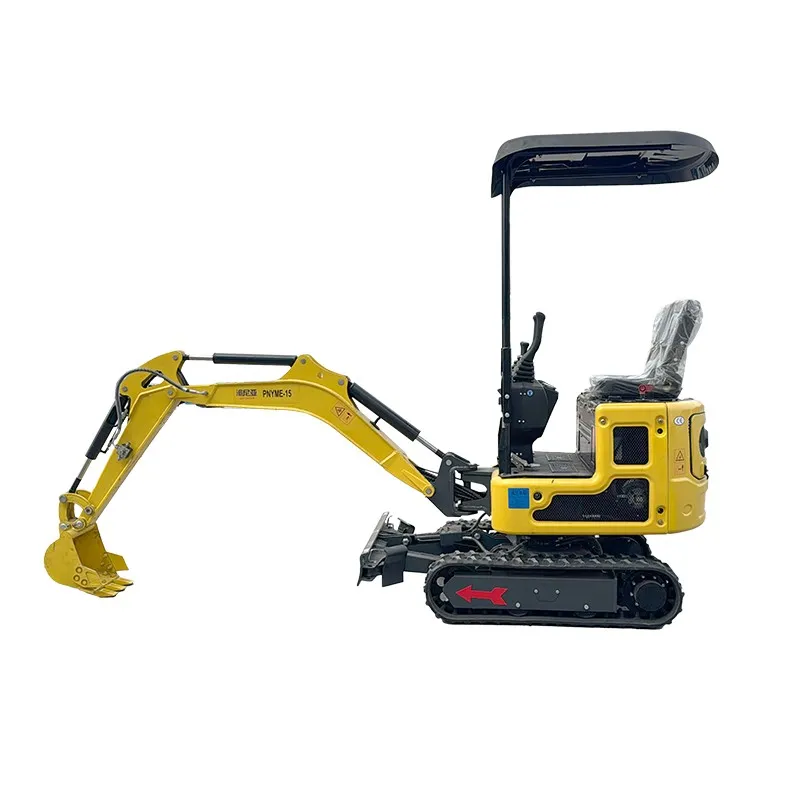
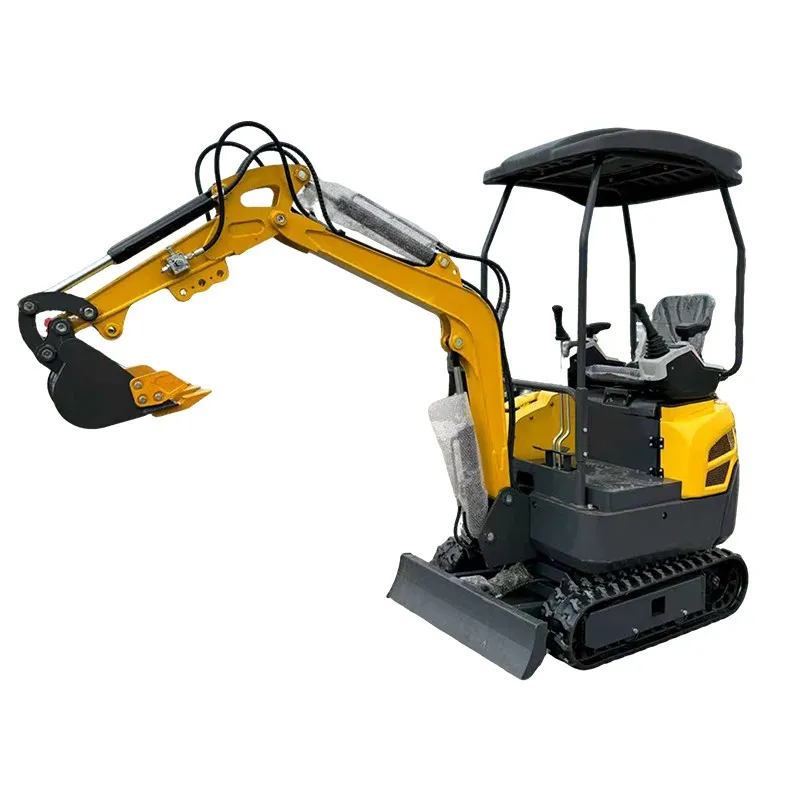
Hydraulic compact digger
When most people hear 'hydraulic compact digger', they picture a small, generic mini excavator. That's the first misconception. The real value isn't just in its size, but in the specific integration of the hydraulic system tailored for confined spaces and multi-purpose attachments. It's the difference between having a tool and having the right tool for a complex job.
The Core of the Machine: Hydraulic System Nuances
The heart of any effective hydraulic compact digger is, unsurprisingly, its hydraulics. But it's not about raw power; it's about precision and reliability under variable loads. Many cheaper models use off-the-shelf pump and valve sets. They work, but you'll notice the lag when you're trying to fine-grade right next to a foundation wall, or the system heat build-up after a few hours of continuous trenching. The good ones have systems engineered for tighter control loops.
I remember a project where we were working in a back garden with very soft, wet soil. The standard machine we first used kept bogging down, and the hydraulic response was either too jerky or too slow for precise bucket work to create a stable base. We switched to a model from a specialist manufacturer—one that emphasized system cooling and metering valve precision—and the difference was night and day. It felt like the machine was an extension of your arm, not a separate piece of iron you were fighting with.
This is where companies with deep manufacturing experience stand out. They've seen these failure points. For instance, Shandong Pioneer Engineering Machinery Co., Ltd, which has been in the game since 2004, sources its core hydraulic components based on years of feedback from varied terrains and climates. It’s that kind of accumulated, practical knowledge that informs whether a machine will last in the field or spend its life in the repair shop. You can check their approach on their site at https://www.sdpioneer.com.
Defining Compact: It's a Spectrum
'Compact' is a dangerously broad term. Is it a 1-ton micro digger that fits through a standard doorway, or a 6-ton machine that's just smaller than a full-sized excavator? The application dictates the size. For utility work in city streets, you might need the absolute smallest footprint but with enough power to break asphalt. For rural landscaping, you might prioritize a slightly larger machine with greater lift capacity for placing rocks.
The zero-tail-swing or minimal-tail-swing design is non-negotiable for true confined space work. I've seen operators get overconfident with a standard compact and put a swing cylinder straight through a client's fence. That's a costly lesson. The design philosophy here is about protecting the worksite from the machine itself.
This spectrum is evident in the product lines of exporters. Shandong Pioneer, operating under its manufacturing arm Shandong Hexin, has to cater to this range because their markets—from the US to Germany—have different definitions of 'compact'. A contractor in crowded European cities needs a different machine than one on a sprawling Australian farm. Their two-decade export history means they've likely had to adapt and refine their compact digger designs based on very real, very specific customer problems from around the globe.
Attachments and Versatility: The Real Game Changer
This is where the hydraulic compact digger earns its keep. A bucket is just the start. The quick-coupler system is critical. We standardized on one system across our fleet after wasting half a day trying to manually swap a breaker for an auger on a job site because the pin sizes were off by a few millimeters. A reliable, universal coupler is worth its weight in gold.
Then come the attachments themselves: hydraulic thumbs, grading blades, trenchers, plate compactors. Each one transforms the machine. But you have to match the attachment to the machine's hydraulic flow and pressure. I made the mistake once of running a high-flow forestry mulcher on a machine that wasn't spec'd for it. It worked, but at about 60% efficiency and we burned out a pump seal in a week. The machine's specs are a bible, not a suggestion.
Manufacturers that understand this build machines with auxiliary hydraulic circuits designed for this variability. It's not an afterthought. Looking at a company like Pioneer, their long-term development suggests they've integrated this versatility into their design phase, knowing their machines are heading to diverse international markets where a single attachment won't suffice.
On-Site Realities and Common Pitfalls
No amount of great specs prepares you for the reality of mud, slope, and overhead obstructions. A compact digger's stability is its biggest vulnerability. Even with a blade down, on a side slope while reaching, they can get tippy. We always use track pads on soft ground, and never, ever lift at full reach with a heavy load in the bucket. It seems obvious, but pressure to get a job done fast makes people do stupid things.
Maintenance is another killer. The compact size means everything is packed in tightly. A small hydraulic leak from a hose can spray fluid over the engine block, the radiator, everything, creating a fire hazard and a massive cleanup job. Daily checks of hose condition and connection tightness are mandatory, not optional.
This is the practical wisdom that separates a catalog spec sheet from a reliable machine. A supplier's longevity, like Pioneer's 20-year journey from a 1,600 square meter facility to a new base in Ningyang, often correlates with how well they've learned from these on-site failures and baked the solutions into their later models.
The Value of Proven Supply Chains
Finally, when you're in the middle of a project and a key component fails, where does your supplier's parts come from? A global network or a single, fragile pipeline? This matters. The trust customers worldwide place in a brand, as mentioned in Pioneer's background, isn't just about the initial sale. It's about whether you can get a replacement swing motor or controller in a reasonable time when you need it.
This reliability is a silent feature of a good hydraulic compact digger. It's the result of a company having established manufacturing (Hexin) and dedicated trade channels (Pioneer) that have been tested over time. It means they've navigated logistics, customs, and support for two decades. For an operator, that history translates to less downtime.
So, when evaluating a machine, look past the glossy brochure. Ask about the hydraulic system design philosophy, the true dimensions of the 'compact' frame, the compatibility and robustness of the attachment circuit, and the real-world support network. That's how you find a digger that's not just small, but smart and resilient—a true partner on the job site, born from experience, not just assembly.
Related Products
Related Products