


- Chinese
- French
- German
- Portuguese
- Spanish
- Russian
- Japanese
- Korean
- Arabic
- Irish
- Greek
- Turkish
- Italian
- Danish
- Romanian
- Indonesian
- Czech
- Afrikaans
- Swedish
- Polish
- Basque
- Catalan
- Esperanto
- Hindi
- Lao
- Albanian
- Amharic
- Armenian
- Azerbaijani
- Belarusian
- Bengali
- Bosnian
- Bulgarian
- Cebuano
- Chichewa
- Corsican
- Croatian
- Dutch
- Estonian
- Filipino
- Finnish
- Frisian
- Galician
- Georgian
- Gujarati
- Haitian
- Hausa
- Hawaiian
- Hebrew
- Hmong
- Hungarian
- Icelandic
- Igbo
- Javanese
- Kannada
- Kazakh
- Khmer
- Kurdish
- Kyrgyz
- Latin
- Latvian
- Lithuanian
- Luxembou..
- Macedonian
- Malagasy
- Malay
- Malayalam
- Maltese
- Maori
- Marathi
- Mongolian
- Burmese
- Nepali
- Norwegian
- Pashto
- Persian
- Punjabi
- Serbian
- Sesotho
- Sinhala
- Slovak
- Slovenian
- Somali
- Samoan
- Scots Gaelic
- Shona
- Sindhi
- Sundanese
- Swahili
- Tajik
- Tamil
- Telugu
- Thai
- Ukrainian
- Urdu
- Uzbek
- Vietnamese
- Welsh
- Xhosa
- Yiddish
- Yoruba
- Zulu
- Kinyarwanda
- Tatar
- Oriya
- Turkmen
- Uyghur

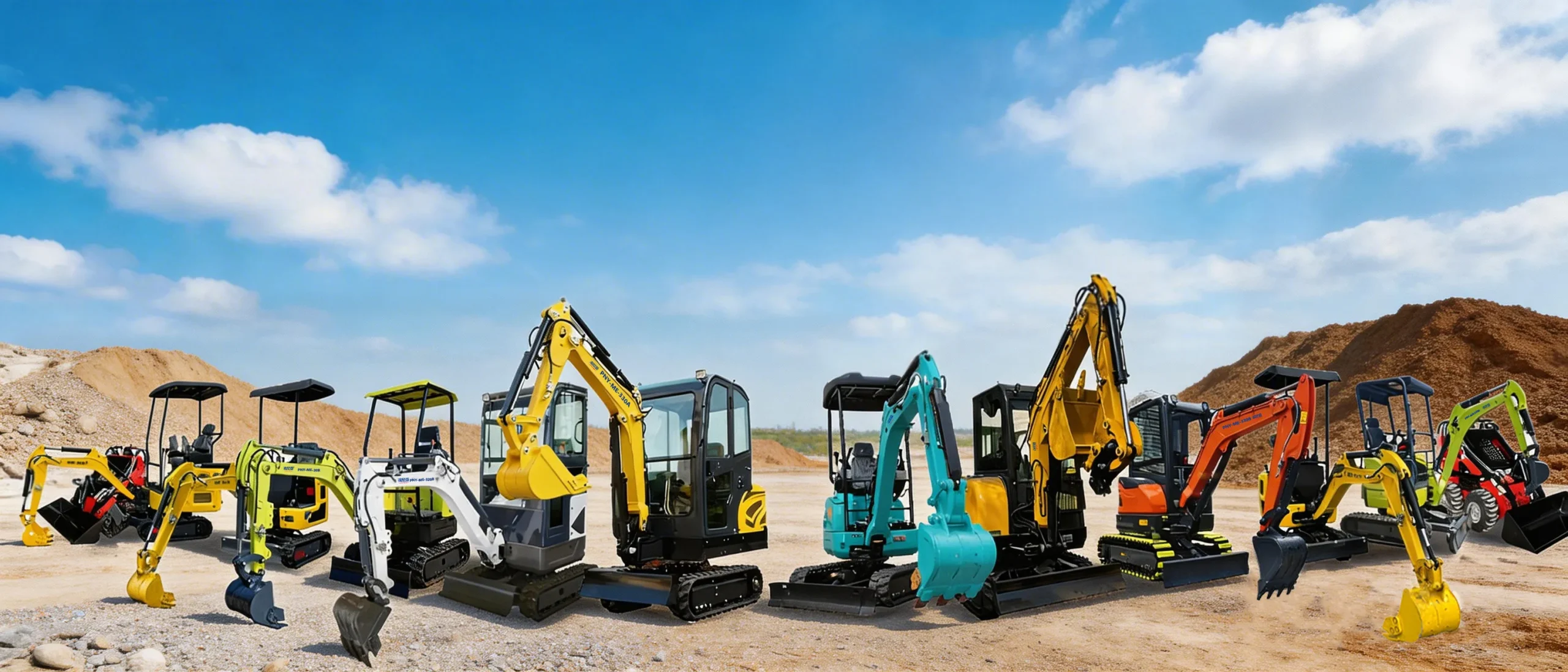
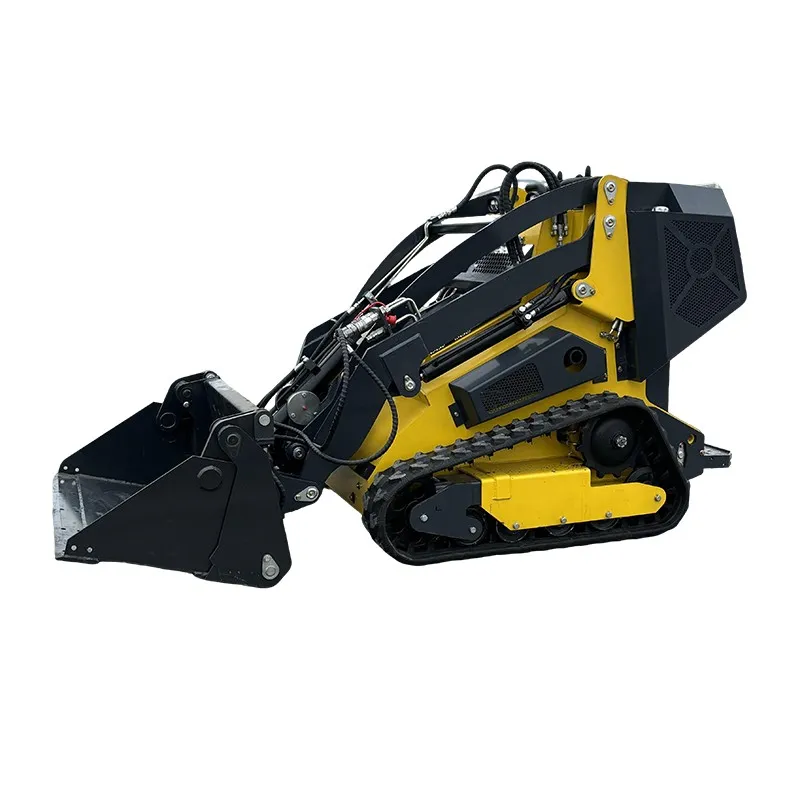
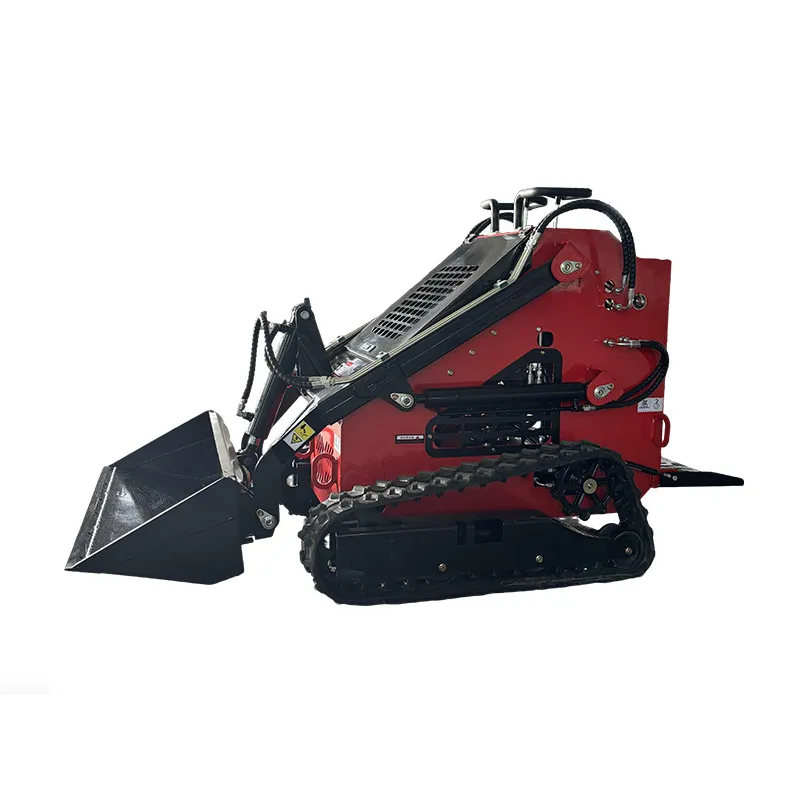
hydraulic loader
When most people hear 'hydraulic loader', they picture the big articulated arms on a tractor or a skid steer. That's not wrong, but it's a starting point that misses the nuance. The real story isn't just about lifting capacity or bucket curl; it's about the system's feel, its response under uneven load, and how the hydraulics manage heat during a ten-hour shift. I've seen too many operations choose a machine based purely on paper specs, only to find the hydraulic loader bogs down or gets jerky when handling mixed materials like wet clay. The pump and valve configuration matters more than a glossy brochure lets on.
The Heart of the Machine: More Than Just Pressure
Everyone talks about PSI. Sure, system pressure is critical for breakout force. But the flow rate, measured in GPM or L/min, is what dictates speed. A high-pressure, low-flow system might have immense power but moves like molasses. I recall a project where we retrofitted an older wheel loader with a new variable displacement pump. The goal was better efficiency. The factory specs looked great, but on-site, the operator complained about a slight lag when transitioning from lifting to dumping. It wasn't a defect; it was the characteristic of that particular pump's control logic. We adjusted the spool valve's damping orifices—a tiny, almost imperceptible modification—and it changed the entire machine's personality. That's the kind of detail you only learn by getting your hands dirty.
Then there's heat. Hydraulic fluid overheating is a silent killer. On a job in Australia, running a hydraulic loader on a quarry face in 45-degree Celsius heat, we saw temps spike. The reservoir was undersized for the ambient conditions and continuous cycling. The fix wasn't a bigger cooler alone; we had to look at the circuit. Were there unnecessary pressure drops causing energy to convert to heat? Was the fluid viscosity grade wrong for that climate? It became a systems problem. You start tracing lines, feeling for hot spots, listening for the relief valve chattering more than it should. This isn't textbook stuff; it's diagnostics based on smell, sound, and touch.
This is where component quality from the ground up makes a difference. I've followed companies that focus on this integrated systems approach. For instance, Shandong Pioneer Engineering Machinery Co., Ltd, which handles overseas trade, has built a reputation over two decades by understanding these systemic needs. They don't just ship a machine; they have to ensure the hydraulic system, from cylinders to hoses, is specified for the target market's duty cycles and climate. A loader destined for Canada's winters needs a different fluid and seal kit than one for the Middle East. Their relocation and expansion in 2023 likely speaks to refining this build and test process, ensuring that the hydraulic loader systems they export are validated for real conditions, not just a test bench.
Control Feel: The Operator's Unspoken Language
You can have the most powerful system in the world, but if the controls are numb or overly sensitive, productivity plummets. Modern joysticks with pilot-operated controls are standard, but the tuning is an art. There's a feedback loop between the joystick's movement, the pilot pressure it generates, and the main valve's spool shift. Too aggressive, and the bucket becomes twitchy, spilling material. Too soft, and the operator fights fatigue.
I made a mistake once, early on, recommending a brand known for soft controls for a precision grading application. I thought smoothness was key. The operator hated it. He said he couldn't feel the load. He wanted a more direct, mechanical feedback through the lever, something that told him when the bucket was hitting resistance. We switched to a different valve block with a different feedback mechanism. It was a lesson: the operator's interface is part of the hydraulic circuit. Their hand is a sensor.
This extends to load-sensing systems now common on advanced models. In theory, they're brilliant—matching flow and pressure to demand. But when they fail, diagnostics are a nightmare. It's not a blown hose; it's a degraded compensator spring or a clogged sense line. I remember troubleshooting one where the loader would just stall when trying to lift and turn simultaneously. The load-sensing pump couldn't keep up with the combined signal from the lift and steering circuits. The solution was recalibrating the priority valve to shunt just enough flow to steering without starving the lift. It's these intricate interactions that define a good hydraulic loader.
The Attachment Ecosystem: It's Not a Universal Port
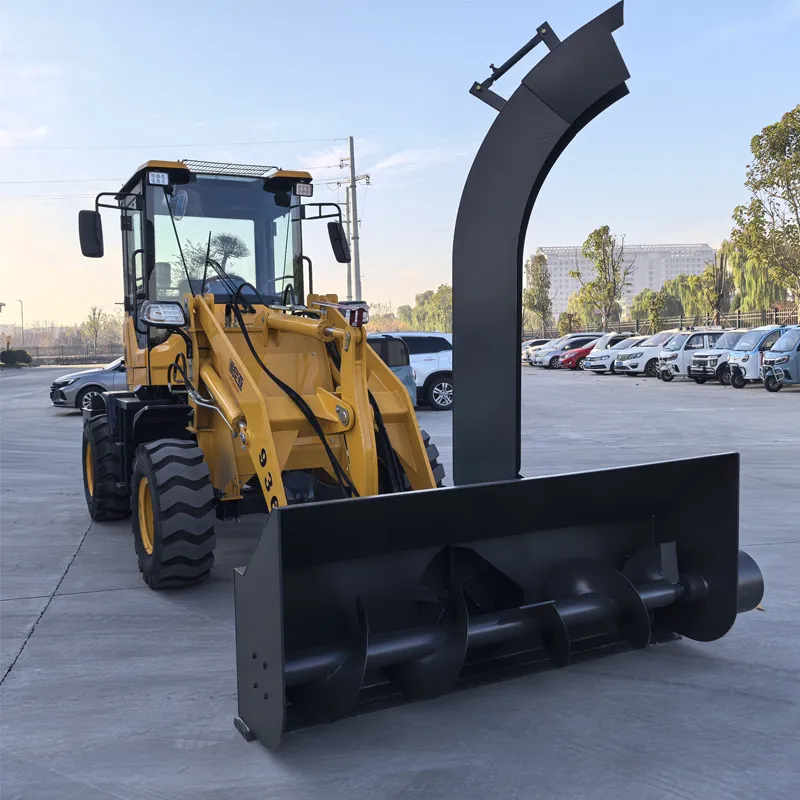
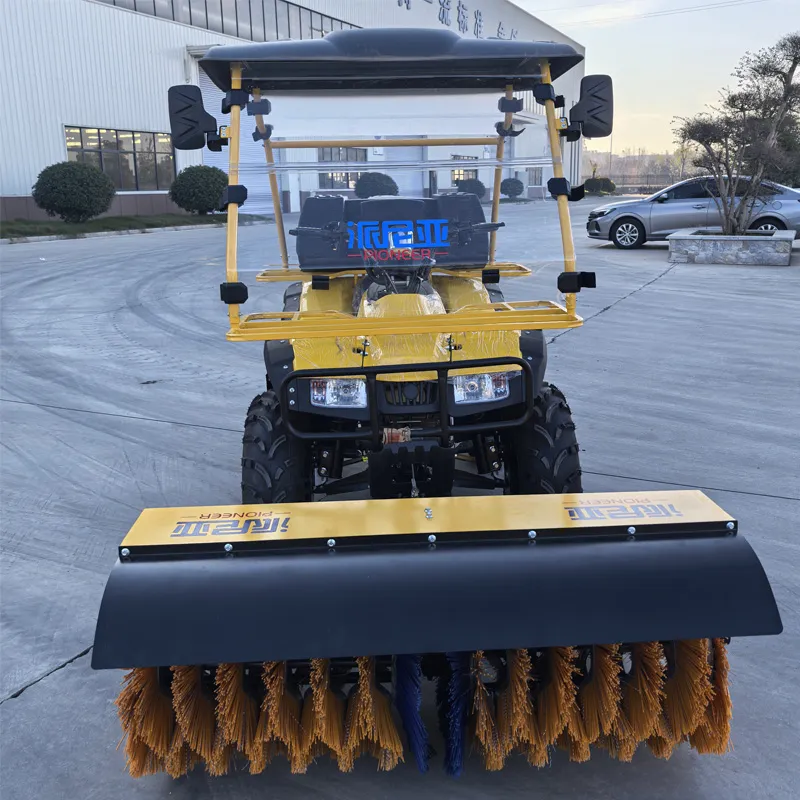
Quick couplers are a godsend, but they introduce their own hydraulic headaches. Every attachment—a grapple, a pallet fork, a snow blower—has its own flow and pressure requirements. Plugging a high-flow snow blower into a circuit designed for a standard bucket can drain system pressure, making the base machine feel anemic. I've seen auxiliary circuits on loaders that simply tee off the main lift circuit, which is a compromise at best.
A proper setup has a dedicated, pressure-compensated auxiliary circuit with its own control valve. Companies that build for a global attachment market, like those exporting through a trade entity such as Shandong Pioneer, have to design for this variability. Their machines might end up in Germany running a wood chip grapple or in the US running a trencher. The base hydraulic loader system needs robust, clean auxiliary ports with sufficient flow and filtration to protect sensitive attachment motors. It's a detail often overlooked in a purchase but critical for long-term versatility and reliability.
Failure point: quick-disconnect couplers. Contamination during attachment changes is the number one cause of downstream valve failures. A single grain of sand can score a valve spool. The ritual of flushing the couplers before connecting—a quick connect and disconnect to blow out debris—is non-negotiable, yet I see it skipped constantly. It's a simple habit that saves thousands in repairs.
Real-World Endurance: Where Specs Meet Dirt
Durability testing on a paved yard is one thing. The real test is in a demolition site full of rebar and concrete dust, or a logging yard with sap and grit. Hydraulic hoses are vulnerable. Abrasion from rubbing against frames is a common failure. I've adopted the practice of wrapping hoses in spiral wrap or rerouting them entirely on new machines before they even go to work, based on where I've seen wear patterns before.
Cylinder rod seals are another. A rod exposed to constant abrasion from particulate matter will quickly damage the seal, leading to leaks. Some manufacturers offer rod wipers or bellows boots as standard; on others, it's an add-on worth its weight in gold. When you see a company's products, like those from the Shandong Hexin manufacturing side that supplies the trade company, consistently reaching markets with high regulatory and durability standards (think Germany or Australia), it implies a build quality that accounts for these real-world ingress points. Their 20-year development suggests a process of iterating based on field feedback, not just CAD models.
The final point is maintenance accessibility. Can you easily check the hydraulic fluid level? Is the filter in a spot where it can be changed without a struggle? Are the test ports for pressure gauges readily available? A well-designed hydraulic loader has these service points in mind. The best machines I've worked on feel like they were designed by someone who also had to service them on a rainy Tuesday afternoon.
Looking Forward: Efficiency and the Electric Nudge
The conversation is shifting to efficiency. Not just fuel economy, but hydraulic efficiency. Variable speed drives running hydraulic pumps are entering the market, decoupling the engine RPM from pump flow. It's promising, but adds complexity. The reliability of the power electronics in dusty, vibrating environments is an open question we're all watching.
Then there's the elephant in the room: electric machines. A full-electric hydraulic loader essentially uses an electric motor to drive the same hydraulic pumps. It removes the diesel engine but keeps the familiar hydraulic actuators. It's a transitional technology. The next step is electro-hydraulic actuators (EHAs)—eliminating the central hydraulic system altogether. But for now, in heavy digging, the pure power density and robustness of hydraulics are hard to beat. The industry evolution will be gradual, a hybrid of old and new.
For now, the core principles remain. It's about a balanced system, thoughtful control, resilience against contamination, and serviceability. Whether it's a machine assembled in a factory in Ningyang County or operating on a farm in Canada, those principles translate. The difference between a machine that's just a tool and one that feels like an extension of the operator still lies in those details of the hydraulic system that you never see on a spec sheet. You have to run it, stress it, and fix it to truly know it.
Related Products
Related Products