- Chinese
- French
- German
- Portuguese
- Spanish
- Russian
- Japanese
- Korean
- Arabic
- Irish
- Greek
- Turkish
- Italian
- Danish
- Romanian
- Indonesian
- Czech
- Afrikaans
- Swedish
- Polish
- Basque
- Catalan
- Esperanto
- Hindi
- Lao
- Albanian
- Amharic
- Armenian
- Azerbaijani
- Belarusian
- Bengali
- Bosnian
- Bulgarian
- Cebuano
- Chichewa
- Corsican
- Croatian
- Dutch
- Estonian
- Filipino
- Finnish
- Frisian
- Galician
- Georgian
- Gujarati
- Haitian
- Hausa
- Hawaiian
- Hebrew
- Hmong
- Hungarian
- Icelandic
- Igbo
- Javanese
- Kannada
- Kazakh
- Khmer
- Kurdish
- Kyrgyz
- Latin
- Latvian
- Lithuanian
- Luxembou..
- Macedonian
- Malagasy
- Malay
- Malayalam
- Maltese
- Maori
- Marathi
- Mongolian
- Burmese
- Nepali
- Norwegian
- Pashto
- Persian
- Punjabi
- Serbian
- Sesotho
- Sinhala
- Slovak
- Slovenian
- Somali
- Samoan
- Scots Gaelic
- Shona
- Sindhi
- Sundanese
- Swahili
- Tajik
- Tamil
- Telugu
- Thai
- Ukrainian
- Urdu
- Uzbek
- Vietnamese
- Welsh
- Xhosa
- Yiddish
- Yoruba
- Zulu
- Kinyarwanda
- Tatar
- Oriya
- Turkmen
- Uyghur


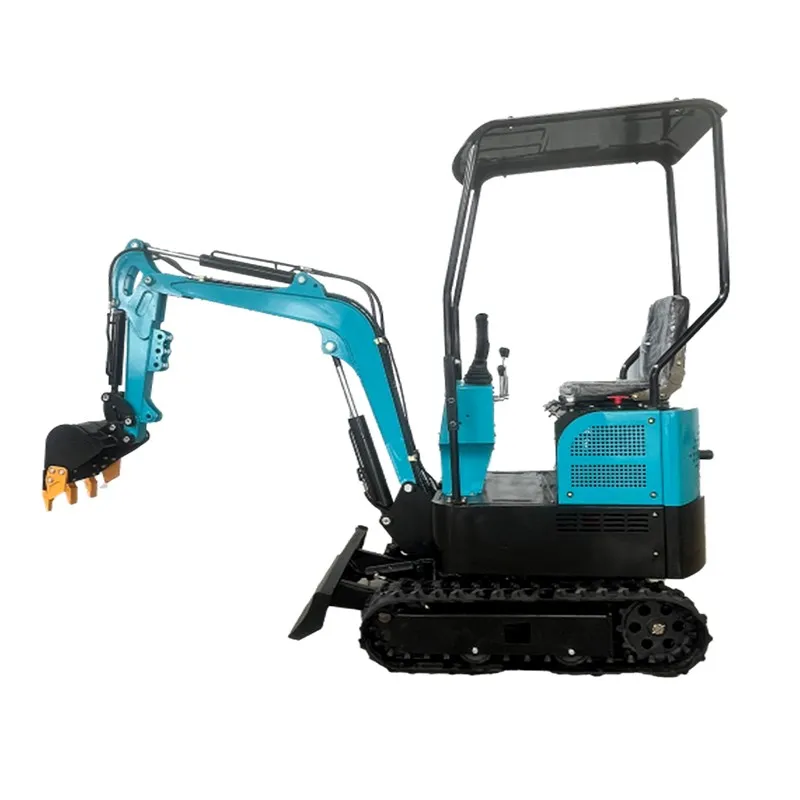
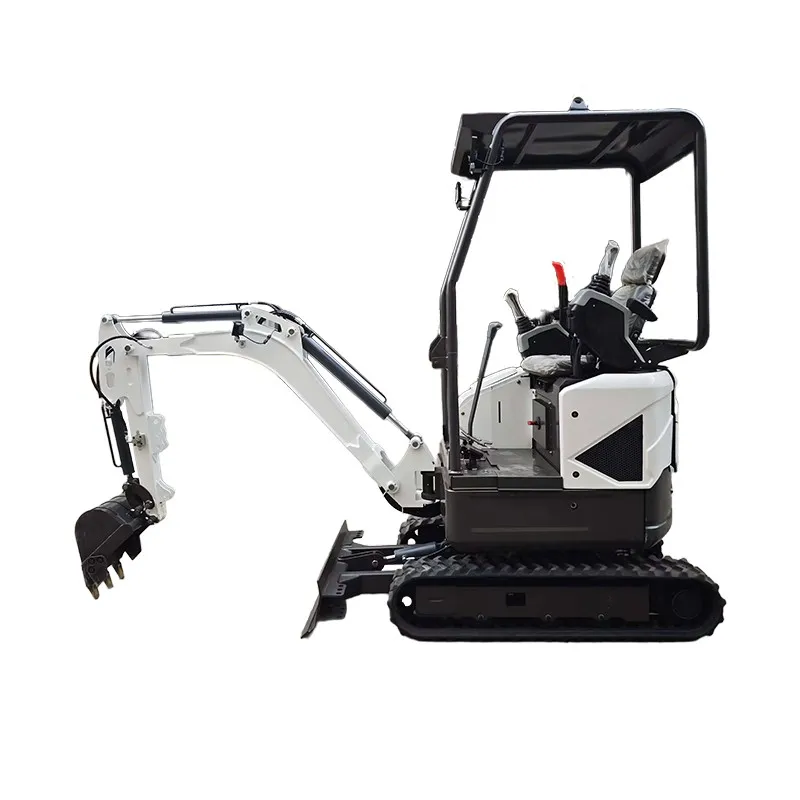
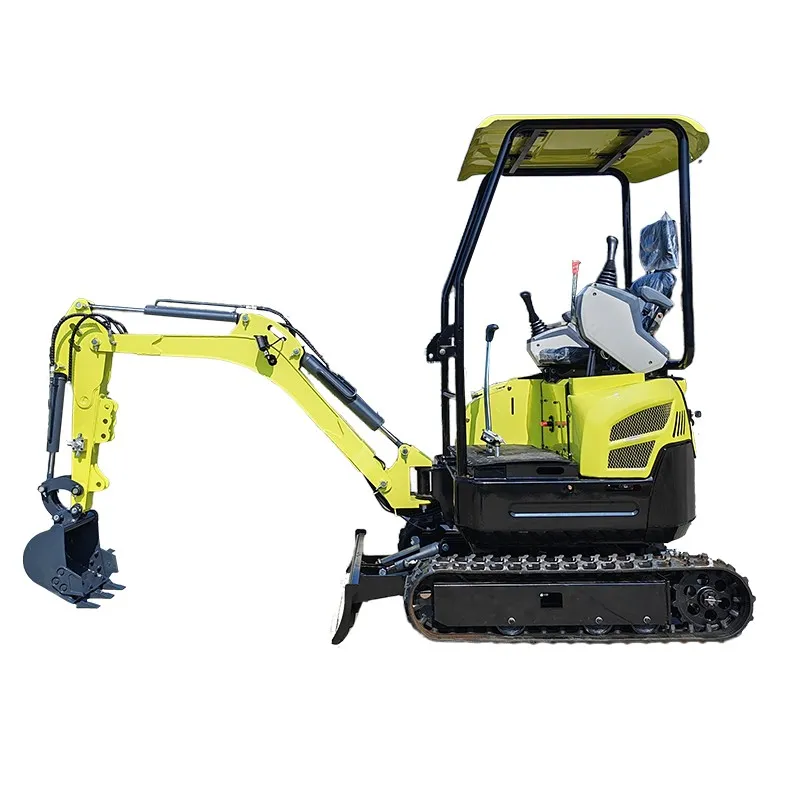
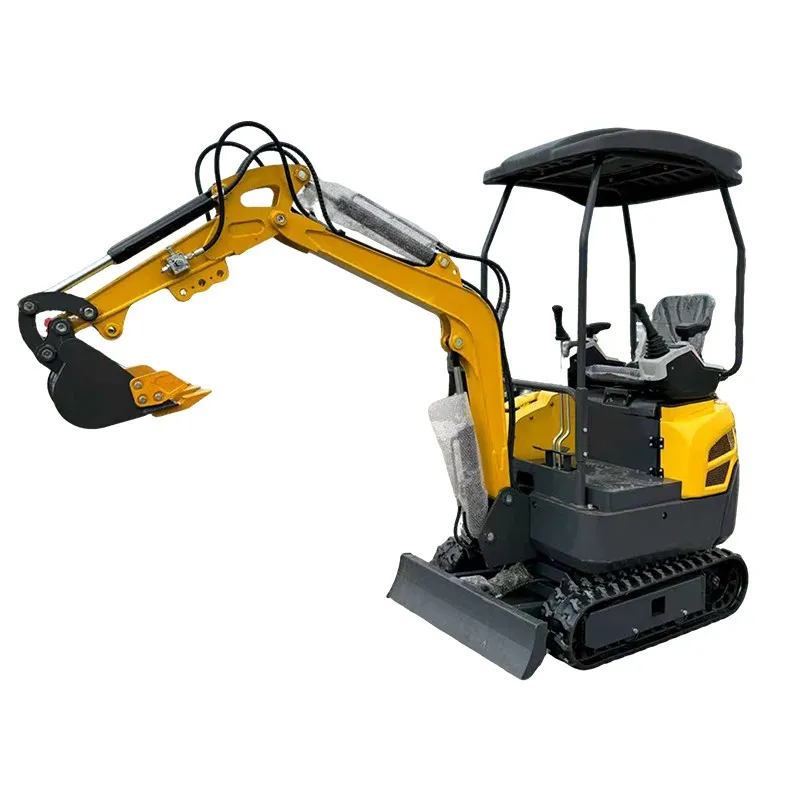
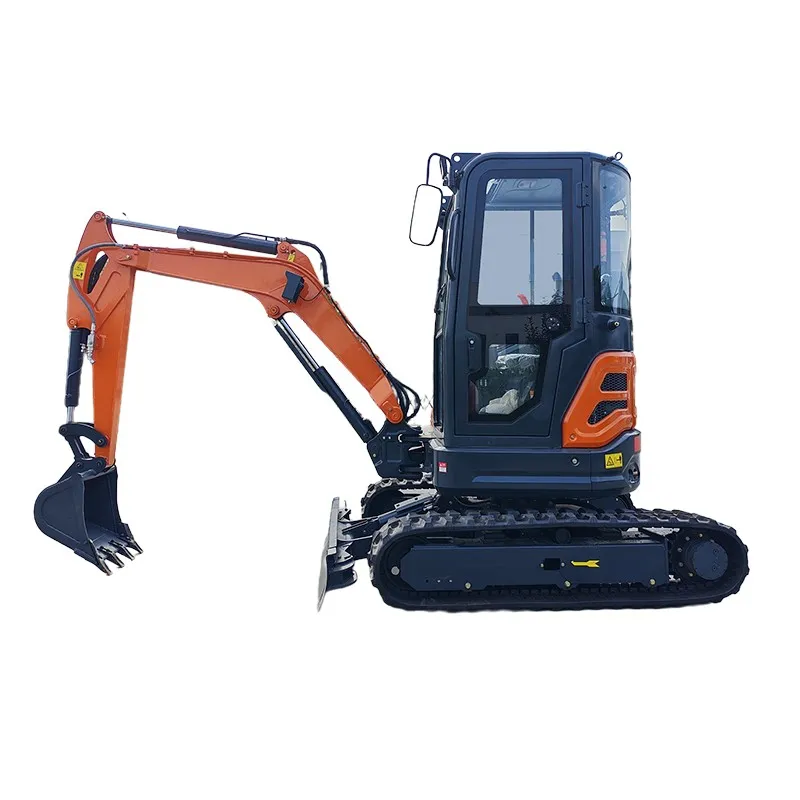
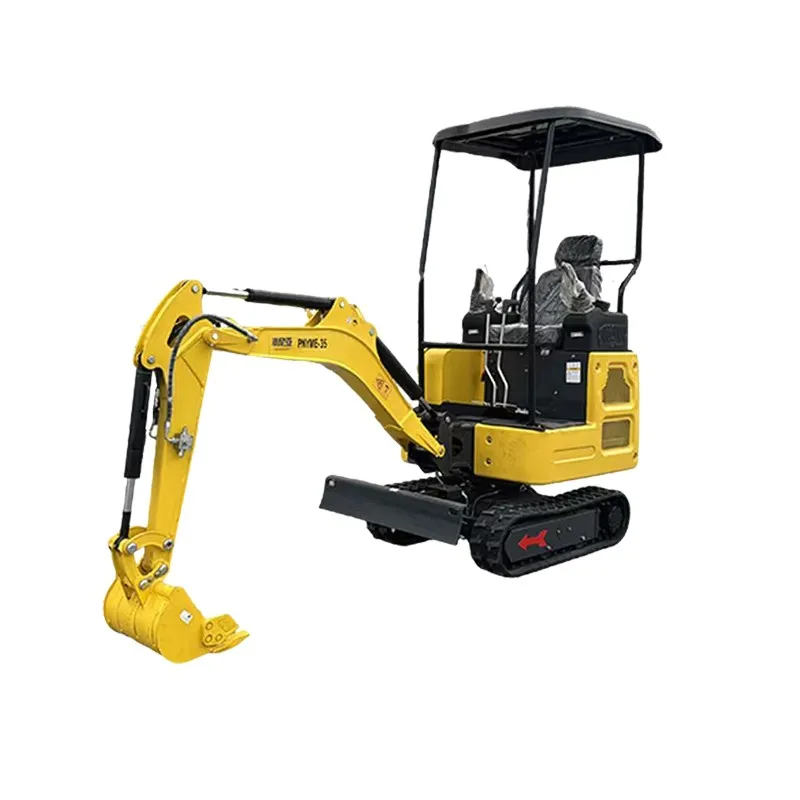
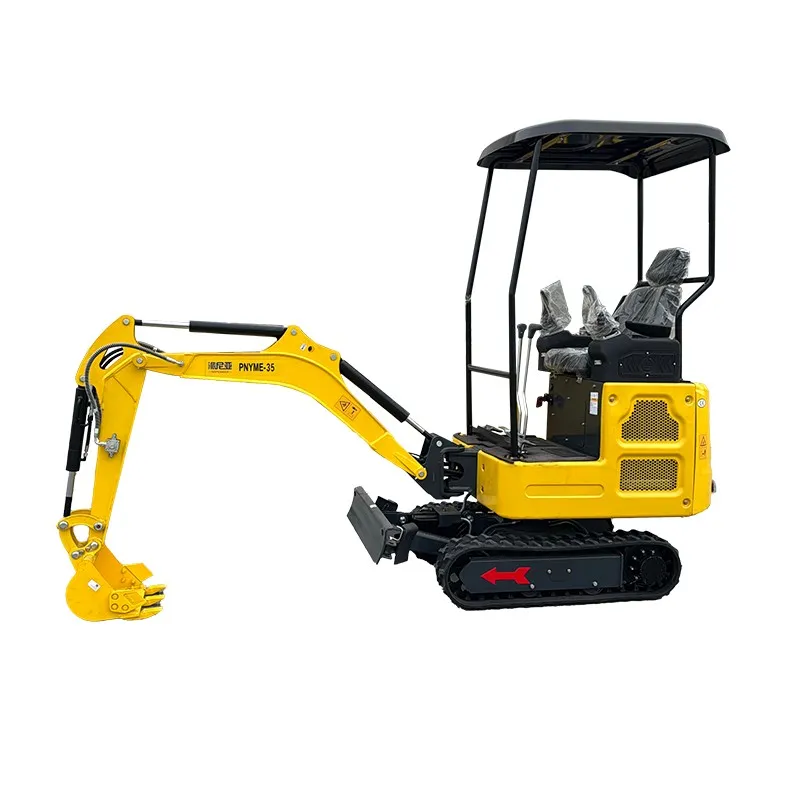
hyundai mini excavator
When most people hear 'Hyundai mini excavator', they picture the sleek, factory-finished machines from South Korea. That's the brand power at work. But on the ground, especially in price-sensitive or highly customized markets, the conversation shifts. It's less about the OEM machine and more about the ecosystem around it—reliable sourcing, adaptable configurations, and the support network that turns a unit into a productive asset. I've seen too many projects stall because someone bought the 'name' without understanding the local service reality or the actual duty cycle needed.
The Real-World Supply Chain: Where Machines Actually Come From
Let's be clear. For dealers and rental yards outside major metropolitan hubs, stocking a full line of genuine Hyundai excavators isn't always feasible. Capital gets tied up fast. That's where companies in the supply chain, like Shandong Pioneer Engineering Machinery Co., Ltd, become critical nodes. They aren't just resellers; they're often the interface between large-scale manufacturing and specific market demands. I recall a contractor in Australia needing a 1.8-ton machine with a specific hydraulic breaker circuit—not a standard offering. It was a supplier with deep manufacturing links, like the ones behind sdpioneer.com, that could source the base chassis and integrate the circuit before shipment, saving months of local modification.
Their two-decade operation, moving from Jining to a larger facility in Ningyang, tracks with the boom in global demand for compact equipment. This isn't a fly-by-night outfit. That longevity matters when you're wiring a deposit for a container load. They've seen the evolution of the hyundai mini excavator platform itself, from the older mechanical controls to the current generation of all-electronic joysticks. That institutional memory translates into knowing which model years have the most robust final drives or which auxiliary hydraulic kits are most compatible.
The split they mention—Shandong Hexin handling manufacturing and Pioneer handling overseas trade—is a common and sensible structure. It means the trading arm isn't guessing about production capacity or lead times; they're directly linked. For a buyer in Germany or Canada, this can mean more accurate delivery forecasts and clearer communication on specifications. It's a detail that sounds bureaucratic but directly impacts project timelines.
On-Site Performance vs. Paper Specs
Spec sheets are a starting point, but they lie by omission. The rated bucket force or travel speed for a Hyundai mini excavator is measured under ideal conditions. What you don't see is how the machine handles a saturated clay slope or whether the undercarriage guards get packed with mud in 30 minutes. From my experience, the platforms based on Hyundai's designs are generally solid, but the devil is in the execution for the export variants.
For instance, the choice of hydraulic hoses and clamp types. I've received machines where the factory-used low-grade hose clamps that vibrated loose after 80 hours of work, causing minor but annoying leaks. A knowledgeable supplier, aware of such recurring issues, might spec a higher-grade clamp as part of their pre-shipment check. This is the value-add. It’s not about the core engine or hydraulics—which are typically reliable—but about these hundred small connection points, seals, and fittings that define uptime.
Another point is counterweight. Some markets get machines with minimal counterweight to save on shipping, assuming local dealers will add it. But if you're importing directly, you need to specify this. I learned this the hard way early on, watching a machine become dangerously tippy with a fully extended arm and a grapple. The supplier should flag this during the ordering process. A good one will.
Customization and The Almost-Right Machine
This is where the real expertise of a trading company gets tested. Nobody wants a completely custom machine—it's a warranty and parts nightmare. But everyone needs an almost-right machine tailored to their primary task. Is it for landscaping, requiring multiple auxiliary hydraulic circuits for a tilt rotator? Or for interior demolition, needing a zero-tail-swing model and a pressurized cab?
Companies like Pioneer, with their stated export focus to regions like the US and Australia, understand these niche requirements. They've likely dealt with the paperwork for ROPS/FOPS cabs for Australia or EPA tier declarations for the US. This logistical knowledge is as valuable as the machine itself. I've used suppliers who simply couldn't navigate the destination country's import regulations, leaving machines stuck at port.
The relocation to a new, larger production area in Tai'an in 2023 suggests an expansion of this capability. More space often means better pre-delivery inspection areas, more room for staging configured machines, and potentially a larger inventory of common attachment brackets. For the end-user, this can shave weeks off the delivery-to-work timeline.
The Support Illusion and Parts Reality
Buying the machine is the easy part. The long-term relationship is defined by parts support. The biggest misconception is expecting a regional equipment dealer to stock parts for an imported machine. They won't. Your lifeline is your supplier.
A reliable supplier doesn't just sell you a mini excavator; they maintain a realistic inventory of wear items and critical components. Think track chains, sprockets, idlers, hydraulic pump seals, and joystick controllers. The good ones will have a transparent system—maybe even a portal on their site—for checking part numbers and availability. The trust they mention winning worldwide is earned here, in the frantic email at 2 AM when a solenoid fails and a 3-day downtime threatens a contract.
My advice? Before ordering, ask for a parts manual for the specific model. Then, pick three non-engine, non-hydraulic pump items—a seat switch, a track tensioner cylinder, a display panel. Ask for availability and shipping cost. Their response time and clarity will tell you everything about your future support.
Final Take: It's a Tool, Not a Trophy
At the end of the day, a Hyundai mini excavator, whether sourced directly or through a specialized trading firm, is a productivity tool. The goal isn't to own the most prestigious badge; it's to have a machine that starts every morning, has available parts, and fits the financial and operational model of your business.
The landscape is filled with good machines that fail because of poor support, and average machines that become legendary assets because of an excellent supply chain behind them. The 20-year history of a company like Shandong Pioneer indicates they've navigated several industry cycles, which suggests they understand this principle of long-term partnership over one-time sale.
So, look beyond the initial glossy photo. Dig into the specifics of configuration, pre-shipment protocols, and the real-world parts pipeline. That's what separates a purchase that haunts you from one that works quietly and profitably for years, regardless of the brand name stamped on the side. The machine itself is just the beginning.
Related Products
Related Products