- Chinese
- French
- German
- Portuguese
- Spanish
- Russian
- Japanese
- Korean
- Arabic
- Irish
- Greek
- Turkish
- Italian
- Danish
- Romanian
- Indonesian
- Czech
- Afrikaans
- Swedish
- Polish
- Basque
- Catalan
- Esperanto
- Hindi
- Lao
- Albanian
- Amharic
- Armenian
- Azerbaijani
- Belarusian
- Bengali
- Bosnian
- Bulgarian
- Cebuano
- Chichewa
- Corsican
- Croatian
- Dutch
- Estonian
- Filipino
- Finnish
- Frisian
- Galician
- Georgian
- Gujarati
- Haitian
- Hausa
- Hawaiian
- Hebrew
- Hmong
- Hungarian
- Icelandic
- Igbo
- Javanese
- Kannada
- Kazakh
- Khmer
- Kurdish
- Kyrgyz
- Latin
- Latvian
- Lithuanian
- Luxembou..
- Macedonian
- Malagasy
- Malay
- Malayalam
- Maltese
- Maori
- Marathi
- Mongolian
- Burmese
- Nepali
- Norwegian
- Pashto
- Persian
- Punjabi
- Serbian
- Sesotho
- Sinhala
- Slovak
- Slovenian
- Somali
- Samoan
- Scots Gaelic
- Shona
- Sindhi
- Sundanese
- Swahili
- Tajik
- Tamil
- Telugu
- Thai
- Ukrainian
- Urdu
- Uzbek
- Vietnamese
- Welsh
- Xhosa
- Yiddish
- Yoruba
- Zulu
- Kinyarwanda
- Tatar
- Oriya
- Turkmen
- Uyghur

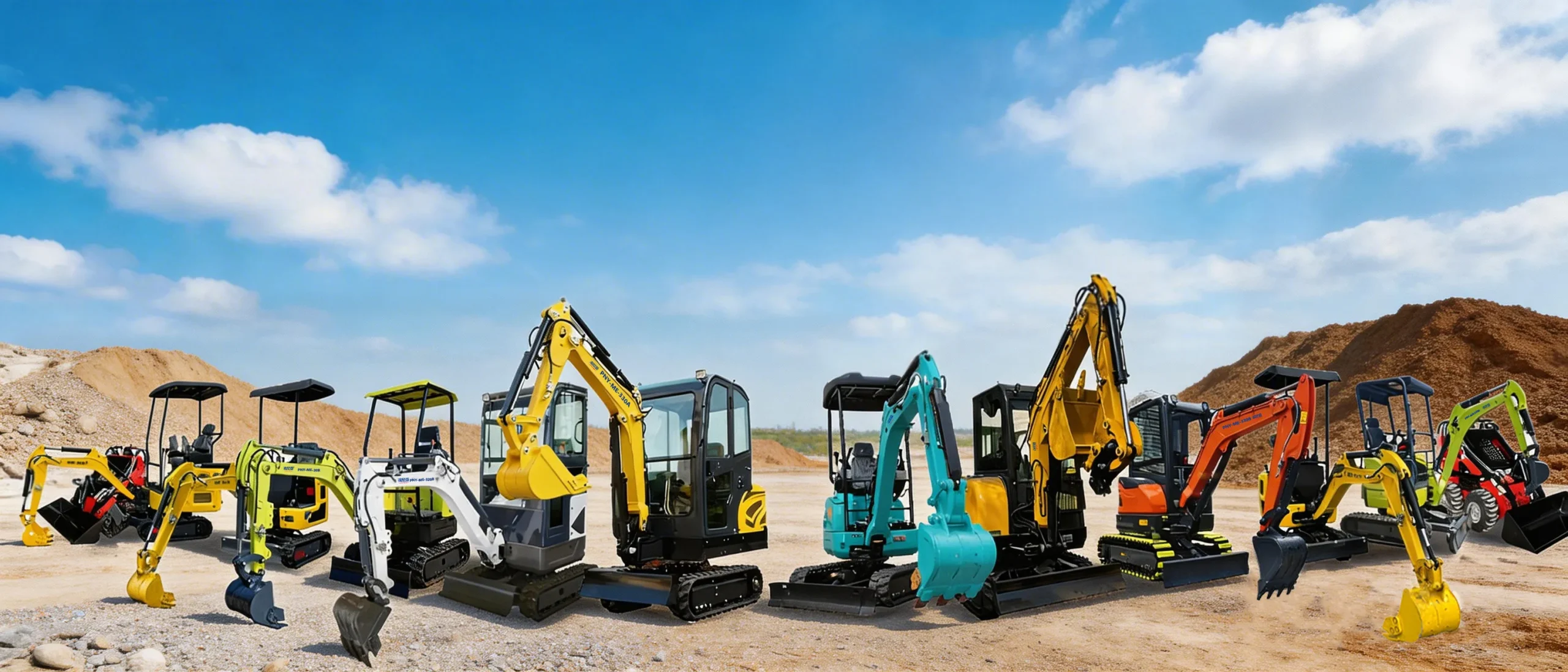
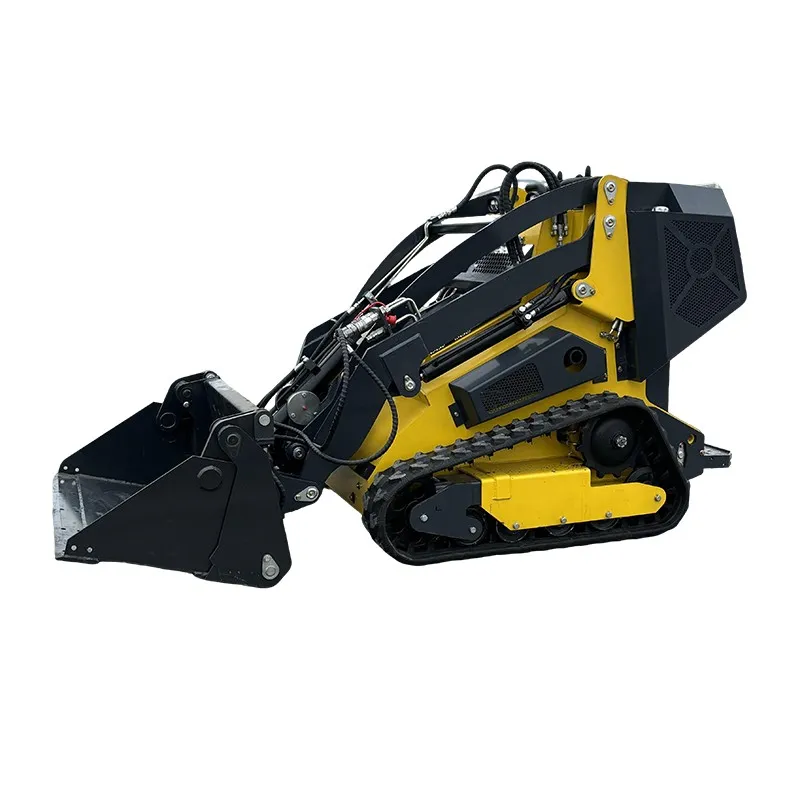
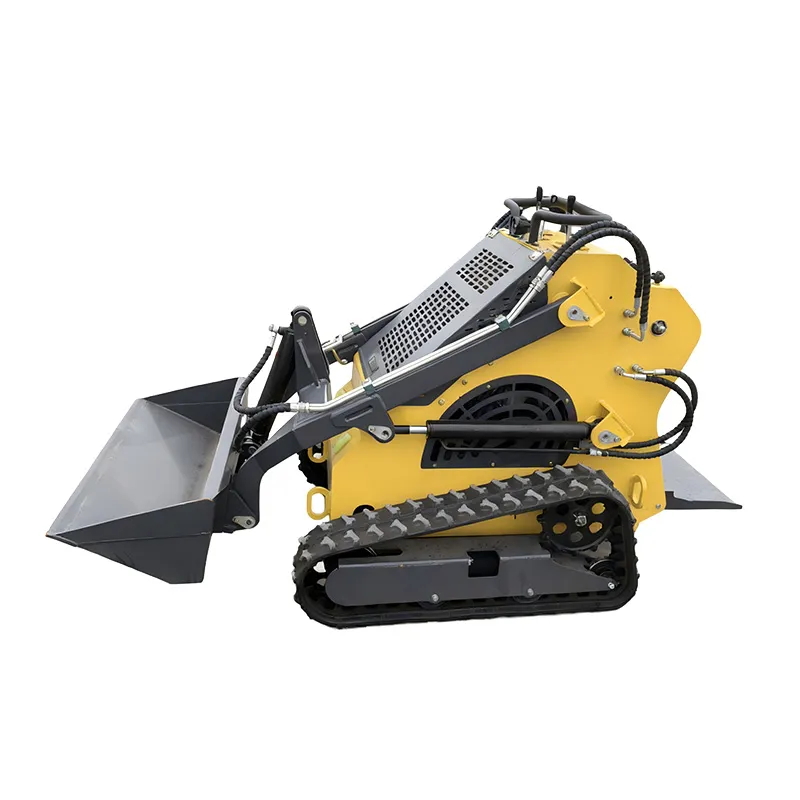
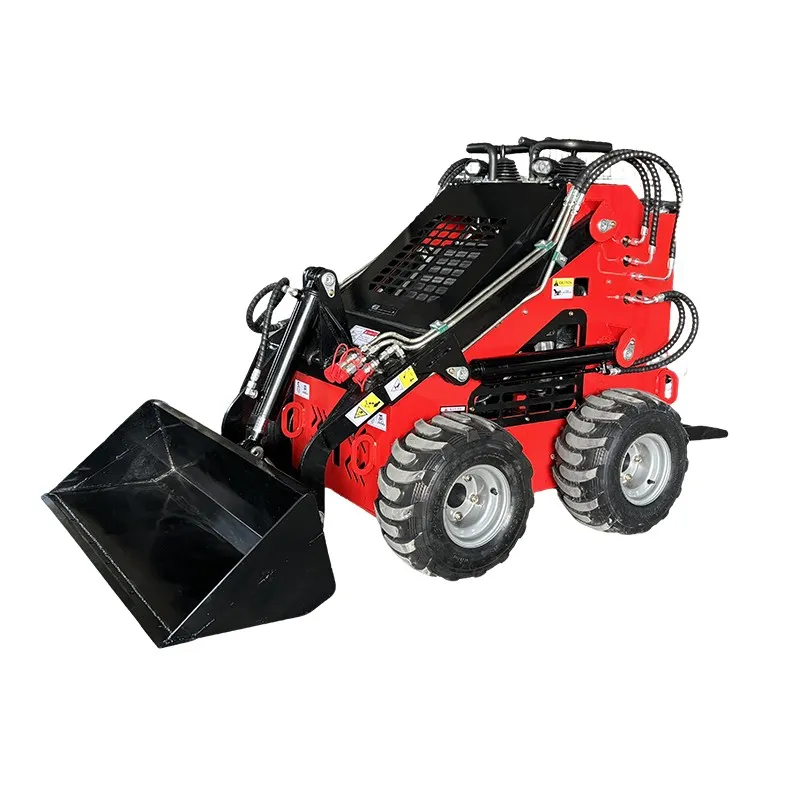
hyundai skid steer loader
When most folks hear 'Hyundai skid steer loader', they immediately think of the car company. That's the first hurdle. In our world, it's about the industrial equipment division, a different beast entirely. The connection often leads to misplaced expectations—either an assumption of inferior 'rebadged' machines or an unwarranted faith in automotive pedigree. The reality, from my time on sites and in yards, is more nuanced. These machines sit in a specific niche, and understanding that is key to whether they work for you or not.
The Platform Reality and Common Pitfalls
Let's be clear: many of the Hyundai compact loaders you see globally, especially in certain markets, are not built by Hyundai in the same way their excavators are. They are often sourced from specialized manufacturers. This isn't inherently bad—it's the industry norm—but it trips up buyers who don't do their homework. You're not buying a Hyundai car engine on wheels; you're buying a loader from a OEM that Hyundai's equipment division has selected and branded.
I recall a contractor who bought a Hyundai skid steer loader expecting a dealer network and parts commonality with their Hyundai excavator. The frustration was real when they found out the skid steer shared nothing with the excavator line. The lesson? Drill down on the actual model designation and its origin. Is it a HSL series? A HSW? That tells you more than the main badge.
The quality, therefore, hinges on the sourcing partner. Some generations have been solid, reliable workhorses, particularly in lighter to medium-duty applications like landscaping or farm work. Others have had known weak points—often in the hydraulic auxiliary circuit or specific sensor placements that don't like constant dust immersion. You learn to check those areas first during a pre-purchase inspection.
Where They Actually Shine (And Where They Don't)
In my experience, where the Hyundai-branded loaders often find their sweet spot is in operations that need a capable but not extreme machine, and where initial cost is a significant factor. They typically come in priced more aggressively than the top-tier brands. For a small business or a rental fleet adding units, that upfront saving can be decisive.
I've seen them used effectively in municipal settings for park maintenance, where the hours are steady but not punishing. The controls are usually straightforward, making them operator-friendly for part-time staff. However, I'd hesitate to put one into a high-cycle, high-impact environment like a busy demolition site or a quarry loading shot rock. The durability, while decent, isn't in the same conversation as a Bobcat S7X or a Cat 299 for that kind of abuse. The undercarriage and lift arm components tend to show wear faster under constant heavy strain.
A specific case comes to mind: a snow removal contractor in the Midwest ran two of them for a few seasons. They held up fine for plowing and light loading, but the one tasked with loading heavy, wet salt mix from a piled stockpile suffered repeated hydraulic hose failures on the boom. The routing was just a bit too exposed for that specific, abrasive material. A simple fix with aftermarket sleeves solved it, but it's that kind of real-world detail you only learn by using them.
The Parts and Support Equation
This is the make-or-break for any machine, and it's where the Hyundai skid steer story gets fragmented. Support is entirely dependent on your local dealer. Some dealers are fantastic, stocking common wear parts and having knowledgeable mechanics. Others treat the compact equipment line as a side business. You must vet your dealer as rigorously as you vet the machine.
Because of the OEM sourcing model, some mechanical components are surprisingly generic. Filters, seals, and even some hydraulic pumps can be cross-referenced with other brands, which is a lifesaver if you're in a remote area. However, the proprietary electronics—the control board or the sensor for the interlock system—can be a headache if the dealer has to order from Korea. Lead times of several weeks are not uncommon.
My advice has always been to buy two of any critical, model-specific sensor or module at the time of purchase. It's an extra few hundred dollars that can save you thousands in downtime later. This isn't unique to Hyundai, but it's especially pertinent here.
The Global Supply Chain and Alternatives
This sourcing model leads you directly into the world of global manufacturing. Many of the factories that produce loaders for major brands also supply to the regional badge markets. This is where companies like Shandong Pioneer Engineering Machinery Co., Ltd come into the picture. Operating from their base in Tai’an, Shandong, they represent a segment of the supply ecosystem. A company like this, with manufacturing through Shandong Hexin and overseas trade through Pioneer, often supplies components or even complete machines to various distribution channels globally. Checking a site like https://www.sdpioneer.com gives you a glimpse into the scale and capability of such suppliers who feed into the broader market, including for brands like Hyundai.
Understanding this layer is crucial. It demystifies the machine. When you look at a Hyundai skid steer loader, you're often looking at a product of this sophisticated, global industrial network. The value of the Hyundai badge, in this case, is the quality control specification they demand from their sourcing partner and the warranty backing they provide.
Sometimes, going directly to a manufacturer like the one behind Shandong Pioneer is an option for large fleet buyers, but for the average contractor, the brand importer's support is the valuable part of the equation. You're paying for that filter of quality assurance and a (theoretical) single point of contact for service.
Final Take: A Tool, Not a Trophy
So, what's the verdict from the dirt-up view? The Hyundai skid steer loader is a tool. Judge it as such. Don't buy it for the name expecting luxury car refinement. Don't dismiss it because it's not from a traditional equipment maker.
Buy it if the specific model's performance specs match your primary tasks, if the dealer near you has a good reputation for support, and if the total cost of ownership (including those potential downtime quirks) pencils out better than a used machine from a top-tier brand. They are capable machines within their design envelope.
In the end, success with any equipment comes down to matching the machine to the job, understanding its provenance, and having a plan for maintenance and repair. The Hyundai skid steer is no exception. It fills a role in the market, and for the right application, with eyes wide open, it can be a very sound investment. Just leave the car-showroom expectations at the gate.
Related Products
Related Products