- Chinese
- French
- German
- Portuguese
- Spanish
- Russian
- Japanese
- Korean
- Arabic
- Irish
- Greek
- Turkish
- Italian
- Danish
- Romanian
- Indonesian
- Czech
- Afrikaans
- Swedish
- Polish
- Basque
- Catalan
- Esperanto
- Hindi
- Lao
- Albanian
- Amharic
- Armenian
- Azerbaijani
- Belarusian
- Bengali
- Bosnian
- Bulgarian
- Cebuano
- Chichewa
- Corsican
- Croatian
- Dutch
- Estonian
- Filipino
- Finnish
- Frisian
- Galician
- Georgian
- Gujarati
- Haitian
- Hausa
- Hawaiian
- Hebrew
- Hmong
- Hungarian
- Icelandic
- Igbo
- Javanese
- Kannada
- Kazakh
- Khmer
- Kurdish
- Kyrgyz
- Latin
- Latvian
- Lithuanian
- Luxembou..
- Macedonian
- Malagasy
- Malay
- Malayalam
- Maltese
- Maori
- Marathi
- Mongolian
- Burmese
- Nepali
- Norwegian
- Pashto
- Persian
- Punjabi
- Serbian
- Sesotho
- Sinhala
- Slovak
- Slovenian
- Somali
- Samoan
- Scots Gaelic
- Shona
- Sindhi
- Sundanese
- Swahili
- Tajik
- Tamil
- Telugu
- Thai
- Ukrainian
- Urdu
- Uzbek
- Vietnamese
- Welsh
- Xhosa
- Yiddish
- Yoruba
- Zulu
- Kinyarwanda
- Tatar
- Oriya
- Turkmen
- Uyghur


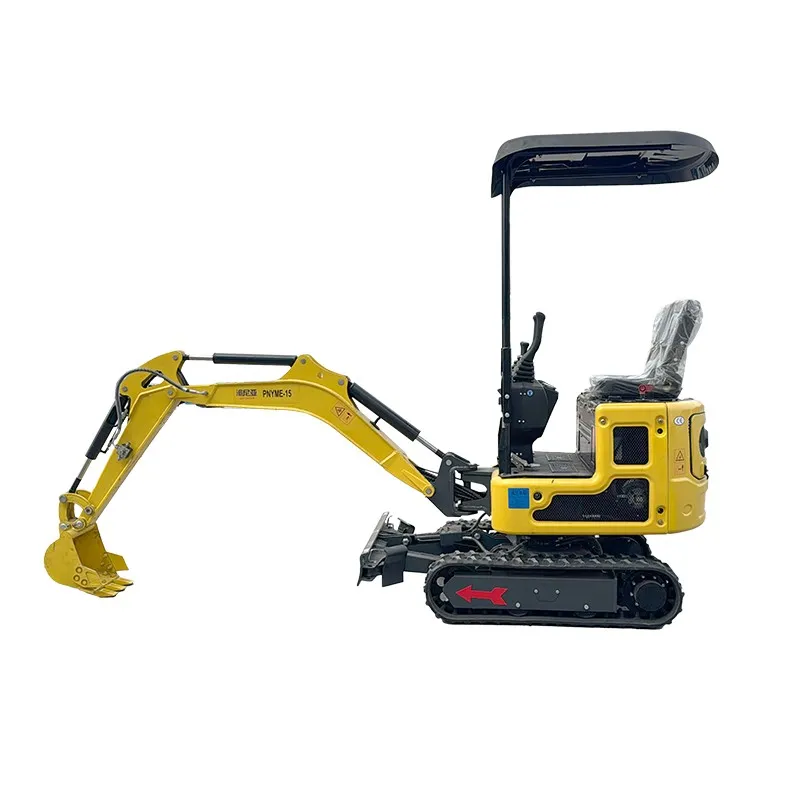
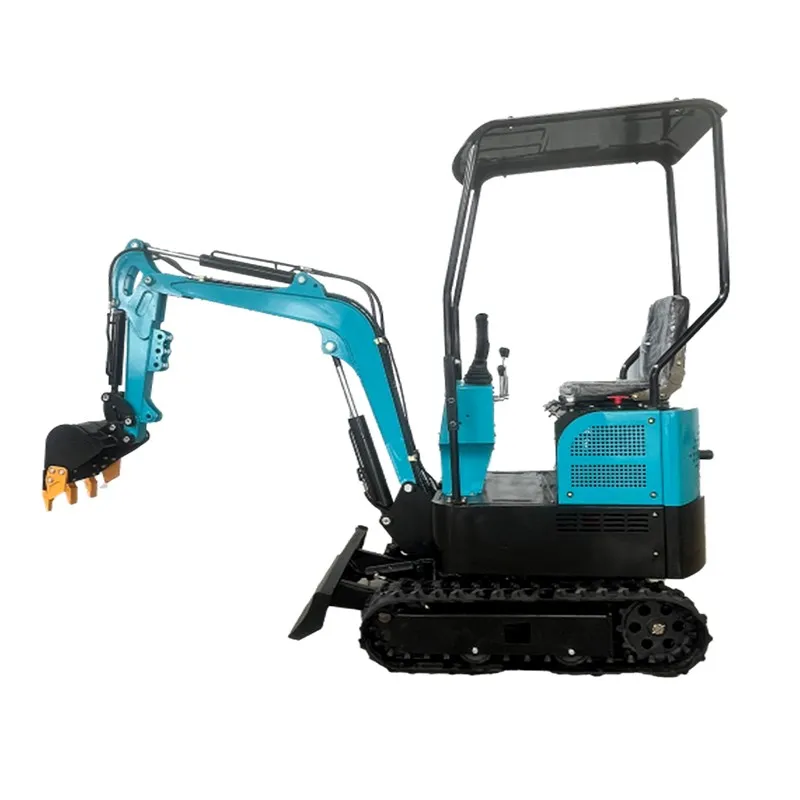
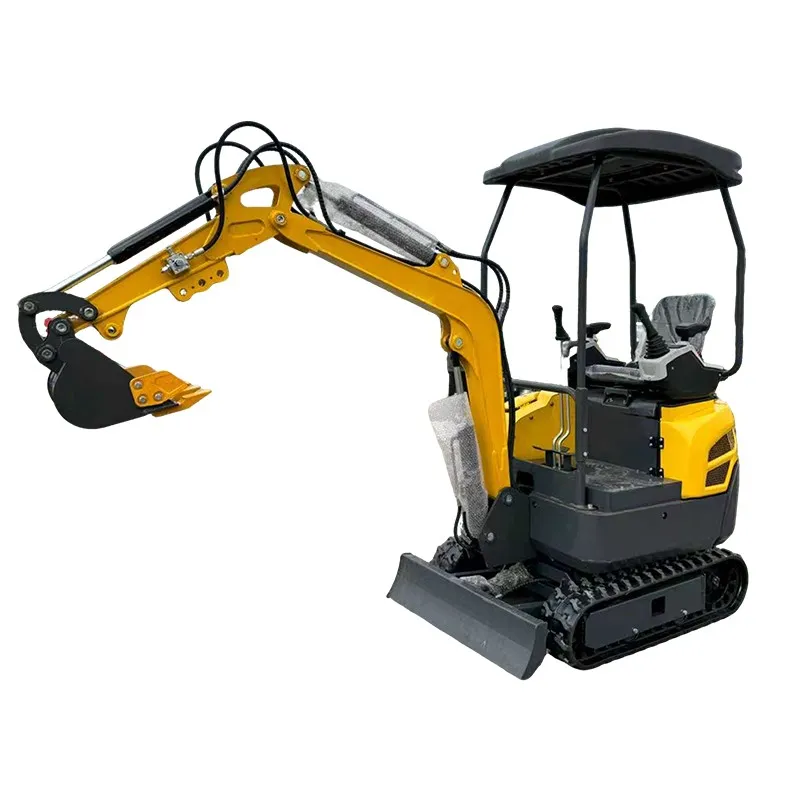
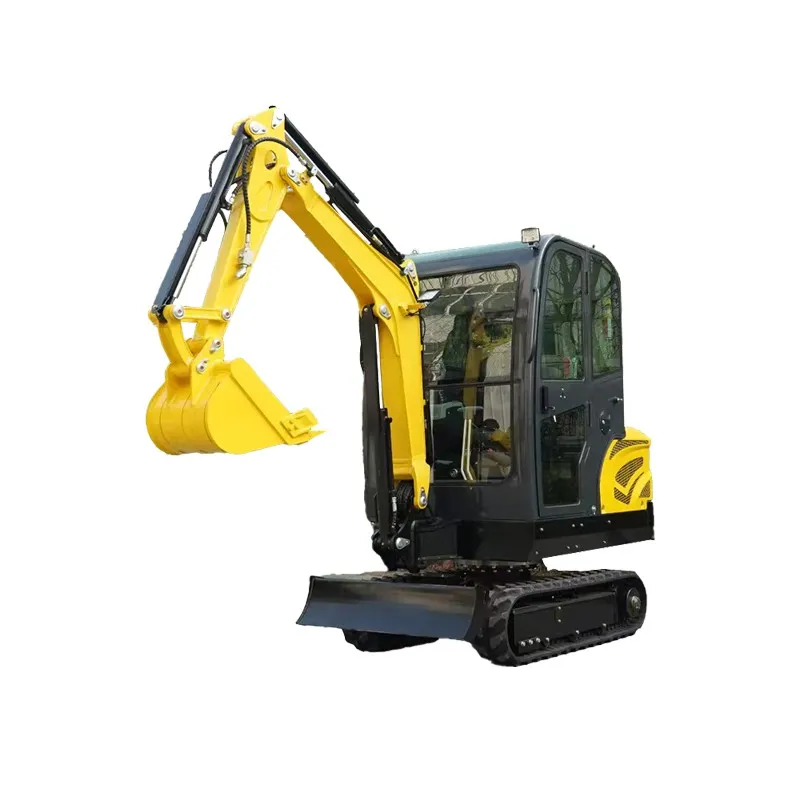
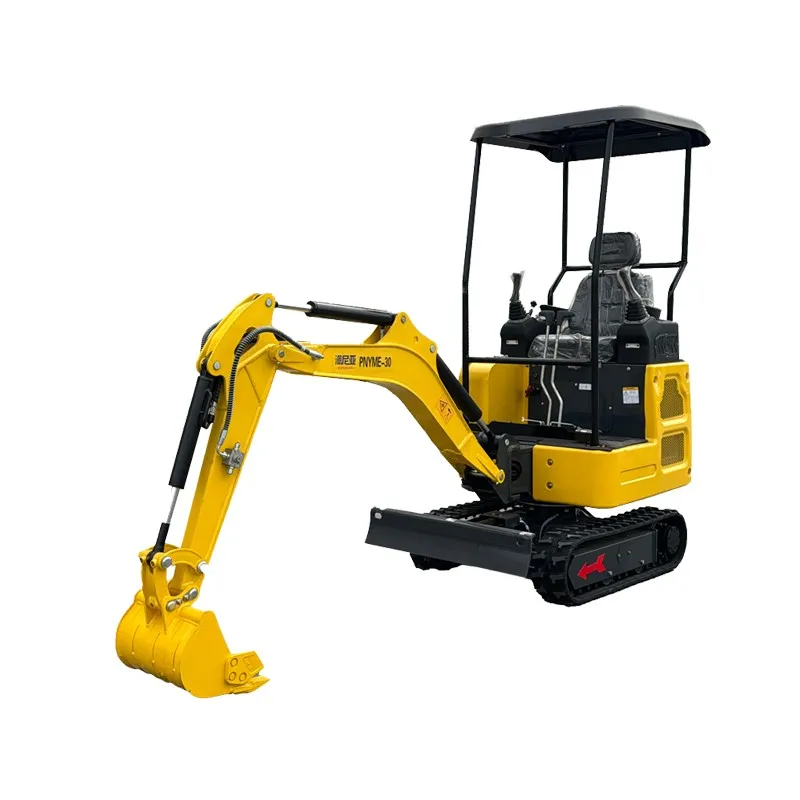
Industrial Mini Excavator
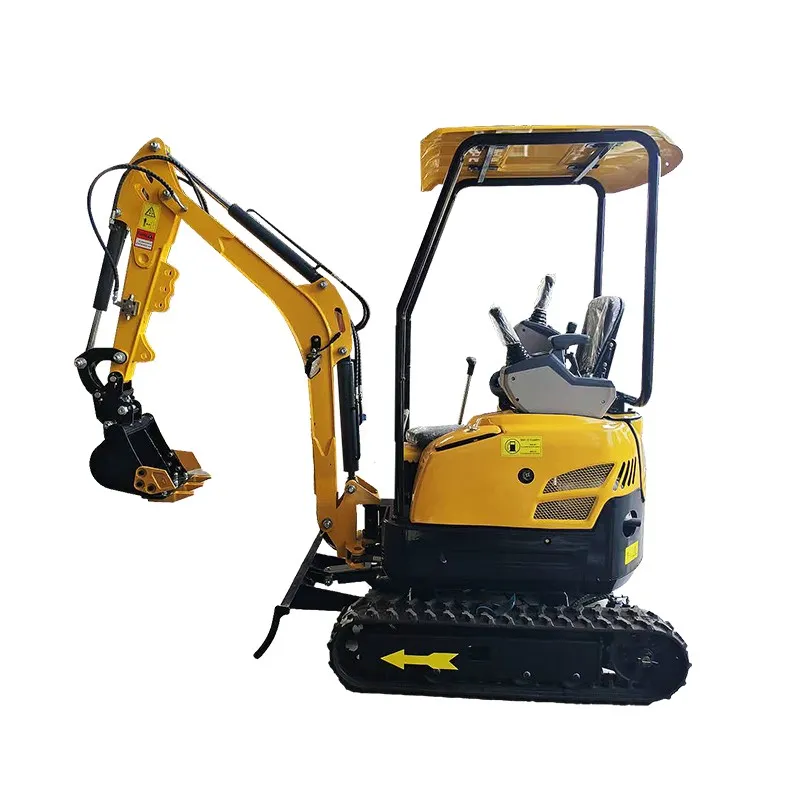
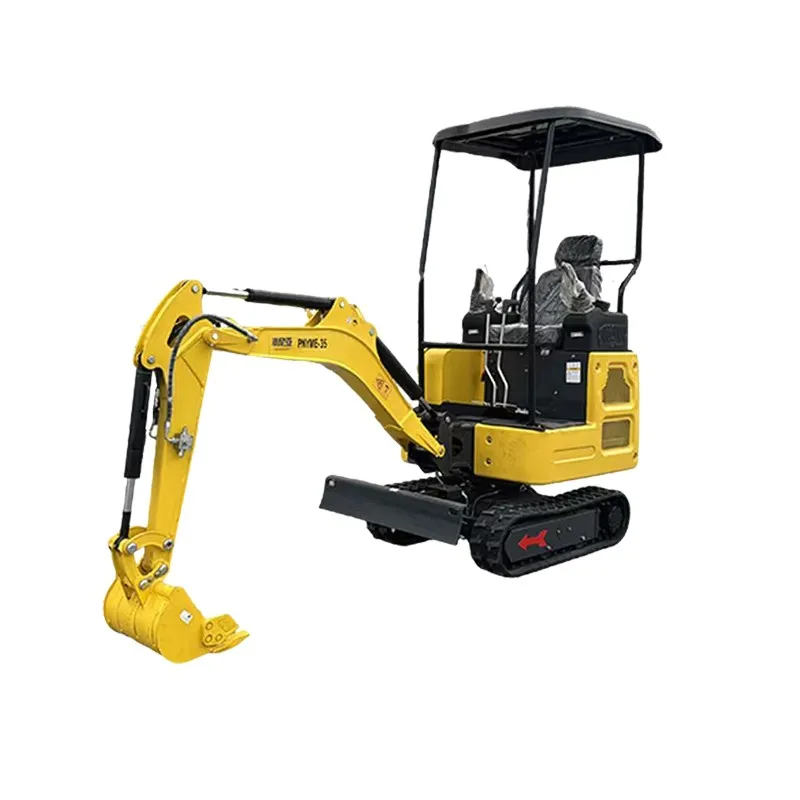
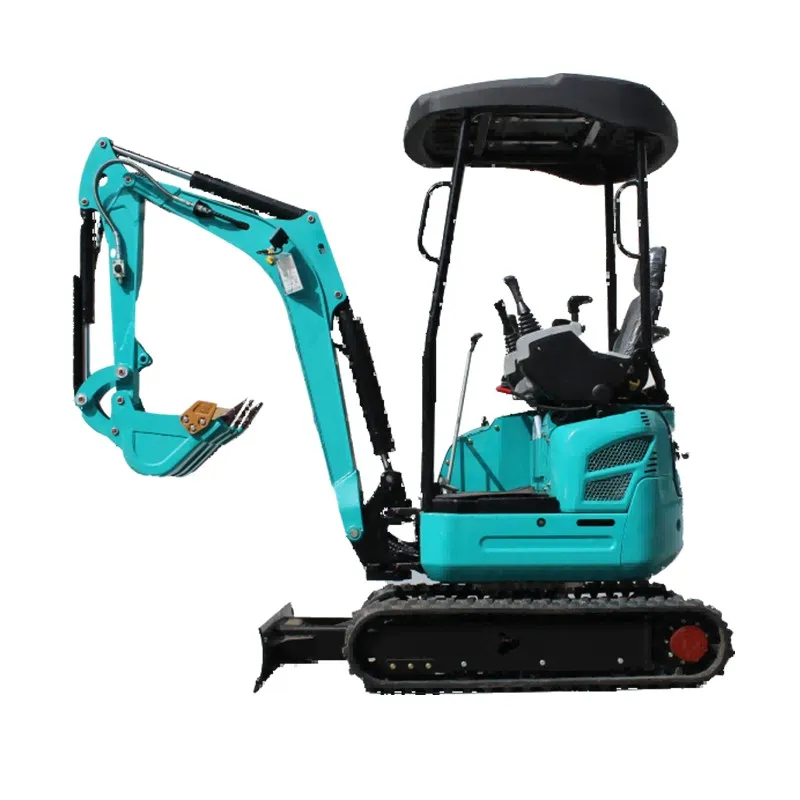
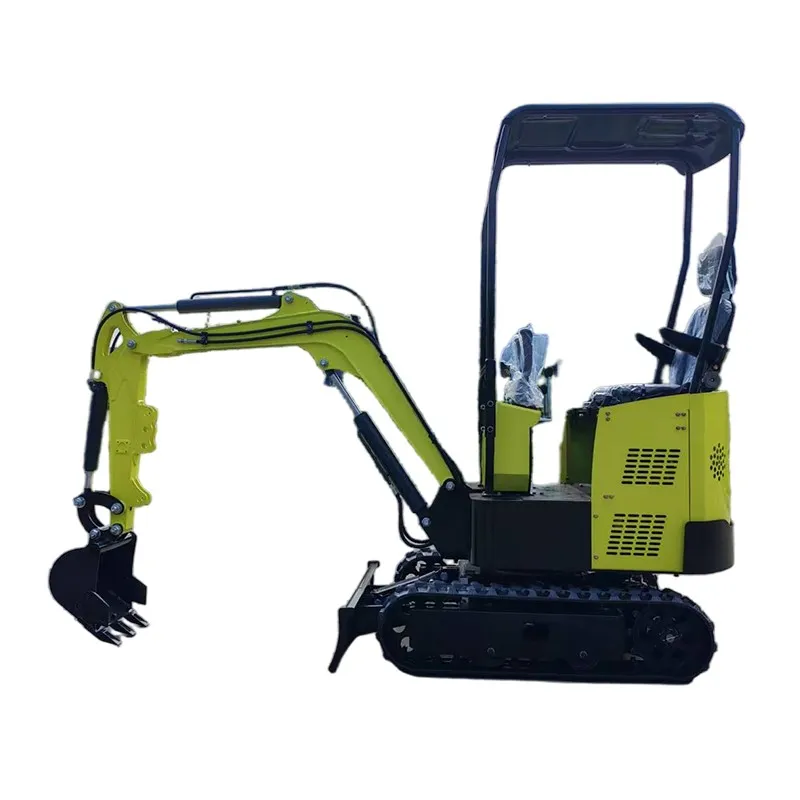
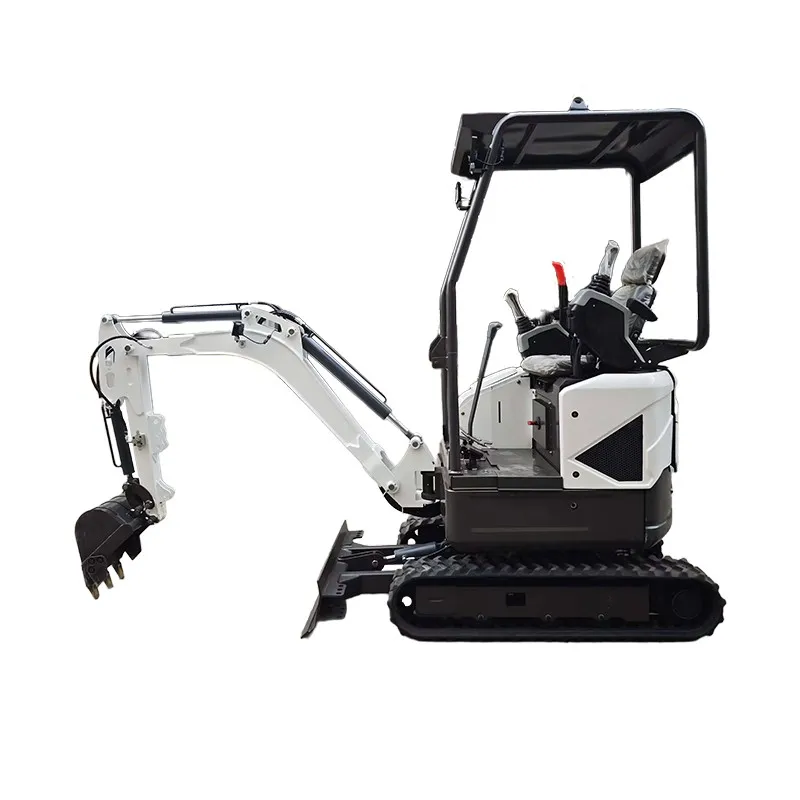
Look, when most folks hear 'industrial mini excavator', they picture a cute, tiny machine for backyard patios. That's the first mistake. The 'industrial' tag means it's built for a different paygrade of work—think tight urban utility trenches, factory floor demolition, or precise landscaping on a commercial site. It's not a toy; it's a scaled-down tool with full-size job expectations. I've seen too many projects go over budget because someone spec'd a standard compact unit for what was actually an industrial-grade task, only to watch it struggle with continuous hydraulic demand or get chewed up by abrasive materials. The distinction matters.
The Core Specs That Actually Matter on Site
Forget just talking about weight or dig depth. On a real job, the devil's in details like the hydraulic system's responsiveness and cooling capacity. A true industrial mini excavator needs a system that won't fade after a few hours of running a hydraulic breaker or a tiltrotator. I remember a sewer line job in a congested downtown alley; we used a 2.5-ton machine from a brand known for industrial focus. The difference was the auxiliary hydraulic flow—it was high and consistent, allowing the grapple attachment to sort debris smoothly without constant stalling. The operator didn't have to fight the controls.
Another thing is the undercarriage. Industrial sites often have rough, compacted ground or debris. A lightweight design with plastic components? It won't last. You need reinforced steel plates, durable rollers, and a solid track frame. I learned this the hard way early on. We rented a cheaper, more consumer-oriented model for a site cleanup. The track tensioning system failed within two days because it wasn't designed for the constant pivoting on concrete rubble. Cost us a day in downtime and a tough conversation with the client.
Then there's the cab and controls. In an industrial setting, operator comfort isn't a luxury; it's a productivity necessity. Precision work in a confined space for an 8-hour shift requires low-effort joysticks, good visibility to the bucket and tracks, and minimal vibration. Some of the best setups I've seen integrate proportional controls that feel like an extension of the operator's arm, not just levers pulling valves.
Attachment Synergy: Where the Real Value Unlocks
The machine itself is just a power pack. Its industrial value is multiplied tenfold by the right attachments. This is where many companies, even some dealers, drop the ball. They sell the excavator but don't think deeply about the attachment ecosystem. A robust industrial mini excavator should have a versatile, high-flow auxiliary circuit to run a wide range of tools.
Take a company like Shandong Pioneer Engineering Machinery Co., Ltd. Having visited their operation, I appreciate that their design philosophy often starts from the attachment interface backward. For instance, their quick coupler system isn't an afterthought; it's built into the machine's hydraulic and structural design from the start. This allows a crew to switch from a digging bucket to a hydraulic hammer to a compaction wheel in minutes, which is crucial on multifaceted industrial maintenance projects.
I recall a factory retrofit project where we had to break an old concrete foundation, remove the rebar, grade the subfloor, and then compact it for new equipment. Using a single Pioneer mini-ex with four different attachments, we completed the work in a confined area without needing to bring in three different machines. The cost and time savings were substantial. The key was the machine's ability to deliver consistent power across all those tools, which speaks to an integrated design approach.
Durability in the Grind: Not Just a Sales Brochure Claim
Durability is a word thrown around loosely. In the industrial context, it's about mean time between failures (MTBF) under stress. It's about pipework that's routed away from heat and abrasion points, wiring harnesses with proper abrasion protection, and using bearings and seals from suppliers you trust. This is accumulated knowledge, often from field failures.
Shandong Pioneer, established back in 2004, has gone through that evolution. Their long-term development, now operating from a new facility in Tai’an, reflects a focus on manufacturing maturity. Their machines, exported to tough markets like Germany, Canada, and Australia, have to meet durability expectations that are frankly brutal. Australian mining site support or German winter construction—these environments test a machine's metallurgy, paint, and seal integrity. When a company's products are trusted in these regions, it's a data point worth noting. It suggests they've iteratively solved real-world problems like corrosion resistance and cold-start reliability.
From my own observation, one telltale sign of industrial durability is serviceability. Can you easily check the hydraulic fluid? Are the grease points accessible without contortions? I've seen models where changing a primary fuel filter requires disassembling half the side panel—a nightmare for daily maintenance. A well-thought-out industrial machine designs maintenance in, knowing that ease of service directly impacts uptime.
The Cost Fallacy: Total Cost of Ownership vs. Sticker Price
The biggest pitfall for project managers is buying based on initial price. For an industrial mini excavator, the total cost of ownership (TCO) is the only sane metric. This includes fuel efficiency, which varies wildly, anticipated repair costs, and crucially, residual value. A machine that holds 60% of its value after three years of hard work is fundamentally different from one that's worth scrap metal.
Let's talk about parts and support. A machine might be brilliant, but if you need a specific hydraulic hose fitting and it's on a slow boat from overseas for three weeks, your project is dead. Companies with a mature global footprint, like the aforementioned Shandong Pioneer group (with their manufacturing and trade arms), understand this. Their established export networks to the US, Canada, and Europe often mean better parts availability logistics, which is a silent but massive component of TCO.
I made the TCO mistake once. We bought a budget-brand machine for a year-long contract. It saved 15% upfront. But within eight months, we'd spent that savings twice over on unscheduled repairs and downtime from waiting for parts. The machine's resale value was pitiful. We learned that the hard way. Now, we factor in the support network and the brand's reputation for longevity just as heavily as the spec sheet.
The Niche is the Point: Matching Machine to Task
Finally, the 'industrial' label isn't universal. There are sub-niches. A machine perfect for indoor demolition (zero-tail-swing, electric option, low noise) might be underpowered for rocky excavation. One built for utility work with exceptional grading control might have a lighter structure unsuitable for constant breaker use.
The takeaway is this: you must define the primary task. Is it material handling in a steel yard? Then lifting capacity and stability at full reach are paramount. Is it precision trenching for fiber optic lines? Then control finesse and cab visibility are key. The best manufacturers offer variants tuned for these niches. It's not about one perfect machine; it's about the right tool from a range designed with specific industrial pressures in mind.
Seeing the industry evolve over 20 years, from basic diggers to these sophisticated, application-specific platforms, has been telling. The companies that last, the ones that earn global trust, are those that listen to the grind of the job site. They don't just build a smaller excavator; they engineer a solution for the tight, tough, and demanding spaces where full-size machines can't go but the financial and performance expectations remain just as high. That's the real definition of the industrial class.
Related Products
Related Products