- Chinese
- French
- German
- Portuguese
- Spanish
- Russian
- Japanese
- Korean
- Arabic
- Irish
- Greek
- Turkish
- Italian
- Danish
- Romanian
- Indonesian
- Czech
- Afrikaans
- Swedish
- Polish
- Basque
- Catalan
- Esperanto
- Hindi
- Lao
- Albanian
- Amharic
- Armenian
- Azerbaijani
- Belarusian
- Bengali
- Bosnian
- Bulgarian
- Cebuano
- Chichewa
- Corsican
- Croatian
- Dutch
- Estonian
- Filipino
- Finnish
- Frisian
- Galician
- Georgian
- Gujarati
- Haitian
- Hausa
- Hawaiian
- Hebrew
- Hmong
- Hungarian
- Icelandic
- Igbo
- Javanese
- Kannada
- Kazakh
- Khmer
- Kurdish
- Kyrgyz
- Latin
- Latvian
- Lithuanian
- Luxembou..
- Macedonian
- Malagasy
- Malay
- Malayalam
- Maltese
- Maori
- Marathi
- Mongolian
- Burmese
- Nepali
- Norwegian
- Pashto
- Persian
- Punjabi
- Serbian
- Sesotho
- Sinhala
- Slovak
- Slovenian
- Somali
- Samoan
- Scots Gaelic
- Shona
- Sindhi
- Sundanese
- Swahili
- Tajik
- Tamil
- Telugu
- Thai
- Ukrainian
- Urdu
- Uzbek
- Vietnamese
- Welsh
- Xhosa
- Yiddish
- Yoruba
- Zulu
- Kinyarwanda
- Tatar
- Oriya
- Turkmen
- Uyghur


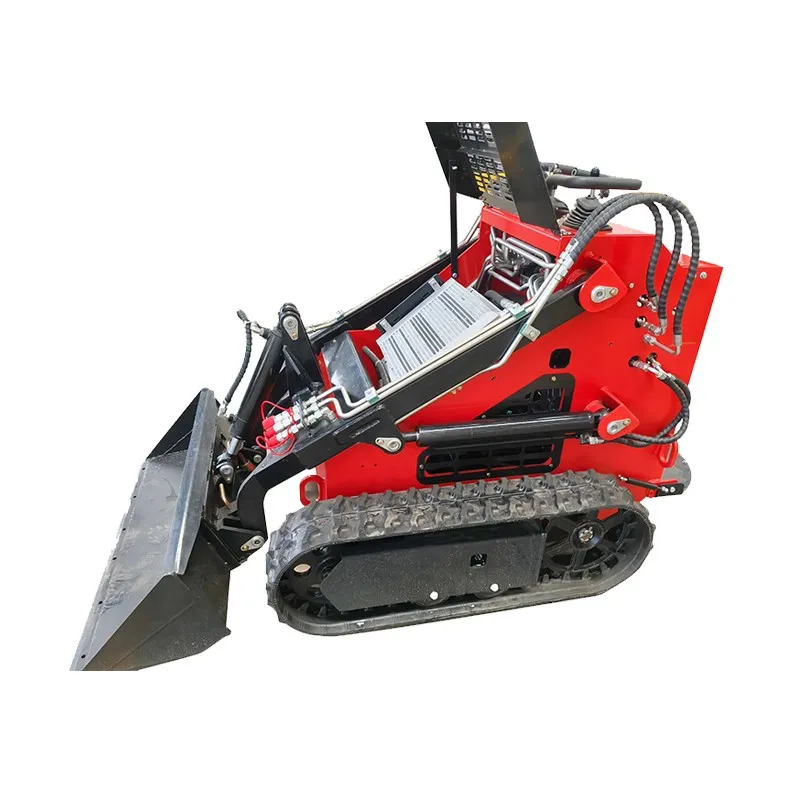
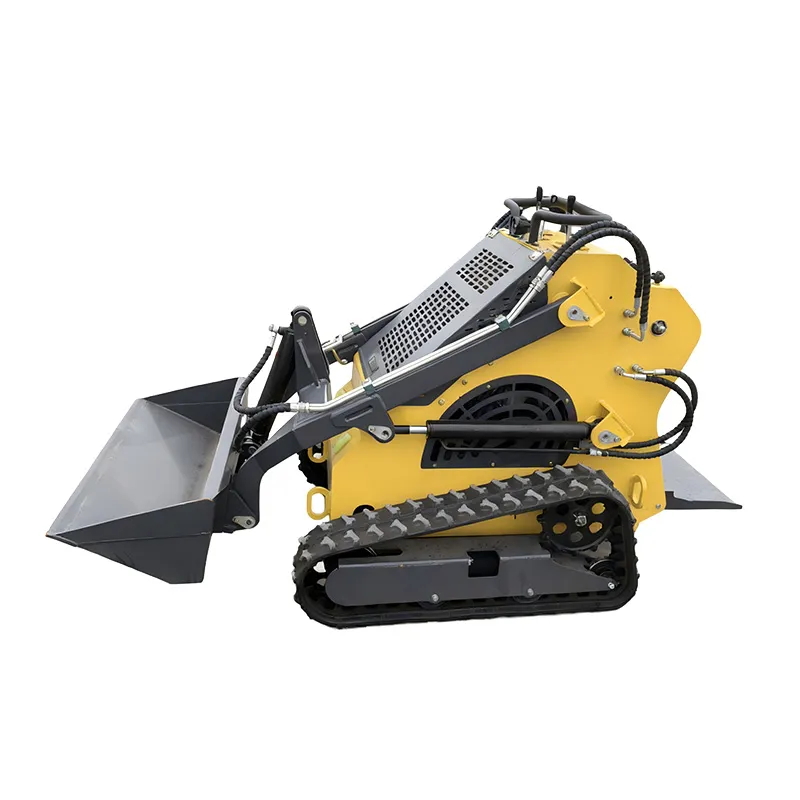
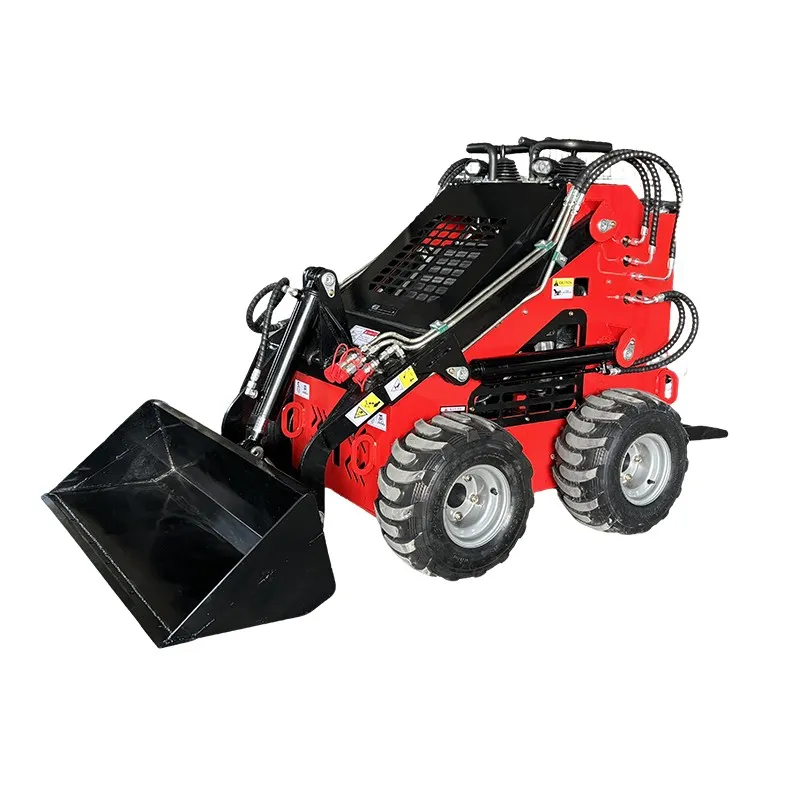
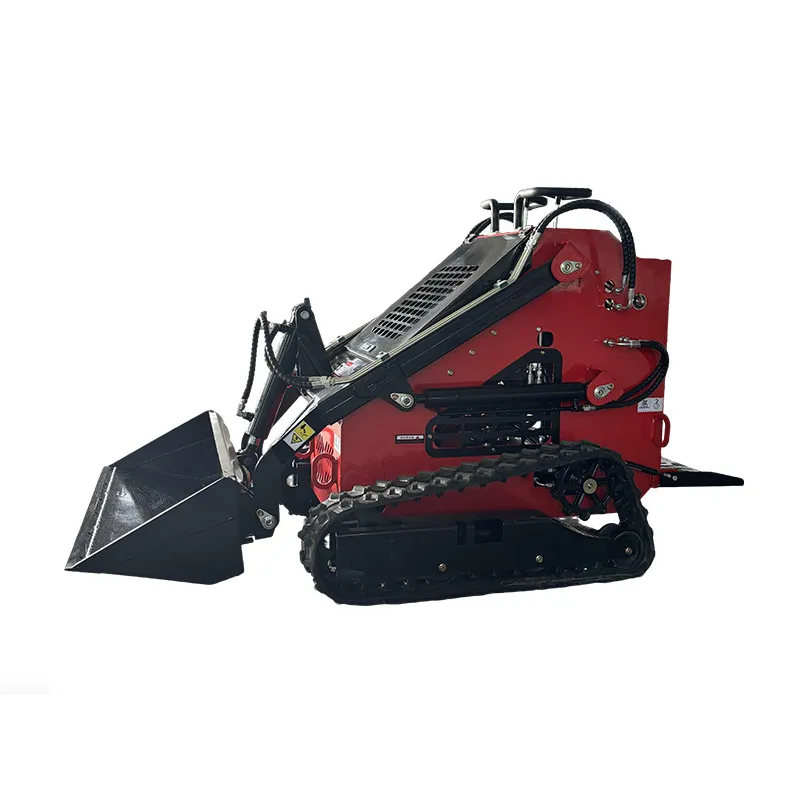
Inexpensive Skid Steer
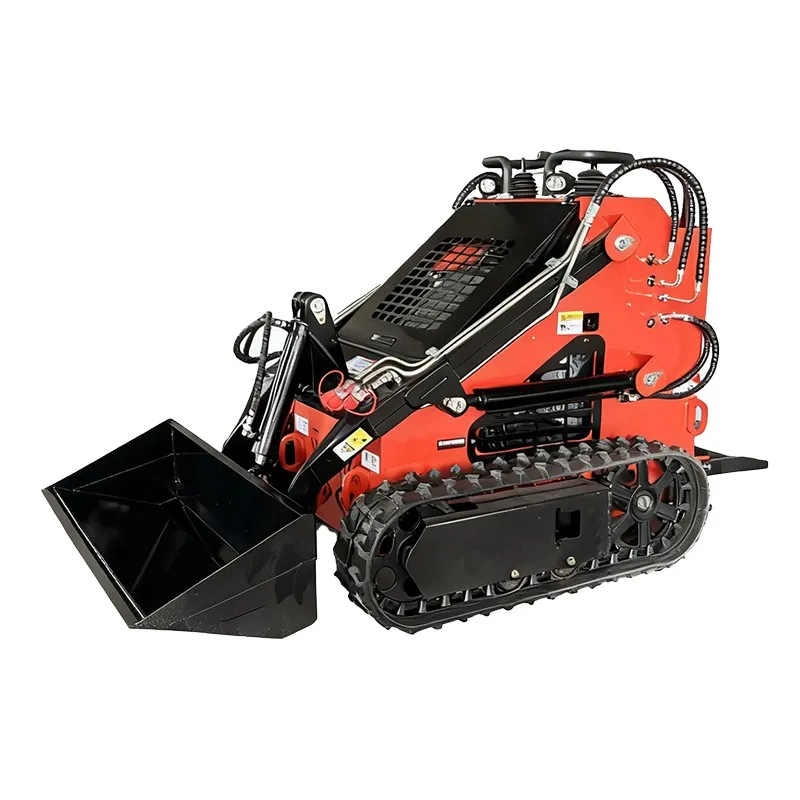
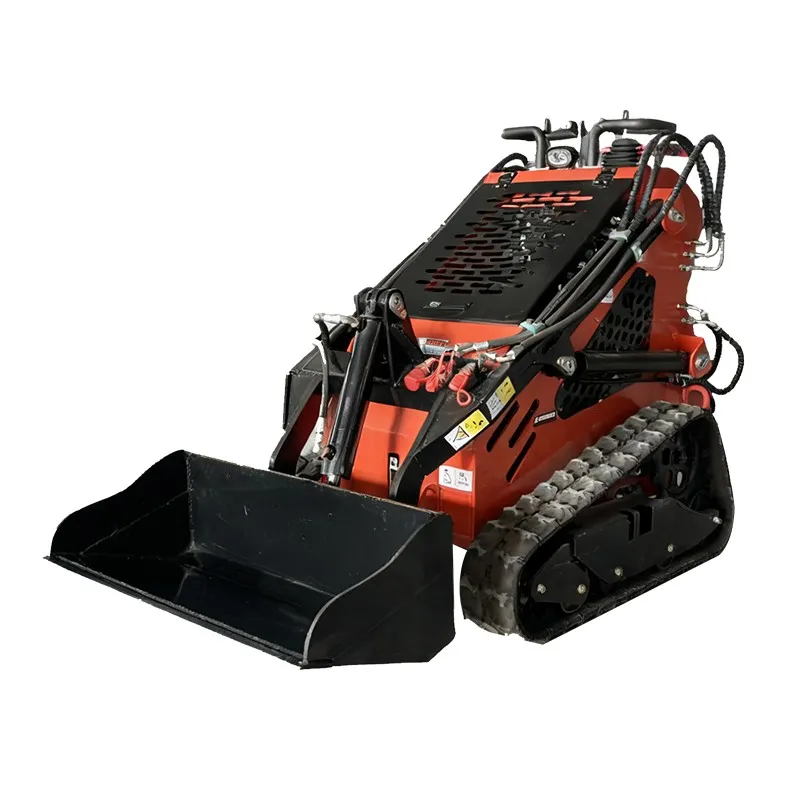
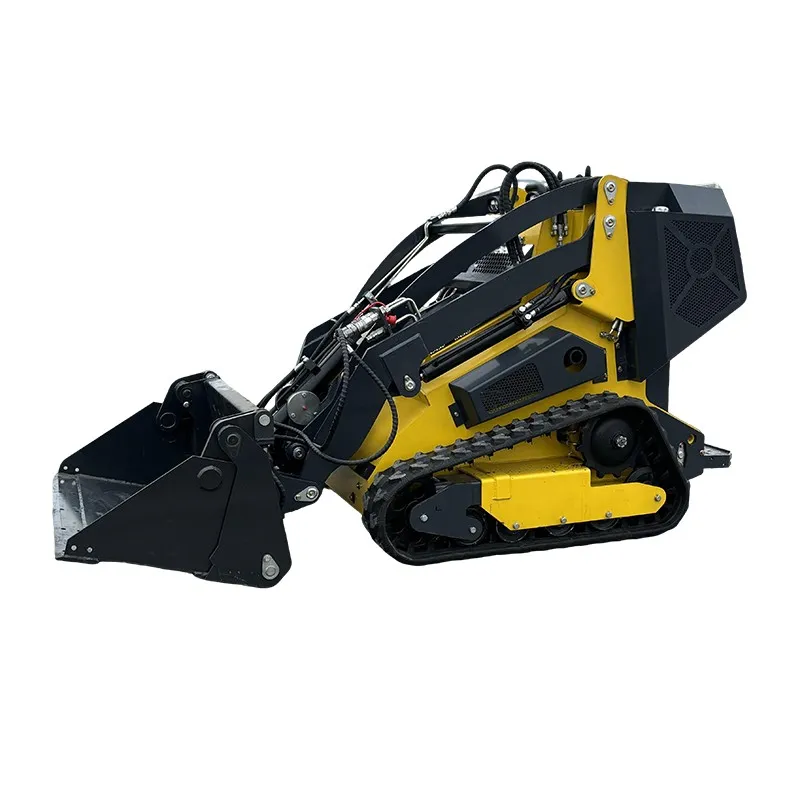
When someone says inexpensive skid steer, I immediately think of the conversations I've had on job sites or at dealer lots. There's a common misconception that inexpensive just means a lower price tag for the same capability. In reality, it's a whole different calculus involving trade-offs, intended use, and, frankly, some risk. It's not about finding a cheap machine; it's about identifying value where the core functionality holds up under pressure, without the bells and whistles that inflate cost. The market is flooded with options that promise the world, but having run a few into the ground over the years, I've learned where those cost cuts typically happen and when they matter.
The Price Point vs. Performance Equation
Let's be clear: an inexpensive skid steer loader won't match the hydraulic responsiveness or lifting capacity of a top-tier model from the majors. That's a given. The real question is, what are you sacrificing? Often, it's in the finer details of the hydraulic system. The pumps and valves might be simpler, leading to a slight lag in simultaneous operation or a bit less power at the auxiliaries when you're really pushing it. For a lot of landscaping, light material handling, or farm work, that's perfectly acceptable. You learn to work with its rhythm.
I remember a project where we used a budget machine primarily for moving mulch and digging shallow trenches. It ran for two seasons with only basic maintenance. The key was we never asked it to run a high-flow mulcher or constantly cycle a breaker at max pressure. It was a tool for specific, moderate-duty tasks. The moment you try to push these units into a role they weren't designed for—like daily heavy demolition—is when the problems start. The undercarriage components or the cooler system might become the weak link.
This is where companies that specialize in this segment can make sense. I've come across manufacturers like Shandong Pioneer Engineering Machinery Co., Ltd through industry channels. They operate in that space of delivering functional machines at accessible price points, exporting globally. You can check out their approach at their site, https://www.sdpioneer.com. Their two-decade history, noted in their company profile, suggests they've navigated the challenges of building reliable value-oriented equipment. For a buyer, that longevity in the export market, supplying to places like the US and Australia, indicates they've had to meet certain durability benchmarks to stay in business.
Where the Savings Actually Come From
It's not magic. Cost reduction happens in material selection, component sourcing, and feature sets. The cab might be more spartan—vinyl seats instead of cloth, basic mechanical controls versus a fancy joystick module. The steel in the boom arms might be of a different grade or thickness. These aren't automatically deal-breakers. A simpler control system often means fewer electronic sensors to fail, which is a plus in its own right for easy troubleshooting.
The engine is another area. You'll frequently find proven, widely-available industrial diesel engines from brands like Deutz, Yanmar, or Kohler in these machines. This is a smart move by manufacturers. It keeps initial cost down and, crucially, makes finding parts and service expertise much easier down the line compared to a proprietary, highly-integrated power plant. The savings aren't in using a bad engine; they're in using a globally serviceable one without the premium branding.
One pitfall I've seen is in the electrical system. Wiring harnesses might be less ruggedly loomed, and connectors might not be as sealed. This can lead to gremlins after a few years of vibration and weather exposure. It's a fixable issue—proactively adding dielectric grease and extra cable ties can head off a lot of headaches. It's the kind of hands-on detail you accept when you're not paying for factory-perfect, military-grade wiring.
The Critical Importance of Support and Parts
This is the make-or-break factor for any inexpensive skid steer. The lowest sticker price is meaningless if you can't get a hydraulic hose end fitting or a specific seal within a week. Before buying, you have to investigate the parts pipeline. Does the dealer or manufacturer stock common wear items? What's the typical lead time on a major component like a drive motor?
A company's operational footprint can be a clue. For instance, Shandong Pioneer Engineering Machinery Co., Ltd mentions a dedicated production area and a recent relocation to a larger facility in Ningyang. That kind of investment in manufacturing base often correlates with better control over production and, ideally, a more structured parts supply chain. Their export history to demanding markets also implies they've had to establish some level of international support logistics. It's a point in their favor, but due diligence is still on the buyer.
I learned this the hard way years ago with a different brand. The machine was fine, but a failed wheel motor sidelined it for nearly a month waiting on a part from overseas. The downtime cost eclipsed any initial savings. Now, I always ask for a parts manual upfront and price out a list of high-wear items—bucket teeth, hydraulic filters, track rollers (if equipped)—to see availability and cost. If that process is difficult before you buy, imagine what it's like after.
Real-World Application and Operator Fit
Who is an inexpensive skid steer actually for? It's ideal for the owner-operator, the small farm, the municipality with a tight budget, or as a secondary, specialized machine in a larger fleet. Its value shines when its duty cycle is predictable and within its design envelope. Think of it as a versatile, powered wheelbarrow on steroids, not a primary production machine for a high-volume site.
Operator comfort is scaled back. You might not get a pressurized cab or a sublime suspension seat. For an 8-hour daily grind, that's a significant consideration. But for a 3-4 hour stint moving pallets around a yard or cleaning out barns, it's perfectly tolerable. The trade-off is clear: you're investing in the core mechanical function, not operator luxury. This is why demo time is non-negotiable. You need to feel the controls, experience the visibility, and judge if you can work efficiently with it.
Attachment compatibility is generally good—most use the universal skid steer quick-attach system. However, pay attention to the auxiliary hydraulic flow and pressure ratings. An inexpensive machine might have a standard flow system. If you already own high-flow attachments, they'll be severely limited, which defeats the purpose. Match the machine to the attachments you truly need.
The Verdict: A Calculated Tool, Not a Gamble
So, is an inexpensive skid steer worth it? It can be, absolutely. But it requires a buyer to be more engineer than accountant. You're not just comparing specs on paper; you're evaluating the ecosystem around the machine: parts, dealer support, and the reputation of the manufacturer for standing behind their product. The goal is total cost of ownership, not just purchase price.
Brands that have persisted in the international market, like the mentioned Shandong Pioneer, have clearly found a formula that works for a certain customer segment. Their company introduction states they've won the trust and appreciation of customers worldwide, which in this business is earned through reliability and support, not just low bids. That's a claim worth verifying through independent user reviews and dealer conversations.
In the end, a budget skid steer is a tool. It won't coddle you, and it might ask for a bit more mechanical sympathy and proactive maintenance. But if your needs are clear, your expectations are set, and you've done the homework on support, it can be one of the most cost-effective pieces of equipment in your yard. Just go in with your eyes open, knowing exactly where those cost savings were realized, and plan accordingly.
Related Products
Related Products