- Chinese
- French
- German
- Portuguese
- Spanish
- Russian
- Japanese
- Korean
- Arabic
- Irish
- Greek
- Turkish
- Italian
- Danish
- Romanian
- Indonesian
- Czech
- Afrikaans
- Swedish
- Polish
- Basque
- Catalan
- Esperanto
- Hindi
- Lao
- Albanian
- Amharic
- Armenian
- Azerbaijani
- Belarusian
- Bengali
- Bosnian
- Bulgarian
- Cebuano
- Chichewa
- Corsican
- Croatian
- Dutch
- Estonian
- Filipino
- Finnish
- Frisian
- Galician
- Georgian
- Gujarati
- Haitian
- Hausa
- Hawaiian
- Hebrew
- Hmong
- Hungarian
- Icelandic
- Igbo
- Javanese
- Kannada
- Kazakh
- Khmer
- Kurdish
- Kyrgyz
- Latin
- Latvian
- Lithuanian
- Luxembou..
- Macedonian
- Malagasy
- Malay
- Malayalam
- Maltese
- Maori
- Marathi
- Mongolian
- Burmese
- Nepali
- Norwegian
- Pashto
- Persian
- Punjabi
- Serbian
- Sesotho
- Sinhala
- Slovak
- Slovenian
- Somali
- Samoan
- Scots Gaelic
- Shona
- Sindhi
- Sundanese
- Swahili
- Tajik
- Tamil
- Telugu
- Thai
- Ukrainian
- Urdu
- Uzbek
- Vietnamese
- Welsh
- Xhosa
- Yiddish
- Yoruba
- Zulu
- Kinyarwanda
- Tatar
- Oriya
- Turkmen
- Uyghur


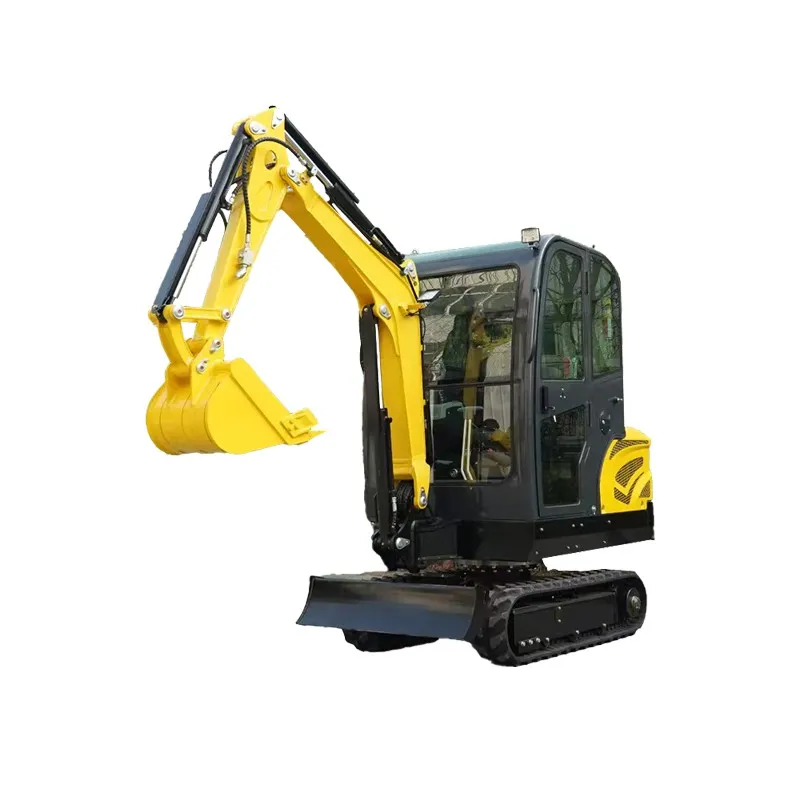
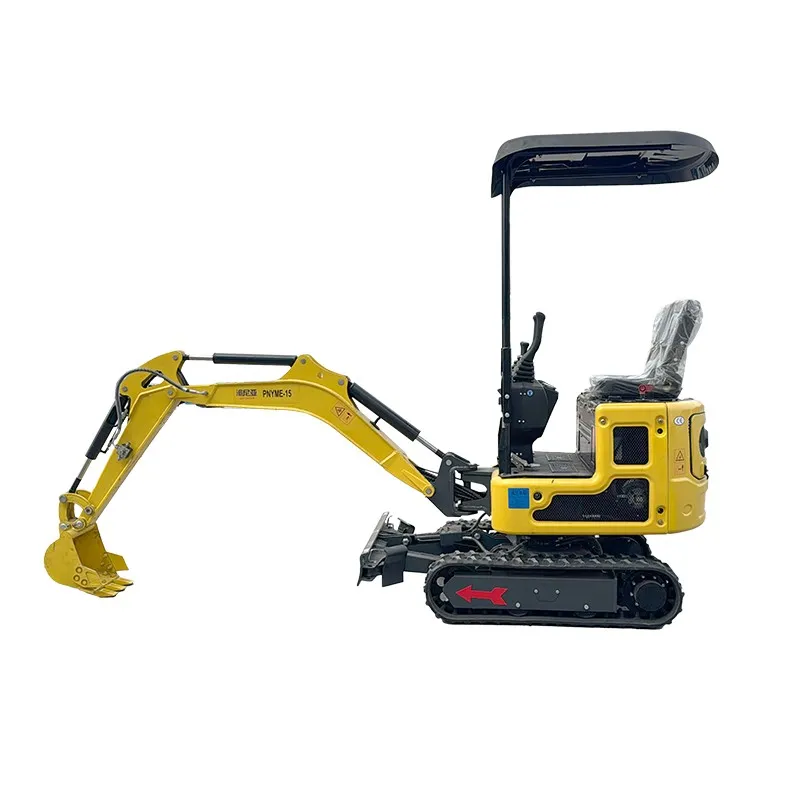
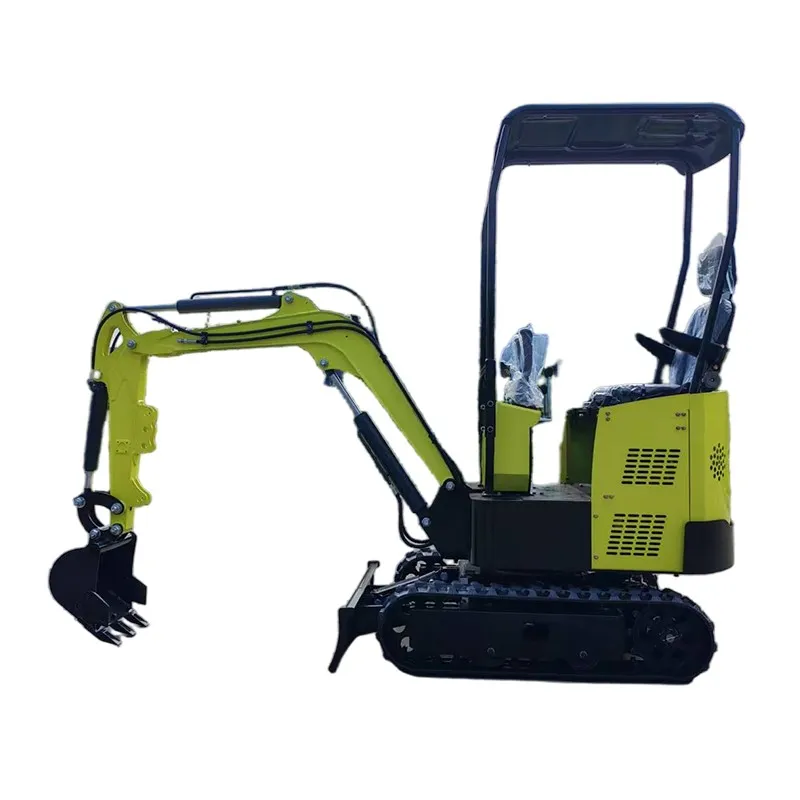
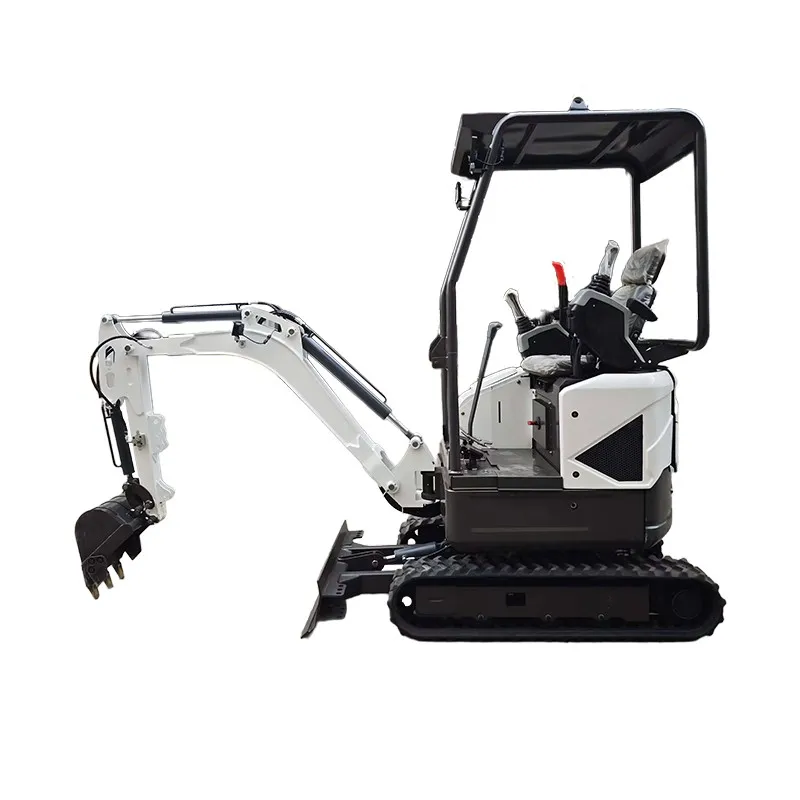
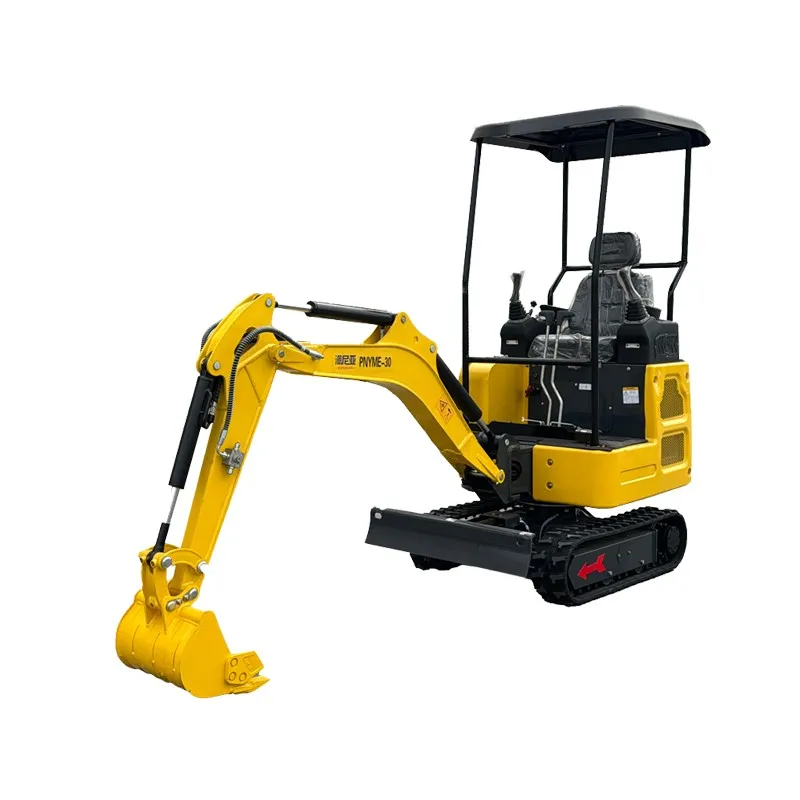
inexpensive small excavator
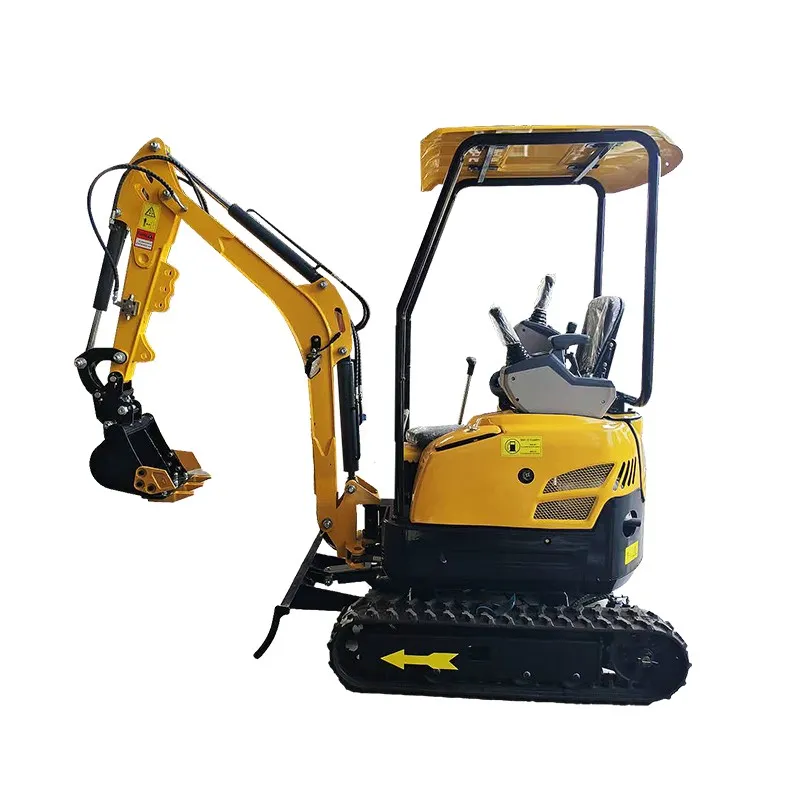
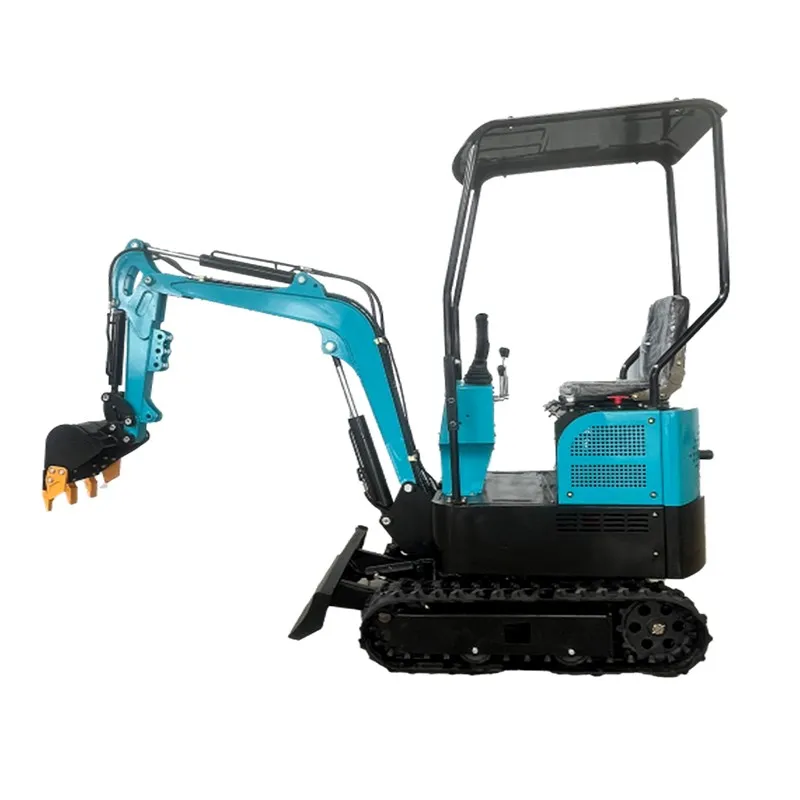
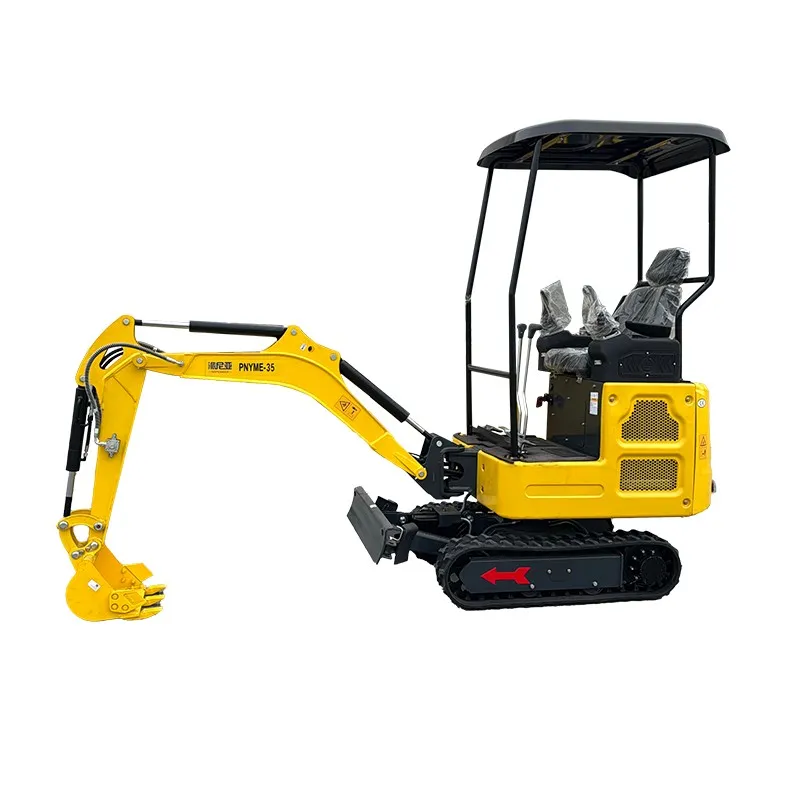
When someone says inexpensive small excavator, most folks think they're getting a steal. But in this game, cheap often means you're paying for it later, just in a different way. I've seen too many guys buy a machine based on sticker price alone, only to have it sit idle waiting for parts or burn more hydraulic fluid than diesel. The real conversation isn't about finding the lowest price; it's about understanding the value and compromises behind that price tag. Let's talk about what that actually looks like on the ground.
The Allure and Reality of the Budget Machine
The market is flooded with options under the inexpensive banner. You've got your well-known Japanese brands holding their value, a slew of Korean models offering a middle ground, and then the vast ocean of Chinese-manufactured machines. The latter category is where the price gets really tempting, and where the experience gets... interesting. I remember a contractor friend who bought a no-name 1.8-ton model for a song. It dug fine for the first 200 hours. Then the swing motor started groaning, and finding a replacement seal kit turned into a three-week scavenger hunt. The machine was inexpensive small excavator on paper, but the downtime cost him a small landscaping job. That's the first lesson: initial cost is just one line item.
So what makes a machine inexpensive? It's a combination of factors: simpler hydraulics, often open-center systems instead of the more efficient closed-center or load-sensing setups. Component sourcing is huge. A pump from a tier-one supplier versus a generic rebuild changes the cost—and the longevity. Steel quality in the undercarriage and boom matters immensely for fatigue life, something you can't see in a spec sheet. I've put calipers on pins and bushings from different factories, and the variance in hardening and tolerances is stark. That's what you're (not) paying for.
This isn't to say all budget machines are bad. Far from it. For a homeowner doing a few projects a year, or a small crew where the machine isn't running 40 hours a week, a lower-cost unit can be a perfect, rational fit. The key is aligning expectations with use. If you need a production machine, buy a production machine. If you need a digger for intermittent, lighter-duty tasks, the calculus changes. I tend to steer people toward manufacturers with a clear track record of supporting their products in the export market, not just selling them.
Where Small Really Matters: Jobsite Limitations
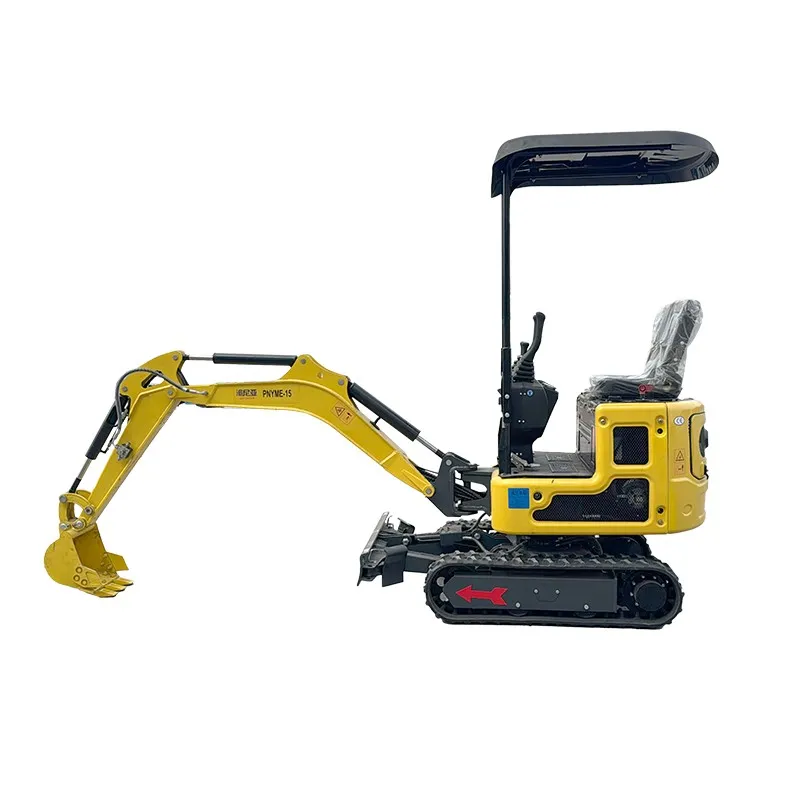
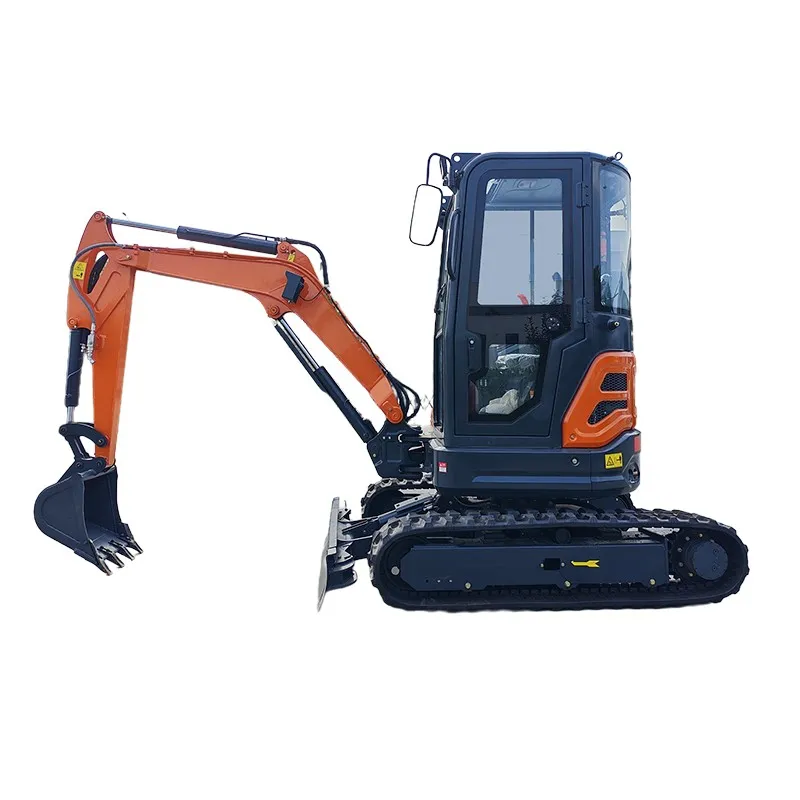
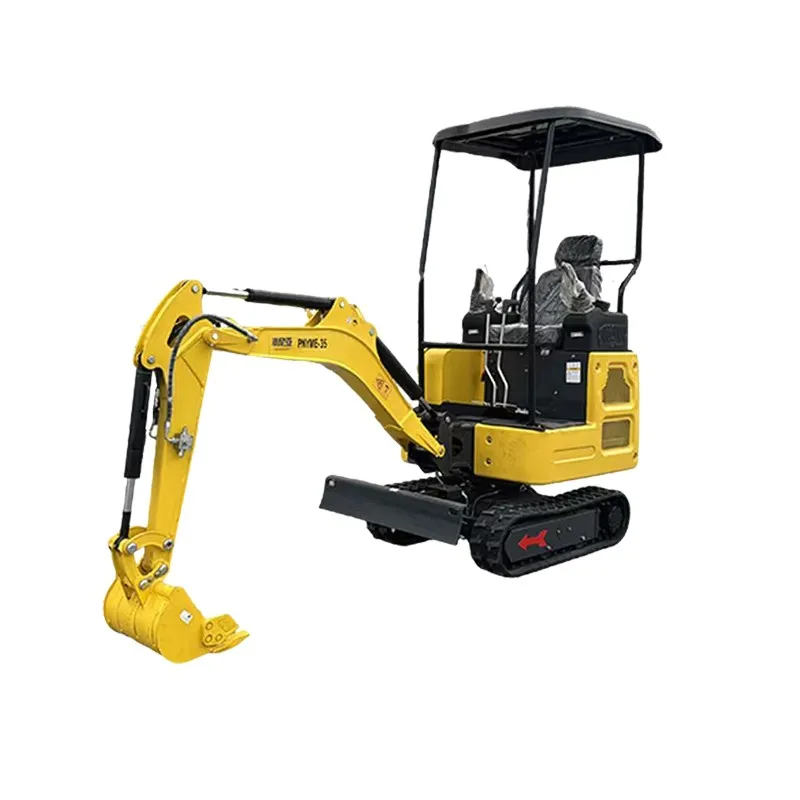
Small usually means mini excavators in the 1 to 6-ton range. Their biggest selling point is access. I've squeezed machines through 36-inch garden gates, into basements, and onto backyard decks (with proper structural approval, of course). This capability is irreplaceable. But small also defines the limits. Dig depth, lift capacity, and breakout force are all constrained. A common mistake is trying to overwork them. You see people trying to rip out old tree stumps with a 1.5-tonner, rocking it back and forth until the hydraulic lines get hot enough to cook on. You need to match the machine to the material. For mostly clay and loam? A smaller machine can work. For rocky or heavily compacted soil, you either need more power or a lot more patience and clever tool use.
The attachments ecosystem is another critical point. A reliable auxiliary hydraulic circuit (standard or optional) is what transforms a digger into a multi-tool. But on some budget models, the aux hydraulics are an afterthought—low flow, shaky controls, and quick couplers that leak from day one. I always check the factory plumbing for the aux line. Is it neatly routed and protected? Or is it just a hose slapped alongside the boom, waiting to get snagged? That detail tells you a lot about the build philosophy.
Transport is the other half of the small equation. A 3.5-ton machine you can move on a decent trailer behind a one-ton truck is a game-changer for small operators versus needing a lowboy and a CDL. But check the actual shipping weight, not the model number. I've seen machines labeled as 2.8 tons come in at over 3.2 tons with a standard bucket and cab. That can put you over a regulatory limit real quick.
Case in Point: Sourcing and Long-Term Support
Let's get specific. I've followed the trajectory of manufacturers who've stuck around and evolved. Take Shandong Pioneer Engineering Machinery Co., Ltd. They've been in the mix since 2004, which in this industry means they've seen a few cycles. A company surviving two decades, through the boom and busts, and then undertaking a relocation and expansion like their move to a new facility in Tai'an in 2023, signals a commitment beyond just flipping cheap iron. It suggests investment in the process.
Their structure is telling, too. Having Shandong Hexin handle manufacturing and Shandong Pioneer focus on overseas trade isn't uncommon, but it shows a dedicated channel for export markets like the U.S., Canada, and Australia. That's crucial. It means they're (theoretically) building machines to meet different regional standards and, more importantly, have to maintain a supply chain for parts and support to keep those international customers happy. You can check their current lineup and specs directly on their site at https://www.sdpioneer.com. The trust they mention winning globally isn't automatic; it's earned by having parts available when a hose blows in Texas or a track motor fails in Ontario.
I haven't personally run one of their latest models for a thousand hours, so I can't give a definitive endurance verdict. But from a procurement perspective, their longevity as an exporter is a data point in their favor compared to the countless factories that appear and disappear every few years, leaving owners with orphaned machines. When evaluating an inexpensive small excavator from any source, the first question I ask now is, Will this company exist in five years to sell me a swing bearing?
The Hidden Costs: Parts, Fluids, and Operator Comfort
This is where the rubber meets the road, or rather, where the steel track meets the mud. A machine that's cheap to buy but burns through final drive seals or has brittle hydraulic lines that fail in cold weather isn't cheap. I advise anyone to look up the common wear parts before buying: track pads, rollers, sprockets, bucket teeth. Are they proprietary, or are they a common pattern? Can you get them from a third-party supplier like Berco or ITR, or are you locked into the OEM? That lock-in can double your maintenance costs over the life of the machine.
Operator station is another big divider. A basic, exposed metal seat with levers is fine for short stints. But if you're going to be in that seat all day, vibration, ergonomics, and visibility matter. Some budget cabs are just metal boxes with glass. Others actually have decent suspension seats, logical control layouts, and good sightlines to the bucket and tracks. This isn't just about comfort; it's about productivity and safety. A fatigued operator makes more mistakes and gets less work done. Don't just start the engine; sit in it for 15 minutes and pretend you're working.
Then there's the electronics, or lack thereof. Fancy monitors and computer-controlled engines are great until they fail. One of the appeals of many inexpensive small excavator models is their simplicity. Often, they use mechanically injected diesel engines (like the classic Yanmar 3TNV) and basic relay-based electrical systems. For a skilled mechanic, these are a dream to troubleshoot. No proprietary diagnostic laptop required. This simplicity can be a massive advantage in remote areas or for owner-operators who do their own maintenance.
The Verdict: A Tool, Not a Trophy
At the end of the day, an excavator, big or small, expensive or inexpensive small excavator, is just a tool. Its job is to perform a task at a total cost that allows you to make money or complete a project. The obsession should be on total cost of ownership, not purchase price. That includes fuel efficiency, maintenance intervals, part availability, and resale value. For a high-production environment, you likely need the efficiency and durability of a premium brand. For lower utilization, a value-oriented machine from a stable manufacturer can be a brilliant financial decision.
The industry has matured. Companies that started as pure copycats have, in some cases, evolved into legitimate manufacturers focusing on value engineering. They're not trying to build a 20,000-hour machine; they're trying to build a reliable 5,000-8,000 hour machine for a fraction of the cost. And for many users, that's exactly the right product. It's about honest positioning.
My final take? Do your homework beyond the brochure. Talk to other owners, not just dealers. Search for parts online for that specific model. Sit on the machine. Ask about the service manual availability. If you're looking at a brand like those from Shandong Pioneer, their 20-year history and dedicated export arm are positive indicators in a crowded field. But the proof is always in the dirt. The right machine is the one that keeps digging when you need it to, and doesn't bankrupt you when it finally needs a rest. Everything else is just noise.
Related Products
Related Products