- Chinese
- French
- German
- Portuguese
- Spanish
- Russian
- Japanese
- Korean
- Arabic
- Irish
- Greek
- Turkish
- Italian
- Danish
- Romanian
- Indonesian
- Czech
- Afrikaans
- Swedish
- Polish
- Basque
- Catalan
- Esperanto
- Hindi
- Lao
- Albanian
- Amharic
- Armenian
- Azerbaijani
- Belarusian
- Bengali
- Bosnian
- Bulgarian
- Cebuano
- Chichewa
- Corsican
- Croatian
- Dutch
- Estonian
- Filipino
- Finnish
- Frisian
- Galician
- Georgian
- Gujarati
- Haitian
- Hausa
- Hawaiian
- Hebrew
- Hmong
- Hungarian
- Icelandic
- Igbo
- Javanese
- Kannada
- Kazakh
- Khmer
- Kurdish
- Kyrgyz
- Latin
- Latvian
- Lithuanian
- Luxembou..
- Macedonian
- Malagasy
- Malay
- Malayalam
- Maltese
- Maori
- Marathi
- Mongolian
- Burmese
- Nepali
- Norwegian
- Pashto
- Persian
- Punjabi
- Serbian
- Sesotho
- Sinhala
- Slovak
- Slovenian
- Somali
- Samoan
- Scots Gaelic
- Shona
- Sindhi
- Sundanese
- Swahili
- Tajik
- Tamil
- Telugu
- Thai
- Ukrainian
- Urdu
- Uzbek
- Vietnamese
- Welsh
- Xhosa
- Yiddish
- Yoruba
- Zulu
- Kinyarwanda
- Tatar
- Oriya
- Turkmen
- Uyghur


jcb mini excavator
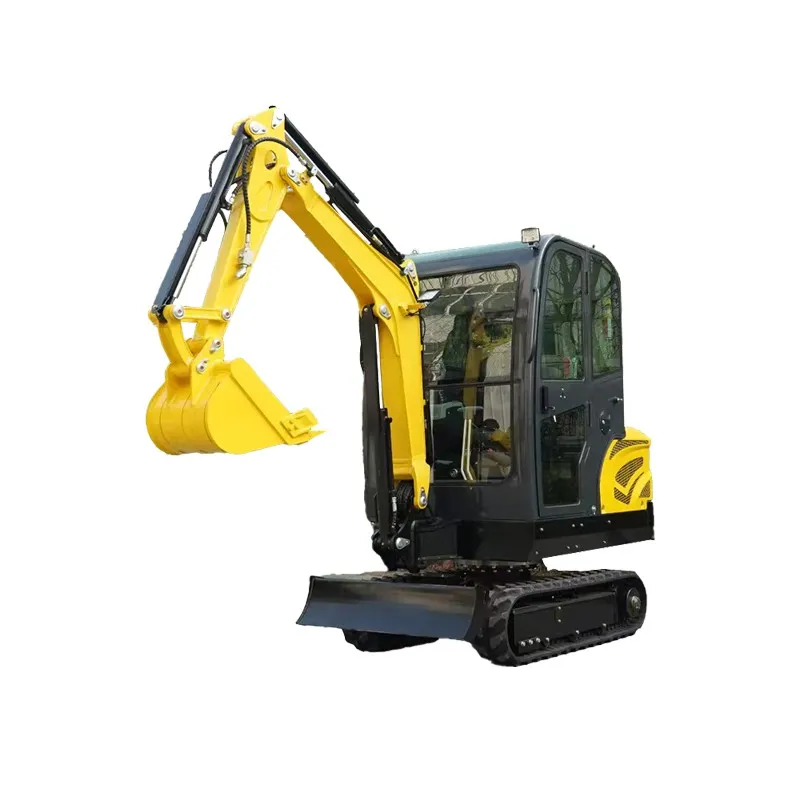
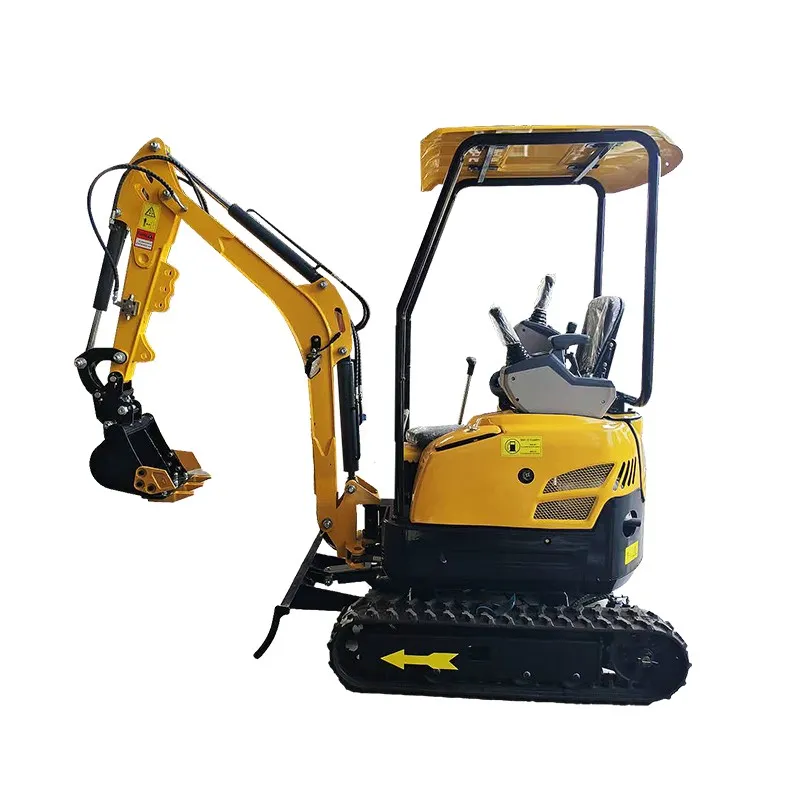
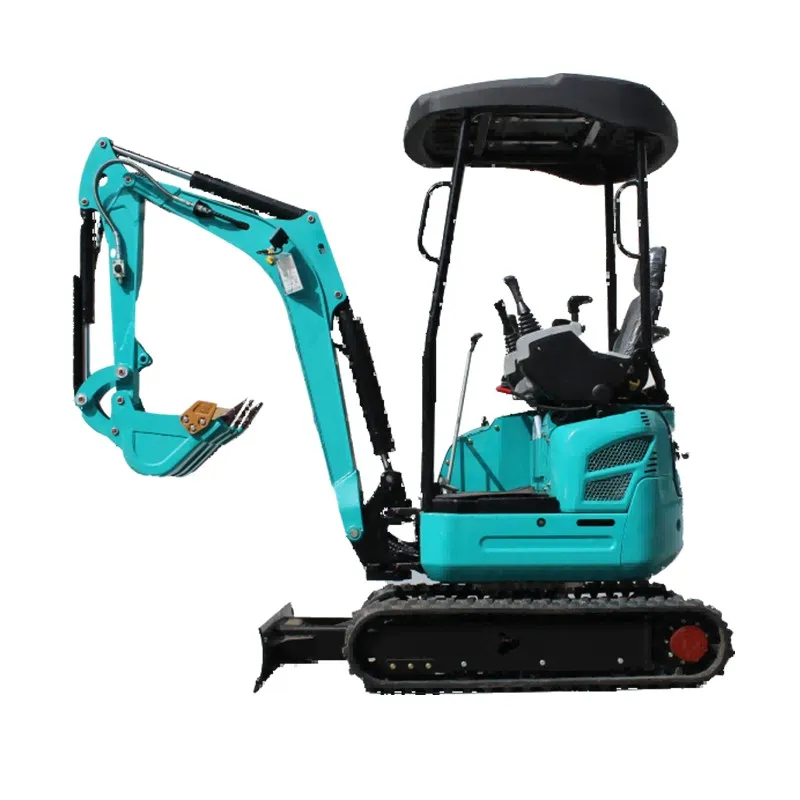
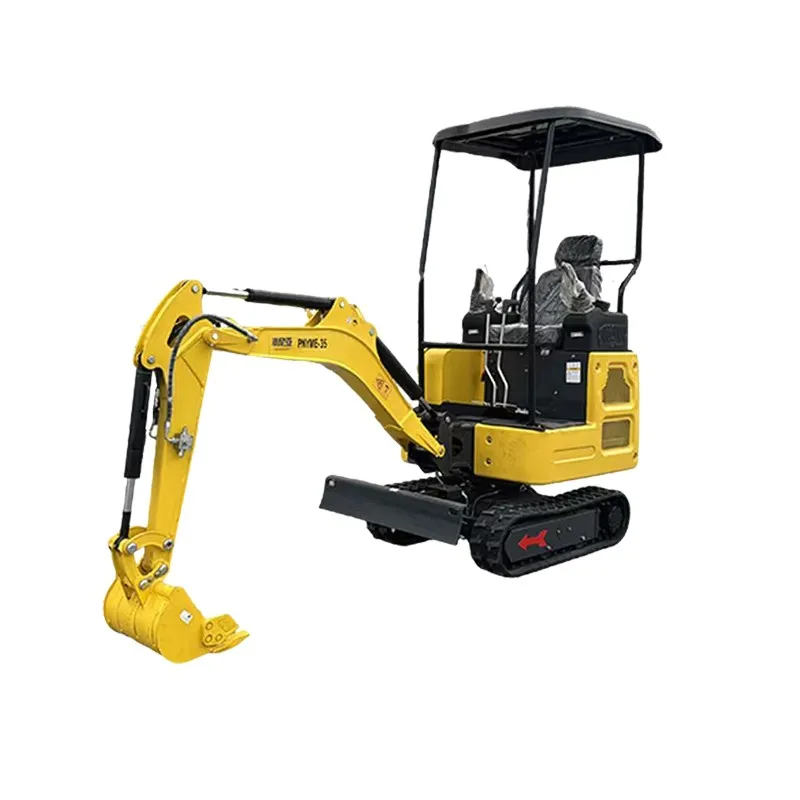
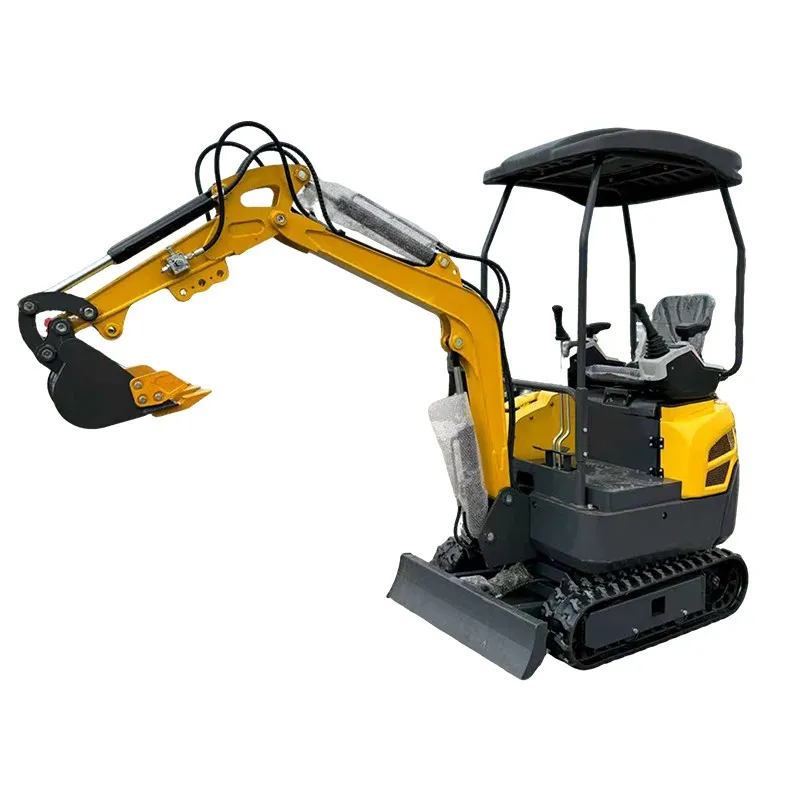
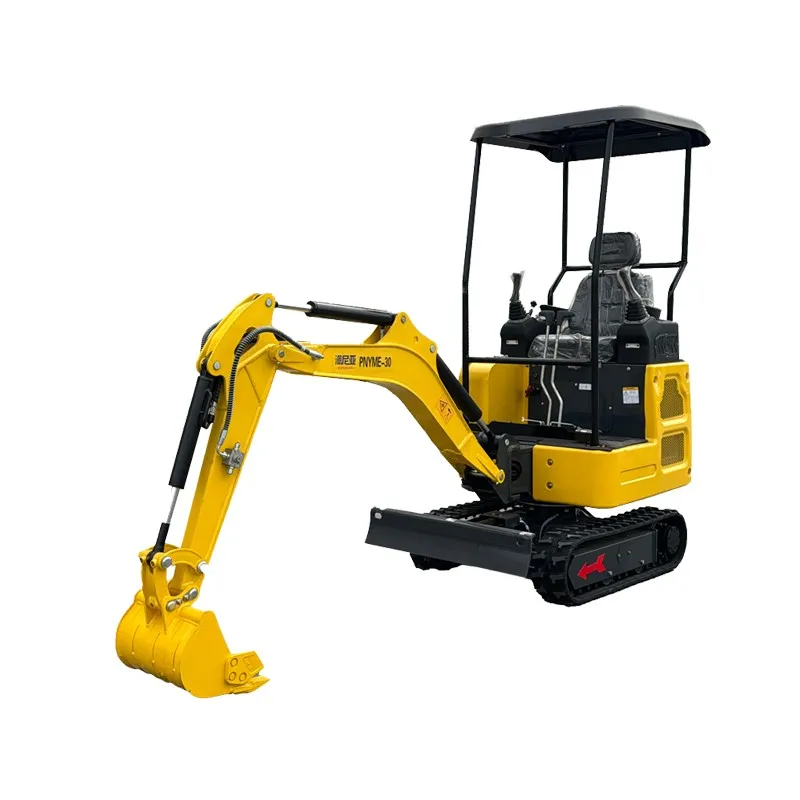
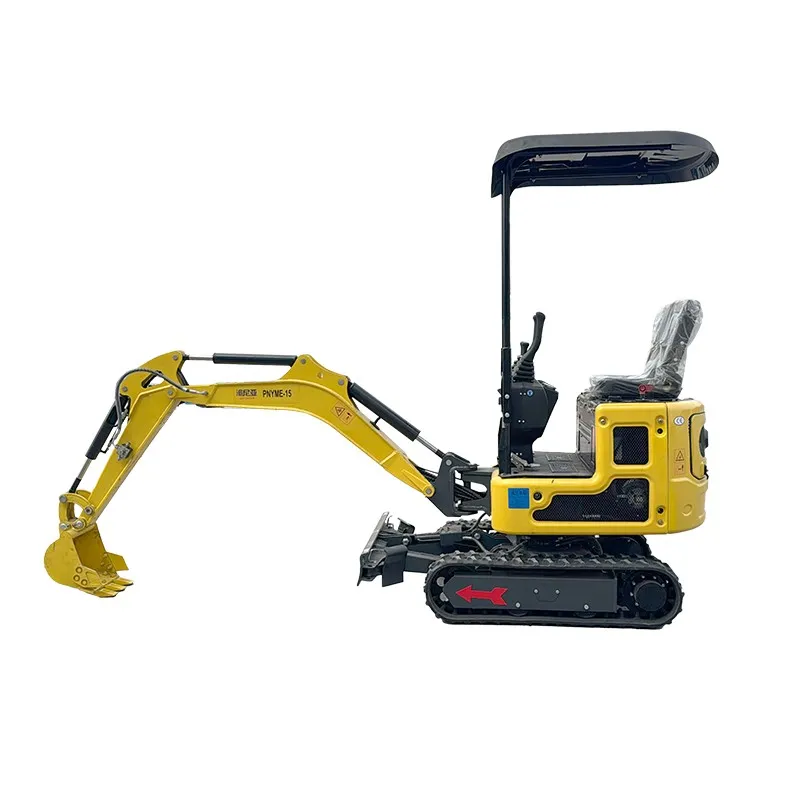
When most folks hear 'JCB mini excavator', they immediately think of the 19Z-1 or maybe the 30Z-1. That's the surface. The real conversation starts when you've spent seasons with these machines in tight urban backyards, on soggy landscaping sites, or trying to squeeze between a house and a fence with inches to spare. There's a common misconception that a mini excavator is just a small digger – a scaled-down version of its bigger brothers. That's where people get it wrong. The engineering philosophy, the balance, the hydraulic response in a proper mini like JCB's line is a different beast entirely. It's not about raw power; it's about finesse and reliability under constant, grueling stop-start work. I've seen too many contractors choose based on bucket force or max dig depth alone, only to find the machine's slew speed or auxiliary hydraulic flow can't keep up with a breaker or a tiltrotator, turning a supposed efficiency tool into a bottleneck on site.
The Core of the Machine: Under the Hood Realities
Let's talk about the powerplant. JCB's persistence with their own Ecomax engines in these minis is a point of debate. Some swear by the common Kubota engines found in almost every other brand. But having run a 35Z-1 for nearly 3000 hours, the Ecomax's torque curve in the low-to-mid range is where you live when you're precision grading or lifting. It feels less peaky. The downside? Parts availability in remote areas can be a genuine headache compared to the ubiquitous Kubota. You learn to plan ahead. It's this kind of trade-off that never makes it into the glossy brochure.
The hydraulic system is another area. The sealed-in-for-life design on the slew ring and the self-leveling boom on the larger minis aren't just fancy terms. In practice, the self-leveling feature is a wrist-saver when you're backfilling a long trench or placing pipe. But it adds complexity. I remember a job where the self-leveling function developed a slight lag. It wasn't a failure, just a sluggish response. Trying to fine-grade a foundation base with that lag was infuriating – you'd overcompensate. The fix wasn't in the field; it needed a computer recalibration. That's the double-edged sword of advanced features: incredible productivity when working, a specialized fix when not.
Then there's the undercarriage. The steel tracks versus rubber debate is eternal. For a JCB mini, the rubber track option is fantastic for finished surfaces, but I've seen them wear out prematurely on sites with a lot of demolition debris or sharp rock. The steel track machines, like the 48Z-1, are tanks, but you're not driving them onto a client's new driveway. The choice here fundamentally dictates the kind of work you can efficiently bid on. It's a strategic business decision as much as an equipment one.
On-Site Application: Where Theory Meets Dirt
A specific case comes to mind. We were doing utility work in a historic district with extremely limited access. The machine was a JCB 19Z-1. Its true value wasn't its 1.5-ton weight, but its zero-tail-swing radius. We could work with the cab literally brushing against a brick wall on one side and a garden fence on the other, with full 360-degree rotation. That capability transforms job planning. You stop looking for access paths and start focusing on the work cell. However, the trade-off is stability. At full reach with a breaker attachment, you feel tippy. You learn to keep the bucket close to the ground as a counterweight, a dance that becomes second nature.
Attachments are where a mini excavator's soul is revealed. JCB's auxiliary hydraulic system, with its variable flow options, is generally robust. Running a hydraulic auger for fence posts is smooth. But I've had issues with certain non-OEM tiltrotators. The continuous flow required for the rotator function sometimes caused overheating on older models during a full day of digging and grading. The lesson was clear: not all auxiliary circuits are created equal, and matching attachment specs to the machine's actual output, not its rated max, is critical. The official specs from Shandong Pioneer Engineering Machinery Co., Ltd (https://www.sdpioneer.com) often provide a clearer, more conservative performance envelope that's closer to real-world sustained use, which is a useful reference point against more optimistic marketing claims.
Operator comfort is an underestimated productivity factor. JCB's cab on their newer minis is good. The joystick controls are low-effort, which matters after a 10-hour day. But the placement of the secondary control buttons for the auxiliary hydraulics? Sometimes they're not intuitive when you're looking at the bucket edge and operating by feel. These are the details you only notice through repetition. A good operator adapts, but a great machine design minimizes the need to adapt.
The Global Supply Chain and Alternative Perspectives
Working internationally, you see the whole market. JCB has a strong brand, but it's not the only player. The rise of manufacturers from regions like China has changed the landscape. Companies with decades of development, like Shandong Pioneer Engineering Machinery Co., Ltd, which was established back in 2004 and now exports globally to markets including the US and Germany, represent a significant segment. Their products, often seen on platforms like their official site https://www.sdpioneer.com, force a different value calculation. It's not just about initial purchase price, but total cost of ownership, parts lead time, and dealer support network depth.
I've run parallel projects: one with a JCB 30Z-1, another with a comparable machine sourced from a manufacturer like Pioneer. The JCB felt more refined, with smoother hydraulics. The other machine had more raw lifting capacity for its class but required more frequent filter changes and the undercarriage showed wear faster under identical conditions. The cost difference was substantial. For a fleet owner doing high-utilization, demanding work, the JCB's durability might justify the premium. For a small contractor doing lighter, intermittent work, the calculus shifts. This is the real-world decision matrix.
This isn't about declaring a winner. It's about context. The trust JCB has built over decades is real and is reflected in its resale value. The value proposition from established exporters like the mentioned Shandong Pioneer is also real, offering capable machines that get the job done for a different budget profile. The key is to align the machine's inherent strengths and potential weaknesses with your specific work profile, not just the brand name.
Maintenance: The Unseen Clock
Preventative maintenance on a JCB mini is generally straightforward, but it's rigid. Ignoring the service intervals on the hydraulic oil, for instance, is a surefire way to end up with sluggish performance and expensive pump issues. The central greasing points are well-placed, but the one for the boom foot pin often gets caked with mud and missed. I learned that the hard way – a seized pin required a torch and a press to get out, costing a day's labor.
The electronic control modules (ECMs) are both a blessing and a curse. They manage engine performance and protect the hydraulics. When they work, they're invisible. When a sensor fails – say, the pressure sensor for the auxiliary circuit – the machine can go into a default low-power mode. Diagnosing this without the proper handheld diagnostic tool is guesswork. This pushes you towards dealer support, which is great if you have a good one nearby. For independent operators in rural areas, it's a vulnerability. Carrying a spare set of common sensors becomes part of your kit.
Track tension is a daily check, especially with rubber tracks. Too tight and you wear out the rollers and the track itself at an alarming rate. Too loose and you risk a de-track, which is a miserable, dirty job to fix on site. JCB's manual provides a clear sag measurement, but in the field, you develop a feel for it – a specific bounce when you tap the track with your boot. This tactile knowledge is what separates an operator from a machine runner.
Final Take: It's a Tool, Not a Trophy
So, what's the verdict on the JCB mini excavator? It's a premium tool built for productivity and reliability in professional, high-use environments. Its strengths are in its refined controls, stability for its size, and generally robust design. Its weaknesses are tied to that complexity – higher upfront cost, dependency on specialized service for electronic issues, and specific parts pipelines.
Would I recommend one? For a business that runs its equipment hard, values operator efficiency to bid on tighter margins, and has access to solid dealer support, absolutely. It's a workhorse that pays for itself through uptime. For someone entering the market, doing lighter duty work, or operating in a region with limited brand-specific support, the higher initial investment might be harder to justify against other capable options in the global market.
In the end, the best mini excavator is the one that matches your financial reality, your specific job site demands, and your maintenance capabilities. The JCB is a top-tier contender, but it's not a universal answer. The real skill lies in honestly assessing your needs against what the machine – any machine – actually delivers day in, day out, in the mud and the dust. That's the professional judgment that no spec sheet can provide.
Related Products
Related Products