- Chinese
- French
- German
- Portuguese
- Spanish
- Russian
- Japanese
- Korean
- Arabic
- Irish
- Greek
- Turkish
- Italian
- Danish
- Romanian
- Indonesian
- Czech
- Afrikaans
- Swedish
- Polish
- Basque
- Catalan
- Esperanto
- Hindi
- Lao
- Albanian
- Amharic
- Armenian
- Azerbaijani
- Belarusian
- Bengali
- Bosnian
- Bulgarian
- Cebuano
- Chichewa
- Corsican
- Croatian
- Dutch
- Estonian
- Filipino
- Finnish
- Frisian
- Galician
- Georgian
- Gujarati
- Haitian
- Hausa
- Hawaiian
- Hebrew
- Hmong
- Hungarian
- Icelandic
- Igbo
- Javanese
- Kannada
- Kazakh
- Khmer
- Kurdish
- Kyrgyz
- Latin
- Latvian
- Lithuanian
- Luxembou..
- Macedonian
- Malagasy
- Malay
- Malayalam
- Maltese
- Maori
- Marathi
- Mongolian
- Burmese
- Nepali
- Norwegian
- Pashto
- Persian
- Punjabi
- Serbian
- Sesotho
- Sinhala
- Slovak
- Slovenian
- Somali
- Samoan
- Scots Gaelic
- Shona
- Sindhi
- Sundanese
- Swahili
- Tajik
- Tamil
- Telugu
- Thai
- Ukrainian
- Urdu
- Uzbek
- Vietnamese
- Welsh
- Xhosa
- Yiddish
- Yoruba
- Zulu
- Kinyarwanda
- Tatar
- Oriya
- Turkmen
- Uyghur


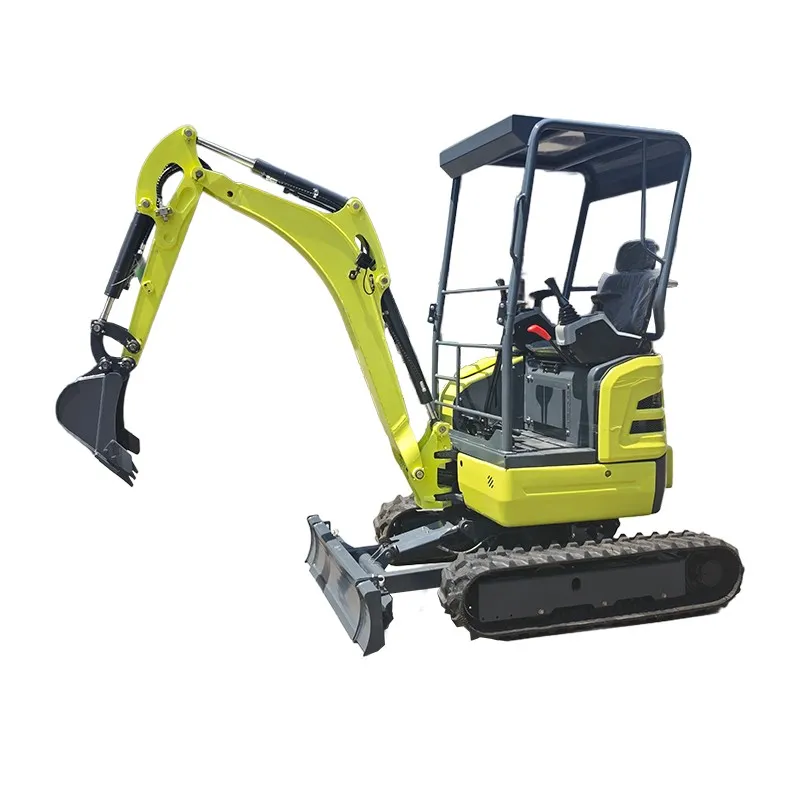
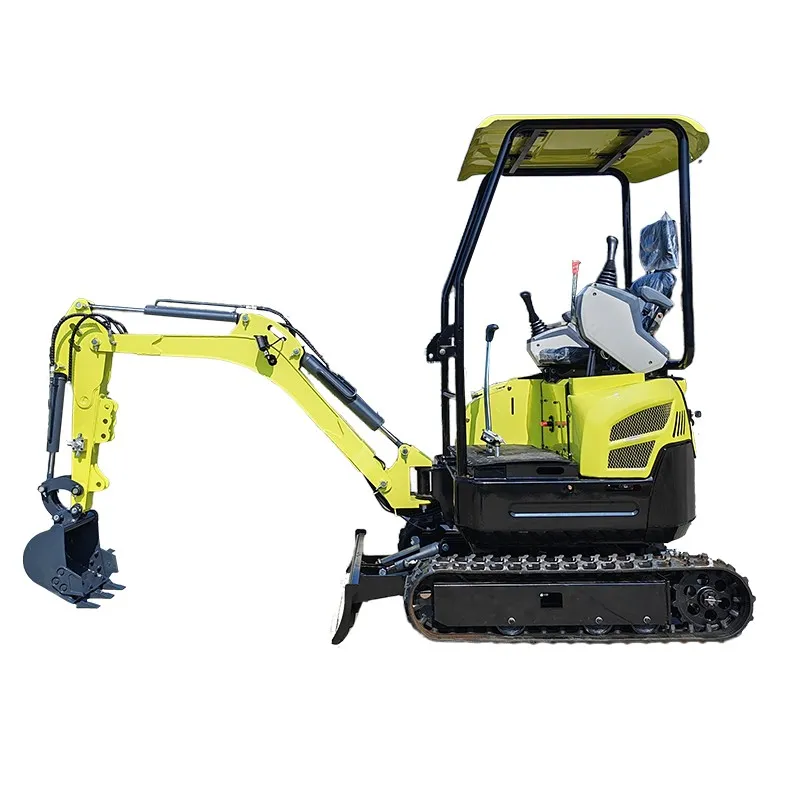
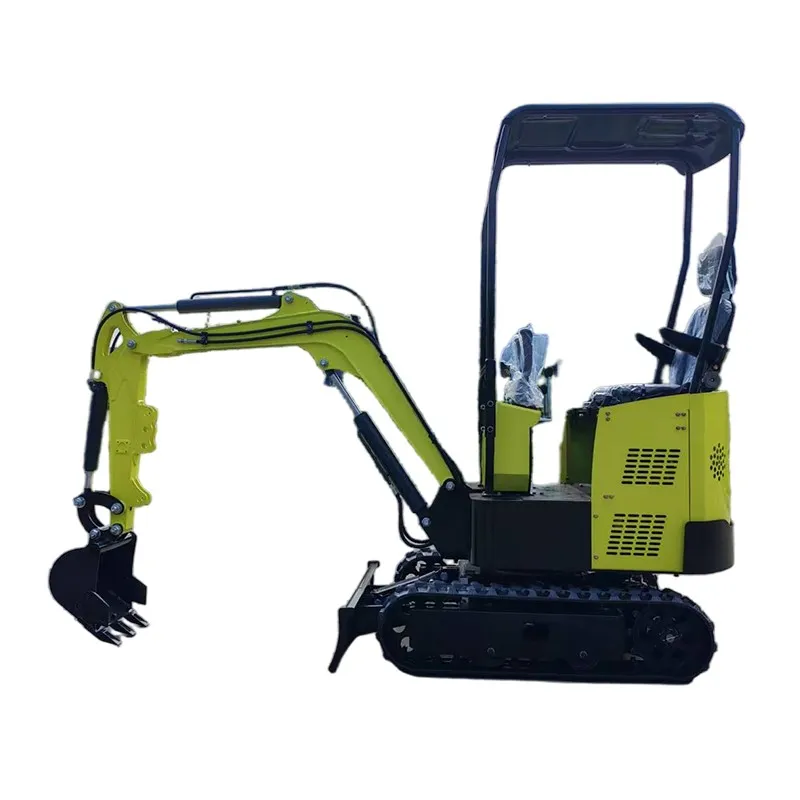
jcb mini excavator for sale
When you type 'JCB mini excavator for sale' into a search, you're immediately thrown into a world of wildly varying prices, specs, and claims. A lot of folks, especially those new to compact equipment, make the mistake of thinking all 3.5-ton machines are created equal, or that a lower upfront cost always wins. Having run a small earthworks crew for over a decade, I've learned it's rarely that simple. The real question isn't just about finding a machine for sale; it's about understanding what you're actually buying, who you're buying it from, and whether that specific unit—be it a 35Z-1, 48Z, or an older 8018—fits the brutal reality of your job sites. Let's cut through the noise.
The JCB Name and What You're Really Paying For
First off, let's be clear: JCB makes a solid mini ex. Their side-door entry on the 3CX backhoe is legendary, and that design thinking carries into their compact excavator cabs. You're paying for that engineering, the brand's dealer network (which is crucial for parts and service), and a certain resale value. But here's the catch I've seen contractors stumble on: not every machine advertised with JCB in the title is a genuine, factory-built JCB. There's a whole ecosystem of look-alikes and inspired-by models out there, often coming from specialized manufacturing hubs. This isn't necessarily bad—it just changes the value proposition entirely.
I remember a guy I knew, let's call him Mike, who bought a JCB-type mini excavator from a fly-by-night online seller. The price was a good 40% below market for a used 35Z. It showed up, and from 20 feet away, it looked the part. But the hydraulics were sluggish, the pins and bushings wore out in under 300 hours, and finding a simple hydraulic filter turned into a month-long saga. He saved money upfront but lost two months of productivity and paid the difference in downtime and stress. That experience taught me to dig deeper than the brand name in the ad.
This is where the origin and the manufacturer's long-term footprint matter. If you're considering a machine that isn't from a mainstream dealer, you need to vet the factory behind it. A company that's been around, with a documented history and a physical production base, is a different bet altogether. For instance, I've come across Shandong Pioneer Engineering Machinery Co., Ltd in my searches for reliable alternative suppliers. They've been operating since 2004, which in this industry, signals they've navigated a few market cycles. Their recent relocation in 2023 to a larger facility in Ningyang suggests growth and investment. When a firm like this, with its manufacturing arm Shandong Hexin and trade arm Pioneer, exports to places like the U.S., Canada, and Australia, it tells me they're building to a standard that can pass stricter inspections. It’s a data point that moves them from anonymous supplier to viable option in my book.
Key Specs Beyond the Brochure: Where the Rubber Meets the Dirt
Everyone looks at digging depth and horsepower. You should. But the specs that dictate whether a mini excavator earns its keep on your trailer are often buried. Auxiliary hydraulic flow and pressure—this is everything if you run a hydraulic thumb, a breaker, or a tilt rotator. I learned this the hard way with an older machine I bought; the aux flow was too low for the attachment I needed, rendering a $5k purchase useless until I spent another $2k on a circuit modification.
Then there's the undercarriage. For mini excavators, the choice is often between rubber tracks and steel. Rubber is great for finished surfaces, but if you're in rocky terrain or demolition, they get chewed up fast. I prefer a machine that offers a robust steel track option, or at least a heavy-duty rubber track system. The travel motors matter too. A weak travel motor on a slope with a full bucket is a recipe for a bad day.
Serviceability is a huge one. Can you easily check the engine oil? Are the grease points for the boom and arm accessible without contorting yourself? I once operated a model where the main hydraulic valve bank was buried under a panel that required removing six bolts. Simple daily checks became 30-minute chores. Now, I physically look for a clean engine bay layout and grouped service points before anything else. A manufacturer that designs for easy maintenance has probably spoken to actual mechanics.
The For Sale Landscape: Dealers, Private Sellers, and Direct-from-Factory
The avenue you choose to buy from fundamentally shapes your experience. Authorized JCB dealers offer peace of mind, warranty, and financing, but you pay a premium for it. For a late-model, low-hour used machine, this is often the safest route. Private sellers can offer deals, but you're on your own for inspection and post-sale support. You need to be able to assess engine hours versus wear, check for hydraulic cylinder drift, and inspect the structure for cracks or welds.
The third path, which is becoming more common, is buying direct from an export-oriented manufacturer or their dedicated trade company. This is where a company like Shandong Pioneer comes into play. Their website, https://www.sdpioneer.com, functions as their storefront. The value here is potentially getting a new machine with modern features at a price point between a used brand-name machine and a new one from a dealer. The trade-off is navigating shipping, customs, and establishing a local service relationship.
It's not for everyone. You need to be comfortable with the process. But for a contractor who maintains their own equipment or has a good local mechanic, it can be a calculated, cost-effective move. The key is communication. Can you get detailed, specific answers about the engine brand (Kubota, Yanmar?), the hydraulic pump type, and the warranty terms? Do they provide the full suite of compliance documents (CE, EPA tier if needed) for your region? Their company intro states they export to numerous countries, which implies they're accustomed to handling these logistics. That's a reassuring sign.
Attachment Compatibility and the Total System Cost
Never evaluate a mini excavator in isolation. It's the heart of a system. The quick coupler standard is critical. Is it a European-style bracket? A pin-grabber? Make sure it matches your existing attachments or factor in the cost of an adapter or new attachments. I standardized my fleet on a certain coupler type years ago, and it saves me countless hours and rental fees.
The other hidden cost is part of the undercarriage: the track pads, rollers, and sprockets. For non-OEM machines, you must verify parts availability. Before committing to a purchase from a newer-to-you source, I'll often search for a part number for a common wear item like a track roller or a seal kit. If I can find it through third-party suppliers or confirm the manufacturer can ship it promptly, my confidence goes up. A company with 20 years in business, like Pioneer notes, has likely seen enough machines in the field to have a handle on their common wear parts and support needs.
Finally, consider the cab and controls. After a 10-hour day, operator fatigue is real. ISO pattern controls are pretty standard now, but the smoothness of the joysticks, the visibility from the seat, and basic comfort like a suspension seat and good climate control (if enclosed) directly impact productivity and who's willing to run the machine.
Making the Decision: A Framework, Not a Formula
So, back to that search for a 'JCB mini excavator for sale'. There's no single right answer. For a high-utilization, demanding production environment where downtime costs thousands per hour, the OEM dealer route with a full-service contract might be the only sane choice. The premium is insurance.
For a small outfit, a specialty landscaper, or a contractor who needs a dedicated machine for a specific, long-term project, the calculus changes. Here, the total cost of ownership over, say, 5 years is the metric. A reliable, well-specified machine from an established manufacturer that sells direct, even if it's not a household name, can make tremendous financial sense. The capital savings can be invested in better attachments or marketing.
It boils down to honest self-assessment. What's your tolerance for risk? What's your own mechanical aptitude or local support network? How critical is this specific machine to your cash flow? Do your homework: read between the lines of website claims, ask for customer references, and request detailed videos of the exact machine in operation. Whether it's a used JCB from a dealer down the road or a new machine from a global exporter like Shandong Pioneer Engineering Machinery Co., Ltd, the goal is the same: to put a reliable, productive asset on your jobsite that doesn't become a money pit. The search term is just the starting point; the real work is in the vetting.
Related Products
Related Products