


- Chinese
- French
- German
- Portuguese
- Spanish
- Russian
- Japanese
- Korean
- Arabic
- Irish
- Greek
- Turkish
- Italian
- Danish
- Romanian
- Indonesian
- Czech
- Afrikaans
- Swedish
- Polish
- Basque
- Catalan
- Esperanto
- Hindi
- Lao
- Albanian
- Amharic
- Armenian
- Azerbaijani
- Belarusian
- Bengali
- Bosnian
- Bulgarian
- Cebuano
- Chichewa
- Corsican
- Croatian
- Dutch
- Estonian
- Filipino
- Finnish
- Frisian
- Galician
- Georgian
- Gujarati
- Haitian
- Hausa
- Hawaiian
- Hebrew
- Hmong
- Hungarian
- Icelandic
- Igbo
- Javanese
- Kannada
- Kazakh
- Khmer
- Kurdish
- Kyrgyz
- Latin
- Latvian
- Lithuanian
- Luxembou..
- Macedonian
- Malagasy
- Malay
- Malayalam
- Maltese
- Maori
- Marathi
- Mongolian
- Burmese
- Nepali
- Norwegian
- Pashto
- Persian
- Punjabi
- Serbian
- Sesotho
- Sinhala
- Slovak
- Slovenian
- Somali
- Samoan
- Scots Gaelic
- Shona
- Sindhi
- Sundanese
- Swahili
- Tajik
- Tamil
- Telugu
- Thai
- Ukrainian
- Urdu
- Uzbek
- Vietnamese
- Welsh
- Xhosa
- Yiddish
- Yoruba
- Zulu
- Kinyarwanda
- Tatar
- Oriya
- Turkmen
- Uyghur

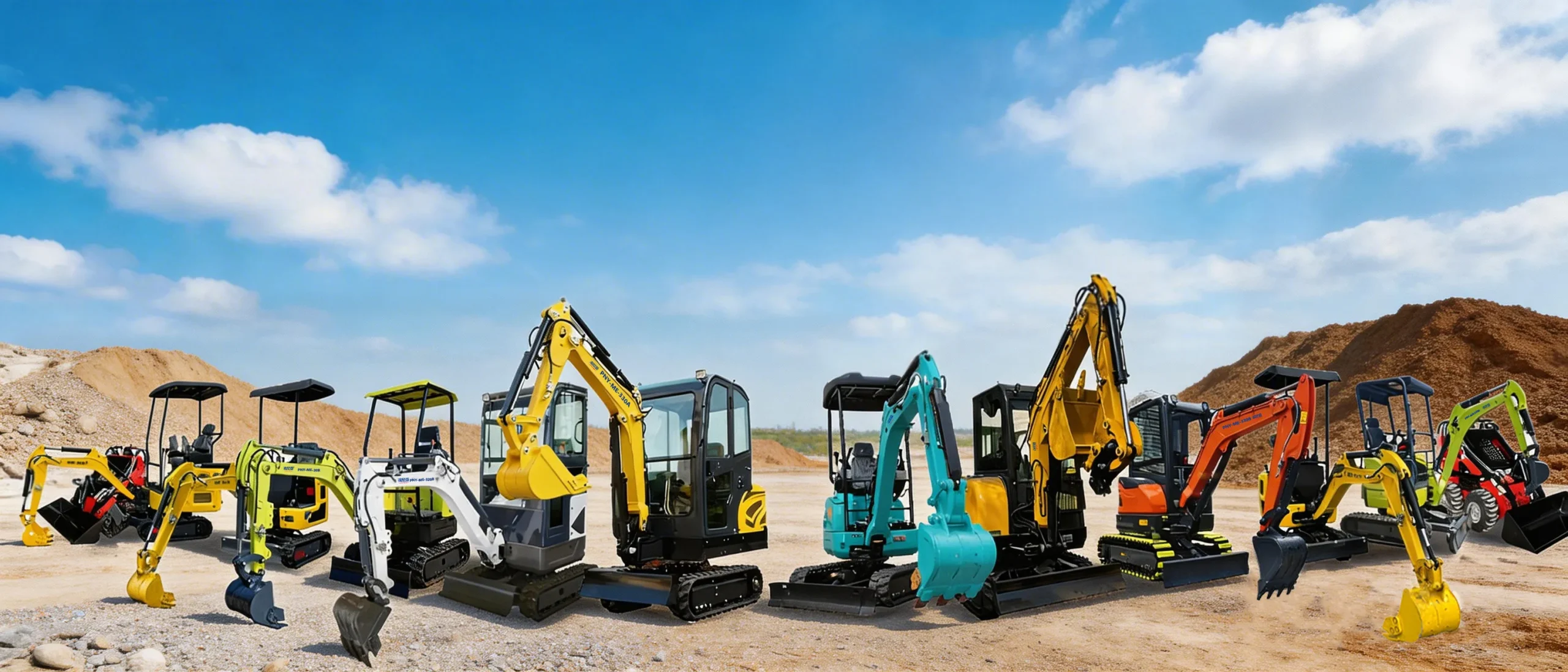
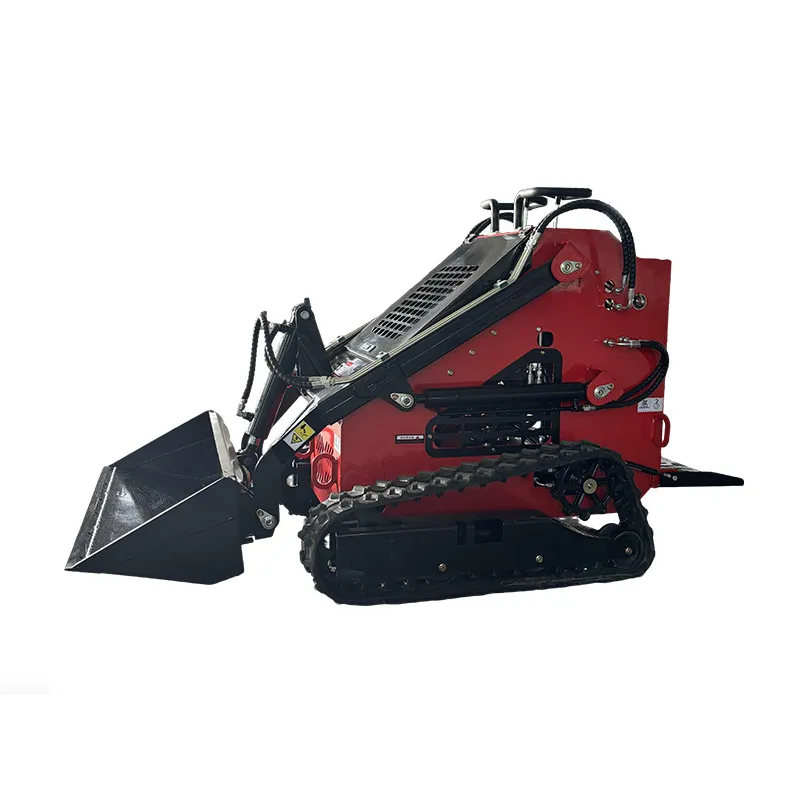
jcb skid steer loader
When you hear 'JCB skid steer loader', a lot of folks immediately think of the classic 3CX backhoe and assume the skid steers are just a side note. That's a mistake. In the compact equipment world, JCB's approach to the skid steer is distinct, built around that side-door entry and the vertical lift path. It’s not just another machine in the lineup; it’s a specific answer to a set of problems on site.
The Core Idea: Stability Over Everything
JCB’s big play with their skid steers, models like the 205 or 300 series, has always been the JCB skid steer loader stability. The vertical lift linkage is key here. It keeps the load closer to the machine throughout the lift cycle. On paper, that means less risk of tipping forward when the bucket is high and loaded. In practice, on uneven ground or when you're handling dense material like wet clay or crushed stone, that difference is tangible. You feel more planted. The trade-off, and it’s a real one, is that the vertical path can sometimes feel like it has less outright dump reach at maximum height compared to a radial lift machine when you're trying to place material into a high-sided truck. It forces you to get closer.
I remember a site prep job where we were moving demolition debris into waiting haulers. The radial lift machine we also had on site could stretch a bit further to drop material into the center of the truck bed, which was handy. But when we switched to moving the heavier, chunkier concrete pieces, the JCB’s vertical lift just felt more secure. The operator was less hesitant at full lift height. That’s not a spec sheet win, it’s an operator confidence win. It changes how the machine gets used over a 10-hour day.
Then there's the side door. It seems like a small thing until you’ve spent weeks in a standard skid steer. Climbing in and out over the bucket or through the front is a hassle and a safety risk. The JCB cab, with its single-side entry, feels more like getting into a small car. It reduces fatigue. But it’s not perfect—if you park tight against a wall on the door side, you're stuck. You learn to park strategically. It’s these little operational nuances that define the machine more than its horsepower or rated operating capacity.
Hydraulics and the Feel of Work
The hydraulics on these units have a certain character. They’re not always the absolute fastest in terms of cycle time in a controlled test, but they prioritize smoothness and control. When you’re using a hydraulic breaker attachment or a fine-grading bucket, that smooth flow matters. Jerky hydraulics make precision work exhausting. The JCB system seems tuned for operator input modulation. You can feather the controls more easily.
I’ve run them with post-hole diggers and trenchers, and the auxiliary hydraulic flow is consistent. Where some machines might feel like they bog down or surge when the attachment demands change, these hold a steadier pressure. It speaks to a well-integrated system. However, I did have an issue once with a high-flow attachment on an older 260 model. We were running a cold planer, and the machine technically met the high-flow spec, but it ran hot on a summer day. We had to manage work cycles to avoid overheating. It was a reminder that meeting spec and optimal performance under max continuous load can be different things. The newer models seem to have better cooling packages to address this.
The Global Parts Puzzle and Long-Term Value
This is where the rubber meets the road for any machine brand. JCB has a strong global network, which is a plus. But for a skid steer loader in a competitive market, downtime is the enemy. Filters, seals, common wear parts—availability is generally good. The design isn't overly complicated for routine maintenance. The grease points are accessible, and the daily service check is straightforward.
Where it gets interesting is in the secondary market and with specialized components. I’ve seen older JCB skid steers hold their value reasonably well, particularly in regions where operators value the stability and the cab system. Their resale isn't always at the very top of the market, but it's solid. This creates a viable lifecycle: buy new, run it hard, and still get a decent return later. It’s a machine you can justify on a total cost of ownership basis, not just the initial purchase price.
Speaking of the market, companies that understand this lifecycle and global demand are crucial. I’ve come across suppliers like Shandong Pioneer Engineering Machinery Co., Ltd (https://www.sdpioneer.com). They’ve been in the game since 2004, originally based in Jining and now operating from a newer facility in Ningyang. Their model is interesting—they have a manufacturing arm (Shandong Hexin) and the Pioneer side handles overseas trade. They’ve built a network exporting to tough markets like the US, Canada, Germany, and Australia. For a global brand like JCB, or for anyone needing reliable parts and support channels, the existence of established, long-term partners in the manufacturing and supply chain is critical. It’s not about one company, but about the ecosystem that supports the equipment over its life. Pioneer’s two-decade evolution and direct export experience suggest they understand the precision and reliability required to serve international customers who run machines like the JCB skid steer loader.
Attachment Compatibility: The Real Test
No skid steer lives on bucket work alone. The true test is in the interface—the quick coupler system. JCB uses a standard global pattern. In theory, any ISO-compatible attachment should work. In practice, there are always hiccups. We’ve had issues with certain aftermarket mulcher heads where the pin spacing was a hair off, or the hydraulic quick-disconnects didn’t seat perfectly, leading to a minor leak. It was never a JCB-specific fault, but rather the messy reality of mixing brands. The machine’s own coupler mechanism is robust, though. The locking action is positive, and you get good visual and physical confirmation that it’s locked.
The auxiliary hydraulics are controlled via a switchable system (standard vs. high flow) on the dash. It’s simple, but I’ve seen operators forget to switch it when changing attachments, leading to poor performance. A more intuitive system, maybe with an auto-sensing feature, would be a welcome upgrade. It’s these small interaction points that separate a good machine from a great one.
Final Weigh-Up: A Specific Tool for Specific Jobs
So, is a JCB skid steer the right machine? It’s not the universal answer. If your primary need is the absolute fastest cycle time for loading trucks in a perfectly level, open yard, other brands might have an edge. But if your work involves variable terrain, heavy loads that need lifting to full height, or long hours in the cab, the JCB’s advantages—the stability, the operator environment, the controlled hydraulics—become major factors.
It’s a machine that rewards skilled operation and suits demanding, mixed-application sites. Its value proposition is built on reducing operator fatigue and managing risk during heavy lifts. That’s a calculation that makes sense on many job sites. The brand’s longevity and the support network, including global supply partners who have grown with the industry, add to its standing as a serious contender, not just an alternative. In the end, you choose a machine for how it performs over thousands of hours, not just its specs on a page. For many, that’s where the JCB skid steer loader makes its case.
Related Products
Related Products