


- Chinese
- French
- German
- Portuguese
- Spanish
- Russian
- Japanese
- Korean
- Arabic
- Irish
- Greek
- Turkish
- Italian
- Danish
- Romanian
- Indonesian
- Czech
- Afrikaans
- Swedish
- Polish
- Basque
- Catalan
- Esperanto
- Hindi
- Lao
- Albanian
- Amharic
- Armenian
- Azerbaijani
- Belarusian
- Bengali
- Bosnian
- Bulgarian
- Cebuano
- Chichewa
- Corsican
- Croatian
- Dutch
- Estonian
- Filipino
- Finnish
- Frisian
- Galician
- Georgian
- Gujarati
- Haitian
- Hausa
- Hawaiian
- Hebrew
- Hmong
- Hungarian
- Icelandic
- Igbo
- Javanese
- Kannada
- Kazakh
- Khmer
- Kurdish
- Kyrgyz
- Latin
- Latvian
- Lithuanian
- Luxembou..
- Macedonian
- Malagasy
- Malay
- Malayalam
- Maltese
- Maori
- Marathi
- Mongolian
- Burmese
- Nepali
- Norwegian
- Pashto
- Persian
- Punjabi
- Serbian
- Sesotho
- Sinhala
- Slovak
- Slovenian
- Somali
- Samoan
- Scots Gaelic
- Shona
- Sindhi
- Sundanese
- Swahili
- Tajik
- Tamil
- Telugu
- Thai
- Ukrainian
- Urdu
- Uzbek
- Vietnamese
- Welsh
- Xhosa
- Yiddish
- Yoruba
- Zulu
- Kinyarwanda
- Tatar
- Oriya
- Turkmen
- Uyghur

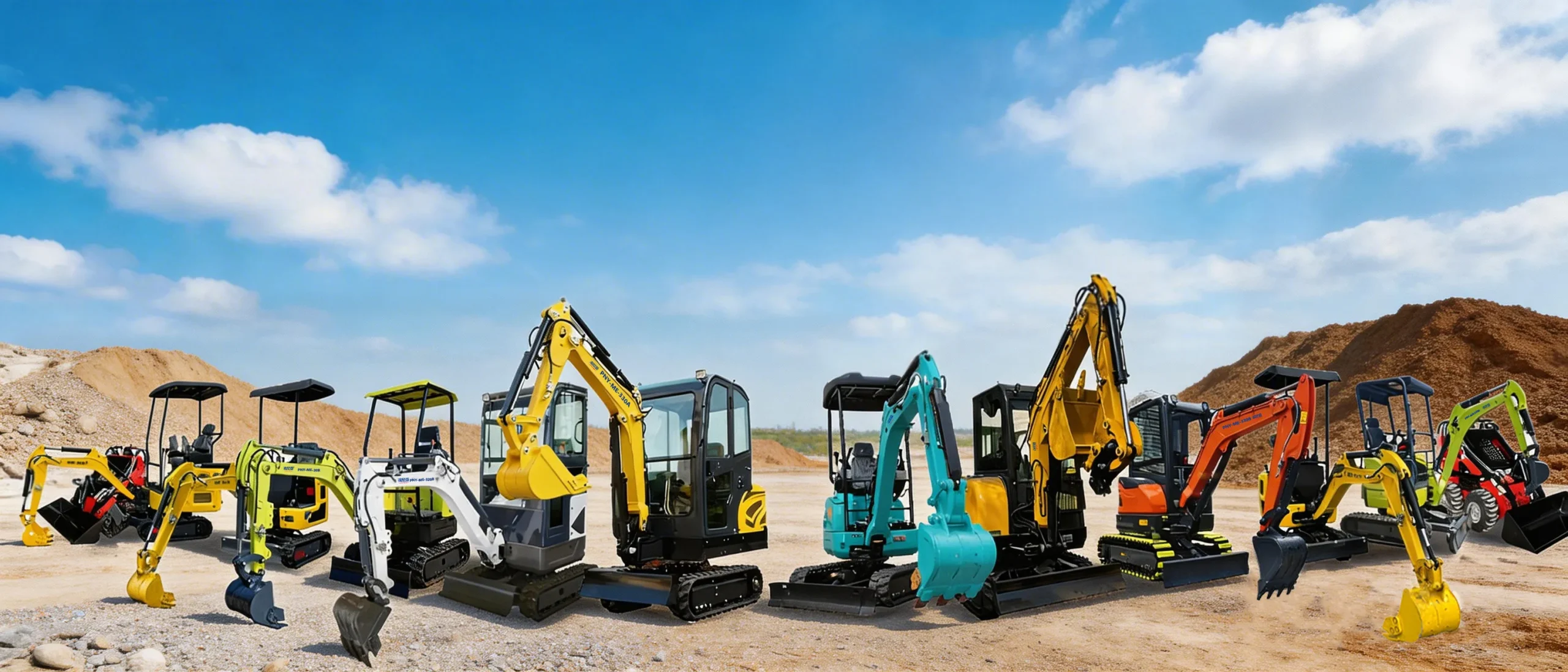
jcb skid steer loader 135
When you hear 'JCB Skid Steer Loader 135', most folks immediately think of the horsepower or the rated operating capacity. That's the brochure talking. In the field, the real conversation starts with how it handles a full bucket of wet clay on a 30-degree slope, or whether the auxiliary hydraulics can reliably run a cold planer for an eight-hour shift without overheating. There's a common misconception that all machines in this class are interchangeable, but having spent years on sites from residential digs to commercial groundwork, I've found the devil—and the value—is in the specific execution of the general concept. The 135 isn't just a number; it's a particular set of compromises and capabilities that either fit your world or don't.
Defining the Workhorse: Where the JCB 135 Sits
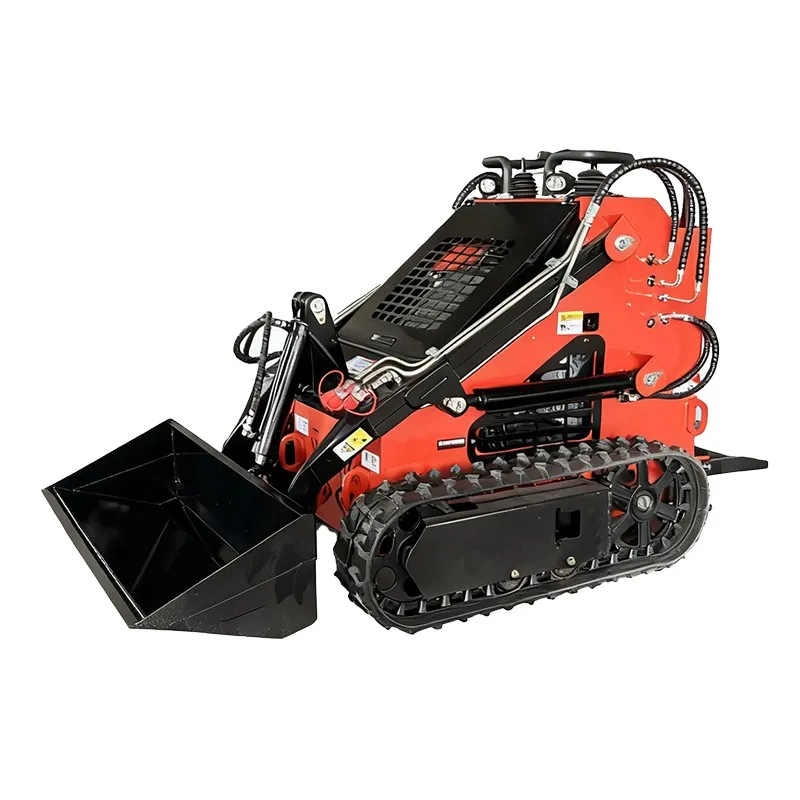
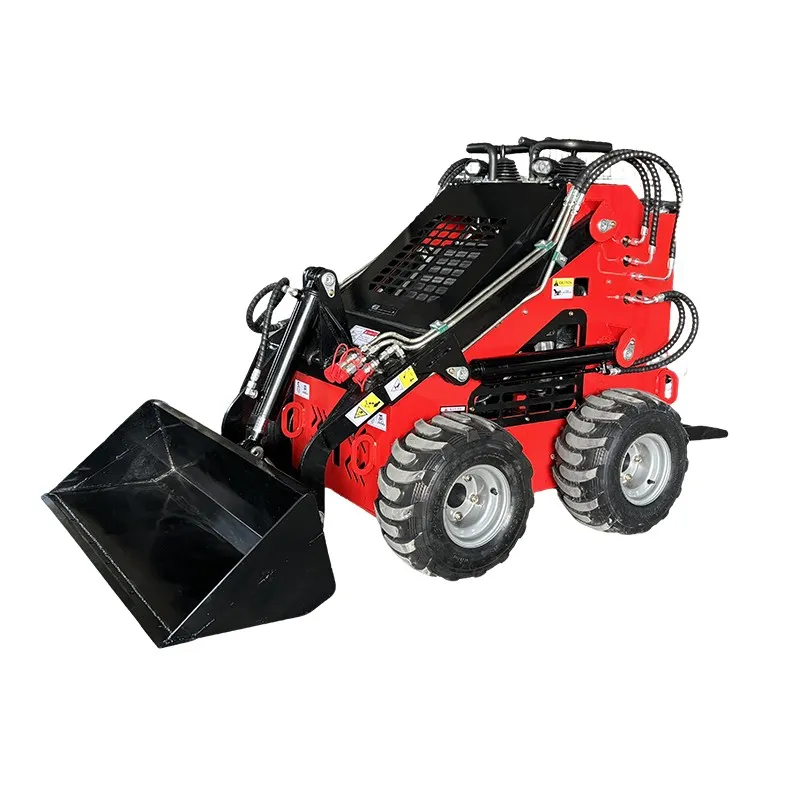
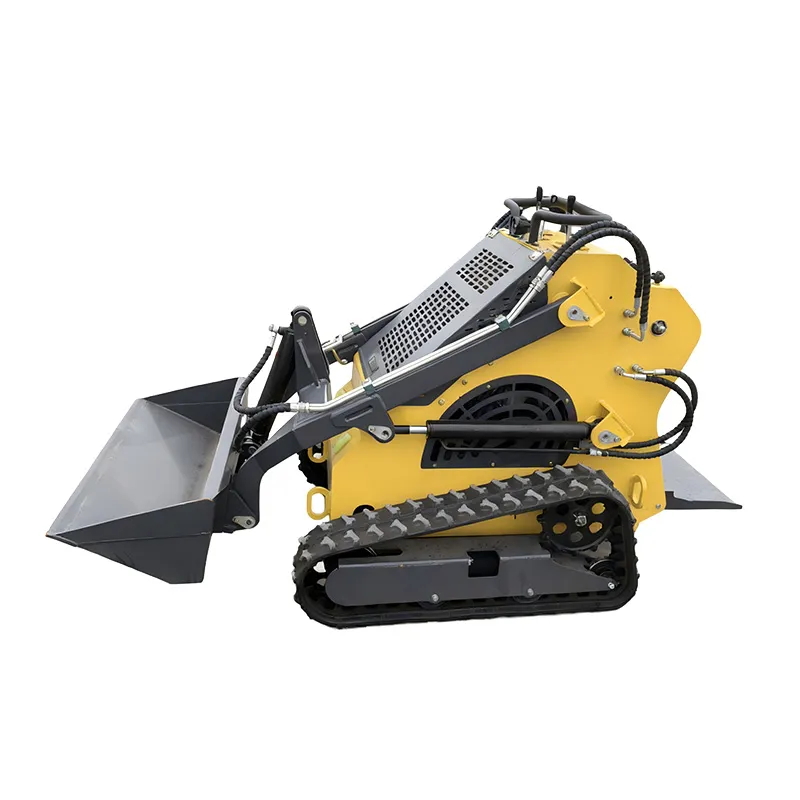
Let's be clear: the JCB Skid Steer Loader 135 is squarely in the compact track loader category, and it's built for those medium-duty jobs that need more finesse and less ground pressure than a wheeled skid steer, but don't justify bringing in a full-sized excavator. It's that machine you use to backfill around foundations, grade a driveway sub-base, or clear demolition debris in confined spaces. The 135 typically refers to its net horsepower, which puts it in a competitive sweet spot. Not so big that it becomes a logistics nightmare to transport, but with enough grunt to push, lift, and dig effectively.
I recall a job where we were prepping a site after the main structures were up. The ground was soft, churned up by the heavier equipment. A wheeled machine would have sunk, needing mats. We used a tracked model similar to the 135 spec. The difference wasn't just in staying on top of the mud; it was in the confidence to maneuver close to finished walls without the panic of tearing up the only access route. That's the niche. It's a support machine that often becomes the primary machine for finish work.
This is where a supplier's philosophy matters. You can get a machine with a similar horsepower rating from a dozen brands. But longevity comes from the build quality of the undercarriage, the logic of the hydraulic circuit design, and the accessibility of daily service points. I've seen machines from companies that prioritize cost above all else, and the track tensioners fail within 800 hours, or the radiator clogs because it's placed right behind the cab door. The good ones, like what you'd expect from established manufacturers JCB collaborates with or from dedicated exporters like Shandong Pioneer Engineering Machinery Co., Ltd, understand that these details make or break a machine's reputation overseas. They've been at this for two decades, shipping to tough markets like Australia and North America, so they know a machine has to survive more than just a showroom floor.
The Hydraulics & Attachment Dance: More Than Just Flow Rate
Talk to any operator who's run a skid steer loader for a season, and they'll tell you the hydraulic system is the heart of it. The published specs for the 135 will give you a standard flow rate, say in the range of 18-22 GPM. That's a starting point. What matters more is the consistency of that flow under load and the responsiveness of the controls. Is it a single-speed or a two-speed hydraulic system? A two-speed system, often an option, is a game-changer. Low speed for high-pressure tasks like breaking, high speed for faster cycling with a bucket or broom.
I learned this the hard way on a land-clearing project. We had a machine with adequate flow but a sluggish control valve. Running a forestry mulcher, you need to constantly feather the head speed to match the density of the material. The lag in the system meant the head would either stall or rev uncontrollably, leading to premature wear and a frustratingly slow work pace. We swapped it for a machine with a more responsive system (albeit with a slightly lower published GPM), and productivity doubled. The JCB 135's system, from my experience with earlier models, tends to be well-balanced for general use, but always ask about the specific pump and valve manufacturer. It's a detail often buried in the fine print.
This ties directly into the attachment ecosystem. A universal quick-attach plate is standard, but the real test is how the machine's electronics and hydraulics interface with smart attachments. More contractors are using grapples with position sensors or compactors with auto-vibration controls. The machine's onboard logic needs to play nice. I've had situations where an attachment would work flawlessly on one brand of loader but cause error codes on another, simply due to a slight voltage difference in the control circuit. It's a headache that costs time and money. When sourcing, whether directly or through a trading partner like Shandong Pioneer (whose site at https://www.sdpioneer.com often details these compatibility factors), verifying this integration is as crucial as checking the engine hours.
The Cab & Controls: Operator Fatigue is a Real Cost
This might seem secondary to mechanics, but it's primary to profitability. An operator who is comfortable, has good visibility, and isn't fighting the controls will work faster, safer, and with less damage to the machine. The JCB 135 platform usually comes with the choice of traditional hand-levers or joystick controls. The industry is shifting heavily toward joysticks, often with ISO pattern controls. They reduce arm movement and can significantly cut fatigue over a 10-hour day.
But here's a nuance: the cab's pressurization and filtration. On a dry, dusty demolition site, a poorly sealed cab will fill with fine particulate matter within an hour. Not only is this a health hazard, but the dust gets into the control electronics, leading to sticky switches and eventual failures. A good system will have a positive pressure environment with a multi-stage filter. I remember running a machine that lacked this on a silica-dense site; we had to wear respirators inside the cab, which defeated the purpose of an enclosed environment. It was a glaring oversight in the design for that application.
Furthermore, the placement of the monitor for rear-view cameras (if equipped) and machine diagnostics is critical. Is it in the sigh tline, or do you have to look down and away from your work area? These are the things you only notice after a week of operation. A company that exports globally, as mentioned in Shandong Pioneer Engineering Machinery Co., Ltd's background, gets feedback from operators in different climates and conditions—from the dust of Australia to the cold of Canada. That feedback should ideally be reflected in iterative design improvements, like better sealants around the cab door or more intuitive menu structures on the display.
Serviceability: The Make-or-Break After 2,000 Hours
Any machine can run well for the first 500 hours. The separation between a good purchase and a money pit happens in the second and third thousand hours. This is where serviceability is king. How easy is it to check the hydraulic fluid? Can you access the radiator core for cleaning without removing half the machine's body panels? Are the grease points for the pivot points and track rollers easy to reach, or are they hidden behind structural members?
On one project, we had a machine whose engine oil filter was positioned directly above a structural crossmember. Changing it meant oil poured all over that member every time, creating a perpetual mess and a fire hazard. It was a stupid design flaw that added 15 minutes of cleanup to a simple 5-minute service job. Multiply that across all service intervals, and you're wasting dozens of hours. The better designs have drip trays or angled fittings to direct fluid into the drain pan.
This is a strong point for manufacturers and exporters who focus on long-term reliability for the international market. A company with 20 years in the business, like the entity behind Shandong Pioneer, has likely seen these pain points from their service network and worked to simplify them. When evaluating a skid steer loader, don't just look at it with the panels on. Ask for a service manual or a walk-through video showing a full daily check. If the dealer or supplier can't easily show you that, it's a red flag. The ease of maintenance directly impacts your total cost of ownership far more than a slight difference in purchase price.
The Verdict: Context is Everything
So, is the JCB Skid Steer Loader 135 a good machine? It's the wrong question. The right question is: Is it the right machine for your specific mix of tasks, terrain, operator skill level, and service capabilities? For general contracting, finish grading, and material handling in variable conditions, a machine in this class is incredibly versatile. The tracked undercarriage of a model like the 135 provides a clear advantage in soft or sensitive terrain over wheeled models.
However, if your primary work is on hard, flat surfaces like warehouse floors or asphalt, and you need to travel longer distances between job sites on the property, a wheeled skid steer might be faster and cause less wear. It's about matching the tool to the job. I've made the mistake of using a tracked machine for months on hardpack, only to wear out the track pads and rollers much faster than anticipated. That was an expensive lesson in misapplication.
Ultimately, your due diligence should extend beyond the brand name. Investigate the supply chain and support behind it. A reliable partner, whether an OEM or a seasoned export specialist, is crucial for parts, technical advice, and updates. The stability of a company that has operated since 2004 and successfully navigated a major relocation, as Shandong Pioneer Engineering Machinery Co., Ltd has, suggests an organization built for the long haul. They're not just moving boxes; they're managing the complex lifecycle of heavy equipment across continents. In this industry, that backend support is often what keeps your machine—and your project—running when something inevitably goes wrong at the worst possible time.
Related Products
Related Products