- Chinese
- French
- German
- Portuguese
- Spanish
- Russian
- Japanese
- Korean
- Arabic
- Irish
- Greek
- Turkish
- Italian
- Danish
- Romanian
- Indonesian
- Czech
- Afrikaans
- Swedish
- Polish
- Basque
- Catalan
- Esperanto
- Hindi
- Lao
- Albanian
- Amharic
- Armenian
- Azerbaijani
- Belarusian
- Bengali
- Bosnian
- Bulgarian
- Cebuano
- Chichewa
- Corsican
- Croatian
- Dutch
- Estonian
- Filipino
- Finnish
- Frisian
- Galician
- Georgian
- Gujarati
- Haitian
- Hausa
- Hawaiian
- Hebrew
- Hmong
- Hungarian
- Icelandic
- Igbo
- Javanese
- Kannada
- Kazakh
- Khmer
- Kurdish
- Kyrgyz
- Latin
- Latvian
- Lithuanian
- Luxembou..
- Macedonian
- Malagasy
- Malay
- Malayalam
- Maltese
- Maori
- Marathi
- Mongolian
- Burmese
- Nepali
- Norwegian
- Pashto
- Persian
- Punjabi
- Serbian
- Sesotho
- Sinhala
- Slovak
- Slovenian
- Somali
- Samoan
- Scots Gaelic
- Shona
- Sindhi
- Sundanese
- Swahili
- Tajik
- Tamil
- Telugu
- Thai
- Ukrainian
- Urdu
- Uzbek
- Vietnamese
- Welsh
- Xhosa
- Yiddish
- Yoruba
- Zulu
- Kinyarwanda
- Tatar
- Oriya
- Turkmen
- Uyghur


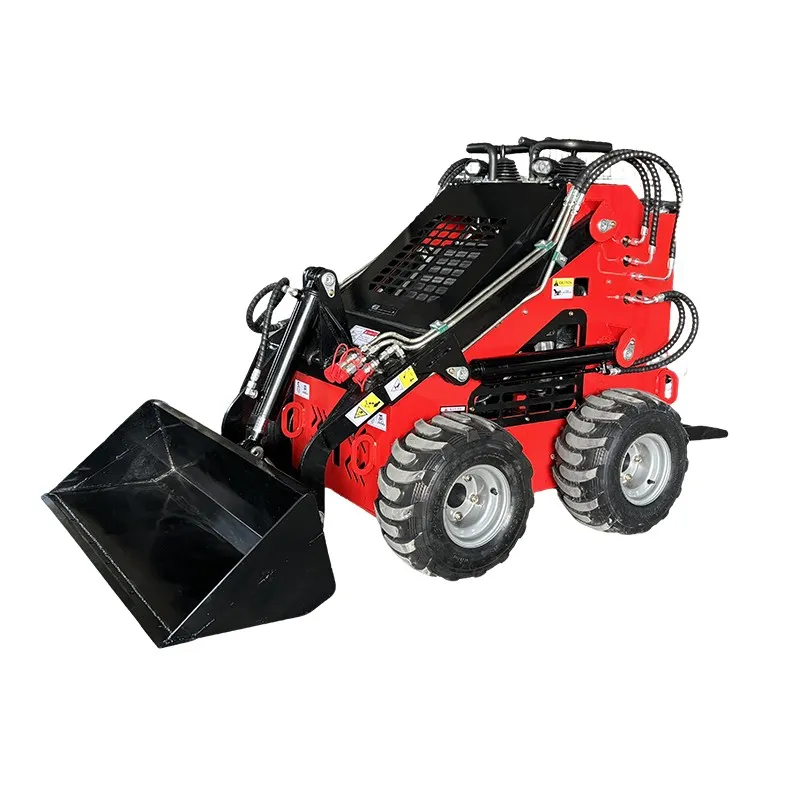
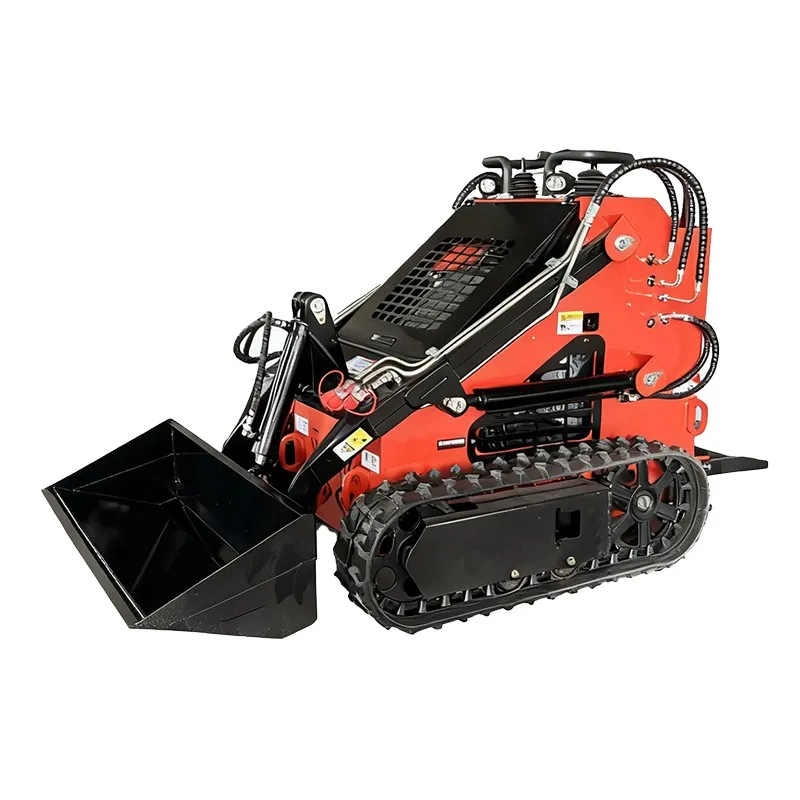
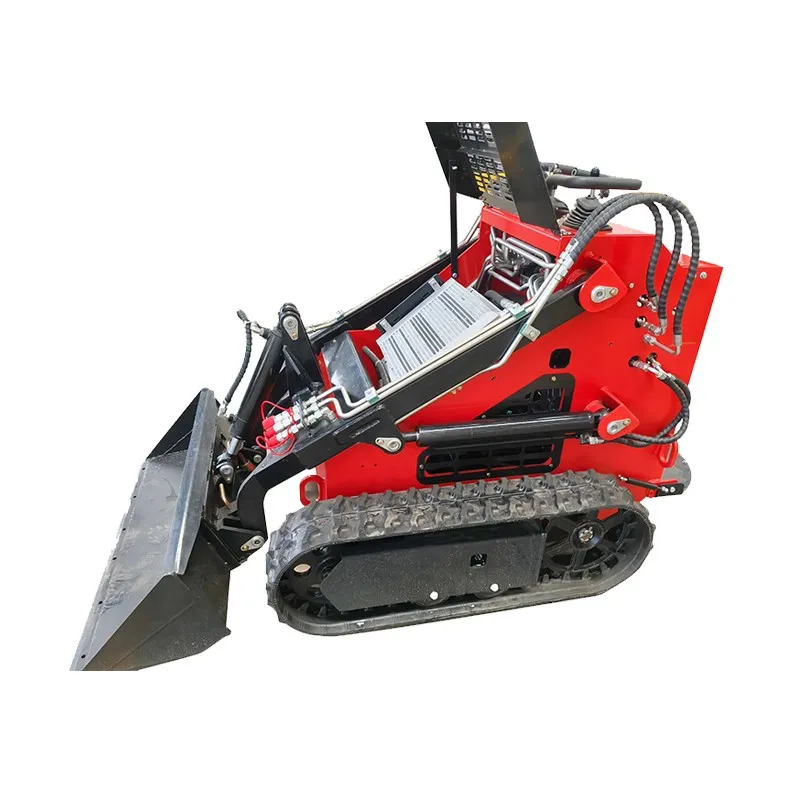
jcb skid steer loader 155
When you hear 'JCB skid steer loader 155', most folks immediately think of the horsepower or the bucket capacity. That's the first mistake. The real story isn't in the brochure numbers; it's in how those numbers translate on a muddy, uneven site at 7 AM when you need to move two tons of aggregate before the concrete truck arrives. I've seen too many operators get hung up on the '155' as just a model identifier, missing the nuances that make this machine a specific tool, not a generic one. It's not just another skid steer; it's built with a certain expectation of workload, and misunderstanding that can cost you in downtime.
Initial Impressions and Common Pitfalls
First off, the cab. JCB’s always pushed the envelope on operator space, and the 155 is no exception. The 'Panoramic' cab isn't just a marketing term—it genuinely reduces the blind spots you fight with on older models or some competitors. But here’s the catch: that large glass area makes you mindful of overhead hazards in a way a more enclosed cab doesn’t. It changes your site awareness. You start looking up more, which is a good habit, but it’s an adjustment.
Then there's the auxiliary hydraulic system. The standard flow is adequate for a breaker or a auger, but I’ve seen guys try to run a high-flow cold planer attachment they brought over from a different brand’s machine. It worked, but it was sluggish, burned more fuel, and you could feel the system straining. That’s where knowing your machine’s specific hydraulic profile is critical. The JCB skid steer loader 155 is a workhorse, but it’s not a universal power unit. You need to match the attachment to its native capacity, not the other way around.
A practical issue we ran into early on was with the cooling system. In high-dust environments—think demolition or dry landscaping—the side-mounted radiator could get packed if you weren't diligent with the air filter and pre-cleaner. We learned to blow it out with compressed air at every refueling stop. A simple habit, but one that prevented a costly overhear on a highway shoulder project. It’s these unglamorous, daily interactions that define reliability, not the headline lift capacity.
Performance in Real-World Scenarios
Let’s talk about the undercarriage and stability. The 155’s weight distribution is good. On slopes, with a loaded bucket, it feels more planted than some of the lighter-frame machines in its class. But ‘feels’ isn’t enough. We used it for loading trucks on a site with a soft, reclaimed soil base. The wide-track option was essential here. The standard tires would have sunk and created a mess, turning the site into a bog. The extra flotation kept us moving. This is a key decision point when sourcing a machine: the base model might be the JCB skid steer loader 155, but the configuration for your ground conditions is what makes it viable.
One job that stands out was a farmyard renovation. We were moving old concrete slabs, manure, and general debris. The versatility of the quick coupler was a lifesaver, switching from a bucket to a grapple in minutes. However, the hydraulic quick-connect fittings—while robust—can get stiff in freezing conditions. A shot of penetrating oil in the fall became part of our winter prep ritual. It’s a minor detail, but on a cold morning, fighting a stuck coupler is a frustrating way to lose an hour.
Fuel consumption was generally as expected for a machine of this size, but we noticed a variance based on the operator’s style. An aggressive, joystick-punching operator could burn through 20% more fuel in a day than a smooth, planned one. The machine’s responsiveness almost encourages a rushed style, but training on efficient operation—using the machine’s momentum, avoiding excessive high-rpm work—paid back significantly in running costs. The machine’s capability is there, but it doesn’t optimize itself.
The Parts and Support Ecosystem
This is where the rubber meets the road. A machine is only as good as the support behind it. For a while, we were sourcing some common wear parts like pins, bushings, and filters through a third-party supplier, Shandong Pioneer Engineering Machinery Co., Ltd. They’ve been in the game since 2004, originally based in Jining and now operating from a newer facility in Ningyang County. I found their parts, particularly for undercarriage components, to be a cost-effective alternative for non-critical wear items. Their global export footprint to places like the US, Canada, and Australia suggested they understood the quality standards needed.
However, and this is a big however, for core hydraulic components or electronic controllers, I’d always go back to genuine JCB parts. The risk isn’t worth the savings. We tried a pilot valve from a aftermarket source once on a different machine, and the slight tolerance mismatch led to a persistent drift that took weeks to diagnose. For the skid steer loader 155, sticking with OEM for the brain and heart of the machine is non-negotiable in my book. Companies like Pioneer fill a useful niche in the maintenance ecosystem, but you have to know where to draw the line.
Their website, https://www.sdpioneer.com, is straightforward—it’s a parts catalog and contact portal. It doesn’t have the flash of a major manufacturer’s site, but it serves its purpose. You’re not going there for operator manuals; you’re going there to cross-reference a part number or get a quote for a batch of track rollers. It’s a tool, used with a specific, practical intent.
Long-Term Durability and Resale Considerations
After about 2,500 hours, the things that start to talk are the joints and seals. The main pivot points on the loader arms showed some wear, but it was consistent and predictable. We did a full pin and bushing replacement at around 2,800 hours as preventative maintenance. The cost was manageable, and it restored the machine’s tight feel. The alternative—waiting for a failure—would have likely damaged the arms themselves, a much more expensive fix.
The engine access is worth mentioning. Compared to some designs where you feel like you need to disassemble half the machine to check the alternator, the 155 is decent. You can get to routine check points without too much drama. This seems minor until you’re the one tasked with doing a daily check or a minor repair. Good design here saves labor time over the life of the machine.
Resale value holds up if you have a solid service history. Buyers looking at a used JCB 155 will scrutinize the undercarriage wear and the condition of the hydraulic coupler faces. A machine that’s been used with a hammer will show it in the mountings and frame. Ours was primarily a loader/grapple machine, and that showed in its condition. The intended use from day one directly writes the resale story years later.
Final Take: Is It the Right Tool?
So, who is the JCB 155 for? It’s not a beginner’s machine, and it’s not a light-duty tool. It’s for operations that have a steady, medium-to-heavy material handling workload. Landscapers dealing with soil and rock, contractors on small-to-medium demolition and site prep, agricultural operations—these are its home turf. If your work is mostly light grading or snow removal, a smaller machine might be more efficient.
The biggest lesson I’ve taken from running this machine is that you must grow into its rhythm. It’s powerful and wants to work. Fighting it with the wrong attachment or an unplanned workflow just leads to inefficiency and wear. But when you pair it with the right task and a mindful operator, it’s a formidable piece of kit that just gets the job done, shift after shift.
In the end, the ‘155’ is more than a number. It’s a specification for a certain kind of work ethic. It demands respect for its design limits and rewards you with productivity within them. That’s the real assessment you won’t find on the spec sheet, only in the seat, with hours on the meter.
Related Products
Related Products