- Chinese
- French
- German
- Portuguese
- Spanish
- Russian
- Japanese
- Korean
- Arabic
- Irish
- Greek
- Turkish
- Italian
- Danish
- Romanian
- Indonesian
- Czech
- Afrikaans
- Swedish
- Polish
- Basque
- Catalan
- Esperanto
- Hindi
- Lao
- Albanian
- Amharic
- Armenian
- Azerbaijani
- Belarusian
- Bengali
- Bosnian
- Bulgarian
- Cebuano
- Chichewa
- Corsican
- Croatian
- Dutch
- Estonian
- Filipino
- Finnish
- Frisian
- Galician
- Georgian
- Gujarati
- Haitian
- Hausa
- Hawaiian
- Hebrew
- Hmong
- Hungarian
- Icelandic
- Igbo
- Javanese
- Kannada
- Kazakh
- Khmer
- Kurdish
- Kyrgyz
- Latin
- Latvian
- Lithuanian
- Luxembou..
- Macedonian
- Malagasy
- Malay
- Malayalam
- Maltese
- Maori
- Marathi
- Mongolian
- Burmese
- Nepali
- Norwegian
- Pashto
- Persian
- Punjabi
- Serbian
- Sesotho
- Sinhala
- Slovak
- Slovenian
- Somali
- Samoan
- Scots Gaelic
- Shona
- Sindhi
- Sundanese
- Swahili
- Tajik
- Tamil
- Telugu
- Thai
- Ukrainian
- Urdu
- Uzbek
- Vietnamese
- Welsh
- Xhosa
- Yiddish
- Yoruba
- Zulu
- Kinyarwanda
- Tatar
- Oriya
- Turkmen
- Uyghur


jd mini excavator
When you hear 'jd mini excavator', most folks immediately think of the big green machines from John Deere. That's fair, but in the trenches, the conversation gets murkier. There's a whole ecosystem of compact excavators that get lumped under that search term, especially when you're sourcing or comparing on a global scale. The assumption that it's all about one brand can lead you to miss some seriously capable—and often more cost-effective—options coming from specialized manufacturers. I've seen too many projects blow their equipment budget upfront because they didn't look past the most obvious name.
The Mini in Mini Excavator is a Spectrum
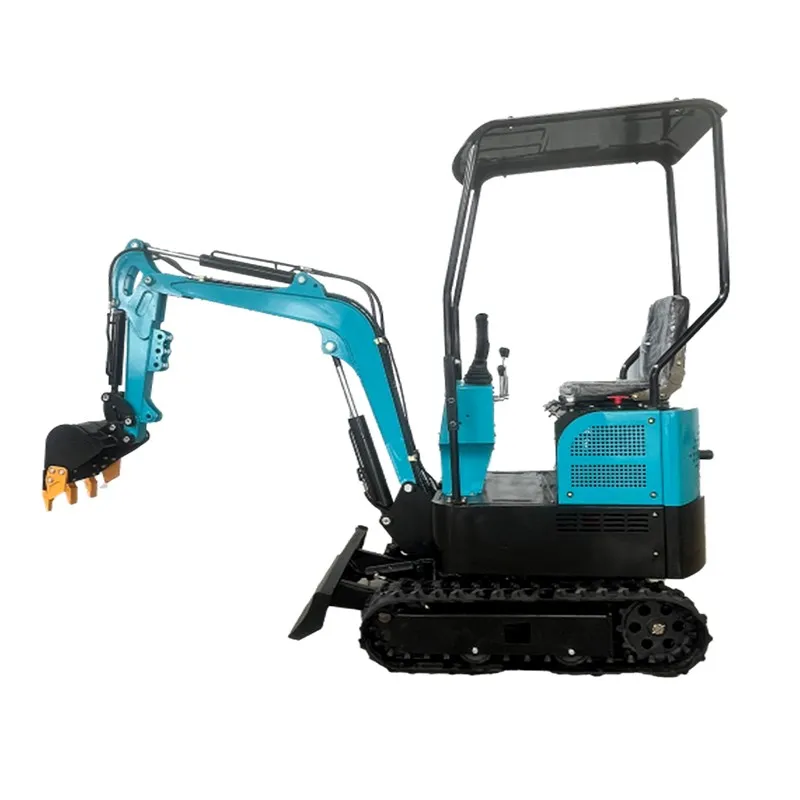
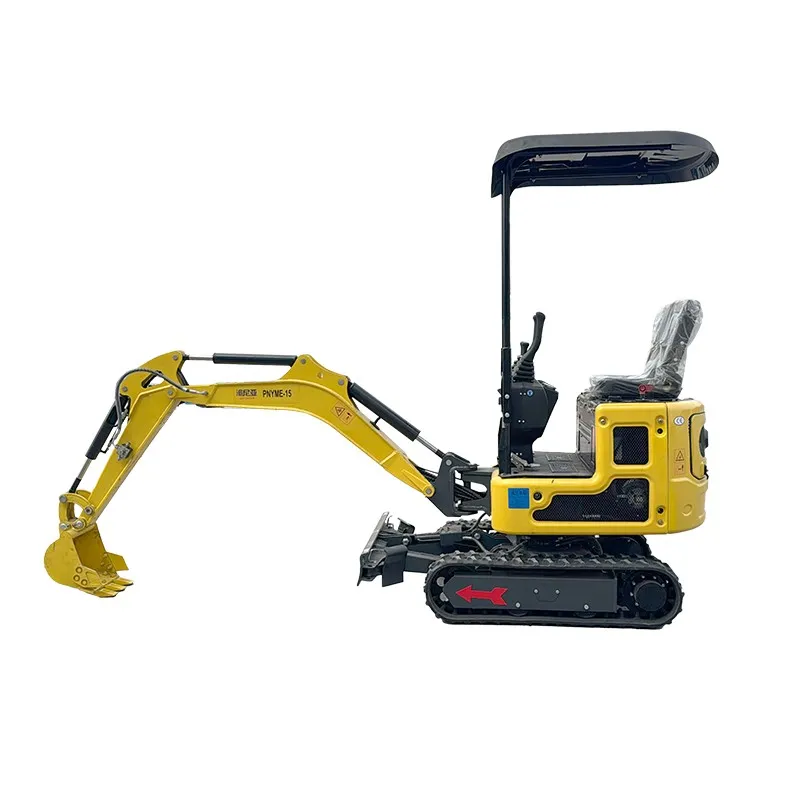
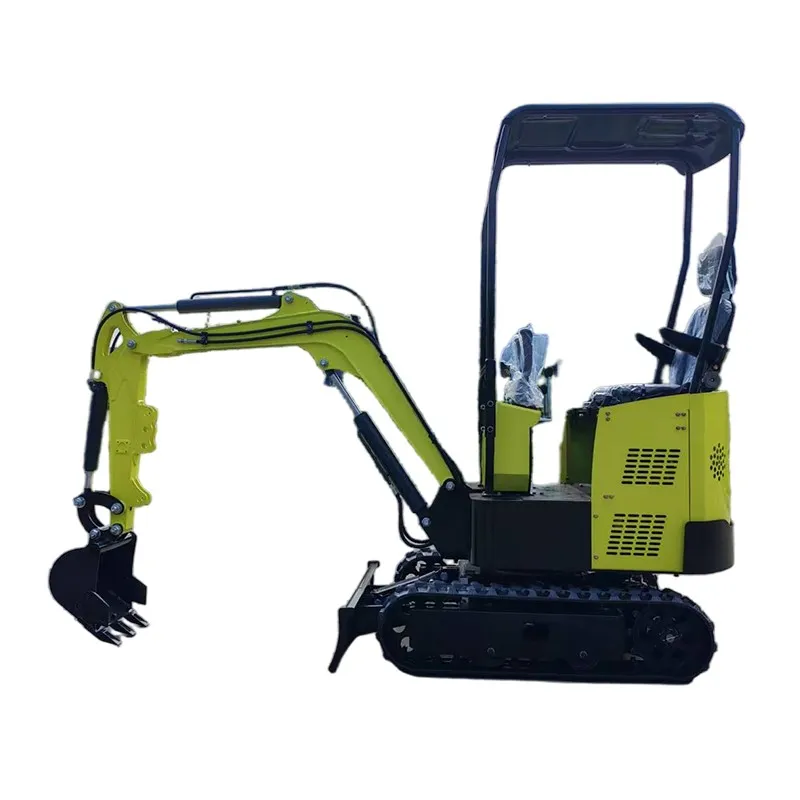
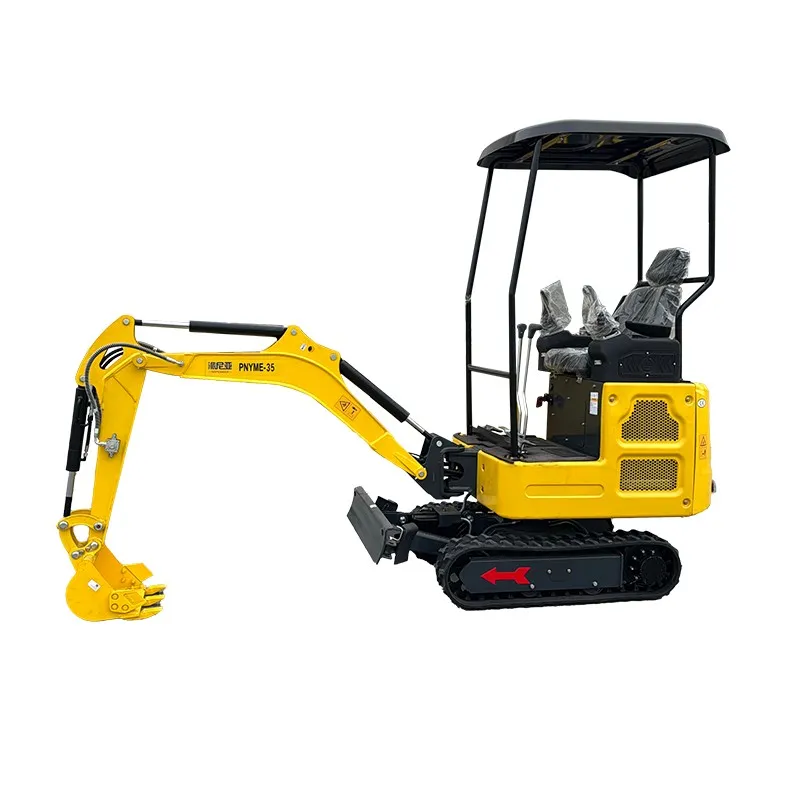
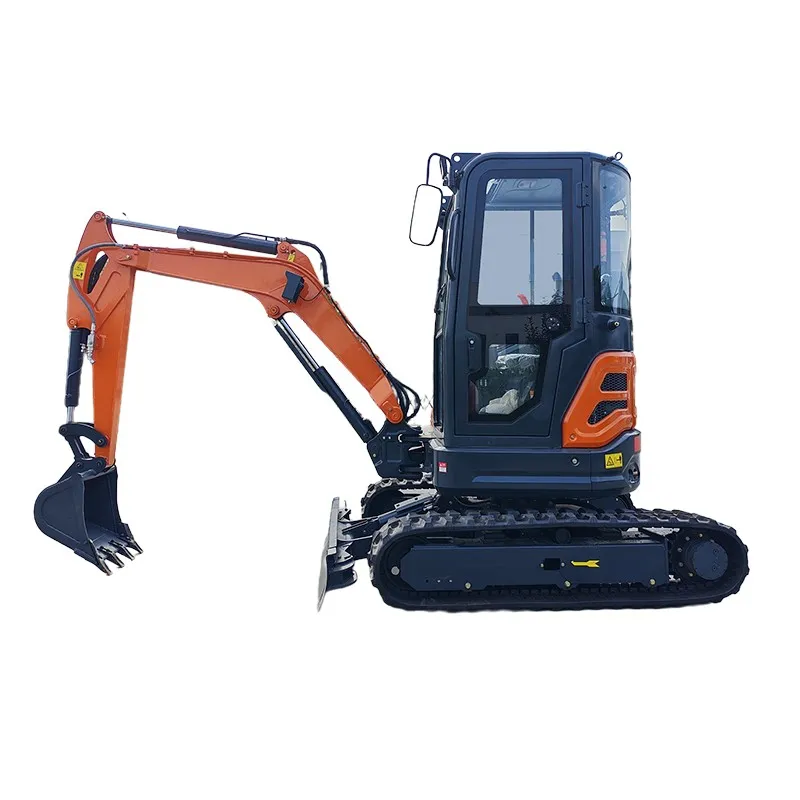
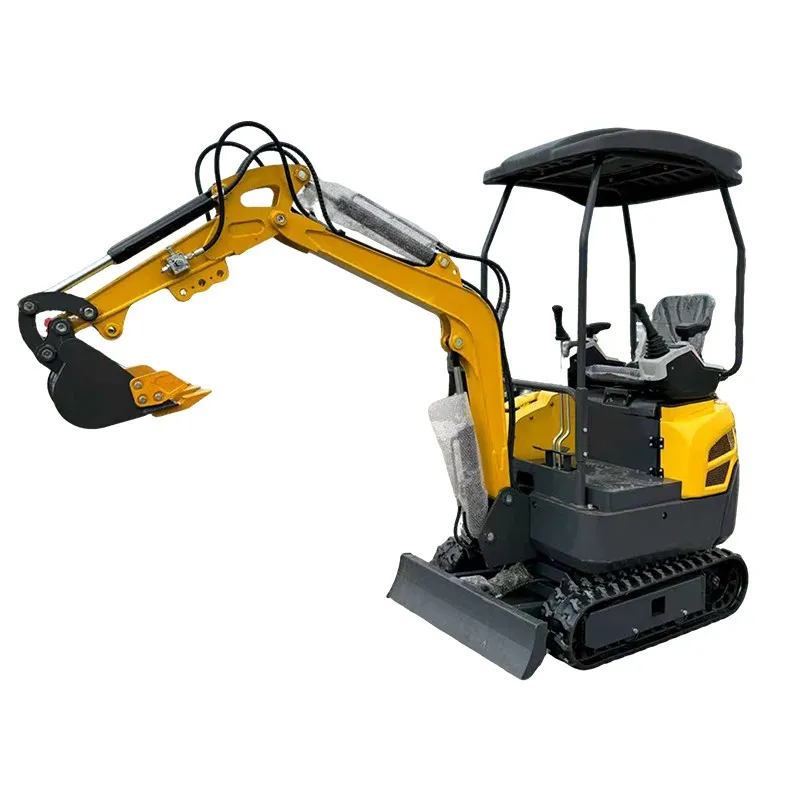
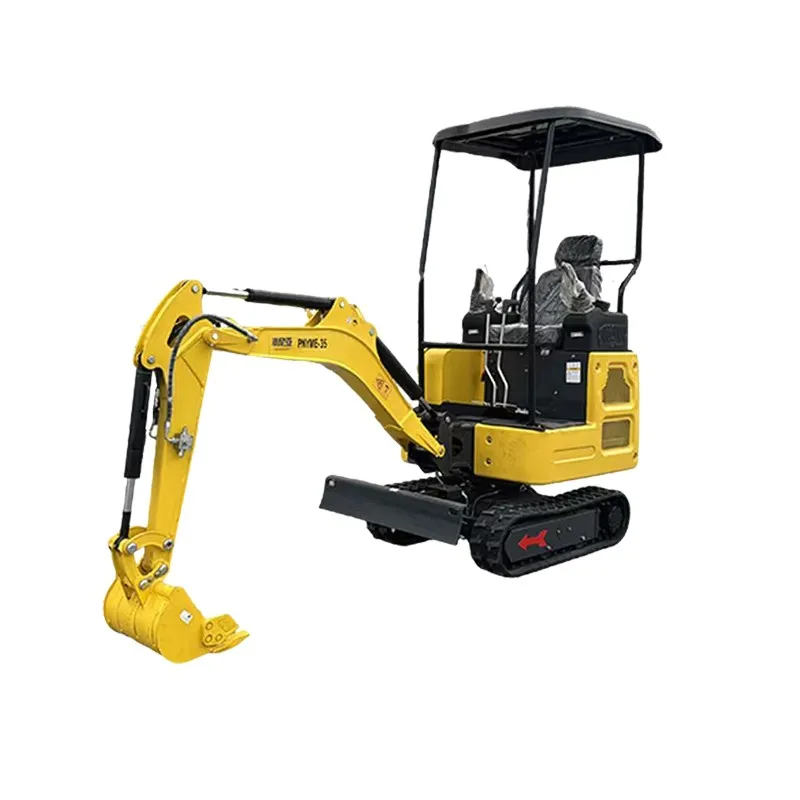
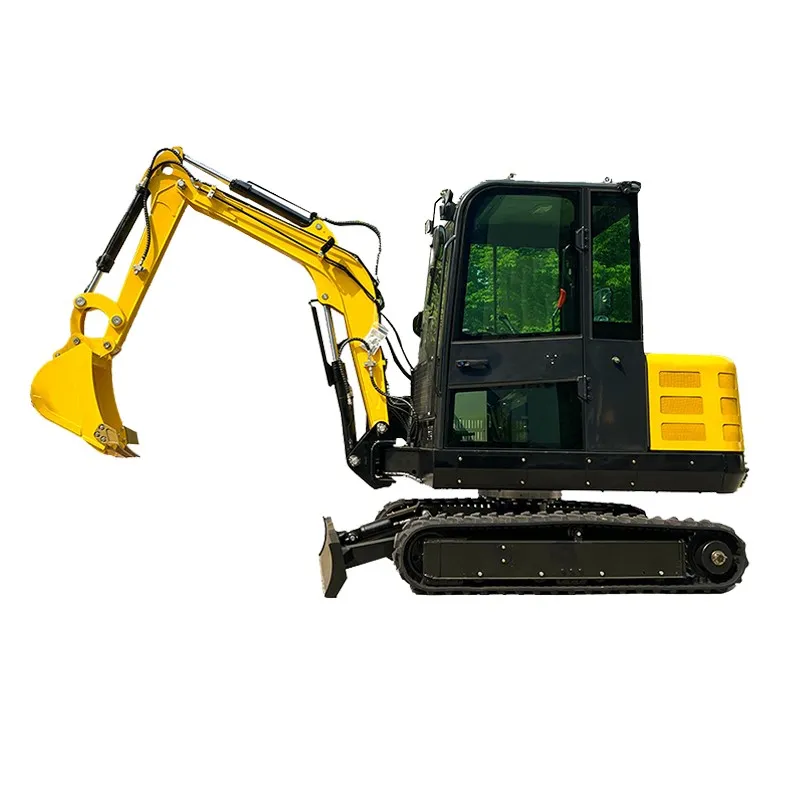
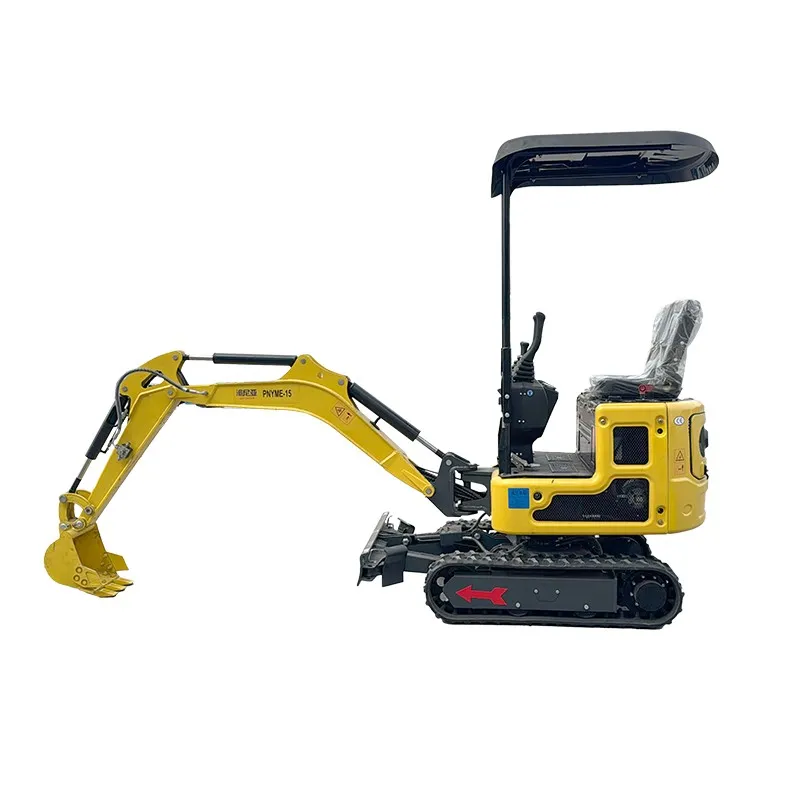
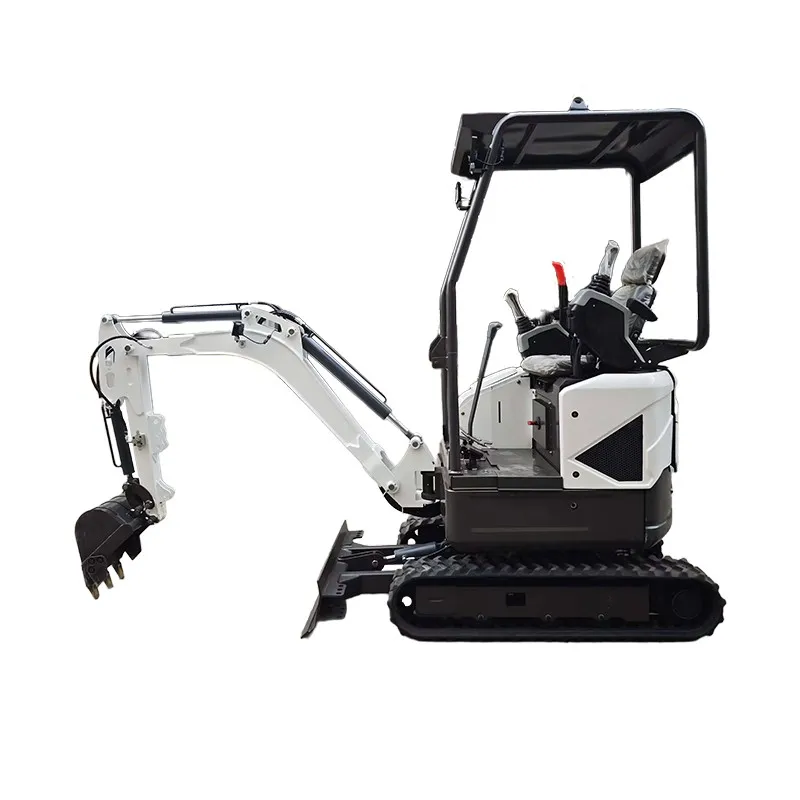
Defining a mini excavator isn't as straightforward as weight class. A 1-ton machine and a 5-tonner are worlds apart in application, yet both get tagged 'mini'. The JD models, say the 17D or 35G, sit in that popular 3.5 to 4-ton range—great for utility work, landscaping. But I've found the real value for many contractors, especially those in tight urban infill or doing repetitive trenching, often lies in the sub-2-ton category. These are the units you can literally tow behind a pickup. The agility is unmatched, but you trade off on digging depth and lift capacity. It's a classic 'right tool for the job' scenario that gets glossed over in brochure comparisons.
One detail most spec sheets don't tell you: the undercarriage. On softer ground, the standard 300mm tracks on many minis can still sink. I learned this the hard way on a residential drainage job after a rain. We had a 1.8-ton machine (not a Deere) that just bogged down. The solution wasn't a bigger machine, but a model with optional 450mm wide tracks. That extra width, often an afterthought, turned a problematic machine into a site hero. It's these granular choices that define usability.
Then there's auxiliary hydraulics. Standard one-way, two-way, high-flow? If you're just digging, it doesn't matter. But the moment you need a hydraulic thumb, a breaker, or a tilt rotator, that circuit becomes the most critical line on the spec sheet. I've watched crews lose half a day retrofitting a circuit because the base machine wasn't ordered with the right hydraulic configuration. It's a planning failure, not an equipment failure. For companies that understand this nuance, like Shandong Pioneer Engineering Machinery Co., Ltd, building in that flexibility from the factory is a major selling point for their own mini excavator lines aimed at the export market.
Global Sourcing and the Value Proposition
This is where the conversation gets interesting. The established brands have their reputation, and you pay for it—in the initial purchase, and often in parts. For a fleet owner or a rental yard, total cost of ownership is the only metric that matters. Over the last decade, I've been involved in evaluating machines from various global manufacturers. The quality gap has narrowed dramatically. The key is finding a supplier with proven export longevity and a clear understanding of different market regulations.
Take a company like Shandong Pioneer. They've been at this since 2004, and their recent relocation to a new facility in Ningyang in 2023 signals growth and investment. When a manufacturer has consistently exported to places like Germany, Australia, and North America for years, it tells you they've had to solve for CE marks, EPA tier regulations, and the brutal feedback loop from international customers. That's a different level of operational maturity compared to a factory that only sells domestically.
I recall a trial we ran with a Pioneer-sourced mini excavator, a 3.5-ton model, against a more established Japanese counterpart. The performance metrics on digging force and lift capacity were within 5-10%. The Japanese machine had a slight edge in fit and finish—the seat was nicer, the plastic panels felt more robust. But the cost difference was nearly 40%. For a rental business where machines get beaten up, that calculus changes. The reliability over 2000 hours was comparable, and the simpler, more accessible engine bay made routine maintenance faster. It wasn't the better machine in every aspect, but it presented a compelling value proposition for a specific business model.
Attachment Compatibility: The Hidden Lock-In
A major pitfall with any mini excavator, JD or otherwise, is assuming universal attachment compatibility. Quick couplers are supposed to standardize this, but pin diameters, hydraulic hose placement, and control pattern can vary. We once had a brand-new, fantastic-value mini excavator from a European supplier that couldn't run our existing fleet of attachments without custom adapters. The downtime and cost wiped out the savings.
This is a critical question to ask any supplier: What is your standard coupler system, and can you supply it to match the majority of attachments in my region? Proactive manufacturers design with this in mind. From reviewing specs and talking to their engineers, I know that Shandong Pioneer Engineering Machinery Co., Ltd often offers a choice of coupler systems (like HMW or Engcon-style) ex-factory, which is a huge plus. It shows they're thinking beyond just building a machine to building a tool that integrates into a working ecosystem.
The other attachment headache is the hydraulic flow and pressure. Running a brush cutter requires high flow; a breaker needs high pressure. A machine spec'd with a standard pump might run either poorly, damaging the attachment or the machine's hydraulics. It's another one of those buy right the first time decisions. I always advise clients to list every attachment they might use in the next five years and then spec the machine's auxiliary system to the most demanding one on that list.
Service and Support: The Deal-Breaker
No piece of iron is perfect. Something will break, wear out, or need adjustment. The machine's quality is only half the equation; the other half is the support network behind it. For global brands, this is their fortress. For other manufacturers, this is the hurdle they must overcome. A company's export history is the best proxy here.
The fact that Shandong Pioneer, through its Hexin manufacturing and Pioneer trade arms, has been shipping to demanding markets for two decades is a tangible signal. It means they've likely established parts depots, trained distributors, and have a technical documentation system that's been stress-tested. When I visit their website at sdpioneer.com, the clarity of model specifications, parts diagrams, and contact channels is a good indicator. It's not flashy, but it's functional—which is exactly what you need when you're looking for a specific seal kit or wiring schematic at 7 AM on a Monday.
Contrast this with a broker who just slaps a logo on a generic machine. When you have a problem, the communication chain is long and fragile. The manufacturer I trust is the one where I can talk directly to their engineering or logistics team, or at least have a regional distributor who can. Longevity in export, like Pioneer's 20-year track record, builds that infrastructure by necessity.
The Bottom Line: Context is King
So, what's the verdict on the jd mini excavator as a concept? It's a starting point, not an end point. John Deere makes excellent, refined machines with superb dealer support. But they exist in a broader landscape. For many operations, the decision isn't about finding a JD alternative, but about finding the optimal machine for a specific set of tasks, budget constraints, and support expectations.
That search will inevitably lead you to global manufacturers who have invested in meeting international standards. Companies like Shandong Pioneer represent that segment: they've grown from a 1,600 square meter facility to a new, presumably larger one, on the back of export success. Their product isn't a cheap knock-off; it's a deliberately engineered piece of equipment for a price-conscious but quality-aware buyer.
My final take? Don't get hung up on the keyword. Use it to start your research, then dive into the specs that matter for your work: operating weight, dig depth, auxiliary hydraulic options, and standard attachment compatibility. Then, scrutinize the manufacturer's history, especially their export and support footprint. The right machine is out there, whether it's painted green, yellow, or blue. It's the one that disappears into the workflow on your site, becoming just another reliable tool, not a source of constant discussion or worry.
Related Products
Related Products