- Chinese
- French
- German
- Portuguese
- Spanish
- Russian
- Japanese
- Korean
- Arabic
- Irish
- Greek
- Turkish
- Italian
- Danish
- Romanian
- Indonesian
- Czech
- Afrikaans
- Swedish
- Polish
- Basque
- Catalan
- Esperanto
- Hindi
- Lao
- Albanian
- Amharic
- Armenian
- Azerbaijani
- Belarusian
- Bengali
- Bosnian
- Bulgarian
- Cebuano
- Chichewa
- Corsican
- Croatian
- Dutch
- Estonian
- Filipino
- Finnish
- Frisian
- Galician
- Georgian
- Gujarati
- Haitian
- Hausa
- Hawaiian
- Hebrew
- Hmong
- Hungarian
- Icelandic
- Igbo
- Javanese
- Kannada
- Kazakh
- Khmer
- Kurdish
- Kyrgyz
- Latin
- Latvian
- Lithuanian
- Luxembou..
- Macedonian
- Malagasy
- Malay
- Malayalam
- Maltese
- Maori
- Marathi
- Mongolian
- Burmese
- Nepali
- Norwegian
- Pashto
- Persian
- Punjabi
- Serbian
- Sesotho
- Sinhala
- Slovak
- Slovenian
- Somali
- Samoan
- Scots Gaelic
- Shona
- Sindhi
- Sundanese
- Swahili
- Tajik
- Tamil
- Telugu
- Thai
- Ukrainian
- Urdu
- Uzbek
- Vietnamese
- Welsh
- Xhosa
- Yiddish
- Yoruba
- Zulu
- Kinyarwanda
- Tatar
- Oriya
- Turkmen
- Uyghur


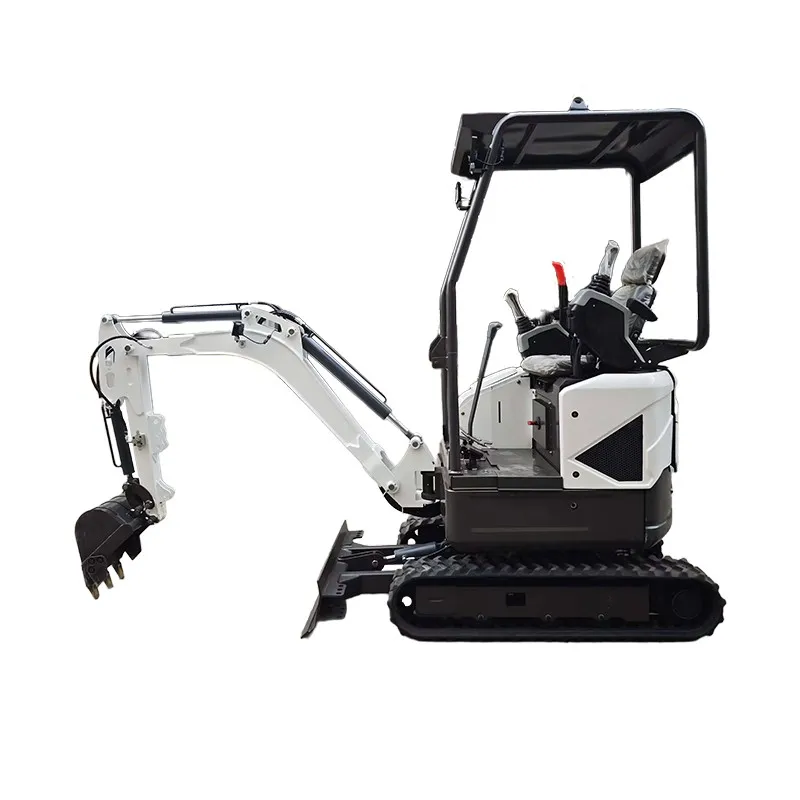
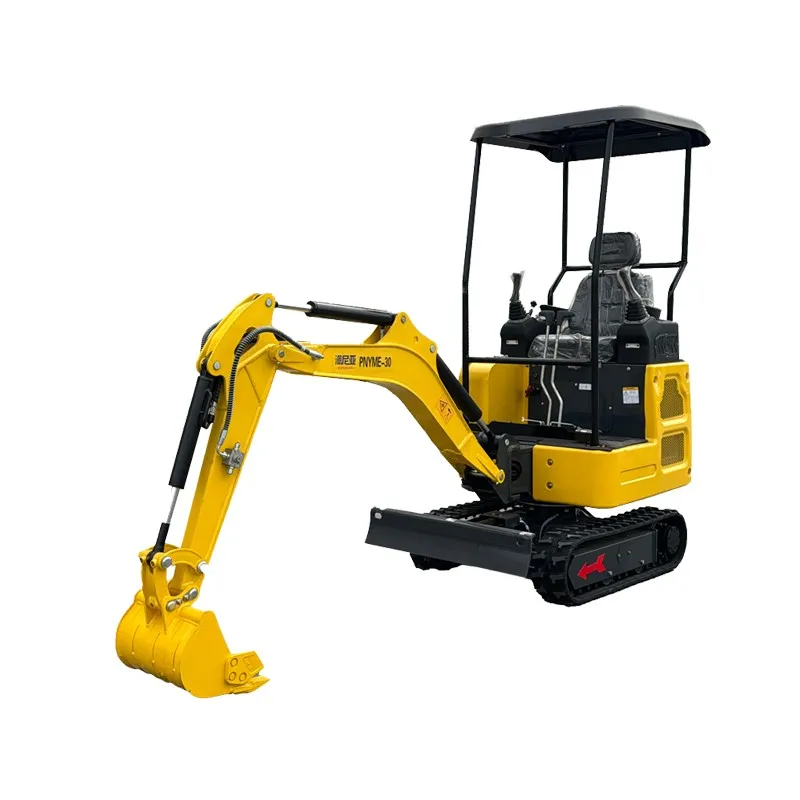
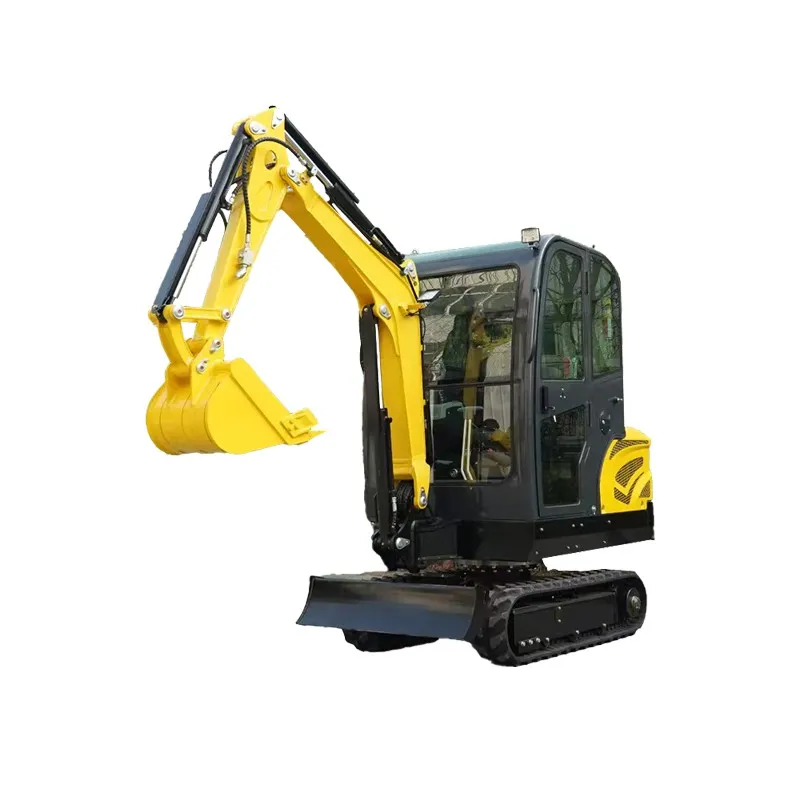
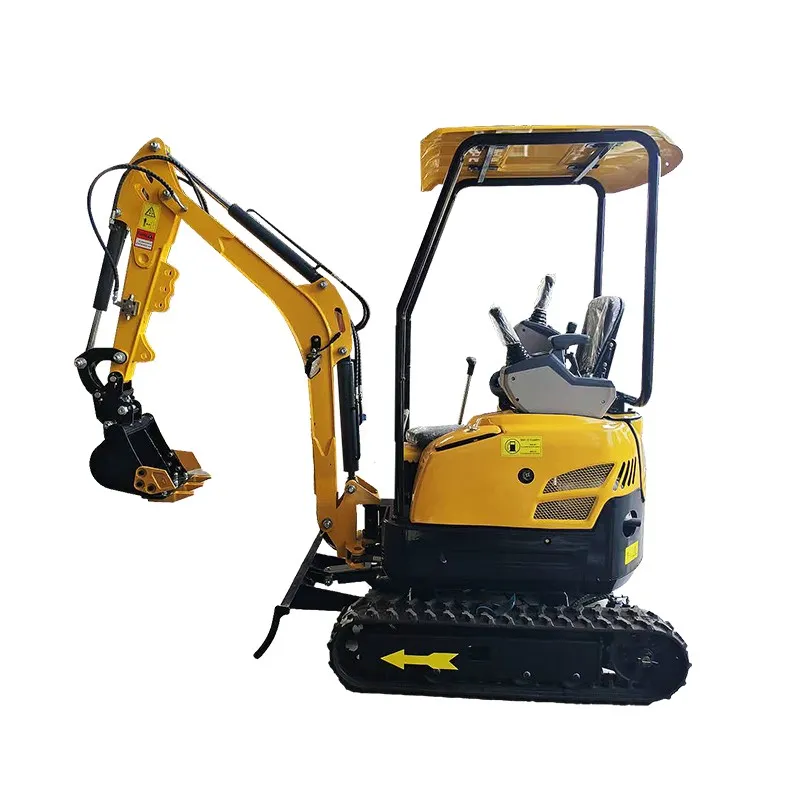
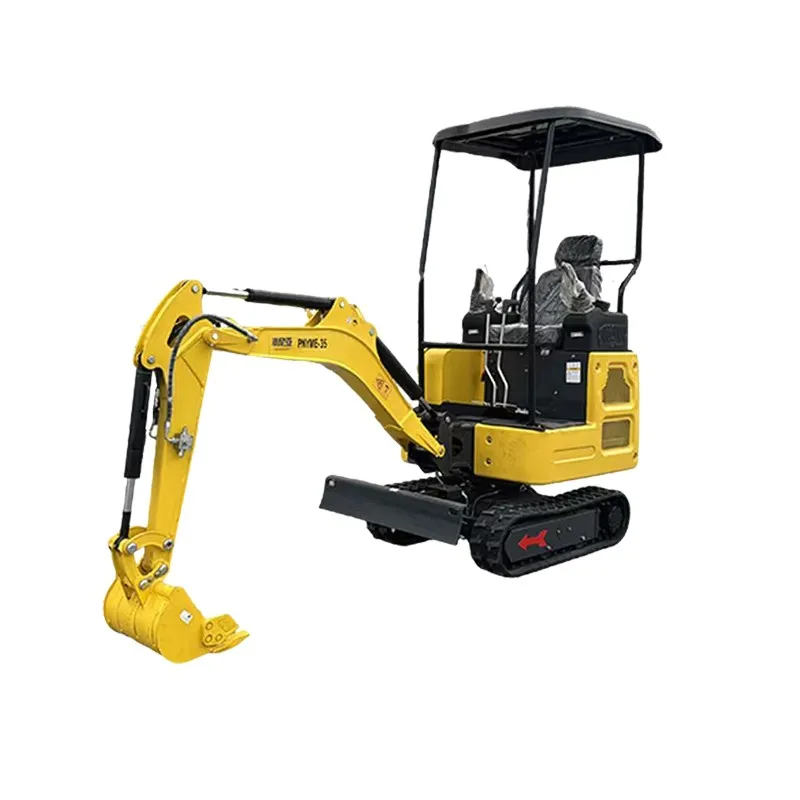
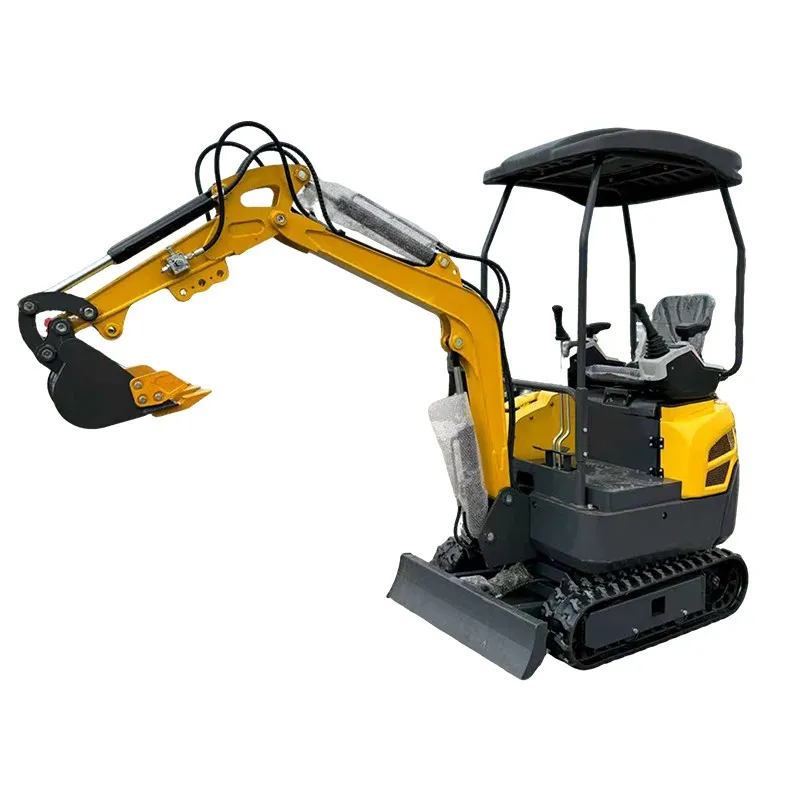
jf 12 mini excavator
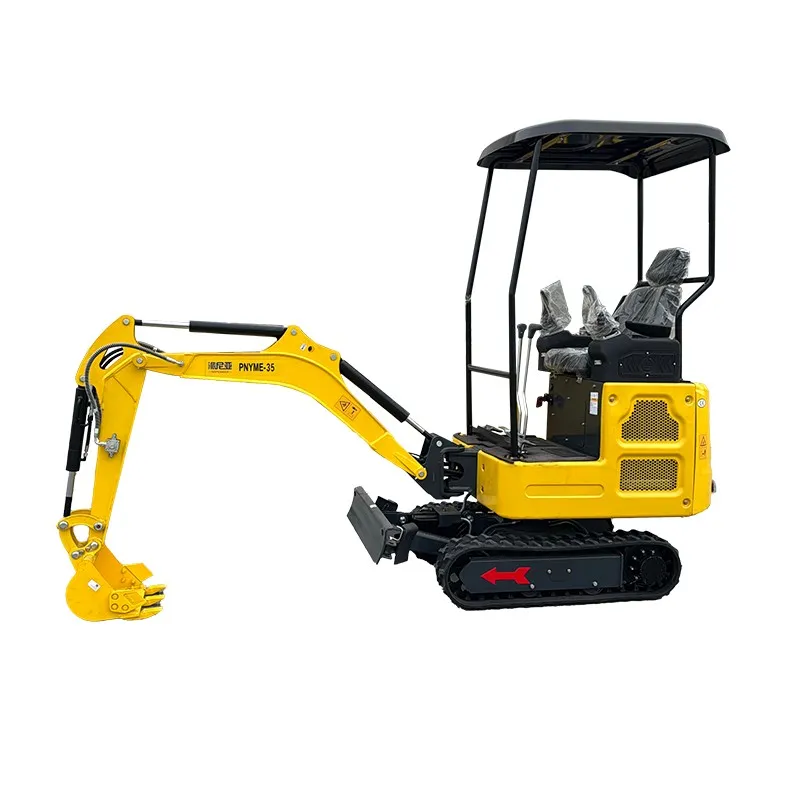
When you hear 'JF 12 mini excavator', a lot of folks immediately think it's just a smaller, simpler version of the big machines. That's the first misconception. In tight urban infill or delicate landscaping, the demands on a 1-ton class machine are anything but simple. It's not about raw power; it's about precision, balance, and how the hydraulics behave when you're feathering a trench line next to a foundation. I've seen operators get frustrated with units that have jerky swing functions or underwhelming breakout force, blaming themselves when it's often the machine's control logic. The JF 12, particularly the models coming from established manufacturers who've iterated on this size for years, tries to address that gap. It sits in a sweet spot for rental yards and small contractors, but its real test is in daily, unforgiving work.
The Spec Sheet vs. The Dirt
Anyone can list numbers: an operating weight around 1,200 kg, maybe 9-10 kW engine, a digging depth of 1.5 to 1.8 meters. The brochure for the JF 12 mini excavator from a company like Shandong Pioneer Engineering Machinery will have these. But the translation from spec to site is where you separate marketing from machinery. The auxiliary hydraulic flow rate, for instance. It's one line in the tech data, but on the job, it determines whether your hydraulic breaker or auger runs efficiently or bogs down constantly, killing productivity. I recall a project using a different brand's 1.2-ton machine for post-hole digging; the auxiliary circuit couldn't maintain consistent pressure, causing the auger to stall in compacted soil layers. We lost half a day troubleshooting before conceding it was a machine limitation.
The geometry of the undercarriage matters more than people think. A wider track gauge isn't just for stability on paper; it's what lets you work on a slight side slope without that constant pucker factor. The JF 12 models that get this right often have a lower center of gravity, with the counterweight and engine mass distributed thoughtfully. I've operated units where you could feel the machine wanting to tip when the stick was fully extended at certain angles—a design flaw that becomes apparent only under load, not in a showroom.
Then there's the operator's station. In a mini, you're in that seat for hours. If the control pattern isn't intuitive or the levers require too much effort, fatigue sets in fast, and precision drops. The better versions of the JF 12 mini excavator I've used had pilot-operated controls that were light to the touch but gave solid feedback. You could feel the resistance change as the bucket hit hard pan. That feedback loop is critical. It's something manufacturers with long-term assembly experience, like those behind the Shandong Pioneer operation, seem to prioritize. Their trade division, shipping globally, presumably gets that feedback from diverse markets and incorporates it.
Hydraulics: The Heart of the Matter
The pump and valve configuration is the real make-or-break. A lot of cheaper minis use a fixed-displacement gear pump. It's simple, cheap, but inefficient. The engine screams, fuel burns, and power is wasted as heat when you're only doing fine movements. The shift to variable displacement piston pumps, even in this compact class, is a game-changer. It allows for on-demand flow, so the engine isn't constantly at high RPM. This isn't just about fuel economy; it's about noise reduction on sensitive sites and smoother, more controllable movements.
I remember testing a unit—I think it was a prototype from a factory visit—that had an outdated hydraulic system. The swing function was either off or on, with almost no modulation. Trying to position the machine carefully next to a curb was a nightmare of over-correction. Contrast that with a well-tuned system where the swing deceleration is cushioned. You can spot the difference in the piping layout and valve block quality if you pop the side covers. Crowded, messy lines with cheap fittings often signal trouble. Clean, accessible manifolds with quality connectors, like some I've seen in the manufacturing processes of firms with two decades in the game, suggest better serviceability and reliability.
Heat dissipation is an afterthought until it isn't. On a long, hot day of continuous trenching, a small hydraulic reservoir with no proper cooling circuit will see temperatures soar. This degrades the oil fast, leads to seal failures, and reduces overall performance. A good JF 12 mini excavator design will have a reasonably sized reservoir and often an oil cooler mounted in an airflow path. It's a small detail that speaks to intended duty cycle. The companies that export to demanding markets like Germany or Australia have to meet expectations for sustained operation, which forces these engineering considerations.
The Manufacturing Pedigree and Global Feedback
Where a machine is built and who builds it informs its character. There's a density of engineering and manufacturing expertise in Shandong province, China, for compact equipment. A company like Shandong Pioneer Engineering Machinery Co., Ltd, established back in 2004, has lived through several product generations. That 1,600 square meter production area they started with isn't just a floor space number; it represents an era of hands-on assembly, trial and error, and gradual process refinement. Relocating and expanding in 2023, as they did to Ningyang County, typically means scaling up with more automated processes and stricter QC, driven by accumulated experience.
Their structure is telling: Shandong Hexin handles the manufacturing, Shandong Pioneer handles overseas trade. This separation often means the trade arm is directly exposed to client complaints and praise from places like the US, Canada, and Australia. That feedback loop is invaluable. If a contractor in Texas reports that a quick-coupler interface is wearing too fast, or a rental house in Germany needs faster service manual access, that information should flow back to the factory floor. It leads to revisions in pin material, seal design, or documentation. A JF 12 mini excavator sold today by such a company isn't the same as one sold five years ago; it's been subtly evolved.
This global exposure also forces compliance with various regional standards (EPA Tier, CE markings, etc.), which ups the ante on component quality. You can't just drop any generic diesel engine into a machine bound for California or the EU. The sourcing of engines, hydraulic pumps, and even hoses becomes more selective. This trickles down to the overall machine robustness. It's not about being the cheapest on the lot anymore; it's about building a unit that won't fail in the field and trigger a costly international warranty claim.
On-Site Realities and Operator Adaptation
No machine is perfect for every task. The JF 12's limitation is its size class. You're not going to rip out deep tree stumps or move massive boulders. Its strength is access and finesse. I've used them for interior demolition, where we had to bring the machine through a standard doorway. The ability to retract the stick and bucket fully to reduce transport width was crucial. Some models do this better than others. The offset boom design, common on many minis, is another feature whose value is only apparent on-site, allowing you to dig right up against a wall or fence line.
Attachment compatibility is another practical hurdle. The industry leans towards standard auxiliary hydraulic connections and pin sizes, but there are always variations. Ensuring the JF 12 mini excavator you're using or buying has a common, robust quick coupler system saves immense time and rental costs. I've been stuck on a job waiting for an adapter plate because the machine's pin diameter was non-standard. Now, I always check that first. Manufacturers that cater to a global rental market tend to stick to the most universal patterns.
Maintenance access is a huge differentiator. Can you easily check the hydraulic fluid? Is the grease bank centralised? Are the track tension adjusters accessible without removing guards? On a muddy, rainy Tuesday, these things determine whether maintenance gets done or deferred. The better-designed machines have these service points in mind. From visiting facilities and seeing assembly lines, the companies with long-term focus build for the mechanic as much as for the operator. It reduces downtime, which is the ultimate metric for any piece of kit.
Concluding Thoughts: The Evolving Niche
The mini excavator market is crowded, but the good machines rise to the top through relentless iteration. The JF 12, as a concept, represents a tool that must be both tough and delicate. Its success hinges on a deep understanding of hydraulic finesse, structural balance, and real-world serviceability. It's not a commodity.
Watching manufacturers evolve, especially those with a footprint like Pioneer's—starting small, growing, relocating, and feeding off international demand—shows how the product matures. The machine you get today from a seasoned exporter is packed with small lessons learned from failed seals in Canadian winters, cracked brackets on Australian mine sites, and operator feedback from German landscaping crews.
So, when evaluating a JF 12 mini excavator, look past the glossy paint. Ask about the hydraulic pump type. Check the swing bearing size. Inquire about the standard quick coupler. Look at the layout of the service points. These details, born from two decades of building and fixing, are what turn a spec sheet into a reliable partner on the job site. The rest is just noise.
Related Products
Related Products