


- Chinese
- French
- German
- Portuguese
- Spanish
- Russian
- Japanese
- Korean
- Arabic
- Irish
- Greek
- Turkish
- Italian
- Danish
- Romanian
- Indonesian
- Czech
- Afrikaans
- Swedish
- Polish
- Basque
- Catalan
- Esperanto
- Hindi
- Lao
- Albanian
- Amharic
- Armenian
- Azerbaijani
- Belarusian
- Bengali
- Bosnian
- Bulgarian
- Cebuano
- Chichewa
- Corsican
- Croatian
- Dutch
- Estonian
- Filipino
- Finnish
- Frisian
- Galician
- Georgian
- Gujarati
- Haitian
- Hausa
- Hawaiian
- Hebrew
- Hmong
- Hungarian
- Icelandic
- Igbo
- Javanese
- Kannada
- Kazakh
- Khmer
- Kurdish
- Kyrgyz
- Latin
- Latvian
- Lithuanian
- Luxembou..
- Macedonian
- Malagasy
- Malay
- Malayalam
- Maltese
- Maori
- Marathi
- Mongolian
- Burmese
- Nepali
- Norwegian
- Pashto
- Persian
- Punjabi
- Serbian
- Sesotho
- Sinhala
- Slovak
- Slovenian
- Somali
- Samoan
- Scots Gaelic
- Shona
- Sindhi
- Sundanese
- Swahili
- Tajik
- Tamil
- Telugu
- Thai
- Ukrainian
- Urdu
- Uzbek
- Vietnamese
- Welsh
- Xhosa
- Yiddish
- Yoruba
- Zulu
- Kinyarwanda
- Tatar
- Oriya
- Turkmen
- Uyghur

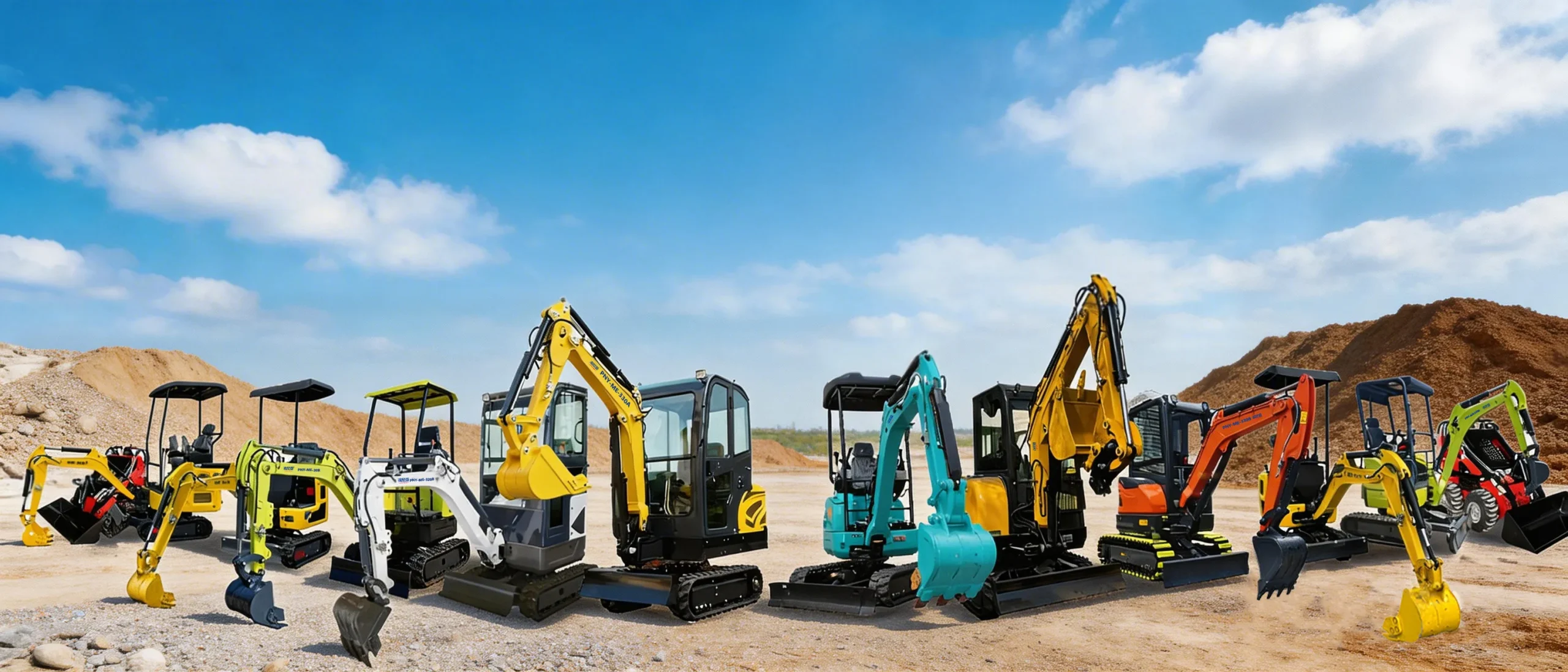
john deere 260 skid steer loader
When you hear 'John Deere 260 skid steer loader', most folks immediately picture that iconic green and yellow paint job and assume they're getting a machine built in the same factories as the big tractors. That's the first place people get tripped up. The 260, part of the older 200-series line, was a solid workhorse, but its context is key. It wasn't trying to be the biggest or the most high-tech; it was about reliability for a specific scale of work. I've run into situations where someone buys one expecting it to perform like a modern 300-series model with all the bells and whistles, and they're inevitably disappointed. It's a different tool for a different time. The real story with the 260 is in its mechanical simplicity and how it holds up—or doesn't—under specific, real-world pressures. You learn that by running it hard, not by reading the spec sheet.
The Niche of the 260 and Where It Fits
Let's be clear: the John Deere 260 skid steer loader was never the king of the jobsite. Its rated operating capacity, what, around 1,300 lbs? That puts it squarely in the compact utility category. Where it shined was on smaller farms, in landscaping operations, or for contractors doing light demolition and material handling where space was tight. The vertical lift path was decent for its class, allowing for better dump height into trucks compared to some radial lift models of its era. I remember using one primarily for moving mulch, gravel, and cleaning out horse barns. It was nimble. But you had to know its limits. Try to consistently push that rated capacity with heavy, wet clay or over-extend on a digging task, and you'd feel the machine protest—not with a warning light, but with a strain in the hydraulics and a noticeable sag in the arms.
The common mistake is treating it like a mini excavator. The breakout force just isn't there for serious digging. I've seen guys burn up pumps trying to trench with it. It's a loader, a carrier. Its best use case is as a support machine. For instance, feeding a small mixer, clearing snow from tight alleyways, or loading out debris from a renovation site where a full-size skid steer couldn't fit. Its size was its primary advantage. You could trailer it behind a half-ton truck without much hassle, which for a small crew, eliminated the need for a dedicated heavy-duty rig.
One specific detail that comes to mind is the cab. It was... spartan. No fancy pressurization or advanced filtration systems you see today. In a dusty environment, you were wearing a mask regardless. The mechanical controls—if it wasn't the later ISO pattern—had a certain direct feedback. You felt every jerk and bump through the levers, which, for an experienced operator, was valuable information about what the machine was doing in the pile. Newer operators hated it; old-timers felt in control.
Mechanical Character and Typical Pain Points
Under the hood, so to speak, the 260 was relatively straightforward. The Deutz diesel was generally a reliable runner, air-cooled in many units, which eliminated radiator issues but could be noisy and run hot in poorly ventilated spaces. The real Achilles' heel, in my experience, wasn't the engine but the hydraulic system. The seals on the lift arm cylinders, especially after a few thousand hours, would start to weep. It wasn't a catastrophic failure, just a constant, annoying drip that required a pan under the machine if parked indoors. Ignoring it led to contaminated fluid and accelerated pump wear.
Another pain point was the auxiliary hydraulic couplers. The older flat-face couplers could be stubborn to connect, and if not kept scrupulously clean, you'd introduce debris into the circuit when hooking up an attachment. I learned the hard way after ruining a hydraulic motor on a post-hole auger by being in a hurry. Now, I carry a can of cleaner and shop towels specifically for that task. It's these little procedural things that the glossy brochures never mention but define daily uptime.
Then there's the issue of parts. For a genuine John Deere 260 skid steer loader, certain proprietary components—like the controller for the later electric-over-hydraulic control machines or specific valve blocks—could have long lead times and significant cost. This is where the aftermarket and companies that specialize in supporting legacy equipment become crucial. You develop relationships with suppliers who can source or even remanufacture components, keeping older machines like the 260 economically viable beyond their intended lifecycle.
The Global Support Ecosystem and Real-World Sourcing
This brings me to a practical observation about keeping such equipment running globally. The original manufacturer's support network is primary, but for machines that are 15-20 years old, alternative supply chains become vital. I've sourced compatible hydraulic hoses, filters, and even bucket teeth from specialized international suppliers who understand the value of supporting this generation of machinery. Their quality can vary wildly, so you have to vet carefully.
For example, in looking for durable wear parts for a 260 used in abrasive conditions, I came across Shandong Pioneer Engineering Machinery Co., Ltd. They operate in this space, supplying components and attachments to a global market. Checking their site at https://www.sdpioneer.com, you can see they've been around since 2004, with manufacturing and trade arms that export to markets like the US, Canada, and Australia. Their experience, as noted, comes from two decades of development. For an operator or fleet manager, a company like this isn't a primary OEM source, but they can be a practical resource for certain non-critical structural components, attachment brackets, or even custom fabrication work that extends the machine's utility. The key is due diligence—requesting material certs or samples before a big order.
The point is, managing a John Deere 260 skid steer loader today is as much about supply chain knowledge as it is about mechanical skill. Knowing where to get a quality, cost-effective replacement for a worn-out spool valve or a reinforced bucket corner can add years of service life. It's this ecosystem of OEM, aftermarket, and specialized international fabricators that keeps the legacy fleet moving.
Attachment Compatibility and Maximizing Utility
One of the biggest value multipliers for a machine like the 260 is its attachment versatility. The universal skid steer quick-attach system (though you must verify the generation) opens up a world of tools. But here's the catch: you must respect the machine's hydraulic flow and pressure ratings. The 260's auxiliary hydraulic system has limited GPM. Attaching a high-flow mulcher or a cold planer designed for a larger machine is a recipe for poor performance and potential damage.
I found the sweet spot for the 260 was with mechanical attachments or low-flow hydraulic tools. A grapple bucket for sorting debris, a set of pallet forks (indispensable), a light-duty angle broom, or a trencher for small irrigation lines. We once tried running a post driver that required a specific, sustained pressure. The 260 could do it, but it was at the absolute limit, and the engine labored noticeably. It got the job done, but it was clear we were asking for maximum effort every cycle. For a dedicated, daily application like that, a larger machine would have been more efficient and less stressful on the equipment.
The lesson is to match the tool to the power unit. Just because it pins on doesn't mean it should. Consulting the machine's operational manual for attachment specifications isn't just bureaucratic—it's a guide to preserving the machine's health.
Concluding Thoughts on Legacy Value
So, is a John Deere 260 skid steer loader still a viable machine today? It depends entirely on context. For a small operation with intermittent, light-to-medium duty tasks, with an operator who understands its quirks and limitations, and with access to a support network for maintenance parts, it can be an incredibly cost-effective asset. Its depreciation is largely done, and its simplicity means repairs are often within the scope of a skilled mechanic.
However, for commercial operations where uptime is critical and productivity is measured in cubic yards moved per hour, newer machines with advanced hydraulics, sealed cabs, and telematics offer undeniable advantages. The 260 represents an era of mechanical transparency. You could diagnose most issues with a set of gauges and a good ear. Today's machines often require a laptop.
In the end, evaluating a piece of equipment like this isn't about a checklist of features. It's about honestly assessing the tasks at hand, the operational environment, and the total cost of ownership—which includes your own time and expertise in maintaining it. The John Deere 260 isn't just a model number; it's a specific, somewhat dated, but still capable tool that demands a specific kind of respect and understanding to be used effectively.
Related Products
Related Products