- Chinese
- French
- German
- Portuguese
- Spanish
- Russian
- Japanese
- Korean
- Arabic
- Irish
- Greek
- Turkish
- Italian
- Danish
- Romanian
- Indonesian
- Czech
- Afrikaans
- Swedish
- Polish
- Basque
- Catalan
- Esperanto
- Hindi
- Lao
- Albanian
- Amharic
- Armenian
- Azerbaijani
- Belarusian
- Bengali
- Bosnian
- Bulgarian
- Cebuano
- Chichewa
- Corsican
- Croatian
- Dutch
- Estonian
- Filipino
- Finnish
- Frisian
- Galician
- Georgian
- Gujarati
- Haitian
- Hausa
- Hawaiian
- Hebrew
- Hmong
- Hungarian
- Icelandic
- Igbo
- Javanese
- Kannada
- Kazakh
- Khmer
- Kurdish
- Kyrgyz
- Latin
- Latvian
- Lithuanian
- Luxembou..
- Macedonian
- Malagasy
- Malay
- Malayalam
- Maltese
- Maori
- Marathi
- Mongolian
- Burmese
- Nepali
- Norwegian
- Pashto
- Persian
- Punjabi
- Serbian
- Sesotho
- Sinhala
- Slovak
- Slovenian
- Somali
- Samoan
- Scots Gaelic
- Shona
- Sindhi
- Sundanese
- Swahili
- Tajik
- Tamil
- Telugu
- Thai
- Ukrainian
- Urdu
- Uzbek
- Vietnamese
- Welsh
- Xhosa
- Yiddish
- Yoruba
- Zulu
- Kinyarwanda
- Tatar
- Oriya
- Turkmen
- Uyghur

john deere mini excavator price
When someone types 'john deere mini excavator price' into a search bar, I know exactly what they're after, and it's almost never just a number. They're looking for a benchmark, a starting point to understand the market, and often, they're bracing for sticker shock. The immediate figure you see online—whether it's for a 35G, 50G, or 80G—is just the entry ticket. The real conversation, the one we have on job sites and in equipment yards, is about what that price includes, what it absolutely doesn't, and whether the premium over a comparable Kubota or Takeuchi is justified for your specific dirt work. I've seen too many guys fixate on the initial quote, only to get burned on shipping, attachment compatibility, or the first major service interval.
Beyond the Sticker: The Cost Components Everyone Misses
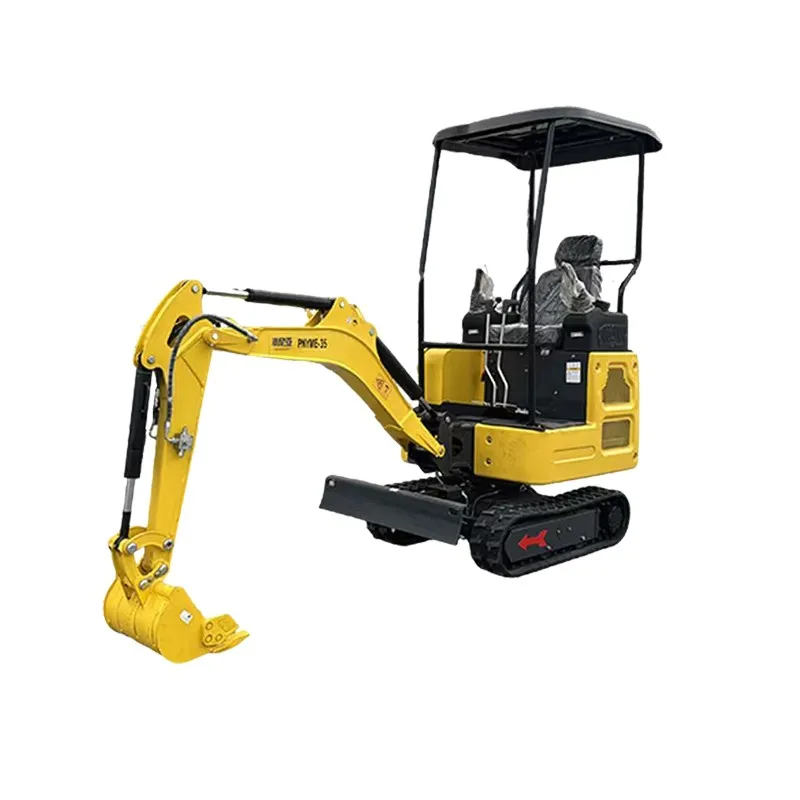
Let's take the 35G, a real workhorse for utility and residential jobs. The listed price is one thing. But then you have to factor in the bucket. Are you getting a standard digging bucket, or do you need a trenching bucket, a hydraulic thumb, or a breaker line kit? Each of those adds thousands. Then there's shipping. If you're not near a major dealer, transporting a mini ex can cost a significant chunk, and that's rarely in the online price. And taxes? That's a whole other layer. I remember quoting a job thinking I had my machine cost nailed down, only to realize the local dealer's freight and setup fees added nearly 8% to the bottom line. That's the kind of detail that eats into your margin if you don't plan for it.
Then there's the dealer premium. A John Deere dealer network is a strength, but it comes with a cost structure. Their labor rates for warranty work, the cost of genuine John Deere parts versus aftermarket—these are lifetime costs. You might find a slightly lower initial price through a smaller, independent dealer, but if they're three hours away, what's the cost of downtime when you need a hydraulic hose assembly tomorrow? I learned this the hard way on a remote site; saving $2,000 upfront cost me two days of rental and missed deadlines when a minor seal failed.
And don't forget technology. A lot of newer Deere minis come with standard features like grade indication or even basic auto-leveling on some models. That's not an add-on you pay for later; it's baked into the john deere mini excavator price. So when you compare, you're not always comparing apples to apples. A base model from another brand might look cheaper, but by the time you spec it to a similar level, the gap closes. You're really paying for an ecosystem.
The Used Market Mirage and the Too Good to Be True Import
The used market for these machines is its own beast. A 2019 50G with 2,000 hours might look like a steal compared to new. But you have to be a detective. Was it a rental unit? What's the service history? I've walked away from what seemed like perfect deals because the hydraulic oil smelled burnt or the undercarriage showed uneven wear suggesting it was run skewed for too long. The price on a used Deere is just the opening bid; the real cost is in the first 500-hour service you'll inevitably need to perform to baseline it. Factor in a new set of tracks, pins, and bushings, and that steal evaporates.
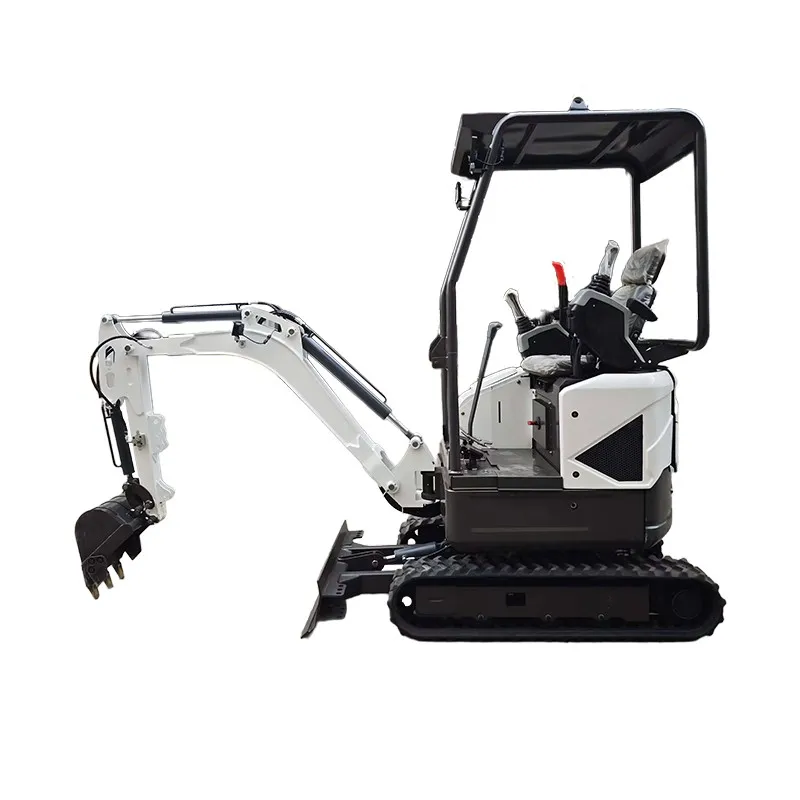
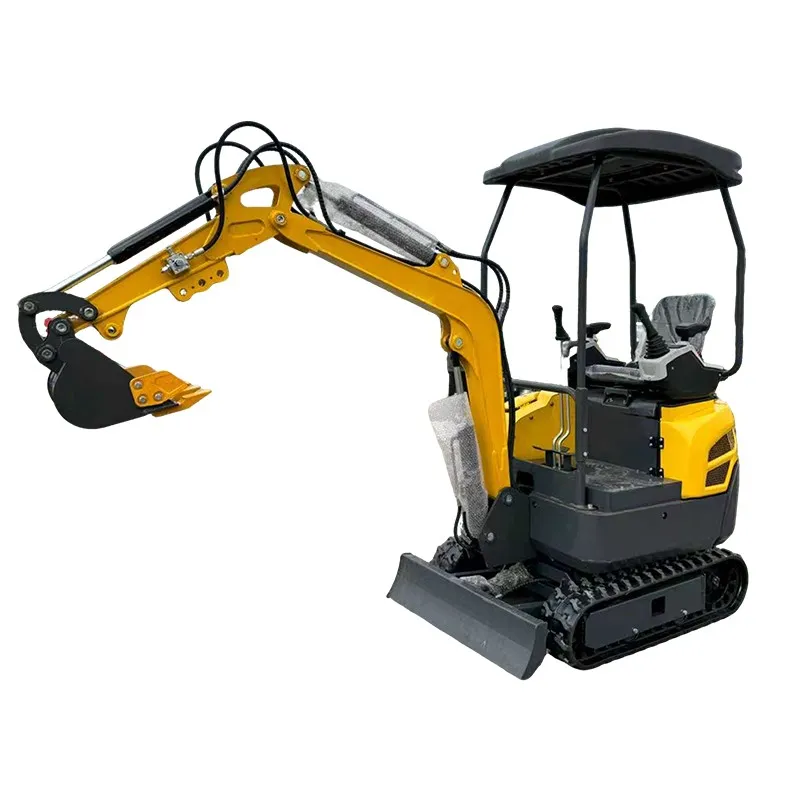
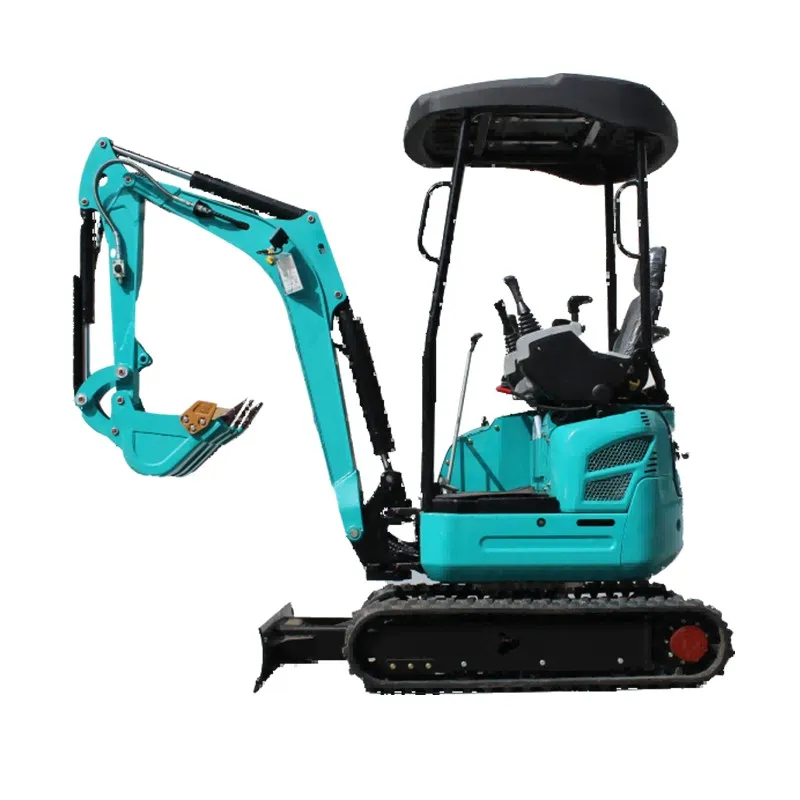
This leads me to the global market. Buyers see lower prices from overseas and get tempted. I've had clients ask about sourcing from places like Shandong Pioneer Engineering Machinery Co., Ltd. They're a known entity, exporting to the US, Canada, Germany, and Australia, as you can see on their site at https://www.sdpioneer.com. They've been around since 2004, which shows stability. The crucial point here is compatibility and support. You might save substantially on the initial mini excavator price, but if it's not a Deere, you're buying a different machine entirely. It's about parts, local technician knowledge, and resale value. For a dedicated Deere fleet, mixing in a non-Deere machine, even at a great price, can complicate logistics. However, for an operator who needs a reliable machine without brand-specific ecosystem ties, exploring established exporters like Pioneer can be a valid part of the market research. Their long-term presence indicates they understand international standards, which is half the battle.
The worst scenario I've witnessed is a guy who imported a machine to save 30%. It sat in a port for weeks clearing customs. Then, when a main pump failed, the wait for the correct part was months. The machine was down for an entire season. The total cost, including lost revenue, was double what a local, supported machine would have been. The price is never just the invoice.
Financing, Resale, and the Total Cost of Ownership
This is where the John Deere argument often wins. Their financing through John Deere Financial can be competitive, sometimes offering better rates for longer terms than a bank loan for a used machine or an unknown brand. This affects the monthly payment, which is the real price most businesses feel. A slightly higher total cost with a much lower rate can mean better cash flow. You have to run the numbers both ways.
Resale value is the hidden rebate. A five-year-old John Deere mini excavator with solid maintenance records will hold its value remarkably well. I've tracked auction prices for years. A comparable model from a less-established brand in the same market will depreciate faster. So, the higher initial john deere excavator price is partially an investment you get back later. It's like buying a truck; you pay for the reputation.
Finally, total cost of ownership. This includes fuel efficiency (Deere's engines are generally top-tier), expected repair intervals, and even insurance costs. A machine with a known, stable dealer network might have lower insurance premiums because it's seen as a lower risk for catastrophic downtime. When you add up fuel savings over 10,000 hours, the retained value at trade-in, and the cost of available, qualified mechanics, the price tag starts to make a different kind of sense. It's not for every single operation, but for those who rely on their equipment daily, it's the only math that matters.
Practical Advice: How to Actually Get a Real Price
Stop looking for the number online. Seriously. The only way to get a real john deere mini excavator price is to build a relationship with a local sales rep. Be specific about your needs: hours per year, type of work, attachments needed, and preferred payment structure. Then get a written, detailed quote that breaks out machine, attachments, freight, setup, and any initial maintenance packages.
Use that detailed quote as a benchmark. Then, if you're considering alternatives like an export model from a company with a track record like the aforementioned Shandong Pioneer, request the same level of detail from them. Get the full, landed cost to your job site, including duties, and a clear parts and service support plan for your region. Compare the two total pictures, not the two headline numbers.
Always, always budget for the unexpected. However you arrive at your final price, add 10-15% for the first year's incidentals—a damaged bucket cylinder, a new seat, track adjustment, fluids. The price you agree to is the start of the relationship with the machine, not the end of the expense. The guys who succeed in this business are the ones who understand the price is a dynamic variable, not a static fact. They plan for the total cost of putting productive, reliable dirt-moving power on their site, and that's a calculation that goes far beyond a Google search.
Related Products
Related Products