- Chinese
- French
- German
- Portuguese
- Spanish
- Russian
- Japanese
- Korean
- Arabic
- Irish
- Greek
- Turkish
- Italian
- Danish
- Romanian
- Indonesian
- Czech
- Afrikaans
- Swedish
- Polish
- Basque
- Catalan
- Esperanto
- Hindi
- Lao
- Albanian
- Amharic
- Armenian
- Azerbaijani
- Belarusian
- Bengali
- Bosnian
- Bulgarian
- Cebuano
- Chichewa
- Corsican
- Croatian
- Dutch
- Estonian
- Filipino
- Finnish
- Frisian
- Galician
- Georgian
- Gujarati
- Haitian
- Hausa
- Hawaiian
- Hebrew
- Hmong
- Hungarian
- Icelandic
- Igbo
- Javanese
- Kannada
- Kazakh
- Khmer
- Kurdish
- Kyrgyz
- Latin
- Latvian
- Lithuanian
- Luxembou..
- Macedonian
- Malagasy
- Malay
- Malayalam
- Maltese
- Maori
- Marathi
- Mongolian
- Burmese
- Nepali
- Norwegian
- Pashto
- Persian
- Punjabi
- Serbian
- Sesotho
- Sinhala
- Slovak
- Slovenian
- Somali
- Samoan
- Scots Gaelic
- Shona
- Sindhi
- Sundanese
- Swahili
- Tajik
- Tamil
- Telugu
- Thai
- Ukrainian
- Urdu
- Uzbek
- Vietnamese
- Welsh
- Xhosa
- Yiddish
- Yoruba
- Zulu
- Kinyarwanda
- Tatar
- Oriya
- Turkmen
- Uyghur


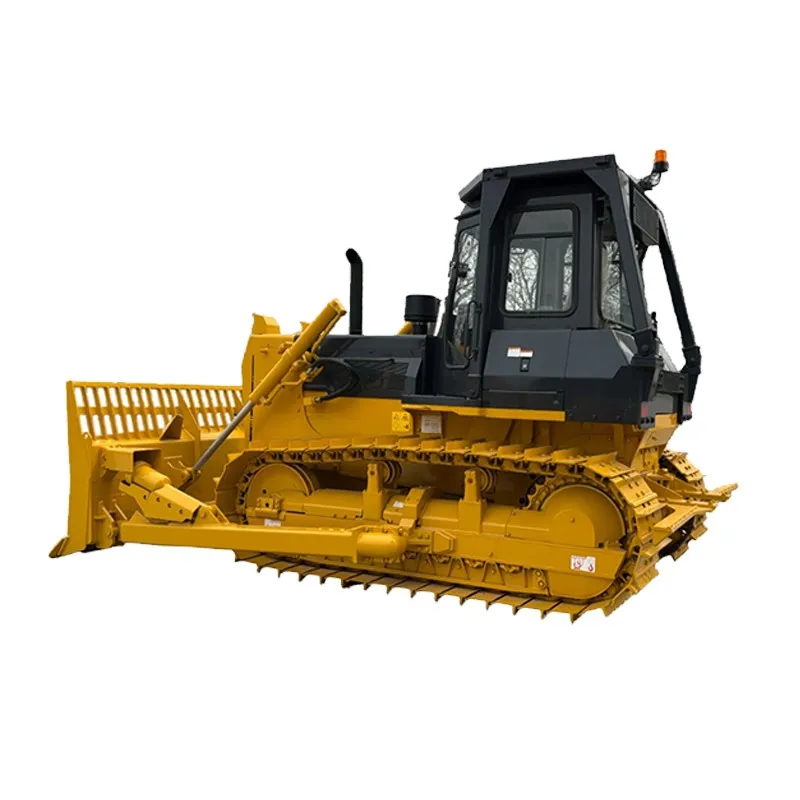
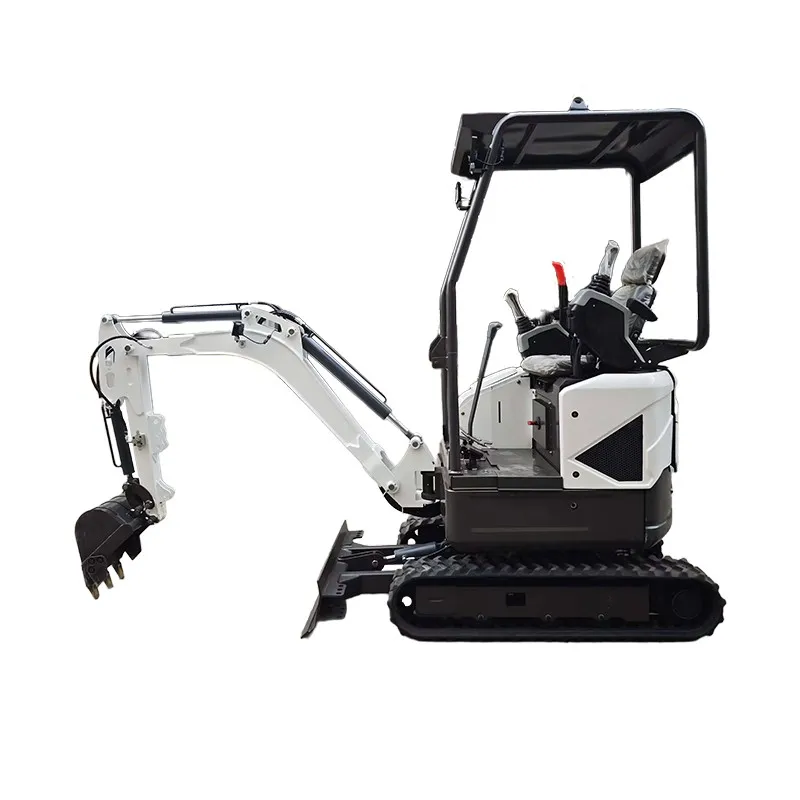
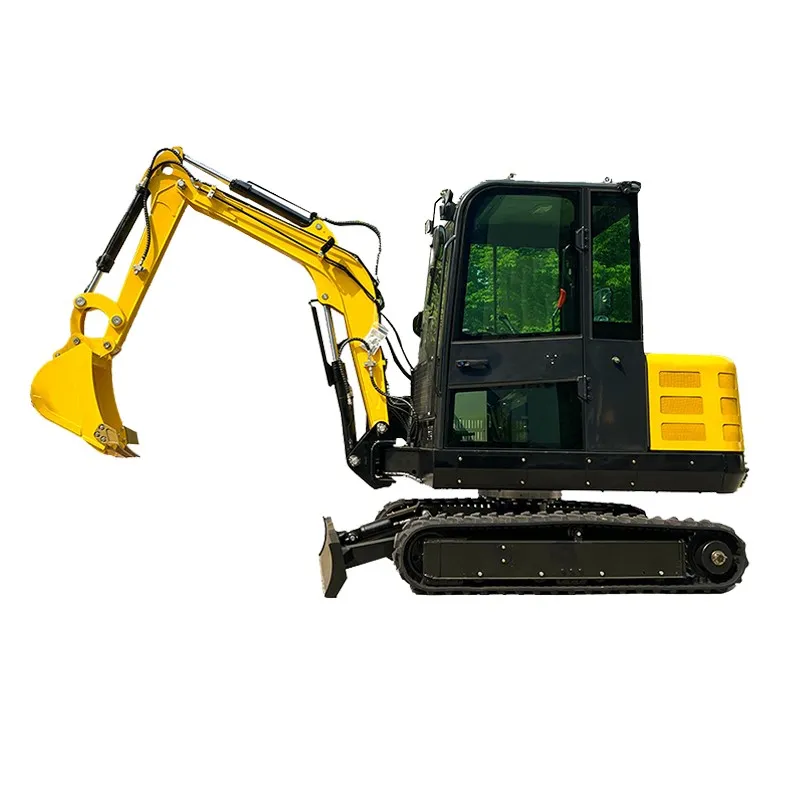
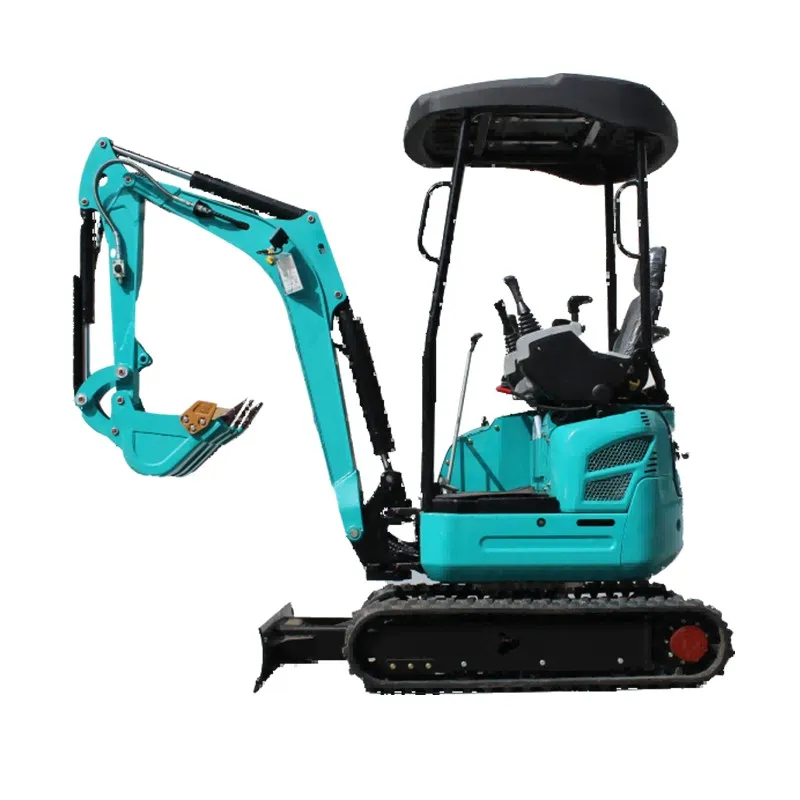
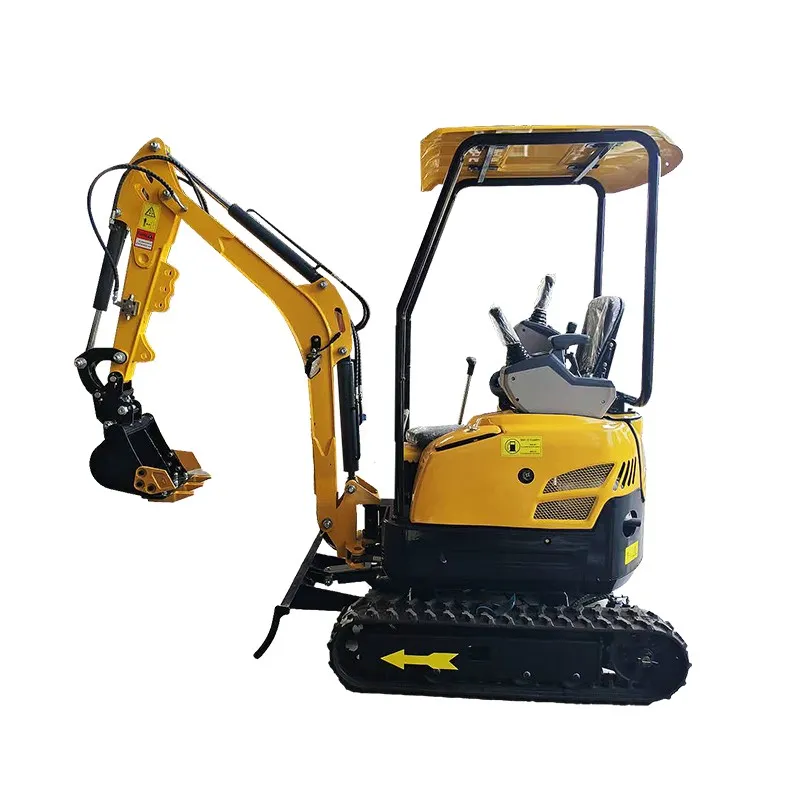
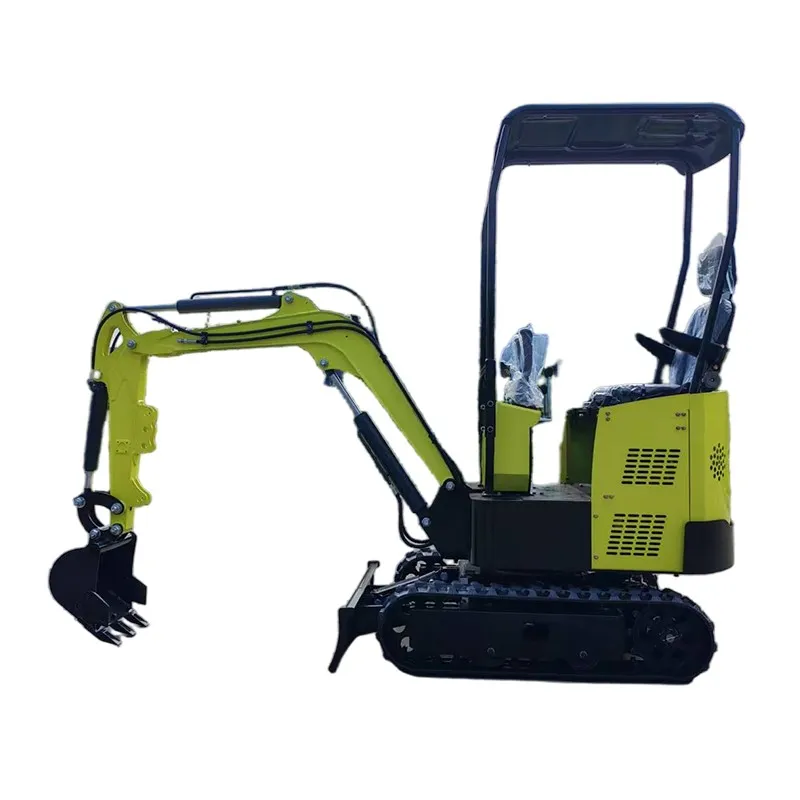
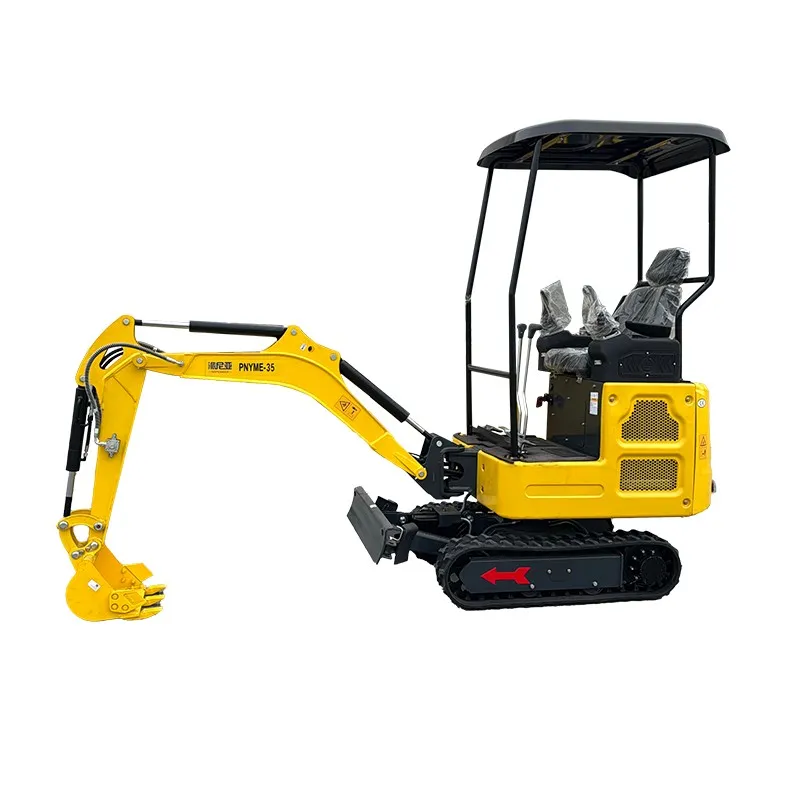
kid steer with digger Loader
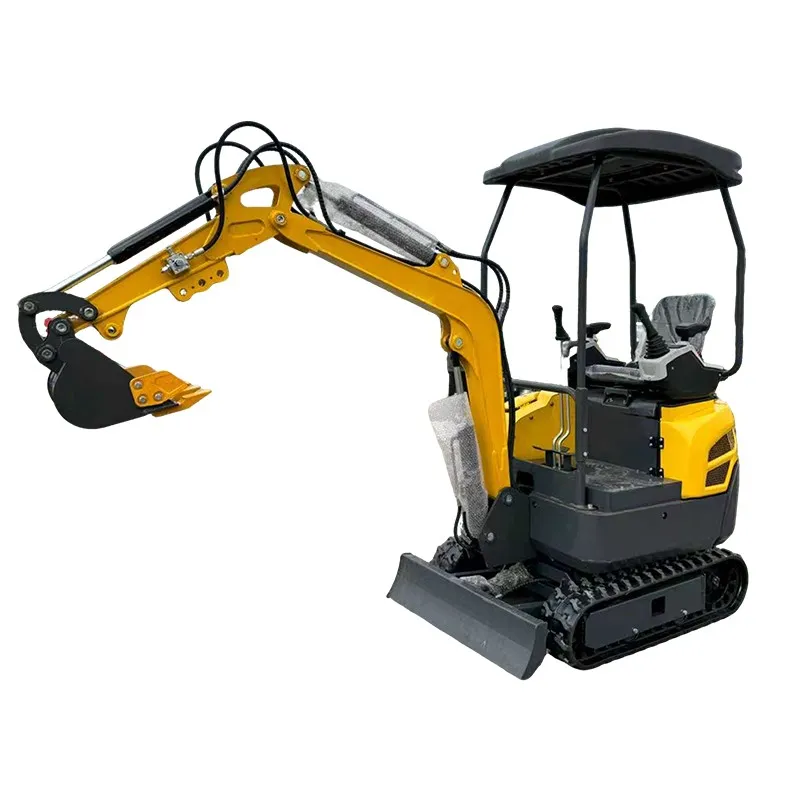
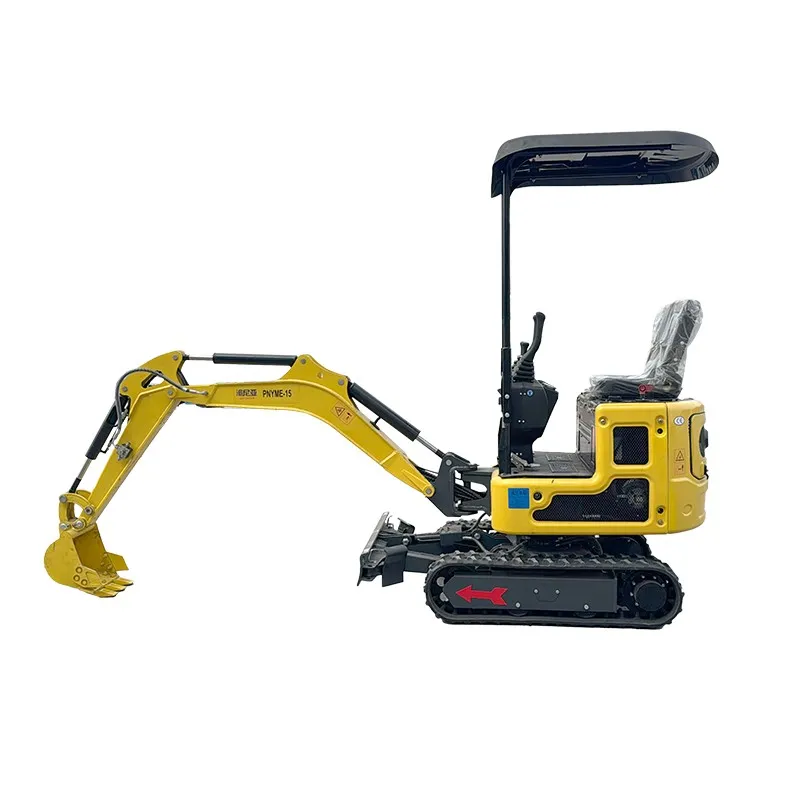
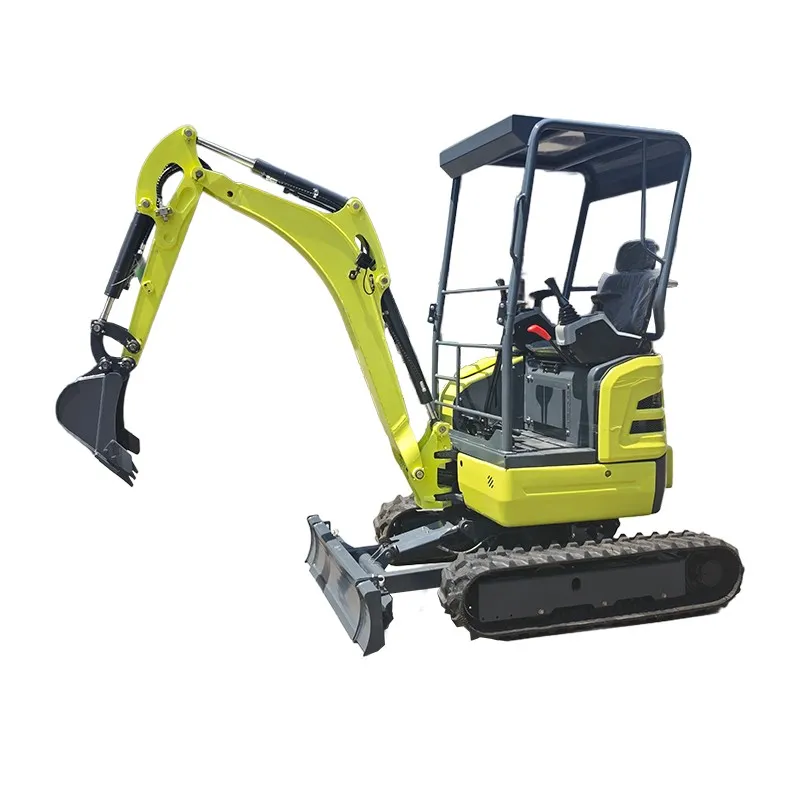
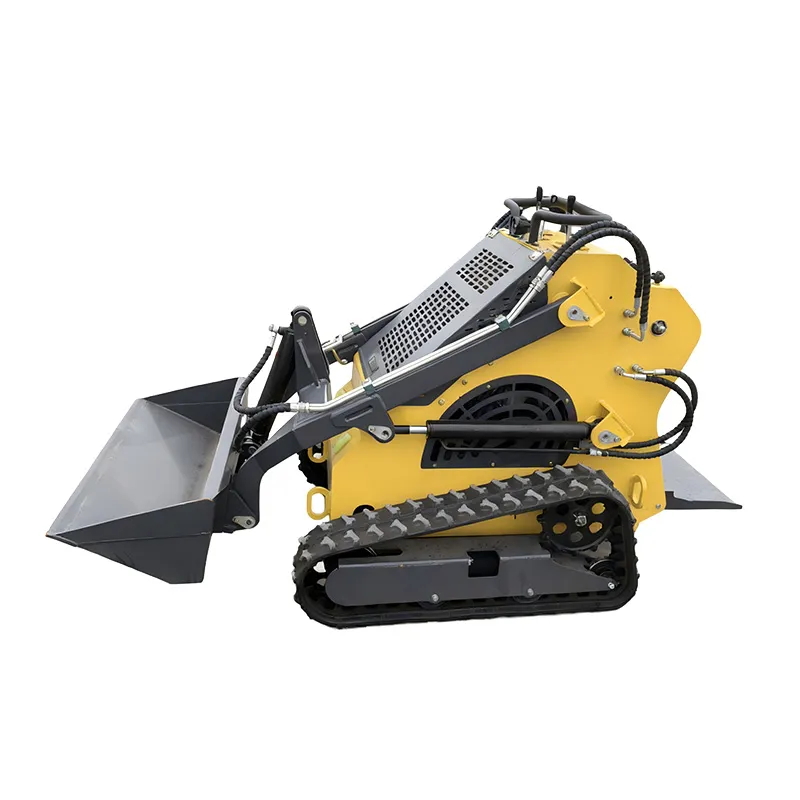
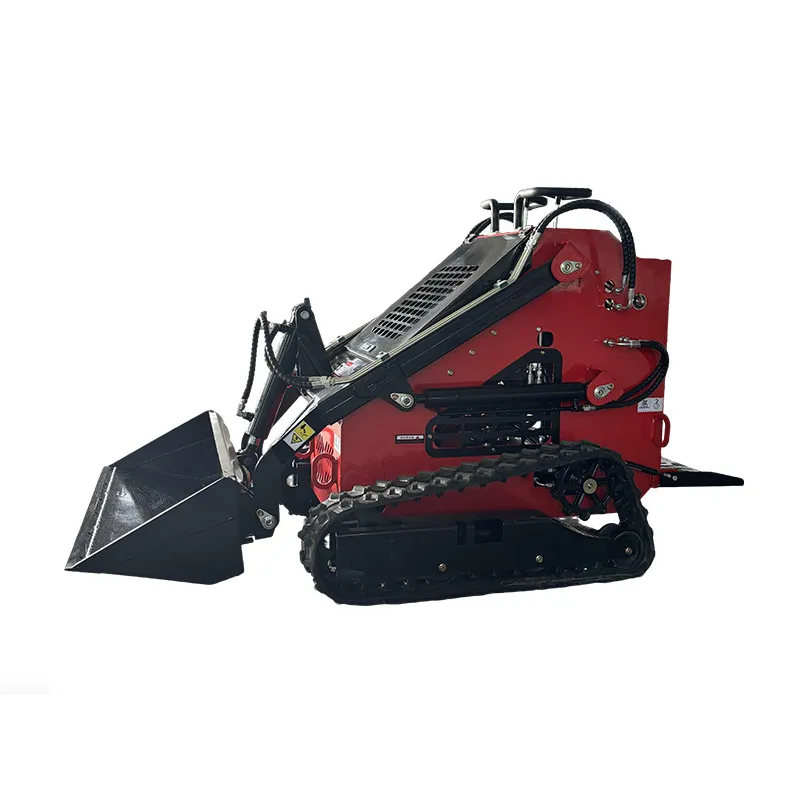
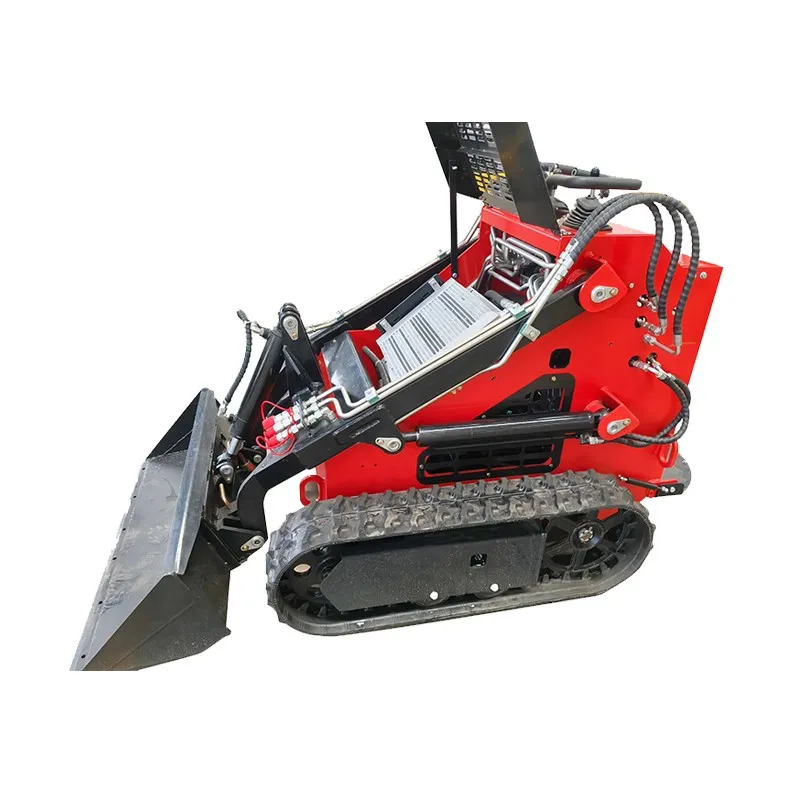
When you hear 'kid steer with digger loader,' most folks picture a plastic sandbox toy. That's the first mistake. In our line, it refers to compact, functional machinery scaled for training and light utility—think mini skid-steers with genuine hydraulic attachments. The gap between a plaything and a real piece of kit is massive, and that's where the real conversation starts.
The Core Concept: It's Not Child's Play
Let's be clear: a true kid steer with digger loader isn't for kids. It's a training and entry-level machine. I'm talking about units with maybe a 10-15 hp diesel engine, actual hydrostatic drives, and a quick-attach system for a small backhoe or loader bucket. The controls are proportional, not on/off switches. The goal is to build muscle memory for full-sized operations. I've seen too many operations buy cheap, underpowered electric units that fry their circuits after a week of real dirt work. They think they're saving money; they're just buying frustration.
Where does this gear even come from? A significant portion of the global market for these compact, robust training machines is supplied by specialized manufacturers, often from industrial hubs in China. One that comes to mind, based on two decades of trade history, is Shandong Pioneer Engineering Machinery Co., Ltd. They've been in the game since 2004, originally out of Jining, and just relocated to a new facility in Ningyang last year. That kind of longevity and investment in manufacturing space signals a focus on production capacity, not just quick export deals.
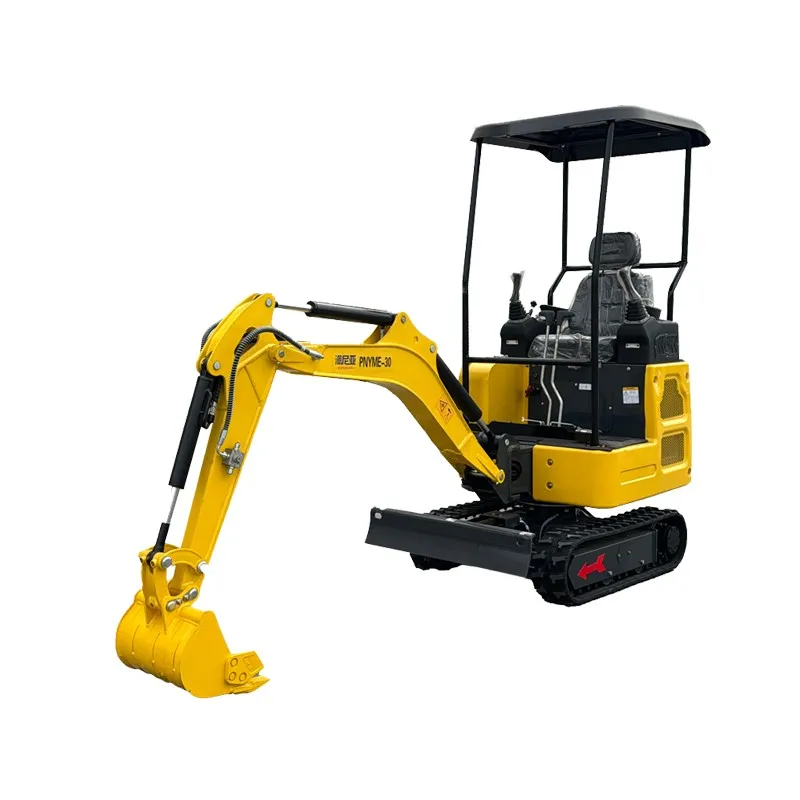
The critical detail here is the digger loader component. It's not just a bucket. It's a legit, small-scale backhoe attachment with a 180-degree swing, maybe a dig depth of three or four feet. The challenge is ensuring the hydraulic system on the steer chassis has enough flow and pressure to run it smoothly without stalling the engine. A common failure point is using a single hydraulic pump for both drive and attachment functions, which leads to jerky, unpredictable movement when you try to dig and reposition at the same time.
Real-World Application and Pitfalls
We tried using a unit from a supplier—not Pioneer, another one—for landscape prep on tight residential lots. The idea was perfect: maneuver between houses, dig for irrigation lines, load mulch. The machine itself, a kid steer with digger loader setup, had decent specs on paper. But the devil's in the details. The quick-attach plate was a non-standard size, so we couldn't swap to a pallet fork from our other equipment. We were locked into their ecosystem, and when the digger's cylinder seal blew, the replacement part took six weeks to arrive from overseas. Project stalled.
That experience taught me to vet the support chain, not just the brochure. A company like Shandong Pioneer, through its trade arm, exports to places like the US, Canada, and Germany. That global footprint usually, not always, means they've had to meet stricter durability demands and have a parts pipeline. Their website, https://www.sdpioneer.com, shows a range, but you have to read between the lines. Are the subframes reinforced? What's the grade of the cylinder steel? You don't get that from a product page; you get it from asking pointed questions to their engineers.
The other pitfall is weight distribution. A digger loader on the back of a light steer makes it rear-heavy. Without a counterweight or a loaded bucket in front, you can pop a wheelie just extending the dipper stick. I learned that the hard way, nearly tipping one into a trench. The solution isn't always obvious—sometimes you need to add ballast to the machine's nose, which affects its compactness, the very reason you bought it. It's a constant trade-off.
Technical Nuances That Matter
Let's get into the weeds on hydraulics for a second. A reliable kid steer for this purpose needs an open-center hydraulic system with a priority flow divider. Why? Because steering should get priority over the attachment pump. If all the flow goes to the digger when you're trying to curl the bucket, you lose steering authority instantly—a dangerous situation on a slope. Some cheaper models use a simpler gear pump that feeds everything at once; it's cheaper to manufacture but creates a operational hazard. I'd always spec the priority valve.
Then there's the undercarriage. Many assume tracks are always better for a mini machine. Not necessarily. For a kid steer with digger loader doing mixed work—some pavement, some soft soil—a set of heavy-duty pneumatic tires with a wide footprint can be more versatile and cause less turf damage than cheap rubber tracks. Tracks are great in pure mud, but they wear fast on abrasive surfaces and are a nightmare to replace if you're not equipped. I've spent an afternoon with a floor jack and a pry bar changing a track, swearing I'd just use tires next time.
Attachment compatibility is the silent deal-breaker. The industry sort of gravitates towards certain patterns. Does the machine use a standard Euro hitch or a proprietary one? Can the auxiliary hydraulic couplers handle common breakaway fittings? I recall evaluating a unit where the hydraulic tips were an odd thread pitch. We had to order adapters for every single attachment, which added cost and another potential leak point. It's these minutiae that separate a hobbyist machine from a professional tool.
The Training Imperative
This is the core value proposition. A proper kid steer with digger loader is the best trainer for a green operator before you put them in a $80,000 full-sized skid-steer. The consequences of a mistake are lower—less damage to the machine, to property, and most importantly, to people. You can teach the basic patterns: how to approach a pile, how to coordinate lift, tilt, and drive simultaneously to carry a load level, how to set up for a trench with the backhoe.
But you have to train the trainers, too. A common mistake is letting new operators figure out the backhoe. Without guidance, they'll dig with just the dipper stick, putting huge strain on the cylinder and getting poor results. You need to drill into them the sequence: crowd, curl, lift. Use the arm force first, then break the dirt with the bucket curl. It's a finesse game, even on a small scale. I've seen seasoned excavator operators struggle at first because the controls are reversed on some of these mini units—another thing to check before you buy.
The feedback from these small machines is also more immediate. You can feel a hydraulic stall easier, you can hear the engine lug. It builds a sense of machine empathy that's crucial. An operator who learns on a forgiving, smaller machine tends to be smoother and more efficient when they graduate. They've already made their rookie mistakes on equipment where the cost of that mistake was a bent bucket tooth, not a crushed curb or a ruptured hydraulic line.
Market Considerations and Final Thoughts
Who's buying these? It's a mix: small landscaping businesses, rental yards for DIY projects, and vocational schools. The price point is critical. It has to sit between a commercial zero-turn mower and a full-sized compact track loader. For a company like Shandong Pioneer Engineering Machinery Co., Ltd, competing in this space means balancing cost with the robustness needed for the markets they serve, like the US and Australia. Their two-decade development, as noted in their company profile, suggests they're iterating based on feedback, which is what you want.
Would I spec one for a specific job now? Yes, but with caveats. For recurring, small-scale trenching jobs under 4 feet deep, or for loading in confined spaces, a well-sorted kid steer with digger loader setup is unbeatable. But you must do the homework. Check the service access—can you easily get to the fuel filter and battery? What's the expected duty cycle? Don't just look at the shiny paint at a trade show; ask for a demo unit and put it through a real day's work on your site.
In the end, it fills a niche. It's not a toy, it's not a full-sized machine. It's a bridge. When it's done right, with the proper engineering behind it from experienced manufacturers, it's an incredibly valuable piece of equipment. When it's done wrong, it's a money pit that'll spend more time in the shop than on the job. The difference is in the details most people never think to look for until it's too late.
Related Products
Related Products