- Chinese
- French
- German
- Portuguese
- Spanish
- Russian
- Japanese
- Korean
- Arabic
- Irish
- Greek
- Turkish
- Italian
- Danish
- Romanian
- Indonesian
- Czech
- Afrikaans
- Swedish
- Polish
- Basque
- Catalan
- Esperanto
- Hindi
- Lao
- Albanian
- Amharic
- Armenian
- Azerbaijani
- Belarusian
- Bengali
- Bosnian
- Bulgarian
- Cebuano
- Chichewa
- Corsican
- Croatian
- Dutch
- Estonian
- Filipino
- Finnish
- Frisian
- Galician
- Georgian
- Gujarati
- Haitian
- Hausa
- Hawaiian
- Hebrew
- Hmong
- Hungarian
- Icelandic
- Igbo
- Javanese
- Kannada
- Kazakh
- Khmer
- Kurdish
- Kyrgyz
- Latin
- Latvian
- Lithuanian
- Luxembou..
- Macedonian
- Malagasy
- Malay
- Malayalam
- Maltese
- Maori
- Marathi
- Mongolian
- Burmese
- Nepali
- Norwegian
- Pashto
- Persian
- Punjabi
- Serbian
- Sesotho
- Sinhala
- Slovak
- Slovenian
- Somali
- Samoan
- Scots Gaelic
- Shona
- Sindhi
- Sundanese
- Swahili
- Tajik
- Tamil
- Telugu
- Thai
- Ukrainian
- Urdu
- Uzbek
- Vietnamese
- Welsh
- Xhosa
- Yiddish
- Yoruba
- Zulu
- Kinyarwanda
- Tatar
- Oriya
- Turkmen
- Uyghur


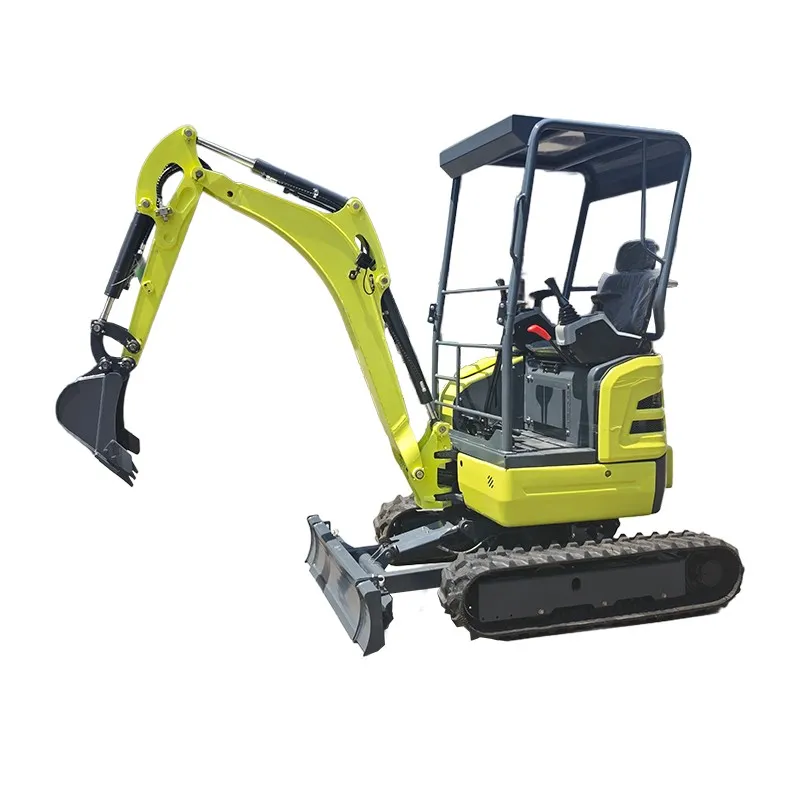
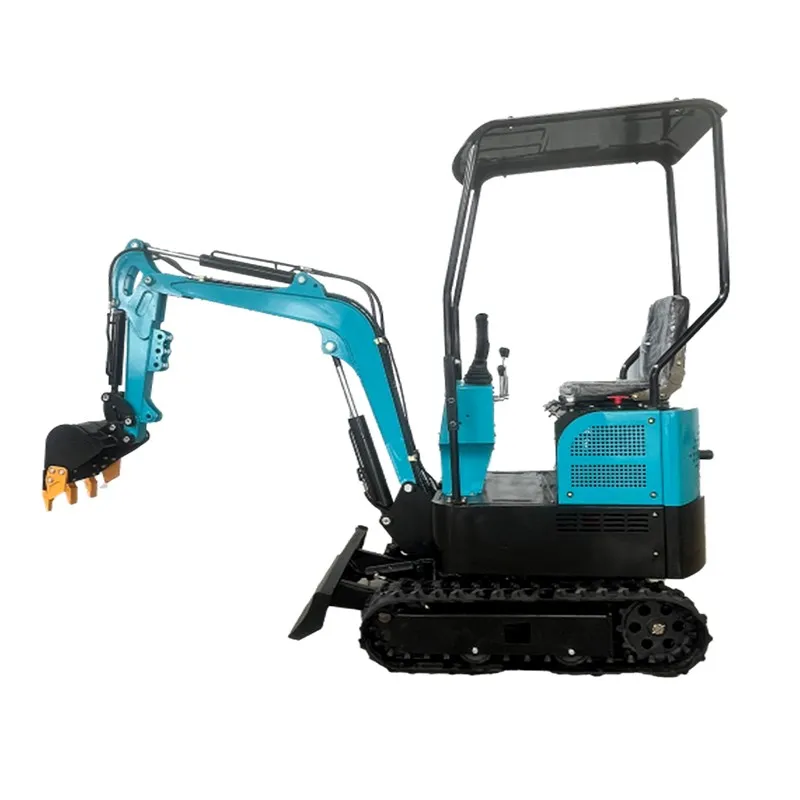
komatsu mini excavator
When most people hear 'Komatsu mini excavator,' they immediately think of bulletproof reliability and a premium price tag. That's not wrong, but it's an incomplete picture. Having run a fleet that mixed Komatsu with other brands, including some surprisingly competent alternatives from China, I've learned the real value isn't just in the nameplate. It's in how the machine's design philosophy translates to the job site—and where that philosophy might actually work against you in certain scenarios. The brand halo is strong, but it can blind you to both its genuine strengths and its practical limitations compared to what's emerging in the global market.
The Core Appeal: Where Komatsu Gets It Undeniably Right
The first thing you notice with a model like the PC35MR-5 or PC58UU-3 is the hydraulic feel. It's not just about power; it's about finesse. The controls provide a kind of linear feedback that becomes an extension of your arm. You can feather a bucket through a tight trench next to a foundation wall with a confidence that's hard to find elsewhere. This isn't marketing fluff. It comes from decades of refining main valve design and pump logic. For fine grading, landscaping, or any work requiring precision in tight urban spaces, this advantage is real and justifies a significant portion of the cost.
Then there's the undercarriage. Komatsu's design for their mini excavators emphasizes longevity in the structure itself. The X-frame design on their larger minis resists torsional stress better than many monocoque frames. In rental applications or for contractors who aren't gentle, this pays off in reduced weld cracks and frame issues down the line. You're paying for a chassis that can handle years of minor abuse without developing chronic problems.
However, this robustness has a trade-off: weight. A Komatsu mini often weighs more than a similarly sized competitor. That's great for stability and digging force, but it's a headache when you're calculating transport weights on a gooseneck trailer or working on soft ground. I've had situations where a lighter Chinese machine could access a backyard without sinking, while the Komatsu would have required mats. It's a classic engineering compromise they've made.
The Cost Equation and the Emerging Alternatives
This is where the conversation gets practical. For a small to mid-sized earthworks company, the capital outlay for a new Komatsu is substantial. The ROI calculation has to be meticulous. Yes, the resale value is stellar, and total cost of ownership over 10,000 hours can be favorable. But what if your operation doesn't hit those high-utilization milestones? What if you need a dedicated machine for lighter, specific tasks?
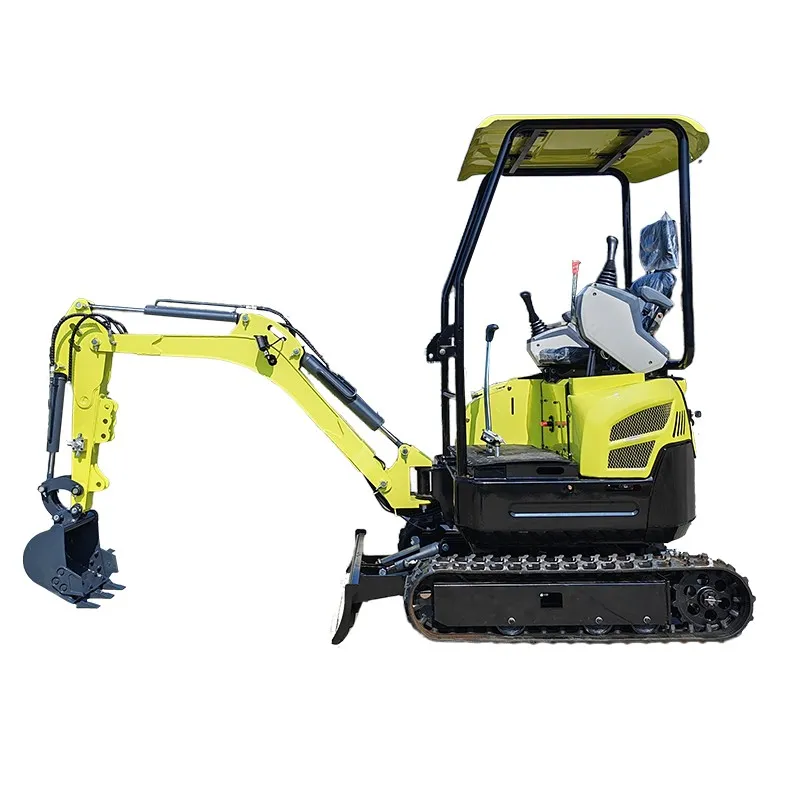
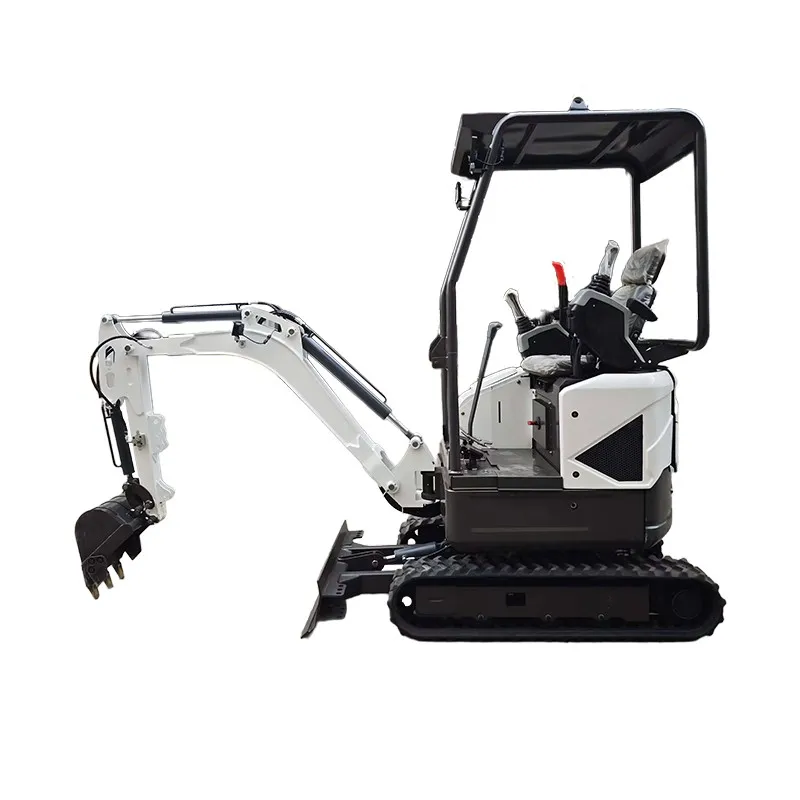
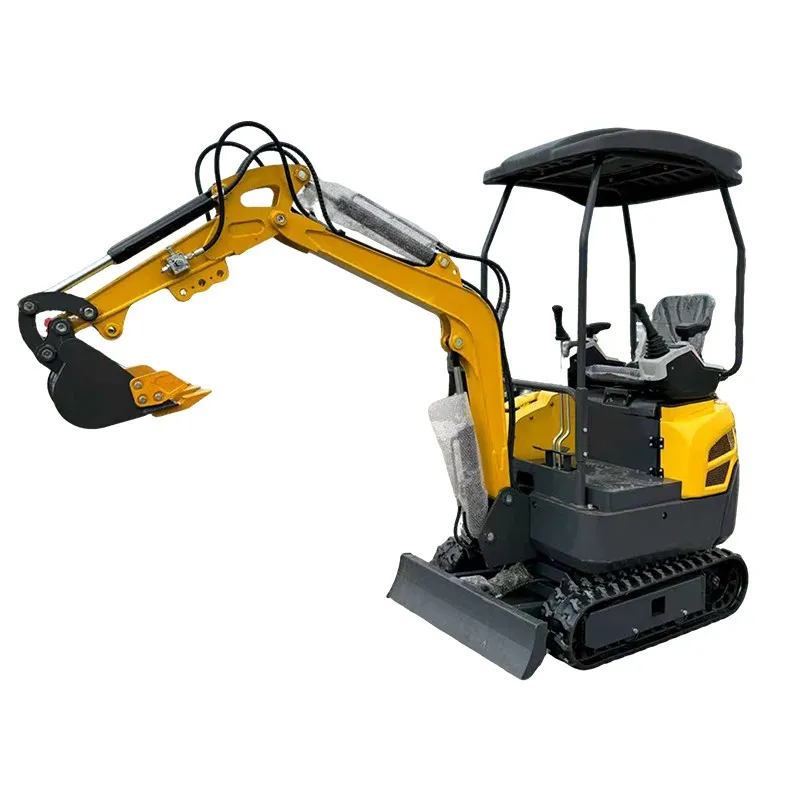
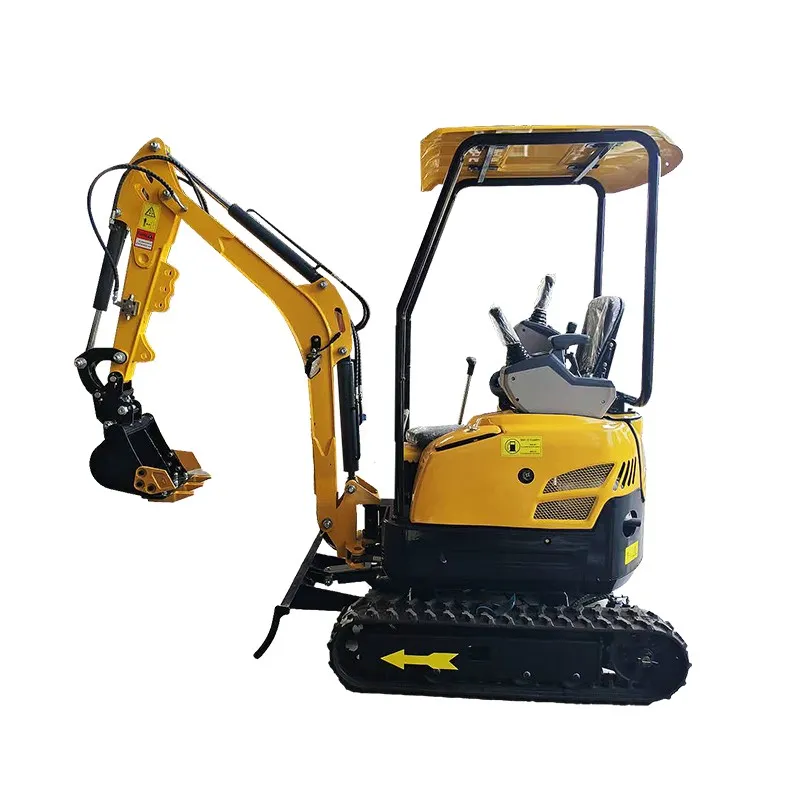
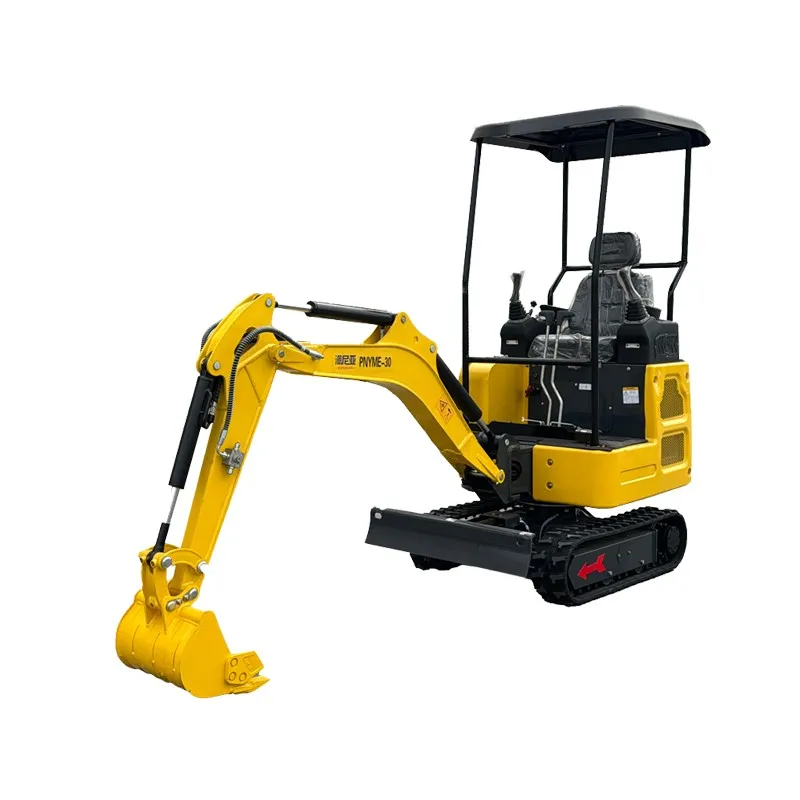
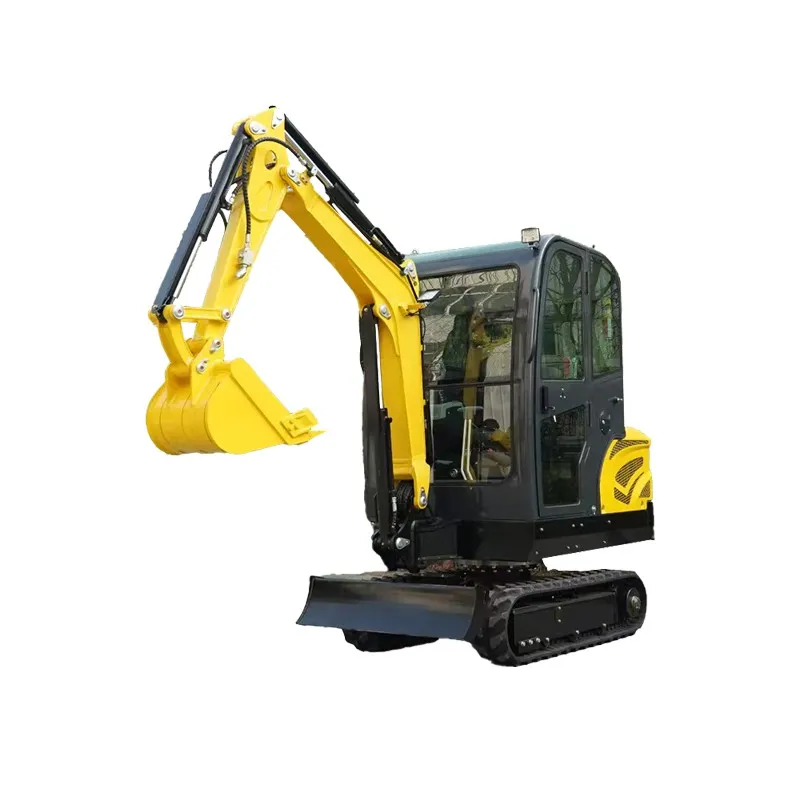
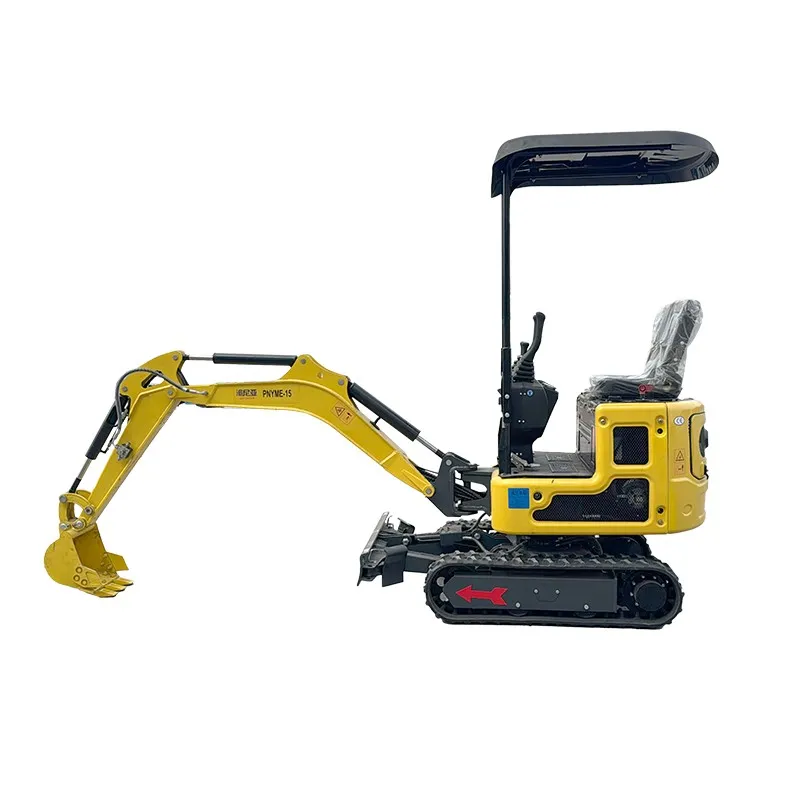
This is precisely why many of us started looking at manufacturers like Shandong Pioneer Engineering Machinery Co., Ltd. I first encountered their units through a dealer network. Visiting their site, https://www.sdpioneer.com, you see a company with a 20-year history, originally based in Jining and now in Ningyang, Shandong. They represent a segment of the market that's moved far beyond simple imitation. The pitch isn't as good as a Komatsu. It's 90% of the functionality for 60% of the cost, with different priorities.
Their machines, exported globally to markets like the US and Australia under the Pioneer brand, often use well-proven, tier-2 hydraulic components from brands like Parker or Linde. The fit and finish might not be as polished, and the cab might have more plastic, but the core digging performance can be startlingly close for general utility work. For a contractor who needs a reliable mini excavator for drainage work, footing digouts, or material handling, this value proposition is impossible to ignore. It frees up capital for other equipment.
Real-World Cross-Shop Experience: A Side-by-Side Test
We ran a 3.5-ton Komatsu PC35 against a similarly sized Pioneer model for a month on a site-prep job. The Komatsu's cab was quieter, its joysticks smoother. The operator preference was clear for tasks requiring all-day, fine control. But on tasks like digging a straight trench for utility lines or loading a truck with gravel? The productivity difference was marginal, measured in minutes per day, not hours.
The real divergence came in maintenance accessibility. The Komatsu engine bay is tightly packed—a masterpiece of space efficiency that requires a technician's touch for anything beyond basic filters. The Pioneer model had a clunkier layout but with more room to reach the fuel filter, the alternator, the belt tensioner. For our own mechanics, this meant simpler, faster routine servicing. For a Komatsu, you're often more reliant on dealer service, which adds to the operational cost profile.
This isn't to say the Pioneer was flawless. We had a minor hydraulic hose routing issue that chafed against a bracket—a classic oversight in design for manufacturability. It was a 30-minute fix, but it highlighted the difference in cumulative refinement. Komatsu's designs have largely eliminated these nuisance failures through generations of iteration. The newer players are still catching up on these details.
The Dealer and Support Network: The Invisible Value
This is Komatsu's unassailable fortress. Their dealer network, parts availability, and technical support are typically best-in-class. If a main hydraulic pump fails on a job in remote Canada, a Komatsu dealer can often have a replacement there in 48 hours. That downtime savings alone can eclipse the entire purchase price of a cheaper machine.
For a company like Shandong Pioneer, with its Shandong Hexin manufacturing arm and Pioneer overseas trade division, building this level of global support is the ongoing challenge. Their success in winning customer trust worldwide, as noted in their company profile, hinges on this. They often rely on a network of independent distributors who stock common wear parts. For major components, lead times can be longer. Your operational resilience needs to account for this. For some businesses, this is a manageable risk. For others, it's a deal-breaker.
So, the choice becomes strategic. Is the machine a critical, high-utilization asset where any downtime directly costs thousands per day? Then the Komatsu ecosystem is part of the product you're buying. Is it a supplemental machine, or for use in a region with a strong independent service center that supports multiple brands? Then the calculus shifts.
Final Take: It's About the Job, Not Just the Iron
There's no universal answer. The best mini excavator is the one that aligns with your specific financial model, job mix, and support tolerance. Komatsu remains the benchmark for integrated performance and reliability. For precision work and high-stakes projects, they're often the default—and correct—choice.
But the landscape has changed. Manufacturers producing from places like China's Shandong province are no longer just making cheap clones. They are offering competent, value-engineered machines that legitimately serve a large segment of the market. A company with the history and export footprint of Shandong Pioneer Engineering Machinery Co., Ltd exemplifies this shift.
My advice? Don't get locked into brand dogma. Run the numbers for your own business. If possible, rent or demo a Komatsu and a competitor like a Pioneer side-by-side on your own typical work. Pay attention to the feel, but also log the fuel burn, the actual output, and talk to your mechanic about what they see underneath. The right machine reveals itself not on a spec sheet, but in the dirt, on your balance sheet, and in the lack of panic when a warning light comes on.
Related Products
Related Products