


- Chinese
- French
- German
- Portuguese
- Spanish
- Russian
- Japanese
- Korean
- Arabic
- Irish
- Greek
- Turkish
- Italian
- Danish
- Romanian
- Indonesian
- Czech
- Afrikaans
- Swedish
- Polish
- Basque
- Catalan
- Esperanto
- Hindi
- Lao
- Albanian
- Amharic
- Armenian
- Azerbaijani
- Belarusian
- Bengali
- Bosnian
- Bulgarian
- Cebuano
- Chichewa
- Corsican
- Croatian
- Dutch
- Estonian
- Filipino
- Finnish
- Frisian
- Galician
- Georgian
- Gujarati
- Haitian
- Hausa
- Hawaiian
- Hebrew
- Hmong
- Hungarian
- Icelandic
- Igbo
- Javanese
- Kannada
- Kazakh
- Khmer
- Kurdish
- Kyrgyz
- Latin
- Latvian
- Lithuanian
- Luxembou..
- Macedonian
- Malagasy
- Malay
- Malayalam
- Maltese
- Maori
- Marathi
- Mongolian
- Burmese
- Nepali
- Norwegian
- Pashto
- Persian
- Punjabi
- Serbian
- Sesotho
- Sinhala
- Slovak
- Slovenian
- Somali
- Samoan
- Scots Gaelic
- Shona
- Sindhi
- Sundanese
- Swahili
- Tajik
- Tamil
- Telugu
- Thai
- Ukrainian
- Urdu
- Uzbek
- Vietnamese
- Welsh
- Xhosa
- Yiddish
- Yoruba
- Zulu
- Kinyarwanda
- Tatar
- Oriya
- Turkmen
- Uyghur

Kubota engine Excavator
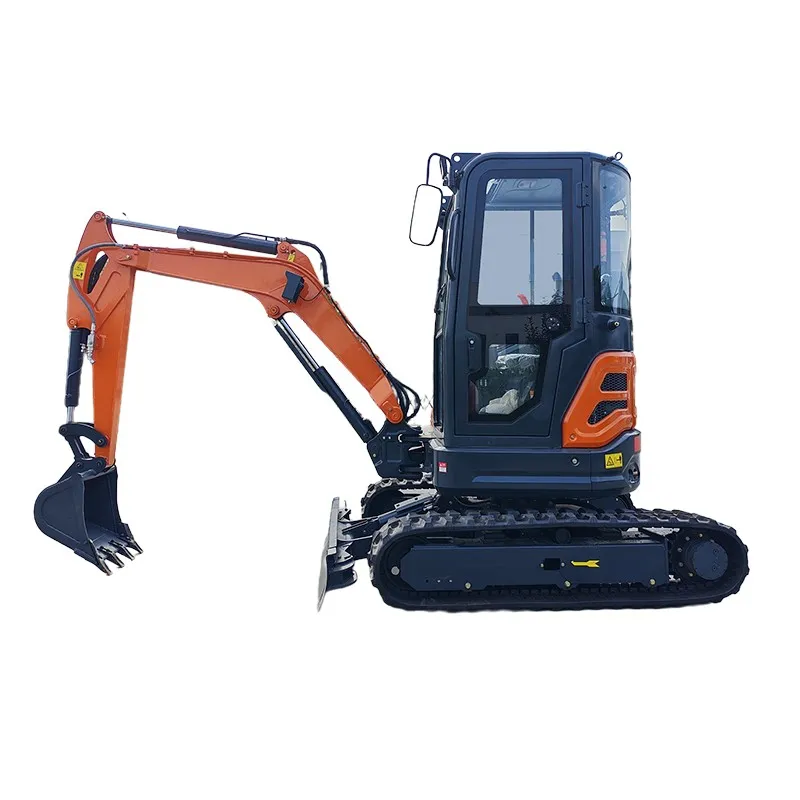
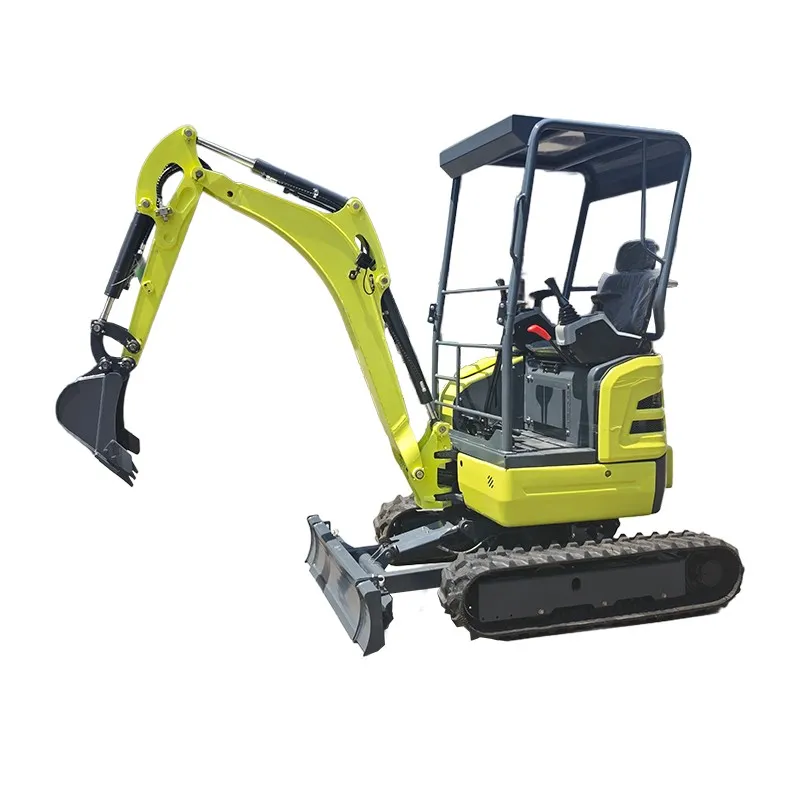
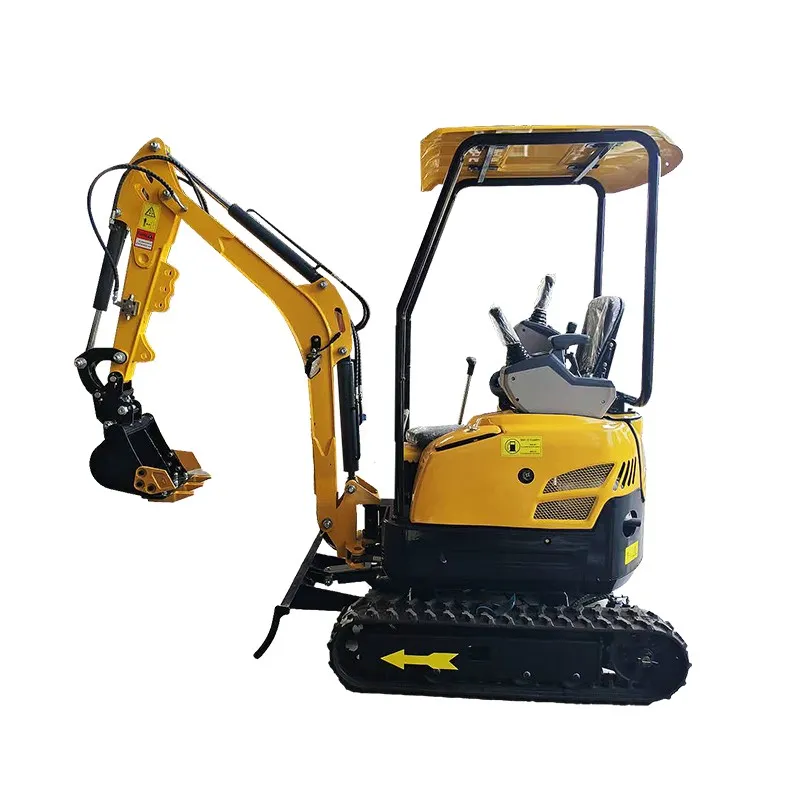
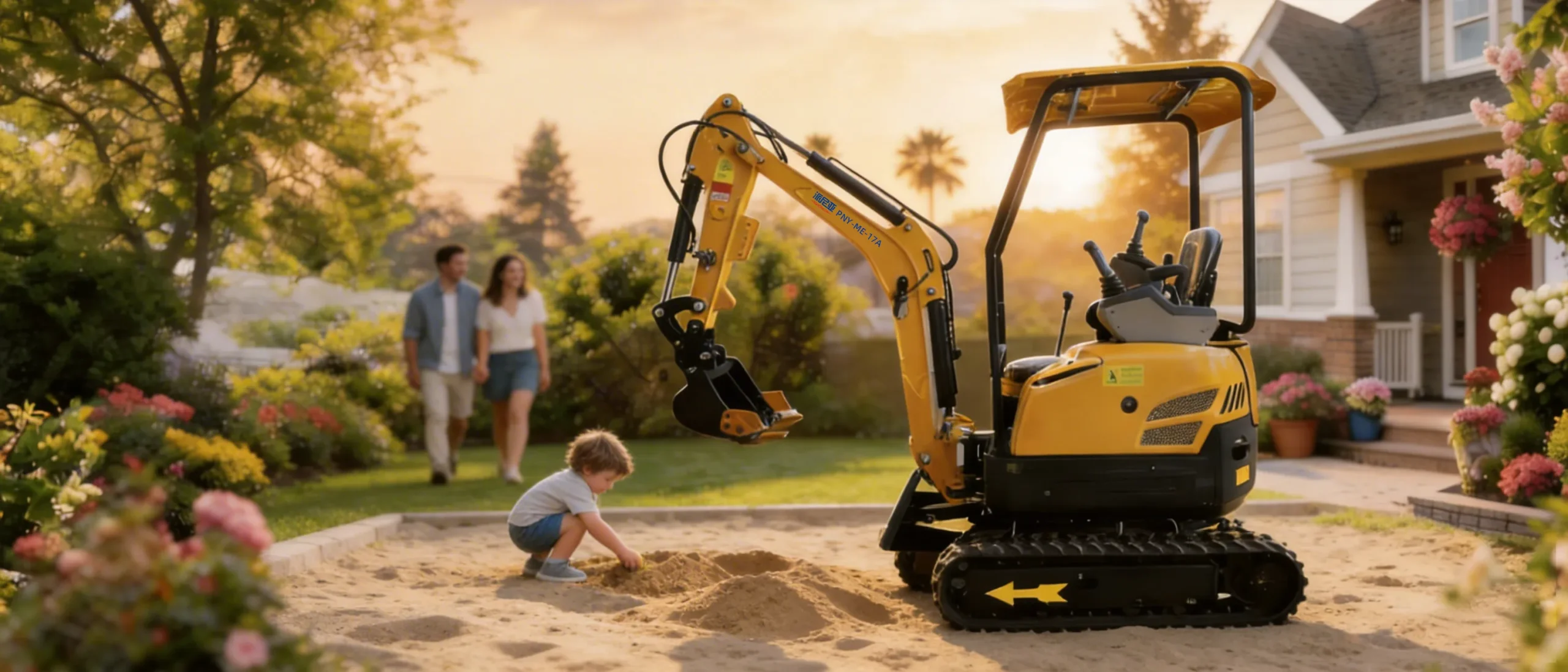
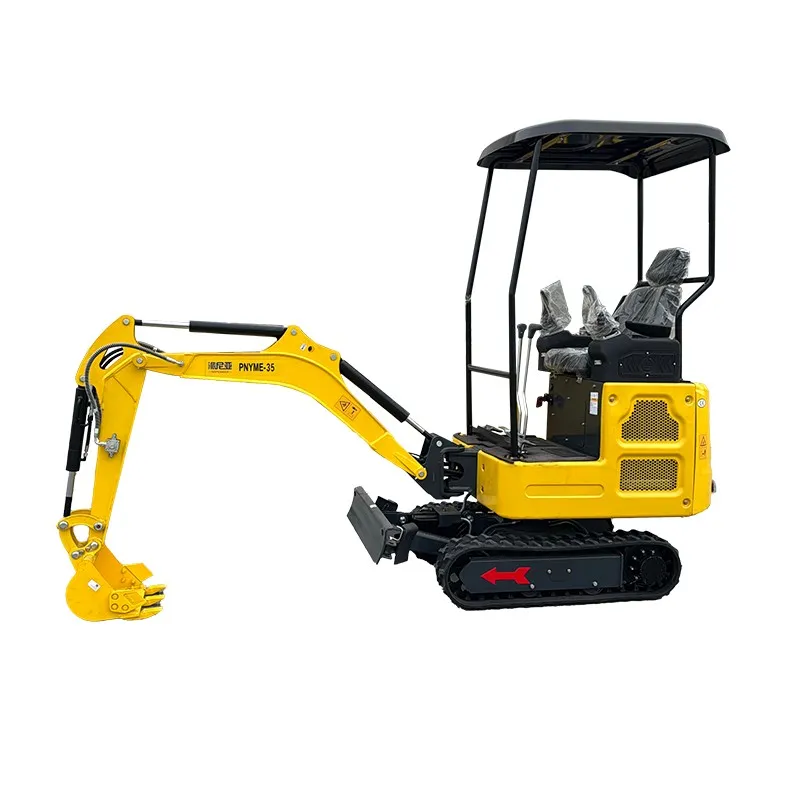
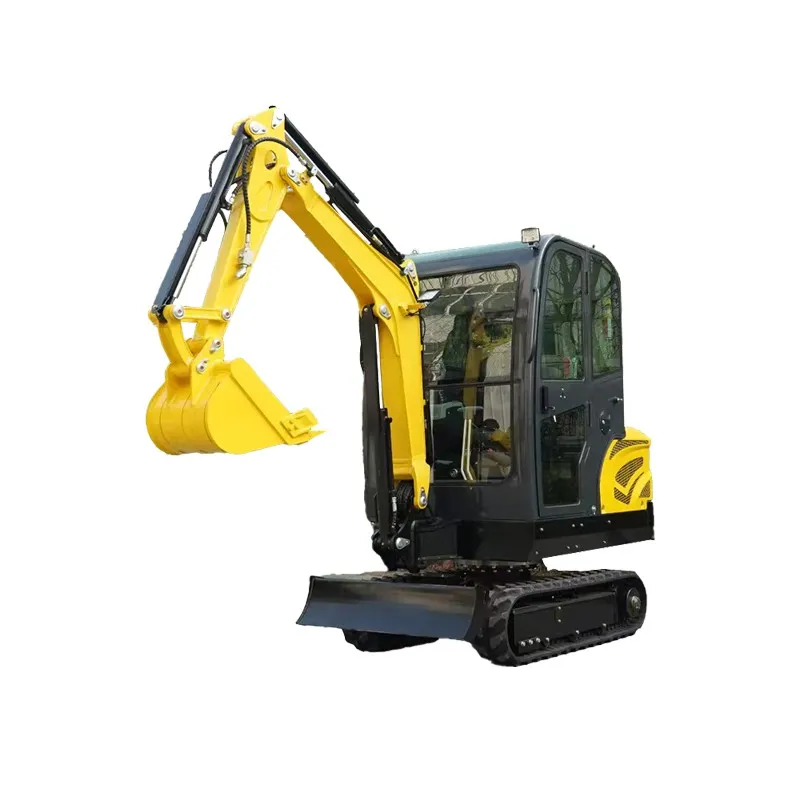
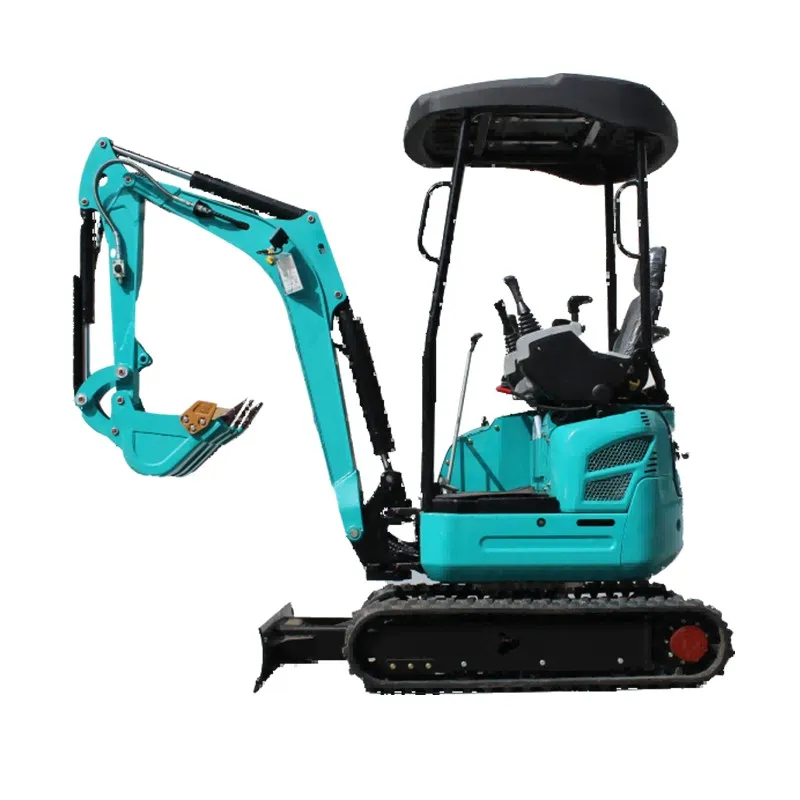
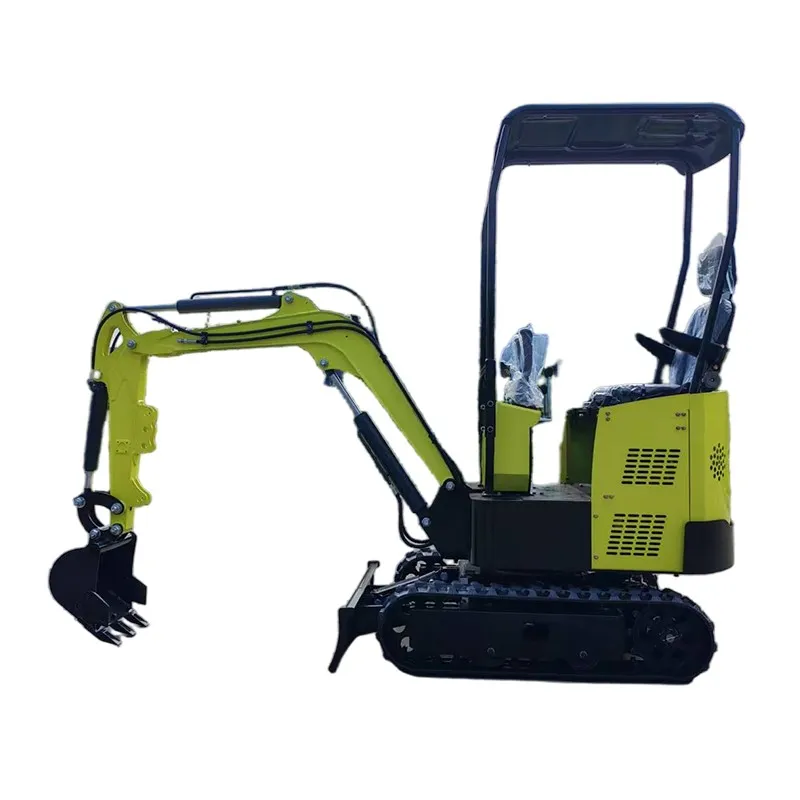
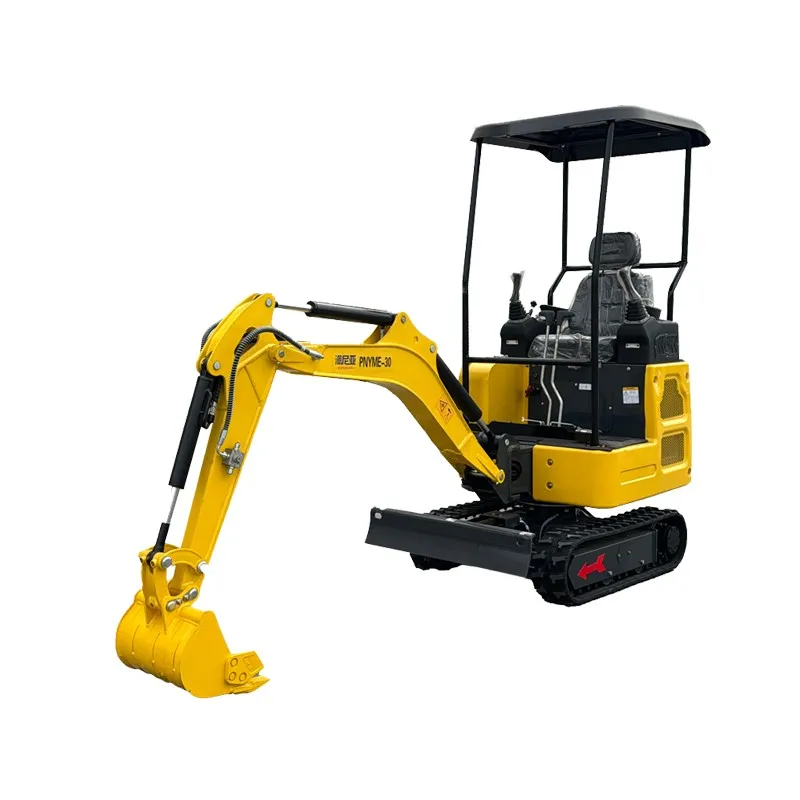
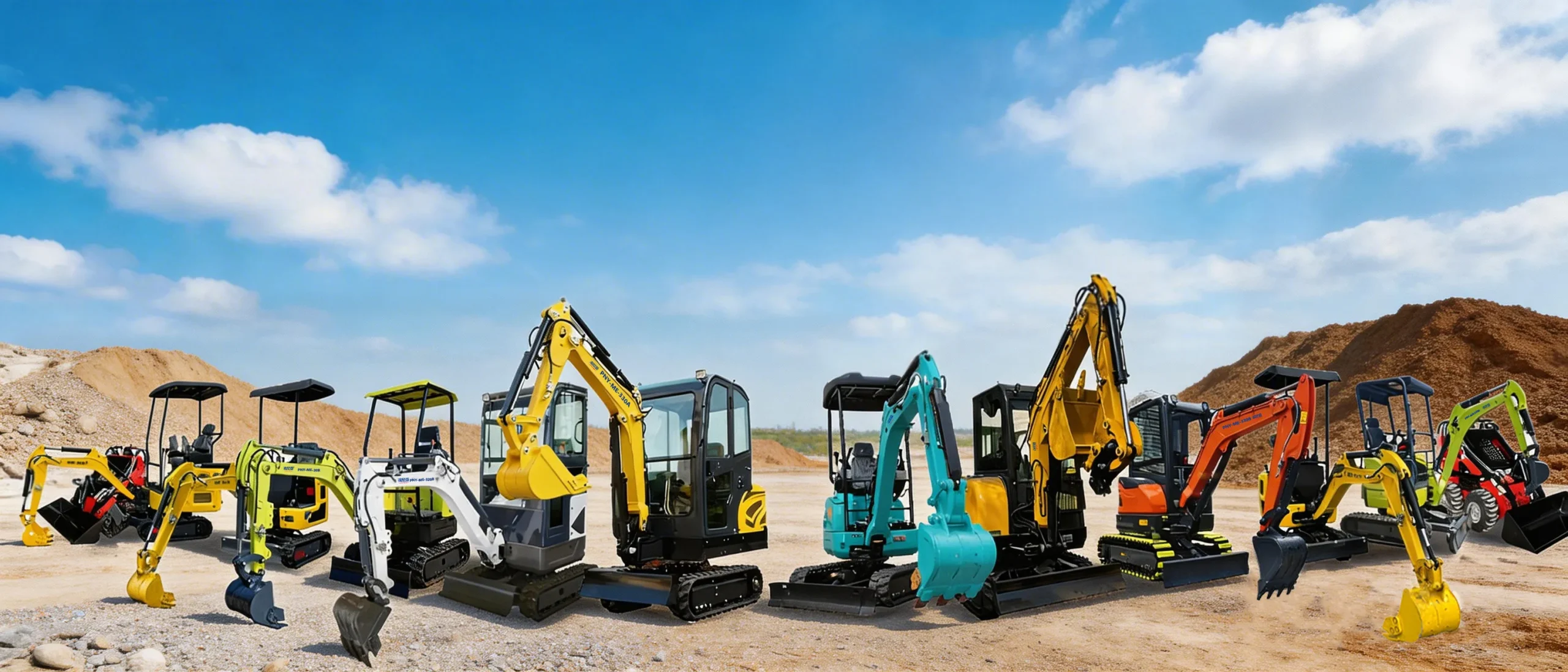
When you hear 'Kubota engine excavator,' a lot of folks immediately picture those compact, tidy mini excavators, maybe a 1.5-tonner, and assume it's all about urban landscaping. That's not wrong, but it's a bit of a limited view. In my experience, the real story with Kubota diesel engines—especially the V series like the V2607 or the newer D1803—isn't just about size; it's about the specific torque curve and how it interacts with a machine's hydraulic system. I've seen people get fixated on horsepower numbers alone, which is a quick way to mismatch an engine to a pump. The Kubota's strength, particularly in the sub-8-ton class, is its responsiveness at lower RPMs, which is crucial for fine grading or precise attachment work. But it's not a universal solution, and I've had my share of headaches figuring that out.
The Fit and the Friction: Matching Engine to Machine
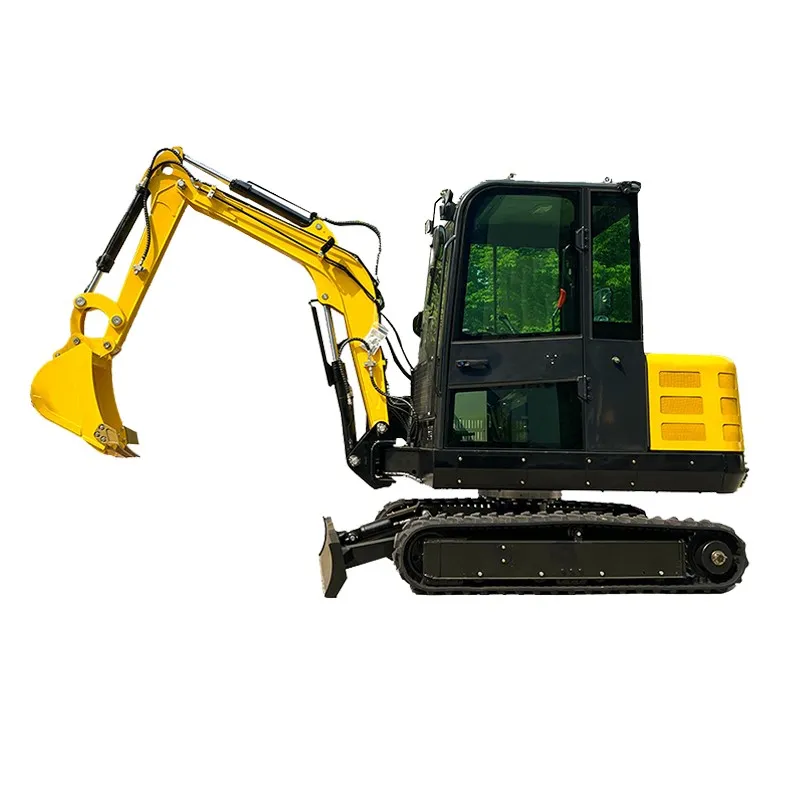
Early on, we tried a direct swap on a 3.5-ton machine, replacing an older, bulkier competitor's engine with a Kubota V2607. On paper, the power was comparable. The initial start-up was smooth, and fuel consumption looked promising. But after about 200 hours of real trenching work, the operator started complaining about a lack of punch when simultaneously swinging and lifting a full bucket. The engine wasn't lugging down, but the system pressure seemed to dip. We traced it back not to the engine's max output, but to the transient response of the engine's governor when the hydraulic system demanded a sudden, high-flow spike. The Kubota, efficient as it was, needed a different pump control tuning. It was a lesson in systems integration, not component specification.
This is where companies that really understand the build matter. I've followed the work of Shandong Pioneer Engineering Machinery Co., Ltd for a while. They've been in this game since 2004, and their recent move to a new facility in Tai'an suggests a scaling up. From what I've seen in their product line, they don't just slap a Kubota engine into a chassis. There's a logic to it. For their smaller, multi-terrain machines destined for export markets—think roadside drainage work in Germany or vineyard prep in Australia—the compactness and reliability of Kubota are key selling points. Their website, https://www.sdpioneer.com, shows a focus on these tailored solutions for international clients, which aligns with the need for a globally recognized, serviceable powerplant like Kubota.
The nuance is in the cooling package. Kubota engines run hot—efficiently hot. In a cramped excavator engine bay, especially on a machine built for a hot climate, radiator sizing and fan shroud design become critical. I recall a batch of machines sent to the Middle East where we had persistent overheating alarms during high-ambient, low-speed digging. The issue wasn't the engine's cooling capacity per se, but the insufficient airflow due to a poorly designed shroud that the fan couldn't pull through effectively. It took a redesign with a different fin density on the radiator and a venturi-style shroud to solve it. A good OEM thinks about this from the start.
Beyond the Mini: Unexpected Applications and Limitations
Most discussions stop at mini excavators. But there's interesting application in compact wheeled excavators and even some specialized material handlers. The Kubota D1803, with its turbocharged intercooled configuration, provides a really nice power band for tasks requiring constant hydraulic flow, like operating a rotary sieve or a grapple. The lower vibration and noise footprint compared to some larger, inline engines is a genuine benefit for municipal work in noise-sensitive zones.
However, the limitation becomes clear when you push into the 10-ton+ range or into heavy, continuous cycling like mass excavation. The Kubota's architecture, while robust, isn't designed for the constant, peak-load pounding that a 13-ton machine doing trenching all day will impose. You start to see higher wear on components like valve train when subjected to that kind of relentless high-pressure hydraulic load. It's an economics thing—for that size class, a dedicated industrial engine from another manufacturer often offers better total cost of ownership over 10,000 hours, even if the initial price is higher.
This is the practical judgment call. For a company like Shandong Pioneer, which exports to diverse markets from the US to Canada, the choice of a Kubota powerplant is a strategic one. It signals a commitment to a certain tier of reliability and parts availability that their global customer base, as mentioned in their company intro, has come to trust. It's not just about the engine itself, but the ecosystem of service and support that comes with a major brand name. For an end-user in rural Australia, knowing they can source a fuel injector or a gasket kit locally is a huge operational advantage.
The Service Reality: What You Don't See on the Spec Sheet
Everyone talks about fuel efficiency, and Kubota engines are good, often great. But the real-world variance is huge. I've seen two identical 5-ton Kubota engine excavator models, one burning 15% more fuel than the other. The culprit? One had a slightly mis-calibrated injection pump from the factory, and the other had an auxiliary hydraulic circuit that was leaking internally, creating a constant parasitic load. The engine gets blamed, but the fault lies elsewhere. Diagnostic tools that can read the engine's ECU are essential, but not every site mechanic has them.
Another subtle point is the fuel quality tolerance. Kubota's high-precision fuel systems are less forgiving of poor-quality diesel or water contamination than some older, mechanically governed engines. In emerging markets, this is a critical failure point. A good manufacturer will spec a superior primary and secondary fuel filter system, maybe even a water separator with an alarm. It's an added cost, but it prevents 80% of field breakdowns. I've noticed that manufacturers with strong export experience, like Pioneer, tend to over-spec on filtration because they've dealt with these conditions firsthand across different continents.
Then there's the mundane but critical: access. Changing the oil filter on some Kubota installations can be a 30-minute job if there's a clean side access panel, or a two-hour nightmare of removing covers and hydraulic lines if it wasn't considered during design. This directly impacts maintenance costs and machine uptime. When I look at a machine, I always check three things: oil filter access, battery location (is it easy to jump-start?), and the alternator belt tensioning method. These details tell you more about the builder's practical experience than any sales brochure.
The Evolution and the Electric Shadow
The Kubota engines of today, like the 09 series, are a world apart from the ones we had 15 years ago. The integration of electronic controls isn't just for emissions (Tier 4 Final/Stage V); it provides data. You can monitor exhaust gas temperature, fuel rate, and load factor. This is gold for fleet management, predicting service intervals, and even diagnosing hydraulic issues indirectly. But it requires the machine's main controller to properly talk to the engine's ECU. A poorly integrated CAN bus system can throw false codes and drive operators crazy.
Looking ahead, the conversation is shifting to electrification. For mini excavators, a full-electric powertrain makes sense in many indoor or urban applications. Where does that leave the Kubota engine? I think it secures its position in the middle ground—for machines that need longer runtime, work in remote areas, or where the infrastructure for charging isn't there. Its role may evolve from the sole prime mover to part of a hybrid system or a generator set for electric drive machines. The compact size remains a major asset.
For a manufacturer, this is the balancing act. Investing in a platform around a proven diesel engine like Kubota's is safe and meets current global demand. But the R&D into electric or alternative power has to run in parallel. A company's ability to pivot, hinted at by Pioneer's expansion and relocation, will depend on its depth of engineering experience with these power systems, not just its skill in assembling them.
Concluding Without a Bow: The Unsexy Truth
So, what's the verdict on a Kubota engine excavator? It's an excellent, often optimal choice for a specific range of equipment. Its value is maximized when the entire machine—hydraulics, cooling, structure, controls—is designed around its characteristics, not just adapted to fit it. The success stories come from manufacturers who understand this integration deeply and who design for serviceability from the ground up.
The trust that companies like Shandong Pioneer Engineering Machinery Co., Ltd have built with customers worldwide isn't just about using a good engine. It's about demonstrating, through years of export to tough markets, that they've solved these integration puzzles. They've likely dealt with the overheating in the desert, the fuel gelling in Canada, and the need for a part in rural Germany. That process builds a machine that works, not just one that looks good on a spec sheet.
In the end, the engine is just the heart. The machine's worth is determined by the whole body. A Kubota engine gives you a very reliable, efficient, and compact heart. But you still need a builder who knows how to construct a robust, intelligent, and serviceable body around it. That's the unsexy, practical truth of it all.
Related Products
Related Products