- Chinese
- French
- German
- Portuguese
- Spanish
- Russian
- Japanese
- Korean
- Arabic
- Irish
- Greek
- Turkish
- Italian
- Danish
- Romanian
- Indonesian
- Czech
- Afrikaans
- Swedish
- Polish
- Basque
- Catalan
- Esperanto
- Hindi
- Lao
- Albanian
- Amharic
- Armenian
- Azerbaijani
- Belarusian
- Bengali
- Bosnian
- Bulgarian
- Cebuano
- Chichewa
- Corsican
- Croatian
- Dutch
- Estonian
- Filipino
- Finnish
- Frisian
- Galician
- Georgian
- Gujarati
- Haitian
- Hausa
- Hawaiian
- Hebrew
- Hmong
- Hungarian
- Icelandic
- Igbo
- Javanese
- Kannada
- Kazakh
- Khmer
- Kurdish
- Kyrgyz
- Latin
- Latvian
- Lithuanian
- Luxembou..
- Macedonian
- Malagasy
- Malay
- Malayalam
- Maltese
- Maori
- Marathi
- Mongolian
- Burmese
- Nepali
- Norwegian
- Pashto
- Persian
- Punjabi
- Serbian
- Sesotho
- Sinhala
- Slovak
- Slovenian
- Somali
- Samoan
- Scots Gaelic
- Shona
- Sindhi
- Sundanese
- Swahili
- Tajik
- Tamil
- Telugu
- Thai
- Ukrainian
- Urdu
- Uzbek
- Vietnamese
- Welsh
- Xhosa
- Yiddish
- Yoruba
- Zulu
- Kinyarwanda
- Tatar
- Oriya
- Turkmen
- Uyghur


Landscape Excavator
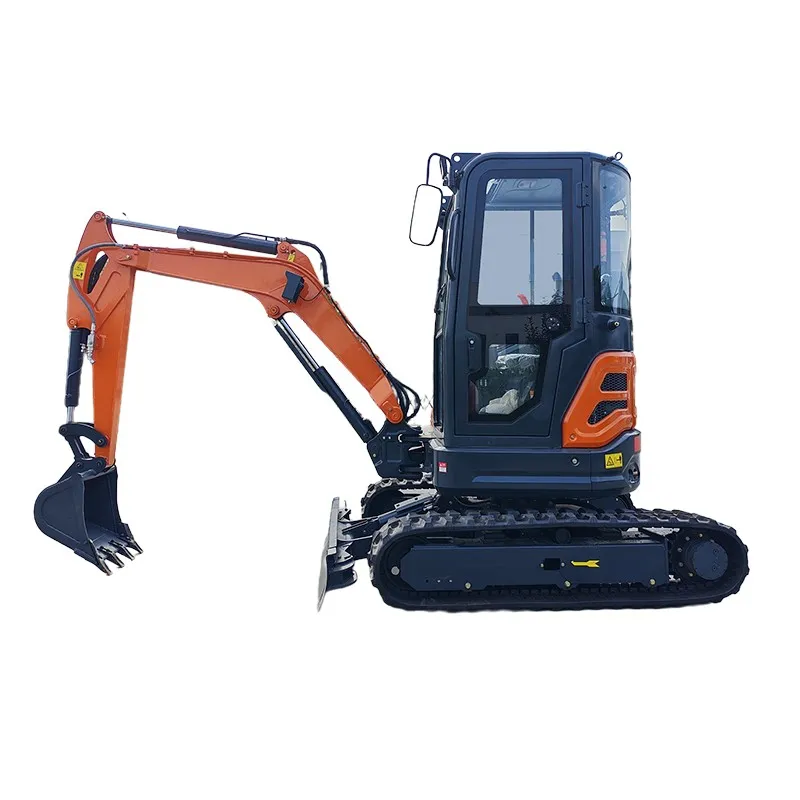
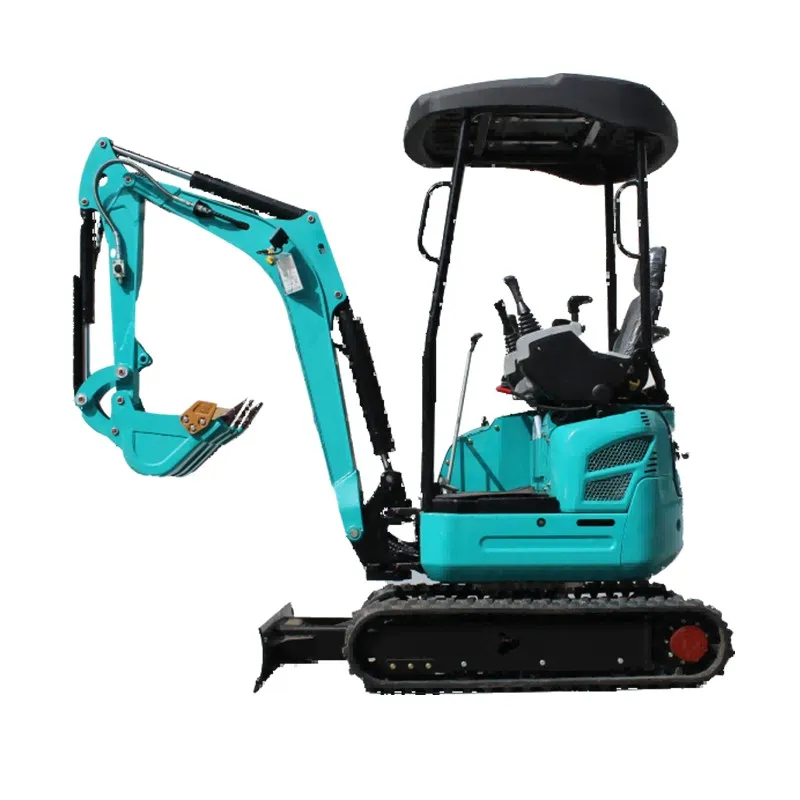
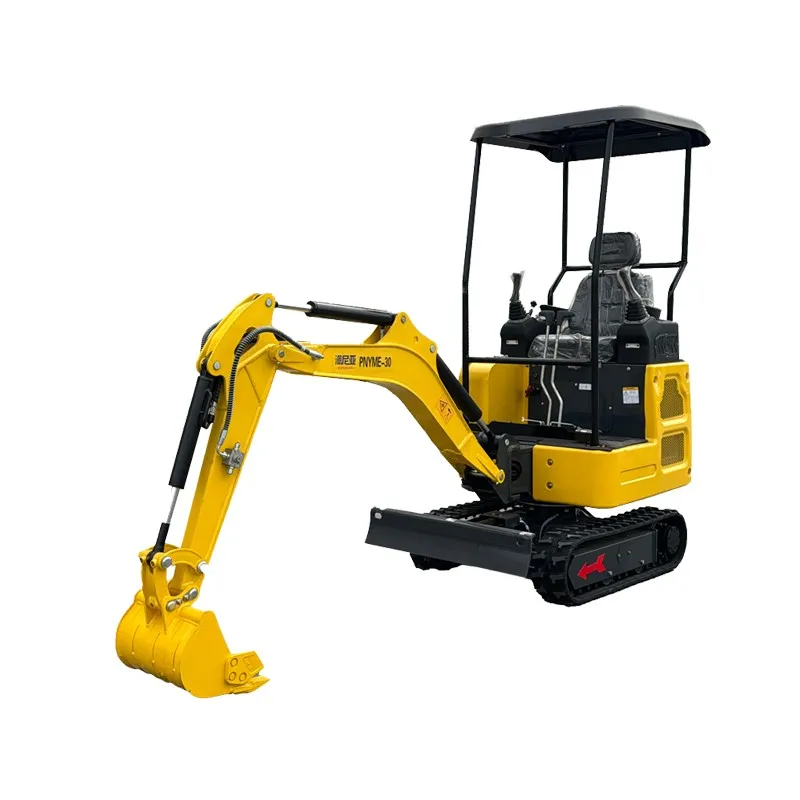
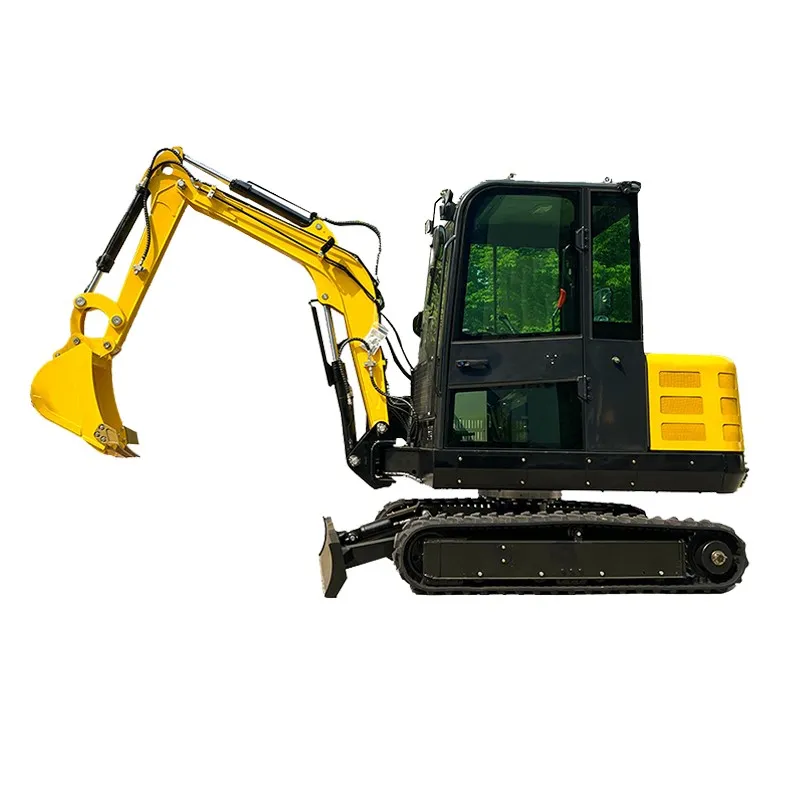
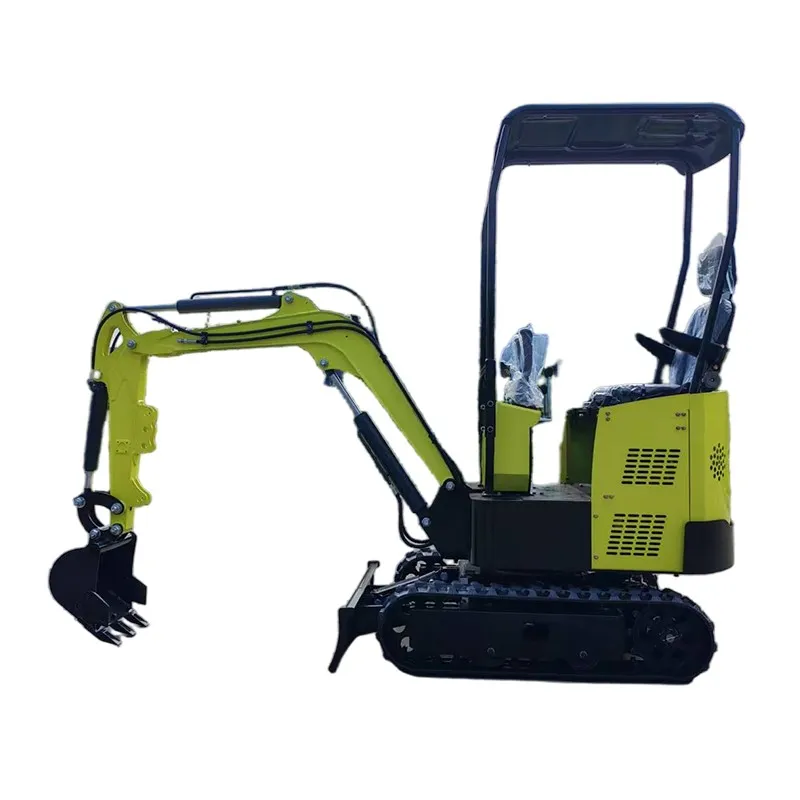
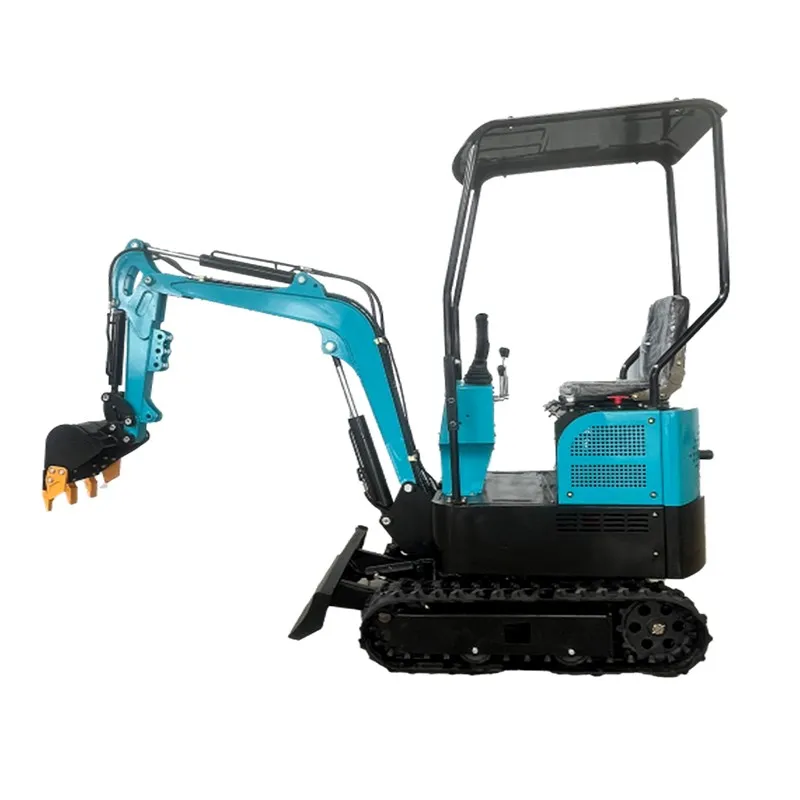
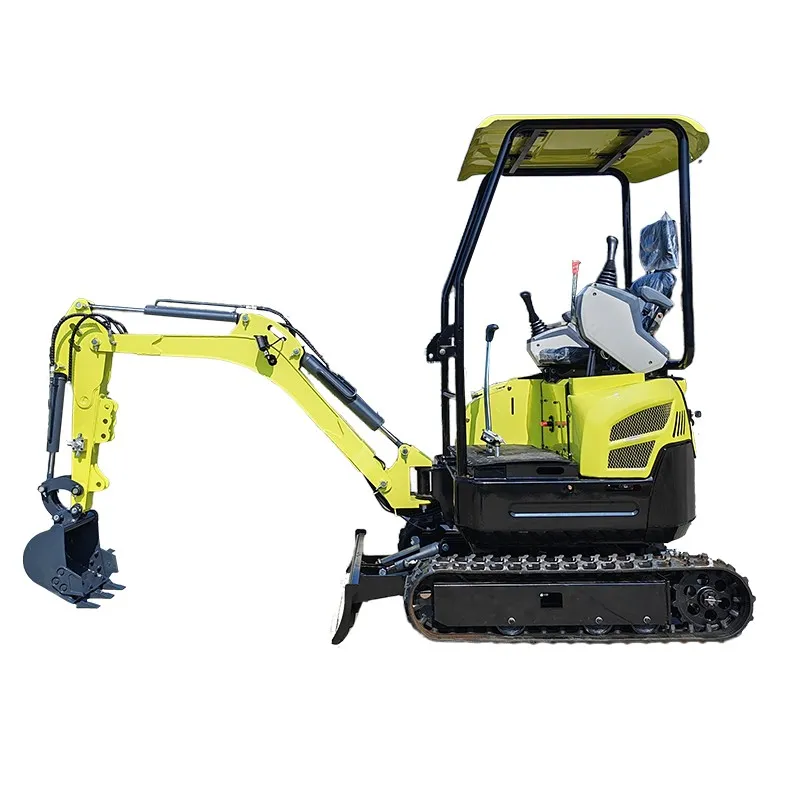
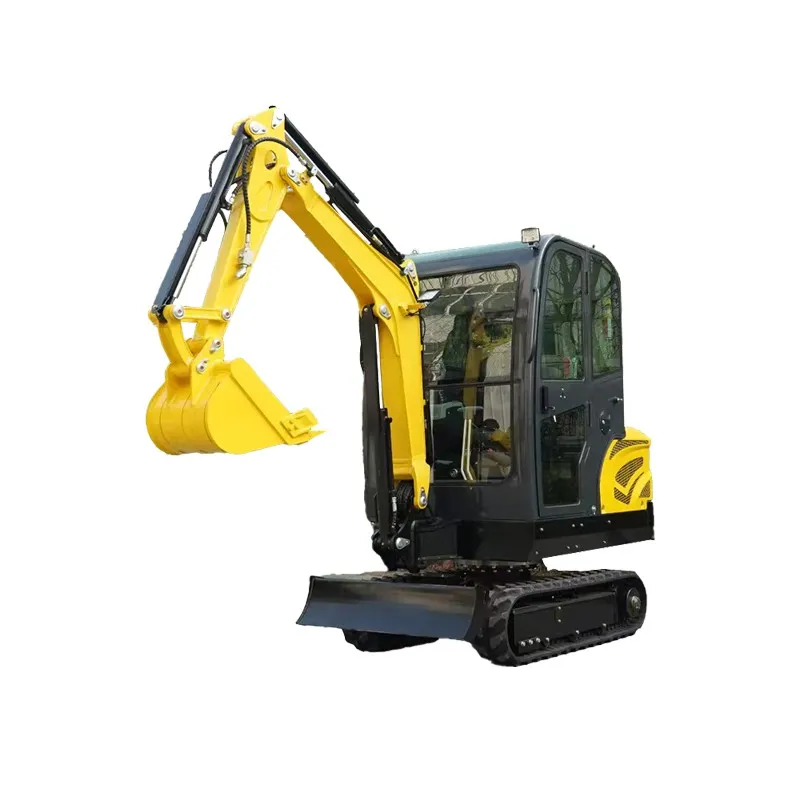
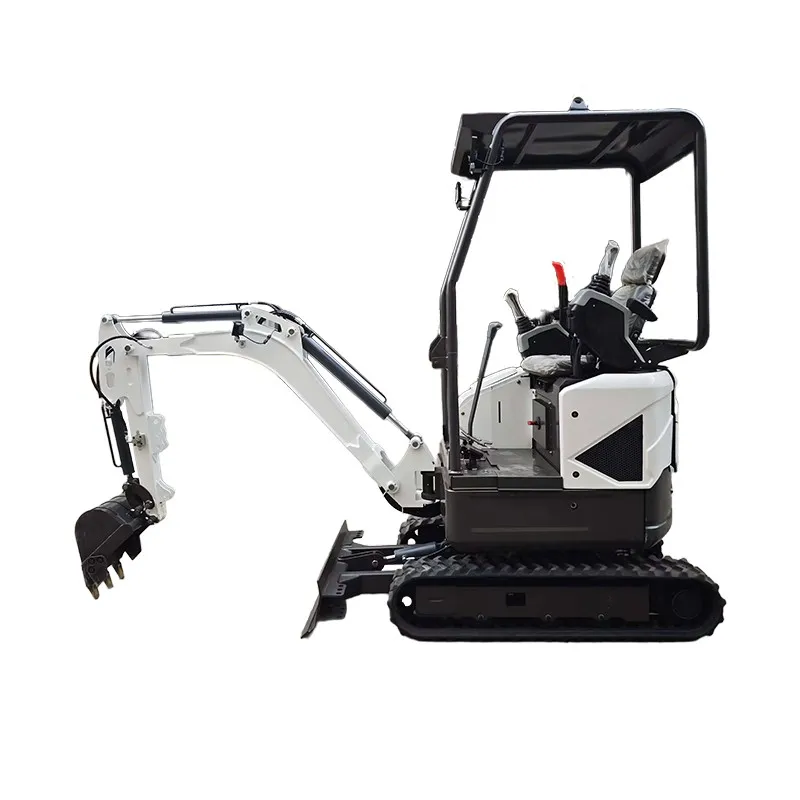
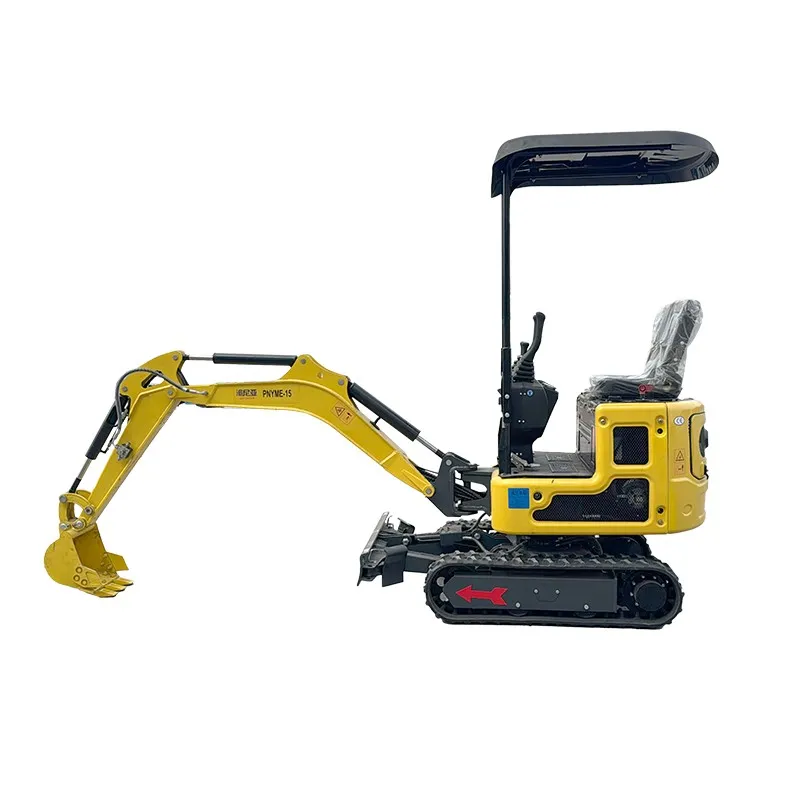
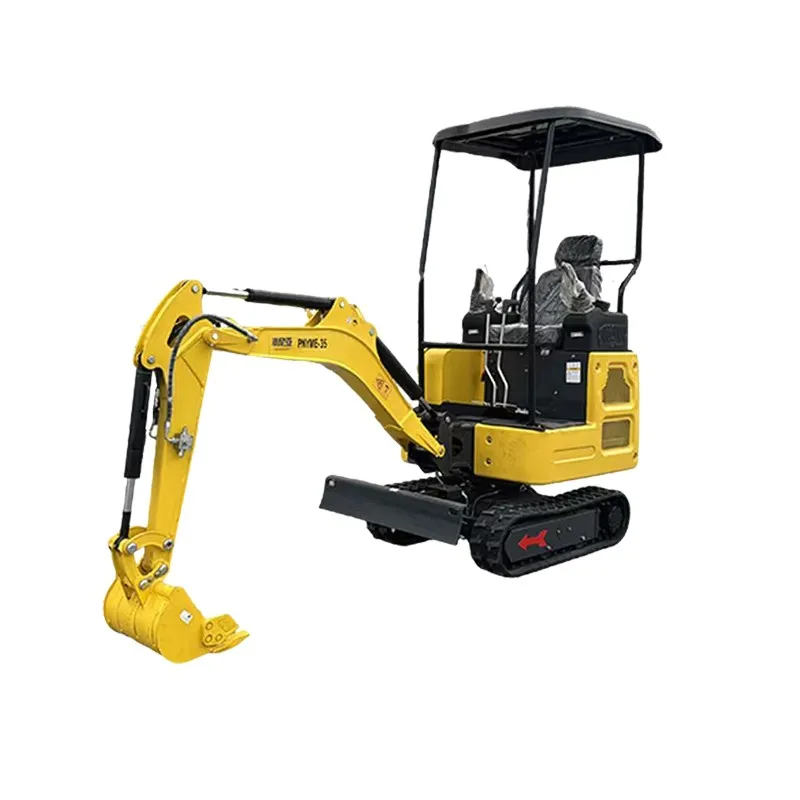
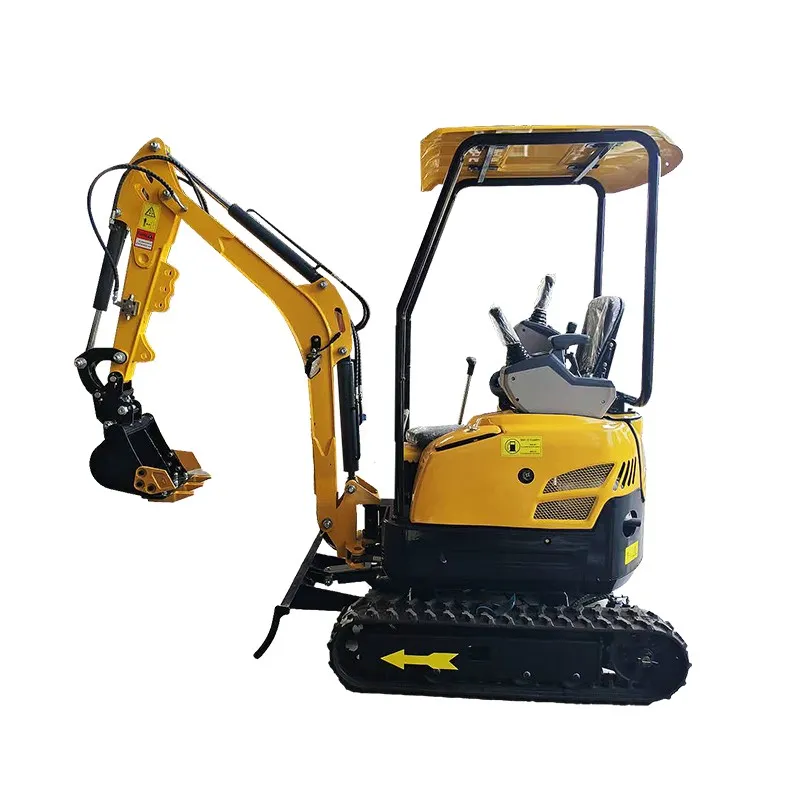
When most folks hear 'landscape excavator', they picture a cute, tiny digger puttering around a backyard. That's part of it, sure, but it's also where the industry's biggest misconception lies. Thinking of it as just a 'mini' version of its bigger brothers is a quick way to underutilize it, or worse, pick the wrong tool for a job that actually needs a skid steer or a compact track loader. The real value of a dedicated landscape excavator is in its specific balance of power, reach, and, critically, its minimal ground pressure. It's a finesse tool for earthmoving, not just a small bulldozer.
The Anatomy of a True Landscape Machine
Let's break down what separates a proper landscape model from a standard mini-ex. First, the undercarriage. Many true landscape units use rubber tracks, often wider than standard, to distribute weight. I've seen specs claiming ground pressure as low as 3.5 psi. You can literally drive these across a finished lawn without leaving a mark—if the operator knows what they're doing. That's a game-changer for post-construction final grading or planting large trees on an established site.
Then there's the arm geometry. It's not just about digging depth; it's about horizontal reach. A good landscape excavator will have an arm designed to reach further out from the machine's center, allowing you to shape a slope or dig a trench without constantly repositioning. I remember a job grading a long, gentle swale for drainage. Using a standard mini-ex meant moving it every 10 feet. Switched to a model with an extended arm, and we could sit in one spot and carve out 20 feet of smooth contour. The time saved was massive.
The attachments are another world. Sure, everyone thinks bucket. But the real magic is in the tilt rotators, hydraulic grading blades, and even specialized tree spades. I've had mixed results with tilt rotators from some brands—the extra hydraulics can be finicky if not plumbed perfectly, leading to sluggish response. But when they work, being able to angle the bucket or blade to precisely match a grade without moving the machine is... well, it feels like cheating. It turns a good operator into a sculptor.
Where the Rubber Meets the... Grass
Practical application is everything. One of the most common uses I see is for pool excavation in tight, access-restricted backyards. A standard 5-ton mini might fit, but getting the spoils out is a nightmare. A 1.8-ton landscape excavator can often walk in through a side gate, dig the hole, and then use a grading blade to back-drag and level the surrounding area for decking. It's a three-in-one machine on those sites. The key is understanding the soil. In sandy conditions, they're brilliant. In heavy, wet clay, even the best rubber-track machine can start to sink if you're not careful—you learn to work from the edges inward, using the firm ground as your platform.
Another critical, often overlooked, scenario is working around existing irrigation and lighting. The precision of the joysticks on modern machines, especially the pilot-controlled hydraulic systems, is insane. You can peel back sod in near-perfect sheets to expose lines for repair. I once spent a day with an operator from a firm that uses a lot of Shandong Pioneer equipment—he was using one of their compact models to carefully trench around a web of fiber optic lines for a landscape lighting upgrade. The machine's fine control meant he could dig to within an inch of the conduit without a scratch. That's not brute force; that's surgical skill enabled by the right tool.
Failures happen, too. Early on, I was too trusting of a machine's zero-tail-swing claim. While the house of the machine doesn't swing past the tracks, the attachment—a wide grading blade in this case—certainly does. Took out a client's decorative fence post in a heartbeat. Lesson learned: your mental safety swing radius is always the furthest point of your attachment, not the cab. Always.
The Supply Chain and Brand Landscape
This is where it gets real for contractors. You're not just buying from Caterpillar or Kubota anymore. The market is flooded with solid, value-oriented machines from manufacturers who've spent decades refining these specific designs. A company like Shandong Pioneer Engineering Machinery Co., Ltd is a perfect example. They've been in the game since 2004, and that two-decade stretch is exactly when the global demand for specialized compact equipment exploded. They didn't start by making 50-ton mining shovels; they focused on the compact end, which means their engineering is baked in for our kind of work.
I've had hands-on time with a few of their units at a demo day. What stood out wasn't necessarily raw power—everyone has that now—but the operator compartment layout and the service access. On one model, the daily checkpoints (hydraulic fluid, coolant) were behind a single, large side panel that hinged open with gas struts. Sounds trivial, but when you're doing pre-op checks at 6 AM in the rain, not having to fumble with multiple bolts is a luxury that becomes a necessity. It shows they've talked to people who actually maintain these machines.
Their export footprint, sending machines to places like Germany, Australia, and North America, is telling. Markets like Germany have brutal reliability and emissions standards. If your machine can work there, it's been through the wringer. It gives a level of confidence that the product isn't just built for a single market's conditions. You can see their range and get a sense of their specs directly on their site at https://www.sdpioneer.com—it's useful to cross-reference features against the big names.
Operator Skill: The Unspoken Multiplier
All this tech is useless without the right person in the seat. A landscape excavator in the hands of a novice is a destructive, expensive lawn ornament. The best operators I know have a kind of gentle touch. They use the machine's hydraulics to feel the ground. Are you scraping on rock? Is the soil releasing easily? They adjust pressure and angle on the fly. This isn't taught in a manual; it's hours of seat time, often messing up. I learned grading by trying to level a 20x20 area for a patio. First attempt looked like a washboard. The issue? I was using the bucket's teeth. Switched to a smooth-edge bucket and used a sweeping, flat-dragging motion, letting the machine's weight do the work. Night and day difference.
We also don't talk enough about maintenance in this context. Landscape work is dirty. Mulch dust, soil, grass clippings—it all gets into cooling fins and around joints. I've seen more machines overheat from clogged radiators than from actual hydraulic failure. A simple routine of blowing out the radiator with compressed air at the end of the day adds years to the machine's life. The companies that build for this, they leave enough space around the radiator core for air to flow even when it's a bit clogged. It's a small design choice that speaks volumes.
Ultimately, the choice to use a dedicated landscape excavator comes down to the economics of precision and preservation. It's rarely the cheapest machine to rent or buy per hour. But when you factor in the reduced remediation work—not having to re-sod torn-up turf, not having to repair damaged hardscapes from a clumsier machine, and the sheer speed of finishing fine-detail work—the payback is clear. It's the difference between being a guy with a digger and being a landscape craftsman. The machine doesn't make the operator, but the right machine sure lets a good operator show what they can really do.
Related Products
Related Products