- Chinese
- French
- German
- Portuguese
- Spanish
- Russian
- Japanese
- Korean
- Arabic
- Irish
- Greek
- Turkish
- Italian
- Danish
- Romanian
- Indonesian
- Czech
- Afrikaans
- Swedish
- Polish
- Basque
- Catalan
- Esperanto
- Hindi
- Lao
- Albanian
- Amharic
- Armenian
- Azerbaijani
- Belarusian
- Bengali
- Bosnian
- Bulgarian
- Cebuano
- Chichewa
- Corsican
- Croatian
- Dutch
- Estonian
- Filipino
- Finnish
- Frisian
- Galician
- Georgian
- Gujarati
- Haitian
- Hausa
- Hawaiian
- Hebrew
- Hmong
- Hungarian
- Icelandic
- Igbo
- Javanese
- Kannada
- Kazakh
- Khmer
- Kurdish
- Kyrgyz
- Latin
- Latvian
- Lithuanian
- Luxembou..
- Macedonian
- Malagasy
- Malay
- Malayalam
- Maltese
- Maori
- Marathi
- Mongolian
- Burmese
- Nepali
- Norwegian
- Pashto
- Persian
- Punjabi
- Serbian
- Sesotho
- Sinhala
- Slovak
- Slovenian
- Somali
- Samoan
- Scots Gaelic
- Shona
- Sindhi
- Sundanese
- Swahili
- Tajik
- Tamil
- Telugu
- Thai
- Ukrainian
- Urdu
- Uzbek
- Vietnamese
- Welsh
- Xhosa
- Yiddish
- Yoruba
- Zulu
- Kinyarwanda
- Tatar
- Oriya
- Turkmen
- Uyghur


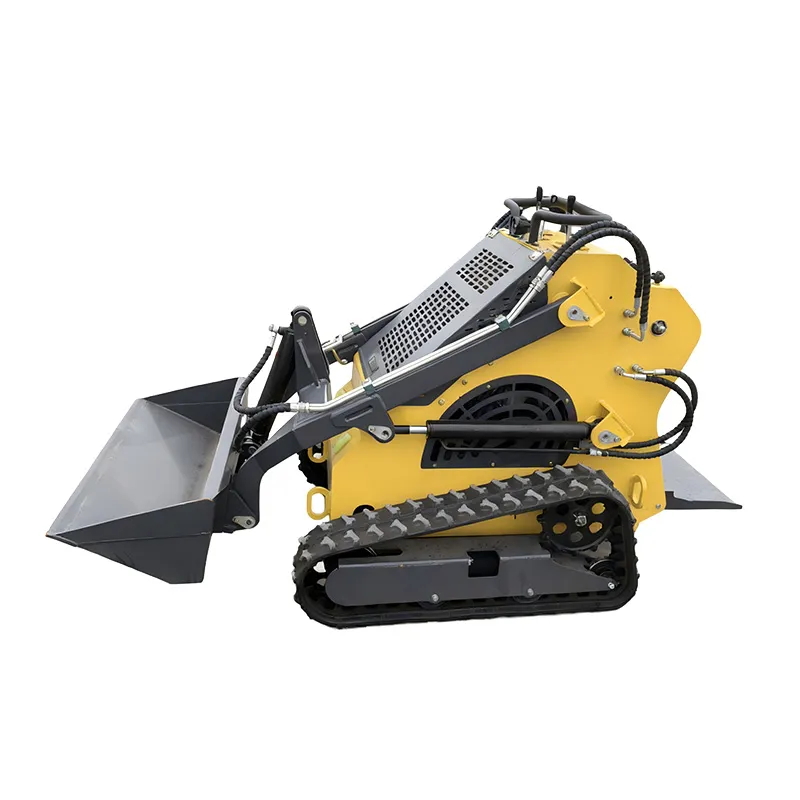
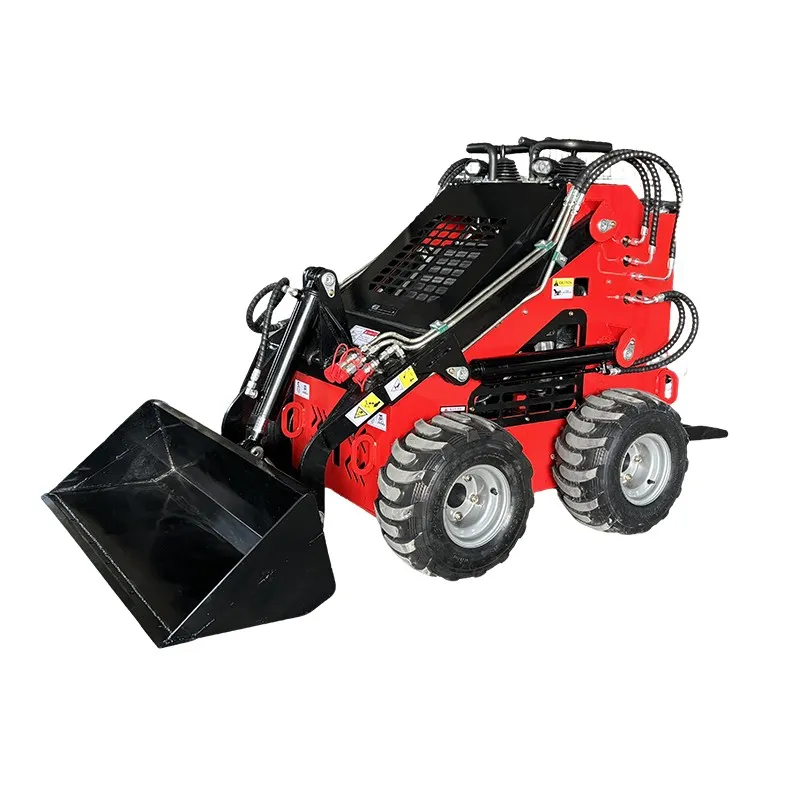
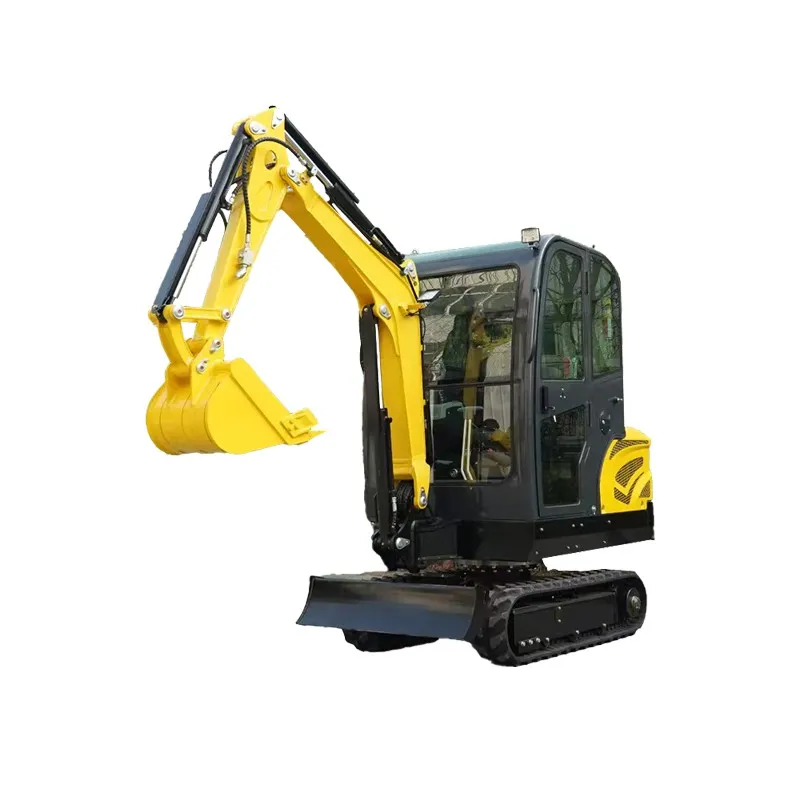
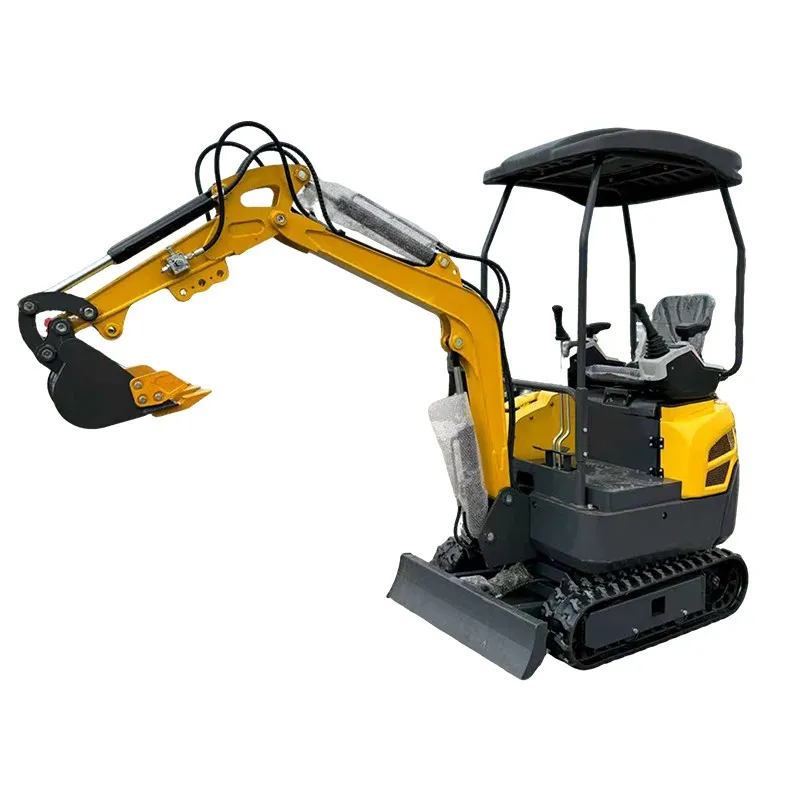
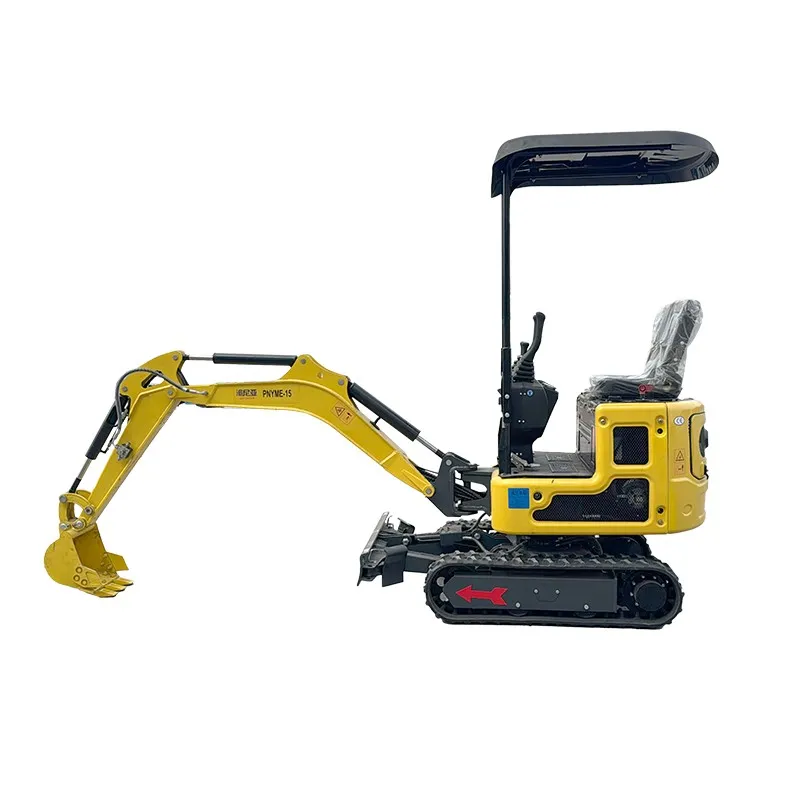
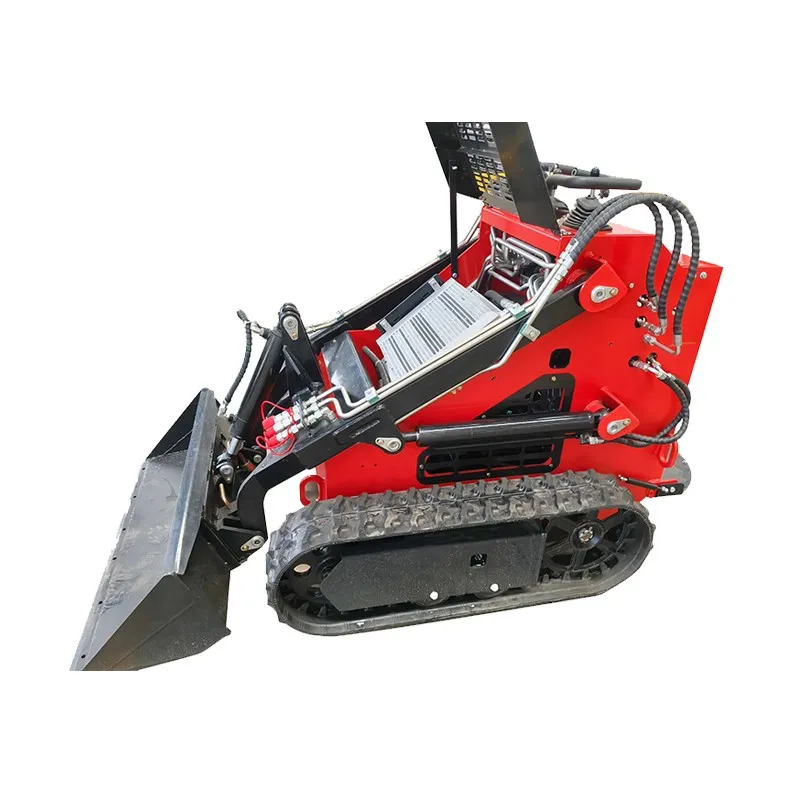
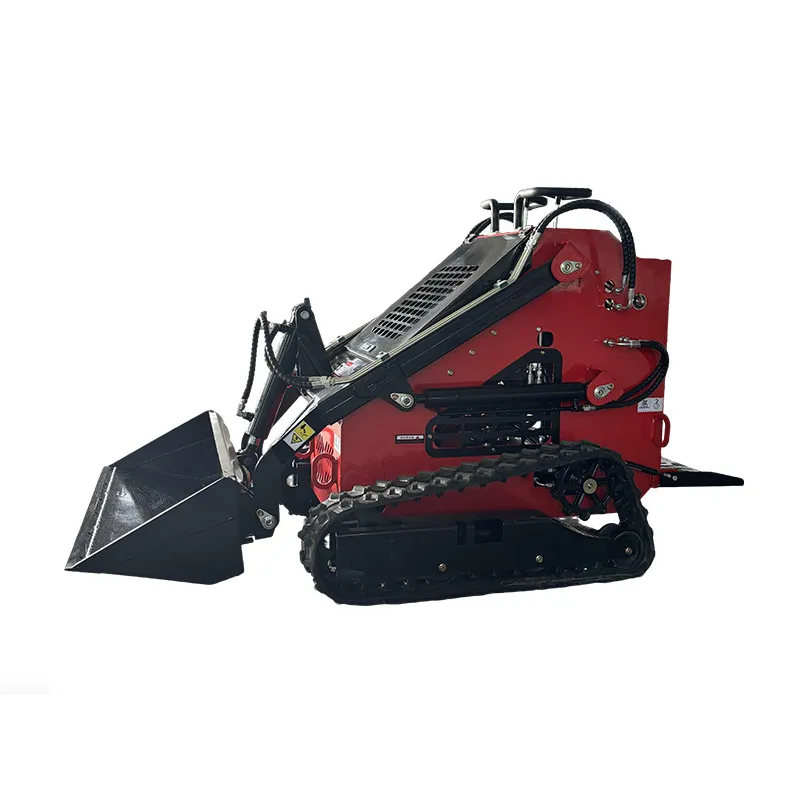
landscape track loader
When most people hear 'landscape track loader', they picture a small, nimble machine for moving mulch. That's not wrong, but it's a surface-level view. The real depth lies in how you match the machine's specific capabilities—not just its size—to the actual demands of a site. I've seen too many projects suffer from the wrong choice, where a standard compact track loader just couldn't handle the sustained load or the delicate finish work required. It's not about having a track loader; it's about having the right one for landscape-grade work.
The Misunderstood Spec: It's About Pressure, Not Just Power
Everyone looks at horsepower and lift capacity first. I get it. But with a landscape track loader, the ground pressure spec is what separates a useful tool from a destructive one. A machine with high ground pressure will tear up a freshly graded lawn or leave deep ruts in soft soil, creating more work than it solves. You need a machine engineered for low ground pressure, often with wider tracks and a balanced weight distribution.
I learned this the hard way early on. We used a standard model on a residential estate job after a rain. The specs on paper looked fine. On the ground, it sank. We spent two days repairing the damage we caused just getting materials to the backyard. That's when I started paying attention to brands that design with this in mind. For instance, some models from manufacturers like Shandong Pioneer Engineering Machinery Co., Ltd are built with this application focus, offering configurations that prioritize minimal ground disturbance, which is critical for finishing work.
It's not just about avoiding damage. Lower ground pressure means you can work in wetter conditions, extending your working season. You're not stuck waiting for perfect dryness. This operational flexibility directly impacts project timelines and profitability, a detail only someone who's managed schedules in the field would prioritize.
The Attachment Ecosystem: Where the Real Work Happens
The loader itself is just the power unit. Its value is unlocked by the attachments. For landscaping, you're not just moving dirt. You're grading, tilling, lifting pallets of pavers, maybe even drilling with an auger. The quick-attach system's reliability is paramount. A shaky connection or a slow changeover kills efficiency.
We standardized on a particular coupler system after trying a few. The one that seemed cheaper upfront cost us more in downtime from pins sticking and hydraulic leaks. The right system allows a single operator to switch from a grading blade to a grapple bucket in under a minute. This fluidity is what makes a landscape track loader a centerpiece of the operation, not just another piece of iron.
Speaking of attachments, the hydraulic flow rate is a spec often overlooked. Running a high-flow mulcher or a cold planer requires sustained hydraulic power. If your machine's auxiliary hydraulics are an afterthought, you'll burn out pumps or see a drastic drop in performance. It's essential to spec the machine for the most demanding attachment you plan to run, not just the bucket.
Durability in a Dirty World
Landscaping is brutal on equipment. It's constant dust, debris, vibration, and occasional impacts. The undercarriage on a track loader takes the most punishment. I've seen idlers and rollers fail prematurely on machines not built for this environment. It's not just about steel quality; it's about sealing. How well are the pivot points and bearings protected from silt and water?
This is where manufacturing philosophy shows. Some companies build to a price point for general use. Others, often those with a strong export focus serving diverse and demanding markets, build in more robustness. A company like Shandong Pioneer, which exports to regions like the US, Canada, and Australia, has to meet different durability expectations. Their machines need to hold up under varied and often tough conditions to earn that global customer trust they mention. This external validation often translates to better-sealed components and more accessible service points, which we've found reduces unexpected downtime.
Another durability point is the cab and controls. In landscaping, you're in and out of the machine constantly. Flimsy doors, weak seals that let dust in, or control panels that fade in the sun—these are the frustrations that wear on an operator daily. The machine needs to be as tough on the inside for the operator as it is on the outside for the job.
The Operator's Perspective: Control and Comfort
You can have the most capable machine, but if it's exhausting to operate for an 8-hour shift, precision and productivity drop. For fine grading or placing stones, the control responsiveness is everything. Jerky hydraulics make smooth grading impossible. The best machines for this work have adjustable control patterns and smooth, proportional response.
I prefer hand controls for fine work over foot pedals. It gives a more intuitive feel for simultaneous boom and bucket movement. But that's a personal preference. The key is that the machine offers options. Comfort extends to visibility. Can you see the edge of your bucket and the track on the ground? Blind spots are a safety hazard and a quality killer when working near structures or plants.
Climate control might seem like a luxury, but on a sealed-cab machine, it's a necessity for maintaining focus through a summer afternoon. It also keeps the windows fog-free in the morning. These human-factor details separate a machine that gets the job done from one that gets it done well, efficiently, and without operator burnout.
Navigating the Market: Sourcing and Support
Finding the right landscape track loader isn't just about browsing specs online. The supply chain and support network are part of the product. For a contractor, downtime is lost money. How quickly can you get a replacement hydraulic hose or a track roller? Does the dealer have technicians who understand the specific demands of landscape applications?
This is why the origin and distribution model matter. A manufacturer with a dedicated trade arm, like the mentioned Shandong Pioneer (overseas trade), is structured to handle international logistics and support. For a buyer in the US or Germany, knowing there's an established export pipeline can mean more consistent parts availability and technical documentation compared to a less organized supplier.
It's also worth looking at the company's history. A firm that's been developing for 20 years, like the one noted, has likely iterated on its designs based on real-world feedback. That long-term accumulation of experience, as they put it, often results in more refined and reliable machines than a newcomer's first attempt. You're not just buying a machine; you're buying the years of problem-solving embedded in its design.
In the end, selecting a landscape track loader is a practical decision with long-term consequences. It goes beyond the initial purchase price to total cost of ownership, project capability, and daily operator satisfaction. The right machine feels like an extension of the crew, capable, resilient, and precise. The wrong one is a constant source of compromise and repair bills. The difference lies in digging into the details that only hands-on experience reveals.
Related Products
Related Products