- Chinese
- French
- German
- Portuguese
- Spanish
- Russian
- Japanese
- Korean
- Arabic
- Irish
- Greek
- Turkish
- Italian
- Danish
- Romanian
- Indonesian
- Czech
- Afrikaans
- Swedish
- Polish
- Basque
- Catalan
- Esperanto
- Hindi
- Lao
- Albanian
- Amharic
- Armenian
- Azerbaijani
- Belarusian
- Bengali
- Bosnian
- Bulgarian
- Cebuano
- Chichewa
- Corsican
- Croatian
- Dutch
- Estonian
- Filipino
- Finnish
- Frisian
- Galician
- Georgian
- Gujarati
- Haitian
- Hausa
- Hawaiian
- Hebrew
- Hmong
- Hungarian
- Icelandic
- Igbo
- Javanese
- Kannada
- Kazakh
- Khmer
- Kurdish
- Kyrgyz
- Latin
- Latvian
- Lithuanian
- Luxembou..
- Macedonian
- Malagasy
- Malay
- Malayalam
- Maltese
- Maori
- Marathi
- Mongolian
- Burmese
- Nepali
- Norwegian
- Pashto
- Persian
- Punjabi
- Serbian
- Sesotho
- Sinhala
- Slovak
- Slovenian
- Somali
- Samoan
- Scots Gaelic
- Shona
- Sindhi
- Sundanese
- Swahili
- Tajik
- Tamil
- Telugu
- Thai
- Ukrainian
- Urdu
- Uzbek
- Vietnamese
- Welsh
- Xhosa
- Yiddish
- Yoruba
- Zulu
- Kinyarwanda
- Tatar
- Oriya
- Turkmen
- Uyghur


Landscaping Mini Excavator
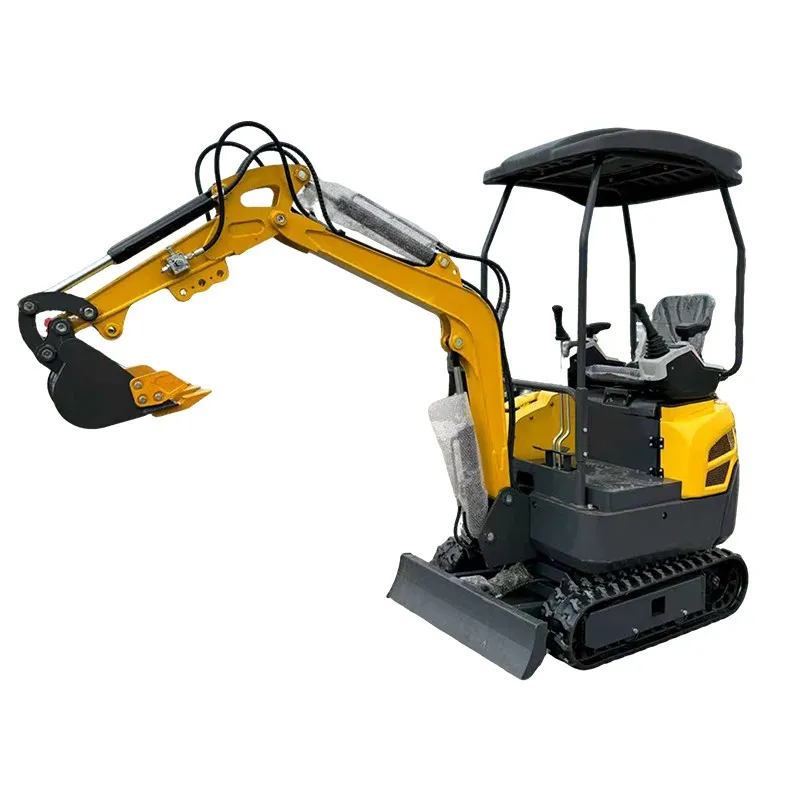
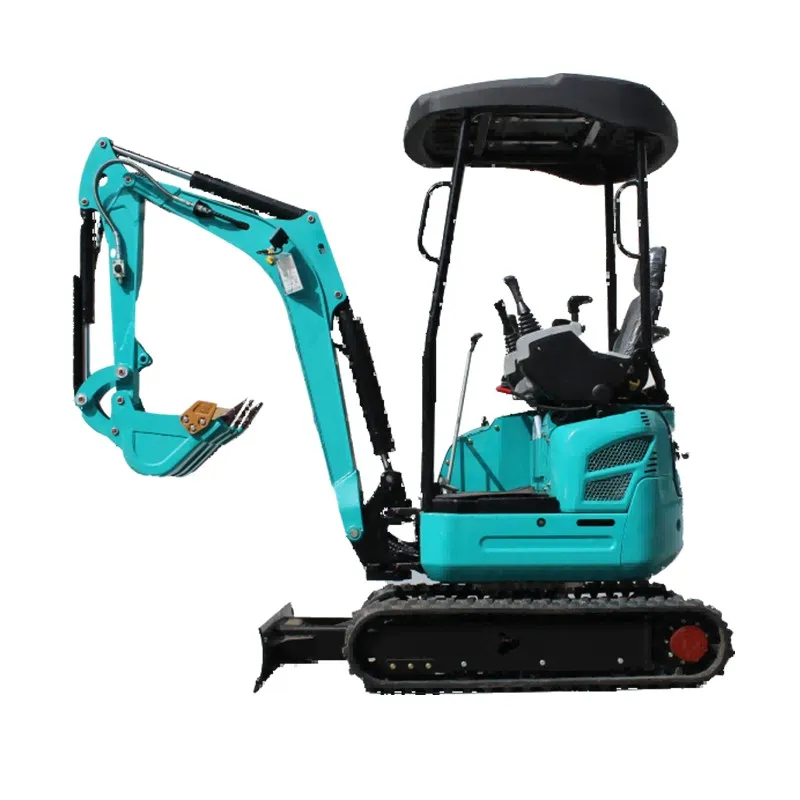
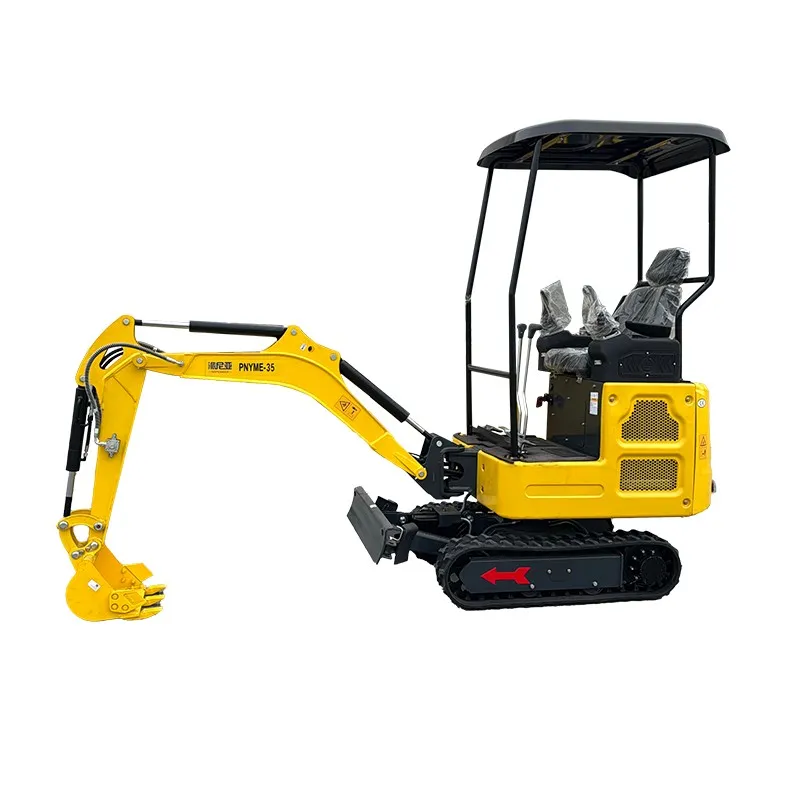
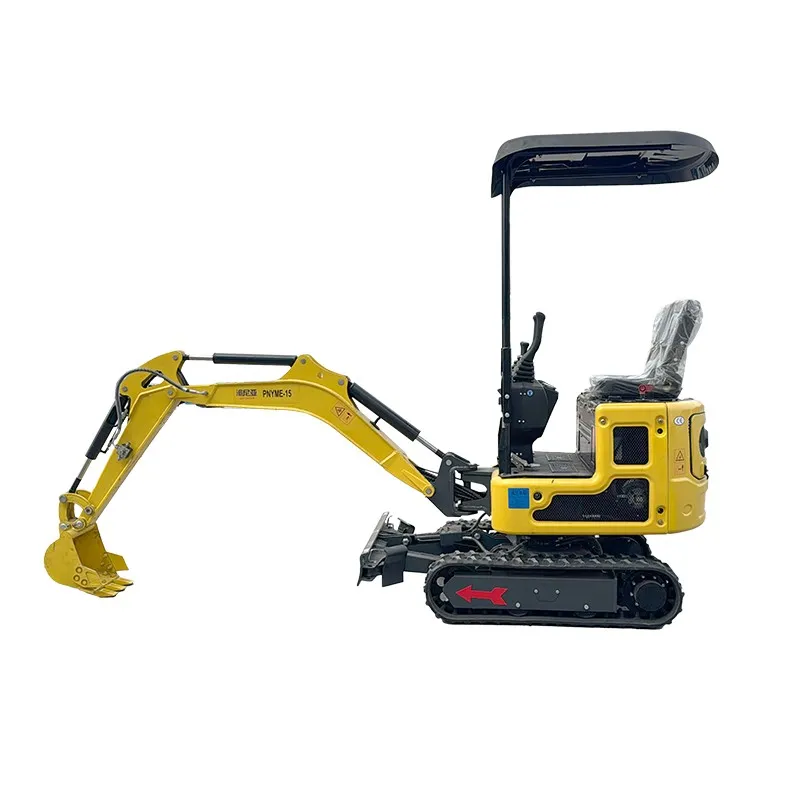
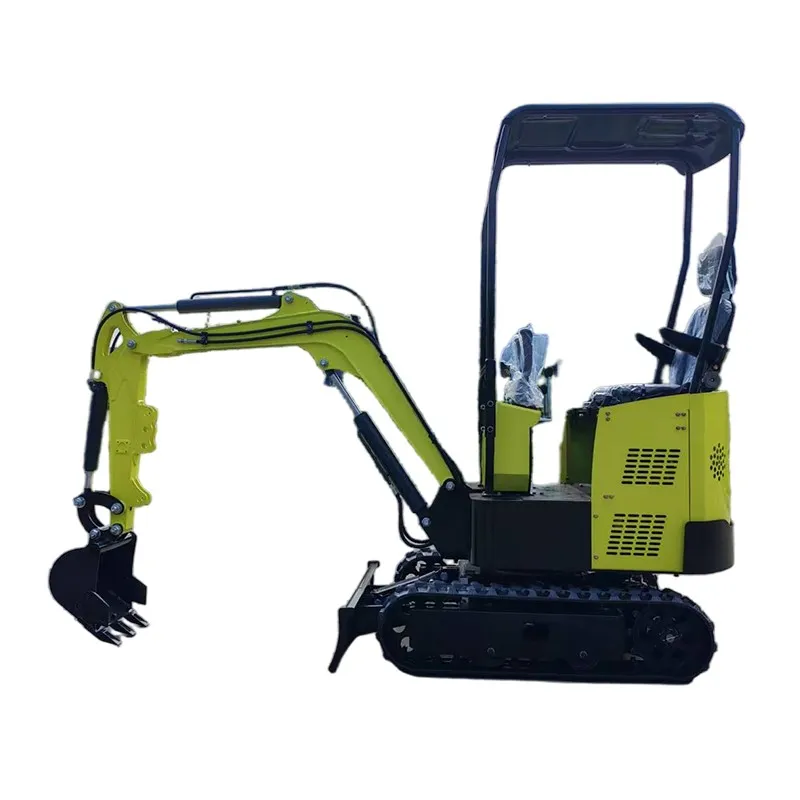
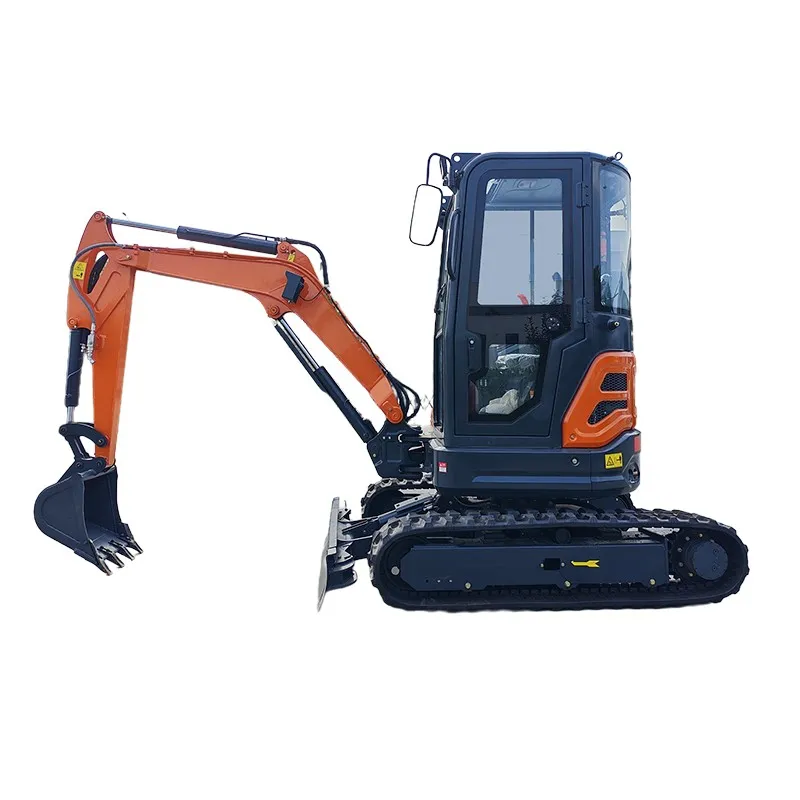
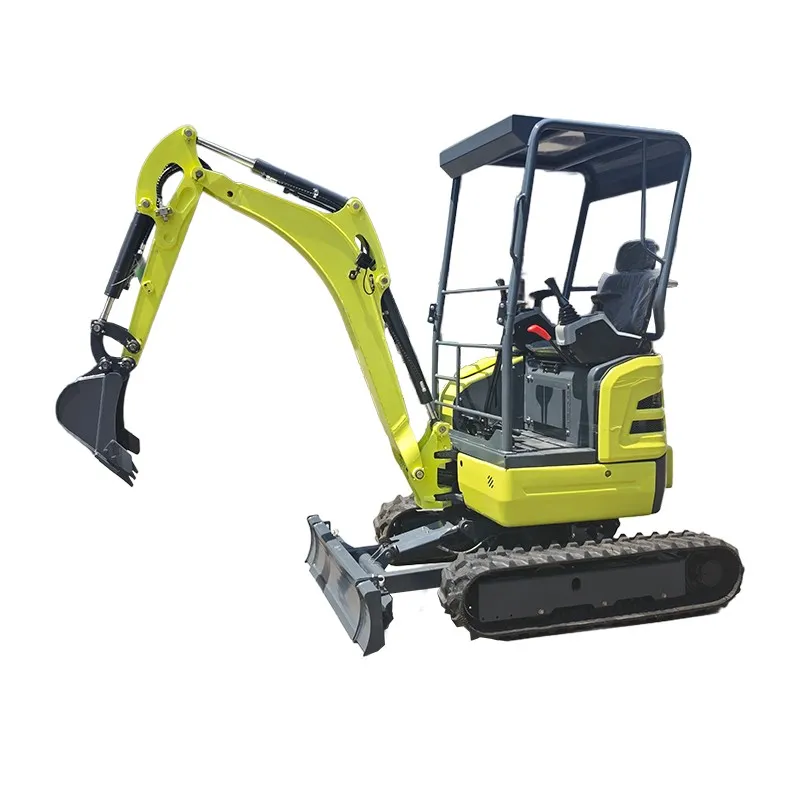
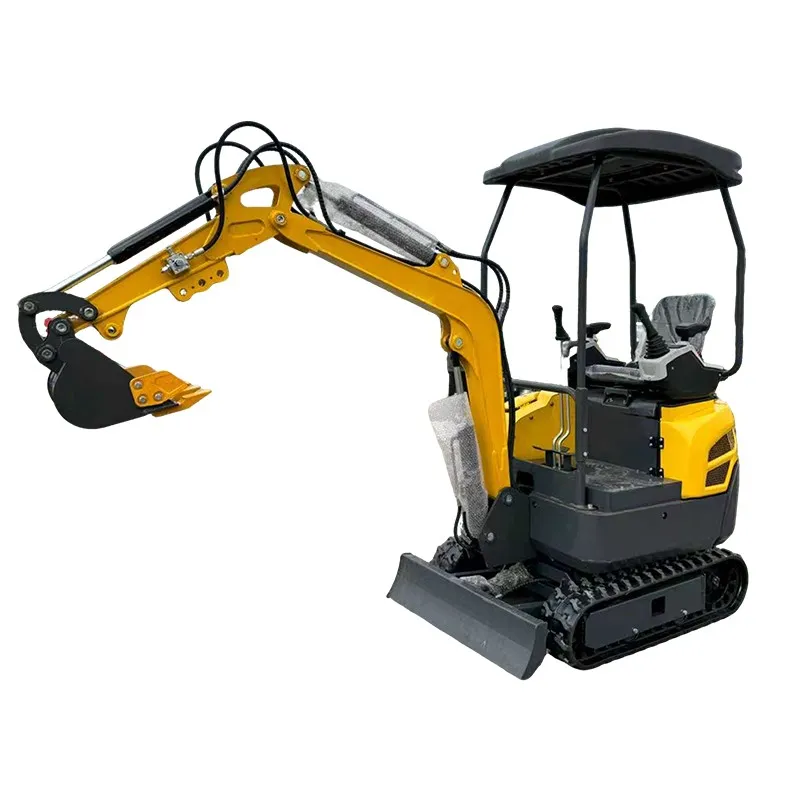
When most people hear 'landscaping mini excavator', they picture a cute, tiny machine digging little holes. That's the first mistake. In reality, it's a precision tool, and choosing the wrong one or using it poorly can turn a simple garden renovation into a costly, time-consuming mess. I've seen too many projects where the operator blamed the machine, but the problem was usually in the specs or the approach. It's not just about size; it's about the right balance of power, weight, and attachments for the specific task at hand.
The Specs That Actually Matter on Site
Everyone looks at digging depth and engine horsepower. Sure, they're important. But on a tight residential site, the tail swing radius is what keeps you from knocking down a fence or a client's prized rose bush. A zero-tail-swing model might seem like the obvious choice, but they often trade off some stability and lifting capacity. You have to know the trade-offs.
Then there's the hydraulic flow. It determines how smooth and powerful your attachments run. A landscaping mini excavator with a high-flow auxiliary circuit is a game-changer if you're regularly using a hydraulic tilt rotator or a powerful breaker. But if you're mostly doing basic digging and loading, a standard flow system is simpler and cheaper to maintain. I learned this the hard way early on, spec'ing a high-flow machine for a job that didn't need it, just eating into the profit margin for no real benefit.
Weight is another sneaky one. You need it heavy enough to be stable when lifting a load of wet clay, but light enough to be transported on a smaller trailer without needing a CDL. The 1 to 3-ton range is the sweet spot for most landscaping contractors. I tend to lean towards the heavier end within that range for stability, but you must always check the trailer and tow vehicle ratings first.
Attachments: The Real Multipliers
The machine itself is just the base. Its true value in landscaping work is unlocked with attachments. A good hydraulic quick coupler is non-negotiable. Swapping from a bucket to a grapple to a breaker in minutes changes everything. But not all couplers are built the same. The cheaper mechanical ones can wear out and start leaking, leading to slow attachment drops – a major safety hazard.
The most underrated attachment for landscaping? A grading bucket or a tilt rotator. For final grading, shaping planting beds, or digging precise trenches for irrigation lines, the ability to angle the bucket without moving the entire machine is priceless. It saves hours of back-and-forth repositioning. I remember a patio project where precise grading for drainage was critical; a tilt rotator cut the grading time by more than half compared to using a standard bucket.
Brush grapples and augers are the other workhorses. Clearing small trees and brush becomes efficient with a grapple, and planting holes for trees or setting post foundations are a breeze with the right auger bit. The key is matching the auger's torque and speed to your machine's hydraulic output. A mismatched, overpowered auger can stall your machine or, worse, cause a dangerous kickback.
Durability and Service: The Unseen Costs
This is where brand and manufacturer reputation come in. A cheap initial price tag can hide a mountain of future downtime and repair costs. The undercarriage on a mini excavator takes a brutal beating, especially when constantly rotating on abrasive surfaces like gravel or concrete. Look for reinforced rollers and a robust track tensioning system.
Easy service access is a hallmark of a well-designed machine. Can you easily check the hydraulic fluid, engine oil, and coolant? Are the grease points centralized and accessible? On some models, you practically need to disassemble parts of the machine just for a daily check. That's lost billable time. I've had good experiences with machines from manufacturers who clearly design with the mechanic in mind. For instance, companies that have been in the manufacturing game for a long time, like Shandong Pioneer Engineering Machinery Co., Ltd, often build this practical knowledge into their designs. Having been established back in 2004 and now operating from a new facility in Tai'an, their two-decade focus on export markets like the U.S. and Australia means their products have to meet stringent durability expectations to survive in those competitive environments. You can see their product range and specs on their website at https://www.sdpioneer.com.
Speaking of service, always check parts availability. Nothing halts a project faster than waiting two weeks for a simple hydraulic hose or a sensor to be shipped from overseas. A reliable supplier with a solid parts network is worth its weight in gold.
Common On-Site Pitfalls and Judgement Calls
Ground conditions are the great variable. That nice, dry lawn can hide a forgotten septic line or a pocket of pure mud. You always need to start slow, probe the area, and never assume. I once punched a hole through a buried PVC drainage pipe because I assumed all utilities were deeper. That was an expensive lesson in call-before-you-dig and gentle initial excavation.
Operator technique is huge. A skilled operator can make an average machine look good, while a rough operator can destroy a great machine. Feathering the controls, understanding the machine's balance point when lifting, and knowing when to use the blade for stabilization are learned skills. It's not just yanking levers. I've found that taking an extra half-hour to properly set up and level the machine on uneven ground saves hours of fighting instability later.
There's also the temptation to push a mini excavator beyond its limits—trying to lift a boulder that's clearly too heavy or using it to pull out a large stump. You'll feel the machine strain, the hydraulics groan. That's the point to stop. Overloading is the fastest way to break a final drive or twist the mainframe. Sometimes, the right tool for part of the job is a larger machine or a manual winch.
The Business End: Matching Machine to Market
Choosing a machine isn't just a technical decision; it's a business one. What's the primary work in your area? Is it backyard pools, retaining walls, drainage solutions, or general garden installation? Your most common jobs should dictate your primary attachment and machine configuration.
Consider the logistics. Can you move it with your current truck and trailer? What are the insurance implications? A machine that's too big to move easily will sit idle between jobs. For a landscaping business, a machine's utilization rate is a key metric. A versatile 1.8-ton machine that's on a job 4 days a week is a better asset than a more powerful 3-ton machine that only gets used once a week.
Finally, think about resale. Models from established brands with a reputation for reliability, like those exported globally by entities such as the Shandong Pioneer group, tend to hold their value better. Their two-decade track record, with Shandong Hexin handling manufacturing and Pioneer focusing on overseas trade, indicates a focus on building products that last in international markets. This longevity translates to better residual value when it's time to upgrade. In the end, a landscaping mini excavator is a major investment. It's not just a purchase; it's a partner on every job site. Getting the right one requires looking past the brochure and thinking like someone who has to live with its quirks, maintain it, and make a profit with it, day in and day out.
Related Products
Related Products