- Chinese
- French
- German
- Portuguese
- Spanish
- Russian
- Japanese
- Korean
- Arabic
- Irish
- Greek
- Turkish
- Italian
- Danish
- Romanian
- Indonesian
- Czech
- Afrikaans
- Swedish
- Polish
- Basque
- Catalan
- Esperanto
- Hindi
- Lao
- Albanian
- Amharic
- Armenian
- Azerbaijani
- Belarusian
- Bengali
- Bosnian
- Bulgarian
- Cebuano
- Chichewa
- Corsican
- Croatian
- Dutch
- Estonian
- Filipino
- Finnish
- Frisian
- Galician
- Georgian
- Gujarati
- Haitian
- Hausa
- Hawaiian
- Hebrew
- Hmong
- Hungarian
- Icelandic
- Igbo
- Javanese
- Kannada
- Kazakh
- Khmer
- Kurdish
- Kyrgyz
- Latin
- Latvian
- Lithuanian
- Luxembou..
- Macedonian
- Malagasy
- Malay
- Malayalam
- Maltese
- Maori
- Marathi
- Mongolian
- Burmese
- Nepali
- Norwegian
- Pashto
- Persian
- Punjabi
- Serbian
- Sesotho
- Sinhala
- Slovak
- Slovenian
- Somali
- Samoan
- Scots Gaelic
- Shona
- Sindhi
- Sundanese
- Swahili
- Tajik
- Tamil
- Telugu
- Thai
- Ukrainian
- Urdu
- Uzbek
- Vietnamese
- Welsh
- Xhosa
- Yiddish
- Yoruba
- Zulu
- Kinyarwanda
- Tatar
- Oriya
- Turkmen
- Uyghur


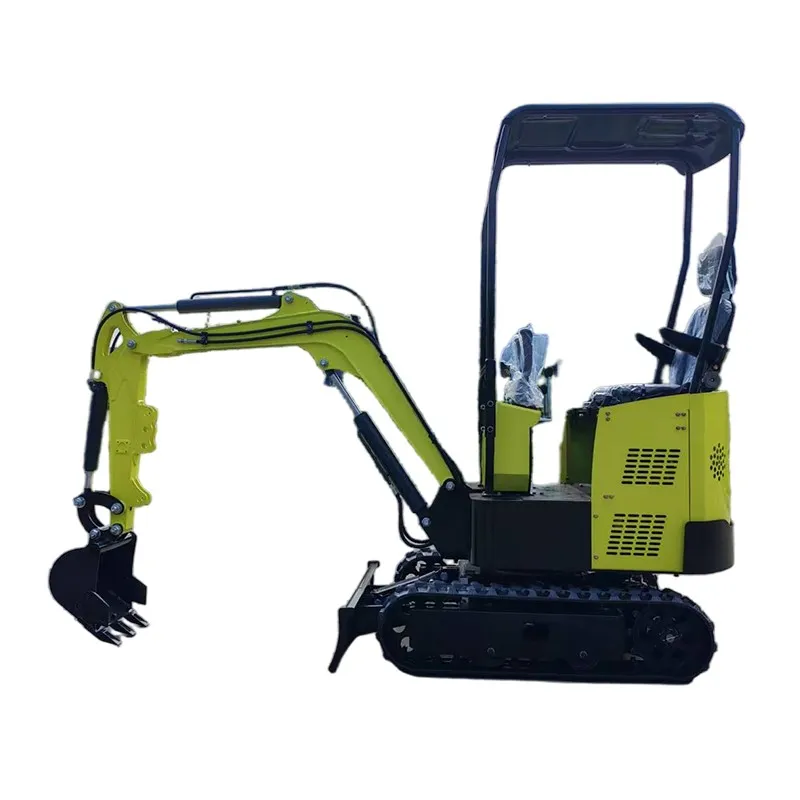
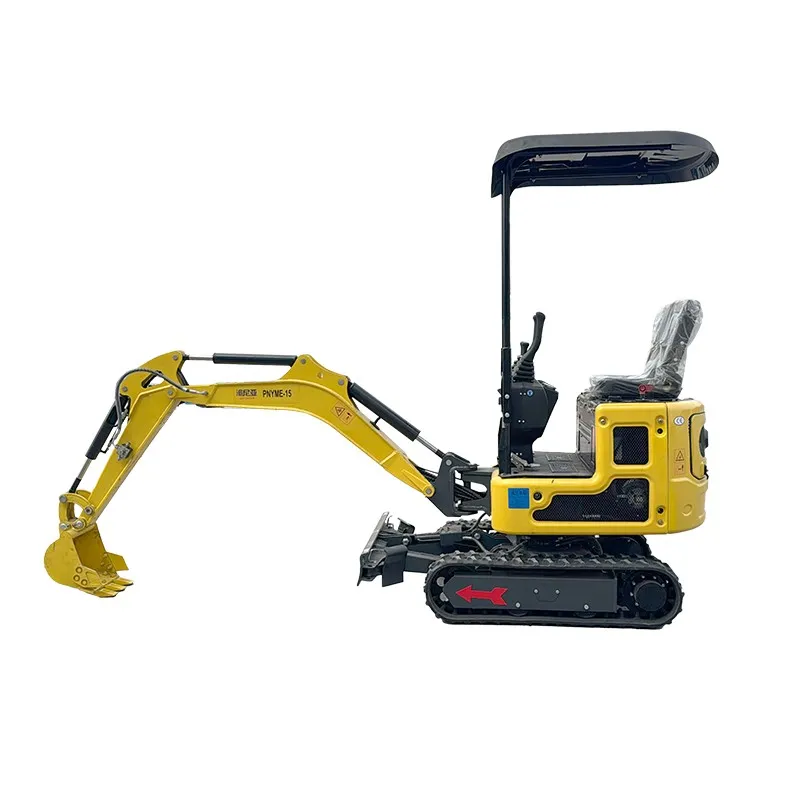
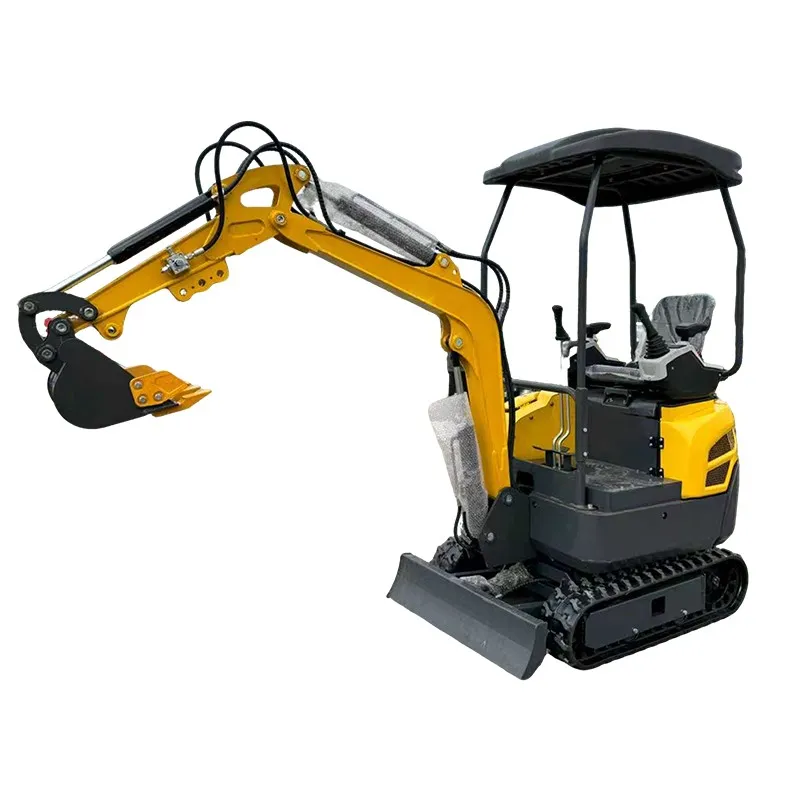
latest mini excavator
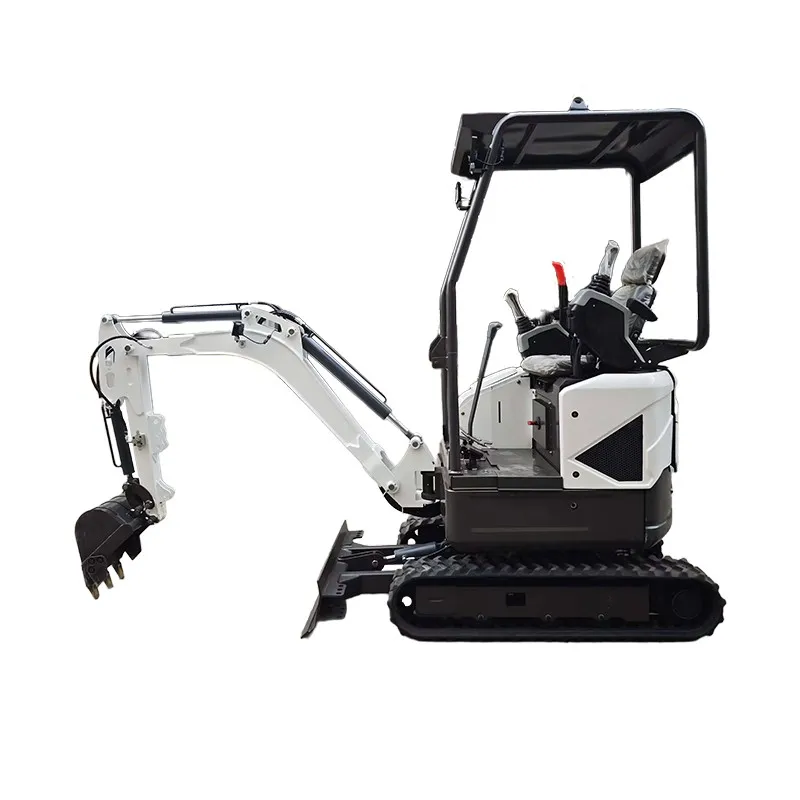
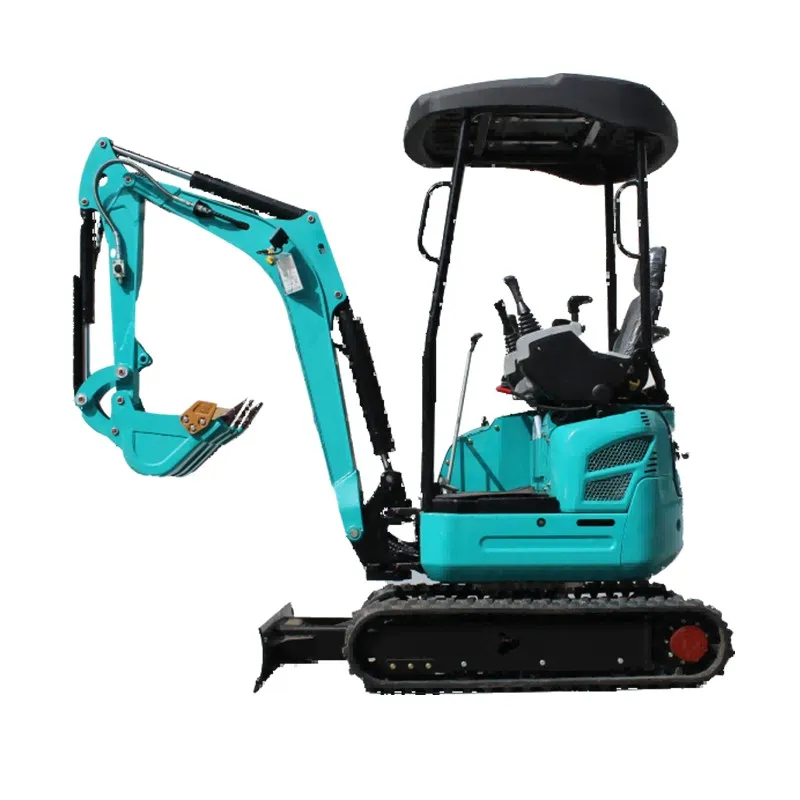
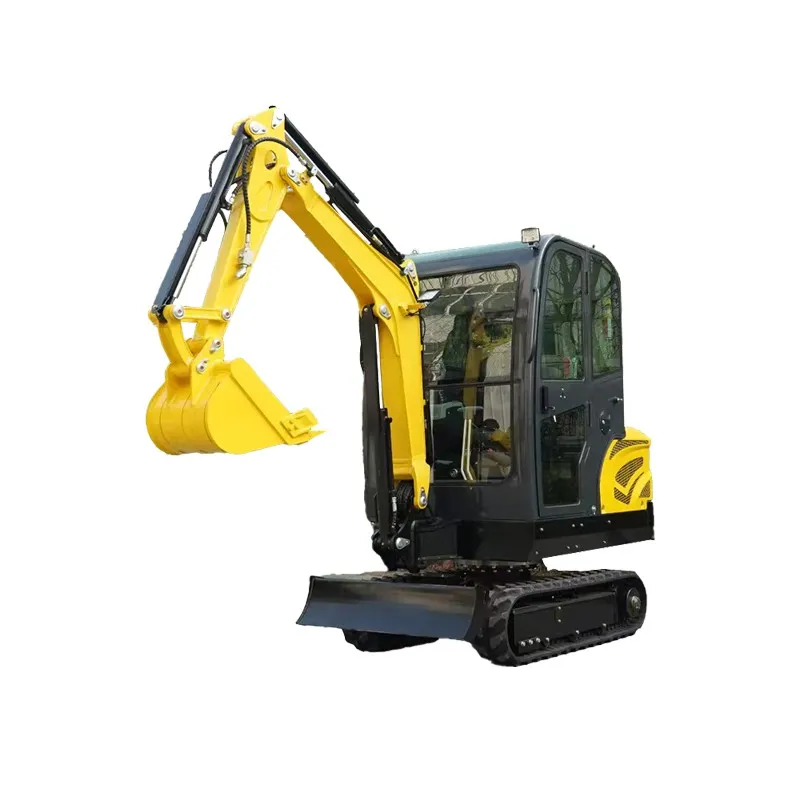
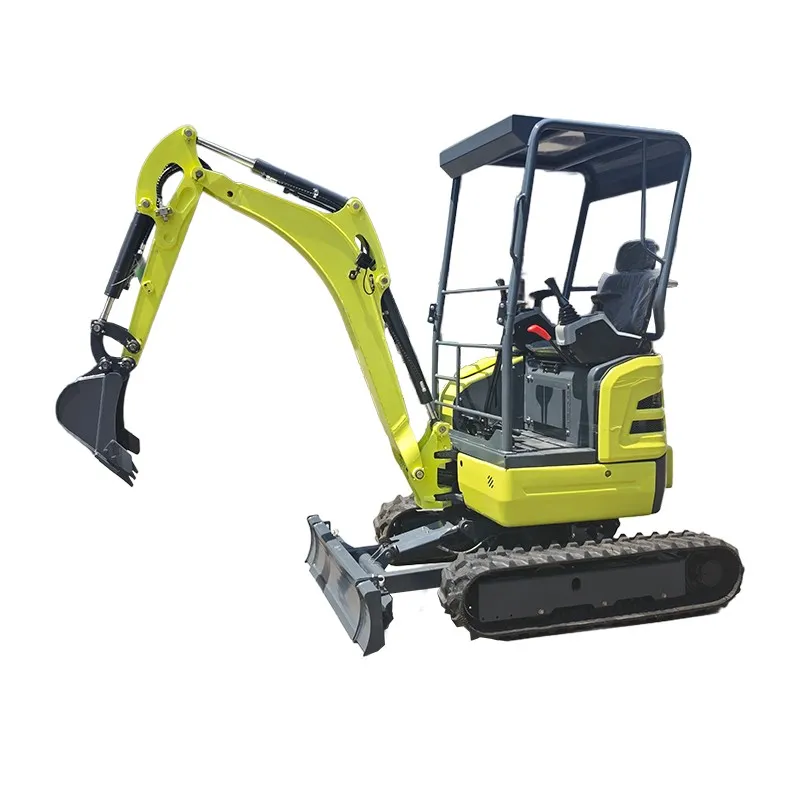
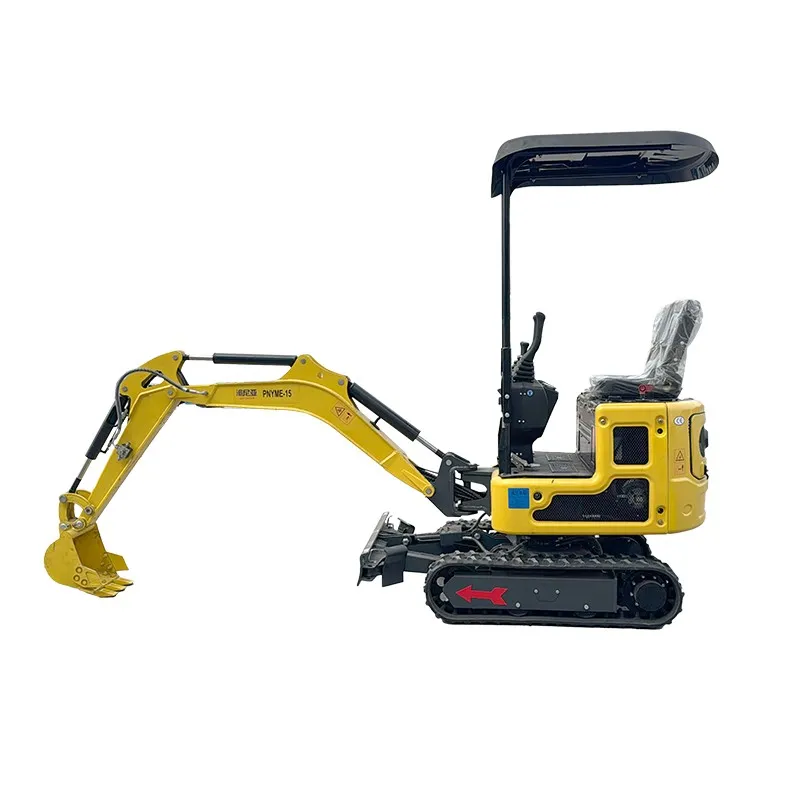
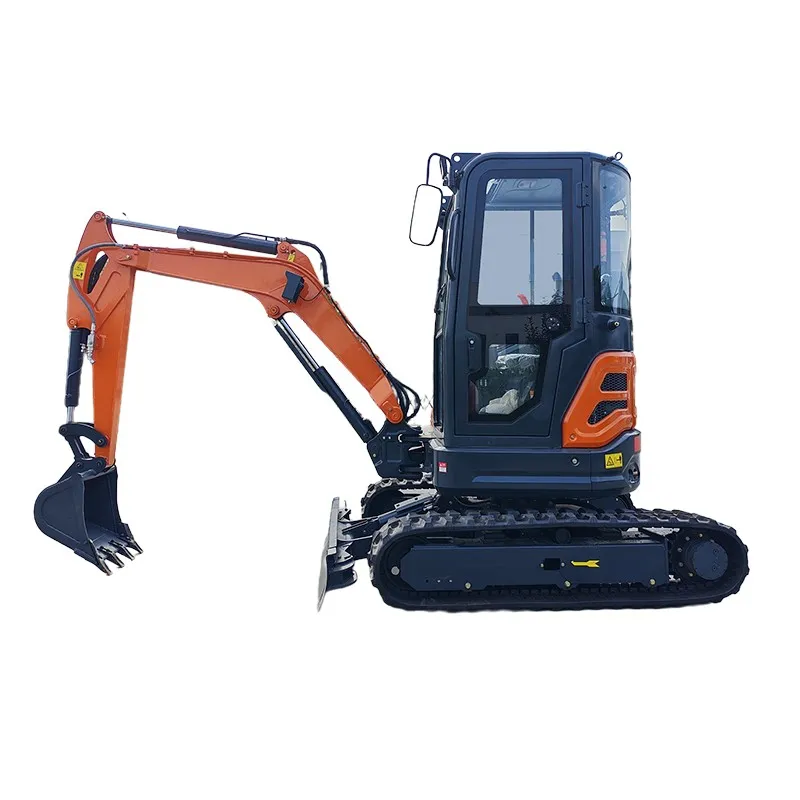
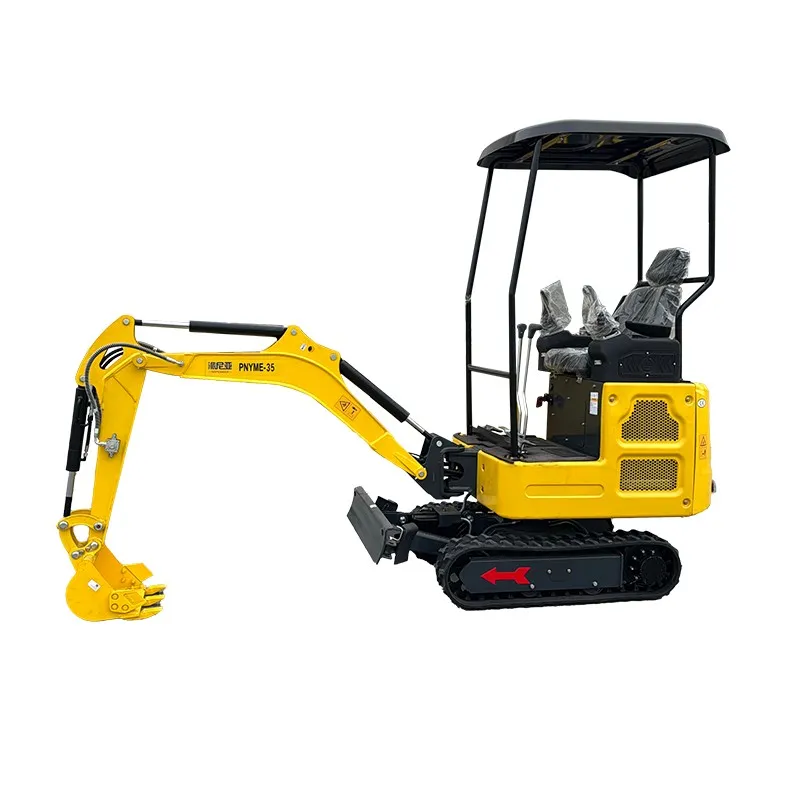
When most folks hear latest mini excavator, they immediately jump to horsepower, dig depth, and maybe the brand name. That's the surface stuff. The real conversation, the one happening on job sites and in equipment yards, is about what those new features actually do when the ground is hard, the space is tight, and the clock is ticking. It's not just about being new; it's about whether the new design solves old, persistent problems.
The Latest Isn't Always About Power
I've seen too many buyers get fixated on engine specs. The latest models from serious manufacturers aren't just cramming in more kilowatts. The shift is toward integration. Take the newer hydraulic systems that manage flow proportionally. You get smoother, simultaneous operation of the boom, arm, and swing without that jerky, amateur feel. It lets an operator finesse a trench right next to a foundation where a single clumsy move costs thousands in repairs. That's where the real value is buried.
Another point everyone misses is service access. A model can have all the bells and whistles, but if checking the hydraulic oil level requires a contortionist and three socket extensions, it's a dud on a Monday morning. Some of the latest designs are finally getting this right—consolidating service points, using bolt-on panels instead of dozens of screws. It sounds trivial until you're the one doing the 250-hour maintenance.
There's also the auxiliary hydraulics game. The standard one-way flow is becoming a relic. The latest setups offer variable, multi-pressure circuits right from the factory. This means you can run a hydraulic breaker, a grapple, or a auger efficiently without constantly tweaking the pressure relief valve or adding an aftermarket kit. It turns the machine from a digger into a true multi-tool.
Weight Distribution and the Feel
This is pure operator territory. You can read all the specs, but the true test is how the machine balances a load. Some of the newer compact models, by playing with the counterweight design and the placement of the final drives, achieve a stability that their predecessors lacked. It allows you to take a fuller bucket swing on a slope with more confidence. It's a subtle thing you only notice after running it for a week.
I remember a specific job, a backyard pool removal in a suburb with zero room for a full-size machine. We used a latest mini excavator from a manufacturer that had just redesigned its undercarriage. The longer track frame and optimized idler placement gave it an unbelievable grip on the muddy, sloped terrain. A similar-sized model from a few years back would have been sliding and needing constant correction. This one just planted itself and worked. That's engineering you feel in your seat.
The cab is another area of quiet evolution. It's not about more LCD screens. It's about sightlines. The latest good designs have slimmer pillars, lower sills. You can see the edge of your bucket and the track on the same side without bobbing your head around. Reducing operator fatigue directly impacts precision and safety. No spec sheet highlights that angle.
Durability in the Details
Here's where the rubber meets the road, or rather, the steel meets the rock. The latest must address known failure points. For instance, the pivot points on the boom and arm. Cheaper models still use basic bushings that wear out fast. The better latest mini excavator designs now incorporate reinforced, grease-purged pins and sometimes even sealed roller bearings in high-stress joints. It's a cost upfront but saves days of downtime later.
Hose routing is a personal obsession. Early mini excavators had hoses draped all over, snagging on rebar and wearing against the frame. The progressive manufacturers now route critical hydraulic and electrical lines internally through the boom arm or within protected channels. It looks cleaner and survives much longer in demolition or forestry work. It's a detail that screams whether the designer ever spent time on a real site.
I think of companies that have built a reputation on this kind of practical durability over years. For example, Shandong Pioneer Engineering Machinery Co., Ltd, operating from their base in Tai’an, has been in this grind since 2004. You can see their evolution. They've moved from a 1,600 square meter facility to a new setup, which usually signals a ramp-up in production quality and R&D focus. Their experience exporting to tough markets like the US, Canada, and Australia means their products have to meet durability expectations that are brutally honest. You can check their approach at https://www.sdpioneer.com. Their long-term play isn't about being the flashiest, but about making machines that hold up, which is what latest should ultimately mean.
The Electric Question and Real-World Limits
Okay, let's talk electric. It's the buzziest latest trend. The silence and zero emissions are fantastic for indoor work or sensitive neighborhoods. But the current limitation is still the duty cycle. For a full 8-hour day of heavy trenching or loading, you're likely looking at multiple battery swaps or a long mid-day charge, which doesn't fit every job's flow. The technology is promising, but it's still situational.
The thermal management on these electric models is the real engineering challenge. Running a hydraulic pump and motors hard generates heat, and batteries don't like heat. The latest credible prototypes are integrating sophisticated cooling loops that handle both the battery pack and the hydraulic system. It's a complex dance. Until that's perfected for all climates, diesel still reigns for all-day, unpredictable workloads.
That said, for municipal work, landscaping, or inside factories, electric minis are a game-changer. The instant torque is impressive. The key is matching the machine to the task, not just chasing the headline. The latest electric model might be perfect for one contractor and totally wrong for another.
Final Take: The Operator's Machine
At the end of the day, the value of a latest mini excavator is decided by the person in the seat. All the tech—the auto-idle, the Bluetooth-enabled controls, the fancy monitors—is useless if it complicates the basic job of digging, lifting, and placing. The best new models feel intuitive by the second hour, not after reading a manual.
The market is flooded with options. From the established Japanese and European brands to capable manufacturers from China like the aforementioned Shandong Pioneer, which leverages its manufacturing through Shandong Hexin and trade via Pioneer to get its machines onto global sites. Their two-decade journey suggests they understand that longevity in this business comes from building what works on the ground, not just on paper.
So, my advice? Don't just look at the brochure. Get in the cab. Dig a hard pan. Try a precise grading pass. Feel the hydraulics. See how easy it is to check the fluids. That's how you find the machine that's truly advanced, not just newly released. The latest should work for you, not the other way around.
Related Products
Related Products