- Chinese
- French
- German
- Portuguese
- Spanish
- Russian
- Japanese
- Korean
- Arabic
- Irish
- Greek
- Turkish
- Italian
- Danish
- Romanian
- Indonesian
- Czech
- Afrikaans
- Swedish
- Polish
- Basque
- Catalan
- Esperanto
- Hindi
- Lao
- Albanian
- Amharic
- Armenian
- Azerbaijani
- Belarusian
- Bengali
- Bosnian
- Bulgarian
- Cebuano
- Chichewa
- Corsican
- Croatian
- Dutch
- Estonian
- Filipino
- Finnish
- Frisian
- Galician
- Georgian
- Gujarati
- Haitian
- Hausa
- Hawaiian
- Hebrew
- Hmong
- Hungarian
- Icelandic
- Igbo
- Javanese
- Kannada
- Kazakh
- Khmer
- Kurdish
- Kyrgyz
- Latin
- Latvian
- Lithuanian
- Luxembou..
- Macedonian
- Malagasy
- Malay
- Malayalam
- Maltese
- Maori
- Marathi
- Mongolian
- Burmese
- Nepali
- Norwegian
- Pashto
- Persian
- Punjabi
- Serbian
- Sesotho
- Sinhala
- Slovak
- Slovenian
- Somali
- Samoan
- Scots Gaelic
- Shona
- Sindhi
- Sundanese
- Swahili
- Tajik
- Tamil
- Telugu
- Thai
- Ukrainian
- Urdu
- Uzbek
- Vietnamese
- Welsh
- Xhosa
- Yiddish
- Yoruba
- Zulu
- Kinyarwanda
- Tatar
- Oriya
- Turkmen
- Uyghur


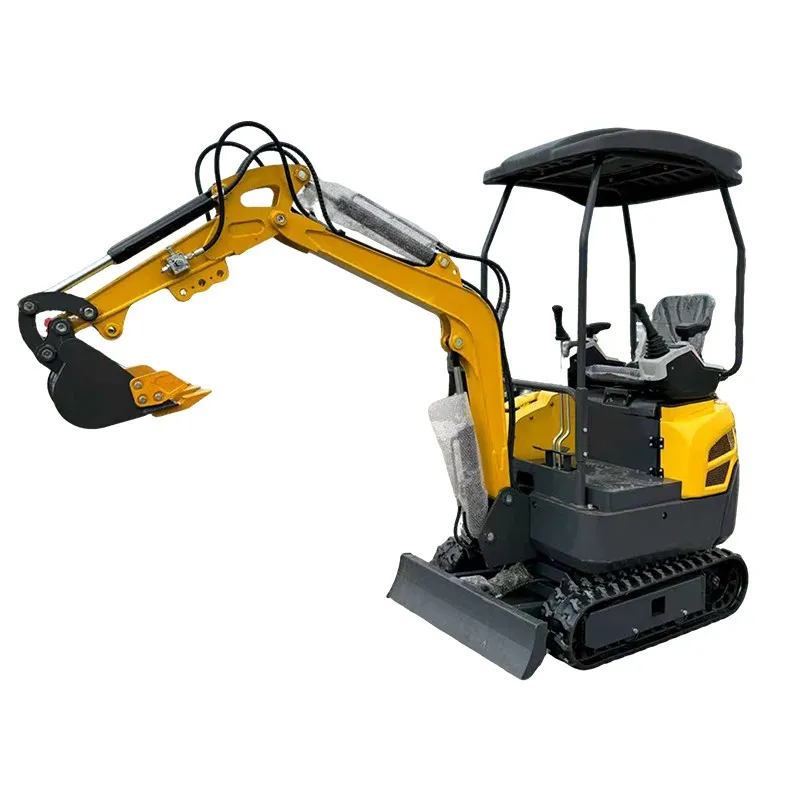
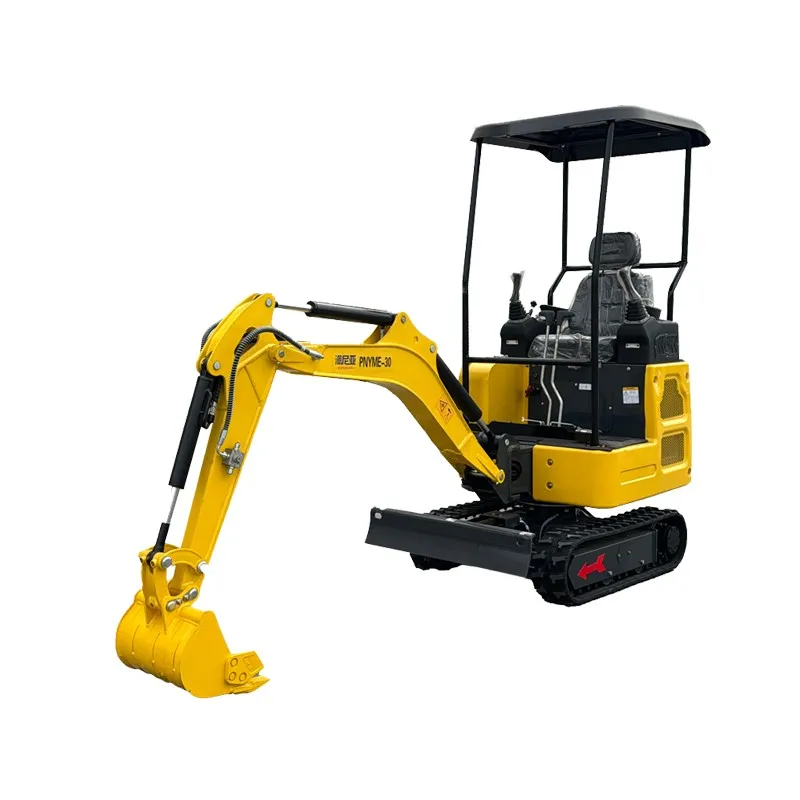
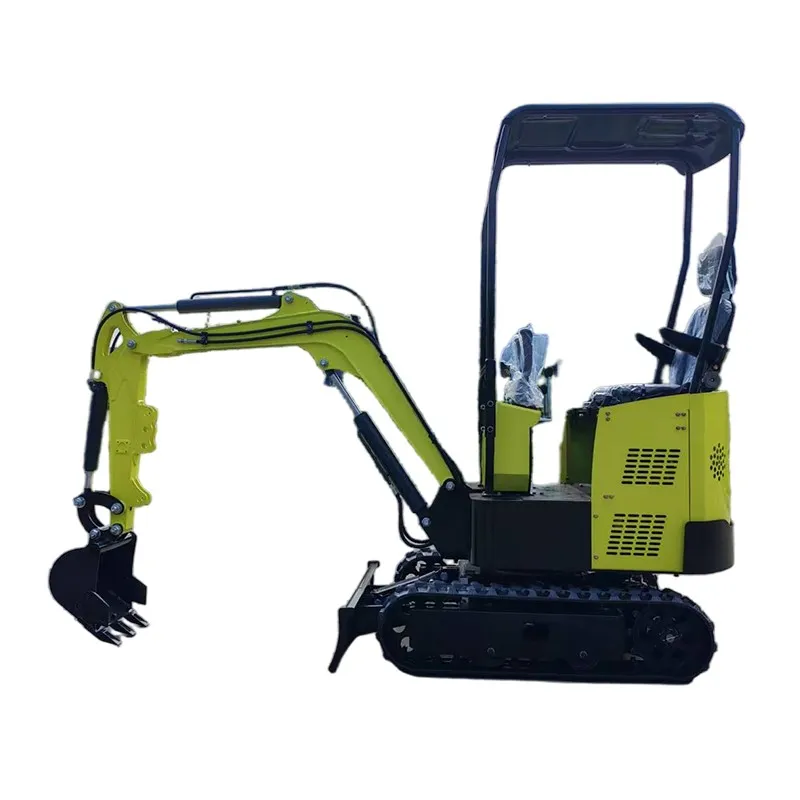
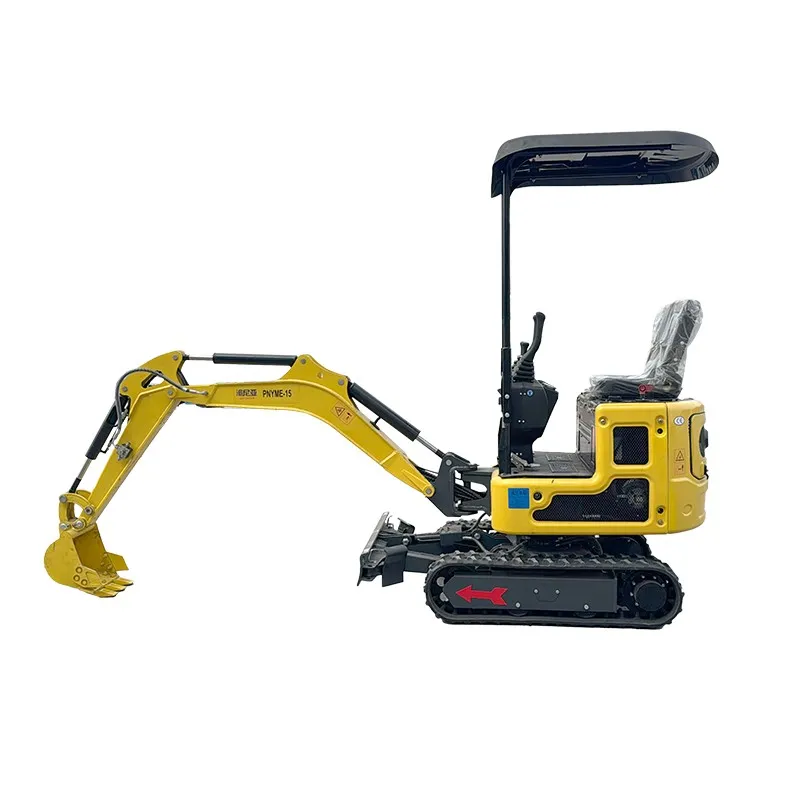
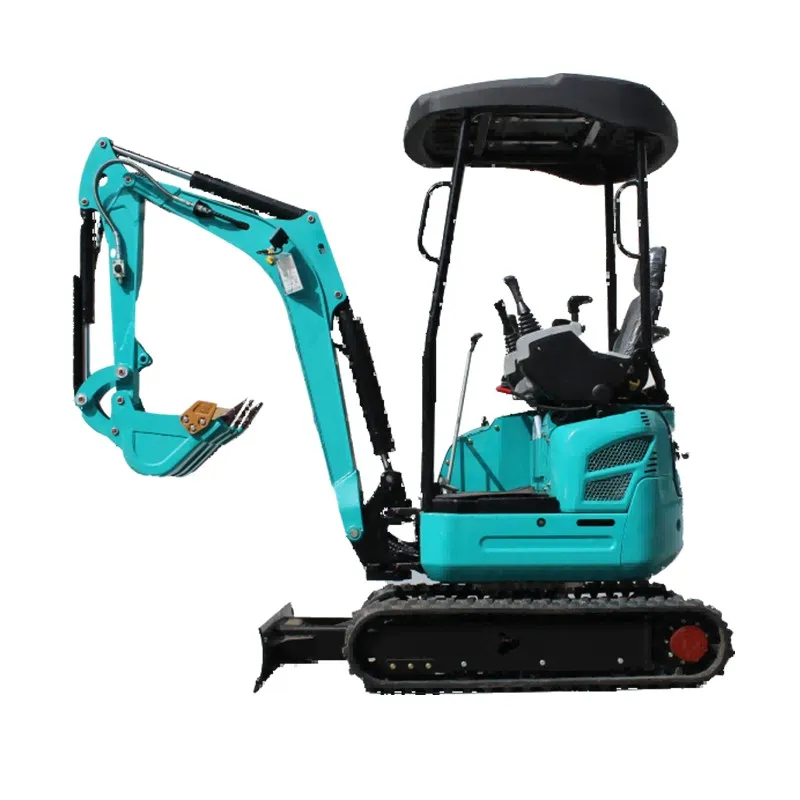
leading mini excavator factory
When you hear 'leading mini excavator factory,' most think it's just about output volume. That's the first mistake. Volume is a result, not the cause. The real lead comes from a deep, often messy, understanding of the gap between a catalog spec and a machine that survives its first 500 hours in the field without a major hiccup. It's about the decisions made when no client is watching.
The Foundation Isn't Just Concrete
I visited a lot of factories in Shandong over the years. The setup tells you everything. A leading mini excavator factory isn't defined by its newest paint booth, but by its material flow and the age of the welding equipment. Old, meticulously maintained Japanese welders often outclass shiny new ones. I remember walking through Shandong Pioneer's old 1,600 sqm facility in Jining before their 2023 move. It was cramped, but the organization of sub-assembly stations showed a logic born from two decades of trial and error. They weren't just building machines; they were refining a process. That 20-year accumulation they mention isn't a PR line—it's the thousands of minor adjustments to jigs and torque sequences that prevent hydraulic leaks.
Their relocation to Ningyang in 2023 was a telling step. It's not just about more space. It's a strategic recalibration. When you've exported to markets as demanding as Germany and Australia, you learn that scaling production without degrading quality requires a new layout. The move signals an investment in the next generation of workflow, likely integrating lessons from servicing machines in Canada's cold and Australia's dust. That's a factory thinking beyond the next container load.
The dual-entity structure—Shandong Hexin handling manufacturing and Shandong Pioneer managing overseas trade—is a classic, robust model for a serious exporter. It creates a necessary tension: the trade arm faces the client's raw feedback, which it must translate into manufacturing specs without the luxury of vagueness. This internal feedback loop is critical. A factory insulated from its end-users can't lead.
Where Leading Gets Tested: The Undercarriage
Anyone can assemble a good upper structure if they buy decent hydraulics. The true test of a factory's philosophy is the undercarriage. It's the money pit. A leading factory makes deliberate, often costly choices here. Do you source a complete, branded track system from a top-tier supplier, or do you try to fabricate components in-house to save cost? The latter is a trap many fall into.
From what I've seen in their product range, the focus is on balanced design for the 1- to 8-ton class. They seem to avoid the common pitfall of over-powering a machine with a huge hydraulic pump just for a spec sheet win, which only leads to overheating and hose failures. Their configurations suggest an understanding of duty cycles. For instance, a model destined for the US rental market will have different pressure settings and cooler capacity than one for German landscaping contractors, even if the base model is the same. This level of customization isn't glamorous, but it's what builds trust in places like the United States and Canada.
I recall a conversation with a service tech who worked on their machines in Australia. He noted the specific grade of bolts used on the swing bearing mount. It was a small detail, but it pointed to a factory that had learned—probably the hard way—about the cost of corrosion and fatigue in high-UV, high-salt environments. That's the kind of embedded knowledge that separates a real player from a catalog assembler.
The Export Minefield and Real-World Validation
Exporting to numerous countries isn't a badge of honor; it's a relentless audit. Each market is a live-fire test. American contractors will run a machine for 16 hours straight and complain about seat comfort. German engineers will measure noise emissions to the decibel. Australian miners will test its ability to handle abrasive dust. A factory that merely ships containers will fail. A leading mini excavator factory uses each market's feedback to iterate.
The trust they mention from worldwide customers isn't given; it's earned through post-sales support. Can you get a seal kit to a remote site in Canada within 48 hours? Does your electrical schematic follow recognizable ISO standards so a local mechanic can troubleshoot? I've seen factories with beautiful websites that collapse on this first service challenge. The fact that Shandong Pioneer, through its trade entity, has maintained a presence across these diverse regions suggests they've built a logistics and knowledge network, not just a dealer list.
One failure I've witnessed in the industry is the one-size-fits-all cooling system. A factory sent identical machines to the Middle East and Scandinavia. The ones in the desert overheated; the ones in the north never reached operating temperature, leading to moisture buildup and hydraulic issues. A leading factory would have at least two or three radiator and thermostat configurations in its standard offering. Judging by their global reach, I'd suspect their product matrix has absorbed these lessons.
The Unseen Benchmark: Supplier Relationships
You can judge a factory by the companies it keeps. The tier of its component suppliers is a direct reflection of its ambition. Does it use reputable, traceable brands for its key hydraulic pumps and valves, or does it opt for no-name assemblies? This choice defines the machine's lifespan.
A factory aiming to lead doesn't just buy parts; it collaborates with suppliers. It might work with a Japanese hydraulic manufacturer to develop a valve block that offers smoother proportional control for fine grading work, a feature highly valued in the European market. This deep collaboration is invisible to the end buyer but is felt in the machine's performance. It's a long-term investment that catalog factories skip.
For a factory like the one behind Shandong Pioneer Engineering Machinery Co., Ltd, with two decades in the game, their supplier list is probably a mix of long-term Asian partners and strategic European or American technical partnerships. This hybrid approach allows for cost control without sacrificing core reliability. It's a pragmatic path to leadership.
So, What's the Verdict?
Being a leading mini excavator factory is a continuous state of problem-solving. It's not a title you claim; it's a position you hold through relentless, detailed work. It's in the choice of a pivot pin bushing material, the design of a service access panel, and the courage to redesign a flawed component even if it's already in production.
From the outside, looking at a company like Shandong Pioneer—its longevity, its structured manufacturing-trade split, its global footprint—you see the scaffolding of a leading operation. The 2004 to 2023 journey, from a 1,600 sqm plant to a new, presumably more advanced facility, maps a trajectory of learning and adaptation. They've positioned themselves in the tough markets, which is the only real proving ground.
Ultimately, the lead is held on the workshop floor and in the field. It's held by engineers who visit job sites and by managers who prioritize the boring, critical upgrades over flashy new models. That's the unsexy, real work of a true industry leader. The rest is just noise.
Related Products
Related Products