- Chinese
- French
- German
- Portuguese
- Spanish
- Russian
- Japanese
- Korean
- Arabic
- Irish
- Greek
- Turkish
- Italian
- Danish
- Romanian
- Indonesian
- Czech
- Afrikaans
- Swedish
- Polish
- Basque
- Catalan
- Esperanto
- Hindi
- Lao
- Albanian
- Amharic
- Armenian
- Azerbaijani
- Belarusian
- Bengali
- Bosnian
- Bulgarian
- Cebuano
- Chichewa
- Corsican
- Croatian
- Dutch
- Estonian
- Filipino
- Finnish
- Frisian
- Galician
- Georgian
- Gujarati
- Haitian
- Hausa
- Hawaiian
- Hebrew
- Hmong
- Hungarian
- Icelandic
- Igbo
- Javanese
- Kannada
- Kazakh
- Khmer
- Kurdish
- Kyrgyz
- Latin
- Latvian
- Lithuanian
- Luxembou..
- Macedonian
- Malagasy
- Malay
- Malayalam
- Maltese
- Maori
- Marathi
- Mongolian
- Burmese
- Nepali
- Norwegian
- Pashto
- Persian
- Punjabi
- Serbian
- Sesotho
- Sinhala
- Slovak
- Slovenian
- Somali
- Samoan
- Scots Gaelic
- Shona
- Sindhi
- Sundanese
- Swahili
- Tajik
- Tamil
- Telugu
- Thai
- Ukrainian
- Urdu
- Uzbek
- Vietnamese
- Welsh
- Xhosa
- Yiddish
- Yoruba
- Zulu
- Kinyarwanda
- Tatar
- Oriya
- Turkmen
- Uyghur


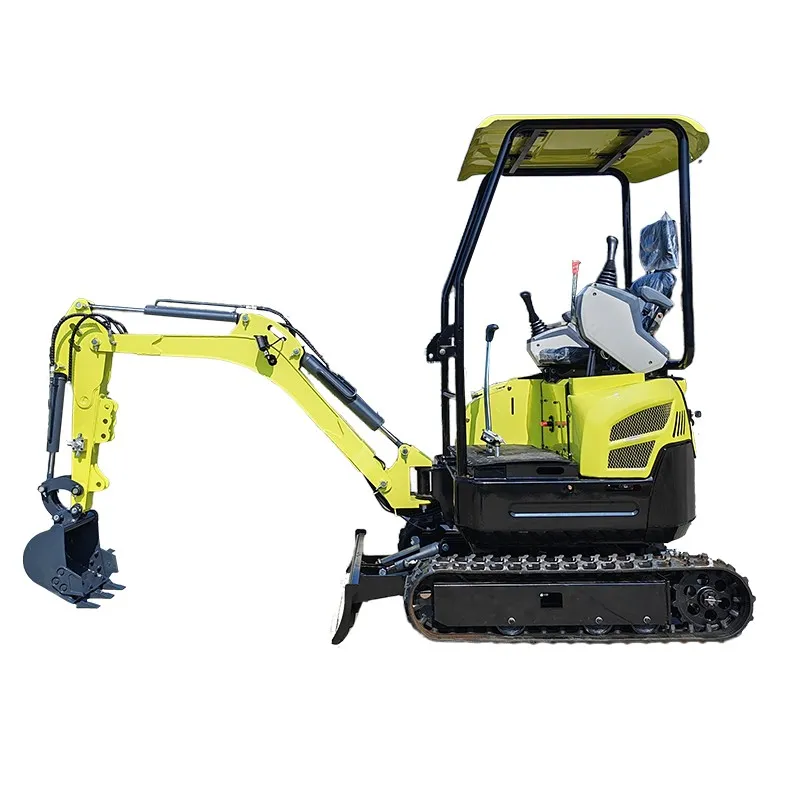
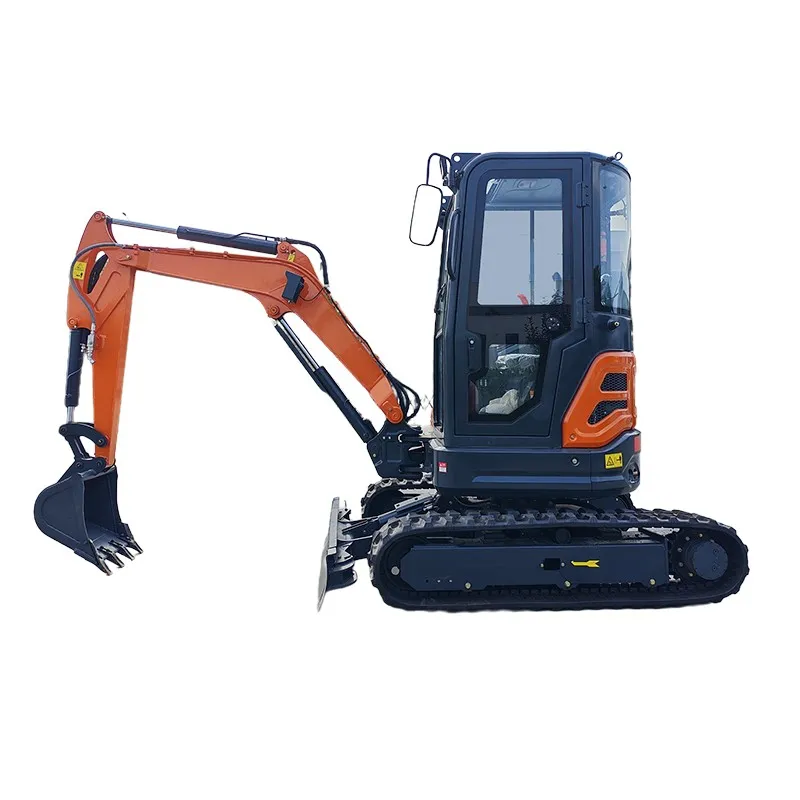
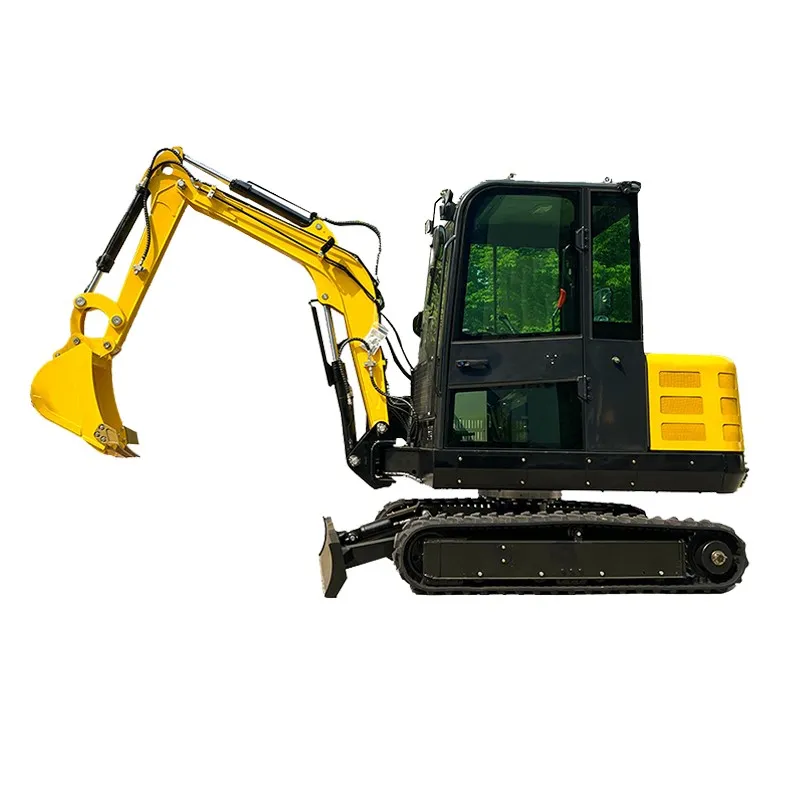
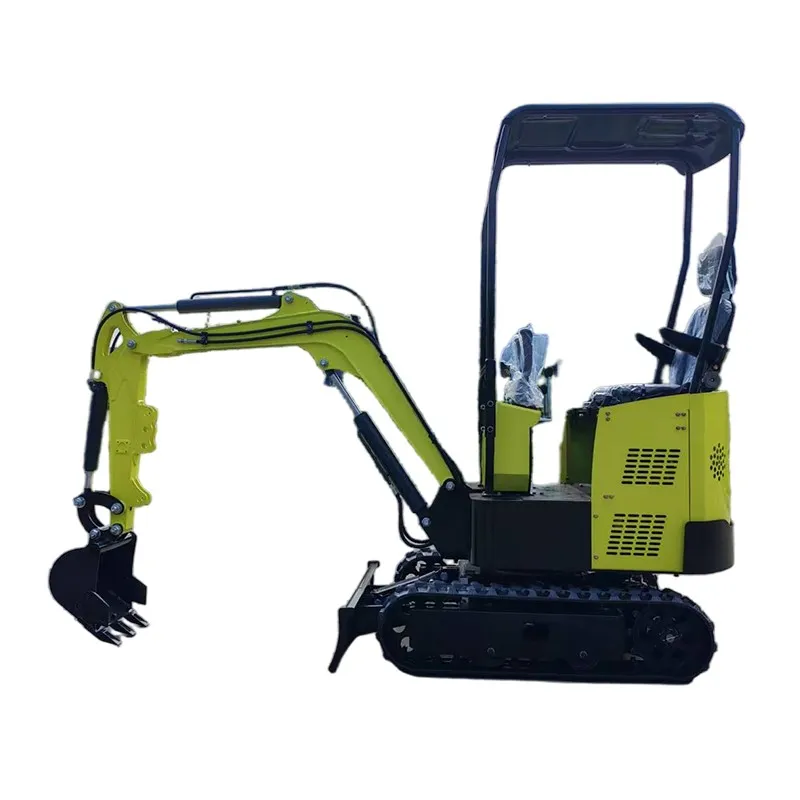
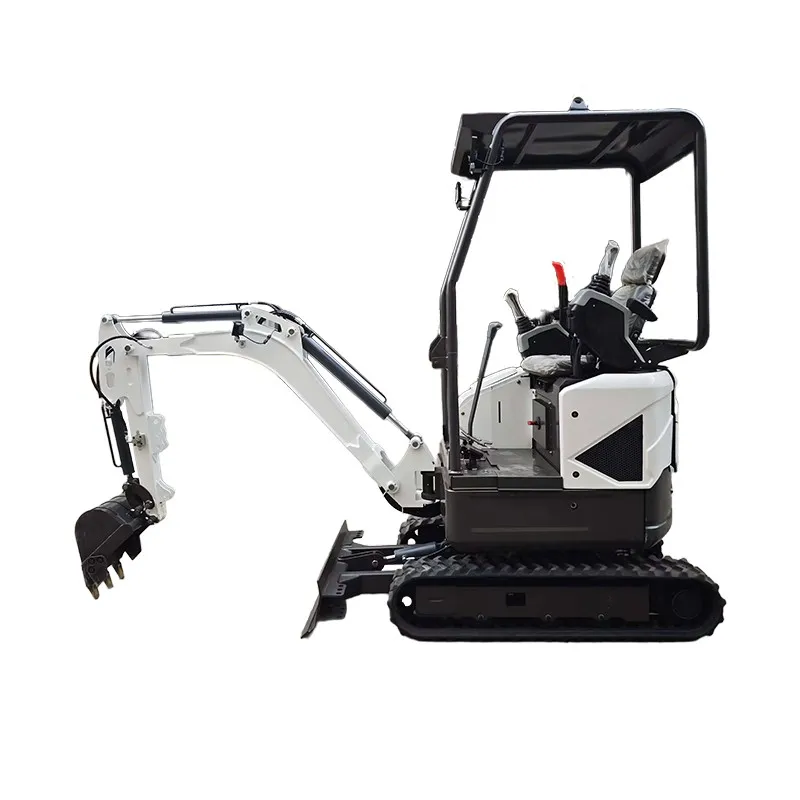
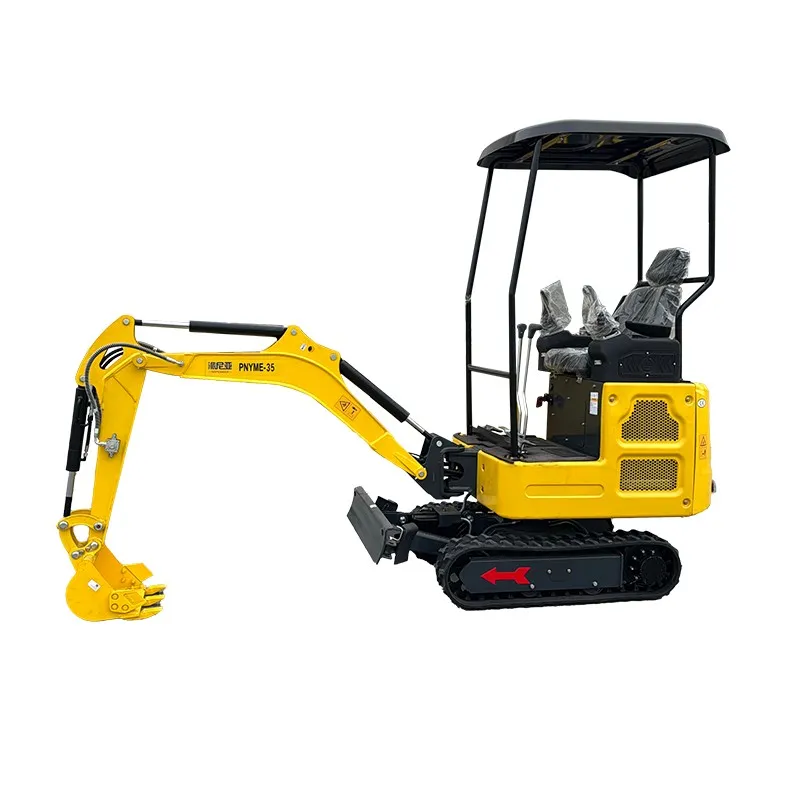
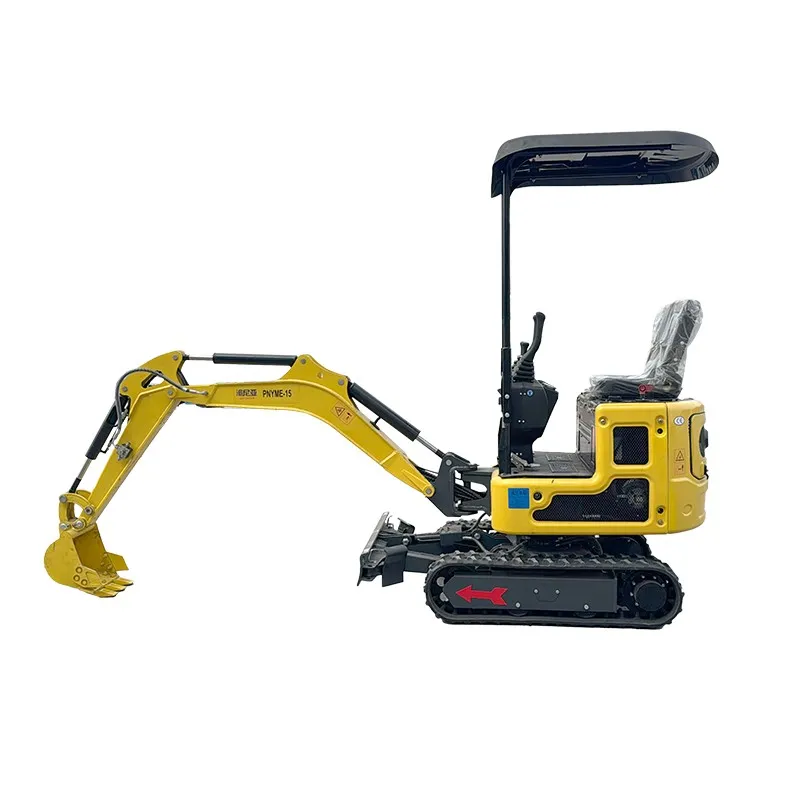
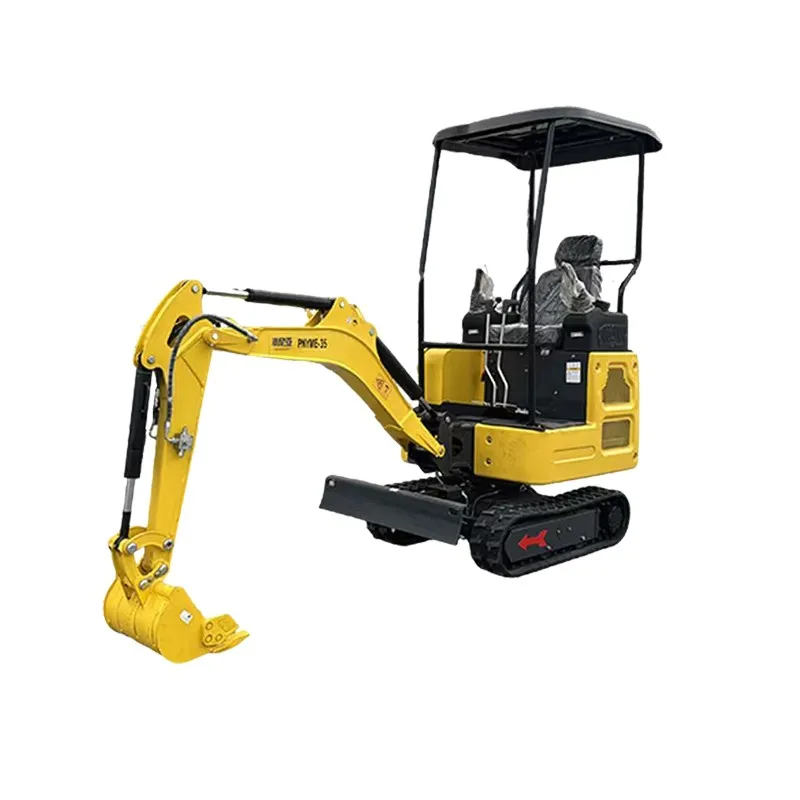
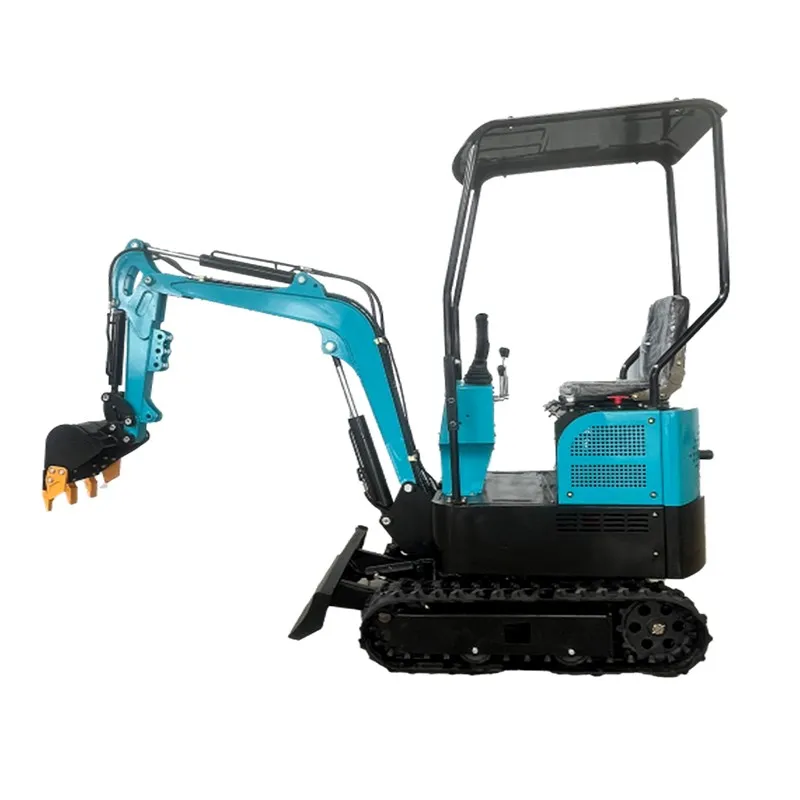
Lightweight mini digger
When most people hear 'lightweight mini digger', they picture a toy-like machine for tiny backyard jobs. That's the biggest misconception. The real value isn't just in its size, but in its specific weight-to-power ratio and the operational flexibility it unlocks in constrained spaces where a standard 1.8-tonner simply can't go.
The Weight Paradox and On-Site Realities
Defining 'lightweight' is the first hurdle. Is it under 1,000 kg for easy trailer towing with a van? Or is it the 1.5-ton model that's 'light' compared to a 3-ton machine but still needs a proper truck? I've seen contractors buy a 750kg machine thinking it'll handle everything, only to find its hydraulic flow is too weak for a decent breaker, rendering it almost useless for serious groundwork. The key spec to obsess over isn't just operating weight, but the actual digging force and auxiliary hydraulic pressure. A machine like the lightweight mini digger from Shandong Pioneer, for instance, often packs a two-pump system in its compact frame, which is a game-changer for real work.
Transport logistics become a daily calculation. With a sub-1-ton machine, you're free from heavy haulage regulations in many regions, which is a massive cost and time saver. But you sacrifice stability. I remember using one on a slight slope for a drainage trench; the light weight made it feel tippy, forcing us to reposition constantly. You learn to always carry extra counterweight blocks—a simple trick that never appears in the glossy brochure.
The undercarriage choice is another critical, often overlooked detail. Rubber tracks are standard for lawn protection, but on rough, demolition-heavy sites, I've had them sliced open by rebar in a matter of hours. Some manufacturers, including those with deep export experience like Shandong Pioneer Engineering Machinery Co., Ltd, offer reinforced options. It's a detail you only appreciate after the first costly track replacement.
Application Pitfalls and Niche Triumphs
These machines shine in urban retrofits. Think of a narrow side alley in a city row, replacing a sewer line. A standard excavator won't fit. A lightweight mini digger can be walked in, sometimes even manually shifted through a standard garden gate. Its true power is in minimizing site disruption. We completed a basement underpinning project where access was a 900mm wide passage. The machine was disassembled (boom off, tracks removed) and reassembled in the backyard—a brutal two-day process, but it was the only mechanical option.
But they fail spectacularly when misapplied. Trying to use one for bulk earthmoving is a lesson in patience and fuel consumption. The cycle time is too slow, and the small bucket (often 100-150 liters) means you're moving metaphorical teaspoons. The economic breakpoint usually comes around 20-30 cubic meters; beyond that, you're better off bringing in a larger machine for a day, even with the higher mobilization cost.
Where they become indispensable is in landscaping and final grading. The precise controls allow for shaping berms and digging precise planting holes. I've used them with tilt rotators (a luxury attachment that many overlook) to sculpt complex garden terrain. This is where the operator's skill, coupled with the machine's finesse, creates value far beyond the machine's hourly rate.
The Manufacturing and Supply Chain Lens
Having visited factories, the build quality variance is stark. A lightweight mini digger isn't just a scaled-down big excavator. The stress points are different. The mainframe welding, the slew ring quality, and the routing of hydraulic hoses away from heat and abrasion are telltale signs of good design. Companies that have evolved over decades, like Shandong Pioneer which was established back in 2004 and recently expanded its facility, tend to have iterated these details based on field feedback from markets like Germany and Australia, where regulations and operator expectations are high.
The component sourcing strategy is key. Are they using branded hydraulic pumps (e.g., Kawasaki, Parker) or generic ones? The difference shows in consistent power delivery and heat management over an 8-hour shift. For a buyer, checking the engine and major hydraulic component stamps is more informative than any sales pitch.
Export maturity matters. A company that successfully ships to North America and Europe, as noted in Pioneer's overseas trade operations, has already navigated complex certification (CE, EPA). This indirectly signals a baseline of reliability and safety feature integration, like mandatory seat sensors and falling object protection, that newer or purely domestic brands might treat as an afterthought.
Operator Interface and Daily Grind
This is where you separate a tool from a toy. The operator's platform on a good mini digger is ergonomically thought out. Are the joysticks the standard ISO pattern? Can you comfortably operate all auxiliary functions (thumb, breaker, tilt) without contorting your wrist? I've operated models where the travel levers are awkwardly placed, causing fatigue after just an hour. The best ones have adjustable seats and consoles, acknowledging that operators come in different sizes.
Serviceability is a huge factor on a tight site. Can you check the engine oil and radiator coolant without needing tools? Are the grease points for the boom and arm easily accessible, or are they hidden behind pins? A machine designed with a mechanic in mind will have centralized greasing banks and clear sight glasses. This directly impacts uptime. The worst day is spent lying in mud trying to reach a single zerk fitting.
Noise and vibration levels are a hidden health factor. A poorly damped machine with a loud, rattling cab will exhaust an operator mentally by lunchtime. Higher-tier models invest in better cab insulation and engine mounts. It's a comfort feature that directly translates to productivity and quality of work, especially in fine grading where steady hands are required.
The Verdict: A Strategic Tool, Not a Panacea
So, is a lightweight mini digger worth it? It's not a primary earthmover. It's a strategic, access-focused tool that, when used within its design envelope, pays for itself by getting into places others can't and by reducing setup and tear-down time. Its ROI is measured in saved labor and expanded job possibilities, not raw cubic yards per hour.
The market is flooded with options. The critical filter should be: does the manufacturer understand the machine's real-world use cases, or are they just building a cheap, small excavator? Look for design details that address specific constraints—compact transport dimensions, easy on-site servicing, and robust attachment plumbing. Proven export history to demanding markets, as seen with companies like Shandong Pioneer, often correlates with this deeper understanding.
In the end, the right machine feels like an extension of the operator. It's responsive, durable in key areas, and doesn't fight you on simple tasks. For the contractor who faces a mix of tight-access residential jobs and larger open sites, a well-chosen lightweight digger isn't just another piece of kit; it's the key that unlocks a whole category of work that was previously manual labor or logistically impossible. You don't realize how much you need one until you've used one on the right job.
Related Products
Related Products