- Chinese
- French
- German
- Portuguese
- Spanish
- Russian
- Japanese
- Korean
- Arabic
- Irish
- Greek
- Turkish
- Italian
- Danish
- Romanian
- Indonesian
- Czech
- Afrikaans
- Swedish
- Polish
- Basque
- Catalan
- Esperanto
- Hindi
- Lao
- Albanian
- Amharic
- Armenian
- Azerbaijani
- Belarusian
- Bengali
- Bosnian
- Bulgarian
- Cebuano
- Chichewa
- Corsican
- Croatian
- Dutch
- Estonian
- Filipino
- Finnish
- Frisian
- Galician
- Georgian
- Gujarati
- Haitian
- Hausa
- Hawaiian
- Hebrew
- Hmong
- Hungarian
- Icelandic
- Igbo
- Javanese
- Kannada
- Kazakh
- Khmer
- Kurdish
- Kyrgyz
- Latin
- Latvian
- Lithuanian
- Luxembou..
- Macedonian
- Malagasy
- Malay
- Malayalam
- Maltese
- Maori
- Marathi
- Mongolian
- Burmese
- Nepali
- Norwegian
- Pashto
- Persian
- Punjabi
- Serbian
- Sesotho
- Sinhala
- Slovak
- Slovenian
- Somali
- Samoan
- Scots Gaelic
- Shona
- Sindhi
- Sundanese
- Swahili
- Tajik
- Tamil
- Telugu
- Thai
- Ukrainian
- Urdu
- Uzbek
- Vietnamese
- Welsh
- Xhosa
- Yiddish
- Yoruba
- Zulu
- Kinyarwanda
- Tatar
- Oriya
- Turkmen
- Uyghur


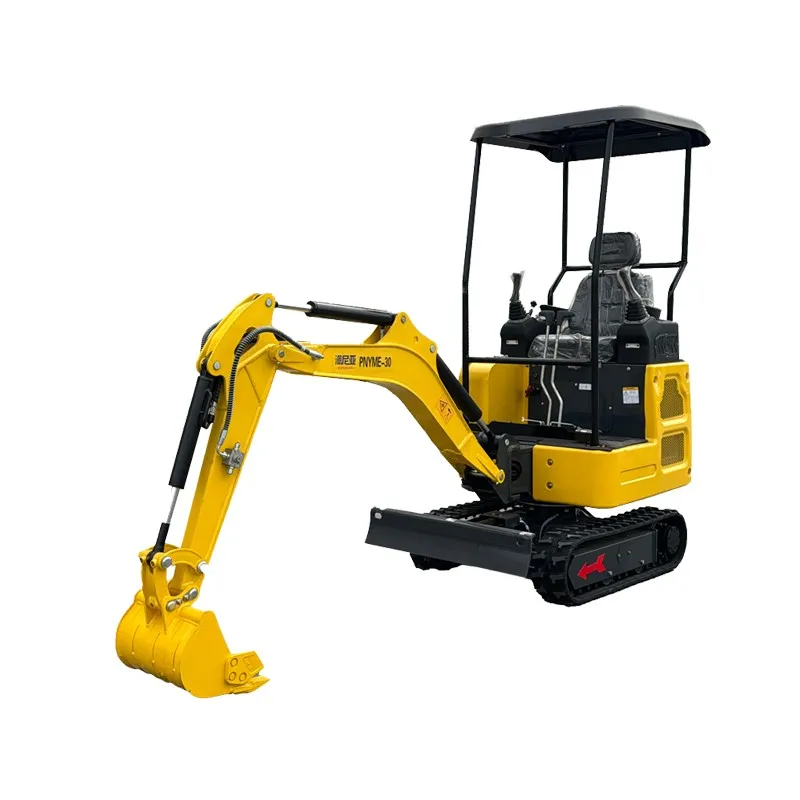
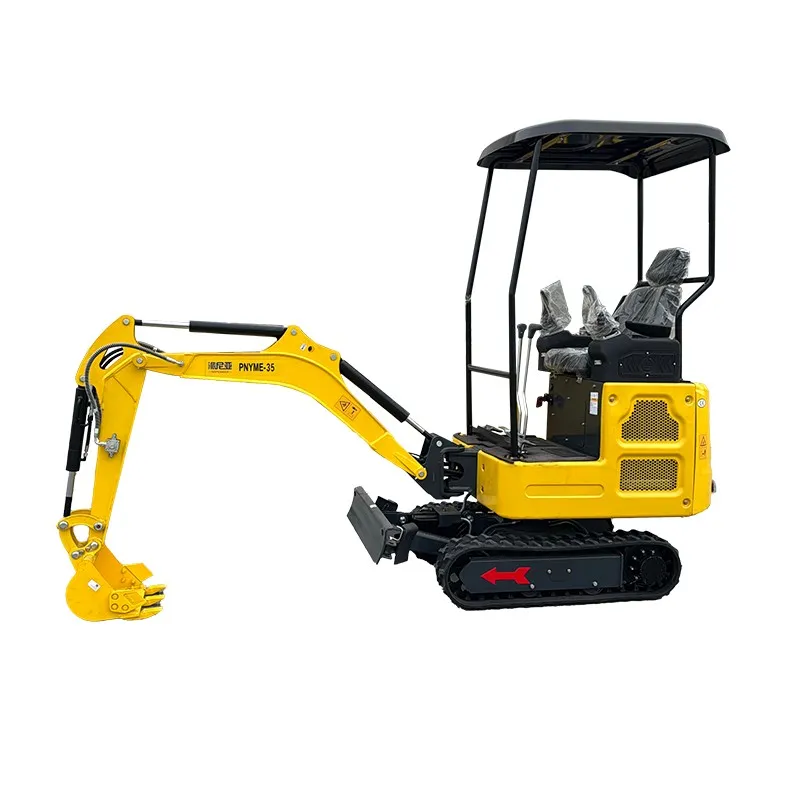
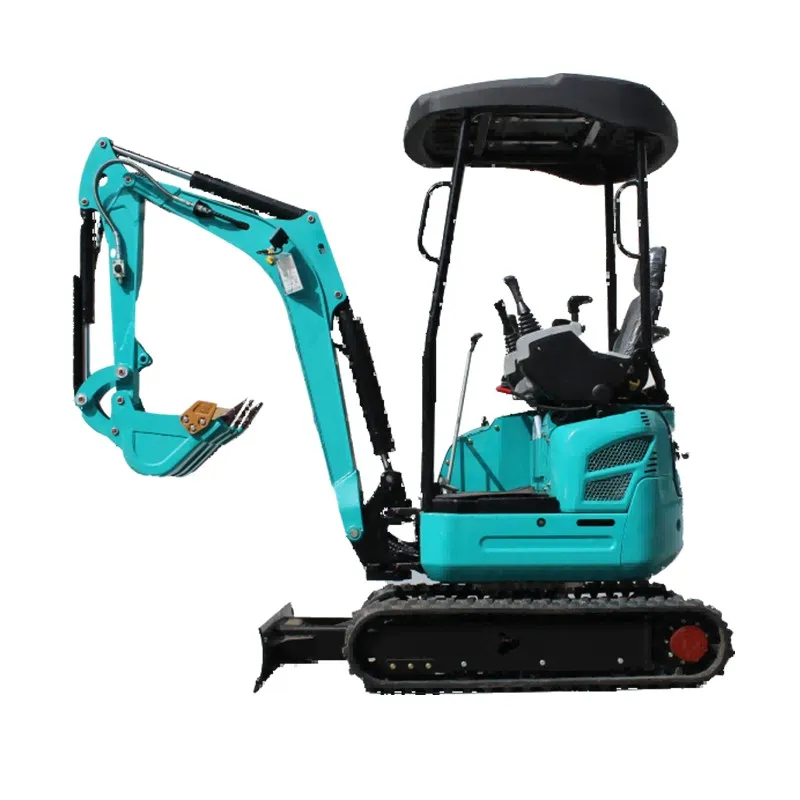
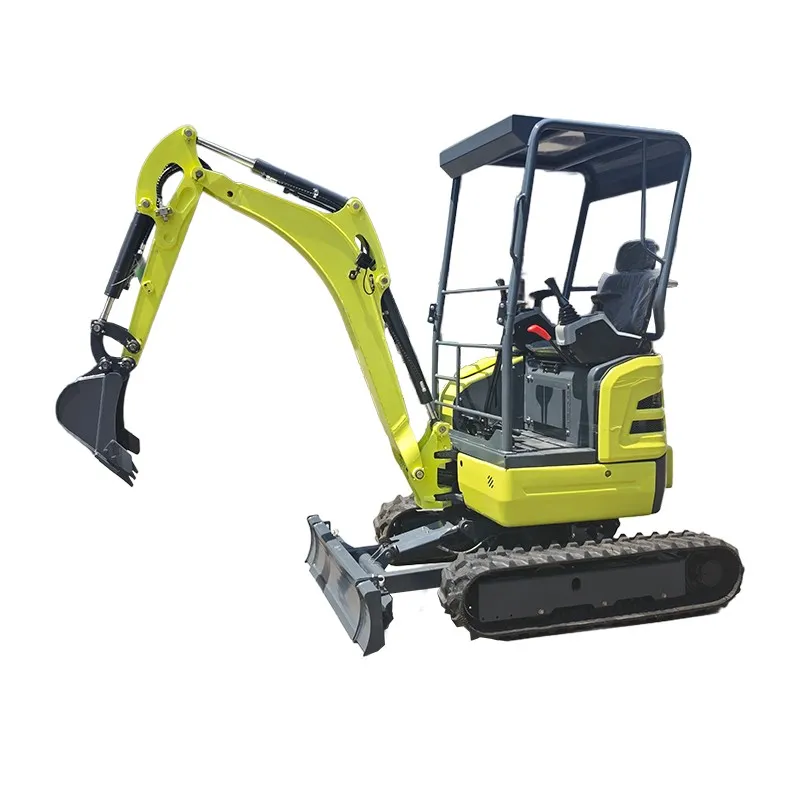
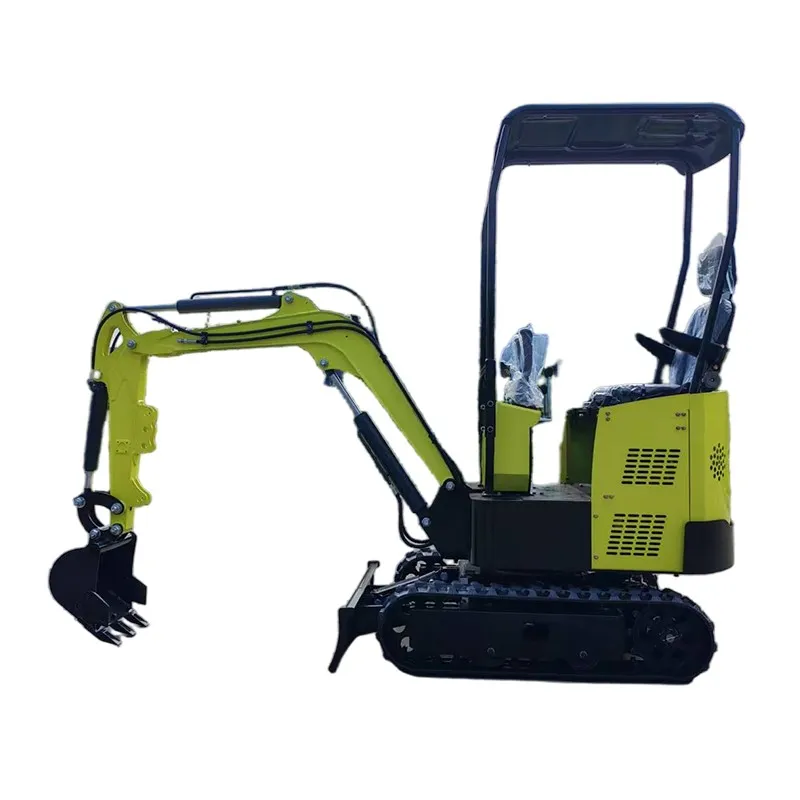
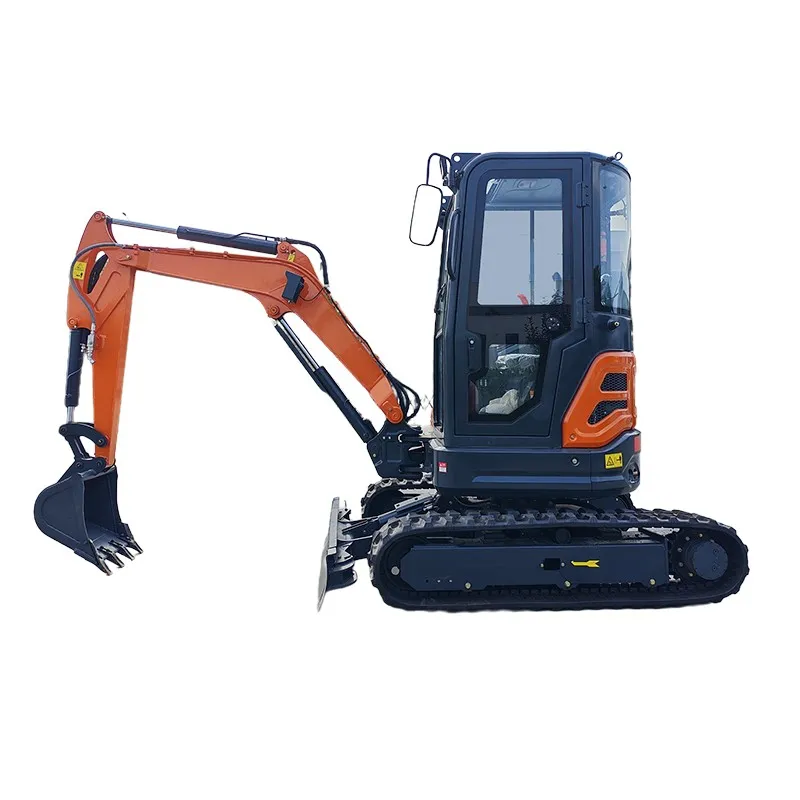
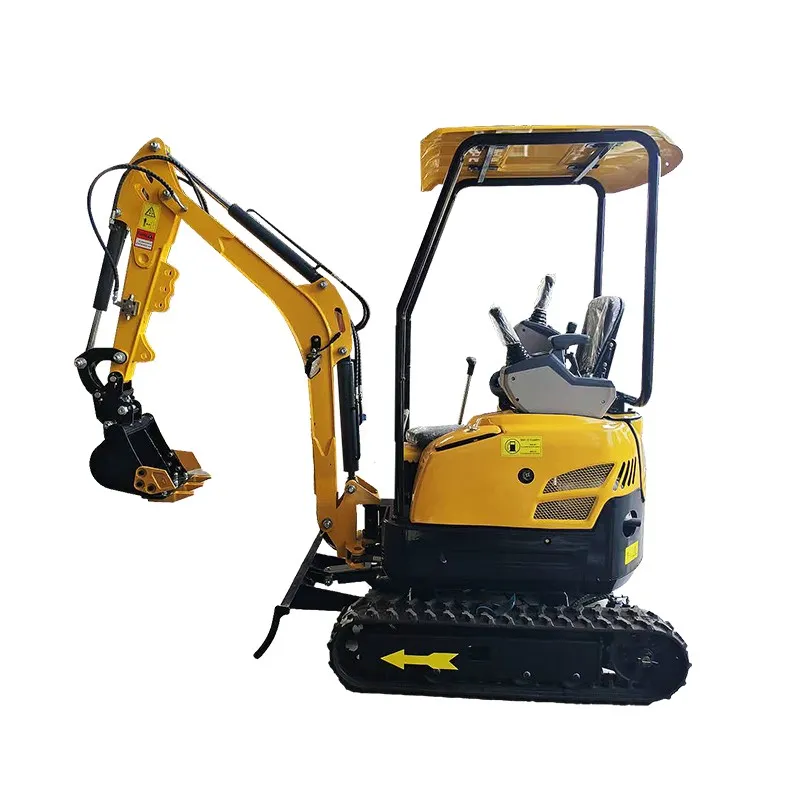
Low-energy Small Excavator
When you hear 'low-energy small excavator', the first thought is often just fuel savings. That's a starting point, but it's a shallow one. The real conversation, the one we have on-site and in the shop, is about the total cost of operation in constrained spaces and the engineering trade-offs that make or break a machine's real-world viability. It's not just about a smaller engine; it's a system rethink.
The Core Misconception: Energy vs. Power
Many clients equate 'low-energy' with 'underpowered'. That's the biggest hurdle. We're not talking about a gutless machine. The goal is intelligent power deployment. A traditional 1.8-ton mini excavator might have a 15kW engine running near its peak most of the time, inefficient and loud. The new generation, like some models from Shandong Pioneer Engineering Machinery Co., Ltd, uses a 10-12kW engine paired with a load-sensing hydraulic system. The engine runs at a more efficient, steady RPM, and the hydraulics deliver flow and pressure on demand. You lose a bit of raw, simultaneous power for boom, arm, and swing, but for 90% of grading, trenching, and loading tasks, you don't need it all at once. The energy saving comes from not wasting it.
I learned this the hard way on a landscaping job in a locked-backyard. We used an older, noisy machine. The neighbor complained, but more critically, the fuel gauge dropped faster than the trench deepened. We calculated fuel costs ate nearly 30% of the job's thin margin. That's when we started seriously looking at the specs beyond the price tag.
The relocation of Shandong Pioneer to a new facility in Ningyang in 2023 isn't just about more space. Talking to their engineers, it's clear it's about integrating better testing for these integrated systems. You can't just bolt a smaller engine onto an old hydraulic layout and call it 'low-energy'. The synergy is everything.
Hydraulics: The Real Heart of the Matter
If the engine is the lungs, the hydraulic system is the circulatory system. This is where the magic—or the misery—happens. A standard gear pump system is simple and cheap but brutally inefficient. It produces full flow all the time, dumping excess heat over the relief valve. In a compact excavator, that heat soaks into a small space, cooking the operator and the components.
The shift to load-sensing (LS) or even more advanced electro-hydraulic systems is non-negotiable for true low-energy operation. I've run a Pioneer unit with an LS system, and the difference is palpable. The controls feel smoother, more proportional. You're not fighting the machine. The engine doesn't roar and strain with every minor movement; it maintains a steady hum. The fuel saving is measurable, but the reduced heat generation is a silent bonus that extends hose and seal life dramatically.
However, complexity is the trade-off. These systems are more expensive and require mechanics who understand more than just wrench-turning. A failure isn't always a blown hose; it might be a clogged compensator or a sensor issue. The maintenance paradigm shifts from purely mechanical to mechatronic.
The Battery-Electric Question: Not Quite There
Everyone asks about electric. For indoor demolition or ultra-sensitive urban sites, they're fantastic—zero emissions at point of use. But for the general 'low-energy' market seeking lower total cost, the economics are still shaky. The upfront cost is a massive premium. A 2-ton electric excavator can cost 2.5x its diesel counterpart.
We trialed one for a month of municipal work. The performance was surprisingly good for 4-5 hours. But then you face the recharge downtime. Unless you have a spare, expensive battery pack or can afford 8-hour breaks, it kills productivity on a full-day job site. The 'energy' cost just moves from diesel to the grid and into the depreciation of a battery pack that will need replacing in a few years. For companies like Shandong Pioneer, which exports globally to markets like the US and Australia, the infrastructure and duty-cycle variability make a pure electric play a niche supplement, not a core solution yet. Their focus, wisely, seems to be on optimizing the combustion-based power train for global practicality.
Structural Efficiency: Weight and Agility
Low-energy isn't just about the powertrain. It's about making the whole machine work less. That means careful weight distribution and structural design. A lighter upper structure reduces the energy required for swing acceleration and deceleration. But you can't compromise durability.
I've seen machines where the pursuit of lightness led to thin-grade steel in the boom, resulting in stress cracks after a year of hard service. That's a false economy. The balance is in using high-strength steel in key stress areas and optimizing the geometry. A well-designed machine feels 'tight' and responsive. You can feel it in the controls—less slop, more direct translation of your input into work. This structural efficiency directly reduces the hydraulic effort needed, contributing to lower energy consumption. It's an aspect you only appreciate after running different machines side-by-side on the same task.
The Operator in the Loop: The Human Factor
All this technology can be undone by a poor operator. An aggressive, jerky operator will spike hydraulic pressure, trigger relief valves, and burn fuel. Training is part of the low-energy equation. Modern machines with smoother controls actually help train better habits. An operator who feels in control is less likely to 'fight' the machine.
We implemented a simple telematics system on a few units to track idle time and average load. The data was revealing. One operator's machine idled 40% of the shift, another's only 15%. Just coaching based on that data cut our site's overall fuel use by nearly 10%. The machine enables savings, but the human realizes them. This is a critical point for global distributors; selling a low-energy small excavator isn't just a transaction. It's offering a solution that includes advising clients on how to extract its full value, which builds the long-term trust Shandong Pioneer mentions in their profile.
Conclusion: A Practical Evolution
So, where does that leave us? The low-energy small excavator is a mature, practical evolution, not a futuristic fantasy. It's a machine designed for total cost of ownership, factoring in fuel, maintenance, and uptime. It requires buyers to look beyond the sticker price and manufacturers to invest in integrated system design.
Companies that have grown through decades of field feedback, like Shandong Pioneer Engineering Machinery Co., Ltd, are positioned well here. Their two-decade journey from a 1,600 sqm plant to a new base reflects an accumulation of practical knowledge. Exporting to demanding markets forces you to solve real problems, not just sell specs. The trust they've won likely comes from machines that deliver on the promised efficiency without falling apart.
The future is incremental refinement: better pump controls, lighter yet stronger materials, and maybe hybridization as a bridge before full electric becomes universally viable. The core idea is settled: intelligent efficiency is now the standard, not the exception. The machine that saves energy, reliably, is the machine that stays on the job and in the black.
Related Products
Related Products