


- Chinese
- French
- German
- Portuguese
- Spanish
- Russian
- Japanese
- Korean
- Arabic
- Irish
- Greek
- Turkish
- Italian
- Danish
- Romanian
- Indonesian
- Czech
- Afrikaans
- Swedish
- Polish
- Basque
- Catalan
- Esperanto
- Hindi
- Lao
- Albanian
- Amharic
- Armenian
- Azerbaijani
- Belarusian
- Bengali
- Bosnian
- Bulgarian
- Cebuano
- Chichewa
- Corsican
- Croatian
- Dutch
- Estonian
- Filipino
- Finnish
- Frisian
- Galician
- Georgian
- Gujarati
- Haitian
- Hausa
- Hawaiian
- Hebrew
- Hmong
- Hungarian
- Icelandic
- Igbo
- Javanese
- Kannada
- Kazakh
- Khmer
- Kurdish
- Kyrgyz
- Latin
- Latvian
- Lithuanian
- Luxembou..
- Macedonian
- Malagasy
- Malay
- Malayalam
- Maltese
- Maori
- Marathi
- Mongolian
- Burmese
- Nepali
- Norwegian
- Pashto
- Persian
- Punjabi
- Serbian
- Sesotho
- Sinhala
- Slovak
- Slovenian
- Somali
- Samoan
- Scots Gaelic
- Shona
- Sindhi
- Sundanese
- Swahili
- Tajik
- Tamil
- Telugu
- Thai
- Ukrainian
- Urdu
- Uzbek
- Vietnamese
- Welsh
- Xhosa
- Yiddish
- Yoruba
- Zulu
- Kinyarwanda
- Tatar
- Oriya
- Turkmen
- Uyghur

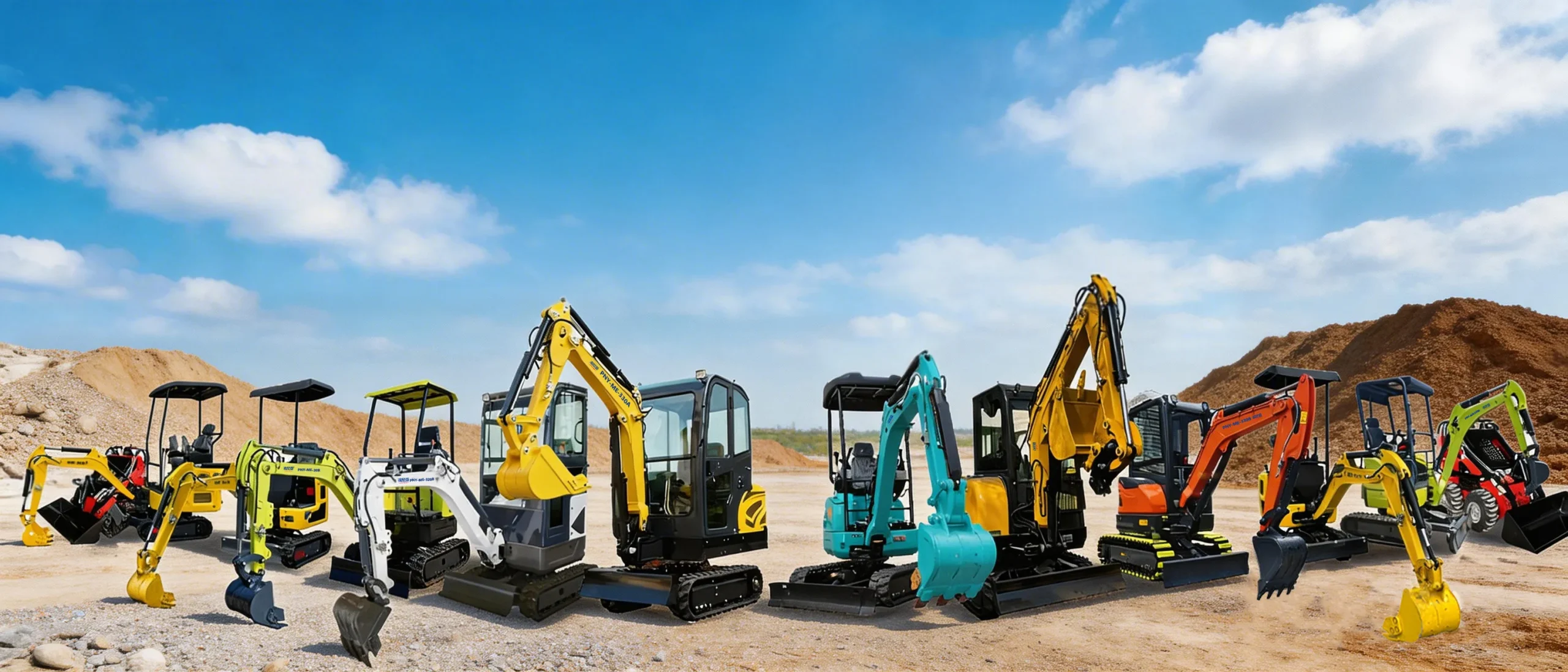
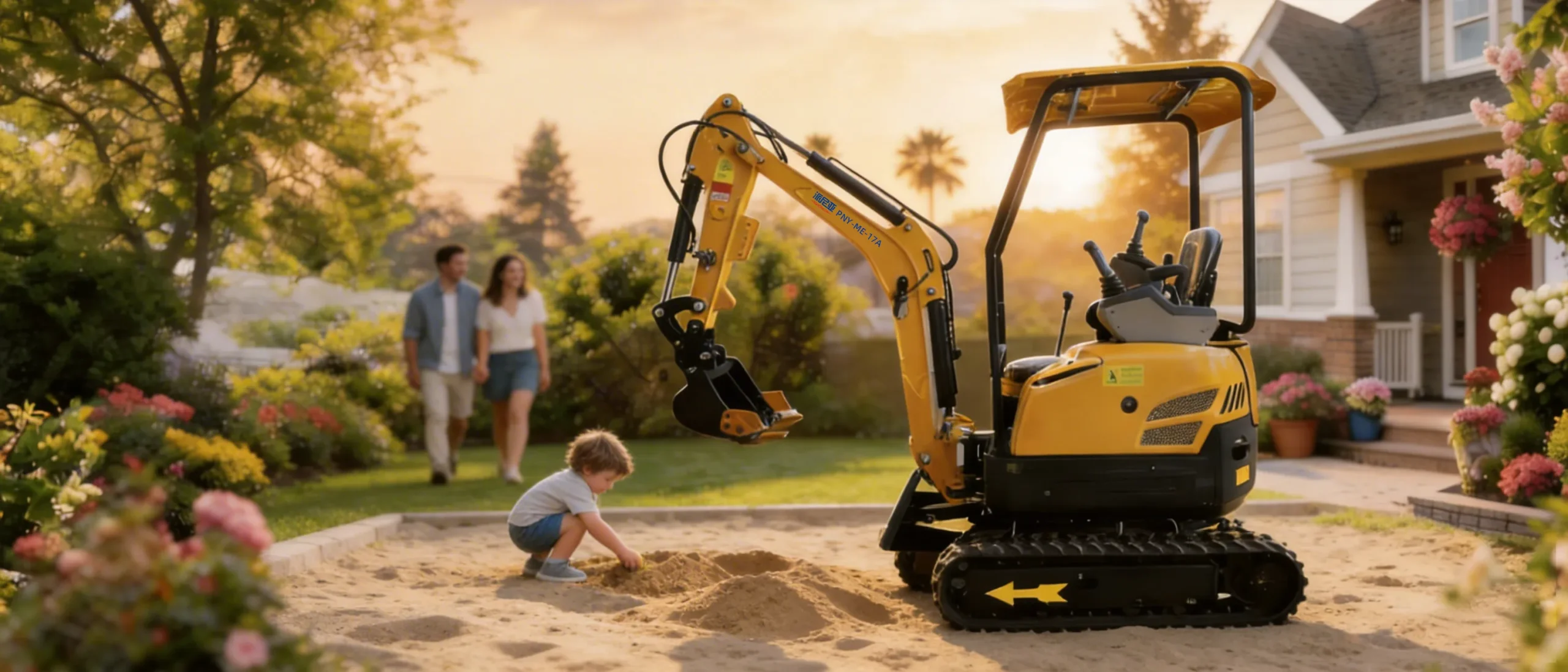
medium size mini excavator
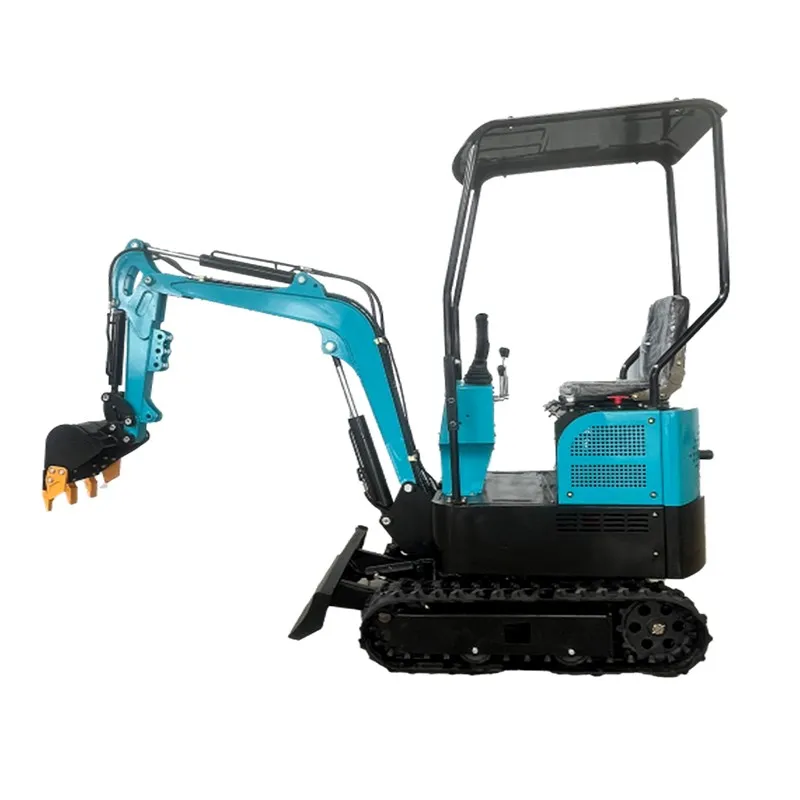
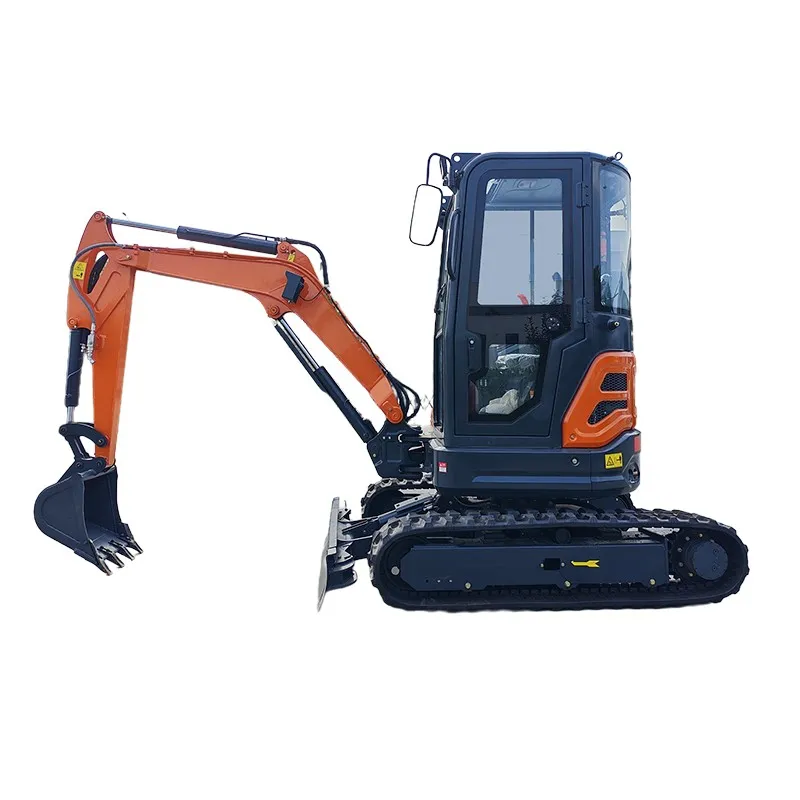
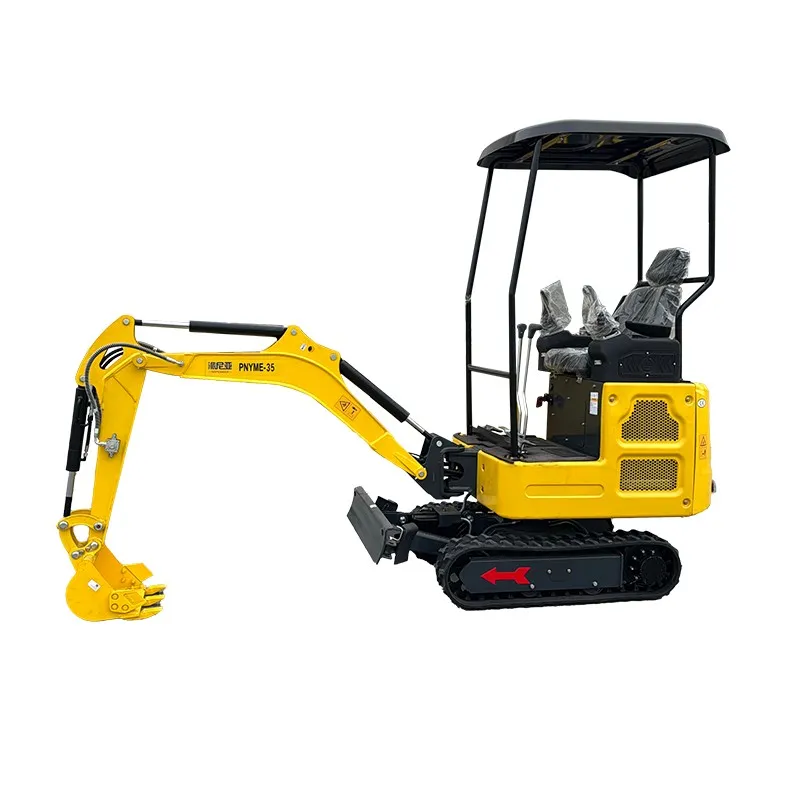
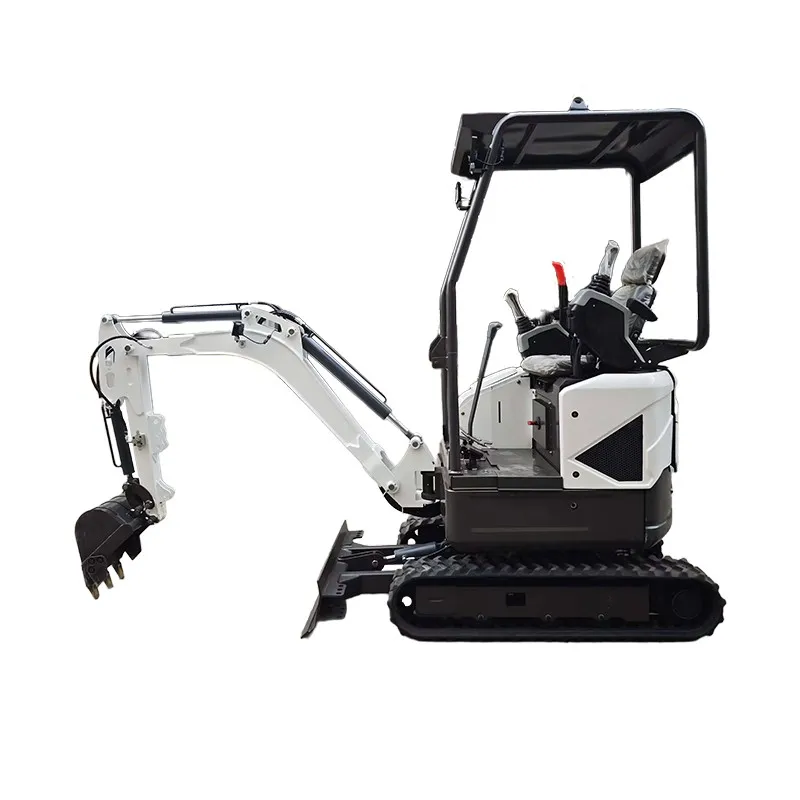
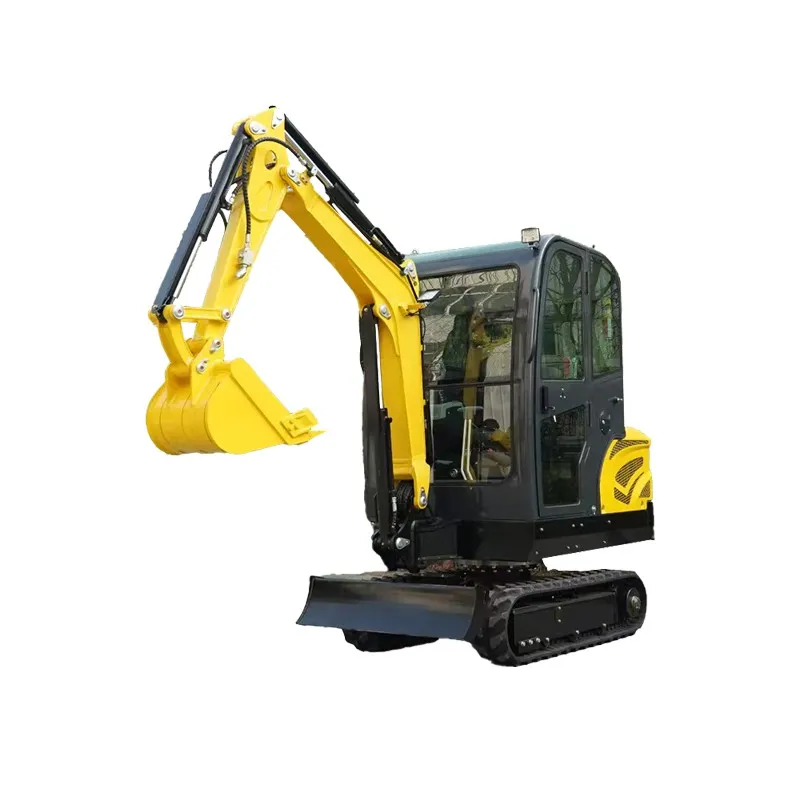
When you hear 'medium size mini excavator,' most folks picture that 2-3 ton sweet spot, but that's where the first misconception lies. It's not just about weight; it's about the envelope – reach, dig depth, tail swing or zero-tail, and what you can realistically attach to it. I've seen too many buyers get hung up on the 'mini' part and forget the 'medium,' ending up with a machine that's either underpowered for the task or too bulky for the site access they actually have.
The Weight Class Conundrum
Let's talk 2.8 to 3.5 tons. This is the real workhorse range for residential and light commercial. A 1-tonner is a toy in comparison, and a 5-tonner starts needing different logistics. The key here is the hydraulic flow. A common pitfall is opting for a standard auxiliary circuit when you know you'll be running a hydraulic breaker most of the time. You need that high-flow option from the factory, or you'll burn out pumps and hoses. I learned this the hard way on a sidewalk demo job years back; the machine could lift the breaker, but the hammer action was pathetic, costing us days.
Brands like Kubota with their U35 or Takeuchi's TB235 are often the go-to benchmarks. But there's a whole ecosystem of manufacturers, especially from China, that have seriously closed the gap in the last decade. It's not just about copying anymore; it's about adapting to specific market demands. For instance, some European markets prioritize ultra-low emissions, while in Southeast Asia, the focus might be on simpler, more serviceable engines. A company like Shandong Pioneer Engineering Machinery Co., Ltd has been navigating this space for 20 years, evolving from its start in Jining to its recent relocation and expansion in Tai'an. Their longevity suggests they've figured out more than just assembly; it's about supply chain and knowing what different regions actually need.
You can see this on their site at https://www.sdpioneer.com. Their product range in this category isn't just one model. They've had to develop variations – different arm configurations, cab vs. canopy, rubber track vs. steel – to meet the specs requested from places as varied as the United States and Australia. That's not something a fly-by-night operation can manage. It implies a certain depth in engineering and logistics.
On-Site Realities and Attachment Chaos
The theoretical specs on a brochure mean nothing until you're trying to squeeze between a fence and a house with inches to spare. That's where the 'medium' part of a medium size mini excavator gets tested. A zero-tail swing model is a godsend in tight spaces, but remember, it often comes with a slight trade-off in stability at full reach with a heavy load. You develop a feel for it. I always do a 'dry run' with the arm before committing to a lift near a structure.
Attachments are another world. The quick coupler is the best invention since the bucket. But not all couplers are equal. The pin-and-bush type on some economy machines wear out fast under daily switching. I prefer a mechanical manual coupler over a problematic hydraulic one if the budget is tight – fewer things to leak. And speaking of buckets, a general-purpose 24-inch is fine, but if you're doing a lot of trenching for utilities, investing in a narrow 12-inch grading bucket will save you more time in backfilling and compaction than you'd think.
The Powerplant Debate: Kubota vs. Yanmar vs. The Rest
In this class, you're almost always looking at a Kubota or Yanmar diesel engine. They're ubiquitous for a reason: reliability, parts availability, and fuel efficiency. However, don't ignore machines with other proven engines like Isuzu or even well-sourced Chinese powerplants that meet Tier 4 or equivalent standards. The real test is serviceability. Can you easily get to the fuel filter, the alternator, the radiator cap? I once worked on a model where checking the radiator required removing a side panel with eight bolts – a terrible design for daily maintenance.
This is where a manufacturer's experience shows. A company that's been exporting globally, like the mentioned Shandong Pioneer and its manufacturing partner, has to ensure their machines can be serviced in Germany or Canada. That forces a certain level of standardization and quality in components that you might not get from a purely domestic-focused builder. Their two-decade journey from a 1,600 square meter facility to a new, presumably larger plant, hints at scaling up production while managing these complex export demands.
Cost vs. Value Over Five Years
The initial price tag is a trap. For a medium size mini excavator, you must think in terms of total cost over, say, five years. This includes not just fuel, but expected maintenance, part costs, and downtime. A cheaper machine might save you $15k upfront, but if it needs a new hydraulic pump in year three and that pump is a proprietary import with a 6-week lead time, you've lost all those savings and more.
I advise people to look at the undercarriage closely. On rubber-track machines, the quality of the rollers, idlers, and the track compound itself is huge. Cheap rubber tracks crack and wear quickly on abrasive surfaces. Also, what's the track adjustment mechanism? Is it a greasy cylinder you can service, or is it sealed? Sealed might seem maintenance-free, but when it fails, it's a complete replacement.
This long-term view is what separates a fleet manager from a casual buyer. It's also what separates manufacturers. A company that has sustained exports to demanding markets for years is likely building with a longer operational lifespan in mind, because their reputation depends on it. The trust and appreciation of customers worldwide they mention isn't just marketing fluff; it's a business necessity in the competitive construction machinery export game.
The Operator's Perspective: Little Things That Matter
Finally, let's get in the cab. Joystick response is everything. Is it crisp, or is there lag? Lag is fatiguing. Are the pedals for travel intuitive, or do you have to think about them? Then there's visibility. Can you see the bucket teeth and both track ends from the seat? Some models have terrible blind spots.
Another small but critical detail: accessory ports. Having a 12V outlet for a phone or radio is basic. But what about provisions for a rearview camera? Or wiring for additional work lights? These are things you wish you'd specified upfront. I've retrofitted too many lighting kits to count, and it's always more expensive and messier than a factory install.
In the end, choosing a machine in this category is a balancing act of specs, feel, brand support, and total cost. It's not a commodity purchase. You're buying a partner for the next several thousand hours of work. Whether you look at the established Japanese brands or evaluate a capable exporter like Shandong Pioneer Engineering Machinery Co., Ltd, the questions remain the same: Does it fit the job? Can I get parts? Will it hold up? The answers come not from brochures, but from time on the machine and talking to others who have put in the hours.
Related Products
Related Products