- Chinese
- French
- German
- Portuguese
- Spanish
- Russian
- Japanese
- Korean
- Arabic
- Irish
- Greek
- Turkish
- Italian
- Danish
- Romanian
- Indonesian
- Czech
- Afrikaans
- Swedish
- Polish
- Basque
- Catalan
- Esperanto
- Hindi
- Lao
- Albanian
- Amharic
- Armenian
- Azerbaijani
- Belarusian
- Bengali
- Bosnian
- Bulgarian
- Cebuano
- Chichewa
- Corsican
- Croatian
- Dutch
- Estonian
- Filipino
- Finnish
- Frisian
- Galician
- Georgian
- Gujarati
- Haitian
- Hausa
- Hawaiian
- Hebrew
- Hmong
- Hungarian
- Icelandic
- Igbo
- Javanese
- Kannada
- Kazakh
- Khmer
- Kurdish
- Kyrgyz
- Latin
- Latvian
- Lithuanian
- Luxembou..
- Macedonian
- Malagasy
- Malay
- Malayalam
- Maltese
- Maori
- Marathi
- Mongolian
- Burmese
- Nepali
- Norwegian
- Pashto
- Persian
- Punjabi
- Serbian
- Sesotho
- Sinhala
- Slovak
- Slovenian
- Somali
- Samoan
- Scots Gaelic
- Shona
- Sindhi
- Sundanese
- Swahili
- Tajik
- Tamil
- Telugu
- Thai
- Ukrainian
- Urdu
- Uzbek
- Vietnamese
- Welsh
- Xhosa
- Yiddish
- Yoruba
- Zulu
- Kinyarwanda
- Tatar
- Oriya
- Turkmen
- Uyghur


Micro Crawler Excavator
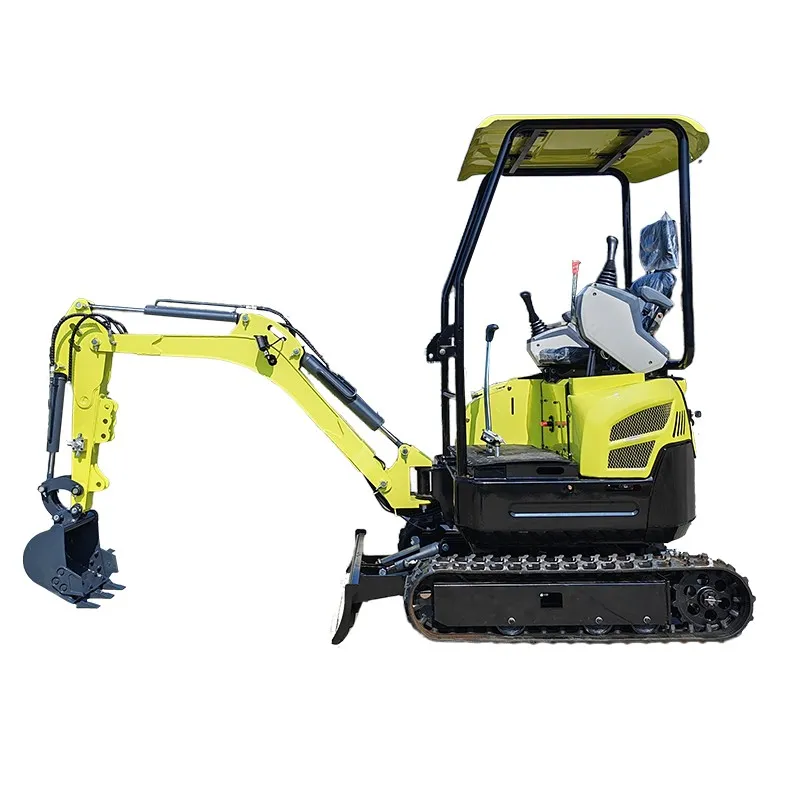
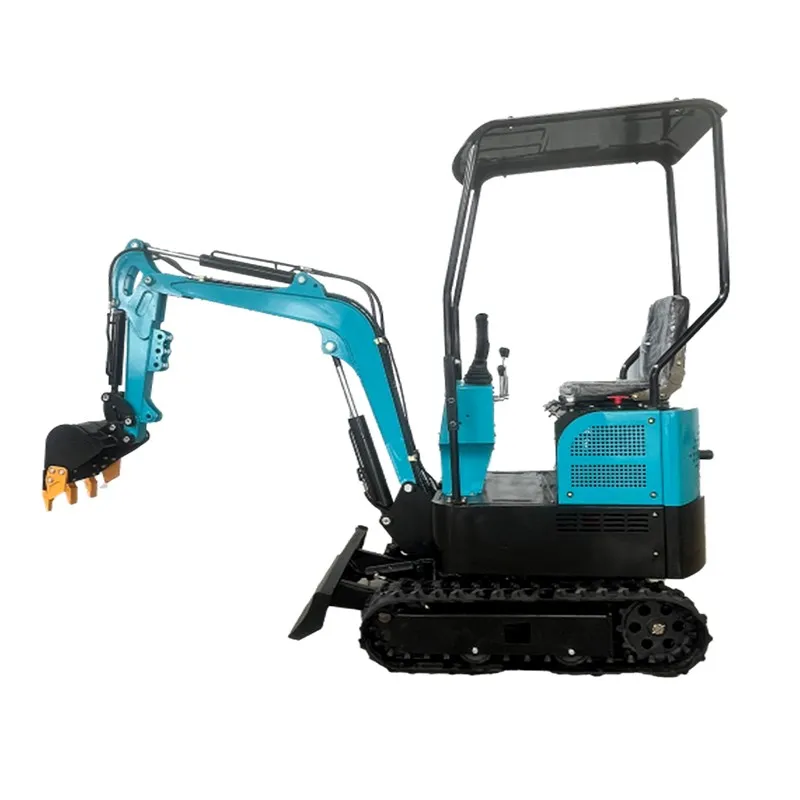
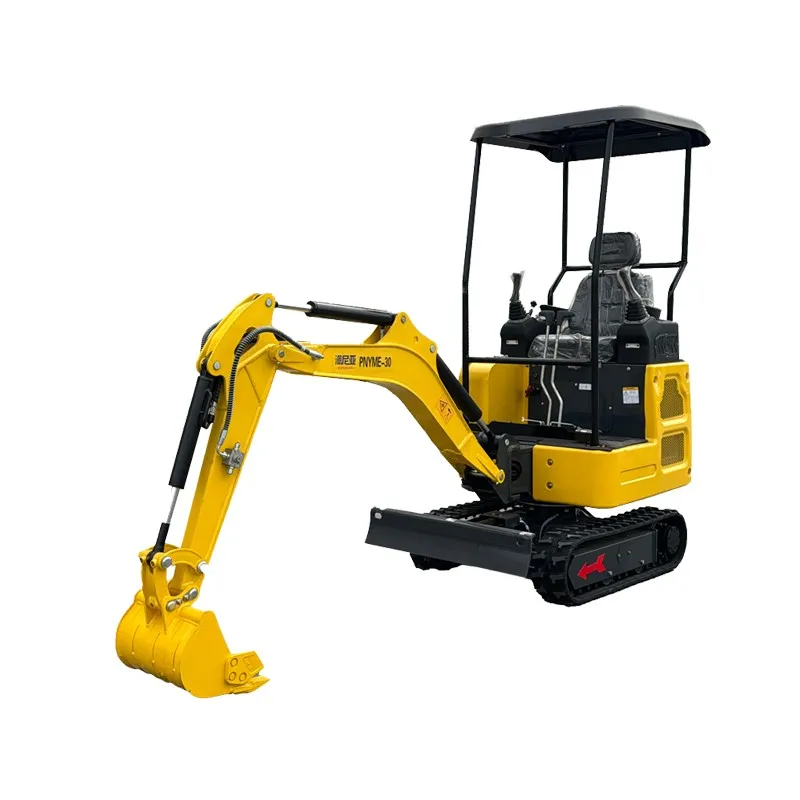
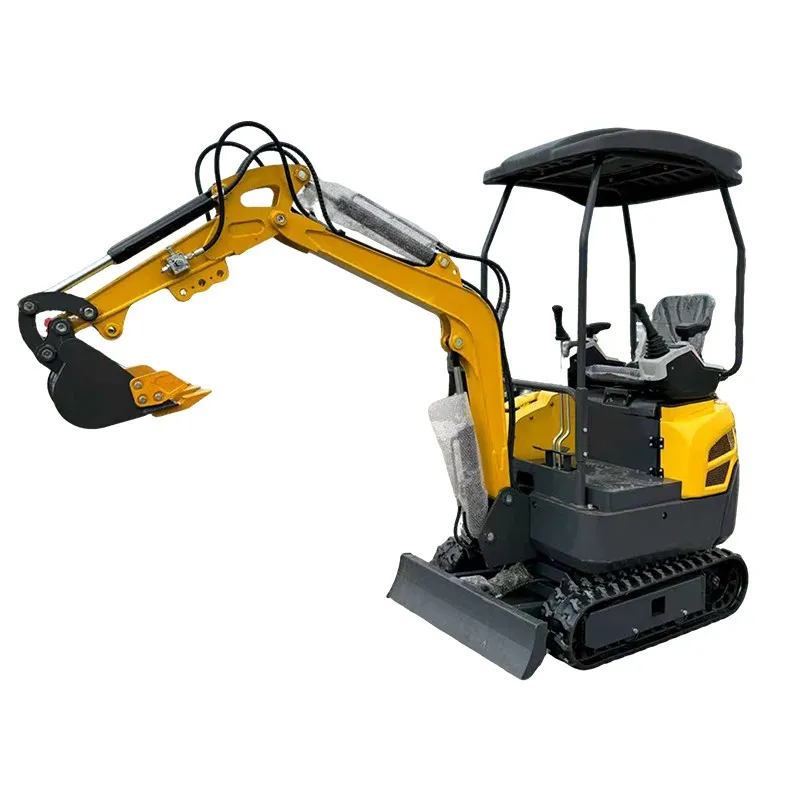
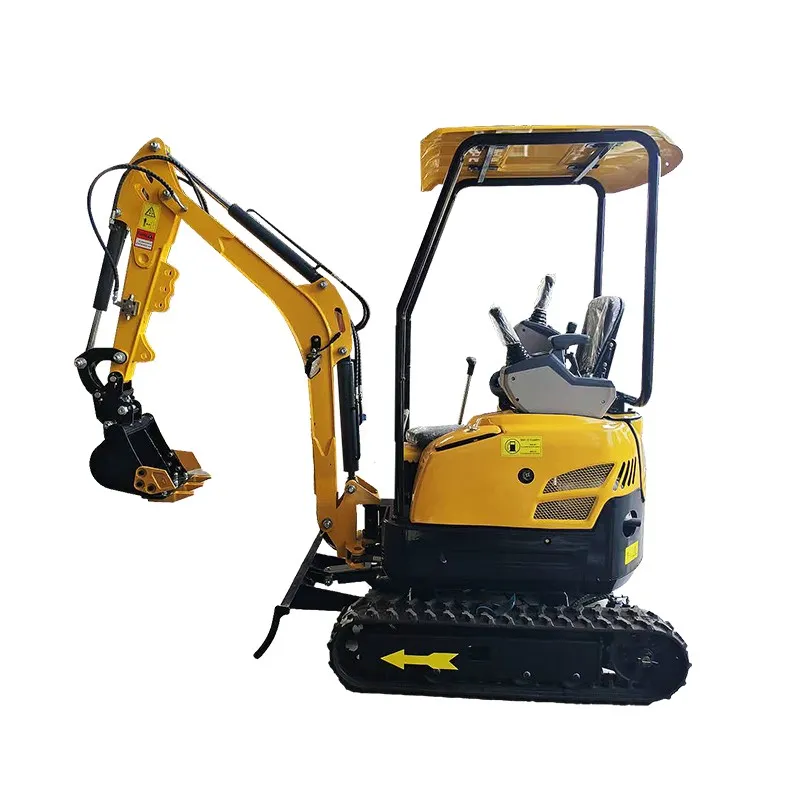
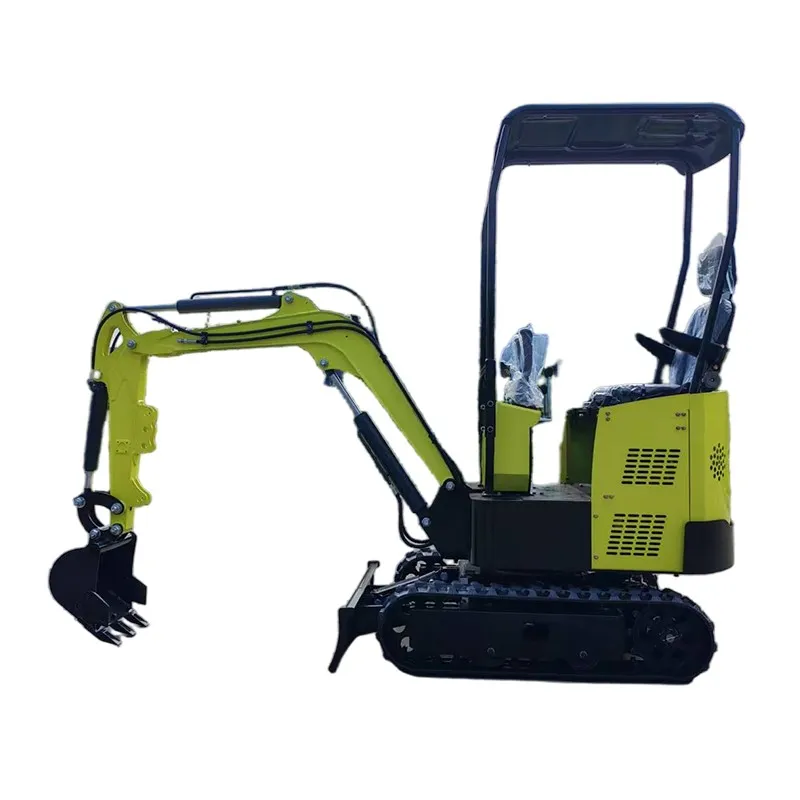
When most folks hear 'micro crawler excavator', they picture a cute, tiny machine for backyard ponds. That's the first misconception. The real value isn't just in size—it's in access and precision. I've seen too many projects waste time trying to force a mini excavator into a space where only a true micro crawler, with its low ground pressure and articulated tracks, could work without tearing up the client's existing landscaping or flooring.
The Anatomy of a True Micro Crawler
Let's break down what separates a proper unit from a glorified toy. The undercarriage is everything. We're talking about a track width often under 400mm, but with a drive system robust enough to handle slight inclines and debris. The ones that fail prematurely usually cut corners here, using chain drives instead of direct hydraulic motors. I remember a model from early 2010s—won't name the brand—that constantly threw tracks in muddy conditions because the sprocket design was an afterthought.
The second critical point is the hydraulic flow. A genuine micro crawler excavator needs proportional control, not just on/off. You're often working inches from foundations or underground utilities. The joystick response needs to be feather-light. I've operated machines where you breathe on the lever and the bucket jerks; that's a liability, not a tool. The best setups I've used have adjustable flow rates, allowing you to dial down the sensitivity for fine grading or pipe bedding.
Then there's the counterweight. It seems trivial, but on a sub-1-ton machine, the weight distribution is a constant battle. Too light in the rear, and you'll tip forward when lifting a full bucket of damp soil. Too heavy, and you lose the primary advantage of being lightweight for trailer transport. Manufacturers like Shandong Pioneer Engineering Machinery Co., Ltd have iterated on this balance. Checking their specs on https://www.sdpioneer.com, you can see their focus on a low-profile design that maintains stability without bulking up the tail swing radius—crucial for indoor demolition.
Real-World Applications and Pain Points
Everyone talks about basement dig-outs and pool installations. That's standard. The more interesting applications are in urban utility repair and historical renovation. We used a micro crawler excavator to replace a collapsed sewer line under a 100-year-old brick walkway. The access point was a side gate only 750mm wide. A wheeled machine was out of the question. The crawler's ability to 'tuck in' its tracks and pivot on the spot saved the client thousands in potential masonry repair.
But it's not all success stories. The biggest operational headache is maintenance access. These machines are packed tight. Changing a hydraulic hose on the boom cylinder might require disassembling half the cab shroud. I've spent more time on my back with a flashlight than I care to admit. Newer models are getting better, but it's a trade-off with the compact envelope. When evaluating a machine, I always ask for the maintenance manual first. If the oil filter change looks like a puzzle, I walk away.
Another often-overlooked detail is attachment compatibility. The auxiliary hydraulics circuit needs enough pressure and flow to run a hydraulic breaker or a compact auger effectively. Many cheaper models advertise attachment-ready but can't sustain the flow, causing the attachment to stall and hammer the machine's hydraulic system. It leads to premature pump failure. It's a lesson learned from a costly repair job back in 2018.
The Manufacturing Evolution and Global Fit
The market has shifted significantly. Two decades ago, you had a few dominant Japanese and European brands. Now, manufacturers from China's Shandong province, a major industrial hub, have entered the space with serious engineering. Take the company behind https://www.sdpioneer.com, Shandong Pioneer Engineering Machinery Co., Ltd. Established in 2004, they've moved through the typical evolution: starting with simpler designs, learning from field failures, and now producing units that meet stringent demands in markets like Germany and Australia. Their longevity—20 years in development—suggests an accumulation of practical know-how, not just assembly line production.
This global export focus, as noted in their background, forces a different design philosophy. A machine for the US market needs different certifications (EPA, for instance) and often a different cooling capacity than one for Canada. The fact that their products are trusted in these regions indicates an adaptation to diverse operational standards and safety regulations. It's not just about making a small digger; it's about making a reliable one that a contractor in Melbourne or Munich can put through a 2,000-hour work year without major downtime.
Their recent relocation in 2023 to a new facility in Tai’an likely points to scaling up production and R&D. In this industry, a factory move is rarely just about space; it's about integrating more automated precision manufacturing for critical components like valve blocks and track frames. This directly impacts the end-user through better component consistency.
Operator Experience: The Human-Machine Interface
No amount of spec-sheet brilliance matters if the machine is miserable to operate for 8 hours. Seat placement, control layout, and visibility are paramount. In a micro machine, you're essentially sitting on top of the engine compartment. Vibration damping is critical. I've operated models where my feet went numb after an hour from high-frequency vibration transmitted through the floor pan.
Climate is another factor. A basic canopy might be fine, but a fully enclosed cab with functional heat and AC on a micro crawler excavator is a game-changer for productivity in seasonal climates. It's an option many skip to save cost, but it directly affects daily output. I've seen operators cut days short in winter because they couldn't feel their fingers, not because the machine failed.
The digital display is becoming a new frontier. Simple fault codes for low hydraulic fluid or a clogged air filter can prevent minor issues from becoming major breakdowns. The best systems are intuitive—a pictogram of an excavator with a flashing segment pointing to the problem area. The worst are just generic error numbers that require a manual you never have on site.
Looking Ahead: The Niche is Growing
The future for these machines isn't necessarily about getting smaller or more powerful. It's about getting smarter and more versatile. We're starting to see prototypes with electric drive systems, offering zero local emissions for indoor work—a massive advantage for air quality in confined spaces. The challenge is battery runtime and the sheer weight of the battery pack, which messes with that delicate weight balance I mentioned earlier.
Another trend is enhanced stability systems. Some high-end models now have tilt sensors that automatically slow swing functions when the machine is on a slope, preventing a novice operator from getting into a dangerous situation. It's a welcome safety feature, though purists might argue it removes some control.
Ultimately, the micro crawler excavator has cemented its place as a specialist's tool. It's not a replacement for a 3-ton mini excavator, but a complement for the jobs where access defines the project's feasibility. For companies that have stuck with the engineering through years of iteration, like the teams behind brands exported globally from Shandong, the focus seems to be on refining reliability and operator ergonomics. That's the right path. Because on a tight site, with a client watching, the machine needs to be an extension of the operator's intent—smooth, precise, and utterly dependable. That feeling, when you finish a delicate task without a scratch on the surroundings, is where the real value of this equipment is proven.
Related Products
Related Products