- Chinese
- French
- German
- Portuguese
- Spanish
- Russian
- Japanese
- Korean
- Arabic
- Irish
- Greek
- Turkish
- Italian
- Danish
- Romanian
- Indonesian
- Czech
- Afrikaans
- Swedish
- Polish
- Basque
- Catalan
- Esperanto
- Hindi
- Lao
- Albanian
- Amharic
- Armenian
- Azerbaijani
- Belarusian
- Bengali
- Bosnian
- Bulgarian
- Cebuano
- Chichewa
- Corsican
- Croatian
- Dutch
- Estonian
- Filipino
- Finnish
- Frisian
- Galician
- Georgian
- Gujarati
- Haitian
- Hausa
- Hawaiian
- Hebrew
- Hmong
- Hungarian
- Icelandic
- Igbo
- Javanese
- Kannada
- Kazakh
- Khmer
- Kurdish
- Kyrgyz
- Latin
- Latvian
- Lithuanian
- Luxembou..
- Macedonian
- Malagasy
- Malay
- Malayalam
- Maltese
- Maori
- Marathi
- Mongolian
- Burmese
- Nepali
- Norwegian
- Pashto
- Persian
- Punjabi
- Serbian
- Sesotho
- Sinhala
- Slovak
- Slovenian
- Somali
- Samoan
- Scots Gaelic
- Shona
- Sindhi
- Sundanese
- Swahili
- Tajik
- Tamil
- Telugu
- Thai
- Ukrainian
- Urdu
- Uzbek
- Vietnamese
- Welsh
- Xhosa
- Yiddish
- Yoruba
- Zulu
- Kinyarwanda
- Tatar
- Oriya
- Turkmen
- Uyghur

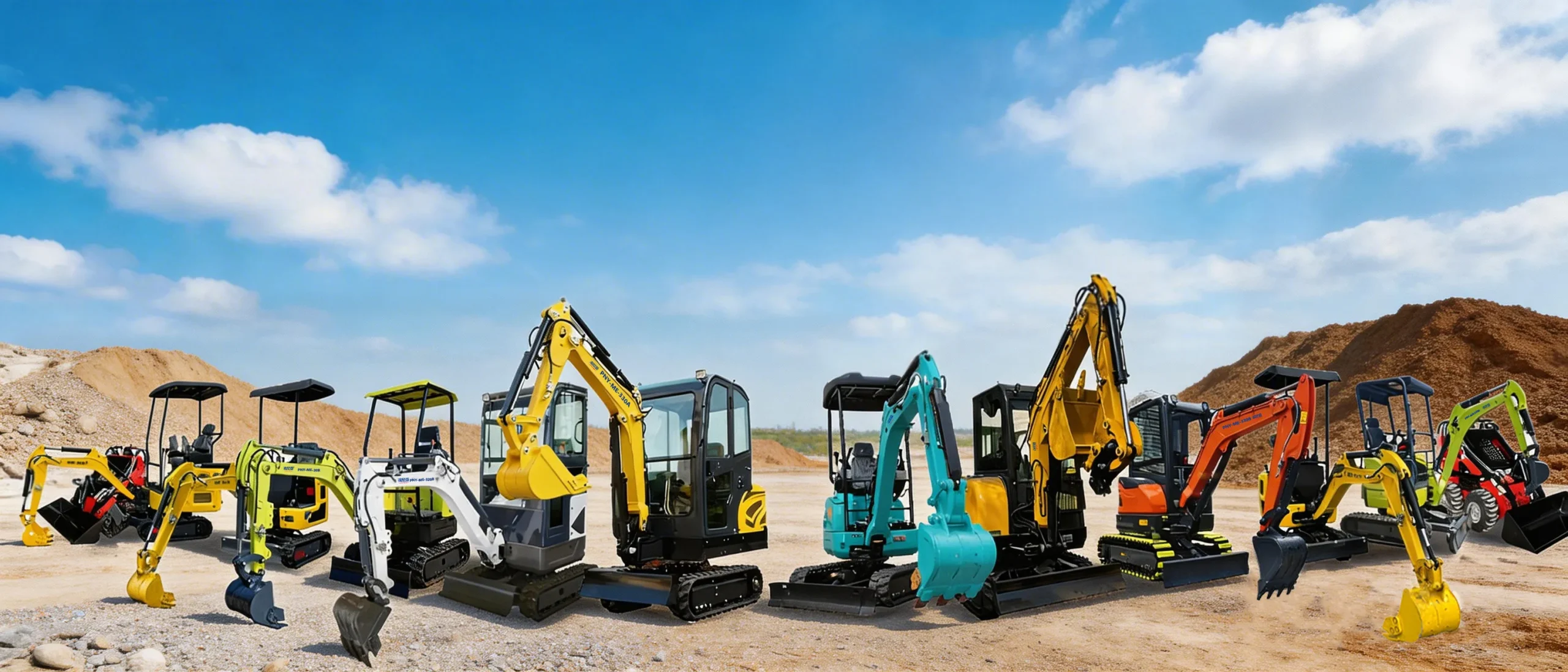
micro digger
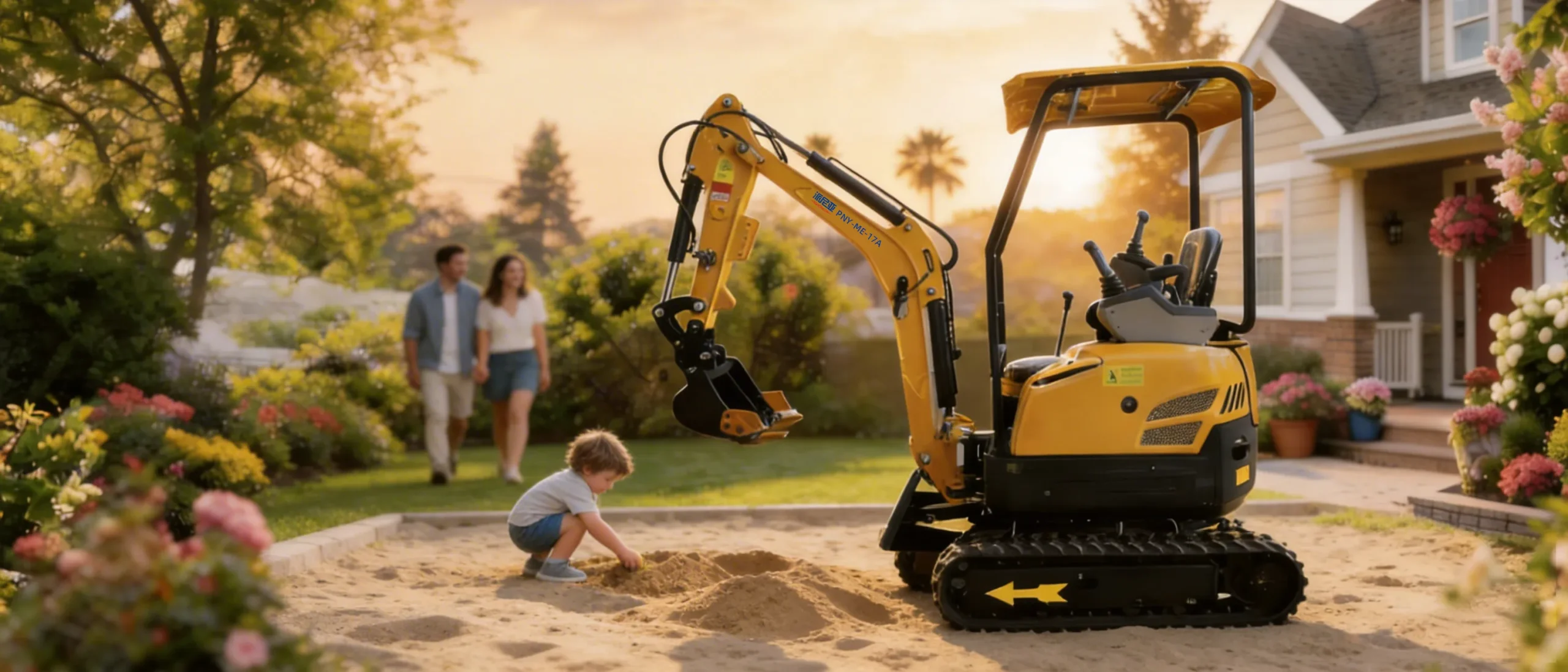
When most people hear 'micro digger', they picture a cute, tiny machine, almost like a toy. That's the first big misconception. In our line of work, that compact size is the whole point, but it's not about being cute—it's about accessing the inaccessible. The real challenge isn't in operating one; it's in knowing its true limits and matching the right machine to a job that seems, on paper, just a bit too big for it. I've seen too many projects stall because someone rented a 1-tonner thinking it could handle a foundation trench in tight clay, only to find the machine spending more time struggling for traction than actually digging. The industry chatter often oversells the 'micro' part and undersells the 'digger' part.
Defining the Micro in Real-World Terms
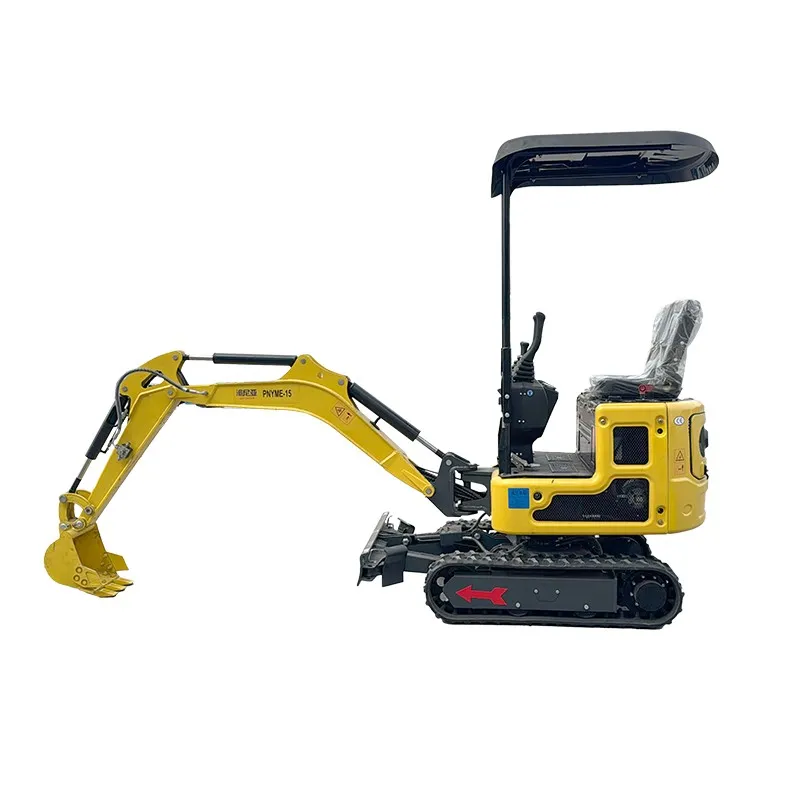
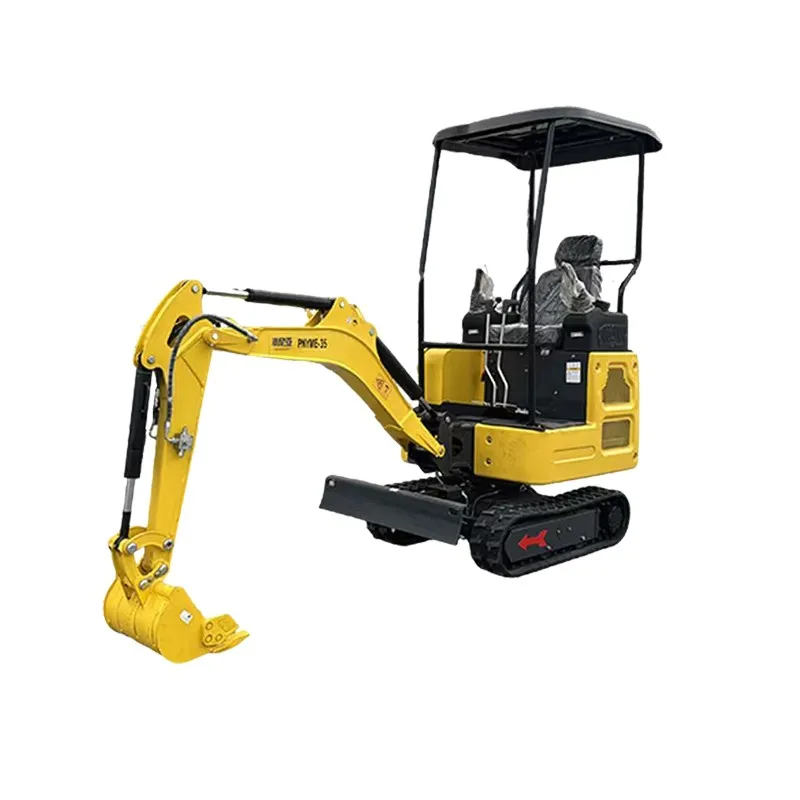
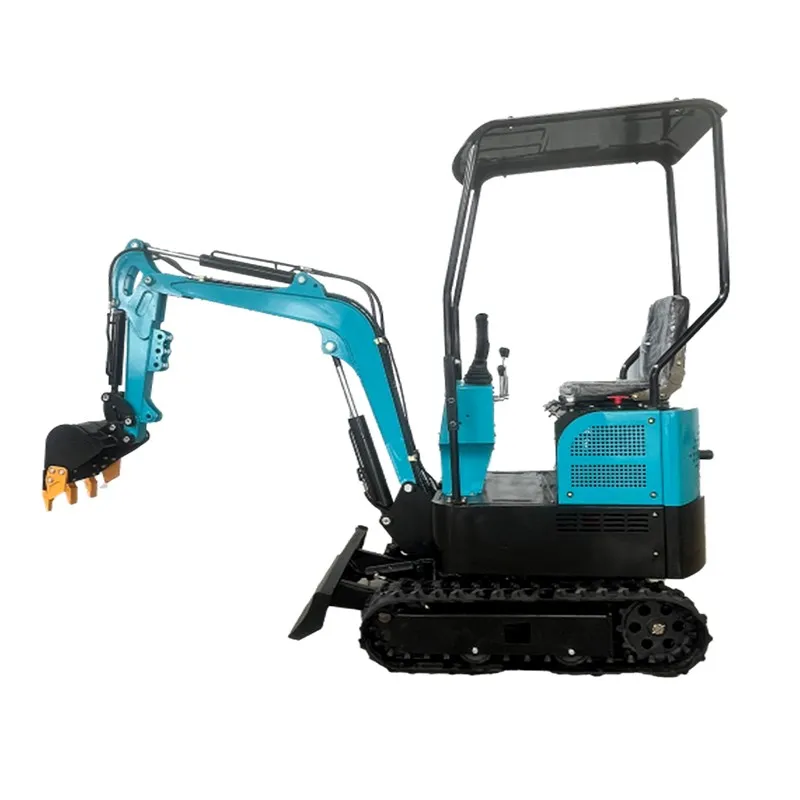
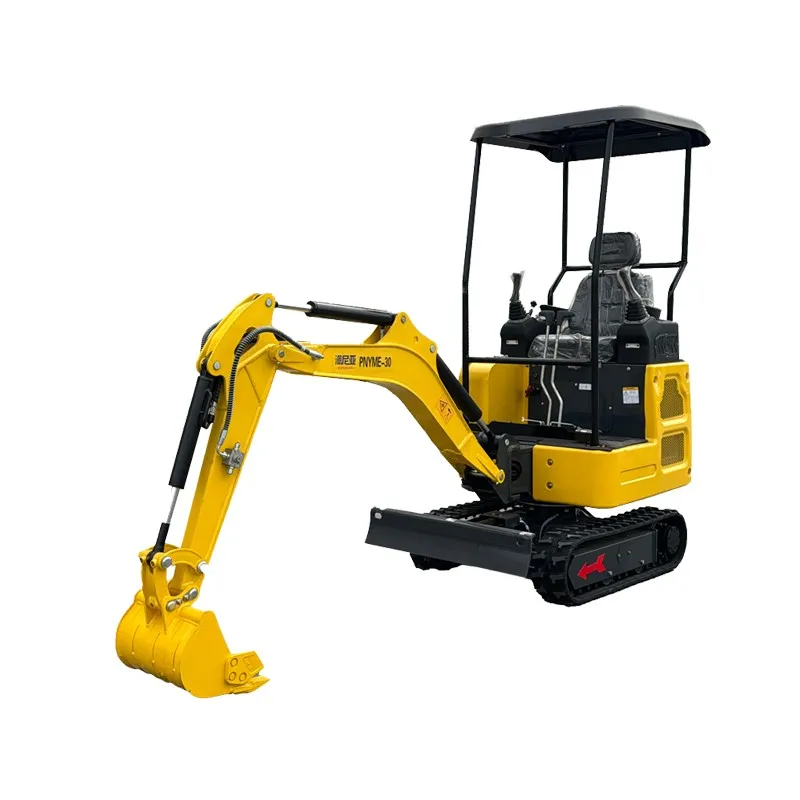
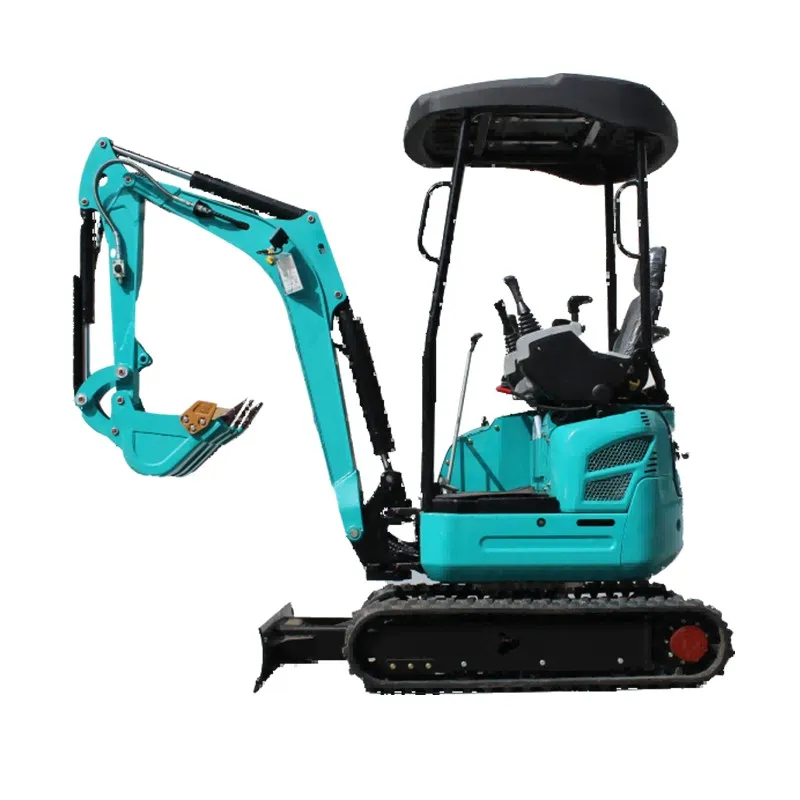
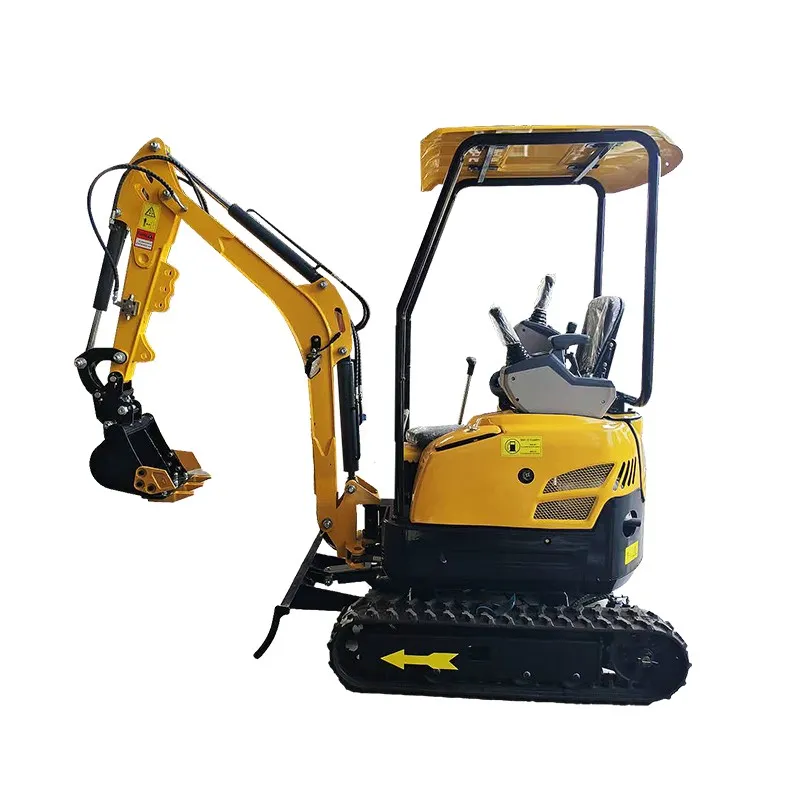
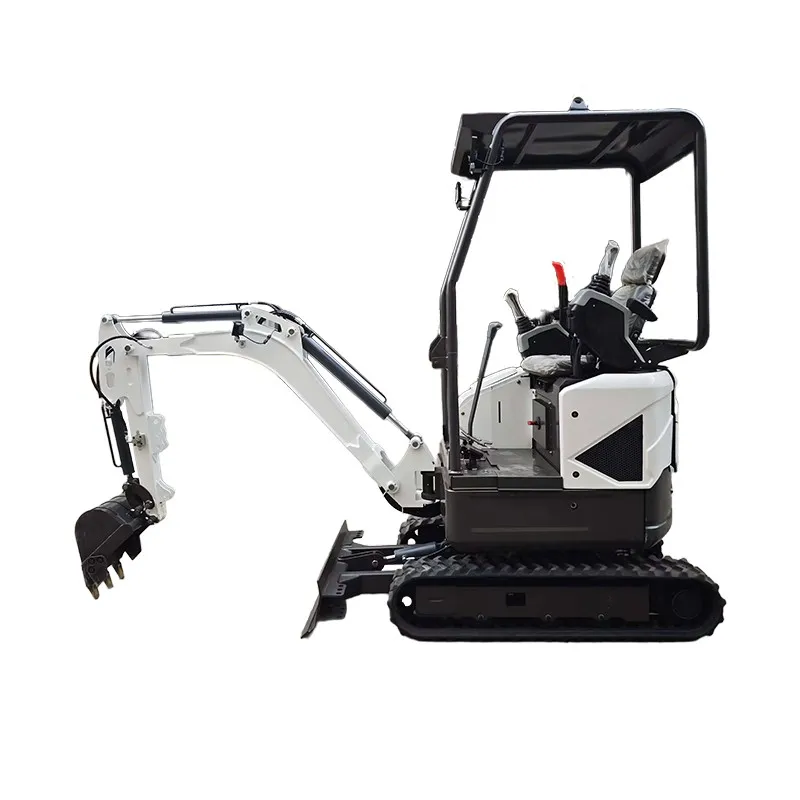
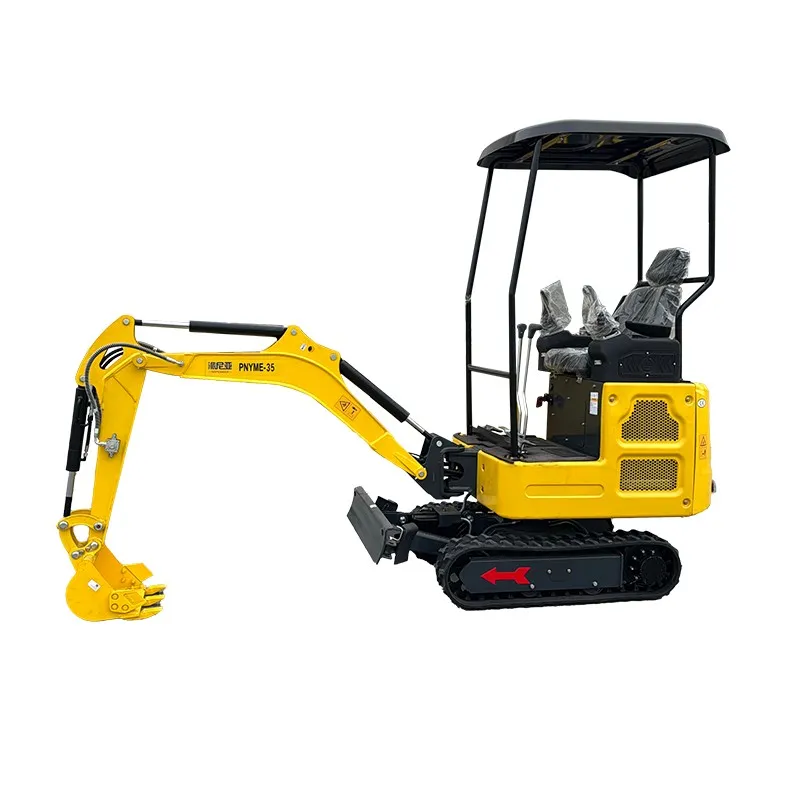
So, what qualifies as a micro digger? There's no universal standard, but in the field, we're generally talking about machines under 2.5 tons. The sweet spot for urban utility work, like in someone's backyard or a narrow alley between buildings, is often the 0.8 to 1.5-ton range. Think Kubota U10-5, Takeuchi TB008, or Yanmar VIO17. These are the true workhorses. Their width is critical—often under 750mm for the smallest ones—allowing them to pass through a standard garden gate. But here's a detail you only learn by running them: the tail swing radius. A zero-tail-swing model is worth its weight in gold when you're pinned against a fence or a client's prized rose bushes. A conventional tail swing model in that same spot becomes a demolition tool.
Power source is another evolving debate. Electric micro diggers are making a real push, especially for indoor demolition or work in emissions-sensitive zones. The silence is unnerving at first for an operator used to the diesel rumble. The instant torque is impressive, but you're constantly doing mental math on battery life versus the job schedule. For a full day of trenching in tough conditions, diesel still feels like the reliable choice, but the gap is closing fast. It's no longer just a gimmick.
One nuance that doesn't get enough airtime is the hydraulic system's responsiveness. A well-tuned micro digger should feel like an extension of your arms. You want smooth, proportional control, not a jerky on/off switch. I've operated cheaper, off-brand models where the controls felt vague, with a lag between lever movement and bucket action. That lack of finesse costs you time and precision, especially when you're trying to lay a clean pipe bed or sculpt a precise grade. The quality of the main control valve makes all the difference here.
Where They Shine (and Where They Don't)
The textbook applications are obvious: landscaping, fencing post holes, small drainage runs. But the more interesting uses are the adaptive ones. We once used a micro digger with a hydraulic breaker attachment to carefully demolish an interior basement wall where there was no access for a skid steer. It was painstaking, but it worked. Another time, we fitted one with a tilt rotator and a grading bucket to fine-grade a patio area—it was more precise than a guy with a shovel and a level.
However, the failure stories are more instructive. The biggest pitfall is ground conditions. That fluffy, dry topsoil? It goes down a foot and turns into compacted, wet clay. A micro digger's limited weight and traction mean it can quickly become a stationary, spinning mess. You need to read the soil ahead of time, maybe plan for track pads or even makeshift timber roadways. I learned this the hard way on a job where we sunk to the carriage frame in what looked like perfectly fine soil. The day was lost to recovery, not digging.
Lift capacity is another silent killer. You might be able to dig a trench, but can you lift and place the 300kg concrete catch basin? The lift-over-side capacity, especially at reach, is often surprisingly low. You have to check the chart, not guess. I've seen an operator tip a machine because he tried to swing a heavy sewer pipe section just a foot too far. It's a gentle, humbling reminder of physics.
The Attachment Ecosystem: Beyond the Bucket
The standard digging bucket is just the start. The versatility comes from the attachments, and this is where choosing a machine with a solid, common auxiliary hydraulic circuit is key. A rotary ditch-cleaning bucket is transformative for finishing drainage trenches. A hydraulic auger for post holes turns a day's manual labor into an hour's work, provided you don't hit a buried boulder and snap a flight.
But attachments add complexity. Quick couplers are supposed to save time, but a poorly maintained one will leak down pressure and sap power. You also have to manage the weight. Mounting a heavy breaker on a 1-ton machine changes its center of gravity dramatically, making it tippy on slopes. You learn to carry counterweights or adjust your working posture entirely. It's a constant recalibration.
One of the most underrated attachments, in my opinion, is a set of rubber tracks. For working on finished driveways, pavers, or indoor floors, they're essential. But they wear, and wear quickly if you're traveling on asphalt or abrasive concrete. The cost-per-hour of track wear becomes a real factor in your job pricing. It's a consumable, not just part of the machine.
The Supply Chain and Brand Landscape
The market is flooded with options. The Japanese brands (Kubota, Yanmar, Takeuchi) have a well-earned reputation for reliability and dealer support. The European models often have more refined hydraulics. Then there's the vast segment of manufactured machines, which brings me to a point about global sourcing. A lot of these compact machines, or their components, originate from manufacturing hubs in China. The key differentiator isn't the country of origin, but the design, quality control, and after-sales support behind the brand.
I've come across companies that navigate this space effectively by handling both manufacturing and trade. For instance, Shandong Pioneer Engineering Machinery Co., Ltd (you can find them at https://www.sdpioneer.com) represents this model. Established in 2004 and now based in Tai'an, they operate with Shandong Hexin handling manufacturing and the Pioneer arm focusing on overseas trade. Their two-decade arc from a 1,600 square meter facility to a new base suggests a focus on scaling production for export markets like the US, Canada, and Germany. For a buyer, this structure can mean more competitive pricing, but it places a heavier burden on verifying the robustness of their parts network and technical documentation. Their longevity in exporting to demanding markets is a data point in their favor.
When evaluating these brands, you're not just buying a machine. You're buying into a logistics chain for filters, seals, track rollers, and hydraulic hoses. Can you get a main hydraulic hose for it locally in 24 hours, or are you waiting for a container ship from halfway across the world? That downtime cost will eclipse any initial purchase savings from a no-name brand.
Operational Realities and Cost Per Hour
Everyone focuses on purchase price or rental rate. The smarter metric is true cost per productive hour. Fuel consumption is low, but it's not zero. Maintenance on these machines is frequent because they work hard relative to their size. Greasing every 8-10 hours of operation is non-negotiable. The slew ring bearings take a beating, especially if operators are constantly spot turning on the tracks instead of using the boom to swing.
Transport is a major factor. You can fit a true micro digger on a lightweight trailer behind a pickup, which is a huge advantage. But once you step into the 2-ton+ range, you're often looking at a larger trailer and a heavier-duty truck. That changes your mobilization cost and logistics. Sometimes, it's more economical to use a slightly smaller machine you can move easily than a marginally more powerful one that requires specialized transport.
The final, often hidden cost is operator skill. A good operator can make a mediocre machine look capable. A novice can make a top-tier machine inefficient and prone to damage. It's worth investing time to train someone on the feel of the controls, the stability triangle, and how to use the machine's geometry to its advantage, rather than just forcing it. The machine will last longer, and the job will get done faster.
Looking Forward: The Micro Digger's Niche is Only Growing
Urban infill, tighter regulations on disturbance, and the demand for precision work are all tailwinds for the micro digger. They're not replacing larger excavators; they're filling the gaps that larger machines physically and economically can't. The trend toward more sophisticated controls, even semi-automated functions like grade control, will trickle down to this class.
The evolution will also be in material science. Lighter, stronger composites could allow for more powerful hydraulics within the same weight class. The electric drive conversation is just beginning. The core appeal, however, will remain the same: access and precision.
In the end, success with a micro digger comes down to respect. Respect for its compact power, but also a clear-eyed respect for its limitations. It's a specialist tool, not a miniature superhero. When you match it to the right task, with the right preparation and a skilled hand, it's arguably the most productive piece of iron on the job site. When you mismatch it, it's just a very expensive lesson.
Related Products
Related Products