- Chinese
- French
- German
- Portuguese
- Spanish
- Russian
- Japanese
- Korean
- Arabic
- Irish
- Greek
- Turkish
- Italian
- Danish
- Romanian
- Indonesian
- Czech
- Afrikaans
- Swedish
- Polish
- Basque
- Catalan
- Esperanto
- Hindi
- Lao
- Albanian
- Amharic
- Armenian
- Azerbaijani
- Belarusian
- Bengali
- Bosnian
- Bulgarian
- Cebuano
- Chichewa
- Corsican
- Croatian
- Dutch
- Estonian
- Filipino
- Finnish
- Frisian
- Galician
- Georgian
- Gujarati
- Haitian
- Hausa
- Hawaiian
- Hebrew
- Hmong
- Hungarian
- Icelandic
- Igbo
- Javanese
- Kannada
- Kazakh
- Khmer
- Kurdish
- Kyrgyz
- Latin
- Latvian
- Lithuanian
- Luxembou..
- Macedonian
- Malagasy
- Malay
- Malayalam
- Maltese
- Maori
- Marathi
- Mongolian
- Burmese
- Nepali
- Norwegian
- Pashto
- Persian
- Punjabi
- Serbian
- Sesotho
- Sinhala
- Slovak
- Slovenian
- Somali
- Samoan
- Scots Gaelic
- Shona
- Sindhi
- Sundanese
- Swahili
- Tajik
- Tamil
- Telugu
- Thai
- Ukrainian
- Urdu
- Uzbek
- Vietnamese
- Welsh
- Xhosa
- Yiddish
- Yoruba
- Zulu
- Kinyarwanda
- Tatar
- Oriya
- Turkmen
- Uyghur


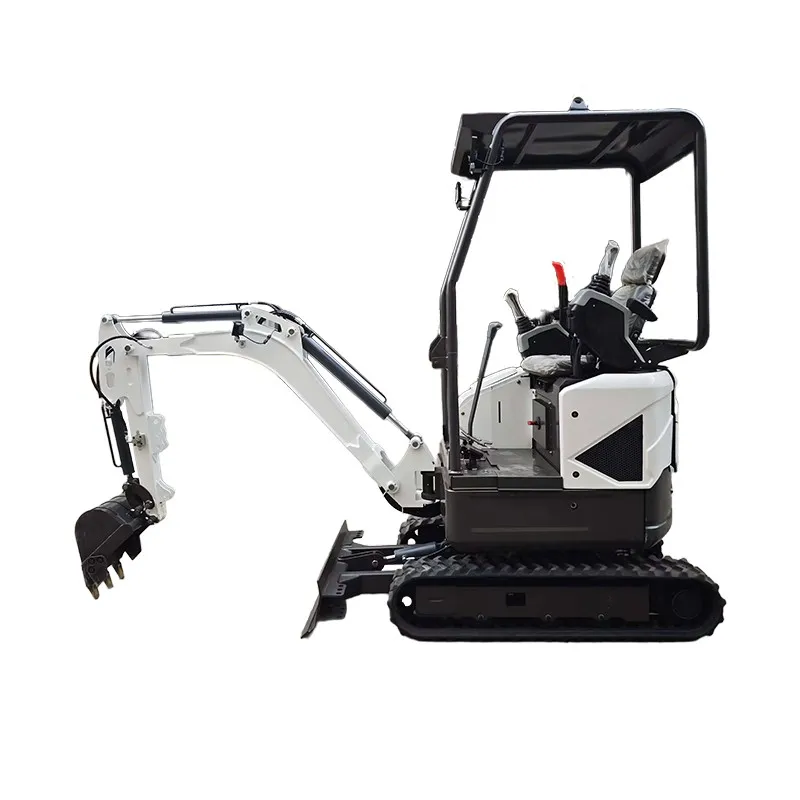
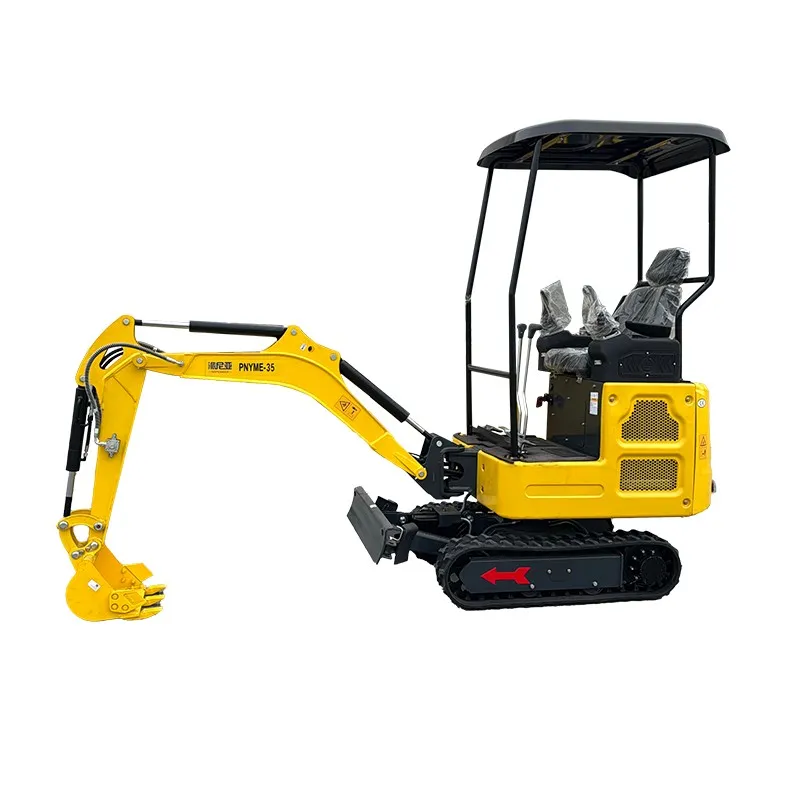
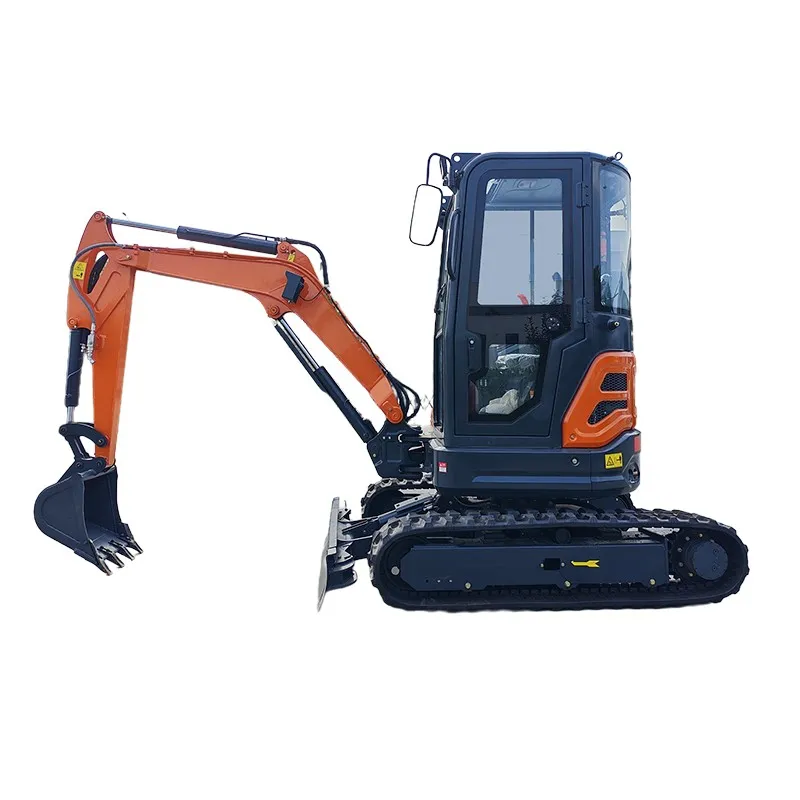
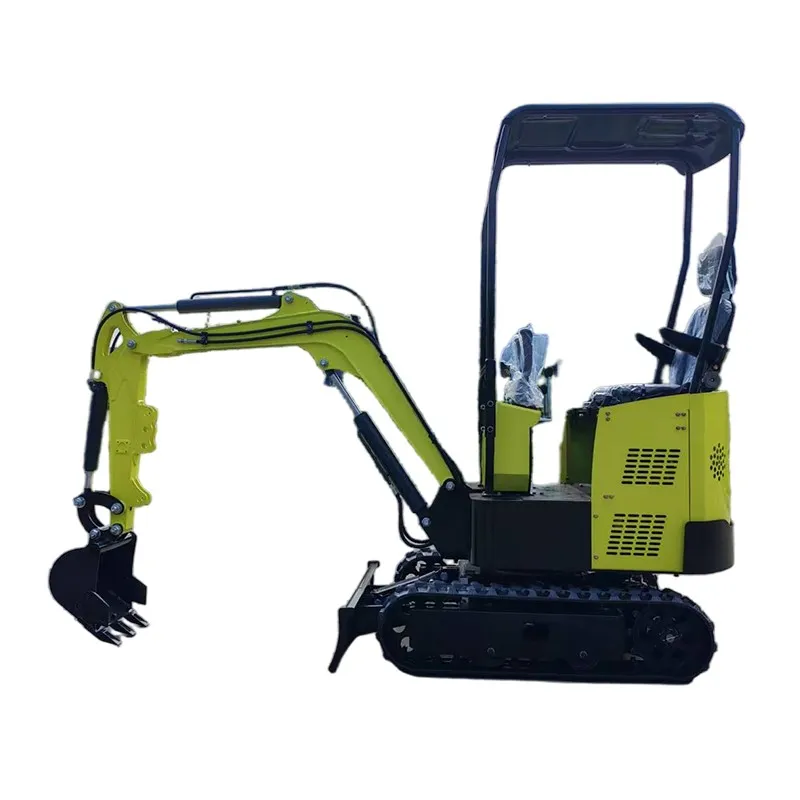
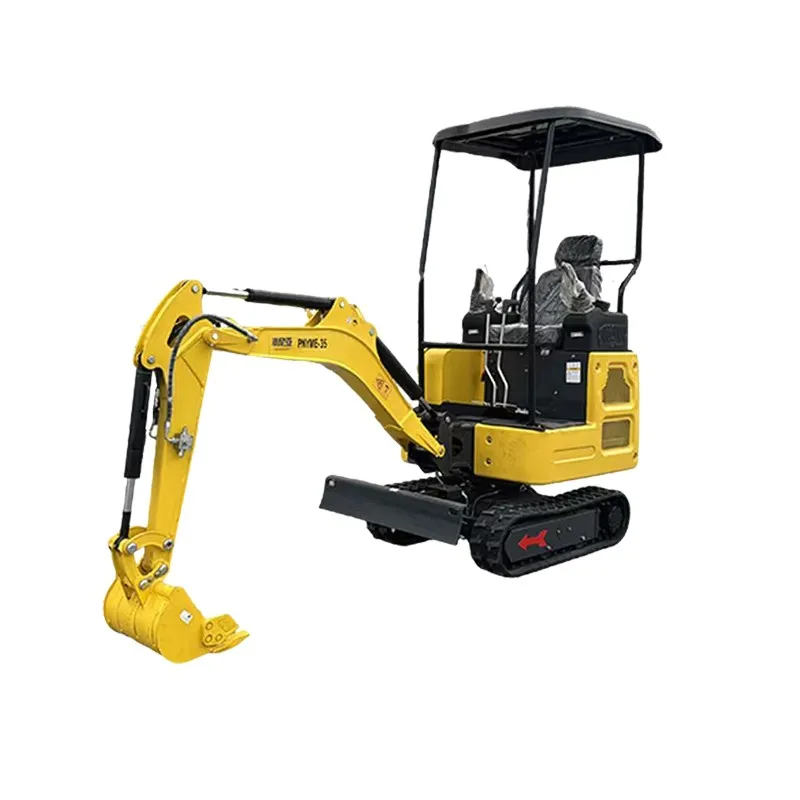
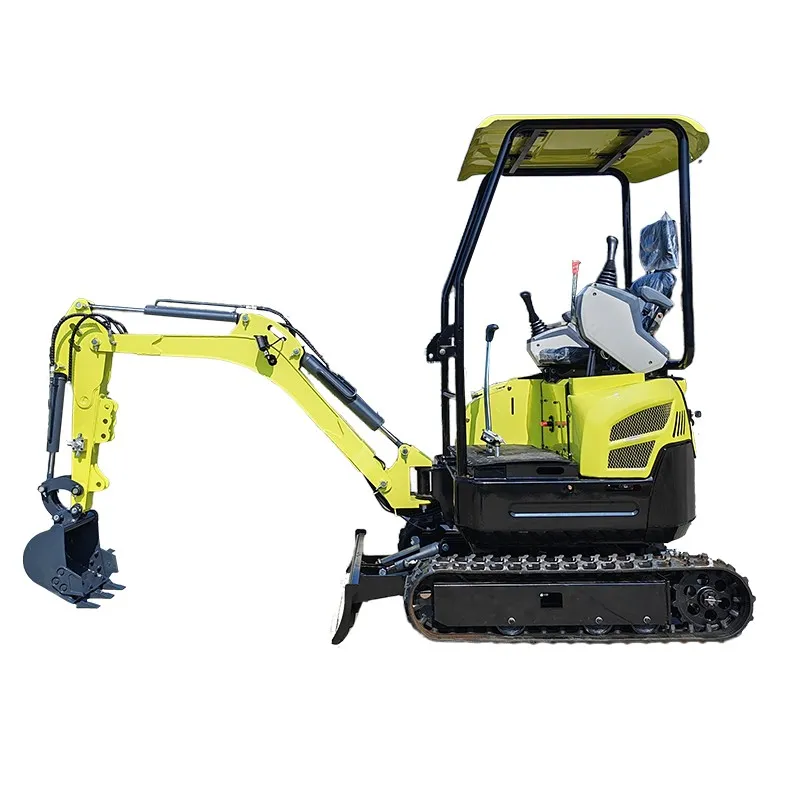
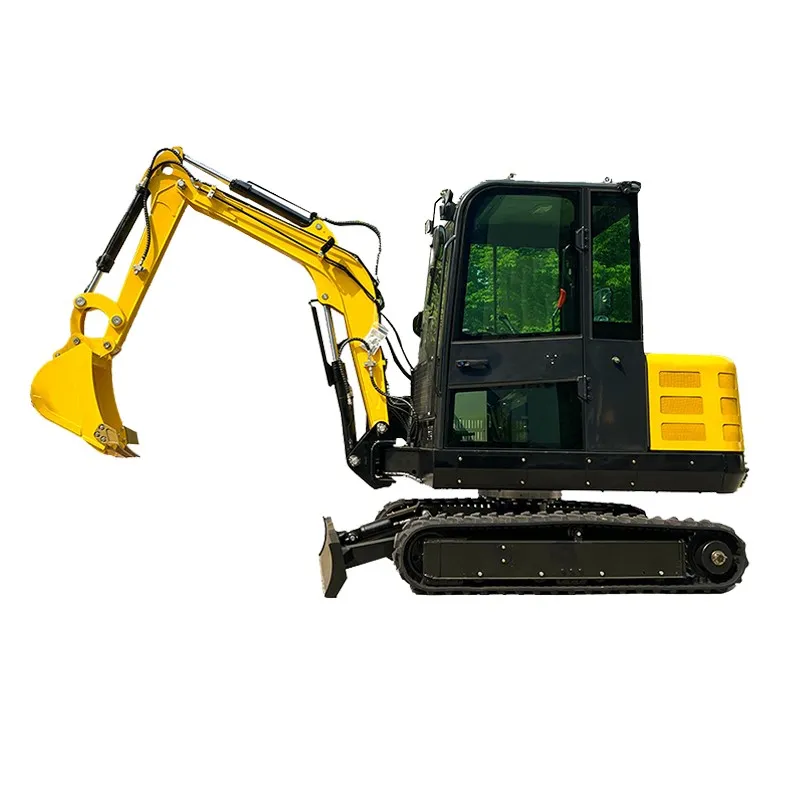
micro mini excavator
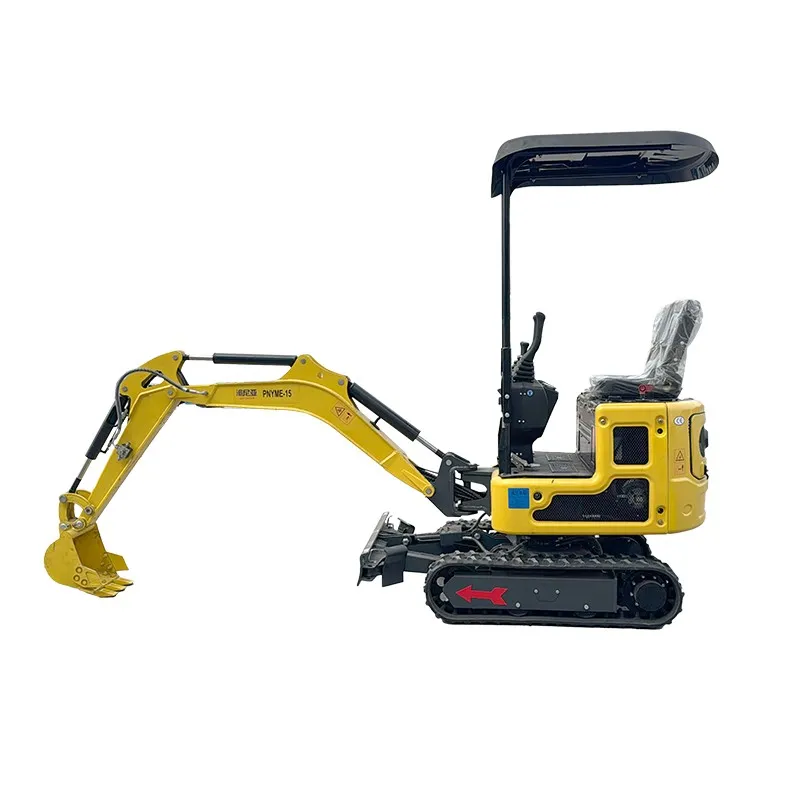
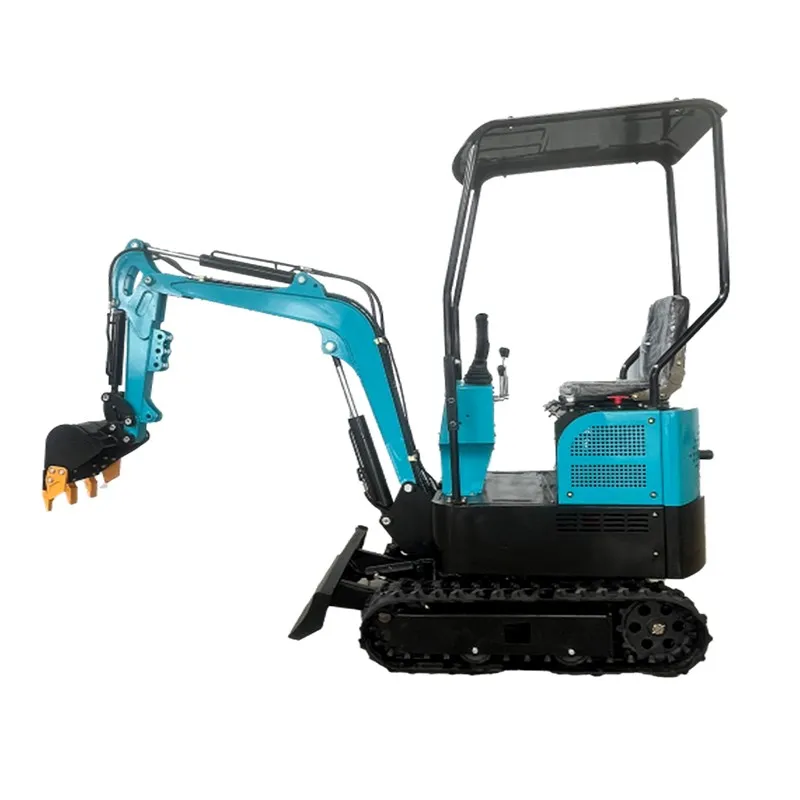
You see 'micro mini excavator' and think 'toy', right? That's the first mistake. It's not about size, it's about access. I've seen guys try to force a 1.8-ton machine into a backyard where a true 800kg micro would've danced through the gate. The industry blurs the lines, calling anything under 2 tons 'mini', but the real micros, the sub-1-tonners, are a different beast entirely.
The Weight Class Game
It's all about the transport and the terrain. A true micro, like the sub-800kg models, you can toss on a decent trailer behind a pickup. No CDL, no major hassle. The moment you creep past that 1000kg mark, logistics change. You're thinking about trailer brakes, truck capacity. On site, that few hundred kilos is the difference between tracking over a finished patio without leaving a dent and having to explain compression cracks to a furious homeowner. I learned this the hard way on a garden renovation in Bristol. Used a 1.5-ton machine, marketed as 'compact'. Got it in, but the turf repair bill afterwards ate half the job's profit. The client's prized lawn looked like a tank had practiced maneuvers.
That's where specs get deceptive. You'll see a machine listed at 950kg. But is that shipping weight? Operating weight? With the standard bucket? Always, always check the operating weight with a full tank and a common attachment. That 950kg can become 1150kg real quick. I tend to stick with models that are upfront about this, ones built by factories that get the niche. There's a Chinese exporter, Shandong Pioneer Engineering Machinery Co., Ltd, that's been around since 2004. They don't just slap 'micro' on everything. Looking at their range on sdpioneer.com, you can see a clearer delineation. They have their true micros, and then their larger minis. It shows an understanding of the market segments—the guys digging French drains in tight suburbs versus the guys doing small foundation work.
The undercarriage is another giveaway. On a real micro mini excavator, you'll often see a mono-frame. It's simpler, lighter, cheaper to maintain. The bigger 'minis' start incorporating X-frames for more rigidity on tougher ground. For probably 80% of residential work—trenching for irrigation, digging out old ponds, planting small trees—the mono-frame is fine. You're not mining rock. But try to use that same machine to consistently break through compacted clay or old construction fill, and you'll feel the frame twist. It's a specific tool for a specific job.
Attachment Reality vs. Catalog Dreams
Everyone gets sold on the brochure. Hydraulic quick coupler, 20+ attachments! The reality is, the auxiliary hydraulic flow on most micros is limited. It's enough for a narrow trenching bucket, a hydraulic thumb (a game-changer, by the way), maybe a small auger. But you see a guy wanting to run a pavement breaker or a serious post driver? It's not happening. The system just doesn't have the GPM.
I remember sourcing a rotary tiller attachment for a landscaping job. The client wanted a vegetable bed area turned over. The specs said compatible. In practice, the micro's hydraulics could barely turn the tines under load in heavy soil. We ended up doing it by hand, which defeated the purpose of bringing the machine. Lesson: know your machine's actual flow rate (in liters per minute) and pressure (bar). Then, subtract about 15% for real-world efficiency loss, and then look at attachment requirements.
The bucket is where you live. The standard 12-inch digging bucket is useless for fine grading or clean-up. You need a ditching bucket, a grading bucket, and a clean-up bucket. Most micros come with a pin-on system, not a quick coupler. Swapping them is a 10-minute job with a hammer and punch. It's a pain, but it's the reality. Investing in a hydraulic coupler is worth it if you're changing tools more than twice a day. The savings in labor time and frustration pay for it fast. Companies that offer these as factory-fit options, rather than purely aftermarket add-ons, tend to have better-integrated hydraulic circuits. It's a sign of thoughtful design, not just assembly.
The Powerplant: Diesel or Electric?
The diesel vs. electric debate is getting real. For years, diesel was the only answer. Reliable, torquey, simple. But noise and emissions regulations in urban areas are tightening. I've been kicked off sites at 7 AM because the neighbor complained about the 'racket'. Electric micros are creeping in. The instant torque is impressive, and they're almost silent. But the runtime anxiety is real. Can it last a full 8-hour shift on a single charge if you're working it hard? Probably not. They're perfect for half-day indoor jobs, greenhouses, or sensitive areas.
The maintenance angle is huge. A diesel micro, say a Kubota or a Yanmar-powered unit, needs regular fluid changes, filter replacements, DPF care if it's Tier 4. An electric machine? Basically just greasing and checking battery connections. For a small operation without a dedicated mechanic, the appeal is obvious. The trade-off is upfront cost and potential downtime if the battery pack fails. It's not something you can fix with a wrench and a spare fuel filter on the truck.
I've seen some interesting hybrid approaches from manufacturers trying to bridge the gap. Small diesel gensets powering electric drive motors. It seems complicated, but it centralizes the power generation, making the actual excavator components simpler and potentially more reliable. It's a space to watch. The company I mentioned earlier, Shandong Pioneer, has been developing its product lines for two decades, originally based in Jining and now in a newer facility in Ningyang. That kind of longevity suggests they've iterated through engine trends and customer feedback from markets like the US and Germany, where regulations and job site demands push these evolutions.
On-Site Pragmatics: What Brochures Don't Tell You
Stability is an illusion on a micro. Even with the blade down, lifting a bucket full of wet dirt at full reach can get tippy. You learn to keep your loads light, to reposition the machine constantly. It's not a full-size excavator where you can plant and pivot. You're always dancing, using the blade as a third leg. The offset cab on many models is a blessing and a curse. Great visibility straight down the side, but it changes the center of gravity. A swing with a load feels different left-to-right versus right-to-left.
Transport damage is the silent killer. Those rubber tracks are tough but not indestructible. Dragging the machine up metal trailer ramps, especially if they're wet or angled poorly, can pinch and tear the rubber. I always use ramps with a good lip and, if possible, track mats. A set of torn tracks costs more than the profit from several small jobs. Similarly, the slew ring gets filled with grit and mud if you don't clean it out at the end of the day. It's a five-minute job with a pressure washer, but skip it for a week, and you'll hear the grind.
Finally, dealer and parts support. This is where the rubber meets the road. You can buy the cheapest micro mini excavator online, but if a hydraulic hose blows or a track tensioner fails, where do you get the part? How long does it take? A company with a long-term track record in export, like Shandong Pioneer which operates through its manufacturing arm Shandong Hexin and trade arm for overseas sales, typically has a more established parts pipeline. They've been shipping to places like Australia and Canada for years, which forces them to have a support structure. It's not perfect—there's always a wait for international shipping—but it's more reliable than dealing with a brand-new trading company that might disappear next year. Your machine is only as good as the spare part you can get in three days.
The Bottom Line: It's a Precision Scalpel
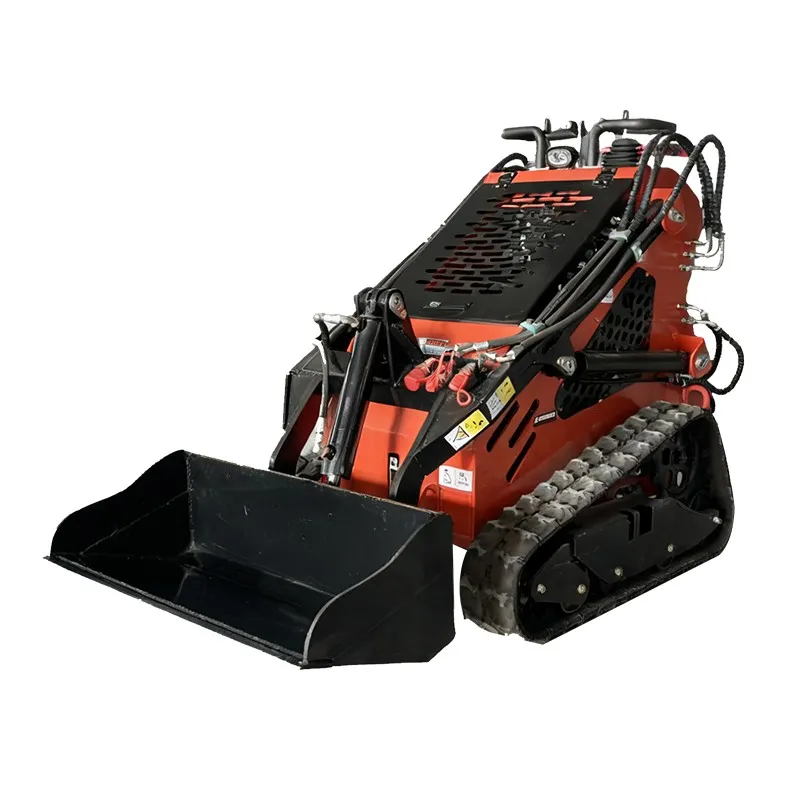
So, no, a micro mini excavator isn't just a small digger. It's a precision access tool. Its value isn't in moving massive amounts of dirt quickly—a skid steer will outpace it every time. Its value is in getting into spaces nothing else can, and doing work with a level of control that's almost surgical. You use it for the jobs where the biggest challenge isn't the digging, it's the not destroying everything around the dig site.
The market is flooded with options. The key is to match the machine's true capabilities—its real operating weight, its hydraulic flow, its physical dimensions—to the 90% of the work you actually do. Ignore the fantasy attachment list. Plan for realistic maintenance and support. Sometimes, paying a bit more for a machine from an established builder with a clear export history is cheaper in the long run than the headache of a bargain unit that's down for weeks waiting for a proprietary valve block.
In the end, it comes down to this: a micro excavator extends your capability into confined spaces. It lets you say yes to jobs you'd have to hand-dig or turn down. But it demands a specific operational mindset. You're not a bull in a china shop; you're a surgeon in a crowded room. Respect its limits, understand its nuances, and it'll be one of the most profitable tools on your trailer.
Related Products
Related Products