- Chinese
- French
- German
- Portuguese
- Spanish
- Russian
- Japanese
- Korean
- Arabic
- Irish
- Greek
- Turkish
- Italian
- Danish
- Romanian
- Indonesian
- Czech
- Afrikaans
- Swedish
- Polish
- Basque
- Catalan
- Esperanto
- Hindi
- Lao
- Albanian
- Amharic
- Armenian
- Azerbaijani
- Belarusian
- Bengali
- Bosnian
- Bulgarian
- Cebuano
- Chichewa
- Corsican
- Croatian
- Dutch
- Estonian
- Filipino
- Finnish
- Frisian
- Galician
- Georgian
- Gujarati
- Haitian
- Hausa
- Hawaiian
- Hebrew
- Hmong
- Hungarian
- Icelandic
- Igbo
- Javanese
- Kannada
- Kazakh
- Khmer
- Kurdish
- Kyrgyz
- Latin
- Latvian
- Lithuanian
- Luxembou..
- Macedonian
- Malagasy
- Malay
- Malayalam
- Maltese
- Maori
- Marathi
- Mongolian
- Burmese
- Nepali
- Norwegian
- Pashto
- Persian
- Punjabi
- Serbian
- Sesotho
- Sinhala
- Slovak
- Slovenian
- Somali
- Samoan
- Scots Gaelic
- Shona
- Sindhi
- Sundanese
- Swahili
- Tajik
- Tamil
- Telugu
- Thai
- Ukrainian
- Urdu
- Uzbek
- Vietnamese
- Welsh
- Xhosa
- Yiddish
- Yoruba
- Zulu
- Kinyarwanda
- Tatar
- Oriya
- Turkmen
- Uyghur


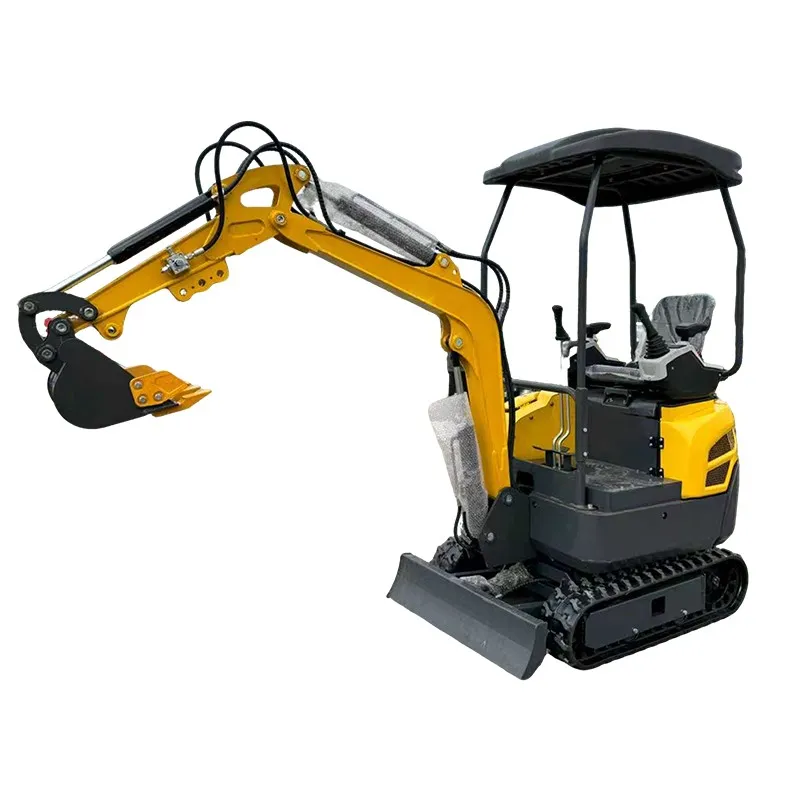
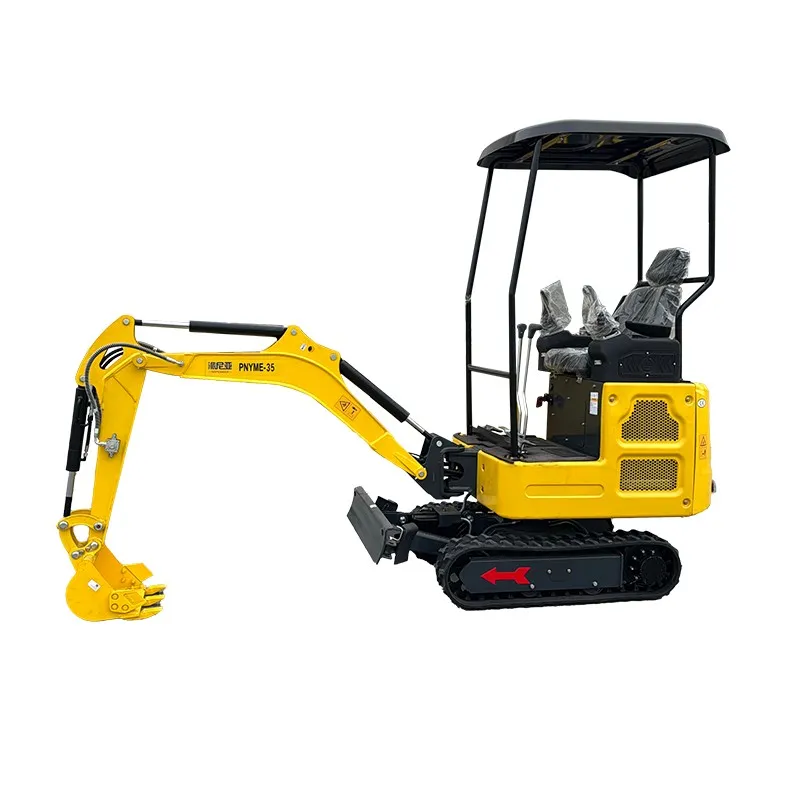
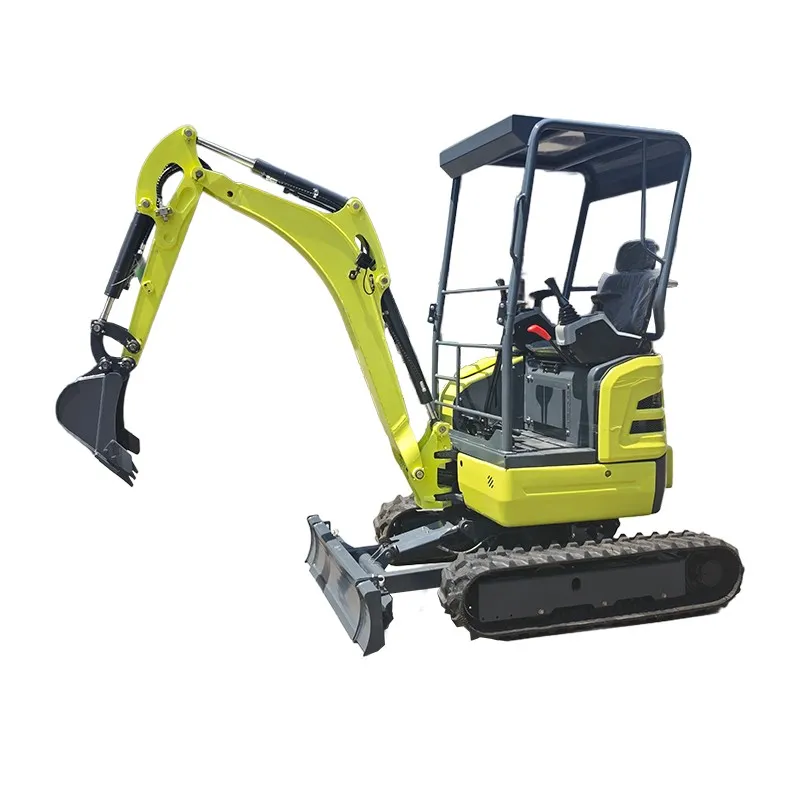
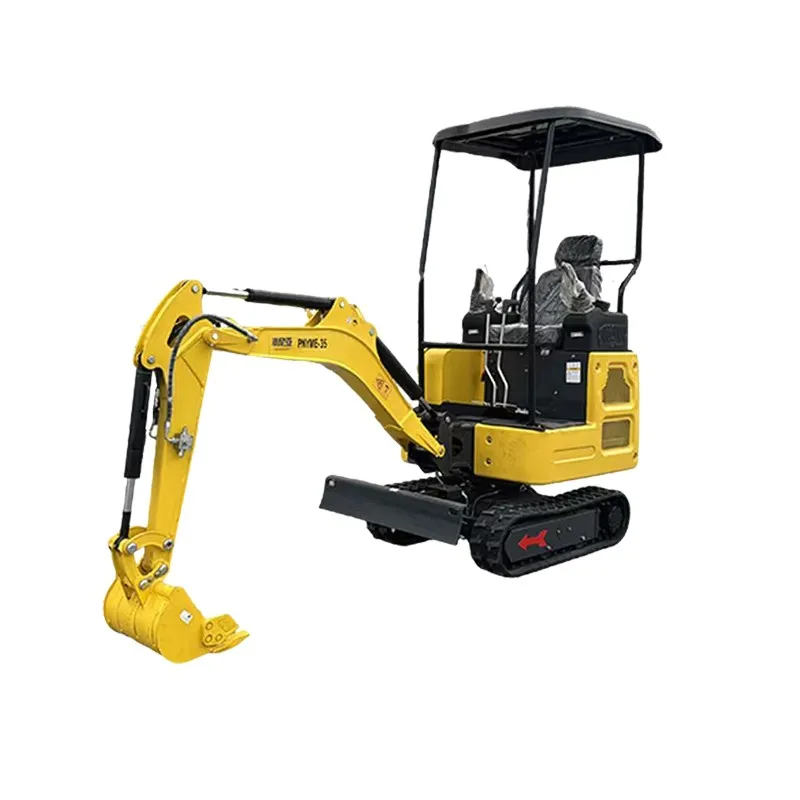
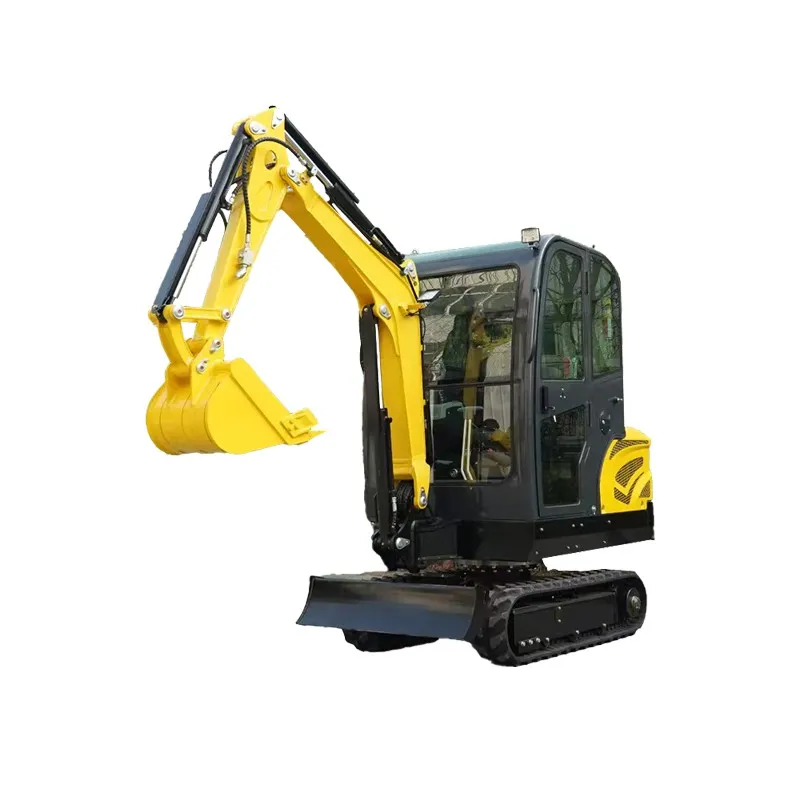
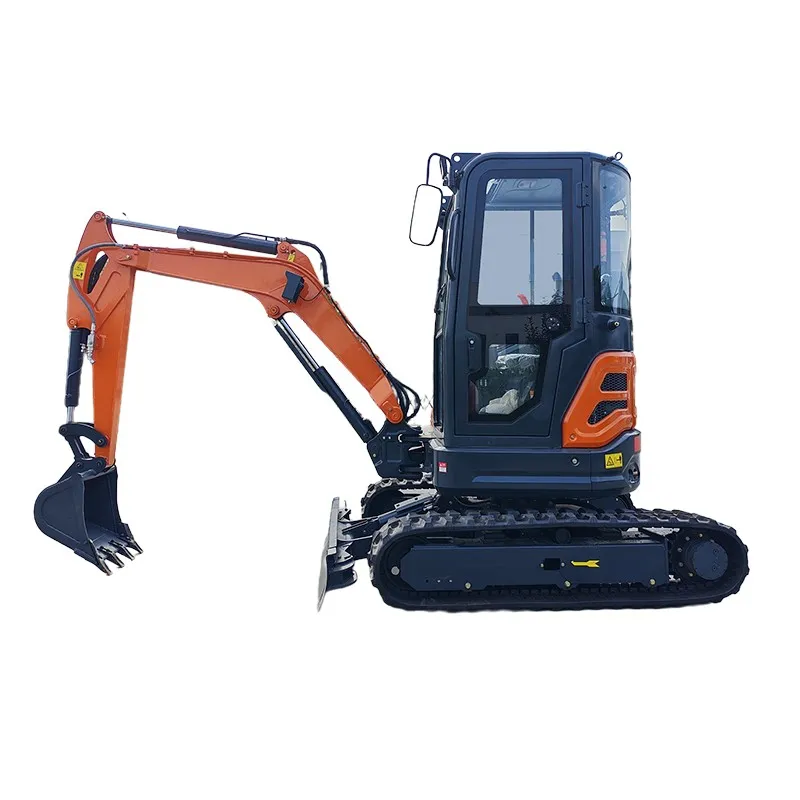
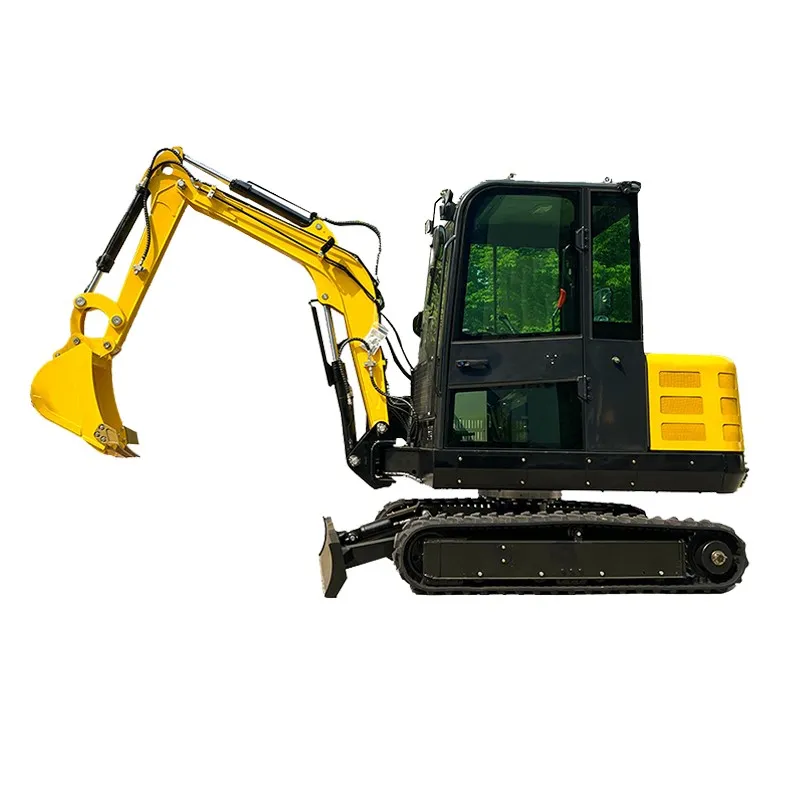
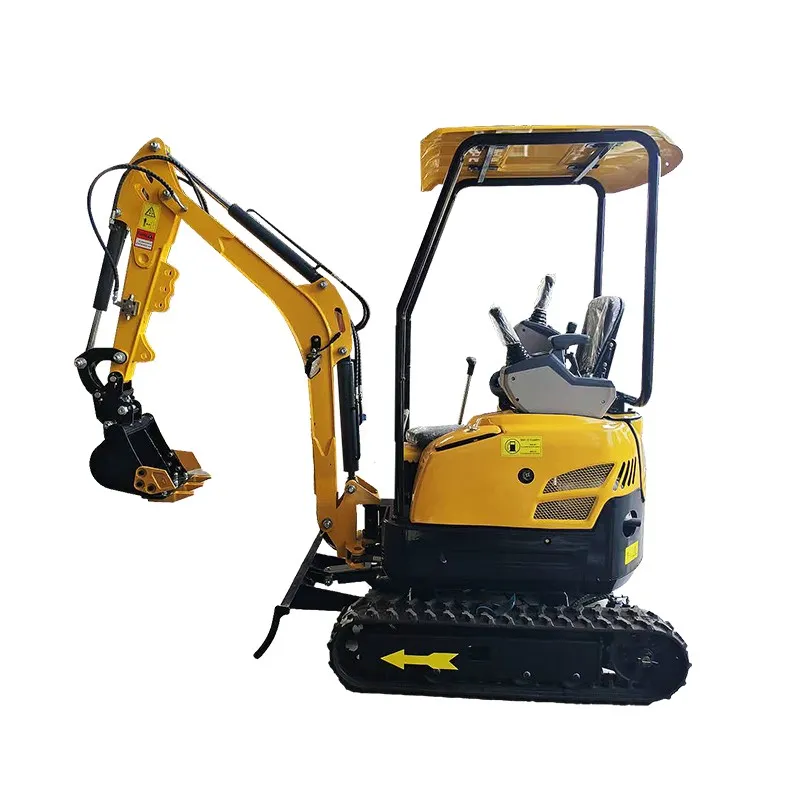
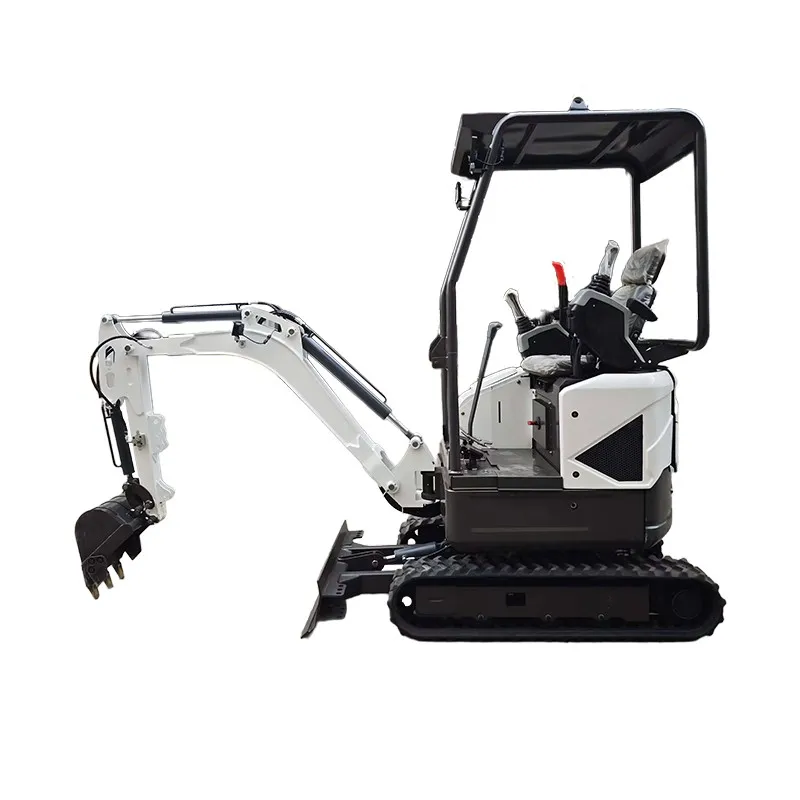
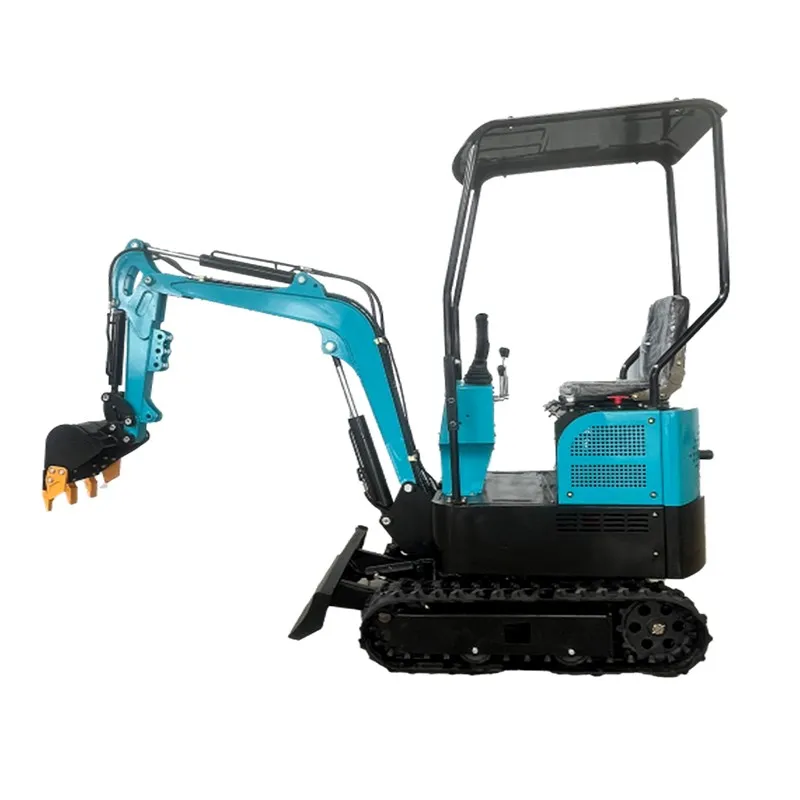
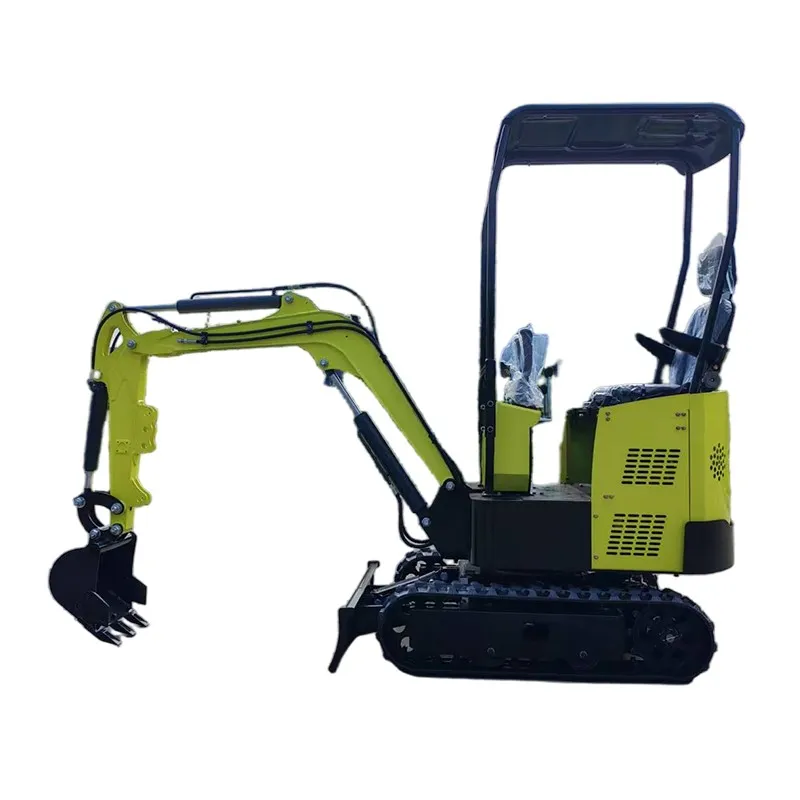
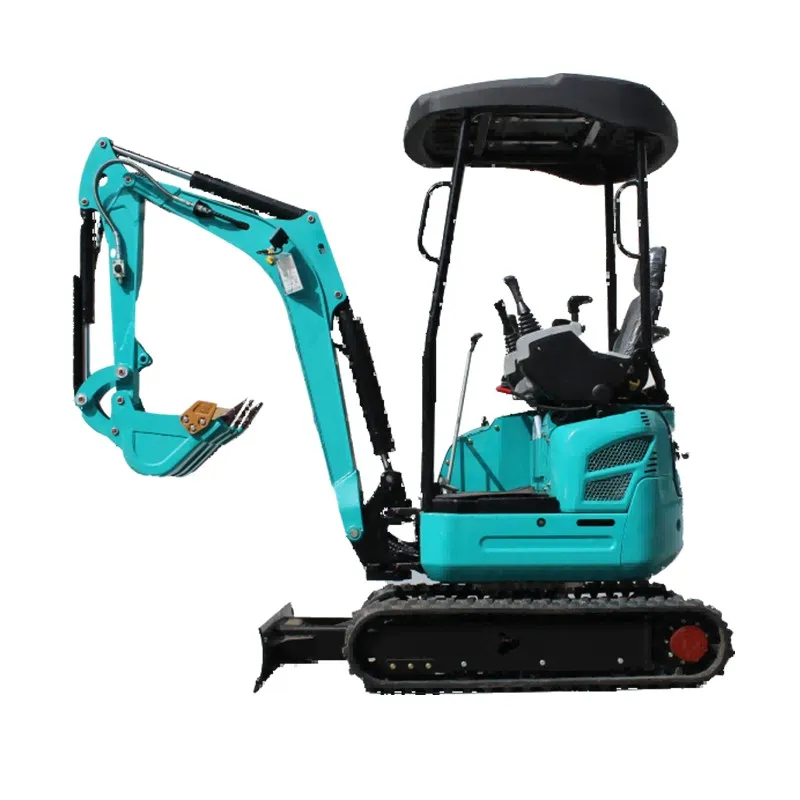
mini chinese excavator
When someone says mini chinese excavator, most people picture a cheap, generic yellow machine. That's the first mistake. The label covers a massive range, from disposable toys to surprisingly capable compact equipment. Having sourced and tested these for various small-scale projects, the real story is in the details everyone glosses over.
Defining Mini in a Crowded Market
There's no universal standard. In China, mini can mean a 1-ton walk-behind model or a 6-ton compact excavator with a full cab. The weight class is the first filter. For real utility, I've found the 1.8 to 3.5-ton range to be the sweet spot. It's heavy enough for serious digging yet transportable on a trailer. The lighter units, often below 1.5 tons, tend to sacrifice hydraulic power and stability. You're not just buying size; you're buying a balance of power, weight, and structural integrity.
Then there's the configuration. The European and North American markets often demand zero-tail-swing models for tight urban work. Many Chinese factories now produce these, but the early iterations had issues with counterweight distribution, making them tippy on slopes. The standard swing models are more stable for general farm or landscaping use. It's a classic trade-off: maneuverability versus stability. You have to know your primary job site.
I recall a client who insisted on the smallest possible machine for backyard pools. We got a 1-tonner. It was nimble, but the hydraulic flow was so low that attaching a breaker was pointless. It just stalled. That was a lesson: mini shouldn't mean underpowered. The pump displacement and valve block quality matter more than the brand sticker on the side.
The Manufacturing Reality: From Workshops to Integrated Factories
The perception that all these machines come from back-alley workshops is outdated. The industry has consolidated. You have tiered manufacturers. Some, like Shandong Pioneer Engineering Machinery Co., Ltd, represent a more evolved model. They've been in the game since 2004, which in this fast-changing sector, means they've seen several product cycles. Their recent move to a new facility in Ningyang in 2023 suggests growth and, hopefully, a focus on upgraded production lines. A 1,600 square meter plant isn't a mega-factory, but it's a serious setup for focused assembly and quality control of compact equipment.
Their structure is telling: Shandong Hexin handles manufacturing, and Shandong Pioneer handles overseas trade. This separation is common. It means the export arm is tuned into international compliance, documentation, and container loading—critical logistics that pure factories often fumble. If a company lists exports to markets like Germany, Australia, or Canada, it hints at navigating at least some level of regulatory scrutiny, even if just for basic CE or EPA Tier 4 interim standards for smaller engines.
However, winning the trust of customers worldwide is standard sales copy. The real test is in parts supply and technical documentation. I've seen beautifully built machines with utterly useless English manuals and a parts catalog that's just photos with no numbers. The better exporters, which Pioneer seems to aim for, are now investing in decent part numbering systems and online portals. It's a work in progress industry-wide.
Where Cost Savings Actually Happen (And Where They Bite)
The price point is the main draw. The savings come from scale, simplified designs, and local supply chains for components like cylinders, hoses, and even the ubiquitous Yuchai or Changfa diesel engines. The undercarriage on a standard 3-ton model might use a simpler roller system than a Japanese equivalent, and the steel in the boom might be a common grade rather than a special alloy. For maybe 80% of typical tasks, this is perfectly adequate.
The bite comes in the corners. Seals and O-rings might be lower-grade rubber, leading to seepage after a few hundred hours in very cold or very hot climates. The factory grease in pins and bushings is often minimal; a immediate, thorough re-greasing during commissioning is non-negotiable. The biggest gamble can be the hydraulic pump and motors. Reputable assemblers use recognized brands like Hengli or Bucher, while the cheapest units might use no-name pumps that lose efficiency quickly.
A specific case: a landscaping company bought three mini excavators from a trading company. Two ran fine for years with basic maintenance. The third had a main control valve that developed an internal leak within months, causing all functions to creep. The local dealer had no valve diagrams, and the factory's response was to ship a whole new valve block—at cost. The downtime and hassle erased the initial savings. The lesson wasn't don't buy Chinese, but buy from a source that provides technical support, not just a shipment.
The Critical Choice: Trading Company vs. Integrated Manufacturer
This is the core decision. Alibaba is flooded with trading companies. They can source any machine from any factory, but they are middlemen. Their value is in facilitating the deal and export paperwork. When something goes wrong technically, they are relays between you and an often-unknown factory floor. Communication slows to a crawl.
Dealing with an integrated manufacturer-exporter like Shandong Pioneer (operating via sdpioneer.com) theoretically shortens that chain. The trade company and manufacturing arm are linked. They should have direct access to engineers, assembly records, and the bill of materials for your specific machine. This is crucial for getting the right spare part. Instead of asking for the big cylinder on the boom, you need part BoomCyl-003-Rev2. The integrated players are getting better at this.
You still have to verify. Ask for the parts manual before buying. Ask for a video of your actual machine undergoing a pre-shipment inspection, showing functions and checking for leaks. The reputable ones will do this. The website address is a starting point; a professional, updated site with clear contact info for after-sales is a good sign. The old-school guys just have a WeChat QR code.
Practical On-Ground Experience and Adjustments
Once it lands, forget the plug-and-play idea. The first 50 hours are a shakedown. Check every hydraulic fitting with a wrench. Replace the hydraulic return filter immediately—the break-in debris is in there. Monitor hydraulic fluid temperature during sustained work; poor cooling circuit design can lead to overheating on some early models.
Attachments are another world. The standard quick coupler might be a non-standard pin size. You might need to machine adapters for your existing buckets or grapples. I always budget for this. Also, the auxiliary hydraulic flow and pressure need to match your attachments. I've seen a perfectly good mulcher head underperform because the machine's auxiliary circuit couldn't deliver the rated GPM.
Finally, operator mindset matters. These machines often have different control lever feel—sometimes more sensitive, sometimes with more dead zone at the neutral position. It takes a few hours to adapt. They're not inferior, just different. Treating them like a disposable commodity leads to early failure. Treating them like a tool that needs understanding and proactive maintenance unlocks their true value. That's the real secret behind the mini chinese excavator label: it's a capable tool, but it demands a more informed and hands-on owner.
Related Products
Related Products