


- Chinese
- French
- German
- Portuguese
- Spanish
- Russian
- Japanese
- Korean
- Arabic
- Irish
- Greek
- Turkish
- Italian
- Danish
- Romanian
- Indonesian
- Czech
- Afrikaans
- Swedish
- Polish
- Basque
- Catalan
- Esperanto
- Hindi
- Lao
- Albanian
- Amharic
- Armenian
- Azerbaijani
- Belarusian
- Bengali
- Bosnian
- Bulgarian
- Cebuano
- Chichewa
- Corsican
- Croatian
- Dutch
- Estonian
- Filipino
- Finnish
- Frisian
- Galician
- Georgian
- Gujarati
- Haitian
- Hausa
- Hawaiian
- Hebrew
- Hmong
- Hungarian
- Icelandic
- Igbo
- Javanese
- Kannada
- Kazakh
- Khmer
- Kurdish
- Kyrgyz
- Latin
- Latvian
- Lithuanian
- Luxembou..
- Macedonian
- Malagasy
- Malay
- Malayalam
- Maltese
- Maori
- Marathi
- Mongolian
- Burmese
- Nepali
- Norwegian
- Pashto
- Persian
- Punjabi
- Serbian
- Sesotho
- Sinhala
- Slovak
- Slovenian
- Somali
- Samoan
- Scots Gaelic
- Shona
- Sindhi
- Sundanese
- Swahili
- Tajik
- Tamil
- Telugu
- Thai
- Ukrainian
- Urdu
- Uzbek
- Vietnamese
- Welsh
- Xhosa
- Yiddish
- Yoruba
- Zulu
- Kinyarwanda
- Tatar
- Oriya
- Turkmen
- Uyghur

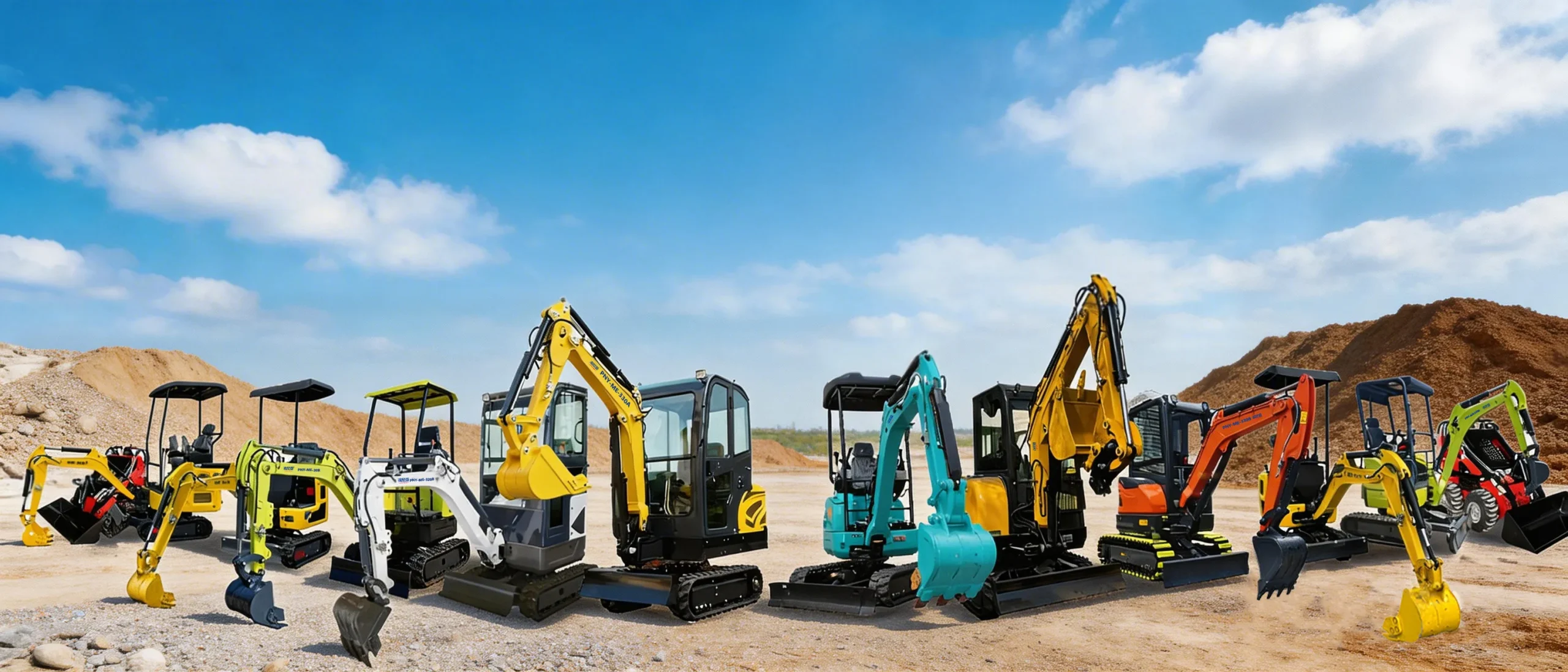
Mini Construction Machinery
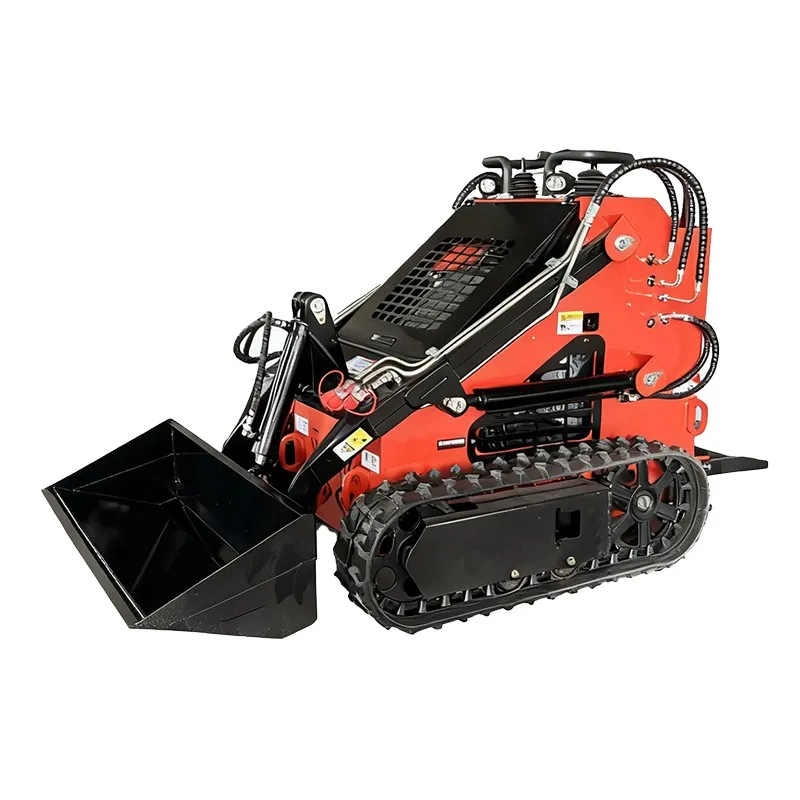
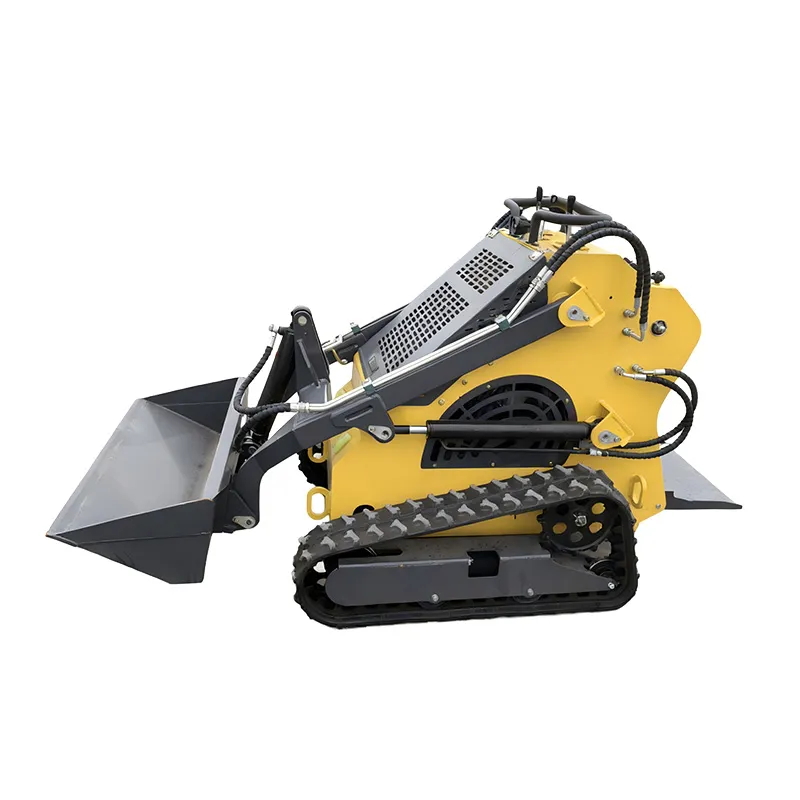
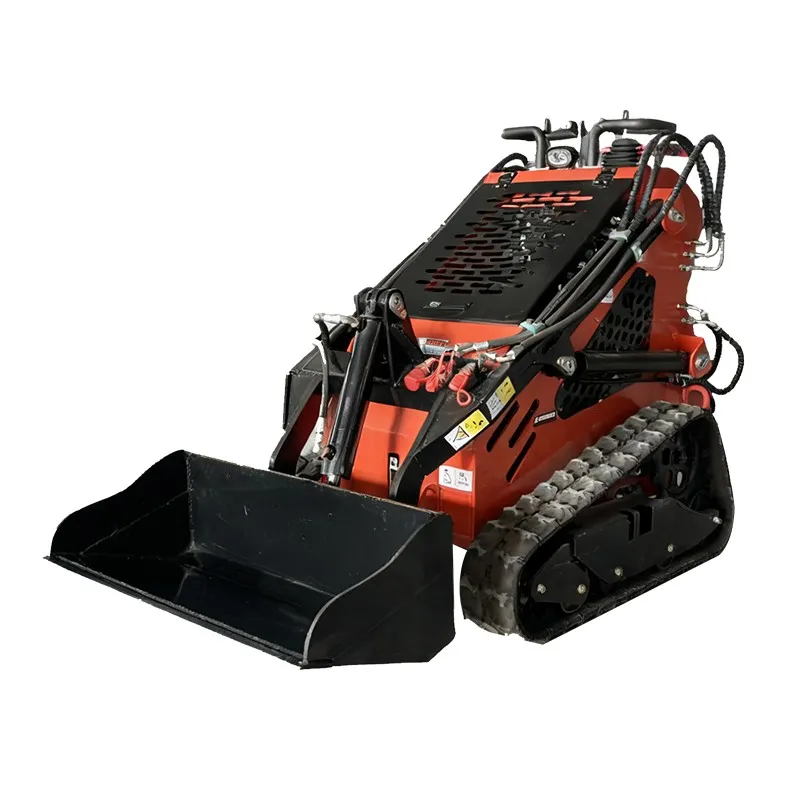
When you hear 'mini construction machinery', the immediate image for many is a cute, scaled-down version of a backhoe or skid steer, something almost toy-like. That's the biggest misconception I've fought against for years. The reality is, these are serious, high-duty-cycle machines designed for serious, constrained work. The 'mini' refers to the footprint and often the engine displacement, not the capability or the engineering rigor behind it. I've seen too many projects waste budget on under-spec'd machines because the buyer thought 'smaller' meant 'simpler' or 'cheaper to run'—it rarely does.
The Core Value Proposition: Access and Precision
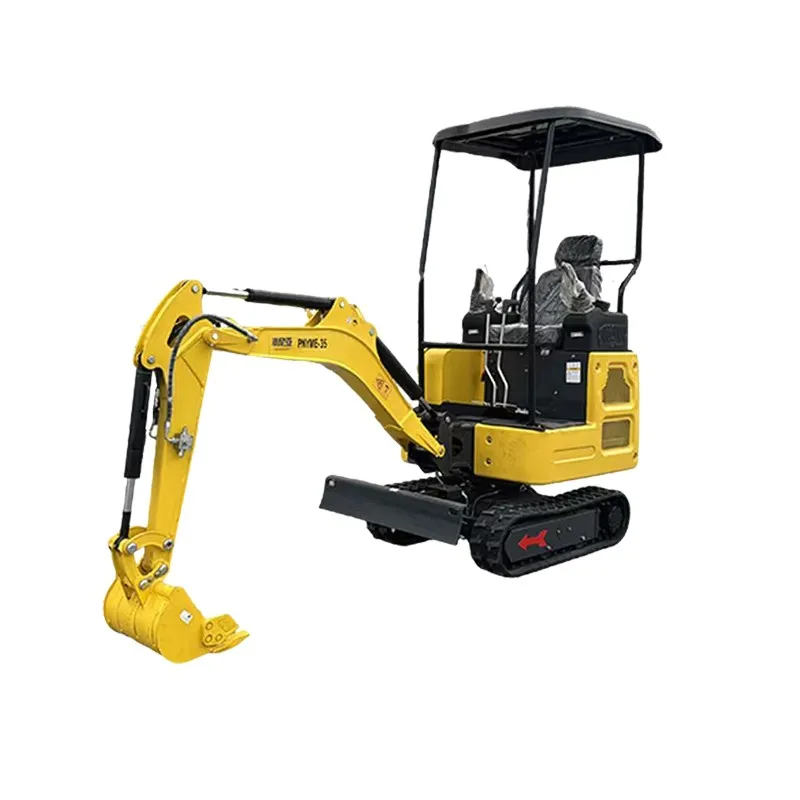
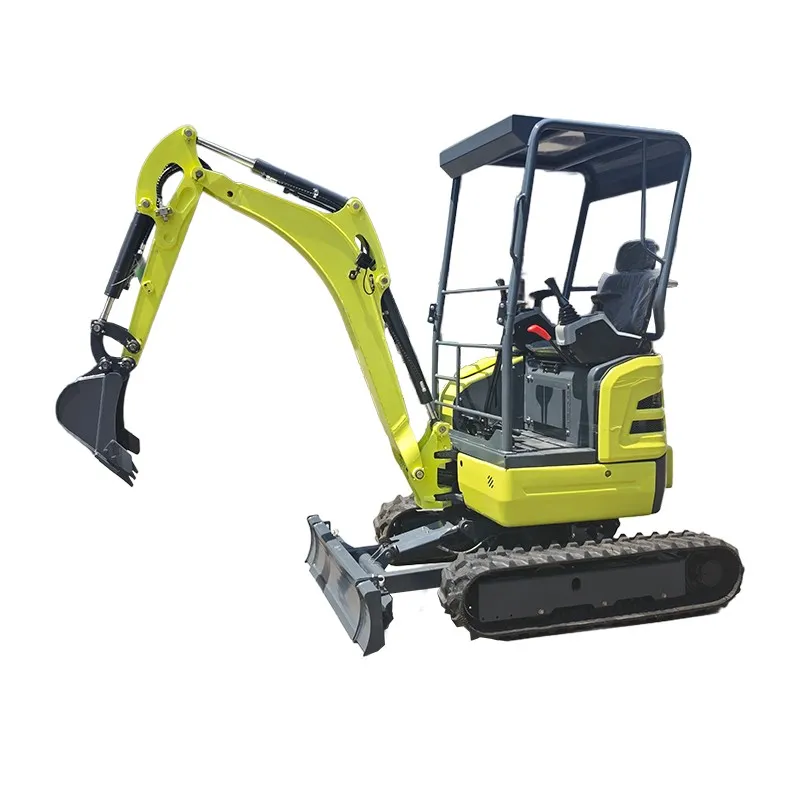
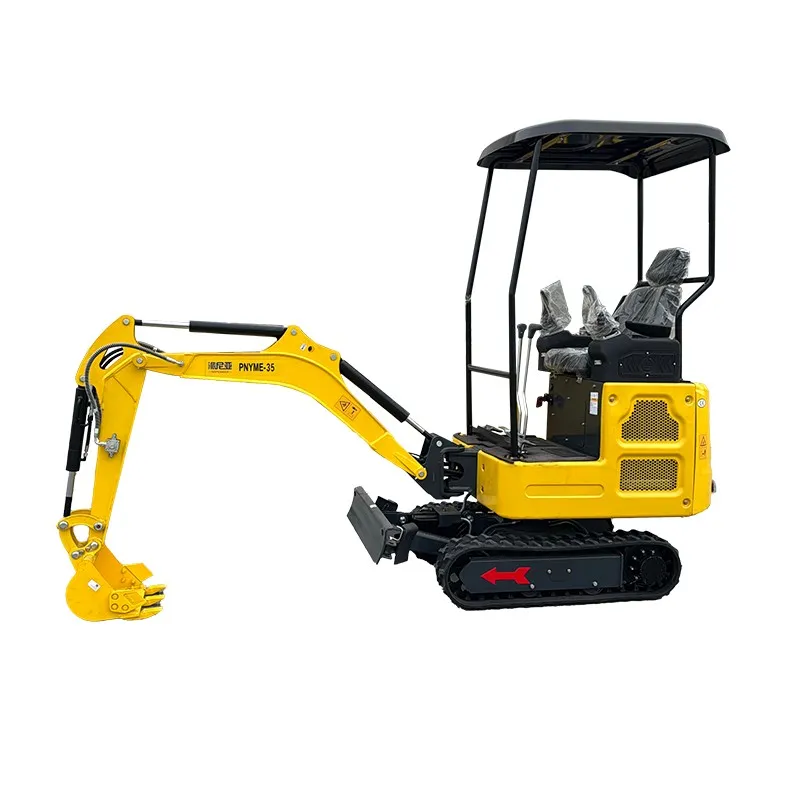
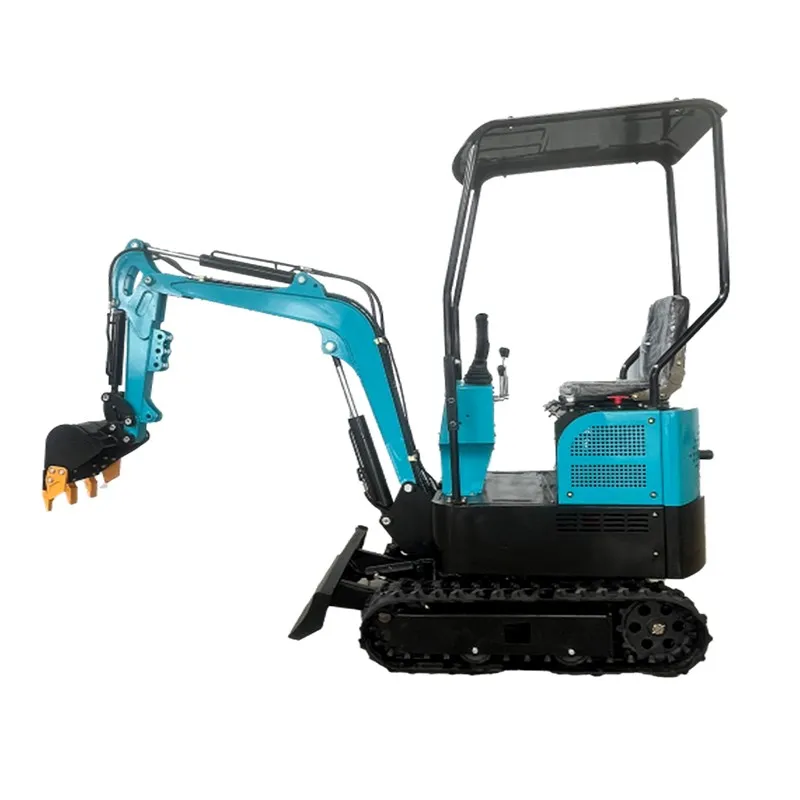
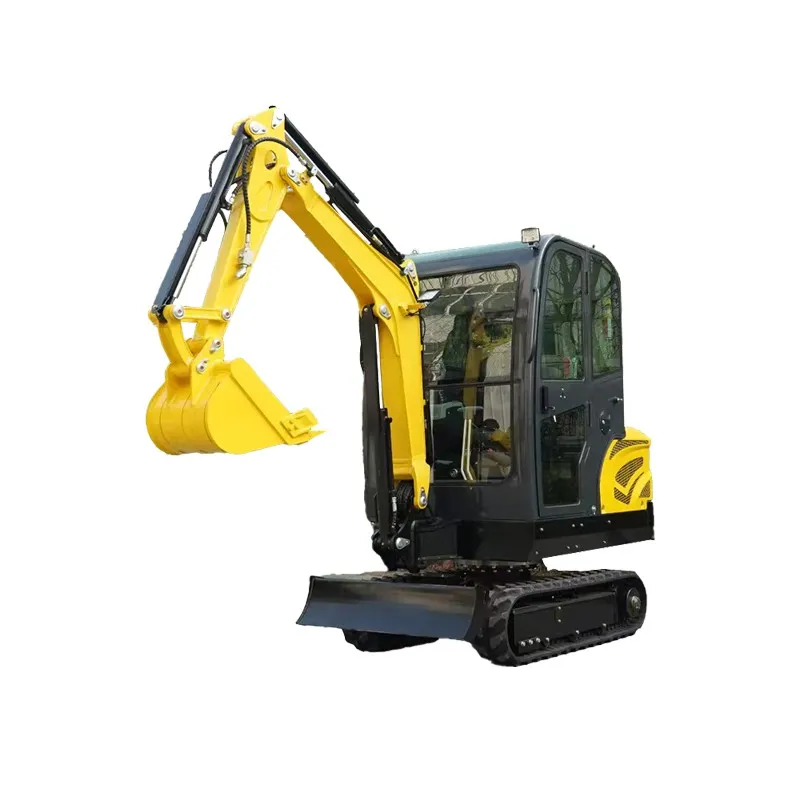
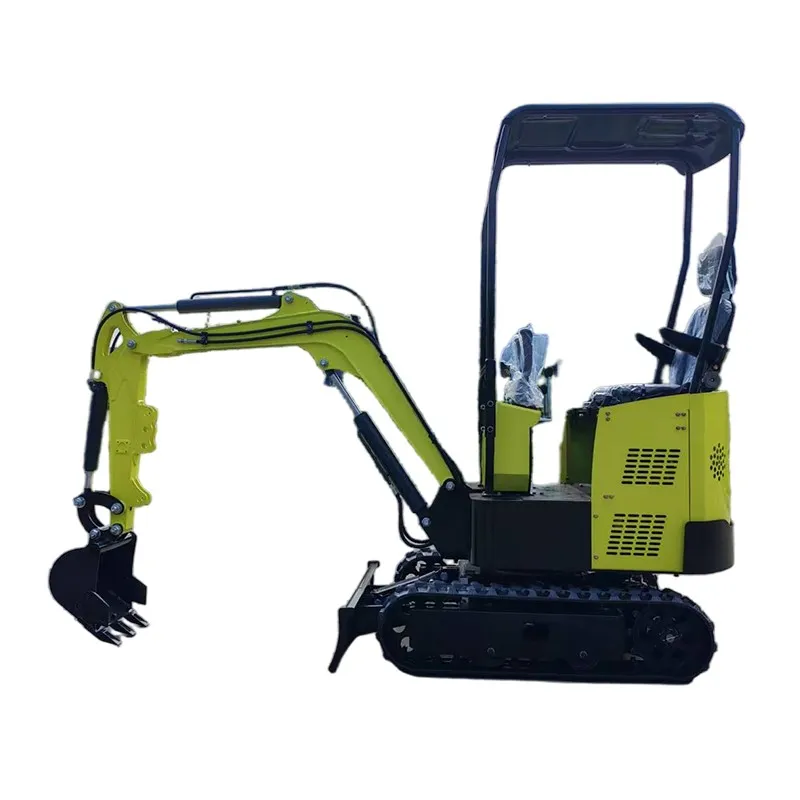
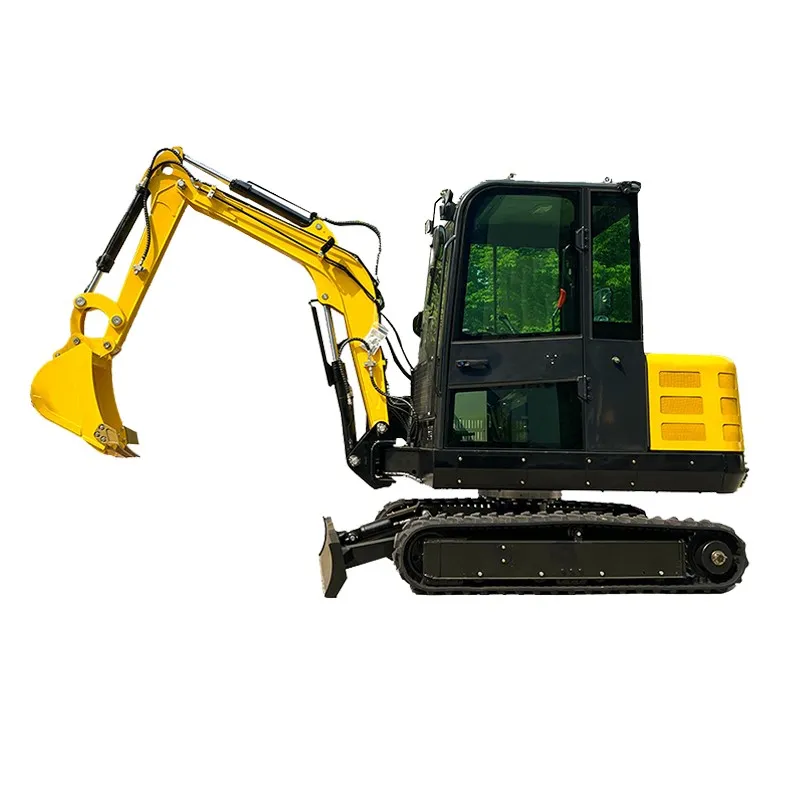
Let's talk about where these machines truly earn their keep. It's not about replacing a full-size excavator; it's about going where the big iron can't. Think interior demolition in a century-old building with narrow hallways and weight-limited floors. A 1-ton mini excavator with zero tail swing, like the ones we often sourced, becomes the only viable option. You're not just buying a machine; you're buying access.
Precision is the other half. Landscaping final grades, trenching for utilities right next to a foundation, or precise material handling in a crowded warehouse yard. The joystick controls on a modern mini loader offer a finesse that larger machines, with their sheer power and inertia, simply can't match. I recall a job installing French drains around a historic property where the client's main concern was not damaging root systems of old trees. A mini excavator with a tiltrotator attachment—that's a game-changer—allowed us to dig and angle the bucket simultaneously, following the winding root lines with surgical accuracy. A 30-ton machine would have turned the site into a mud bath in minutes.
This is where the manufacturer's focus matters. A company that understands these nuanced applications, like Shandong Pioneer Engineering Machinery Co., Ltd, doesn't just build small diggers. They have to engineer for stability on uneven ground, for quick attachment changes (we call it the one-minute coupling dream, though in practice, even a good quick hitch takes careful maintenance), and for operator comfort in tight spaces. You can see this focus on their platform at https://www.sdpioneer.com—their product range isn't just about variety, it's about specific solutions for confined space work.
Power Trains and The Diesel Dilemma
Here's a technical rabbit hole I find myself in often: the power source. For years, diesel was the unquestioned king. Torque, reliability, fuel efficiency for long run times. But the noise and emissions are a massive drawback for indoor or urban residential work. I've been on sites in Germany where local ordinances practically banned standard diesel minis within city limits after certain hours.
The electric shift is real, but it's messy. The promise is fantastic: near-zero noise, instant torque, no fumes. We tested a couple of early-generation electric mini excavators. The silence was eerie and brilliant for indoor work. But the anxiety about battery life on a full-day, high-demand site? Palpable. You're not just managing a machine, you're managing a charging schedule and hoping your power source on-site is reliable. It's a different kind of operational planning. Companies that are future-proofing, including pioneers in the manufacturing space like their associated entity Shandong Hexin, are now deeply invested in this transition. It's not a gimmick; it's a response to real market pressure from Europe and North America.
Then there's the hybrid idea—a small diesel generator running a constant RPM to charge batteries that power electric drive motors. Sounds perfect on paper, right? Smoother operation, reduced emissions. I've seen prototypes. The complexity and cost, however, often outweigh the benefits for the typical buyer of a mini construction machinery unit. The maintenance network isn't there yet. For now, a well-tuned, Tier 4-compliant diesel in a mini excavator is still the workhorse for most. But the writing is on the wall.
The Global Supply Chain: A View from the Ground
Having been involved in sourcing and specifying these machines for projects from Australia to Canada, the origin story matters less than the specification and support. Yes, a significant volume of the global mini machinery supply comes from manufacturing hubs in China's Shandong province. The key differentiator isn't the location, but the depth of experience. A firm established in 2004, like the one mentioned, has lived through several major industry cycles—the 2008 boom, the subsequent crunch, the ESG wave. That 20-year development arc, culminating in a recent relocation to a new facility in Ningyang in 2023, speaks to growth and reinvestment, not just static production.
What does that mean for an end-user? It means the design of the machine's hydraulic system has been iterated upon. The placement of service points for easier daily greasing, the standardization of hose fittings, the quality of the cab seals—these are lessons learned from feedback in diverse environments from the dry outback to damp German winters. When a company's export footprint spans the US, Canada, Germany, and Australia, they're forced to adapt their builds. An Australian contractor needs a machine that can handle extreme dust; a Canadian one needs reliable cold-start performance. One-size-fits-all doesn't work.
I remember a batch of mini loaders we had for a rental fleet. One model from a less experienced maker had the radiator intake positioned perfectly to suck in all the debris from a landscaping site. Constant overheating. The fix wasn't in the manual; it was a field modification involving a custom mesh guard. The better manufacturers learn these lessons at the factory, not on your job site. They design for the real-world clogging and abuse.
Attachment Ecosystem: Where the Real Work Gets Defined
A mini excavator with just a bucket is like a computer with only a text editor. It's the attachments that unlock its potential. But here's the catch: the attachment interface. The industry has moved towards standardized quick couplers, but compatibility is never a guarantee. We learned this the hard way early on, buying a supposedly universal tilt grader blade from one supplier that didn't quite lock securely onto our machine's coupler. A slight slop that led to frustrating imprecision in grading work.
This is why serious manufacturers build or certify a dedicated attachment ecosystem. It's not about locking you into their brand; it's about guaranteeing performance and safety. A breaker, a hydraulic auger, a compaction wheel—each imposes different hydraulic flow and pressure demands. The machine's auxiliary hydraulics need to be calibrated for this. A no-name breaker can hammer away, but at the wrong frequency and impact energy, it'll destroy the tool and fatigue the machine's structure. I always advise buyers to look at the manufacturer's list of tested and approved attachments. It's a sign of a mature product line.
For a company like Shandong Pioneer, which operates through the Shandong Pioneer channel for overseas trade, providing this ecosystem is critical for winning trust in competitive markets. It's one thing to sell a machine; it's another to provide the full suite of tools—from trenchers to grapples—that a contractor in the American Midwest or a rental yard in Germany would need to run a profitable operation. That's the appreciation they've earned from global customers.
Operational Realities and Cost of Ownership
Let's get brutally practical. The purchase price is just the entry ticket. The real cost is in operation and maintenance. With mini construction machinery, the margins for error are smaller. A tiny hydraulic leak on a large excavator might be a weekly check; on a mini, it can drain the entire system in an hour because the reservoir is so small. Daily inspection—checking track tension, looking for pin wear, cleaning the radiator fins—isn't optional; it's survival.
Transport is another hidden factor. The beauty is that many units can be towed behind a heavy-duty pickup without a CDL. But I've seen people overload trailers or use inadequate tie-downs. A 3-ton mini excavator bouncing on a trailer is a disaster waiting to happen. The machine's design sometimes includes integrated lifting eyes or even stackable configurations for shipping, which shows the manufacturer is thinking about the total lifecycle cost.
Finally, durability. These machines get abused. They're constantly hitting unknown subsurface obstacles, getting shoved into muddy corners, and idling for long periods. The steel used in the boom, the grade of the hydraulic hoses, the sealing on the swing bearing—these are where the 20 years of manufacturing accumulation show. A cheaper machine might perform identically for the first 500 hours. It's at the 1,500-hour mark, often just outside the standard warranty, where the difference in metallurgy and assembly quality becomes a very expensive repair bill. That's the trust they talk about winning—it's trust that the machine will hold up when your project's deadline is tightening.
Related Products
Related Products